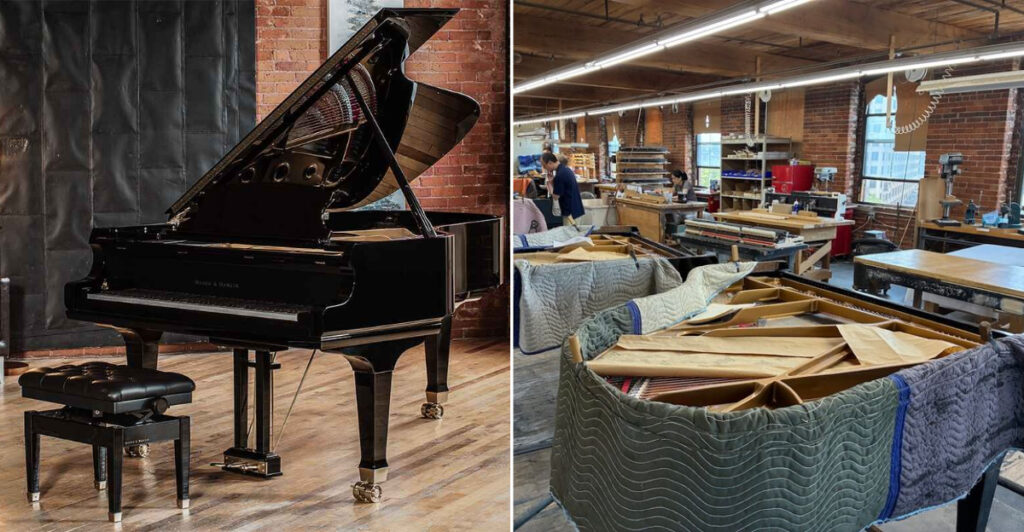
Most American piano factories closed their doors decades ago, leaving behind only memories and the occasional vintage instrument gathering dust in a corner. But in Haverhill, Massachusetts, one factory has kept the tradition alive, building world-class pianos by hand using methods that date back to 1854.
This place is not just a manufacturer, it is a living piece of American craftsmanship history. The factory sits quietly in a working-class city north of Boston, producing instruments that have graced concert stages and private homes across the globe.
This is the story of how that factory got here, what happens inside its walls, and why it still matters in a world where most things are made by machines overseas.
Why Haverhill Became Home to an American Icon
Haverhill is a city with a long manufacturing history, situated along the Merrimack River in northeastern Massachusetts. It was once famous for its shoe industry, and its brick mill buildings still stand as reminders of the era when American cities like this one made things that the whole world wanted to buy.
For a piano company rooted in craftsmanship and precision, Haverhill made practical sense. The region had a skilled labor pool, accessible transportation routes, and the kind of industrial infrastructure that supports detailed manufacturing work.
The Mason and Hamlin factory fits right into that tradition. Rather than relocating production overseas like so many competitors did during the latter half of the twentieth century, the company chose to stay rooted in New England.
That decision has turned the Haverhill facility into something rare: a functioning American piano factory that still builds its instruments from raw materials to finished product, entirely on domestic soil.
What the Factory Tour Actually Looks Like
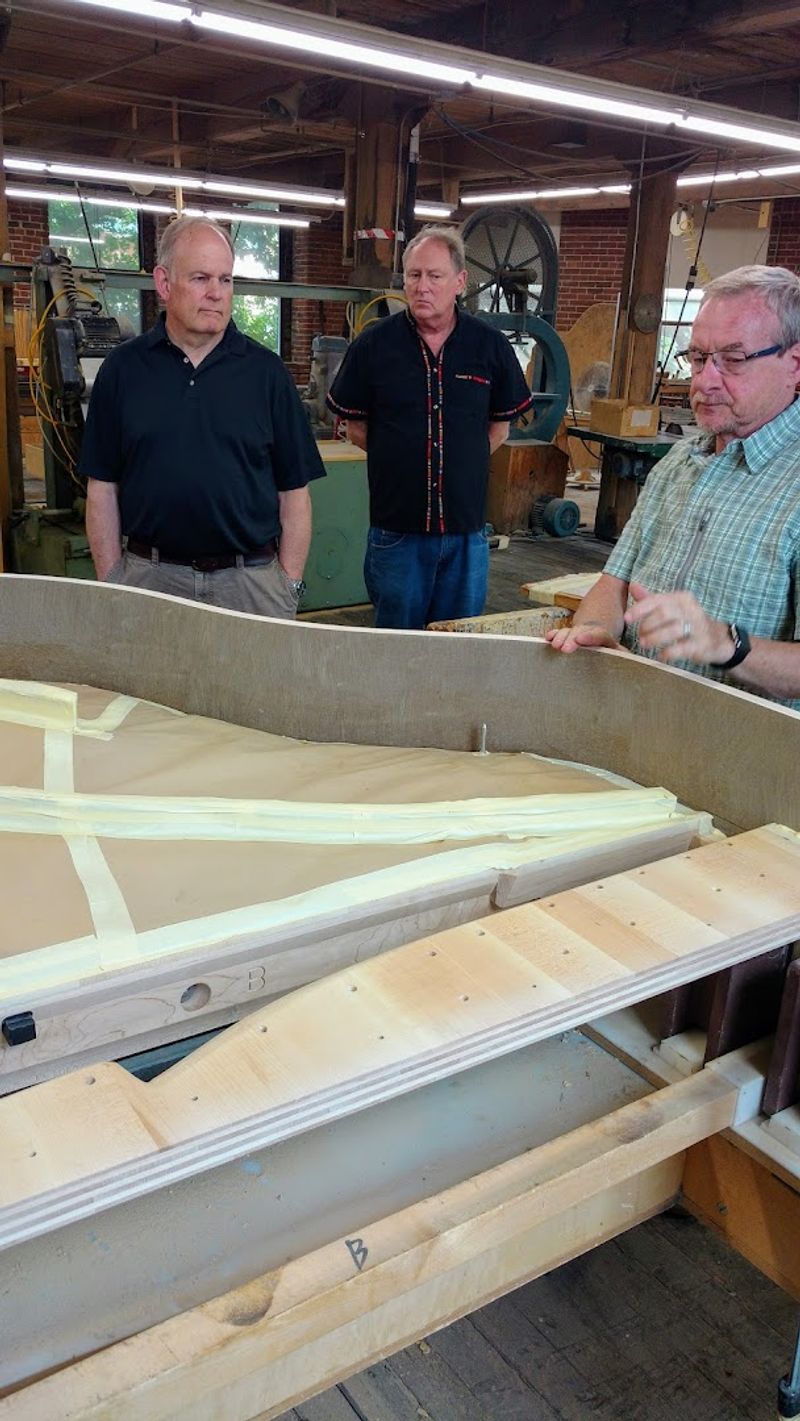
Factory tours at Mason and Hamlin run Monday through Friday from 9 AM to 5 PM, and the experience is far more detailed than most people expect going in. For a modest fee of around twenty dollars, guests get a guided walkthrough of the entire production process, from the moment raw Rock Maple wood arrives at the facility to the moment a completed piano rolls out of the finishing room.
Tour guides walk the group through each stage with clear explanations and genuine enthusiasm. Every question gets answered, and there is no rushing through the good parts.
The tour covers wood bending, plate casting, stringing, voicing, and regulation, terms that might sound technical but become surprisingly clear once you see the process happening right in front of you.
The tour wraps up with a live piano recital, giving guests a chance to hear the finished instruments played at their full potential, which is a genuinely memorable way to close the experience.
The Wood That Makes the Difference
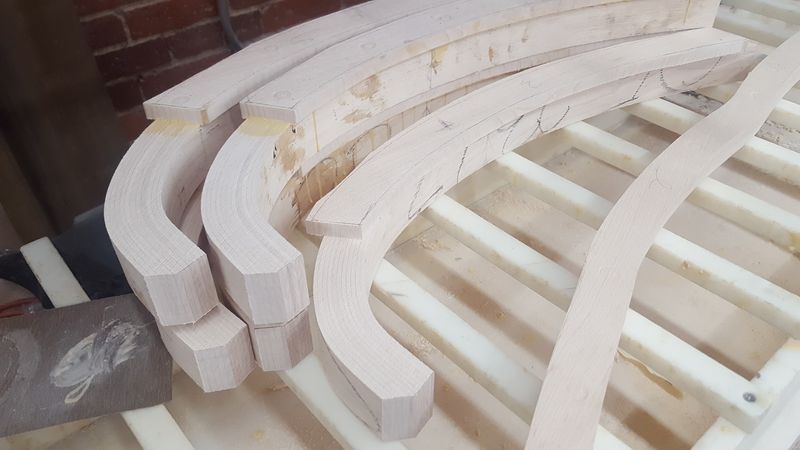
Rock Maple is not a wood you pick because it is cheap or easy to work with. It is dense, strong, and demanding of the craftspeople who shape it, but those same qualities are exactly what makes it ideal for building a piano that will last for generations.
Mason and Hamlin sources Rock Maple specifically for its structural integrity. The wood forms the backbone of the piano’s rim, the curved outer shell that gives the instrument its shape and contributes to how sound moves through the body.
Getting that rim right requires precision bending techniques that have been refined over more than a century.
The process of working with this wood connects the modern factory directly to its nineteenth-century origins. Some of the methods used to shape and prepare the lumber have not changed dramatically since the company’s earliest days, which is part of what gives Mason and Hamlin instruments their distinctive character and long-term durability.
Old Techniques Meet Modern Precision
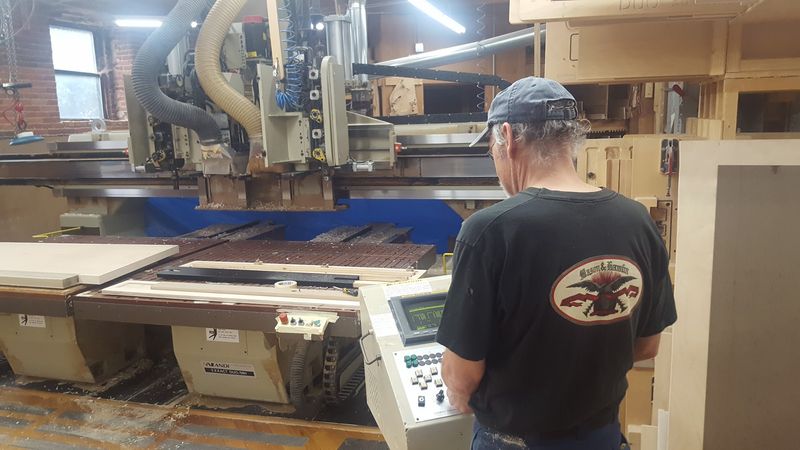
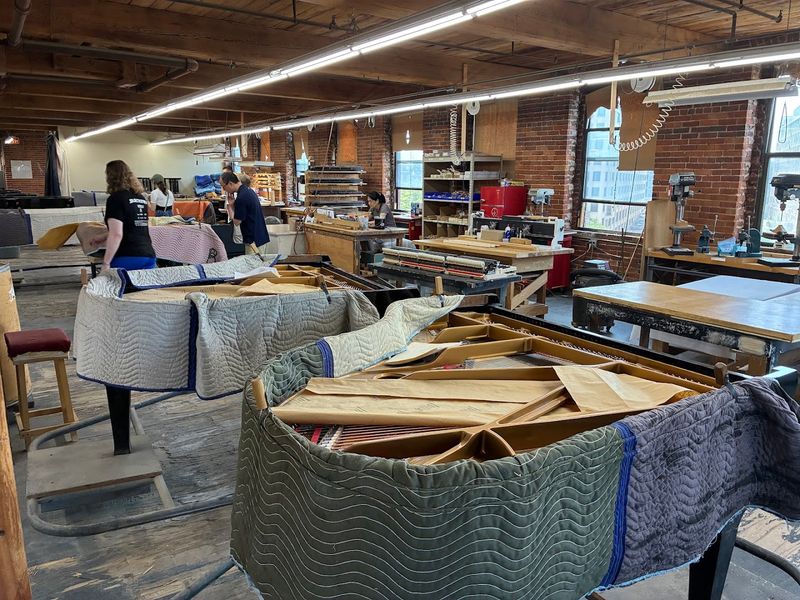
One of the more surprising things about the Mason and Hamlin factory is how comfortably old and new technology coexist on the production floor. Processes that date back to the company’s founding in 1854 sit right alongside CNC machines and twenty-first-century manufacturing tools.
That combination is not accidental. The company has been deliberate about identifying which traditional methods produce results that modern technology simply cannot replicate, and preserving those methods even when faster alternatives exist.
At the same time, precision machinery is used where it genuinely improves consistency and accuracy without sacrificing the handcrafted quality the brand is known for.
The result is a production process that feels like a working museum in the best possible way. Workers with deep knowledge of their craft operate machinery that ranges from antique to state-of-the-art, and the end product reflects the strengths of both approaches.
This balance is one of the clearest reasons why Mason and Hamlin pianos hold up so well over time.
The People Who Build These Instruments
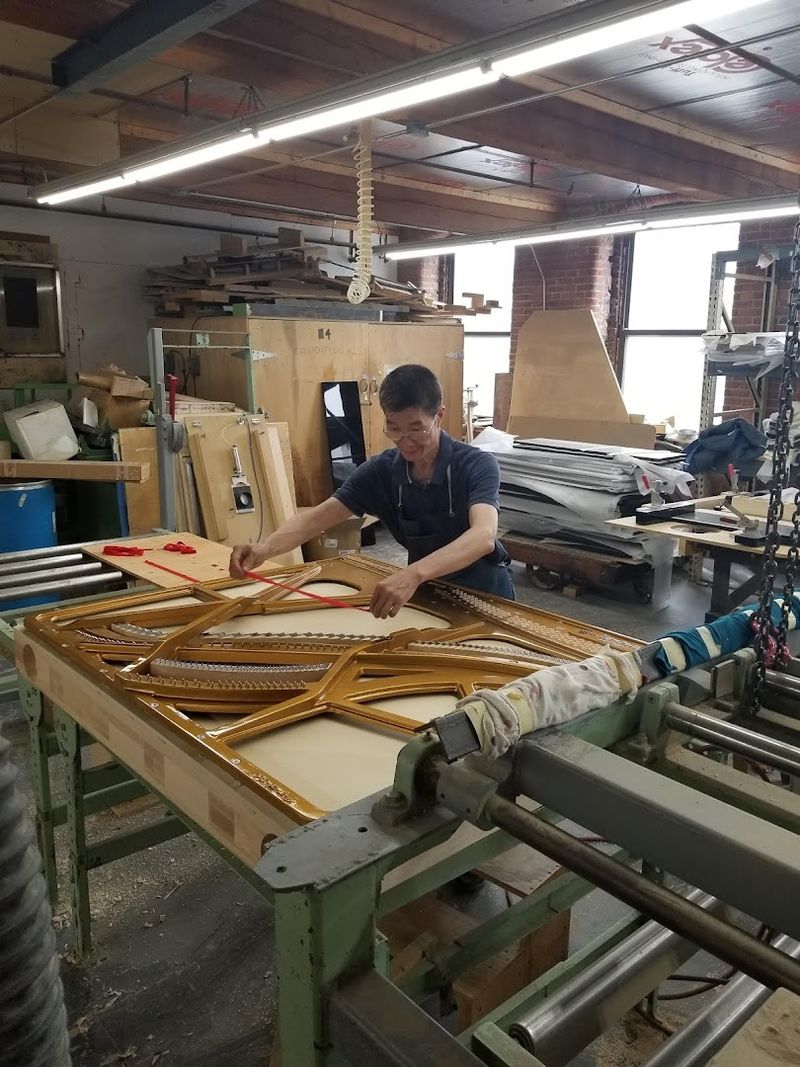
Behind every Mason and Hamlin piano is a team of people who have spent years, sometimes decades, learning the details of their specific role in the production process. Piano building is not a skill you pick up quickly.
It requires patience, a strong understanding of acoustics and materials, and a level of attention to detail that goes well beyond most manufacturing jobs.
The craftspeople at the Haverhill factory work across a range of specialized tasks, from shaping wooden components to stringing and regulating the finished action. Each person contributes a distinct piece of the puzzle, and the quality of the final instrument depends on all of those pieces fitting together correctly.
Tour guides at the factory are part of this team, and their knowledge of the production process reflects genuine hands-on experience. The enthusiasm they bring to explaining each step makes it clear that the people who work here take real pride in what they are building every day.
What Sets a Mason and Hamlin Apart From Other Pianos
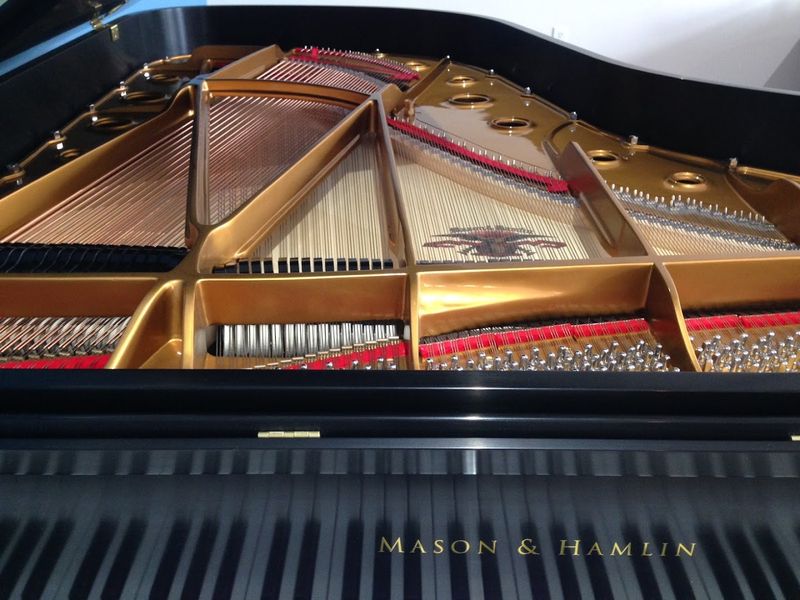
Piano technicians and rebuilders who have worked with instruments from every major manufacturer tend to describe Mason and Hamlin pianos with a specific kind of respect. The build quality is considered nearly indestructible by professional standards, and the tonal range is wide enough to satisfy both classical performers and contemporary players.
One characteristic that gets mentioned frequently is the touch. The key action on a Mason and Hamlin is notably responsive, which matters enormously to pianists who perform regularly or who have physical conditions that make heavy action difficult to manage.
That responsiveness, combined with a broad dynamic range, makes these instruments accessible to a wider range of players than many comparable concert-grade pianos.
The treble register, in particular, carries a clarity and warmth that distinguishes Mason and Hamlin from its competitors. These are not subtle differences that only trained ears can detect; they are qualities that players notice from the first few minutes at the keyboard.
A Brand That Outlasted Its American Competitors
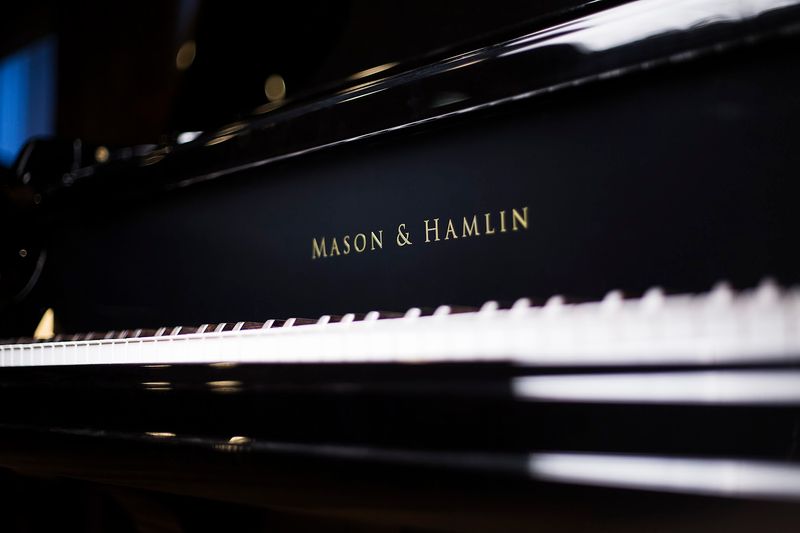
At its peak, the American piano industry was a powerhouse. Dozens of manufacturers operated across the country, producing hundreds of thousands of instruments every year for homes, schools, churches, and concert halls.
By the mid-twentieth century, most of those companies had either closed or moved production abroad.
Mason and Hamlin survived where others did not, and the reasons are worth understanding. The company never competed on volume or price.
The focus stayed on quality, which meant the instruments retained their value and reputation even as the broader industry contracted around them.
There were difficult periods, including ownership changes and financial pressures that tested the company’s continuity. But each time, the core commitment to American craftsmanship held.
The Haverhill factory today stands as one of the last places in the United States where a full-scale concert grand piano is built entirely from raw materials, by skilled workers, on American soil, and that distinction carries real weight.
Franz Liszt and the Famous Fans of Mason and Hamlin
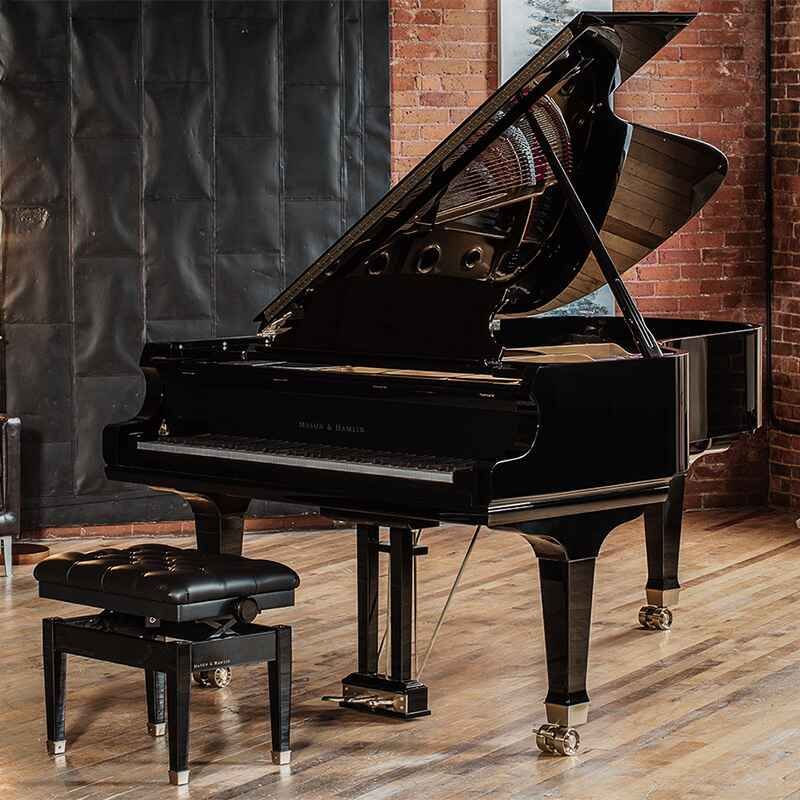
Not every piano company can claim that one of history’s greatest pianists specifically chose their instruments for a major tour. Franz Liszt, the Hungarian composer and virtuoso who essentially invented the modern piano recital, selected Mason and Hamlin pianos during his visits to the United States.
That endorsement, earned in the nineteenth century, reflects how seriously the international music world took the brand even in its early decades. Liszt was not someone who played on inferior instruments, and his choice of Mason and Hamlin said as much about the company’s standing as any technical review could.
The legacy of famous musicians choosing these pianos has continued across generations. For a company still operating out of a factory in northeastern Massachusetts, that kind of historical connection to the concert world is not just a marketing point.
It is a thread that runs from the company’s founding straight through to the instruments being built and played today.
The Role of Haverhill in Keeping American Manufacturing Alive
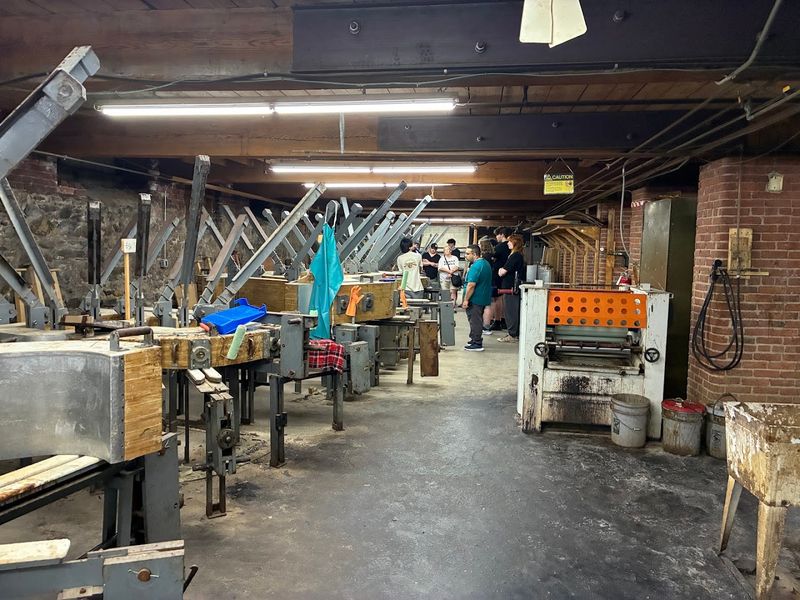
There is a broader story happening at the Mason and Hamlin factory that goes beyond pianos. It is about what it means to keep skilled manufacturing alive in a country that has largely outsourced that kind of work over the past several decades.
Haverhill itself understands that story well. The city’s identity was built on making things, and the loss of its shoe industry in the twentieth century left real marks on the local economy and workforce.
A company like Mason and Hamlin, still operating and still hiring skilled tradespeople, represents something meaningful in that context.
Every piano that leaves the Haverhill factory is a product of American labor, American materials, and American knowledge passed down through generations of workers. In an era when that combination has become genuinely uncommon, the factory’s continued operation is worth paying attention to, not just for music lovers but for anyone who cares about what domestic manufacturing can still produce.
Planning Your Visit to the Haverhill Factory
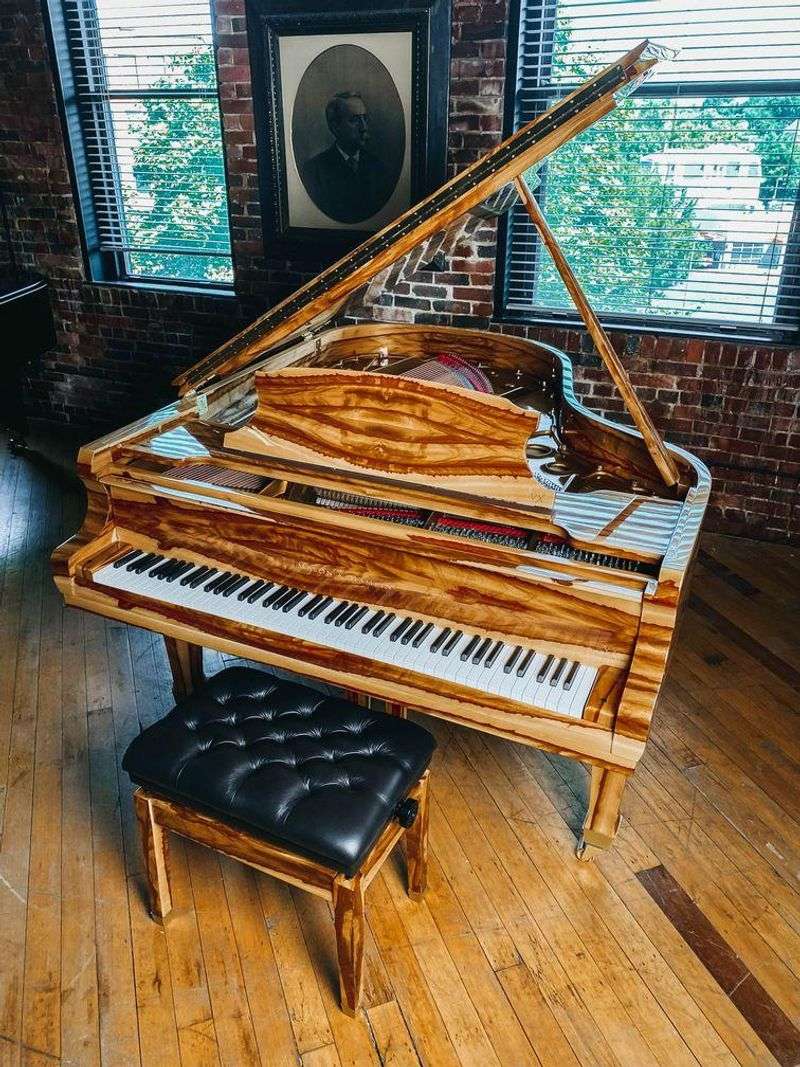
Getting to the Mason and Hamlin factory at 35 Duncan St in Haverhill, MA is straightforward whether you are coming from Boston, the North Shore, or further along the East Coast. The factory is open Monday through Friday, from 9 AM to 5 PM, and tours are available during those hours.
Booking in advance is the smart move, especially if you are traveling with a group or coming from a significant distance. The tour costs around twenty dollars per person, which is remarkably reasonable for the depth of access and information provided.
Groups have traveled from considerable distances specifically for this experience and found it well worth the trip.
There is no dress code and no specialized knowledge required to enjoy the tour. Whether you are a lifelong pianist, a manufacturing enthusiast, or simply curious about how a world-class instrument comes together, the factory floor has something worth seeing, and the recital at the end gives the whole visit a genuinely satisfying finish.
A Factory With Deep Roots in American History
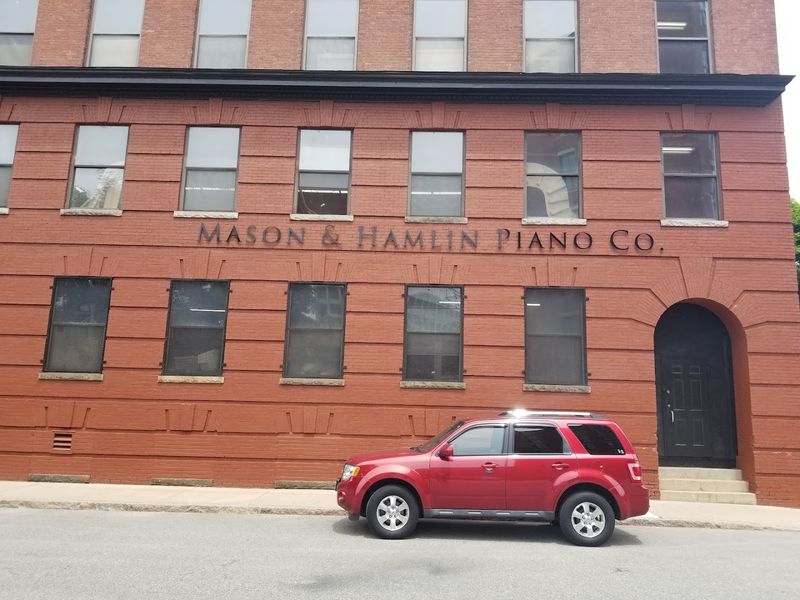
Long before the age of mass production and overseas manufacturing, Mason and Hamlin was already setting the standard for American piano craftsmanship. The company was founded in 1854 by Henry Mason and Emmons Hamlin in Boston, Massachusetts, making it one of the oldest piano manufacturers in the United States.
Over the decades, the brand built a reputation that reached well beyond American borders. Franz Liszt, one of the most celebrated pianists in history, chose Mason and Hamlin as his preferred piano during his tours of the United States, which says a great deal about the quality the company was producing even in its earliest years.
Today, the factory operates out of 35 Duncan St, Haverhill, MA 01830, continuing a legacy that spans more than 170 years. That kind of staying power does not happen by accident; it is the result of consistent dedication to building instruments the right way, every single time.
Share this story