 Unearth The Voyage
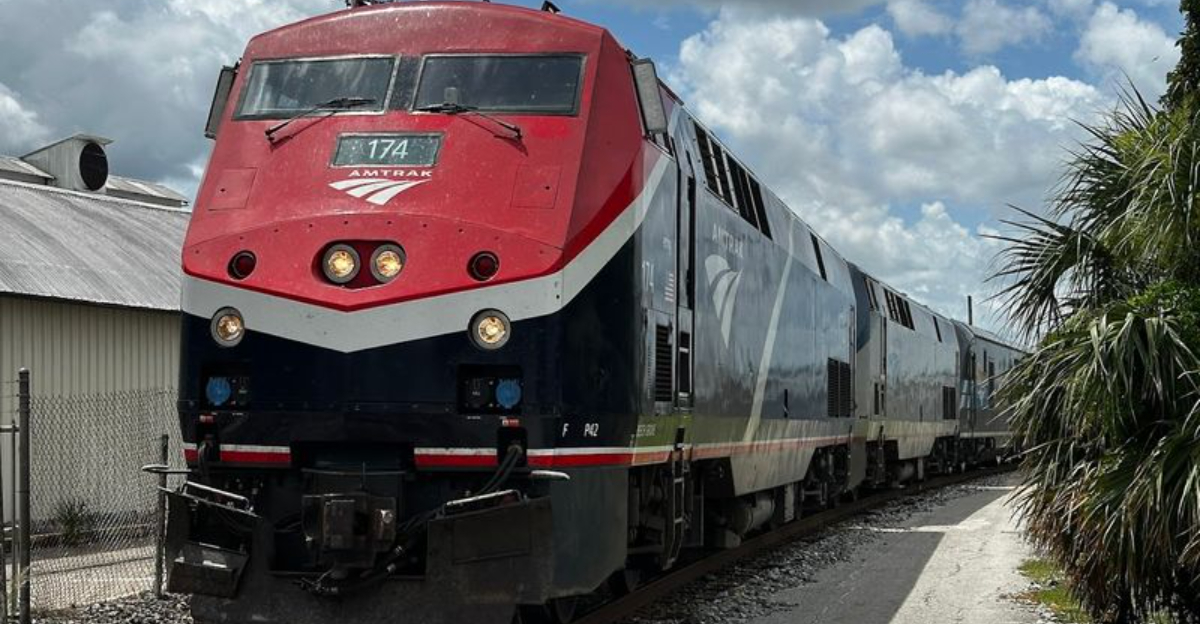
Hop aboard and get ready for one of Florida’s most scenic and underrated adventures – a train ride from Miami all the way to Jacksonville. This route takes you through buzzing city centers, quiet lakeside towns, and historic downtowns that most tourists never get to see.
Whether you’re a travel lover, a history buff, or just someone who wants to skip the highway traffic, this Amtrak journey has something for everyone. Pack your bags, grab a window seat, and let’s roll through the Sunshine State one stop at a time.
1. Miami – Starting Point
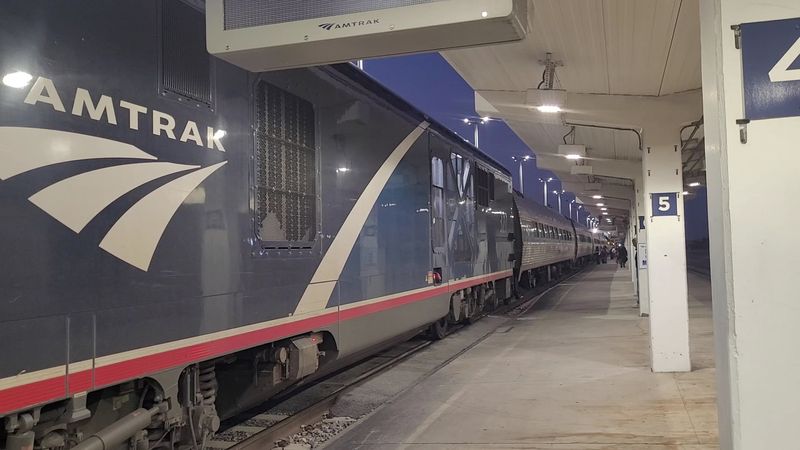
Few cities on Earth can match Miami’s opening act. The moment you step onto the platform at Miami’s Amtrak station, the city’s energy hits you like a wave of warm salt air.
This is where your Florida rail adventure officially begins.
Miami is famous for its Art Deco architecture in South Beach, world-class Cuban food, and a nightlife scene that never seems to sleep. But beyond the glitz, the city has rich cultural neighborhoods like Little Havana and Wynwood, where street art covers every wall.
Arrive early and spend a few hours soaking up the city before boarding. Grab a cortadito from a local coffee window, stroll through Bayside Marketplace, or catch the sunrise over Biscayne Bay.
Miami sets the tone for the whole trip with style, flavor, and a whole lot of sunshine.
2. West Palm Beach – Coastal Gem
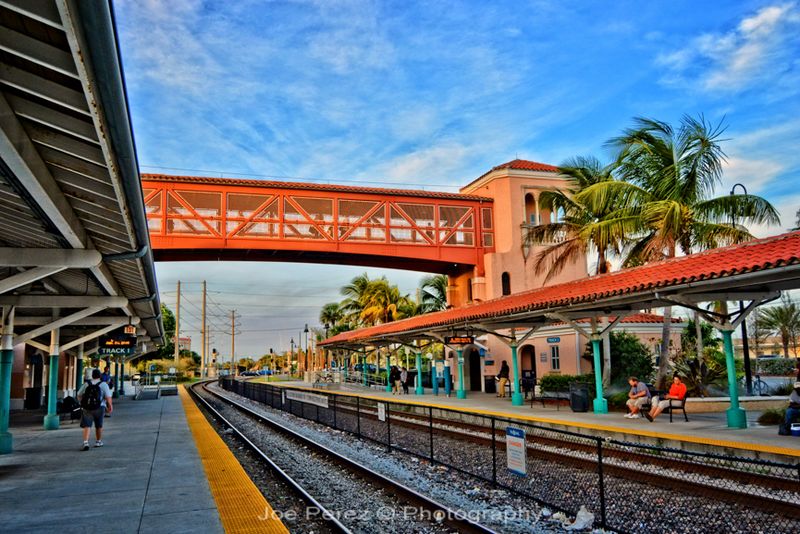
Salt air, swaying palms, and a downtown that actually makes you want to stay a while – welcome to West Palm Beach. This coastal city sits right on the edge of the Atlantic and gives off a relaxed, upscale vibe without feeling stuffy about it.
Clematis Street is the heartbeat of downtown, lined with restaurants, boutiques, and live music spots that fill up on weekend evenings. Just steps away, the waterfront promenade is perfect for a breezy walk after a long train ride.
Art lovers should not skip the Norton Museum of Art, one of Florida’s finest collections under one roof. West Palm Beach also has a surprising number of rooftop bars where the ocean views are absolutely worth the elevator ride.
This city rewards curious travelers who slow down long enough to look around.
3. Okeechobee – Rural Lakeside Town
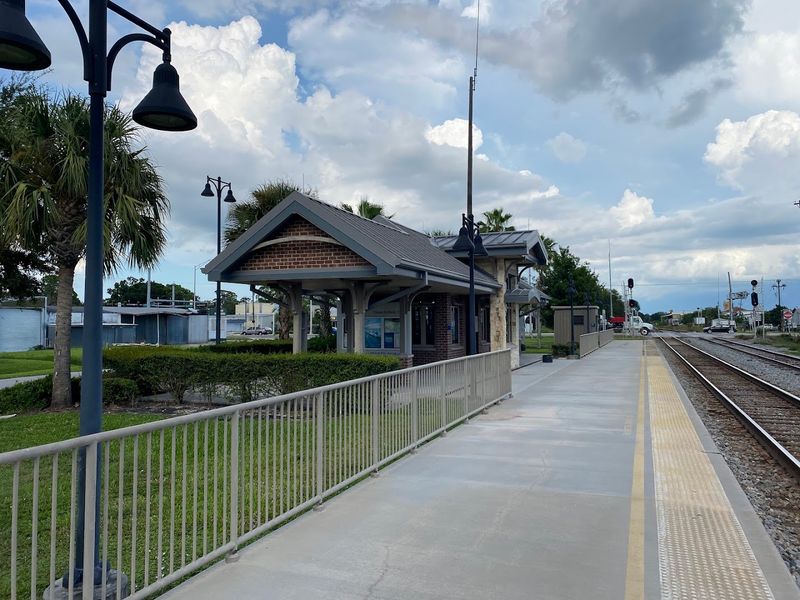
Most tourists zoom past Okeechobee without a second thought, and that is exactly why it deserves a stop. Sitting on the northern shore of Florida’s largest freshwater lake, this quiet town offers a side of Florida that feels completely off the beaten path.
Lake Okeechobee itself is massive – so large that you can’t see the other side from the shore, which gives it an almost ocean-like feel. Fishing here is legendary, with bass and catfish drawing anglers from across the country year-round.
The town itself is small and easygoing, with local diners serving hearty Southern-style meals and friendly locals who are happy to point you toward the best fishing spots. There’s a certain charm in Okeechobee’s simplicity.
No crowds, no rush, just wide skies, calm water, and the kind of quiet that big cities never quite manage to offer.
4. Sebring – Race Town History
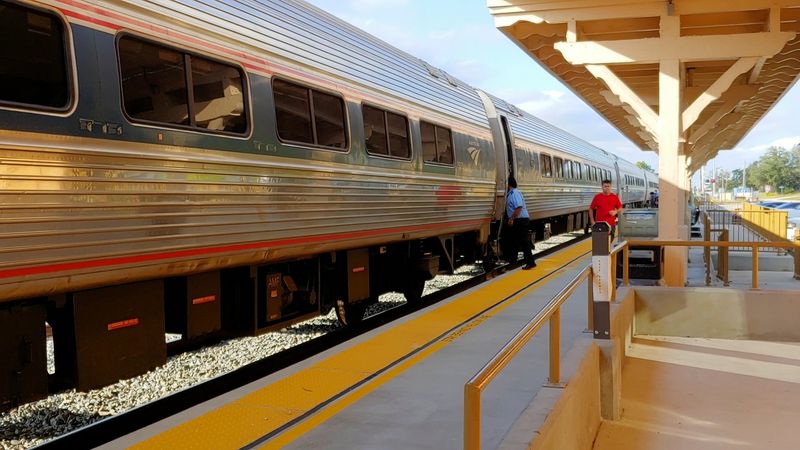
Every March since 1950, the engines roar and the crowds go wild at Sebring International Raceway – making this small central Florida town one of the most storied motorsport destinations in the world. Even if you visit on a quiet Tuesday, the racing spirit is baked into Sebring’s DNA.
The 12 Hours of Sebring is one of the oldest endurance races in North America, drawing top drivers and passionate fans from around the globe. The raceway offers tours and museum exhibits that bring the history to life, even when no race is scheduled.
Beyond the track, Sebring’s downtown has a retro small-town feel with murals, local shops, and relaxed cafes. Highlands Hammock State Park is just minutes away, offering shaded hiking trails through old-growth cypress trees.
Sebring proves that a town doesn’t need to be big to carry a seriously impressive legacy.
5. Winter Haven – Lakes & Chain of Lakes Access
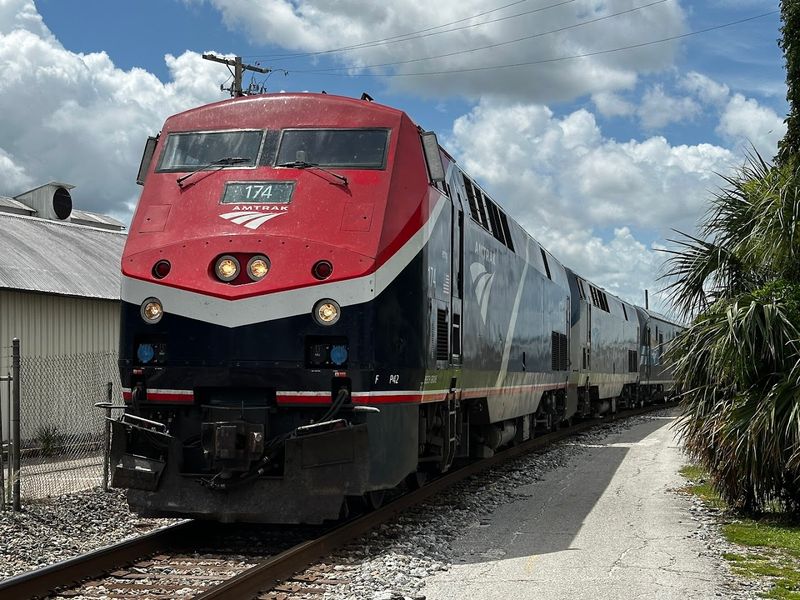
Winter Haven sits at the center of one of Florida’s most beautiful natural features – a connected series of freshwater lakes known as the Chain of Lakes. With more than 50 lakes linked by canals, this city is practically built on water, and residents take full advantage of it.
Kayaking, paddleboarding, and electric boat rentals are all popular ways to explore the lakes at a relaxed pace. Downtown Winter Haven has been quietly reinventing itself, with new restaurants, craft breweries, and local shops breathing fresh life into the historic streets.
Fun fact: LEGOLAND Florida Resort is located right here in Winter Haven, built on the former site of Cypress Gardens, one of Florida’s oldest theme parks. Families with younger kids will love that bonus.
But even without the brick-built attractions, Winter Haven’s lakeside sunsets and laid-back atmosphere make it a genuinely lovely place to spend an afternoon.
6. Lakeland – Historic Downtown
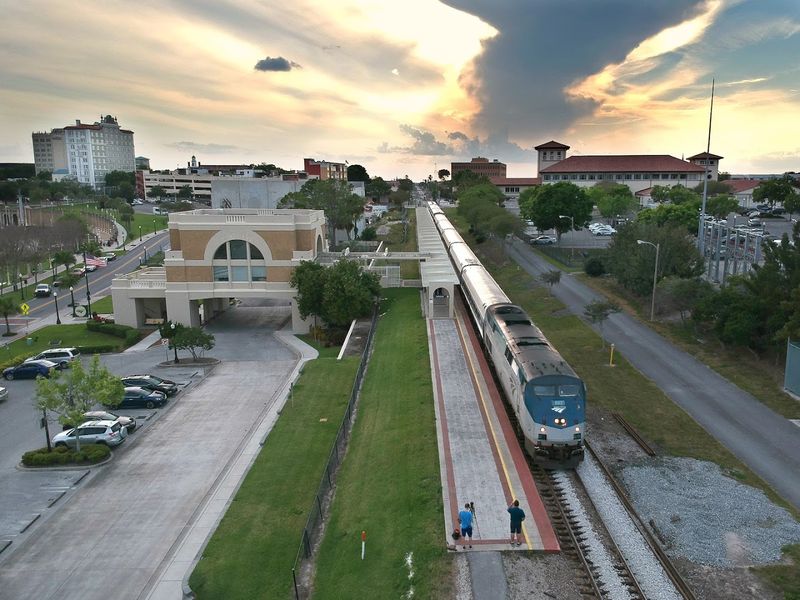
Swans have been roaming the shores of Lake Mirror in downtown Lakeland since 1923 – and honestly, they act like they own the place. This charming central Florida city wears its history proudly, with a walkable downtown full of Spanish-Mediterranean architecture and well-preserved historic buildings.
Lakeland is also home to the largest collection of Frank Lloyd Wright architecture in the world, all located on the campus of Florida Southern College. Architecture fans make special trips just to walk through those buildings, and it is absolutely worth the detour.
The downtown area has a strong cafe and boutique culture, with independent shops and restaurants tucked into historic storefronts. Munn Park is a popular gathering spot where locals picnic and relax on weekends.
Lakeland has a way of feeling both timeless and refreshingly alive at the same time, which is a rare combination in any city.
7. Orlando – Central Hub
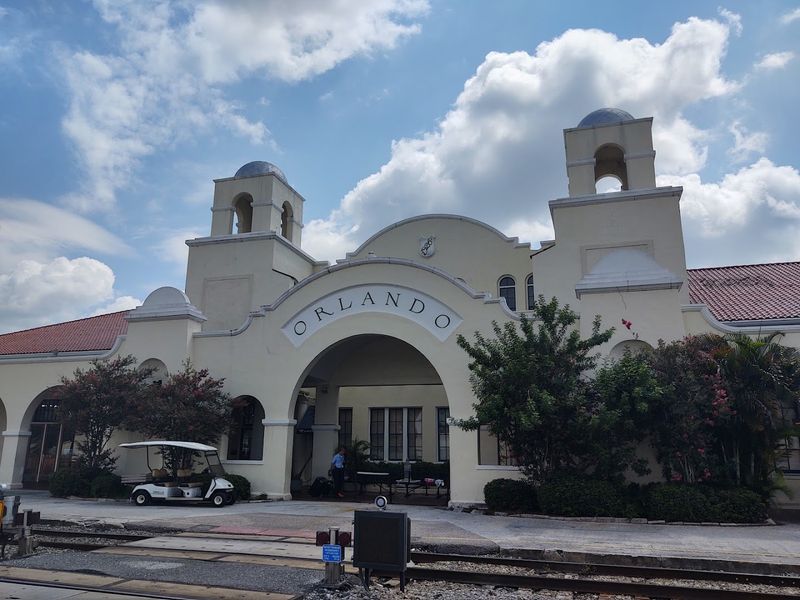
Orlando needs no introduction, but it often gets unfairly reduced to theme parks alone. Yes, Walt Disney World and Universal Studios are here, but the city itself has layers that most visitors never take the time to explore.
The Amtrak station in Orlando puts you within reach of the LYNX bus network and SunRail commuter trains, making it one of the most transit-connected stops on the route. From here, you can reach downtown’s vibrant restaurant scene, the Dr. Phillips Center for the Performing Arts, or the shops of International Drive.
Orlando’s food scene has exploded in recent years, with James Beard-nominated chefs and a diverse immigrant community shaping one of the most exciting dining landscapes in the South. If you’ve only ever visited Orlando for the rides, consider giving the real city a proper look.
You might be genuinely surprised by what you find.
8. Winter Park, – Quaint College Town
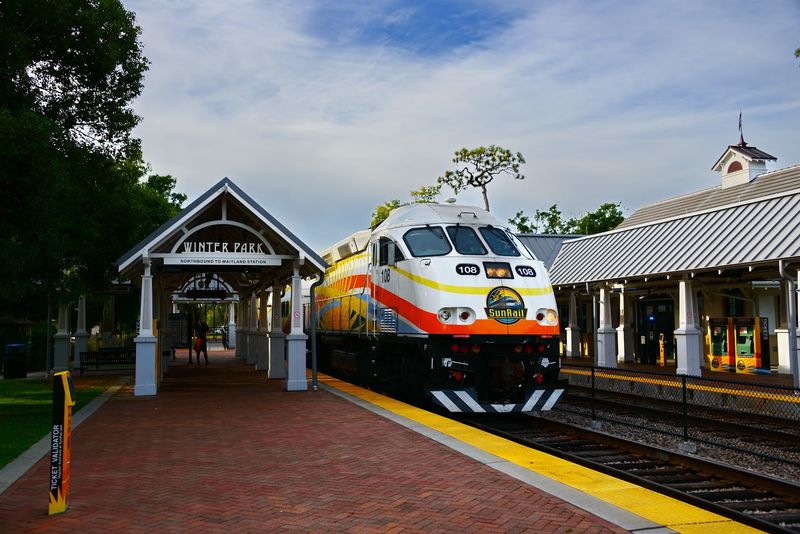
Just a short train ride north of Orlando, Winter Park feels like a different world entirely. The streets here are shaded by massive old oak trees, the shops are independently owned, and the whole place moves at a noticeably slower, more civilized pace.
Park Avenue is the crown jewel of Winter Park – a pedestrian-friendly stretch lined with upscale boutiques, sidewalk cafes, and art galleries that attract both locals and visitors. The Charles Hosmer Morse Museum of American Art houses the world’s most comprehensive collection of Louis Comfort Tiffany works, which is genuinely jaw-dropping to see in person.
Rollins College adds a classic collegiate atmosphere to the neighborhood, with beautiful Spanish – Mediterranean buildings and a lakefront campus. A scenic boat tour through the Winter Park Chain of Lakes is one of the best ways to see the city from a completely different angle.
Winter Park earns its charm honestly.
9. DeLand – Historic Downtown
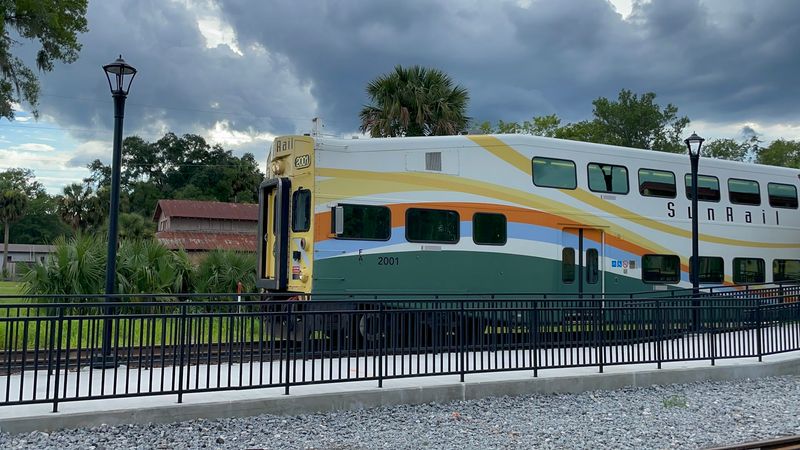
Named one of America’s coolest small towns by Budget Travel magazine, DeLand has been quietly winning over visitors for years without making a big fuss about it. That low-key confidence is part of what makes this place so appealing.
The historic downtown is centered around Woodland Boulevard, where antique stores, independent bookshops, and locally owned restaurants line the street in colorful succession. Weekend mornings bring out farmers market vendors and street musicians who set up near the old courthouse, giving the whole area a festive, community-driven feel.
Stetson University, founded in 1883, anchors the town with a beautiful Victorian-era campus and a steady stream of students who keep the coffee shops busy and the local arts scene active. DeLand is also just 20 minutes from Blue Spring State Park, where manatees gather in winter.
Relaxed, artsy, and full of surprises – DeLand punches well above its weight.
10. Palatka – Riverfront Community
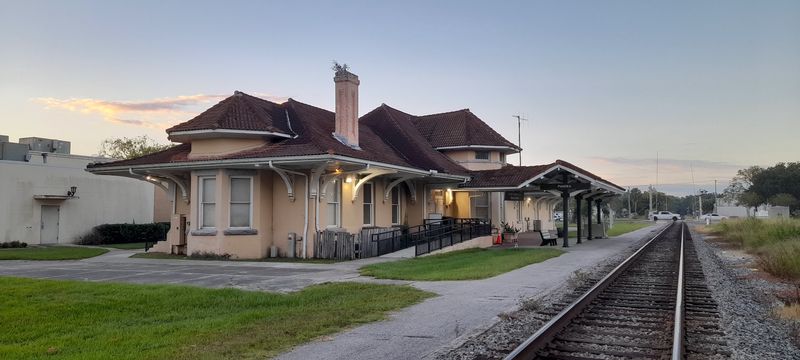
Palatka sits on a dramatic bend in the St. Johns River, and on a clear morning, the view from the riverfront is the kind that makes you stop walking and just stare for a while. This small northeast Florida city has been around since the 1800s and still carries that old Florida character in its bones.
The Bronson-Mulholland House, built in 1854, is one of the finest examples of antebellum architecture in the state and is open for tours. The historic downtown has several art galleries and studios, reflecting a growing creative community that has taken root here in recent years.
Ravine Gardens State Park is a must-see, especially in spring when azaleas bloom in wild, vivid color along the steep ravine trails. Palatka is also a popular launch point for kayaking and fishing on the St. Johns River.
Quiet, historic, and genuinely beautiful – this riverfront gem deserves far more attention.
11. Jacksonville – Final Stop
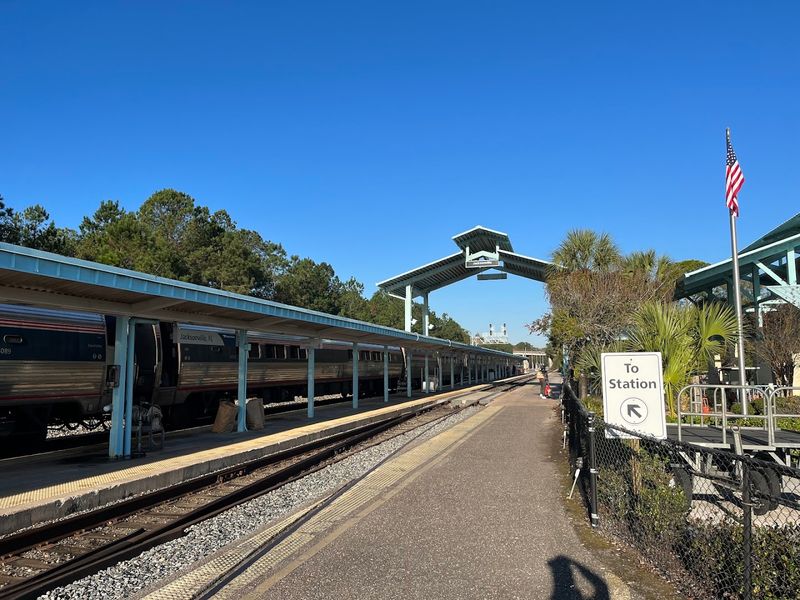
The train rolls into Jacksonville and suddenly you realize this city is a lot bigger and more interesting than its reputation might suggest. As Florida’s largest city by land area, Jacksonville sprawls across both sides of the St. Johns River with a confident, unhurried energy all its own.
The Riverside and Avondale neighborhoods are packed with bungalow-style homes, indie restaurants, and vintage shops that give the city a real neighborhood feel. The Jacksonville Riverwalk stretches along the waterfront and connects parks, restaurants, and the MOSH science museum in one long, enjoyable stroll.
Jacksonville also has beaches – specifically Neptune Beach and Atlantic Beach – just a short drive from downtown. For rail travelers, this city is the northern gateway to Amtrak’s East Coast corridor, meaning your next adventure is already waiting at the station.
Ending your Florida journey here feels less like a finale and more like the beginning of whatever comes next.



