Tucked into the foothills of the New Jersey Highlands, there is a wildlife sanctuary in Bernardsville that most people drive right past without a second thought. That is their loss.
Spread across more than 300 acres of forest, stream corridors, and open meadow, this place has been quietly doing extraordinary conservation work for decades, and yet it rarely shows up on the usual lists of must-visit New Jersey destinations. Bird watchers know about it.
Local hikers have discovered it. Nature camp alumni carry a fondness for it well into adulthood.
But for the average person looking for a genuinely rewarding outdoor experience within easy reach of northern New Jersey, it remains surprisingly under the radar. That is exactly why it deserves a closer look, because what waits at the end of Hardscrabble Road is far more layered and interesting than the modest signage suggests.
Where Exactly You Will Find This Place
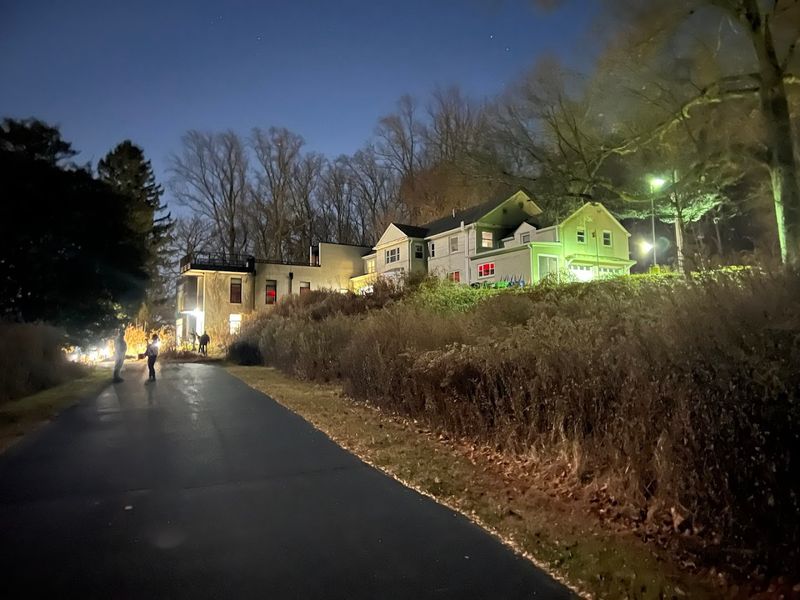
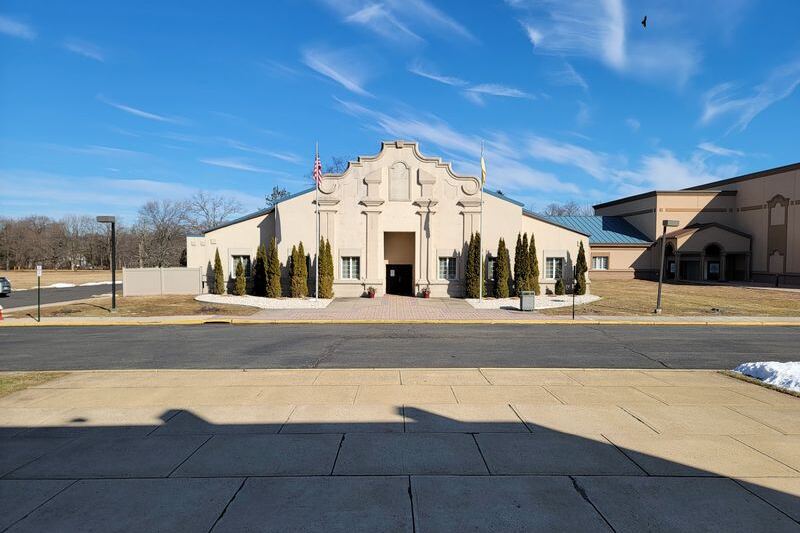
The full address is 11 Hardscrabble Rd, Bernardsville, NJ 07924, and getting there is straightforward once you know what you are looking for. The sanctuary sits in Somerset County, nestled in the foothills of the New Jersey Highlands, a region known for its rolling terrain and dense forest cover.
The property is managed by New Jersey Audubon, one of the oldest and most respected conservation organizations in the state. The surrounding landscape gives the sanctuary a tucked-away quality that feels deliberate rather than accidental.
Hours vary by day, so planning ahead matters. The sanctuary is closed on Mondays and Tuesdays, opens at 10 AM on Wednesdays, runs from 9 AM to 5 PM Thursday through Saturday, and welcomes guests from noon to 5 PM on Sundays.
Arriving during open hours means access to the education center, the nature store, and the full range of programs and exhibits the sanctuary has to offer.
The Story Behind the Sanctuary
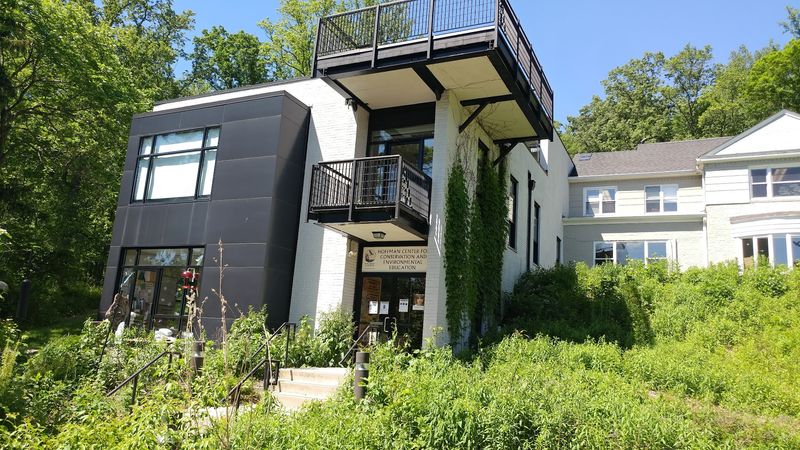
New Jersey Audubon has been operating Scherman Hoffman Wildlife Sanctuary for decades, and the organization’s commitment to conservation is woven into every corner of the property. The sanctuary was established as a place where wildlife protection, environmental education, and public access could coexist in a meaningful way.
The Highlands region where it sits is ecologically significant, serving as a critical water supply area and a corridor for wildlife movement across the northeastern United States. The sanctuary plays a direct role in protecting that natural infrastructure.
Over the years, the property has grown into a multi-use conservation center with trails, an environmental learning facility, and programming that reaches school groups, families, and serious naturalists alike. Volunteers have contributed meaningfully to the work here, including hands-on efforts to manage invasive species like Japanese juniper that threaten native plant communities.
That history of active stewardship is part of what gives the sanctuary its distinct character and purpose.
More Than 300 Acres to Roam
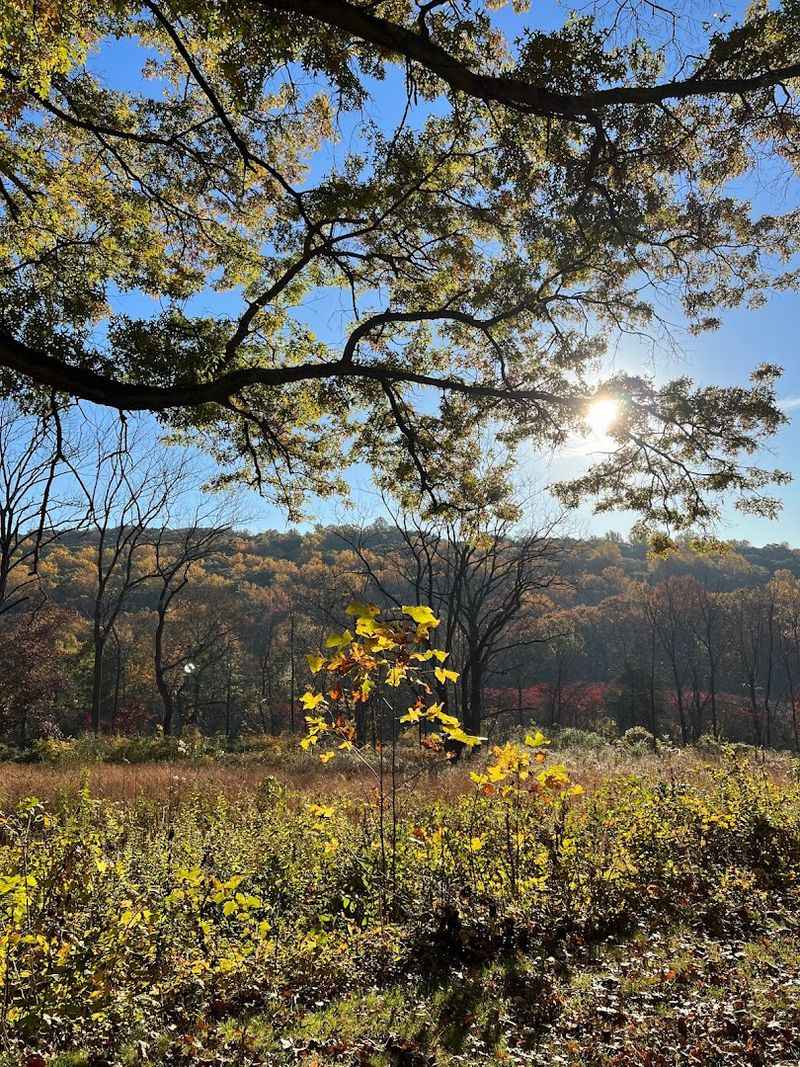
Three hundred acres sounds like a number until you are actually standing inside the property and realize how much ground that covers. The sanctuary includes forest, stream corridors, wetland edges, and open areas, each supporting a different set of plant and animal communities.
The Passaic River runs through or near portions of the property, adding a riparian dimension to the landscape that draws species dependent on moving water. That combination of habitat types is a big reason why the bird diversity here is so high.
For walkers who are not hardcore hikers, the scale of the property still feels accessible. Trails range in difficulty, and a one-hour loop through the adjacent Cross Estate connects nicely with the sanctuary’s own path network.
The sheer variety of terrain means that no two visits feel exactly the same, which keeps regular guests coming back through different seasons to see what has changed since the last time they walked through.
The Bird Feeding Station That Stops People Cold
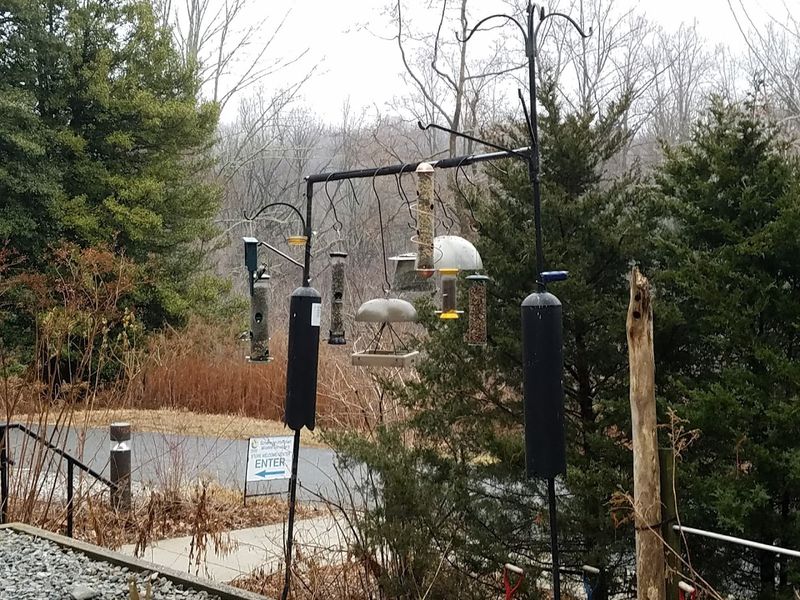
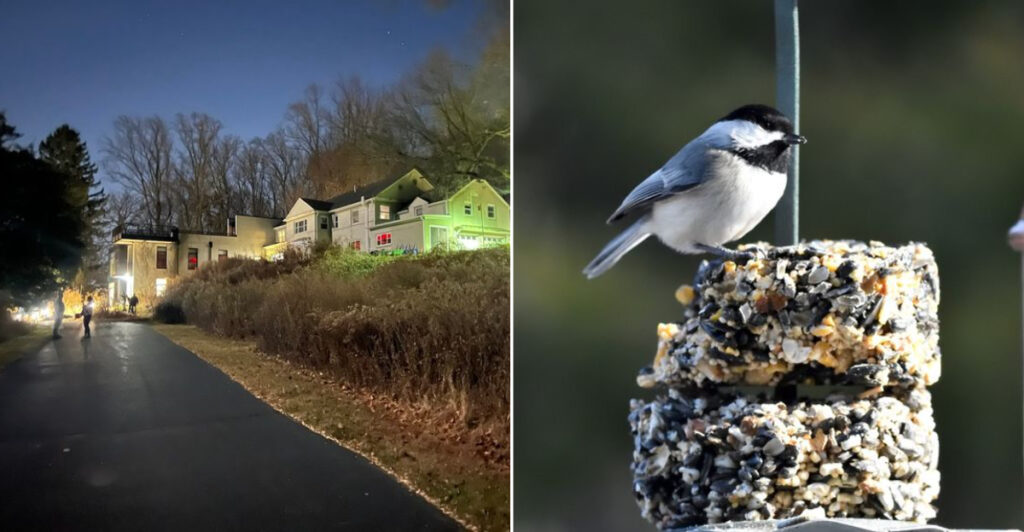
Right outside the main building, there is a bird feeding station that has become one of the most talked-about features of the entire property. The setup is intentional and well-maintained, designed to attract a consistent variety of native bird species throughout the year.
What makes it especially appealing is the viewing arrangement inside the building. A lounge area stocked with binoculars faces the feeders directly, allowing guests to watch the activity in complete comfort without disturbing the birds.
That setup turns casual observation into something genuinely absorbing.
The station draws species that casual walkers might otherwise never notice, and having them gathered in one visible spot makes identification far easier for beginners. Bird watchers who visit regularly report a reliable parade of activity, particularly during migration periods when species passing through the region stop to refuel.
For anyone who has ever wanted to get into birding without feeling overwhelmed, this station is a remarkably low-pressure entry point.
The Treetop Observation Deck Worth the Climb
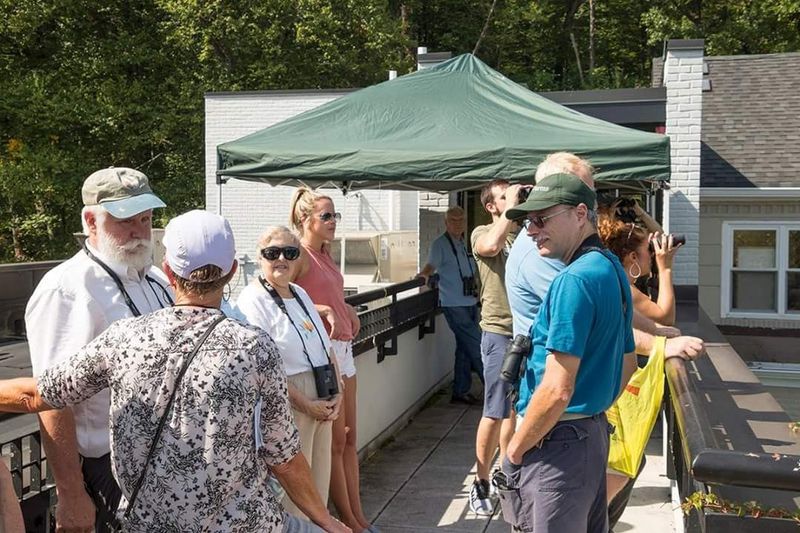
Up on the roof of the main center building, there is an observation deck that delivers views across the surrounding treetops and into the broader Highlands landscape. Getting up there requires minimal effort, but the payoff is a perspective on the property that ground-level trails simply cannot match.
The deck has been described as terrific for taking in the layered terrain of the region, and on clear days, the view extends well beyond the sanctuary’s own boundaries. It is the kind of spot that turns a routine visit into something worth remembering.
For bird watchers, the elevated vantage point opens up possibilities for spotting species that favor the forest canopy rather than the understory. Raptors and other high-flying birds become easier to track from above the treeline.
The observation deck is one of those small but well-considered features that demonstrates how much thought has gone into making the sanctuary genuinely useful and enjoyable for guests with a range of interests and experience levels.
What the Trail Network Actually Looks Like
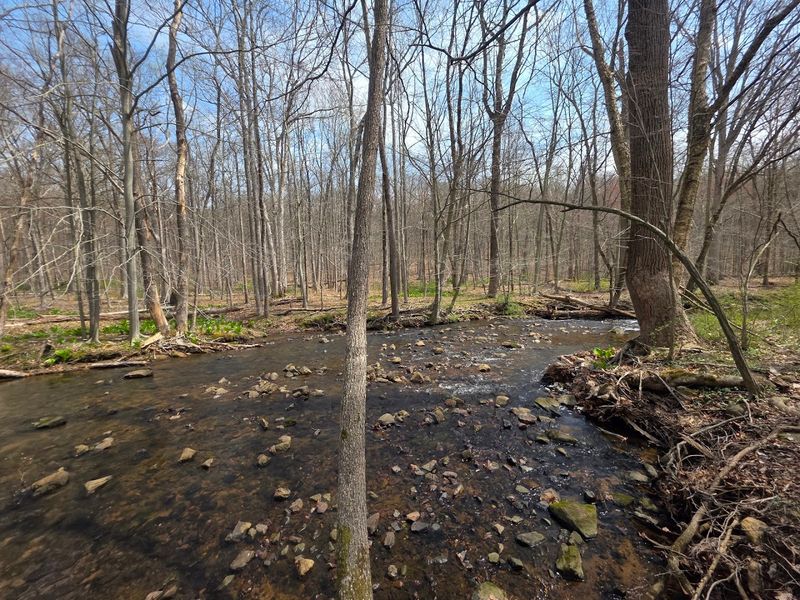
The trails at Scherman Hoffman are described by regular visitors as decent to wonderful depending on the day and the season, which is an honest assessment. The path network connects with the adjacent National Park Service land and the Cross Estate, effectively extending the walking options well beyond the sanctuary’s own 300 acres.
Trail markings have been noted as inconsistent in spots, so bringing a trail map and paying close attention to markers is genuinely useful advice rather than boilerplate caution. Some guests have ended up on longer routes than intended simply by missing a turn.
That said, the trails reward attention. Stream crossings, forested ridges, and open meadow stretches give the route variety that flat suburban nature paths often lack.
The Passaic River adds a water element that makes stream study a natural activity for school groups and curious adults alike. Dogs are officially not permitted on the sanctuary’s own trails, though the adjacent National Park trails operate under different rules.
The Environmental Learning Center Inside

The building at the heart of the property is more than just a welcome stop before hitting the trails. The environmental learning center inside houses exhibits, a classroom for organized programs, and the kind of curated information that helps visitors understand what they are actually looking at when they walk out into the landscape.
Educational events held here have drawn strong attendance, and the quality of programming reflects the expertise of the naturalists on staff. One well-regarded naturalist named Dorothy has been credited with running events that leave participants genuinely more informed about the natural world around them.
School groups use the facility for structured stream study and habitat education, but the center is not exclusively aimed at children. Adult workshops and presentations run regularly, covering topics relevant to the region’s ecology.
The classroom setup allows for hands-on learning rather than passive observation, which is consistent with New Jersey Audubon’s broader philosophy of connecting people directly and meaningfully with the natural environment they are working to protect.
A Nature Store That Actually Delivers
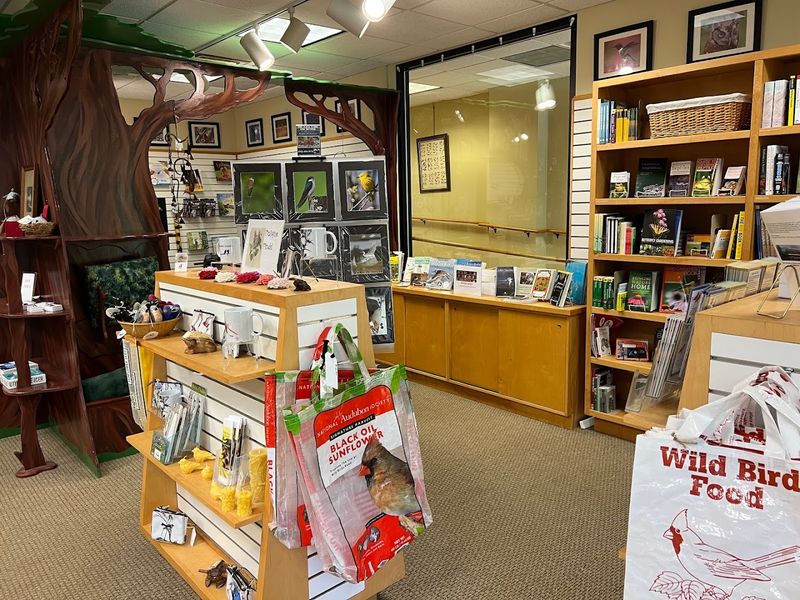
The nature store at the sanctuary has developed a genuine following among both casual visitors and serious naturalists, and it earns that reputation through product selection rather than marketing. The bulk birdseed available here is considered noticeably superior to what most grocery stores or pet shops stock, which matters to anyone who maintains feeders at home.
Beyond seed, the store carries bird feeders, bird houses, bat houses, binoculars, nature guides, and a well-chosen selection of children’s books with nature themes. It is the kind of inventory that reflects actual expertise about what customers need rather than what looks appealing on a shelf.
The store has also hosted a photography exhibit in its gallery space, turning the room into a venue for local artists working in nature photography. Live animals have made appearances too, with turtles and a snake among the residents that add an unexpected element for first-time visitors.
The store is worth browsing even on days when the trails are not the main goal of the trip.
Birds That Show Up Here Regularly
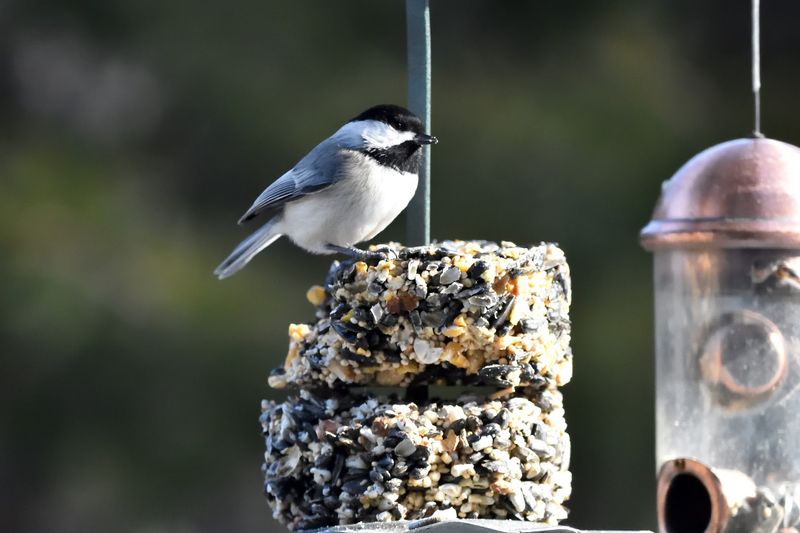
The sanctuary’s reputation as a birding destination is not accidental. The combination of habitat types, the well-maintained feeding station, and the property’s location within the Highlands corridor creates conditions that attract a wide range of species throughout the year.
Robins are among the more commonly spotted birds, though the diversity extends well beyond backyard familiars. During migration, the property becomes a stopover point for species moving through the northeastern United States, and the variety during those windows can be genuinely surprising even for experienced birders.
The Passaic River corridor draws water-associated species, while the forested ridges support woodland birds that rarely venture into open areas. The treetop observation deck adds the possibility of raptor sightings that ground-level trails cannot reliably provide.
New Jersey Audubon’s expertise in bird conservation is visible in how thoughtfully the property has been managed to support avian diversity, making it a practical and rewarding destination for anyone carrying binoculars or hoping to start.
Wildlife Beyond the Birds
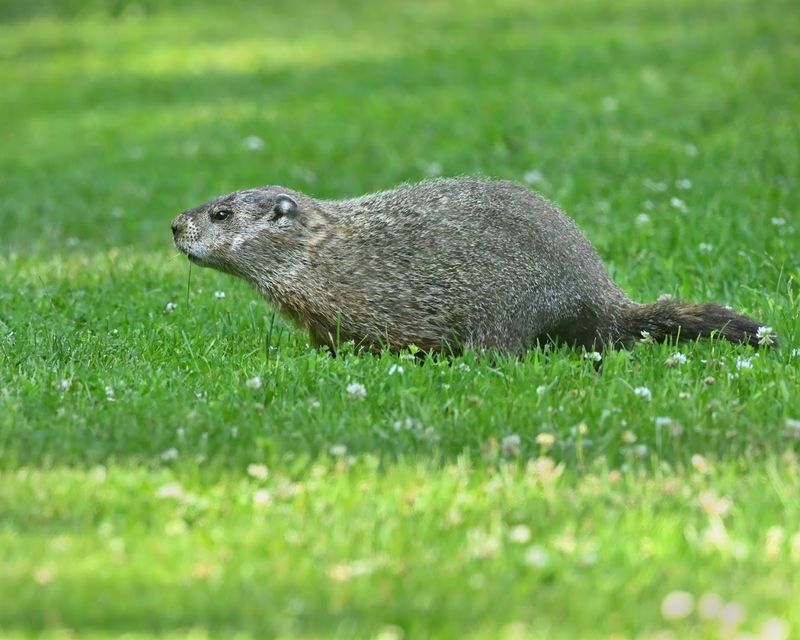
The sanctuary is best known for its birds, but the wildlife story here extends to other species that share the landscape. Black bears have been known to make occasional appearances on the property, a fact that the staff discusses openly and with appropriate context for visitors who are curious about what else moves through these woods.
The broader Highlands ecosystem supports a range of mammals, reptiles, and amphibians that benefit from the protected land. Stream corridors in particular are productive habitat for species that require clean water and undisturbed banks, and the sanctuary’s conservation work directly supports those conditions.
Wildflower meadows on the property attract pollinators, including bees, that are visible during the warmer months when blooms are active. That layer of insect life supports the birds higher up the food chain, creating a connected ecological community that functions in ways most visitors only begin to appreciate after spending real time on the property.
The wildlife here rewards patience and attention.
Invasive Species and Volunteer Conservation Work
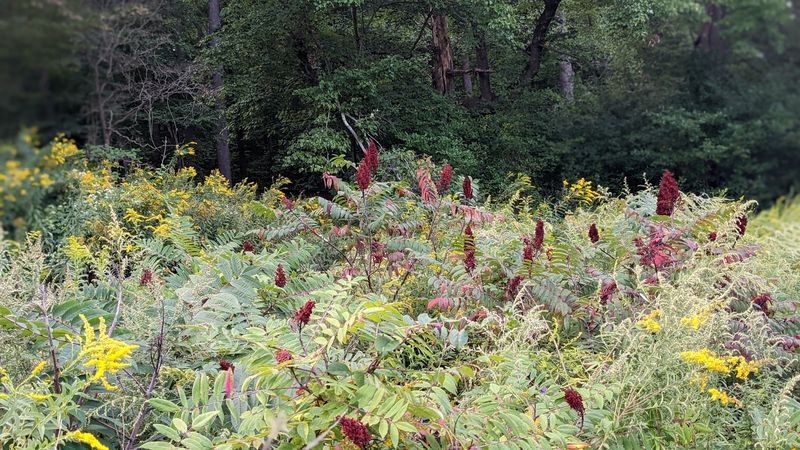
One of the less glamorous but genuinely important aspects of the sanctuary’s work involves managing invasive plant species that threaten native ecosystems. Japanese juniper is among the invasives that volunteers have helped control, working alongside sanctuary staff to remove plants that crowd out native vegetation.
That kind of hands-on conservation work is open to community members who want to contribute something more tangible than a donation. Volunteer days bring together people with varying levels of experience, and the staff provides the guidance needed to make the work effective rather than well-intentioned but misguided.
Invasive species management is unglamorous by nature but ecologically critical. Left unchecked, aggressive non-native plants can fundamentally alter the character of a habitat, reducing the diversity of species it can support.
The sanctuary’s active approach to this challenge reflects a conservation philosophy grounded in long-term thinking rather than short-term appearances. For visitors who want to give back to the place they enjoy walking through, volunteer programs here offer a direct and meaningful way to do exactly that.
Connecting to the Cross Estate and National Park Trails
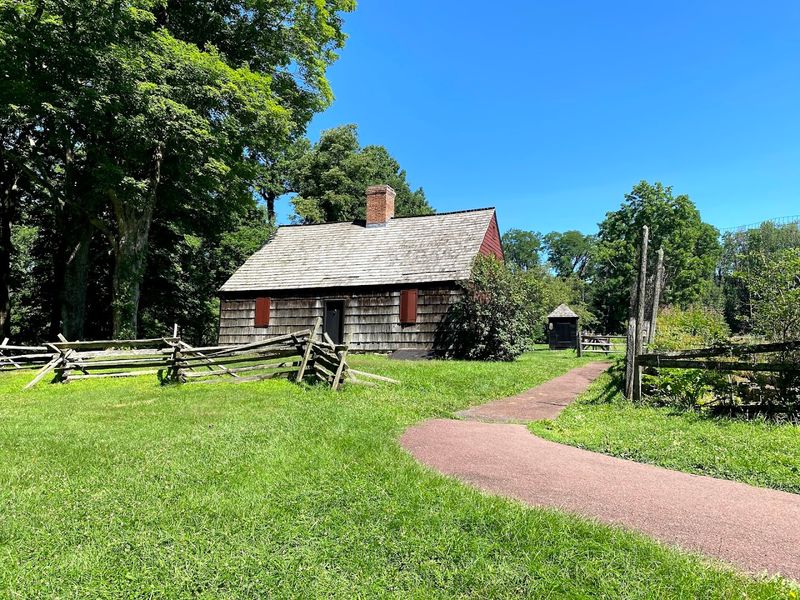
One of the practical advantages of visiting Scherman Hoffman is the direct trail connection to the Morristown National Historical Park and the Cross Estate Gardens. That linkage effectively multiplies the available walking distance without requiring a separate drive to a different trailhead.
The Cross Estate itself adds a historical dimension to what might otherwise be a purely natural experience. The property features formal gardens that exist in interesting contrast to the wilder sanctuary terrain surrounding them, and the combination of the two makes for a more varied outing than either site alone would provide.
A one-hour loop through the Cross Estate and back is a commonly recommended route for visitors who want a complete experience without committing to a full day. More ambitious walkers can extend the route by exploring additional National Park trails that branch off from the main path.
The connectivity between these properties is one of the features that sets this corner of Somerset County apart from more isolated nature destinations in the region.
Practical Tips for Planning Your Visit
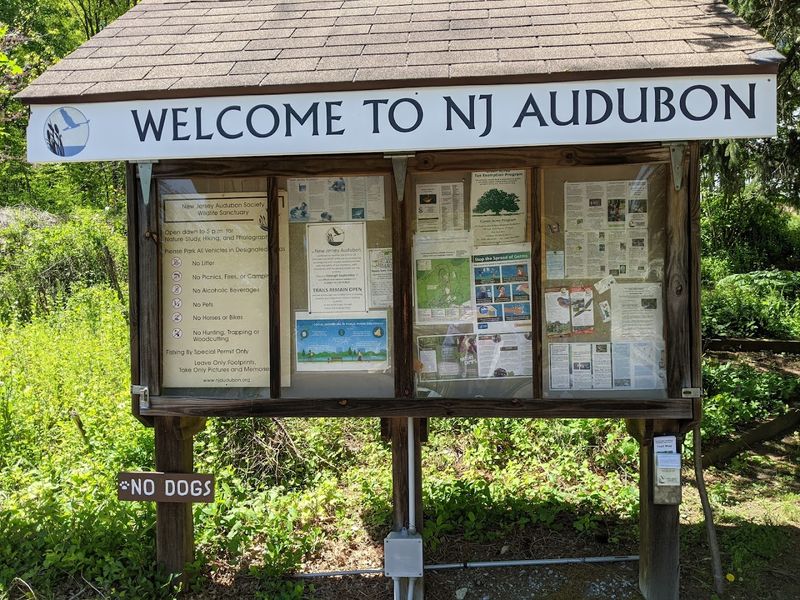
A few practical details make the difference between a satisfying visit and a frustrating one at Scherman Hoffman. Checking the hours before arriving is essential, since the sanctuary is closed Monday and Tuesday and operates on reduced hours on Wednesday and Sunday.
Showing up outside operating hours means no access to the education center or nature store, though the trails may still be walkable.
Parking is available on site and described as plentiful, which removes one of the common friction points of visiting natural areas in densely populated New Jersey. Bringing a trail map and reading it carefully before heading out reduces the chance of unintended detours on a path network where markers can be sparse in sections.
The sanctuary is officially dog-free on its own trails, so leaving pets at home or planning to use only the adjacent National Park trails avoids any complications with rangers. Arriving early on weekdays tends to mean quieter trails and more reliable access to staff who can answer questions about current conditions and programming.
Why This Sanctuary Keeps Drawing People Back
There is something about this particular sanctuary that brings people back repeatedly rather than checking it off a list and moving on. The combination of accessible trails, genuine wildlife activity, quality programming, and a well-stocked nature store creates a layered experience that rewards multiple visits across different seasons.
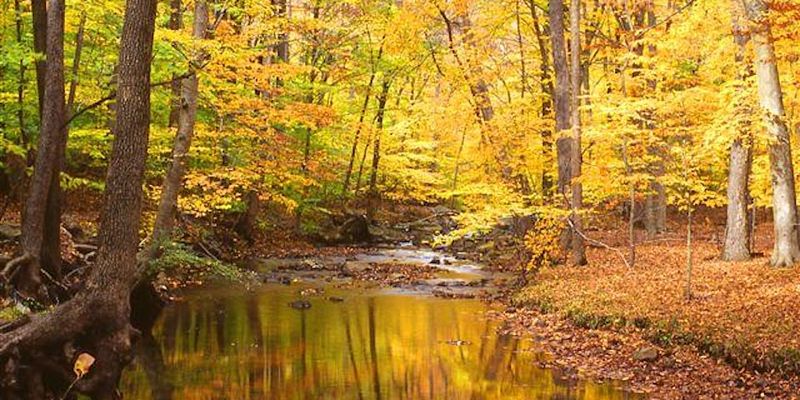
Spring migration turns the property into a birding destination of regional significance. Autumn colors transform the forested ridges.
Winter visits offer a quieter version of the landscape with fewer visitors and different species at the feeders. Each season reframes the same 300 acres in a way that feels fresh rather than repetitive.
New Jersey Audubon’s long-standing presence here ensures that the sanctuary continues to function as a serious conservation site rather than drifting toward purely recreational use. That mission-driven character gives the place a depth that casual nature areas often lack.
For anyone who has not yet made the drive to Hardscrabble Road in Bernardsville, the sanctuary is waiting with more to offer than most people expect to find.
Share this story