 Unearth The Voyage
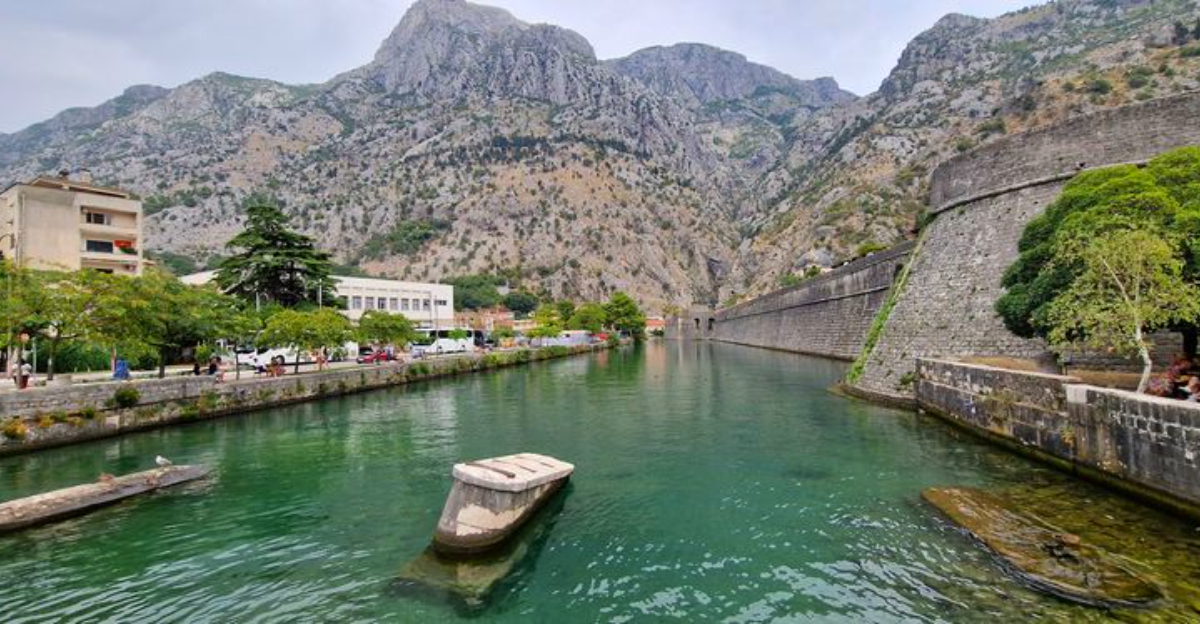
Some cities wear their history on their sleeves. Others wear it in stone, wrapped around every street, tower, and rooftop.
Fortified cities are living proof that the best defense is also, sometimes, the best architecture. From Croatia’s sun-drenched coastline to India’s golden desert, these walled wonders are far more than just old rocks with a dramatic past.
Dubrovnik, Croatia
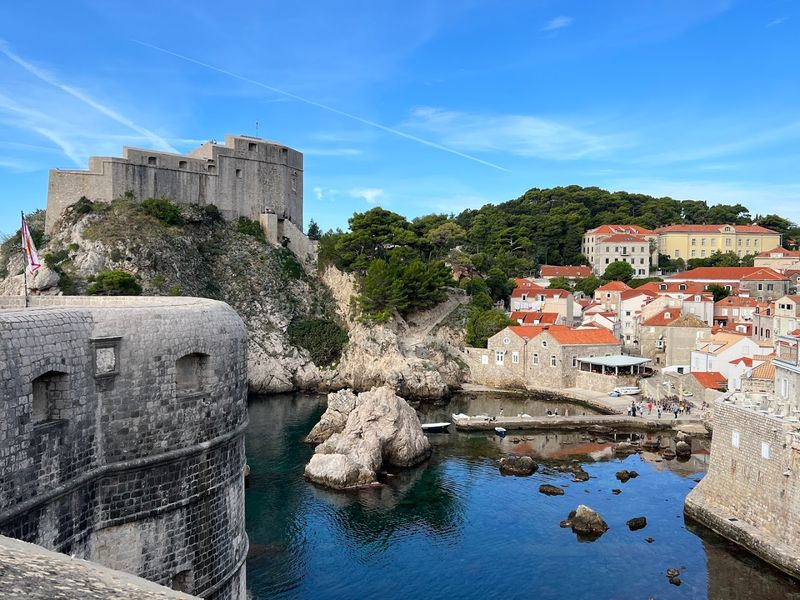
Walking Dubrovnik’s walls at golden hour should be legally required for anyone who owns a camera. The stone ramparts wrap around the Old City like a crown, glowing amber while the Adriatic below turns every shade of blue you’ve ever wanted on a screensaver.
I did the full circuit on my first visit and nearly walked into three different people because I couldn’t stop staring at the view. The city’s UNESCO status is well-earned.
Every tower, gate, and rooftop feels like it was placed with artistic intention.
Game of Thrones fans will recognize corners of Dubrovnik almost immediately. Film crews love it here, and honestly, who can blame them?
The Old City is basically a ready-made set with excellent seafood nearby.
For dinner, Fish Restaurant Proto in the Old Town has been feeding visitors for decades and earns its reputation every single night. Book ahead, sit outside if you can, and order whatever the waiter recommends with the most enthusiasm.
Dubrovnik rewards people who let the city lead.
Carcassonne, France
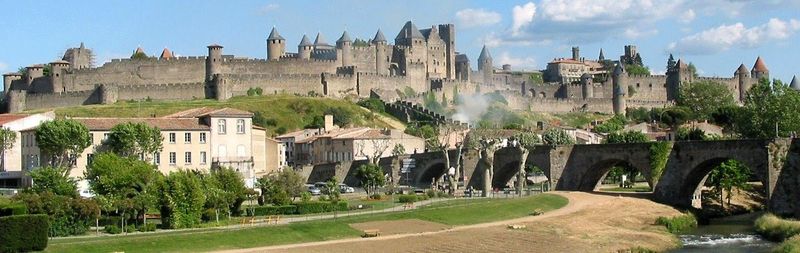
Carcassonne does not whisper its defenses. It shouts them from every double-walled, tower-studded rooftop in the most gloriously unapologetic way possible.
The skyline looks like someone drew a medieval city from imagination and then built it anyway.
The UNESCO World Heritage status is almost an understatement here. With 52 towers and nearly three kilometers of ramparts, Carcassonne is less a fortified town and more a fortified argument that the Middle Ages had genuinely excellent taste in architecture.
The secret to enjoying it properly is timing. Arrive early, before the tour groups fill the cobbled lanes, and walk the ramparts while the morning light is still soft and the city feels like yours alone.
That early quiet is worth setting an alarm for.
La Barbacane inside Hotel de la Cite is where you reward yourself afterward. Michelin-starred, elegant, and fully committed to making your meal feel like a special occasion.
It fits perfectly inside a city that treats every stone like it matters. Carcassonne is theatrical without trying to be, and that is exactly what makes it unforgettable.
Lucca, Italy
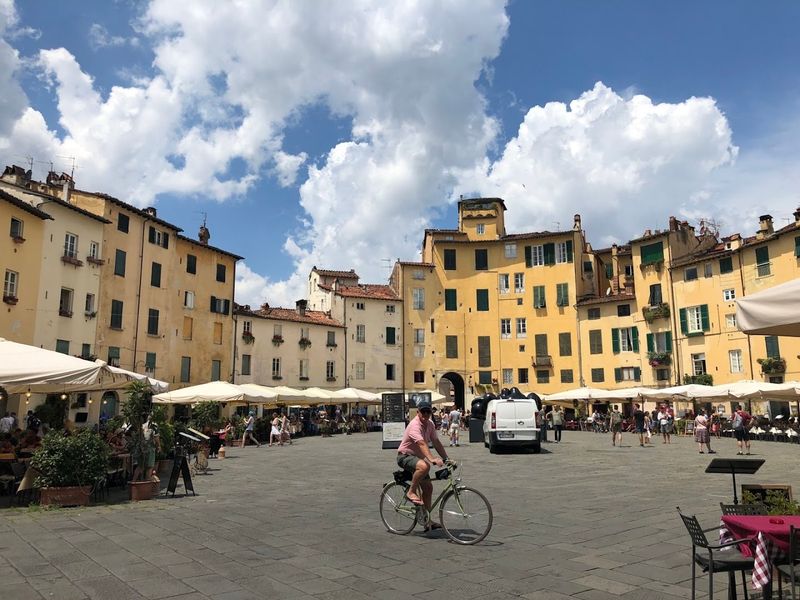
Lucca pulled off something no other fortified city quite managed: it turned its defensive walls into a park. A beloved, tree-lined, bike-friendly park where locals jog in the morning and children chase pigeons in the afternoon.
The Renaissance-era walls still encircle the entire historic center, but instead of soldiers, you’ll find cyclists doing leisurely laps and couples sharing gelato on a bench where a watchtower once stood. It’s fortification as lifestyle, and Lucca wears it beautifully.
Renting a bike and completing the full loop on top of the walls is the single best thing you can do here. The views drop down into terracotta rooftops and church spires, and the whole circuit takes about thirty relaxed minutes.
It never gets old, even on a second or third visit.
Osteria Baralla is the go-to spot for a proper Tuscan meal afterward. It’s historic, unpretentious, and the kind of place where the pasta tastes like someone’s grandmother made it specifically for you.
Lucca proves that a city doesn’t need to feel dramatic to be deeply, quietly wonderful.
Quebec City, Canada
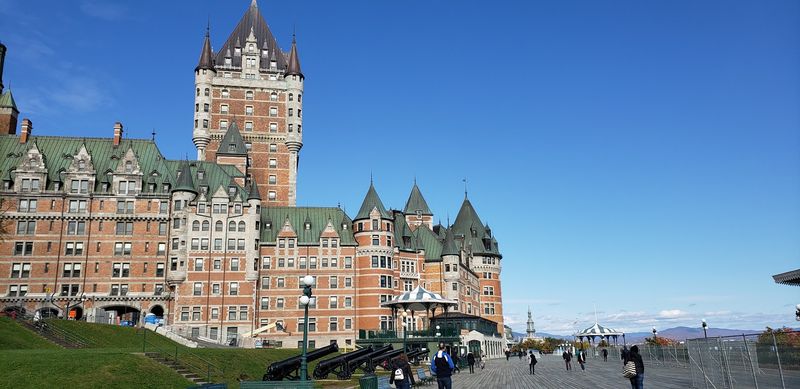
Quebec City is North America’s only remaining fortified city north of Mexico, and it wears that distinction with tremendous style. The stone walls, tight corners, and dramatic overlooks make it feel genuinely European, which is either charming or confusing depending on how closely you’ve been following your map.
Dufferin Terrace is the undeniable highlight: a wide wooden boardwalk perched above the St. Lawrence River with views that stretch so far you start questioning your geography. The gates and ramparts surrounding Old Quebec tell centuries of military history without making you feel like you’re in a textbook.
The fortified walls here are free to explore and surprisingly well-preserved. Parks Canada maintains them with care, and interpretive signs along the route give real context without overwhelming you.
It’s the kind of history that actually sticks because you’re standing inside it.
Aux Anciens Canadiens is Old Quebec’s most storied dining institution, serving traditional Quebecois cuisine in a building that dates back to 1675. The tourtiere alone justifies the visit.
Quebec City rewards slow travel and curious wanderers who look up often and rush nowhere.
Valletta, Malta
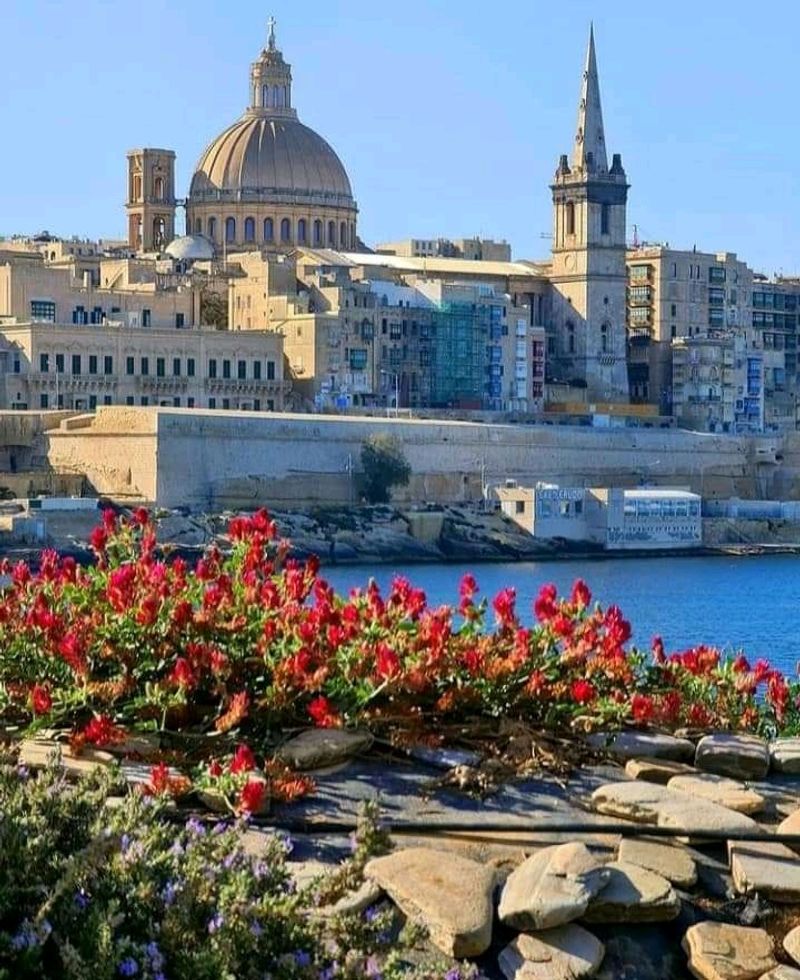
Valletta is the smallest capital city in the European Union, but its fortifications have absolutely no interest in acting small. The bastions rise from the harbor like limestone cliffs, and the Baroque grandeur stacked above them makes the whole city feel like architecture’s greatest overachiever.
Built by the Knights of St. John in the sixteenth century, Valletta was designed from scratch as a fortified city. Every street was planned on a grid, every building positioned with defense in mind.
UNESCO recognized it for good reason: the entire city is essentially a monument you can live inside.
The city gates area is the perfect starting point. From there, working your way down toward the waterfront fortifications gives you a sense of just how layered and intentional this place is.
The harbor views from the Upper Barrakka Gardens are completely free and completely spectacular.
Noni is Valletta’s Michelin-starred restaurant, serving creative Mediterranean food in a setting that matches the city’s ambition perfectly. Chef Jonathan Brincat’s tasting menus are the kind that make you rethink what lunch can be.
Valletta is small in size and enormous in personality.
Avila, Spain
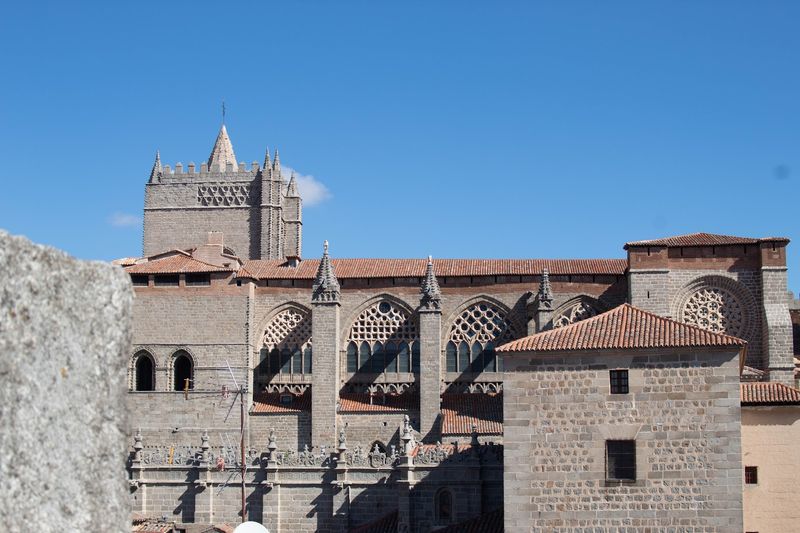
Avila’s walls are not a backdrop. They are the main event.
Standing nearly perfectly intact after nine centuries, the medieval fortifications encircle the old town with 88 towers and nine gates, and the silhouette they create against the Castilian sky is one of Spain’s most iconic sights.
The UNESCO listing covers both the old town and its extra-muros churches, which sit just outside the walls and add another layer to an already rich historic landscape. Avila sits at over 1,100 meters above sea level, making it Spain’s highest provincial capital and giving the walls an even more dramatic setting than they’d have anywhere else.
A wall walk is the essential activity here. Sections of the ramparts are accessible to visitors, and the experience of watching the towers march into the distance while the city hums below is genuinely hard to describe without sounding like a travel brochure.
So trust me on this one.
Restaurante El Almacen is the local favorite for a proper sit-down meal, with solid regional cooking and a welcoming atmosphere. Avila is the kind of place that surprises you by being even more impressive than the photos suggested.
Tallinn, Estonia
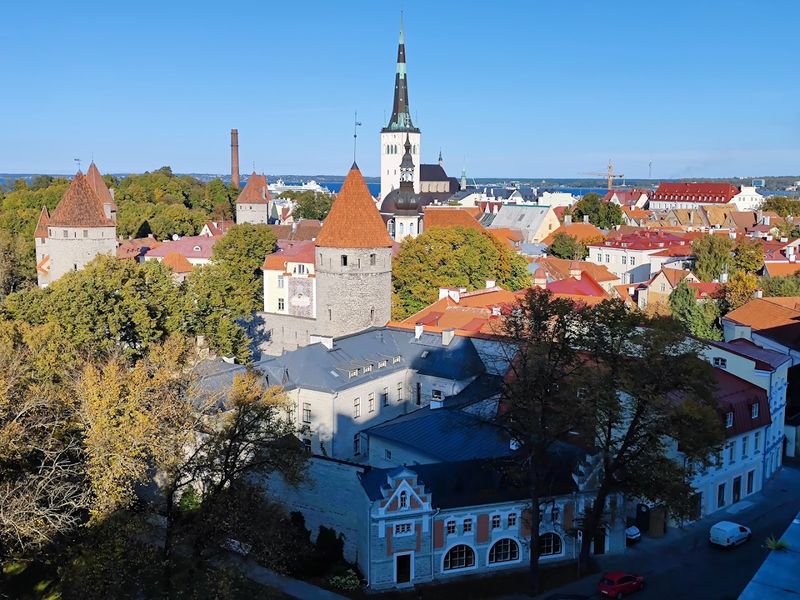
Tallinn’s Old Town is the kind of place that makes you feel like you’ve accidentally walked onto a film set for a fairy tale. Except the cobblestones are genuinely ancient, the towers are actually medieval, and the only special effect is the Baltic light at dusk.
The city’s fortifications date back to the thirteenth and fourteenth centuries, and remarkably, large sections still stand. UNESCO recognized the historic center for exactly that reason: Tallinn is one of Europe’s best-preserved medieval urban landscapes, full stop.
The walls, towers, and merchant houses form a coherent whole that modern cities rarely manage.
Climbing to the viewing platforms inside the old town gives you rooftop views of the defenses packed tightly together, spires poking up between towers, lanes winding below. It’s a geography lesson and a visual feast at the same time.
Olde Hansa is an institution in Tallinn, serving medieval-inspired food in a theatrical setting complete with costumed staff and candlelight. The honey beer alone is worth the visit.
Tallinn is proof that a city can be genuinely old without feeling dusty, and genuinely charming without trying too hard.
Kotor, Montenegro
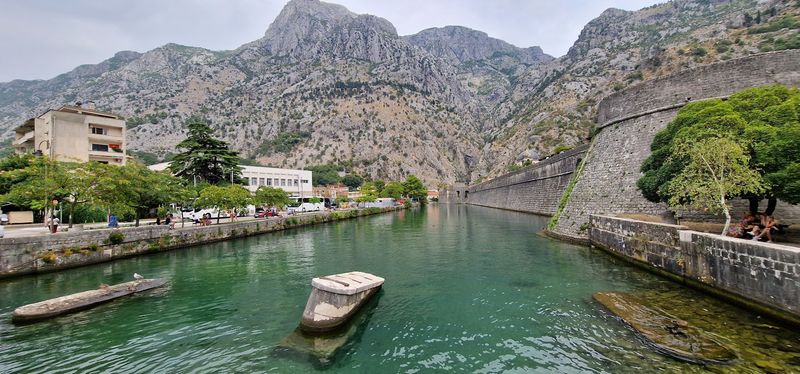
Kotor’s fortifications have clearly never heard the phrase “that’s steep enough.” The stone walls climb from the old town all the way up to the fortress of San Giovanni, zigzagging across the hillside like a determined mountain goat with a very strong opinion about defensive architecture.
The Bay of Kotor below is genuinely one of the most beautiful bodies of water in Europe, ringed by dramatic mountains that seem to lean in from every direction. The broader Kotor region carries UNESCO recognition, and standing at the top of those walls with the bay spread out below you, it’s easy to understand why.
Start the climb early. The path up the fortifications takes about an hour at a comfortable pace, and the midday heat is not your friend on exposed stone steps.
The view from the top is the kind that makes every step feel completely worth it, even the ones where you questioned your life choices.
Konoba Scala Santa in the Old Town is a reliable, welcoming spot for a post-climb meal. Fresh seafood, local wine, and a terrace that lets you admire the walls from a comfortable seated position.
Kotor earns its reputation every single day.
York, England
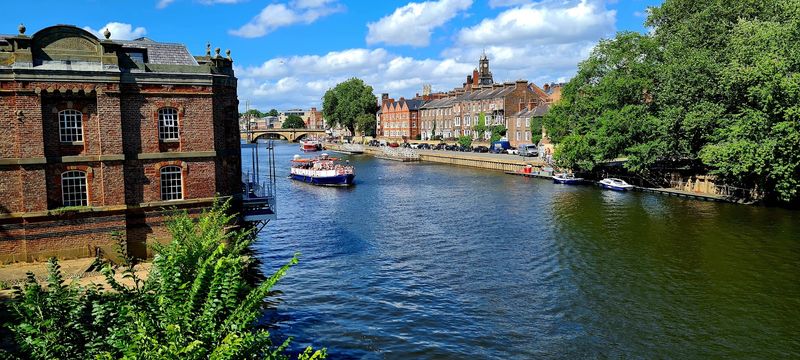
York’s walls are free, walkable, and stretch for nearly three miles around the city center, making them the longest medieval town walls in England and possibly the best free attraction in the entire country. That combination is almost unfairly generous.
The Romans built the first fortifications here, then the Vikings had a turn, then the Normans, and eventually everyone agreed that York deserved impressive walls and left them mostly intact. Walking them today means passing through ancient gatehouses called “bars,” which sounds like the city center has an excellent pub-to-gate ratio.
It sort of does.
The view lines from the walls are what make the experience special. York Minster rises above everything, church spires punctuate the skyline, and the lanes below give glimpses of a city that has been continuously lived-in for nearly two thousand years.
History doesn’t feel abstract here. It feels underfoot.
House of the Trembling Madness on Lendal is a medieval building turned atmospheric bar with an exceptional selection of craft beers and a name that demands a visit on curiosity alone. York is the rare city where the walls genuinely make the city better, not just older.
Jaisalmer, India
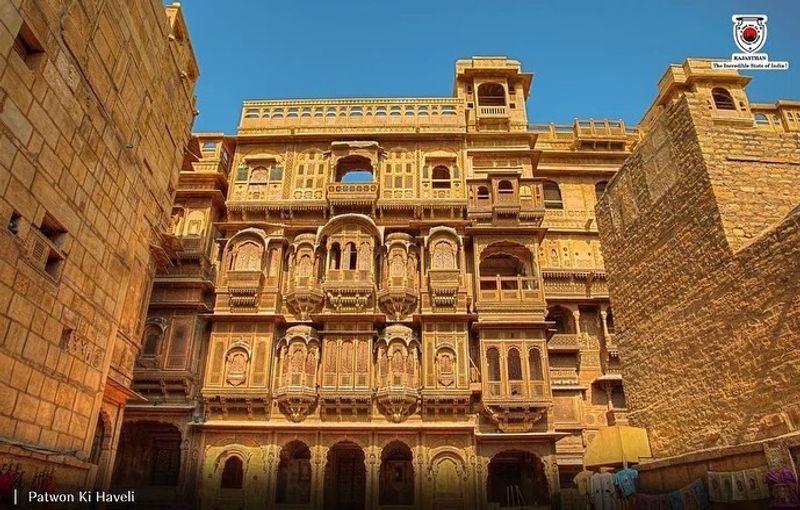
Jaisalmer Fort doesn’t just sit in the Thar Desert. It glows in it.
Built from golden-yellow Rajasthani sandstone, the fort catches the late afternoon sun and radiates it back at you with the kind of warmth that makes photographers weep with gratitude.
This is a living fort, which makes it genuinely unusual among the world’s great fortifications. People still live, shop, and run guesthouses inside its walls.
About 3,000 residents call Jaisalmer Fort home, and the narrow lanes inside feel like a small city that happens to be inside a medieval fortress. Because that’s exactly what it is.
The fort is part of the UNESCO-listed Hill Forts of Rajasthan serial site, recognized alongside five other magnificent Rajput fortresses. Rooftop viewpoints inside the fort let you look out over the desert in every direction, and at the right hour, the whole landscape turns gold and stays that way just long enough to feel like a gift.
The Trio restaurant is a local favorite with rooftop seating and sweeping fort views. The dal baati churma is the dish to order.
Jaisalmer proves that sometimes, the most spectacular fortifications aren’t in Europe. Sometimes they’re glowing in the desert, waiting for you to notice.



