Retirement in the American West sounds like a dream, but for many people, the price tag feels more like a nightmare. Sky-high home prices in cities like San Francisco and Seattle have made the whole region feel out of reach.
The good news? Plenty of Western cities offer sunshine, scenery, and a relaxed lifestyle without draining your savings.
From high desert towns in New Mexico to quiet valleys in Montana, affordable retirement out West is very much a real thing.
1. Albuquerque, New Mexico
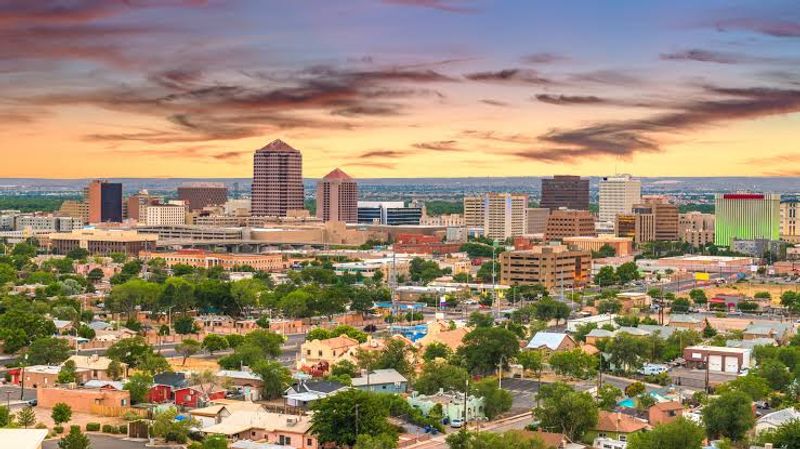
Hot air balloons drift over a city where your retirement budget actually breathes easy. Albuquerque sits at a sweet spot that most retirees dream about: reasonable home prices, world-class healthcare, and over 300 days of sunshine per year.
The median home price hovers well below the national average, and New Mexico offers a generous tax exemption on Social Security income.
Healthcare is a major draw here. The University of New Mexico Hospital is one of the region’s top medical centers, and the city has a well-developed network of senior services.
Getting around is manageable, and the public transit system is retiree-friendly.
The culture is rich and layered, blending Native American, Hispanic, and Anglo traditions into something genuinely unique. Old Town Albuquerque alone could keep you busy for months.
Mild winters and dry heat make outdoor living comfortable almost year-round.
2. Las Cruces, New Mexico

Tucked against the dramatic Organ Mountains, Las Cruces is the kind of place that surprises people once they actually show up. It is consistently ranked among the most affordable cities in the entire Southwest, with home prices that would make a Denver resident weep with envy.
Groceries, utilities, and everyday costs run noticeably lower than in most comparable cities.
New Mexico State University gives the city an unexpected energy. There are farmers markets, art galleries, and a lively downtown that punches well above its size.
Crime rates in many neighborhoods are quite low, which matters a lot when you are choosing where to settle down.
The weather is a genuine selling point. Las Cruces gets over 350 sunny days per year, and winters are extremely mild.
If you want warmth, quiet, and a low cost of living all in one package, this city checks every box.
3. Tucson, Arizona
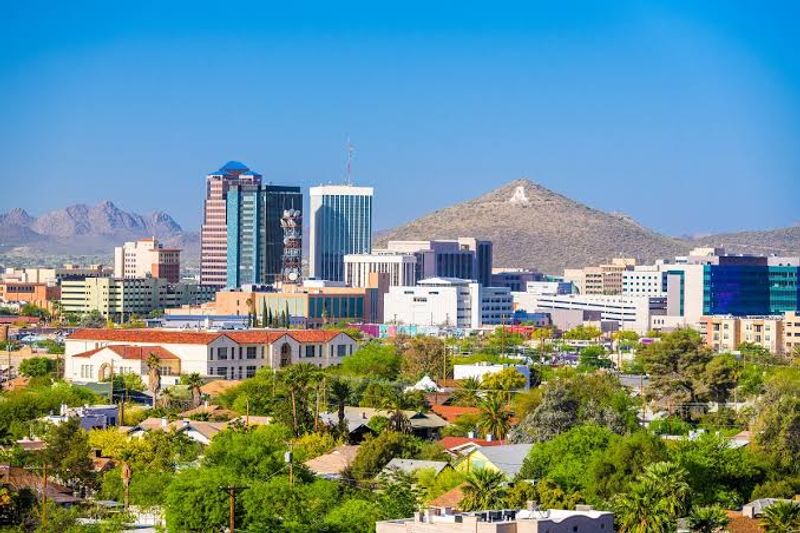
Phoenix gets all the attention, but Tucson is quietly winning the retirement game. Home prices here are significantly lower than in the Valley of the Sun, yet you still get top-tier amenities, a strong arts scene, and the kind of desert beauty that makes people never want to leave.
The University of Arizona brings cultural events, sports, and continuing education opportunities that retirees genuinely love.
Healthcare is solid and growing. Banner University Medical Center is a major research hospital, and the city has numerous specialty clinics and senior care facilities.
Public transportation has improved considerably, though most residents prefer a car.
Summers are hot, no question about it, but the low humidity makes even the warmest months bearable for many people. Winter and spring are absolutely spectacular.
Tucson also has a food scene that punches way above its weight, with incredible Mexican and Sonoran cuisine around every corner.
4. Yuma, Arizona
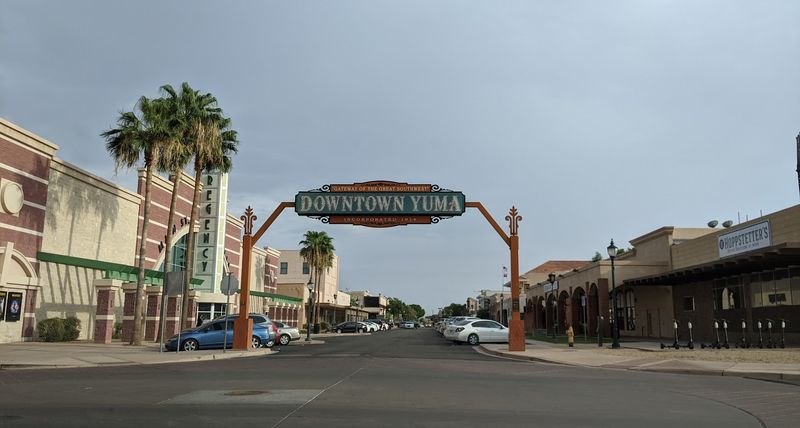
Snowbirds have known about Yuma for decades, and they keep coming back for one simple reason: it works. This small city in the far southwest corner of Arizona offers some of the lowest housing costs in the entire state.
Median home prices regularly come in under $200,000, which is almost unheard of anywhere in the Southwest these days.
Yuma holds the world record for sunniest city on Earth, with around 4,000 hours of sunshine annually. Winters are extraordinarily mild, making it a magnet for retirees fleeing cold climates from October through April.
The RV parks and active adult communities here are well-established and packed with social activities.
Grocery costs and utilities are also below average, stretching a fixed income further than expected. Healthcare access has improved with regional medical centers and clinics.
If you want warmth, affordability, and a ready-made community of like-minded retirees, Yuma delivers without hesitation.
5. Pueblo, Colorado
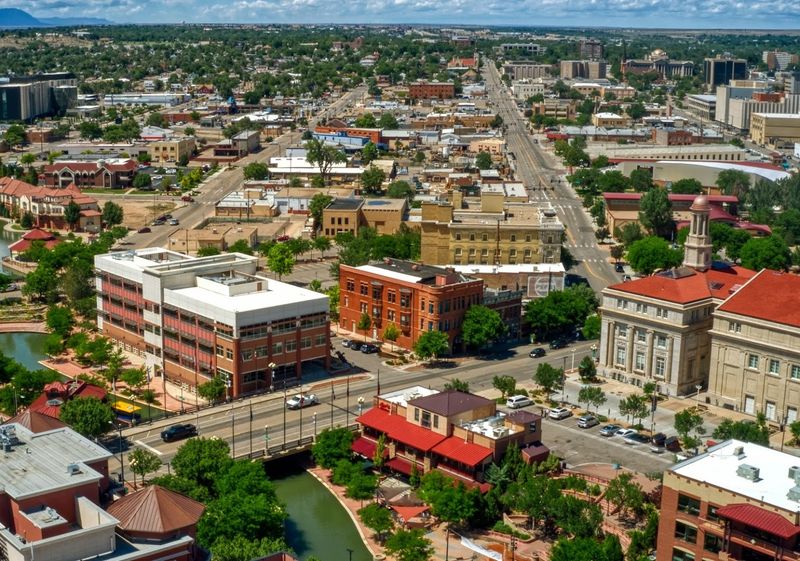
Colorado has a reputation for being expensive, but nobody told Pueblo. While Denver prices have gone completely off the rails, Pueblo has stayed remarkably grounded.
Home prices here are among the lowest in the entire state, and the cost of living is a genuine relief compared to the mountain resort towns that dominate Colorado’s image.
The city sits along the Arkansas River, which offers walking trails, fishing, and a surprisingly green environment for semi-arid Colorado. The Historic Arkansas Riverwalk is a lovely spot that locals and visitors both enjoy.
Pueblo has a gritty, working-class character that gives it real authenticity.
Healthcare access is decent, with Parkview Medical Center serving the region. Colorado’s tax treatment of retirement income is also favorable, with significant exemptions for seniors.
The summers are warm and dry, winters are manageable, and the overall lifestyle is unhurried in the best possible way.
6. Grand Junction, Colorado
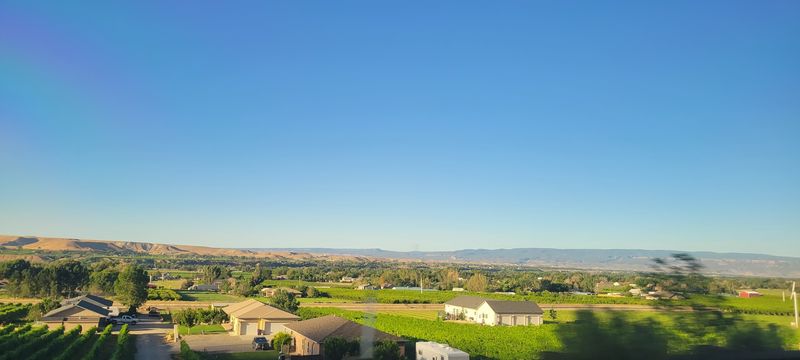
Sitting in the wide-open valley where the Colorado and Gunnison Rivers meet, Grand Junction offers something rare: genuine Colorado living at a fraction of the Front Range price. Home prices are considerably lower than Denver or Boulder, and the pace of life here feels like someone turned the volume down to a comfortable level.
Outdoor access is extraordinary. Colorado National Monument is practically in the backyard, offering dramatic canyon scenery that rivals anything in Utah.
Hiking, mountain biking, and wine country touring along the Grand Valley wine trail keep active retirees very busy.
The city has a solid healthcare infrastructure, anchored by St. Mary’s Medical Center, a regional Level II trauma center. Winters are milder than Denver thanks to the lower elevation and sheltered valley location.
If you want big Colorado scenery without big Colorado prices, Grand Junction makes a compelling and very livable case for itself.
7. Montrose, Colorado
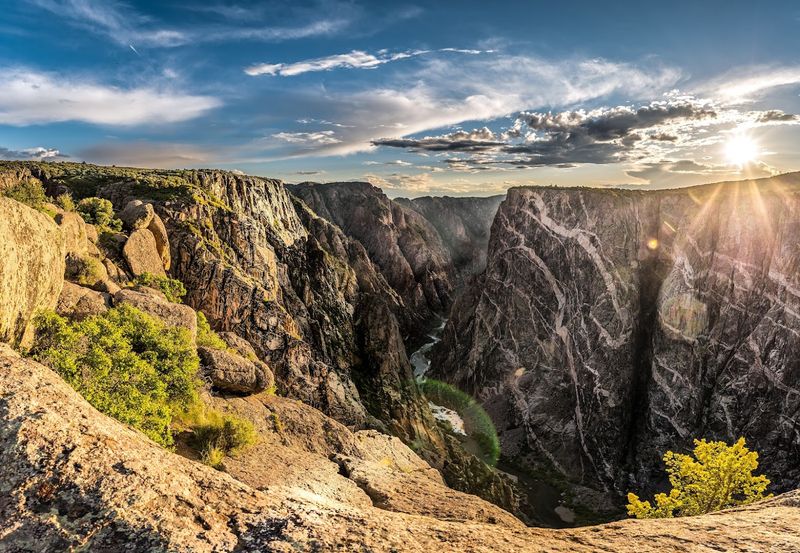
Tucson gets the desert, Aspen gets the glam, and Montrose quietly gets on with being one of Colorado’s most underrated retirement towns. Nestled between the Black Canyon of the Gunnison and the majestic San Juan Mountains, this small city offers scenery that would cost a fortune anywhere else.
Here, it just comes with the zip code.
Housing remains affordable by Colorado standards, with median prices well below the state average. The town has a genuine community feel, with local festivals, a vibrant farmers market, and a downtown that has been thoughtfully revitalized.
Retirees who move here often say they feel like they actually belong somewhere again.
Montrose Regional Airport offers surprisingly good connectivity, with direct flights to several major hubs. Healthcare is handled by Montrose Regional Health, a well-regarded local hospital.
The four seasons are distinct, with manageable winters and beautiful summers that make outdoor living a daily pleasure.
8. Twin Falls, Idaho
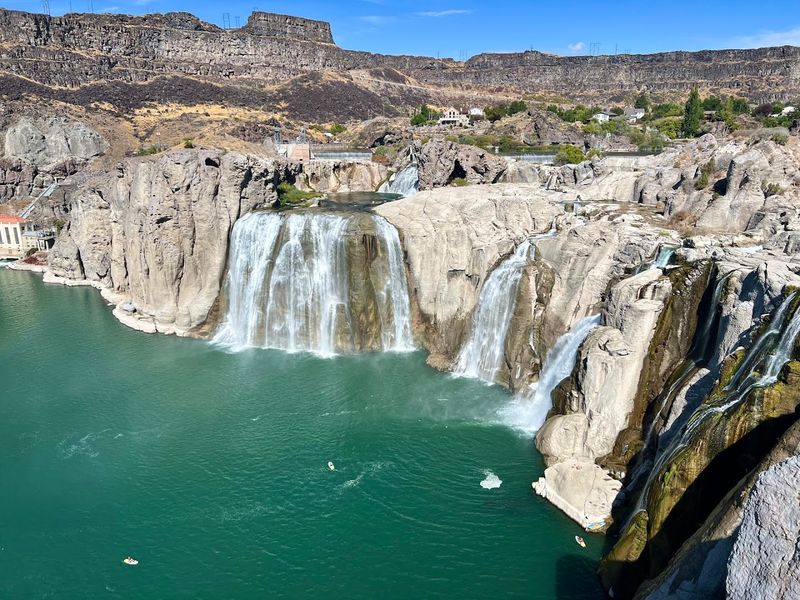
Most people drive through Twin Falls on their way somewhere else, which is exactly why it remains one of Idaho’s best-kept retirement secrets. Home prices here are noticeably lower than in booming Boise, and the city has enough amenities to keep life comfortable without the traffic and noise that come with rapid urban growth.
The Snake River Canyon is the city’s crown jewel, offering jaw-dropping views and Shoshone Falls, sometimes called the Niagara of the West. Walking and cycling trails run along the canyon rim, giving retirees a spectacular outdoor playground right in town.
St. Luke’s Magic Valley Medical Center provides solid regional healthcare, which is a significant factor for retirees choosing a home base. The cost of groceries, utilities, and services is refreshingly reasonable.
Idaho also has no tax on Social Security income, which makes a meaningful difference for retirees living on a fixed budget.
9. Idaho Falls, Idaho
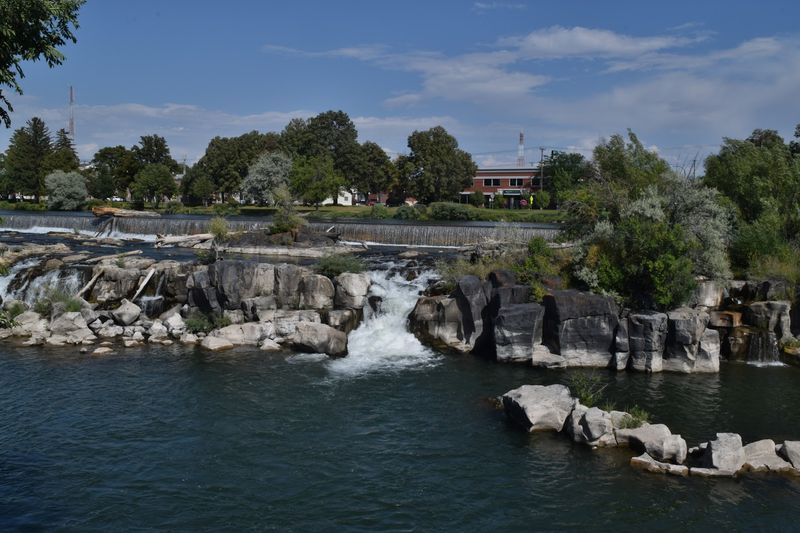
Right in the heart of eastern Idaho, Idaho Falls offers a retirement lifestyle that is genuinely affordable and surprisingly complete. Housing costs are well below the national median, and utilities run cheap thanks to the region’s hydroelectric power infrastructure.
Your monthly expenses here simply do not bite the way they do in most Western cities.
The city has a charming riverwalk along the Snake River that serves as the social and recreational heart of the community. Farmers markets, local restaurants, and a growing arts scene give the city more personality than its modest size might suggest.
Yellowstone National Park is just a two-hour drive away, which is an extraordinary bonus.
Eastern Idaho Regional Medical Center handles serious healthcare needs for the region. The community skews family-friendly and tends to be tight-knit, which many retirees find deeply comforting.
Cold winters are part of the deal, but the trade-off in cost and quality of life is well worth it.
10. Spokane, Washington
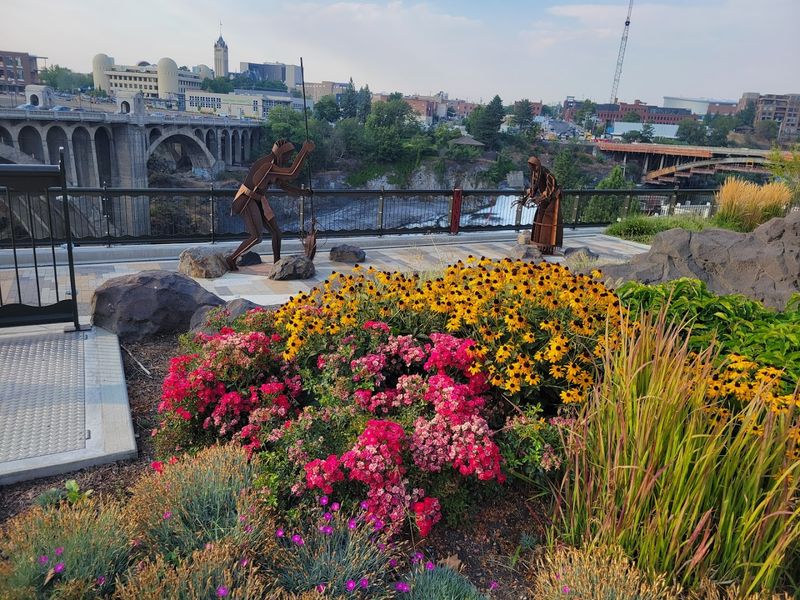
Washington State has a well-earned reputation for being expensive, but Spokane has been quietly ignoring that memo for years. As the state’s second-largest city, it offers genuine urban amenities at prices that feel almost rebellious compared to Seattle.
Median home prices are a fraction of what you would pay on the west side of the Cascades.
Riverfront Park sits at the center of city life, offering walking paths, a carousel, and gorgeous views of the Spokane River falls right in the middle of downtown. The arts and culture scene is strong, with a symphony, theater companies, and a thriving food and craft beer culture.
Washington has no state income tax, which is a significant financial advantage for retirees. Healthcare is excellent, with Providence Health and MultiCare operating major facilities in the city.
Four-season weather means real winters, but the summers are warm, dry, and absolutely beautiful in the Inland Northwest.
11. Yakima, Washington
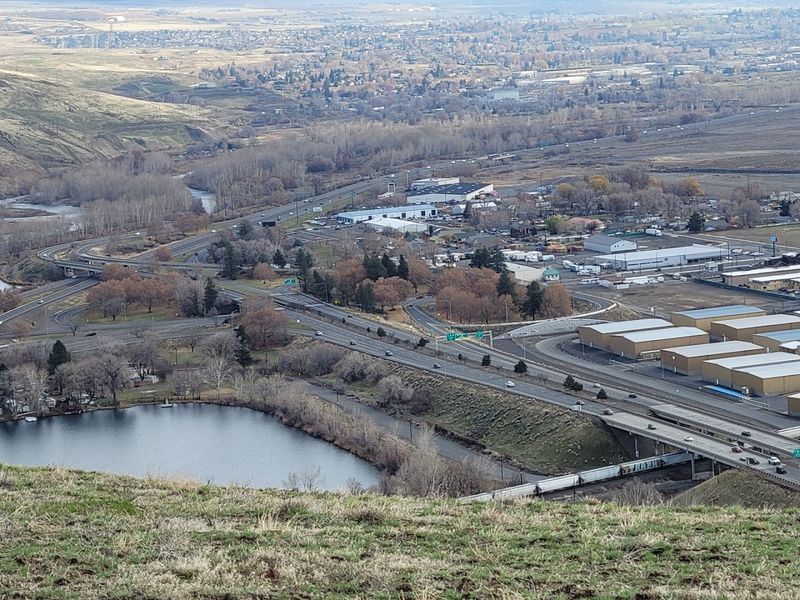
Wine country retirement on a budget sounds too good to be true, but Yakima makes it happen. Sitting in the heart of Washington’s premier wine and agricultural region, this city offers a warm, dry climate that feels nothing like the rainy stereotype most people associate with Washington State.
Prices here are dramatically lower than in Seattle, making it one of the most undervalued retirement options in the Pacific Northwest.
The surrounding Yakima Valley is blanketed in vineyards, orchards, and hop fields. Winery touring, farmers markets, and outdoor recreation along the Yakima River are all part of everyday life.
The city has a strong Hispanic cultural influence that adds wonderful depth to the food and community scene.
Virginia Mason Memorial Hospital provides solid regional healthcare. Summers are hot and sunny, winters are cold but manageable.
Housing costs, grocery prices, and utility bills all run well below the Washington State average, making your retirement dollar go surprisingly far.
12. Wenatchee, Washington
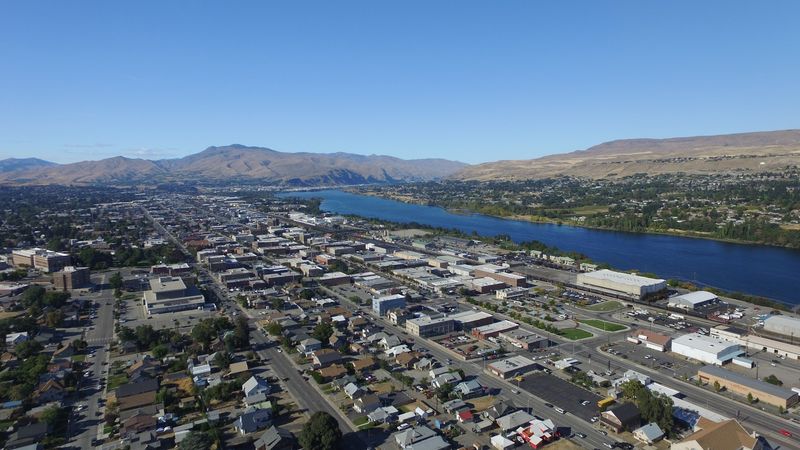
Apple capital of the world is Wenatchee’s unofficial title, and honestly, that wholesome reputation extends to the entire retirement experience here. Perched along the Columbia River with the Cascades rising on all sides, this small city offers some of the most dramatic scenery in Washington without the dramatic price tag that usually comes with it.
Outdoor recreation is extraordinary. Hiking, mountain biking, skiing at Mission Ridge, and water sports on the Columbia keep active retirees thoroughly occupied.
The Apple Blossom Festival each spring is a community tradition that gives the city a warm, small-town soul.
Home prices have been rising in recent years, so acting sooner rather than later makes financial sense. Central Washington Hospital provides reliable regional healthcare.
No state income tax remains a major advantage for retirees on fixed incomes. The four seasons are vivid and beautiful, with warm dry summers and snowy but manageable winters.
13. Elko, Nevada
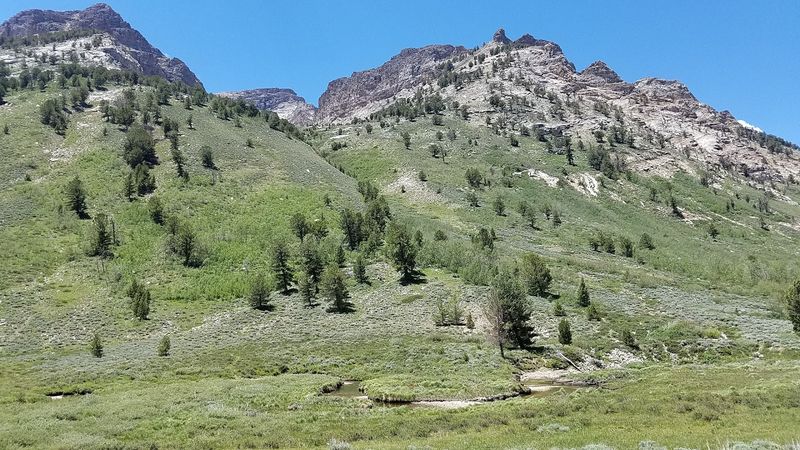
Nevada has no state income tax, and Elko has no pretensions about being anything other than exactly what it is: a rugged, honest, genuinely affordable high desert town. Housing costs here are remarkably low, and the no-income-tax policy means your retirement income goes straight into your pocket instead of the state treasury.
That combination is hard to beat.
Elko sits in the northeastern corner of Nevada, surrounded by the Ruby Mountains, which locals call the Swiss Alps of Nevada. Hunting, fishing, hiking, and skiing at Ruby Mountains Heli-Ski are all accessible.
The city has a strong Western ranching culture that gives it a distinct, unfussy character.
Northeastern Nevada Medical Center handles regional healthcare needs. The trade-off for all this affordability is genuine remoteness: the nearest major city is a long drive away.
For retirees who actually want peace, quiet, and wide-open spaces, that remoteness is not a downside at all.
14. Pahrump, Nevada
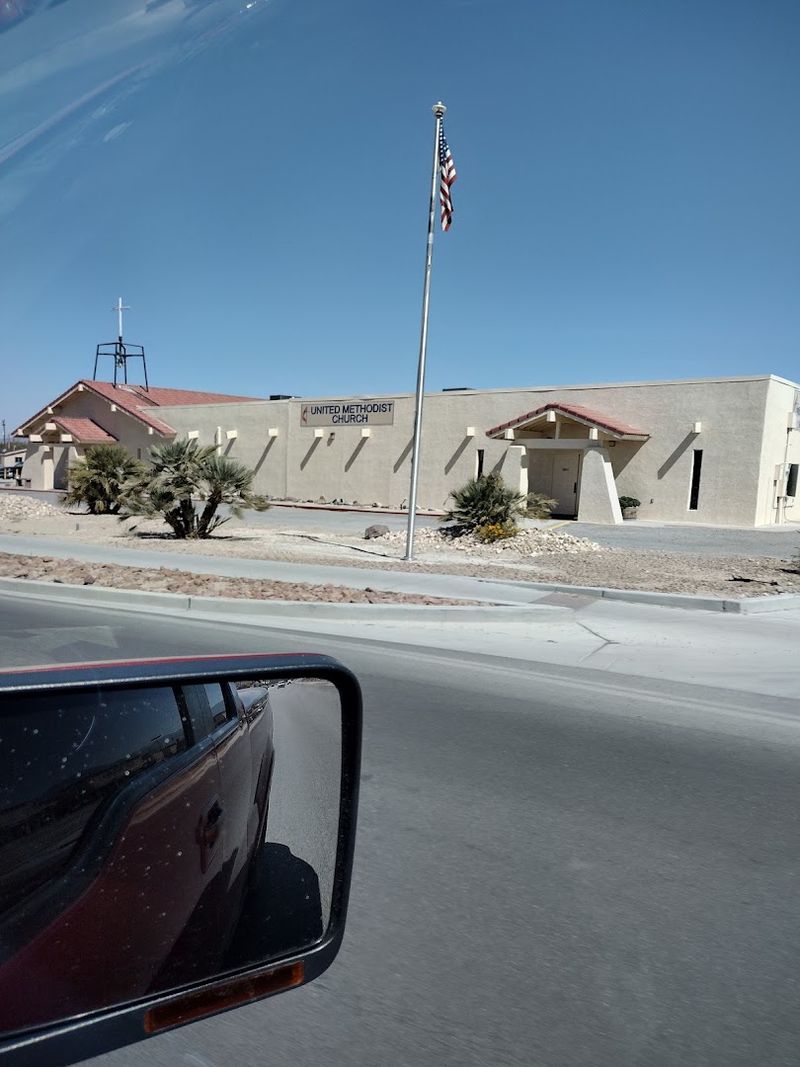
About 60 miles west of Las Vegas lies a retirement option that offers the Nevada tax advantages without the casino crowds or the Las Vegas price tag. Pahrump has become a genuine destination for retirees who want low costs, warm weather, and enough space to breathe.
Home prices here are a fraction of what you would pay in Henderson or Summerlin.
Nevada’s tax structure is a major draw: no state income tax, no inheritance tax, and no tax on Social Security benefits. That adds up to real money over a 20-year retirement.
Pahrump has a large and active retiree population, so the social infrastructure of clubs, activities, and senior services is well-developed.
Desert Winds Hospital and several medical clinics serve the local population. Las Vegas is close enough for a day trip to world-class entertainment and healthcare specialists.
Summers are brutally hot, but winters are mild, sunny, and genuinely pleasant for outdoor activities.
15. Billings, Montana
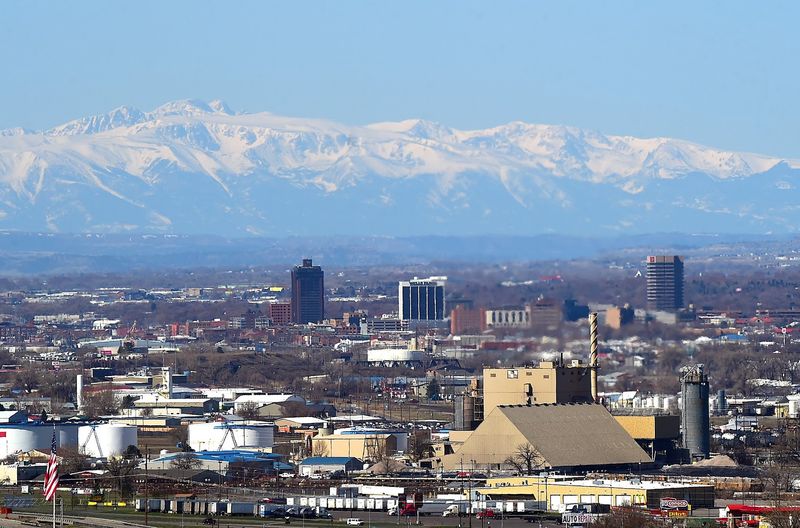
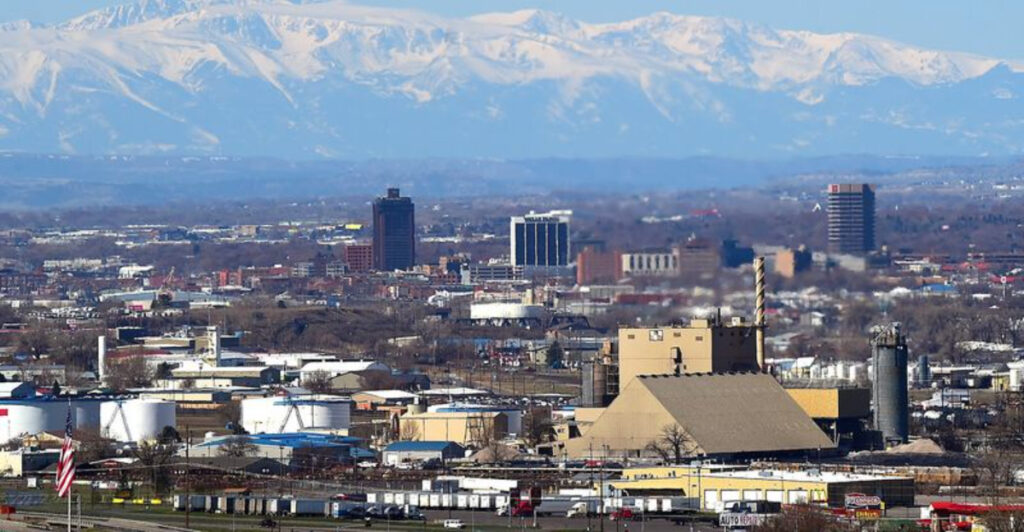
Montana retirement sounds expensive until you look at Billings. While Bozeman has gone completely upmarket and Missoula is not far behind, Billings has held onto affordability while still offering a full-service city experience.
As Montana’s largest city, it has the healthcare, shopping, and cultural amenities that smaller towns simply cannot match.
The Rimrocks, dramatic sandstone cliffs that frame the city’s northern edge, give Billings a visual identity that is genuinely stunning. Hiking up to the Rimrock trails rewards you with panoramic views of the Yellowstone River valley and the Beartooth Mountains beyond.
Outdoor recreation opportunities are extensive and accessible.
Billings Clinic and St. Vincent Healthcare are both major regional medical centers, making this one of the best-served cities for healthcare in the entire Northern Rockies. Montana does tax some retirement income, but overall costs remain competitive.
If you want real Montana without the Bozeman sticker shock, Billings is your answer.
Share this story