Most Americans have never heard of the Mine Wars, despite the fact that they shaped many of the workplace rights people rely on today. In the small town of Matewan, West Virginia, a museum preserves the story of coal miners who challenged powerful companies, sparked national headlines, and helped change the course of labor history.
Housed in a building that still bears physical reminders of that conflict, the West Virginia Mine Wars Museum brings this overlooked chapter of American history to life through artifacts, photographs, oral histories, and firsthand accounts. For anyone interested in history, labor rights, or Appalachian culture, it offers one of the most compelling museum experiences in the region.
Where History Happened: The Museum’s Location and Setting
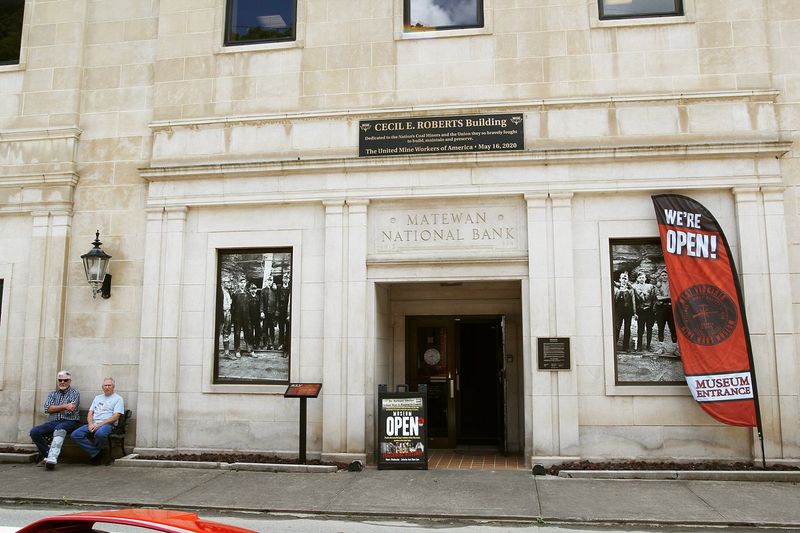
Matewan, West Virginia, is the kind of town that feels frozen in a meaningful moment. The West Virginia Mine Wars Museum sits at 112 Mate Street, Matewan, WV 25678, right in the heart of a community that witnessed some of the most dramatic labor confrontations in American history.
The building itself is the former Bank of Matewan, a sturdy historic structure that adds an extra layer of authenticity to the experience. You can reach the museum by phone at 304-691-0014, and their website at wvminewars.org has helpful visitor information.
The town is small, but arriving here feels significant. The Tug Fork River runs nearby, the mountains press in close, and the streets are quiet in a way that makes the violent past feel both distant and surprisingly present.
This is not a reconstructed historic site built for tourists; it is a living community that carries real memory in its bones.
The Coal Miners Who Started a Revolution
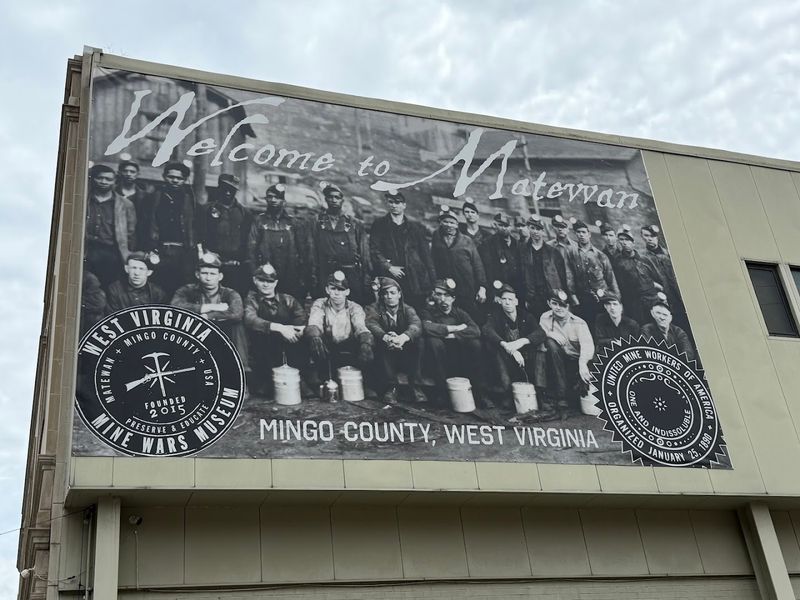
Most people picture labor history as something that happened in big northern cities, but the coalfields of southern West Virginia tell a very different story. The miners here worked brutal hours underground, lived in company-owned towns, and were paid in scrip that could only be spent at company stores.
The museum does a remarkable job of showing what daily life looked like for these workers and their families. Coal camp life was not just physically dangerous; it was a system designed to keep miners economically trapped and politically powerless.
What makes this history so gripping is that these were ordinary people, many of them immigrants or first-generation Americans, who simply decided that enough was enough. They organized, they marched, and they fought back against conditions that most modern workers would find unthinkable.
Their courage laid the groundwork for labor protections that millions of Americans still benefit from today, which makes their story far more personal than it might first appear.
The Day Matewan Made National Headlines
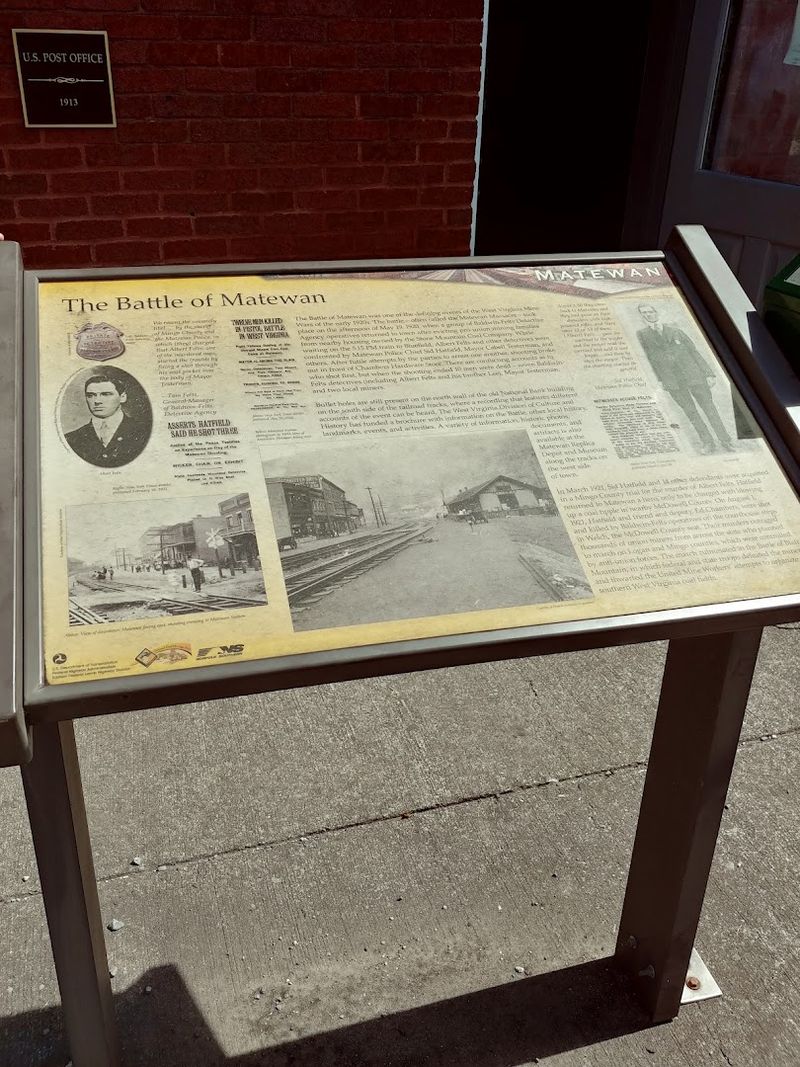
On May 19, 1920, a confrontation on the streets of Matewan turned into one of the most talked-about events in American labor history. The Matewan Massacre, as it came to be known, was a shootout between coal miners and their local allies against agents of the Baldwin-Felts Detective Agency, a private security firm hired by coal operators to evict miners from company housing.
Ten people lost their lives that day, including the town mayor. Matewan Police Chief Sid Hatfield sided with the miners, making him an instant folk hero among workers across the region.
The museum presents this event with careful accuracy, using period photographs, detailed timelines, and physical artifacts that put you right in the middle of the drama. The building where the museum now operates still carries bullet holes from that day, which is a detail that genuinely stops visitors in their tracks.
History here is not behind glass; it is literally in the walls.
Sid Hatfield and the Making of a Folk Hero
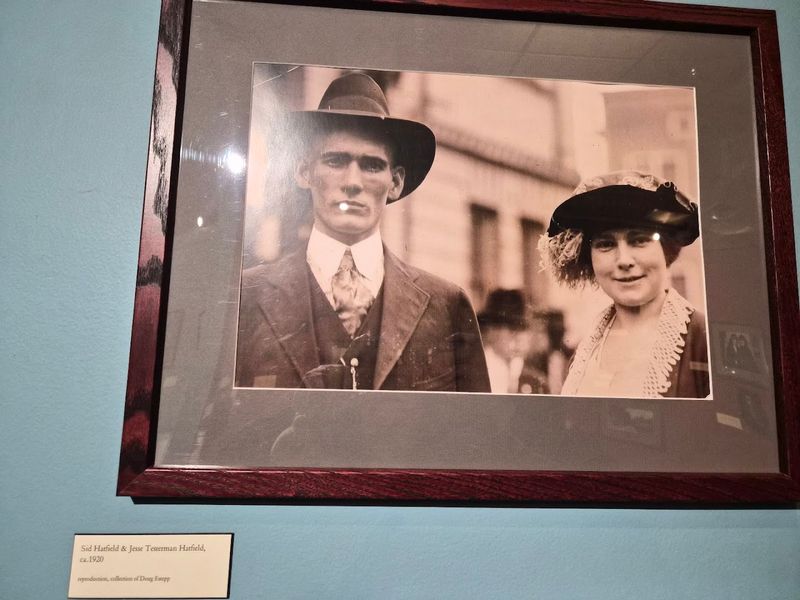
Few figures in American labor history are as fascinating or as tragic as Sid Hatfield. As Matewan’s police chief, he became a symbol of resistance when he stood alongside miners during the 1920 confrontation, refusing to enforce the eviction orders that the Baldwin-Felts agents carried.
The museum dedicates meaningful attention to Hatfield’s story, and it is one of the most emotionally powerful threads running through the entire exhibit. He was not a union organizer or a political figure; he was a local lawman who made a decision based on what he believed was right.
His murder on August 1, 1921, by Baldwin-Felts detectives on the steps of the McDowell County courthouse, became the spark that ignited the largest armed labor uprising in American history. A short walk across the Tug Fork from the museum leads to the Kentucky cemetery where Hatfield is buried, and that walk alone feels like its own quiet act of remembrance.
The Paint Creek-Cabin Creek Strike and What It Cost
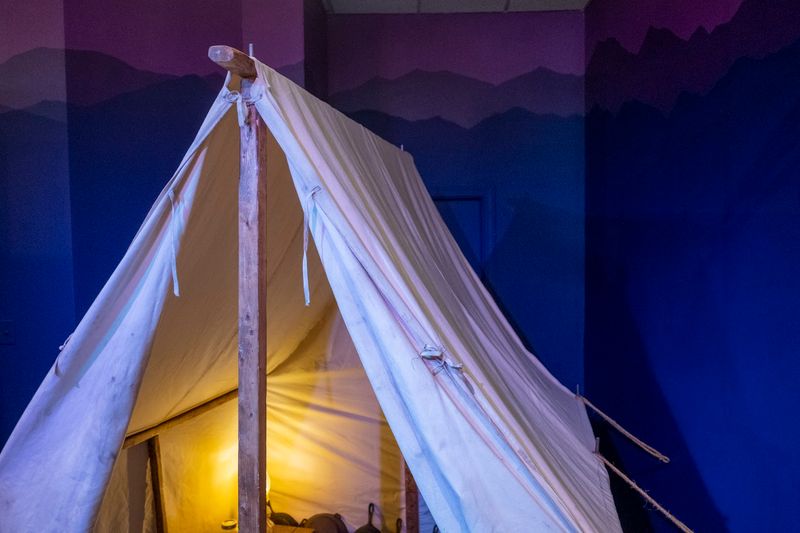
Before the Matewan Massacre and before Blair Mountain, there was the Paint Creek-Cabin Creek Strike of 1912 to 1913, and the museum treats this chapter with the serious weight it deserves. Considered one of the most violent labor conflicts in American history, this strike saw miners living in tent colonies after being evicted from company housing for organizing.
The conditions were brutal. Private guards harassed and threatened strikers, and the West Virginia governor declared martial law multiple times during the conflict.
The legendary labor organizer Mother Jones was arrested and held under military authority during this period.
What the museum communicates so effectively is that these events were not isolated incidents; they were part of a long, grinding struggle that unfolded over years and across entire communities. Families were involved, children were affected, and the stakes were not abstract.
Understanding this strike makes everything that followed, including the Battle of Blair Mountain, feel completely inevitable rather than surprising.
Blair Mountain: The Largest Armed Uprising Since the Civil War
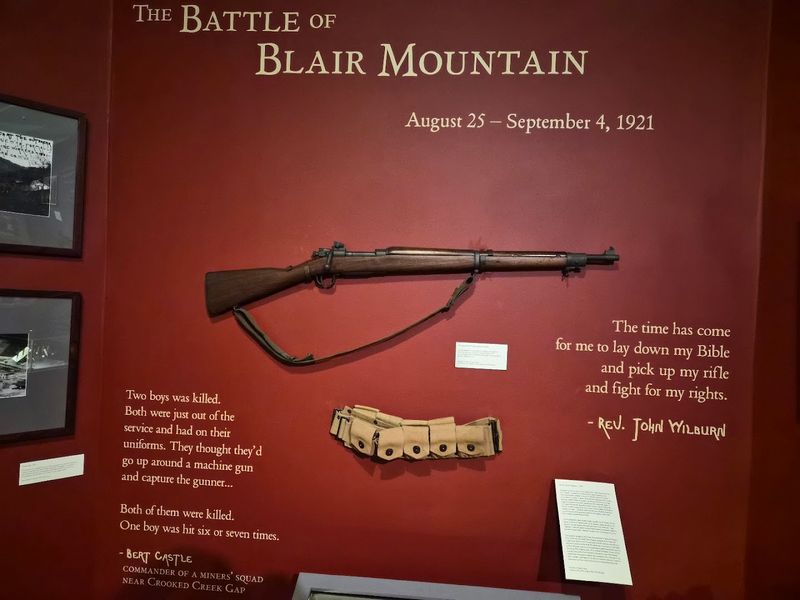
The numbers alone are staggering. Approximately 10,000 armed coal miners gathered in late August 1921 and marched toward Blair Mountain in Logan County, West Virginia, determined to unionize the southwestern coalfields by force if necessary.
On the other side, roughly 3,000 lawmen and strikebreakers dug in to stop them.
The Battle of Blair Mountain lasted several days and only ended when President Warren G. Harding ordered federal troops and military aircraft into the conflict.
It remains the largest armed labor uprising in United States history since the Civil War, yet most Americans have never heard of it.
The museum’s exhibits on Blair Mountain are among its most powerful, combining maps, photographs, oral histories, and artifacts to reconstruct the scale and intensity of what happened. Visitors who arrive knowing nothing about this event typically leave in a state of genuine disbelief that something so significant has been so thoroughly overlooked by mainstream history education.
That reaction, honestly, seems to be exactly the point.
Inside the Exhibits: Artifacts That Speak for Themselves
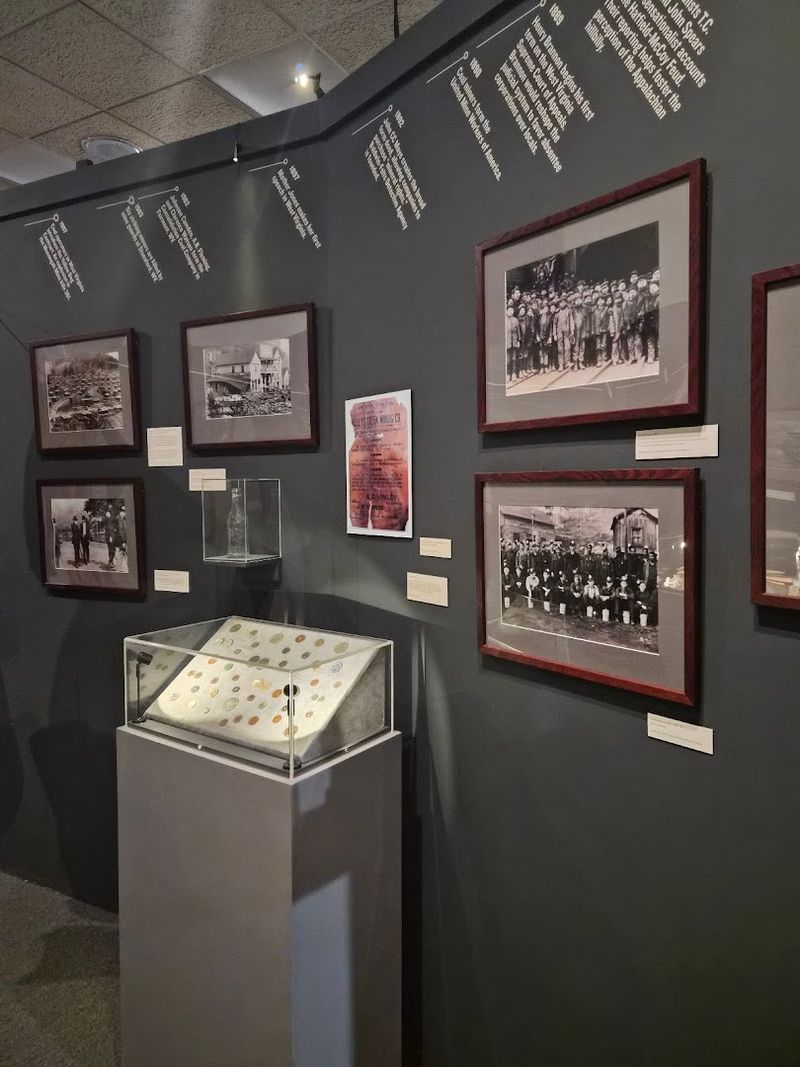
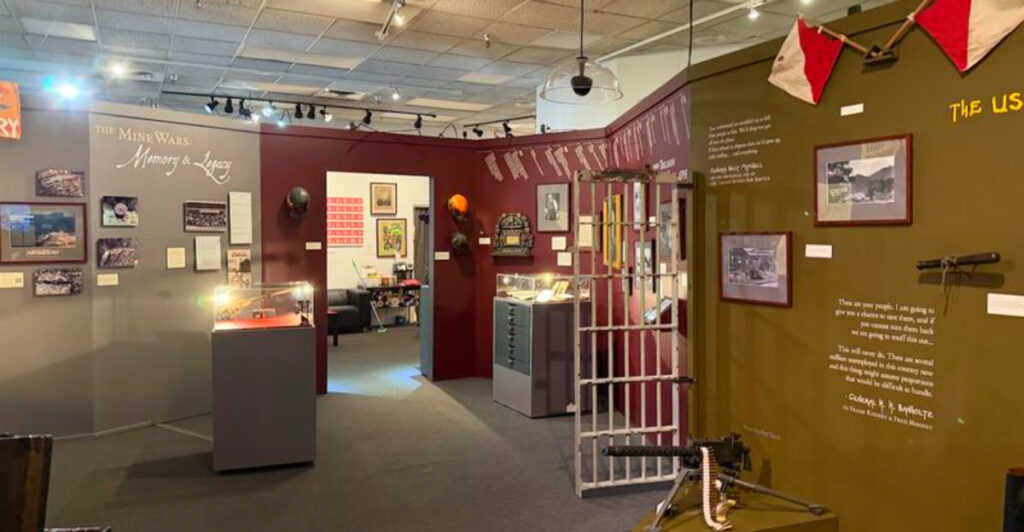
The museum houses the largest exhibited collection of Mine Wars era artifacts anywhere in the world, and the range of what is on display is genuinely impressive for a museum of this size. Oral histories, digitized film reels, historic photographs, maps, union publications, and personal objects all come together to tell a story that feels human rather than academic.
The exhibits are arranged chronologically, which helps visitors follow the escalating tension of the Mine Wars period without getting lost in the timeline. Each display connects events to the real people who lived them, giving names and faces to a history that could easily feel abstract.
One detail that stands out is how the exhibits connect the past to present-day labor issues, making the history feel relevant rather than distant. There is also a research room on site for anyone who wants to explore the archive more deeply.
The gift shop carries some genuinely thoughtful items, and the whole experience costs just five dollars per person, which feels almost impossible to believe given the quality on offer.
A People’s Museum With a Clear Mission
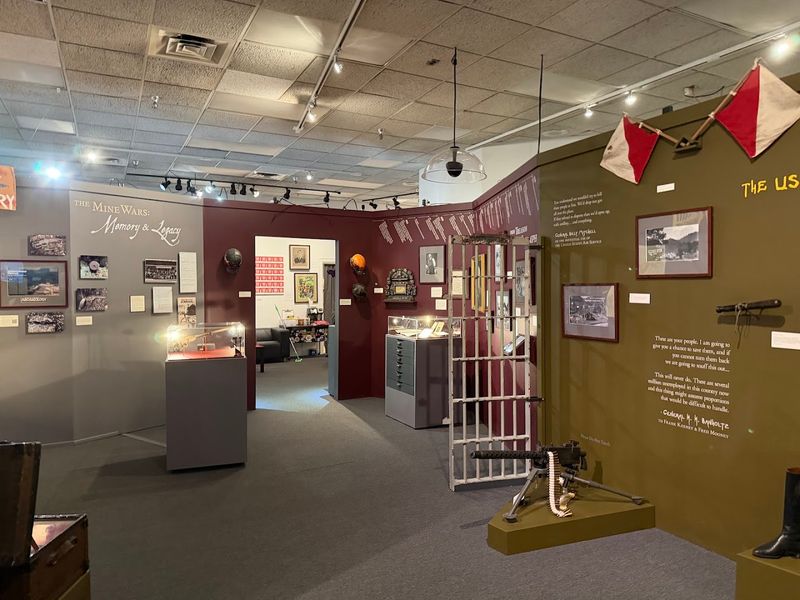
The phrase “people’s museum” gets used a lot, but here it actually means something specific. The West Virginia Mine Wars Museum was built to preserve and interpret the history of the Mine Wars through the lives of ordinary people, not through the perspective of coal operators, politicians, or powerful institutions.
That commitment shapes every decision, from how the exhibits are written to which voices get amplified. The museum opened on May 16, 2015, and has since moved into the former Bank of Matewan building, which tripled the available exhibit space and added a Solidarity Art Gallery along with a proper lobby and improved climate control for artifact preservation.
The museum maintains a strong partnership with UMWA Local 1440 and runs education initiatives across West Virginia, bringing this history to students who might never make it to Matewan in person. The sense of purpose here is palpable, and it comes through in every interaction with the staff, who clearly understand that what they are doing matters well beyond the walls of the building.
The Staff That Makes the Experience Unforgettable
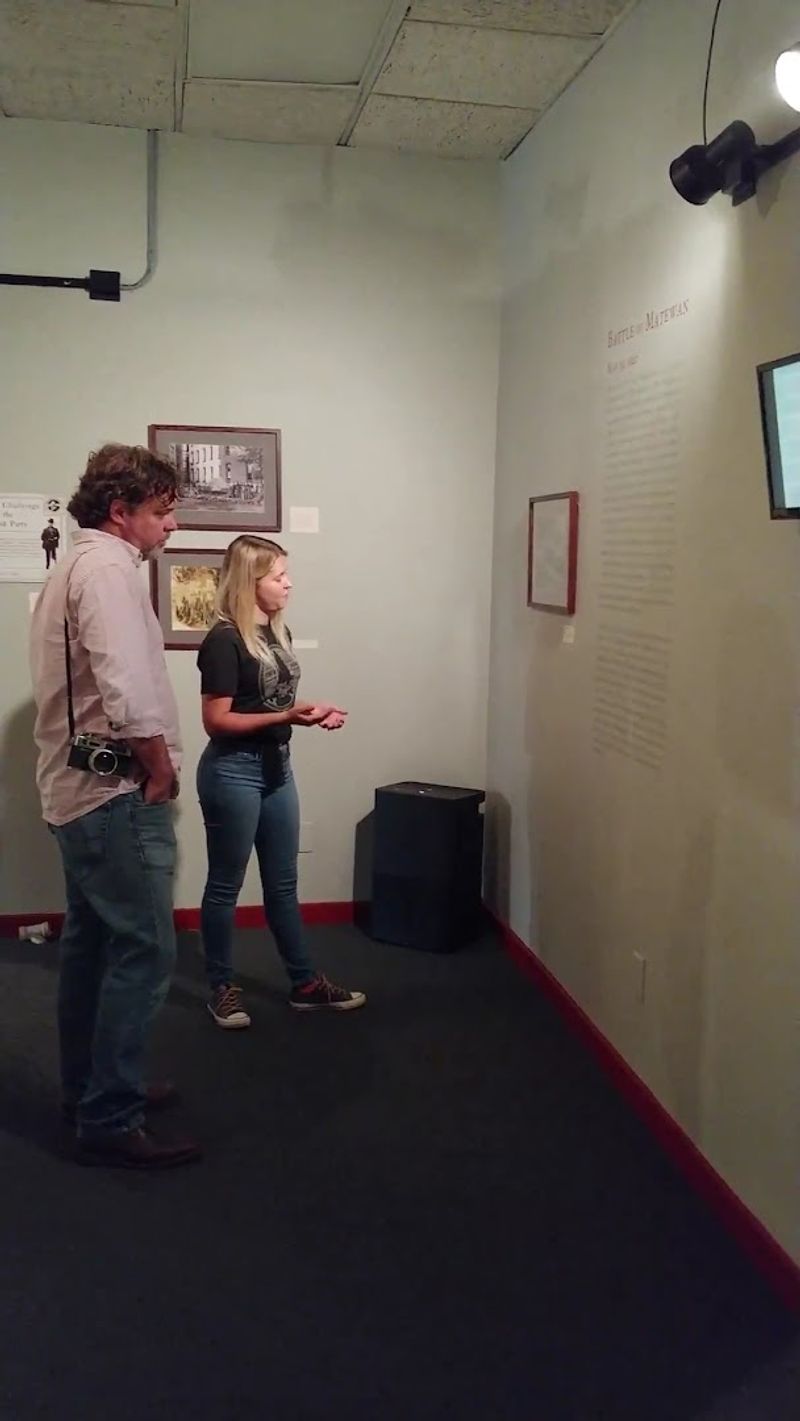
A museum is only as good as the people who bring it to life, and the staff here set a remarkably high bar. Guided tours are available and come highly recommended by nearly everyone who has taken one.
The guides are deeply knowledgeable, enthusiastic without being overwhelming, and genuinely skilled at connecting historical events to broader themes that resonate with modern visitors.
Tours can be arranged in advance by emailing the museum, which is especially useful for visiting during the off-season or for groups with specific interests. The cost is only five dollars per person, making it one of the most affordable guided museum experiences anywhere in the country.
The museum is open Tuesday through Saturday from 10 AM to 5 PM, and it is closed Sunday, Monday, and Friday. Planning ahead and contacting the team before your visit pays off, particularly if you want to make sure a guide is available.
The personal attention visitors receive here is something that larger, better-funded museums often fail to match.
The Solidarity Art Gallery and Creative Dimension
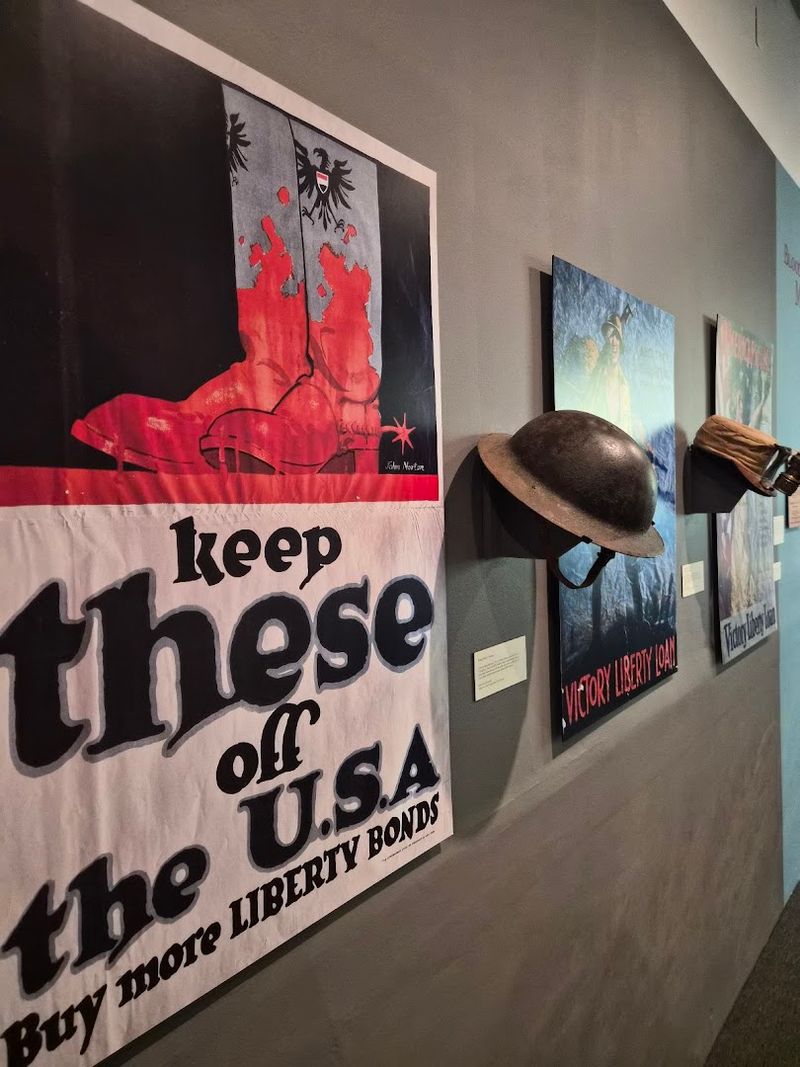
History museums do not always make room for art, but the West Virginia Mine Wars Museum includes a Solidarity Art Gallery that adds a creative and emotional dimension to the experience. The gallery features work that connects the visual arts to themes of labor, resistance, and community, giving visitors a different way to process what they have just learned in the main exhibits.
Art has always played a role in labor movements, from protest songs to political posters, and having a dedicated gallery space acknowledges that history is not only made of documents and artifacts. It is also made of creative expression and cultural identity.
The gallery is part of the expanded facility in the former Bank of Matewan building, and it reflects the museum’s broader commitment to treating the Mine Wars as a living history rather than a closed chapter. Visitors who linger in the gallery often find that the artwork gives them language for feelings the exhibits stirred up but did not fully resolve.
Exploring Matewan Beyond the Museum Walls
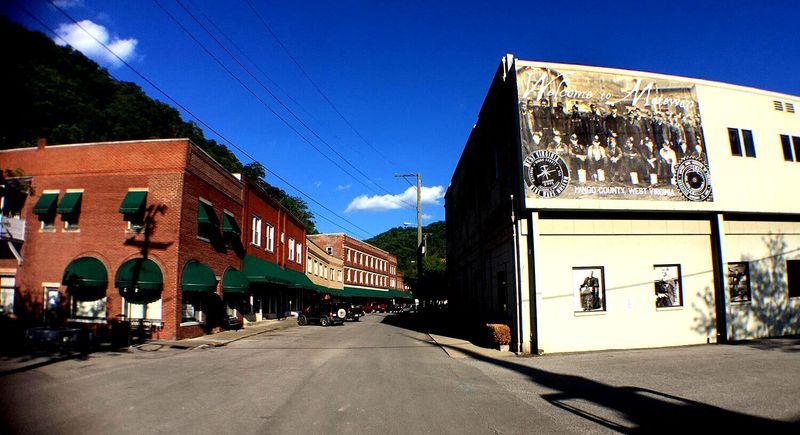
The museum is the heart of any visit to Matewan, but the town itself rewards exploration. A guided town tour, which can often be arranged through the museum, takes visitors to the actual locations where key events unfolded, turning the streets into an open-air extension of the exhibits inside.
The Tug Fork River borders the town, and a short walk across it leads to a Kentucky cemetery where Sid Hatfield is buried. That walk is quiet and reflective in a way that no exhibit can quite replicate, and most visitors describe it as one of the most memorable parts of their trip.
Matewan also has restaurants and inns, so spending more than just a few hours here is entirely practical. The town feels genuine rather than curated for visitors, which is part of its appeal.
There are no themed gift shops on every corner or staged photo opportunities; just a real community with a real story, and the rare chance to stand exactly where history happened.
Why This Story Still Matters Right Now
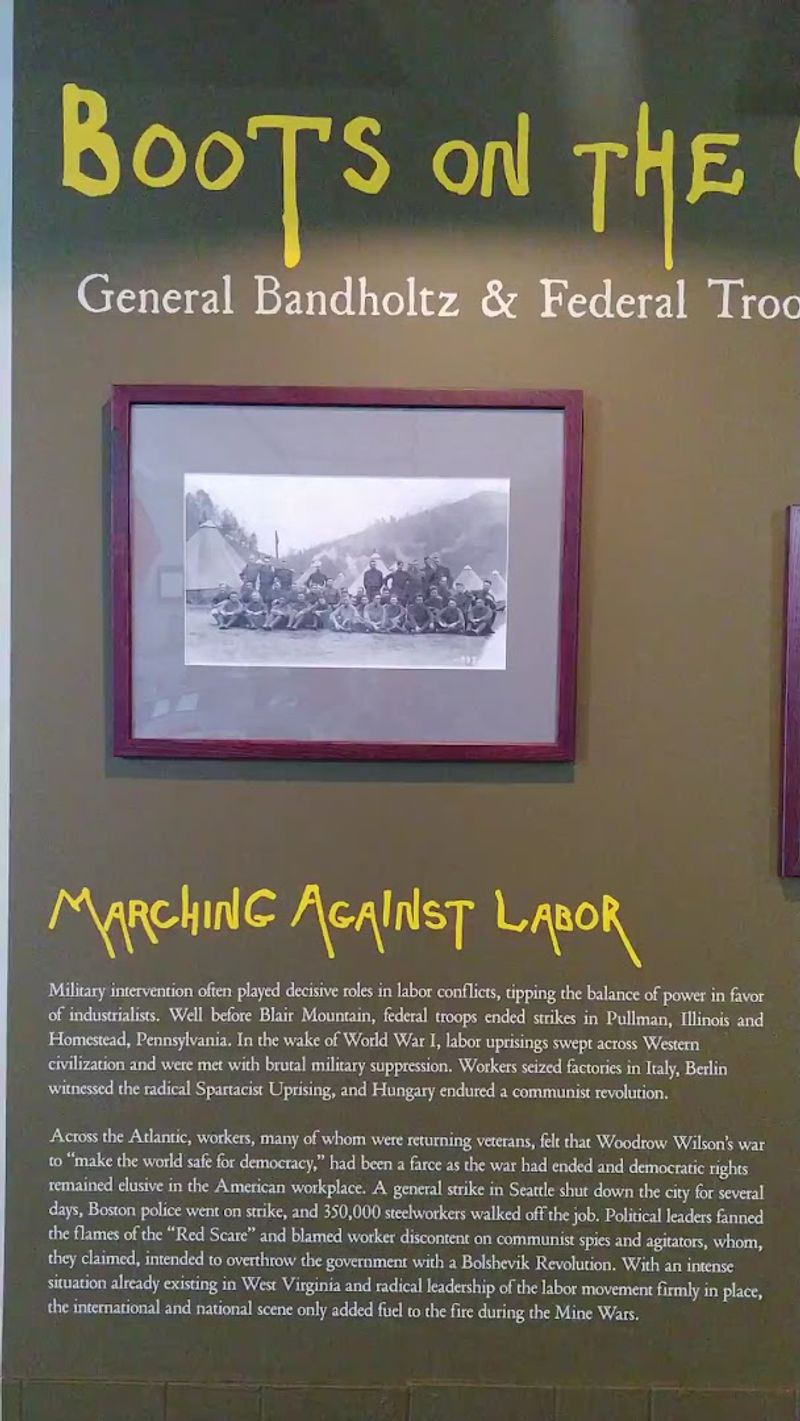
The history preserved in the West Virginia Mine Wars Museum is not just a record of what happened in the 1920s. It is a direct ancestor of the labor protections that govern American workplaces today, including the right to organize, the eight-hour workday, and safe working conditions.
The museum makes this connection explicit without being preachy about it, trusting visitors to draw their own conclusions once they understand the full picture. That approach works remarkably well, and many people leave feeling a mix of inspiration and frustration that this history is not more widely taught.
The museum’s online exhibits and educational resources extend its reach far beyond Matewan, bringing these stories to students and researchers across the country. For anyone with even a passing interest in American history, labor rights, or Appalachian culture, this museum delivers an experience that is genuinely hard to find anywhere else.
The story it tells is unfinished, and that is precisely what makes it worth knowing.
Share this story