On the Outer Cape, tucked between rolling hills and the open Atlantic, there is a beach that does not play by the usual rules. No boardwalk, no concession stands, no crowds fighting over prime real estate in the sand.
What you get instead is a raw, wide-open stretch of coastline backed by some of the tallest sand dunes on the entire East Coast. The dunes here are not decorative backdrops.
They are the main event, towering over the beach and reshaping themselves with every storm that rolls through. The Atlantic pounds the shore with serious energy, seals patrol the shallows, and the parking lot sits so far above the water that the walk down feels like its own adventure.
This is one of those places that earns its reputation not through hype, but through sheer, undeniable presence. Keep reading to find out exactly what makes this Cape Cod beach worth every steep step.
The Dunes That Stop People in Their Tracks
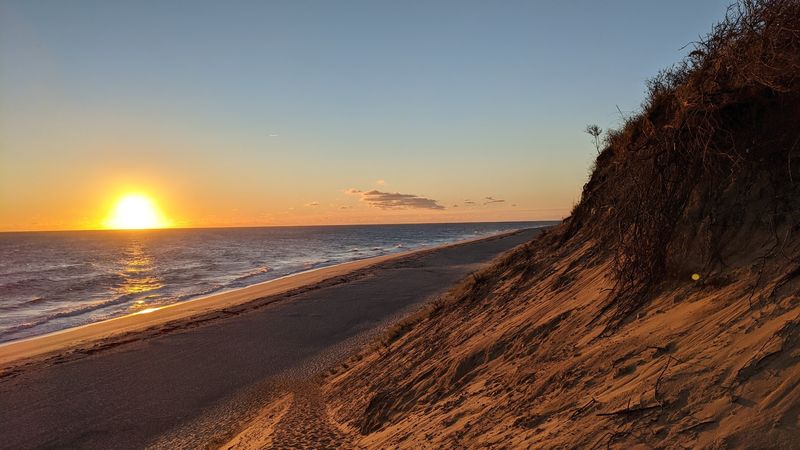
The dunes at this beach are not a subtle feature. They rise dramatically from the parking area and drop steeply toward the water below, creating a wall of sand that can genuinely take a person off guard the first time they see it.
These formations are part of a larger system of glacially deposited sand that has been reshaped by wind and water over thousands of years. The Outer Cape is known for its dune landscapes, but Longnook has a reputation even within that context for producing some of the most dramatic vertical relief anywhere on the Massachusetts coastline.
In winter, with almost no one around, the dunes take on a stark, almost sculptural quality. The wind carves ridges and hollows into the surface, and the scale of everything becomes more obvious without other people to provide a sense of proportion.
Standing at the top and looking down at the water far below is the kind of moment that tends to stay with people long after the trip is over.
The Famous Climb Down and What Waits Below
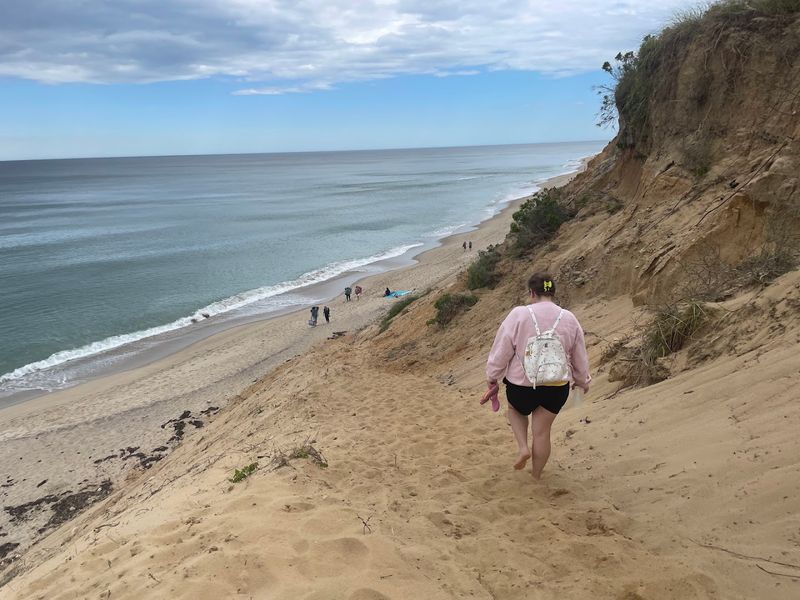
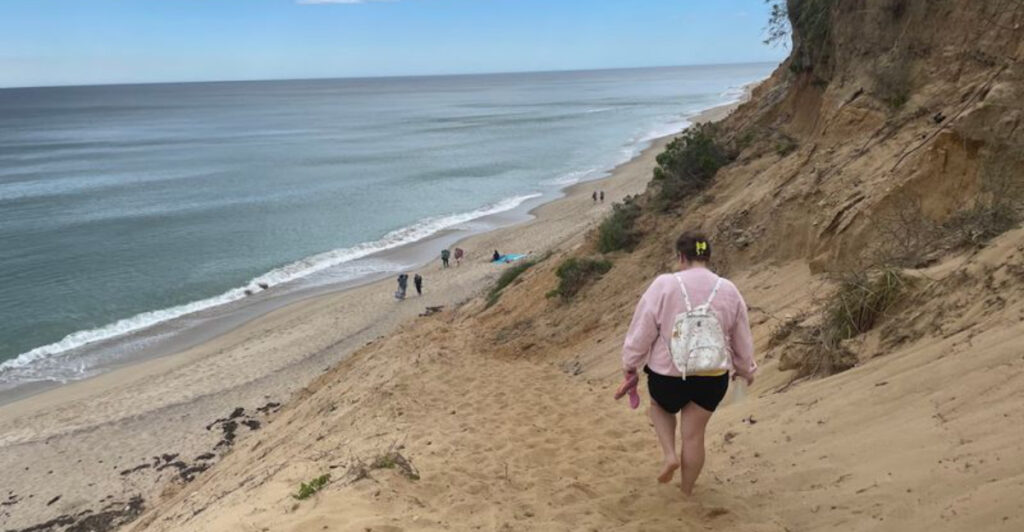
The descent from the parking lot to the beach is steep, sandy, and genuinely challenging for some people. There is no paved path, no stairs, and no handrail.
The route follows a soft sand slope that shifts underfoot, making each step a small negotiation with gravity.
Younger, more agile visitors tend to bound down without much trouble. For older adults, young children, or anyone with mobility limitations, the climb back up can be a real workout.
It is worth knowing this before arriving, so expectations are set correctly from the start.
What waits at the bottom makes the effort worthwhile by almost any measure. A wide, relatively uncrowded beach opens up, backed by those towering dunes and fronted by the full force of the Atlantic.
The waves here are not gentle, and the beach has a genuinely wild character that feels very different from calmer, more sheltered Cape Cod shores.
The physical challenge of getting there is also part of what keeps the crowd numbers low.
How Quiet It Actually Gets Here

Longnook Beach has a well-earned reputation for being far less crowded than most beaches on the Cape, and that reputation holds up even during the summer months. The combination of limited parking, a demanding access route, and a location that requires a bit of local knowledge all work together to keep the numbers manageable.
Off-season, the quiet becomes something else entirely. In late September, October, or on a cold January day, it is entirely possible to have the whole beach to yourself or nearly so.
The Atlantic is still there, the dunes are still dramatic, and the wildlife is still active, but the human presence drops to almost nothing.
That kind of solitude is increasingly rare on the popular stretches of Cape Cod, where summer crowds can make even scenic beaches feel like outdoor shopping malls. Longnook sidesteps all of that almost entirely, and the off-season version of the place has a completely different personality from the summer one.
Watching the Sunrise From the Dune Top

Arriving at Longnook Beach early enough to catch the sunrise is a completely different experience from showing up mid-morning. The parking lot is empty, the light is shifting, and the dunes glow in colors that change by the minute as the sun climbs over the Atlantic horizon.
The east-facing orientation of this stretch of coastline makes it one of the better spots on the Outer Cape for watching the sun come up directly over the water. There are no obstructions, no buildings, and no trees blocking the view from the dune crest.
Just open sky, open water, and sand in every direction.
People who make the effort to get there before dawn often describe it as one of the more memorable parts of a Cape Cod trip, precisely because it requires a bit of commitment and rewards it generously. The parking situation is also much easier at that hour, which is a practical bonus on top of everything else.
Swimming Here and What the Water Is Like

The waves at Longnook Beach are Atlantic waves, which means they carry real power. This is not a calm, protected bay beach.
The surf here can be strong, and the water moves with the kind of energy that makes it exciting for confident swimmers but genuinely demanding for beginners or young children.
The water temperature follows the usual Cape Cod Atlantic pattern, staying cool through much of the summer and warming slightly by late August and into September. Late September water can still be comfortable for swimming by New England standards, which surprises some people who expect it to be too cold by then.
The clarity of the water varies with tidal conditions, but on outgoing tides the visibility can be striking, with a blue-green color that reads almost tropical against the pale sand. Swimming here when conditions allow is a very different experience from the calmer waters on the bay side of the Cape.
The Landscape of the Cape Cod National Seashore
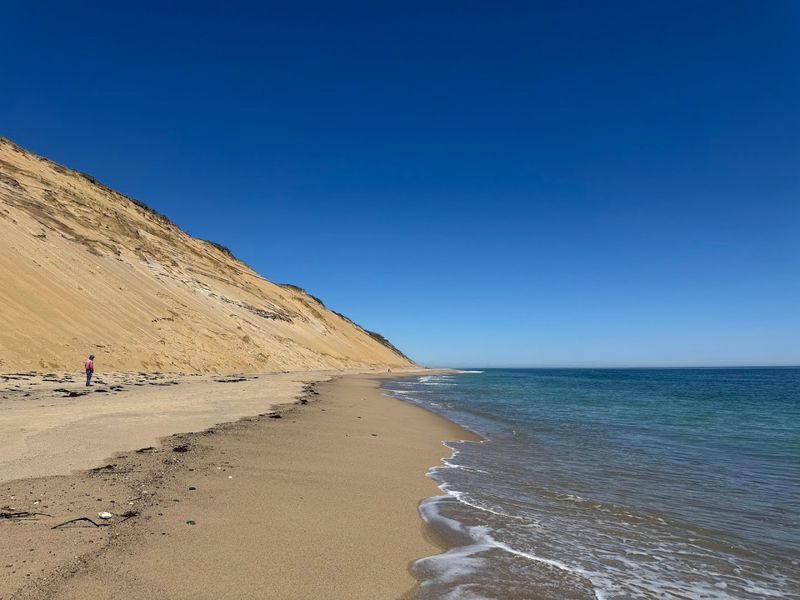
Longnook Beach sits within the broader territory of the Cape Cod National Seashore, a federally protected area that covers a significant portion of the Outer Cape. Established in 1961, the National Seashore was created specifically to preserve the natural character of this coastline from the kind of development that had already changed much of the rest of Cape Cod.
The protection has worked remarkably well. The landscape around Longnook retains a wild, undeveloped quality that makes it feel genuinely different from the more commercial parts of the Cape.
No hotels overlook the dunes, no restaurants line the access road, and the natural vegetation of scrub oak and beach grass remains largely intact.
That ecological context shapes the entire experience of visiting Longnook. The beach does not exist in isolation.
It is part of a continuous stretch of protected coastline that extends for miles in both directions, giving the whole area a sense of scale and openness that is hard to find elsewhere on the East Coast.
What the Off-Season Version of This Place Looks Like
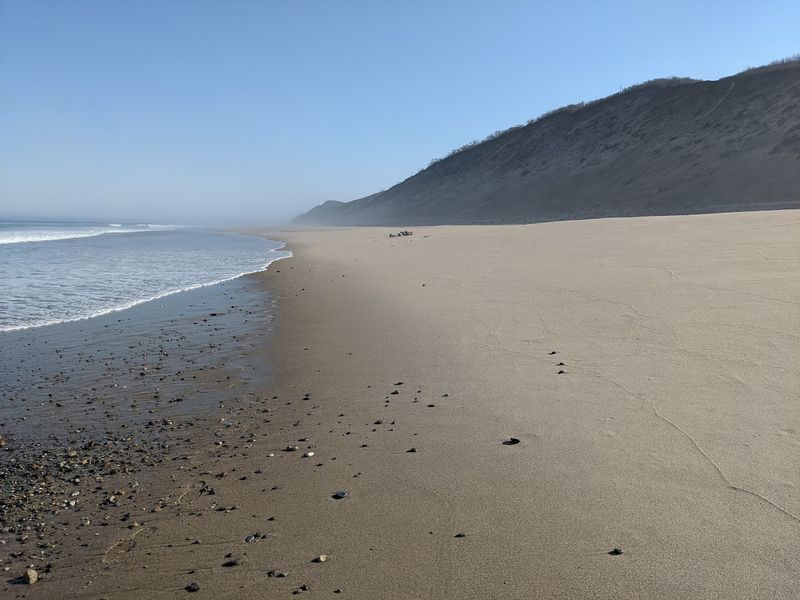
Longnook Beach in the off-season is a fundamentally different place from its summer version, and for many people who have visited in both contexts, the off-season version is the preferred one. The crowds are gone, the parking is easy, and the landscape takes on a starker, more elemental character.
January visits have been described as almost otherworldly. The dunes in winter light, with no one else around and the Atlantic crashing below, produce a kind of quiet that is genuinely hard to find in the northeastern United States.
The cold keeps casual visitors away, leaving the beach to anyone willing to dress for the conditions.
Late September and October represent the middle ground, offering decent weather, minimal crowds, and wildlife activity that is often more visible than during the height of summer. Seals tend to be more active and closer to shore in the fall, and the light at that time of year has a different quality that makes the dune landscape particularly striking.
The Dune Overlook When Beach Access Is Closed
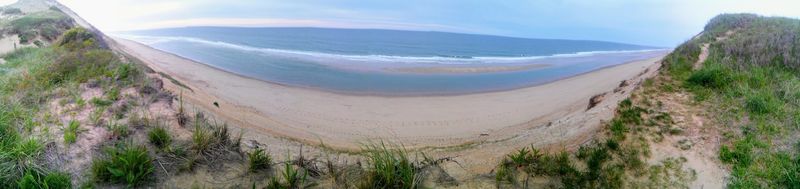
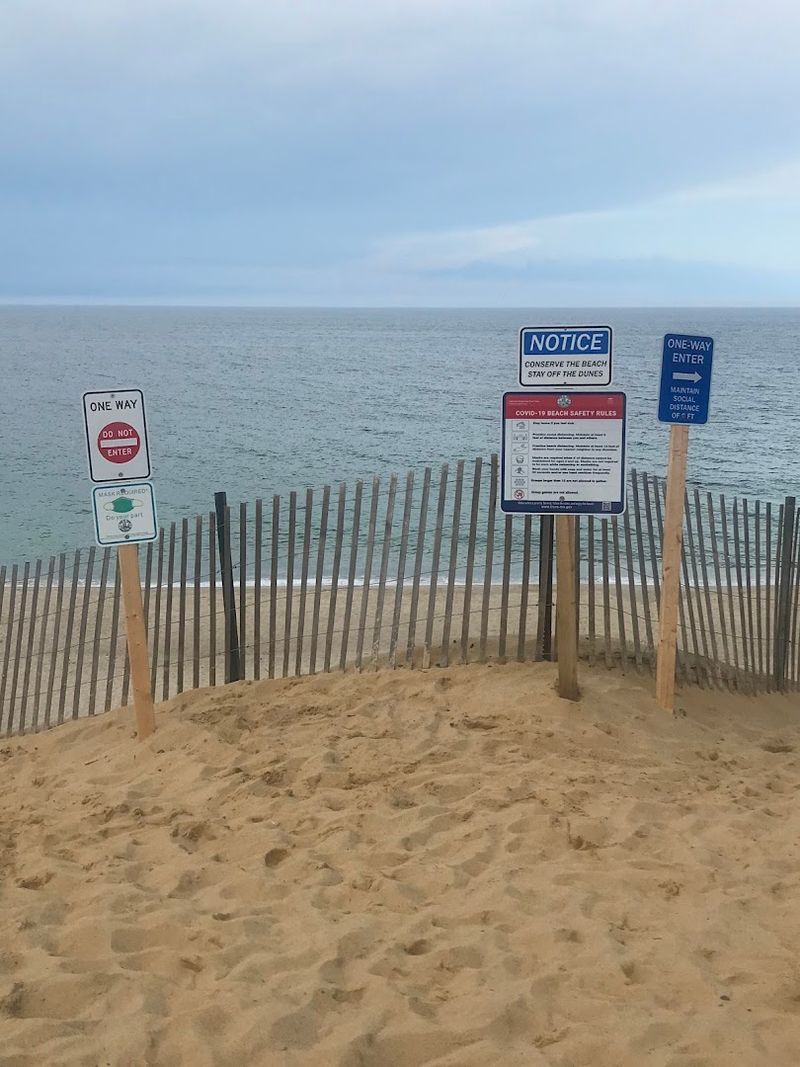
There have been periods when direct beach access at Longnook has been closed due to dune erosion making the descent unsafe. As of mid-2024, the beach access was closed for exactly this reason, with no confirmed reopening date at that time.
This is worth checking before making a dedicated trip specifically to reach the waterline.
Even when the beach itself is inaccessible, the dune overlook remains open and is worth visiting in its own right. The view from the top of the dunes down to the water and along the coastline in both directions is panoramic and genuinely impressive, even without the ability to walk down to the sand.
Coastal erosion is an ongoing reality on the Outer Cape, and the dunes at Longnook are actively changing year to year. The same forces that make the landscape dramatic are also the ones that occasionally make access complicated.
Checking current conditions through local or National Seashore resources before visiting is always a good idea.
Accessibility Considerations Worth Knowing
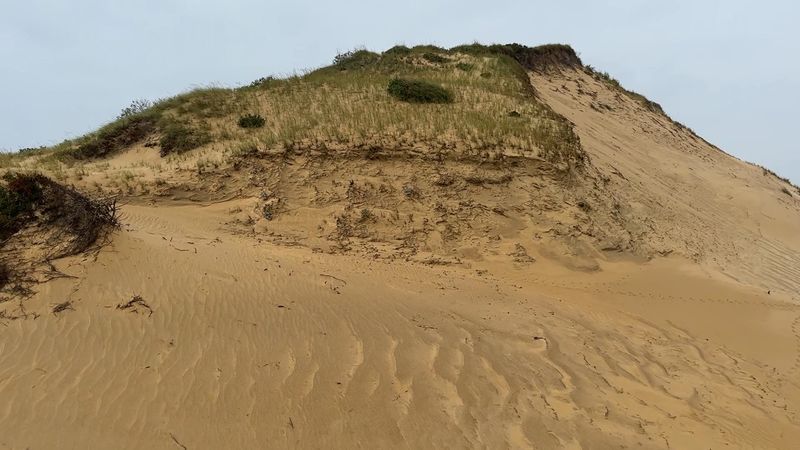
Longnook Beach is not an accessible beach in the conventional sense, and that is simply a factual reality of its geography rather than a criticism. The steep, soft sand path from the parking lot to the beach presents a real challenge for people with mobility limitations, older adults, and very young children who may struggle with the climb back up.
There are no paved paths, no ramps, no beach wheelchairs on offer, and no alternative route to the waterline. The terrain is what it is, shaped by natural forces rather than designed for human convenience.
For visitors who can manage the physical demands, that rawness is part of the appeal.
For those who cannot make the descent safely, the dune overlook still provides a meaningful experience and a genuinely dramatic view. Planning ahead, knowing what the access involves, and being honest about physical capacity before arriving will save a lot of frustration and ensure the visit is actually enjoyable.
How This Beach Compares to Others on the Outer Cape
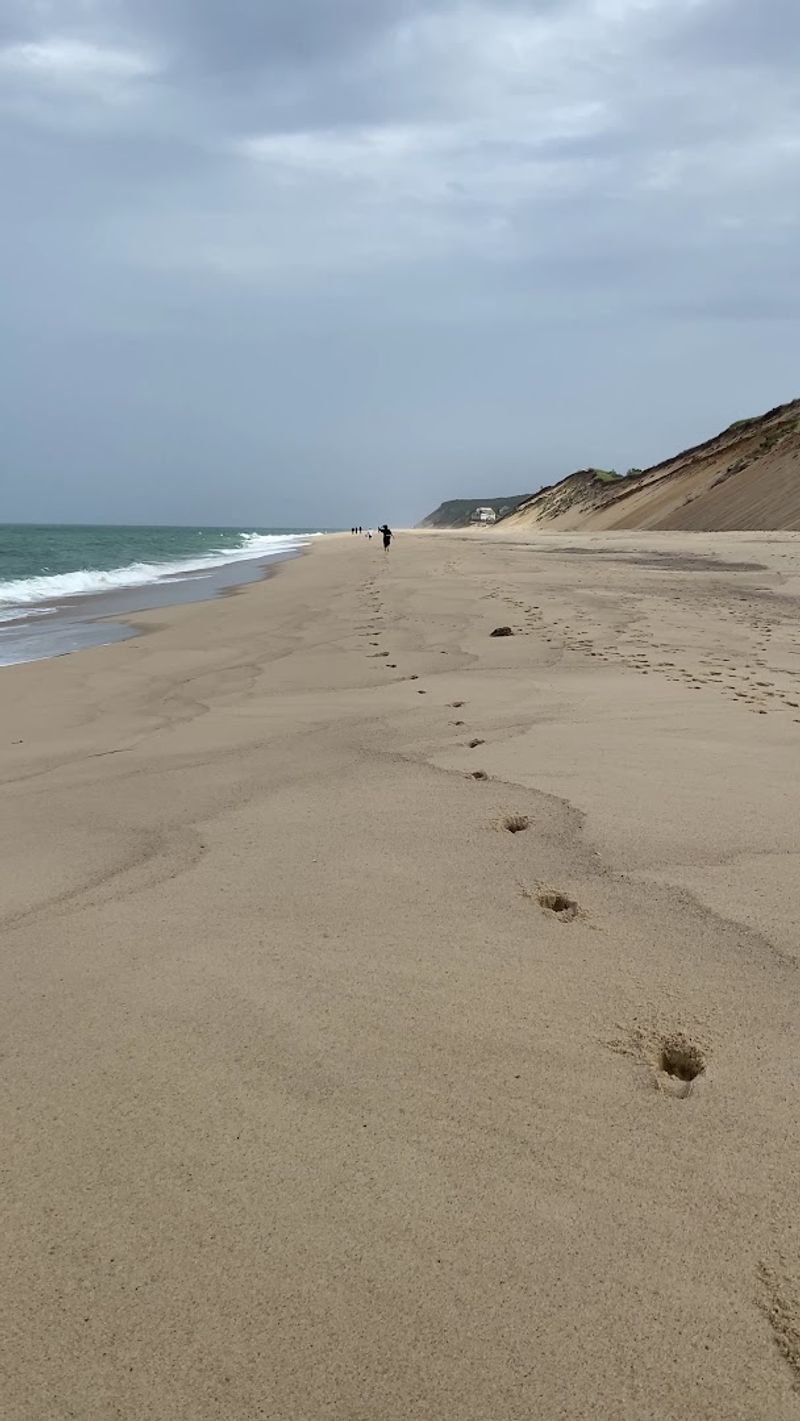
The Outer Cape has no shortage of excellent beaches. Race Point, Nauset, Coast Guard Beach, and Marconi Beach all draw serious crowds and have strong reputations.
Longnook holds its own in that company, but it occupies a slightly different niche from most of them.
What sets it apart is primarily the vertical drama of the dune system and the relative difficulty of access, which together produce a beach experience that feels less managed and more genuinely wild than some of the more popular National Seashore access points. There are no lifeguards stationed here, no concession stands, and no facilities of any kind on the beach itself.
For people who want the classic Cape Cod beach day with amenities and easy access, Longnook is probably not the right choice. For people who want something that feels closer to the original, unmodified coastline, with all the challenge and reward that comes with it, this beach belongs near the top of the list.
Why This Beach Keeps Pulling People Back
Repeat visits to Longnook Beach are common among people who discover it, which says something meaningful about what the place actually delivers. It is not the easiest beach to reach, it has no amenities, access can be restricted, and the parking is limited.
None of that seems to matter much once someone has actually stood at the top of those dunes and looked out at the Atlantic.
There is something about the scale of the landscape here that registers differently than most beach experiences on the East Coast. The dunes are genuinely massive, the ocean view is unobstructed, and the sense of open, protected coastline extending in both directions creates a feeling of space that is increasingly rare.
People come back in different seasons, at different times of day, and under different weather conditions, and the beach consistently offers something worth the trip. That consistency, in a place with no marketing budget and no amenities, is the most honest endorsement a natural landscape can receive.
Where Exactly This Beach Sits on the Map
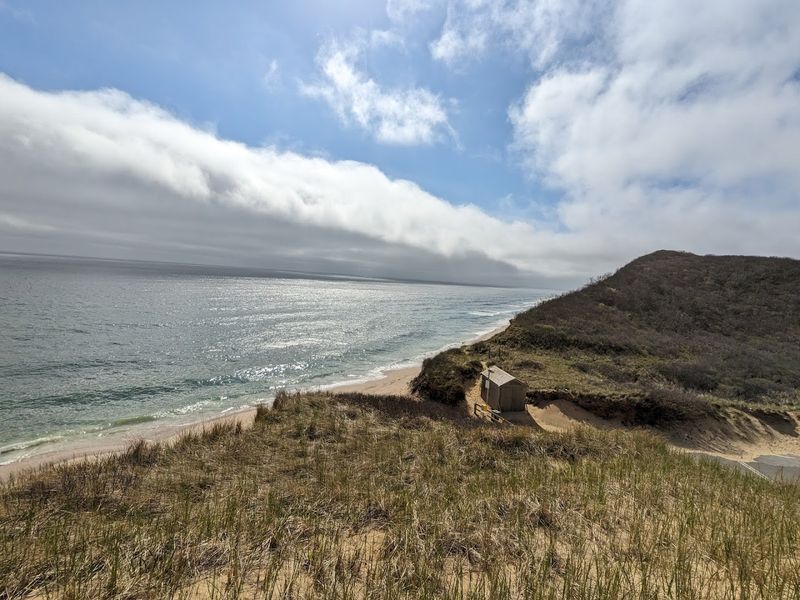
Longnook Beach is located in Truro, MA 02657, a small town near the tip of Cape Cod in Massachusetts. Truro sits between Wellfleet to the south and Provincetown to the north, placing this beach in one of the most remote and least developed stretches of the Outer Cape.
The beach faces the Atlantic Ocean directly, which means it gets the full force of open-water waves and winds. That exposure is exactly what has shaped the dramatic dune landscape that defines the place.
Truro itself has a population of only a few thousand year-round residents, which keeps the overall pace quiet and unhurried. The town has no major commercial strips or tourist traps nearby, so the drive to the beach already sets a different kind of mood.
Getting there requires navigating narrow local roads through a landscape of scrub pines and rolling terrain. The address is straightforward, but the journey itself already signals that something out of the ordinary is waiting at the end of the road.
Share this story