 Unearth The Voyage
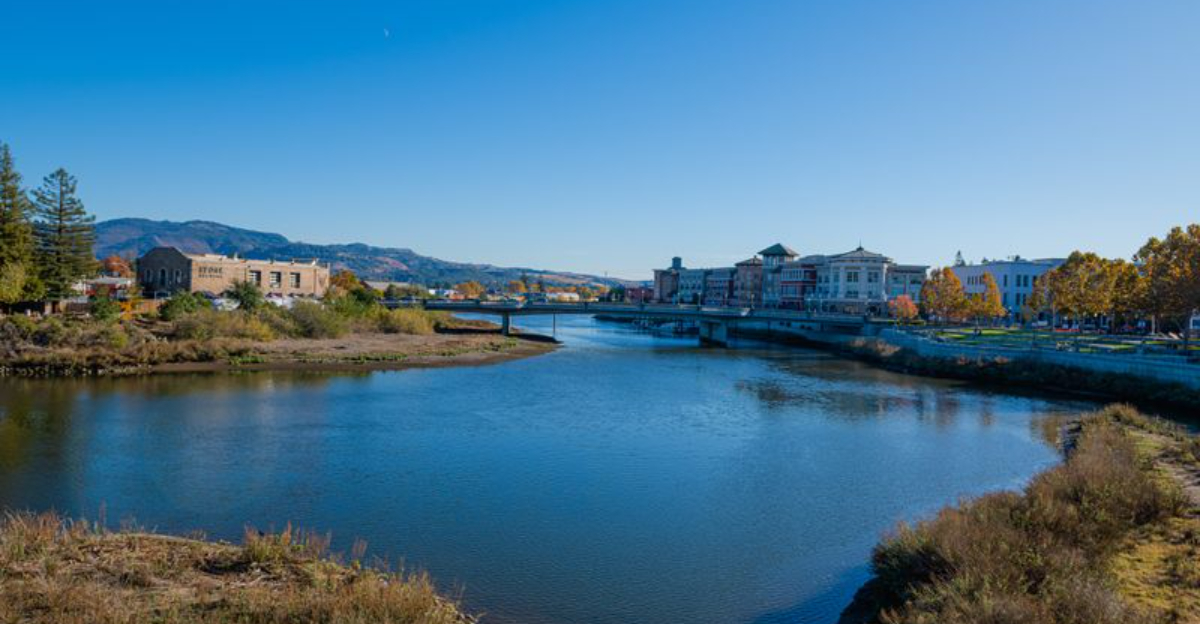
Napa Valley legends set the bar, but a nimble upstart is quietly pouring Cabernet with classic valley depth at prices that feel like a time machine. Think blue-black fruit, firm yet polished tannins, and a glide of cedar that nods to Rutherford dust without the marquee markup. The story unfolds across sunlit rows, cooperages, and corners of Oxbow where whispers spread faster than the afternoon breeze.
Curiosity becomes a glass, then a bottle, then a following.
Old-Vine Benchlands Sourcing
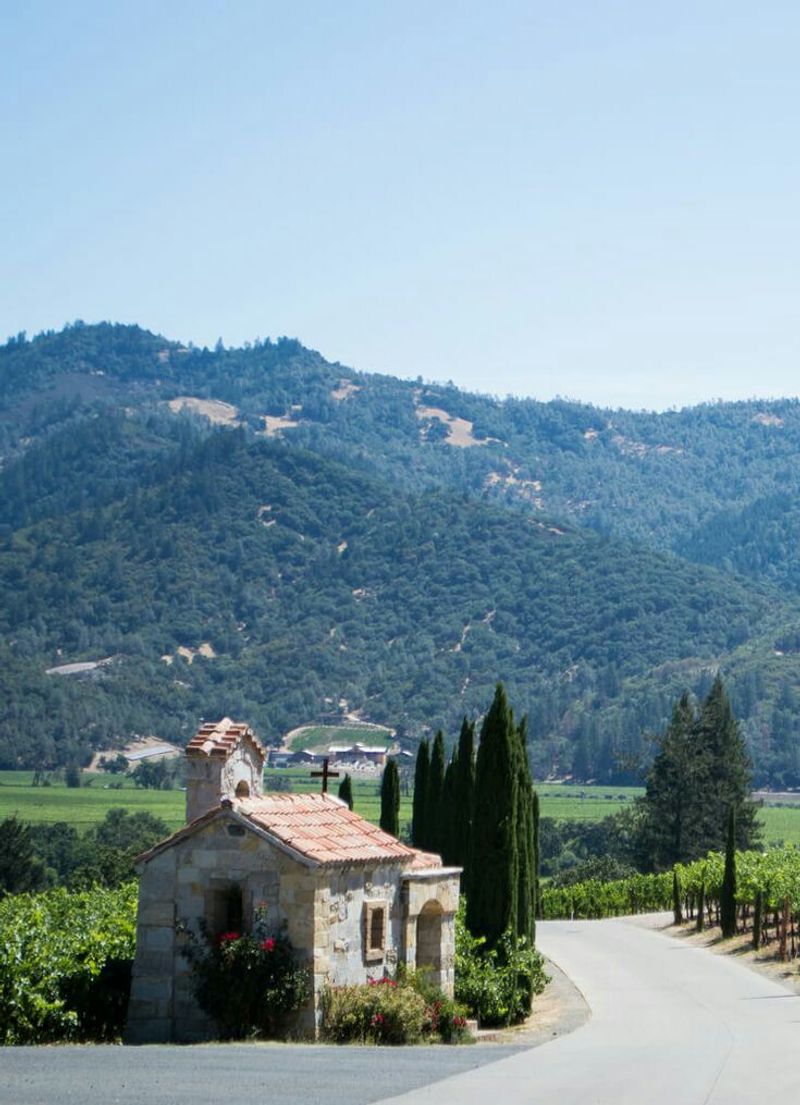
Benchland parcels along Napa Valley’s western foothills deliver old-vine concentration and even ripening. Gravelly loam soils create natural drainage that limits vigor, tightening berry size and intensifying blackcurrant density. Afternoon shadows cool clusters just enough to preserve lift, guiding a Cabernet profile that tastes like memory and mountain air.
Fruit comes from growers who lean on handshake trust and quiet pruning artistry. Yields stay modest, canopy work stays meticulous, and a deliberate pick date rides the line between ripe and fresh. The upstart’s blend relies on these blocks for the backbone that big houses built empires upon.
In the glass, the benchlands signal cassis, graphite, and a whisper of bay laurel. Tannins feel deliberate rather than loud, shaped by lignified seeds and careful extraction. This is the structural chassis that lets pricing stay grounded without sacrificing the poise Napa expects.
Rutherford Dust Without the Premium
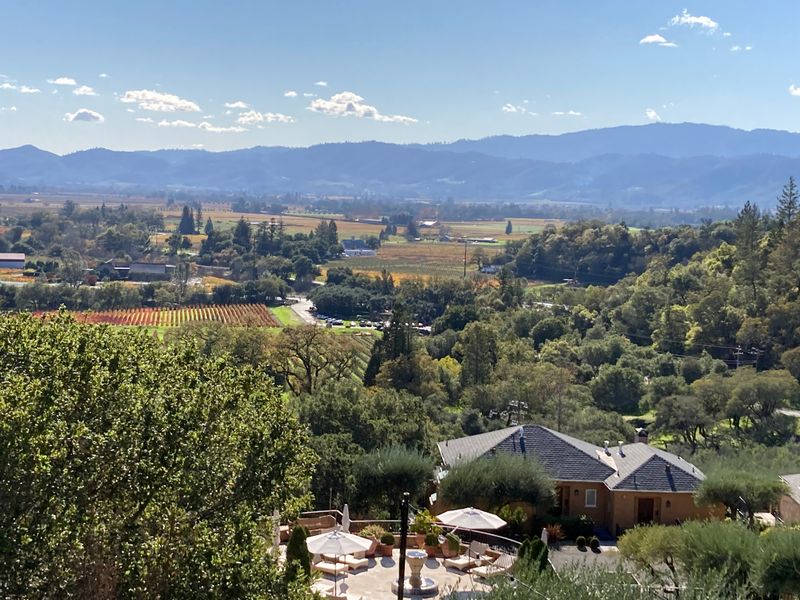
Rutherford’s famed dust speaks softly through cocoa powder, pencil shavings, and warm gravel after a summer day. The upstart channels that signature by selecting neighboring parcels and micro-blocks that echo the texture without courting cult prices. The result is nostalgic Napa savor woven into modern, restrained ripeness.
Fermentation stays gentle to keep tannins powdery rather than grippy. Pumpovers are timed to the minute, and fermentation temperatures remain mid-range to preserve red-fruited energy amid blackcurrant depth. Oak integration settles the dust into silk, not smoke, leaving room for subtle bay and dried rose.
In bottle, the wine opens with black cherry, cocoa, and a graphite-laced midpalate. A long, mineral tail finishes with that unmistakable Rutherford cadence. It tastes like a postcard from the valley floor, stamped but never overpriced.
Cooperage That Elevates, Not Dominates

Oak is seasoning, not spotlight. The upstart sources a mix of fine-grain French barrels from Troncais and Allier, leaning toward medium toast to frame fruit rather than cloak it. A dash of once-filled barrels keeps vanilla in check while letting cassis and plum breathe.
Barrel trials test tannin shape and spice width before final commitments. Stave age and toast profile are tracked like a baker’s notebook, preventing heavy mocha from stepping over cedar and bay. Time in wood clocks around sixteen months, enough for polish without fatigue.
On release, the nose shows subtle clove, sandalwood, and blackcurrant leaf. The palate gains contour from oak tannins that align with grape skins, finishing smooth instead of slick. The strategy delivers Napa texture while holding a price that feels almost pre-boom honest.
Micro-Lots Blended With Purpose
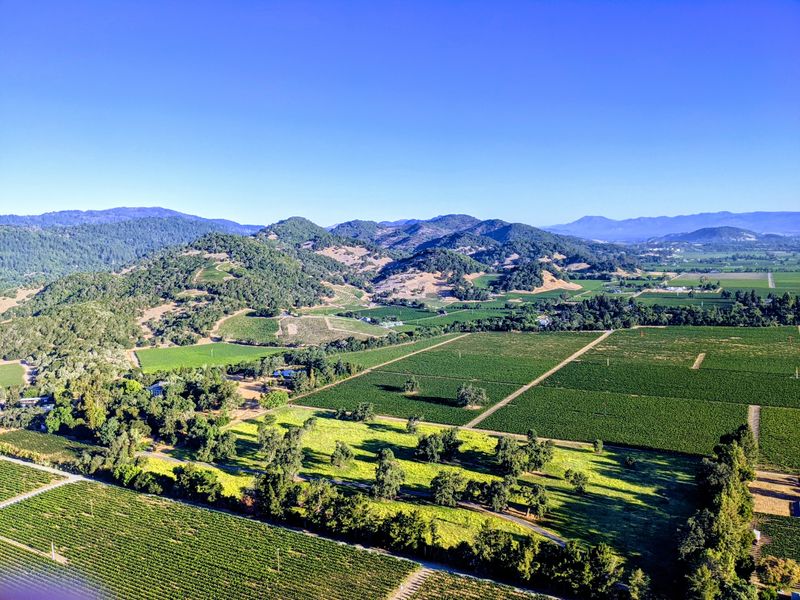
Instead of leaning on a single site, the winery pieces together micro-lots from valley floor and benchland sources. Each component brings a voice: cassis from deeper soils, violets from cooler pockets, and savory graphite from older vines. Precision blending turns many good parts into one compelling whole.
Trial blends iterate over weeks, mapping structure, acidity, and midpalate weight. Marginal gains matter, like two percent of a darker lot that tightens the finish without pushing alcohol. The process captures Napa character while smoothing vineyard variability into graceful cohesion.
In the glass, a layered Cabernet emerges with lift, depth, and an easy glide. Aromas stack rather than shout, letting complexity unfold over time. The craft reads expensive, yet the release price resists the valley’s inflationary gusts.
Cool Morning Picks, Warm Afternoon Ripeness

Harvest begins before sunrise when skins are cool and aromatics stay bright. Grapes reach the crush pad with dewy firmness, keeping the pH in check and acids lively. Afternoon warmth still pushes flavor into black-fruited territory, so the wine straddles freshness and richness.
Loads are sorted twice to remove jacks and shriveled berries that could muddy texture. A short cold soak builds color without extracting harsh seed tannin. Fermentations proceed in small lots, giving control over temperature and cap management for every pick window.
The resulting Cabernet carries ripe blackberry and cassis wrapped in herbal nuance. Alcohol lands balanced, the finish stretched by clean acid lines rather than heat. Price stays approachable because precision replaces glossy spectacle.
Stainless Honesty Before Oak Polish

Fruit first, metal second, oak third. Primary fermentations in stainless steel preserve varietal lift, showing blackcurrant, plum skin, and a cedar hint. Neutral vessels keep aromatics pure, avoiding early wood imprint that can blur terroir.
Cap management leans on measured pumpovers to circulate color and tannin without bruising texture. Temperature control stabilizes ferment vigor, letting yeast conduct a calm symphony rather than a storm. Malolactic moves to barrel only when the wine’s core feels centered.
In bottle, the result is clarity and focus backed by gentle barrel sheen. Flavors run clean from attack to finish, with graphite and blackberry stepping in sequence. This approach feels modern yet respectful of Napa’s classic Cabernet voice at sane pricing.
Mountain Fringe Complexity
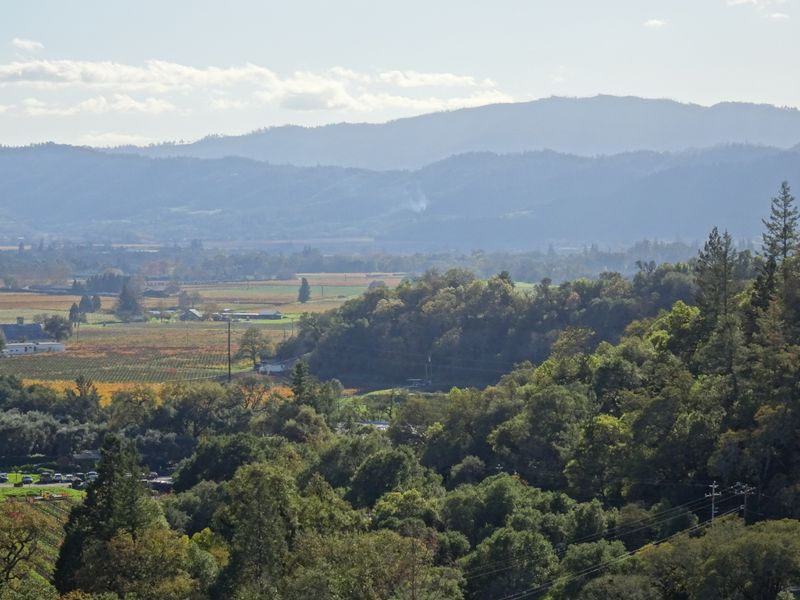
While not a mountain label, the upstart sprinkles in fringe lots from rocky slopes. These parcels add ferrous minerality, darker fruit tones, and firmer tannins that lengthen the finish. A small percentage transforms plush floor fruit into something more architectural.
Vines cling to fractured basalt where roots chase moisture through stone. Exposure shifts day-night swings, preserving violet perfume and a menthol-edged freshness. Pick windows are tight, so logistics matter, but the payoff lands squarely in complexity.
Expect blackberry, incense, and a graphite beam through the midpalate. The angularity never turns severe because valley lots cushion the edges. Complexity arrives without a collector’s surcharge, letting everyday tables taste the hillside echo.
Native Yeast When Conditions Allow
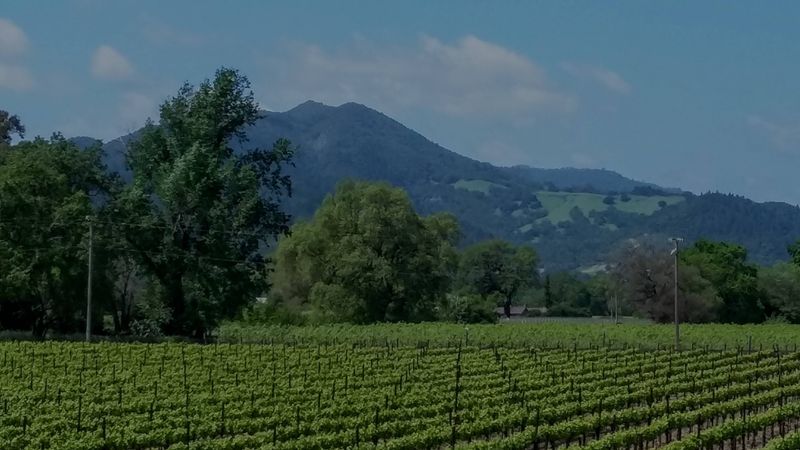
Wild fermentations add spice and dimension when fruit health is pristine. The team trials native starts in small bins first, watching for clean kinetics before scaling up. When it works, subtle savory notes weave through cassis, turning simple fruit into layered conversation.
If a lot shows stress, cultured strains step in to steady the ship. Flexibility beats dogma, keeping volatility and stuck ferments off the table. The goal is complexity without risking a year’s work or a wallet’s patience.
Finished wines carry black cherry, bay leaf, and a whisper of cocoa. Texture sits silky with a natural pulse of energy. It tastes crafted, not manufactured, and the price remains friendly because pragmatism saves costly cleanups.
Transparent Labeling, No Hype

Labels list vineyards, barrels, and time in wood, skipping cryptic romance copy. Clarity builds trust, inviting seasoned palates to parse decisions and outcomes. The bottle looks elegant, not flashy, aligning with a price that respects reality.
Back labels outline farming partners and picking dates by window. QR codes link to vintage notes and lot-by-lot blending summaries. This transparency mirrors a cellar culture that measures rather than markets.
In a region known for prestige narratives, honesty stands out. The Cabernet delivers familiar Napa markers without brand theatrics. That restraint keeps budgets intact while delivering substance in the glass.
Oxbow Market Word of Mouth
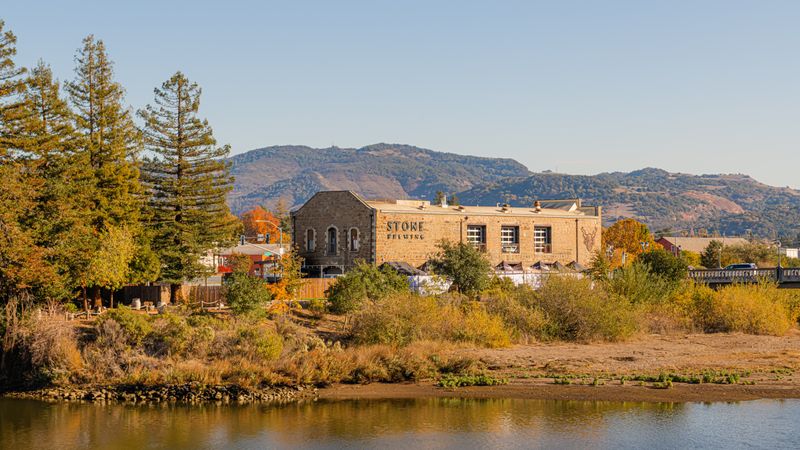
Buzz starts over a shared cheeseboard at Oxbow Public Market. Retailers pour tastes, and friends text friends after a glass that outperforms its tag. The valley’s informal network carries news faster than any ad spend.
Cheese pairings lean toward aged Gouda and Tomme that spotlight blackcurrant and cocoa. Charcuterie salt coaxes sweetness from ripe plum tones, while olives echo bay leaf. A single afternoon can mint a month of new fans.
Locals appreciate value that respects Napa standards. Visitors carry bottles home as souvenirs that drink like discoveries. The market hum becomes a distribution channel hiding in plain sight.
Seasonal Release Cadence
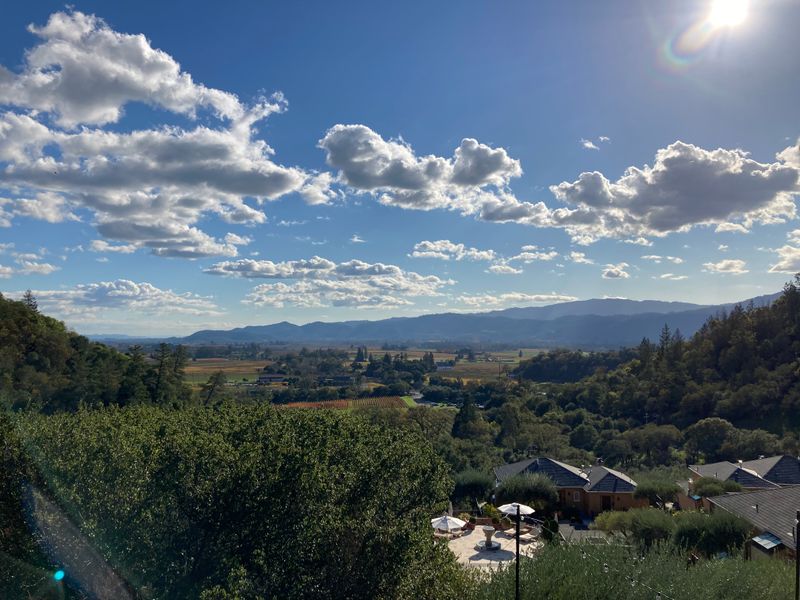
Releases follow the valley’s rhythm rather than quarterly quotas. Bottling waits until tannins knit and acid balances, avoiding green edges or oaky blur. Spring shows fresher red fruit, while fall lots bring darker depth and spice.
Allocation emails stay short and practical, with pickup options near downtown Napa. Small case counts keep inventory nimble and storage costs low. That efficiency translates into margins that do not demand luxury pricing.
Open a bottle at six months for brightness, then revisit at eighteen for silk. The curve favors patience, yet early drinking still charms. Timing, not marketing, sets the pace and preserves value.
Sustainable Farming Partnerships
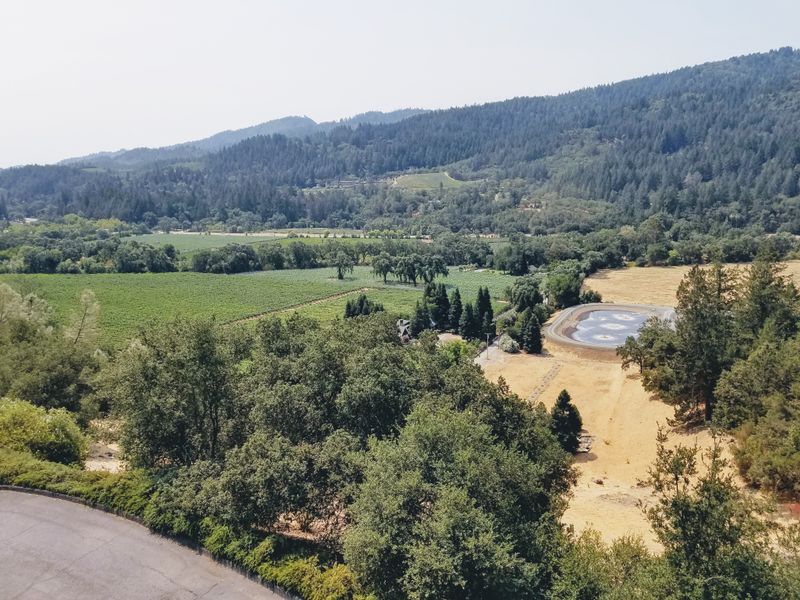
Cover crops fix nitrogen and invite beneficial insects into the rows. Drip irrigation targets roots, trimming water use while sustaining steady ripening. Owl boxes discourage rodents without heavy-handed interventions, keeping ecosystems balanced.
Growers share soil tests and leaf samples, aligning decisions across parcels. The aim is fruit purity and vineyard longevity, not marketing badges. Sustainable practices often cut costs over time, which trickles into approachable shelf pricing.
Cabernet from these blocks tastes clean, precise, and quietly powerful. Herbal accents stay lifted, and fruit remains vivid even on warm vintages. Responsible farming becomes part of the flavor and the value proposition.
Cabernet With Food At The Fore
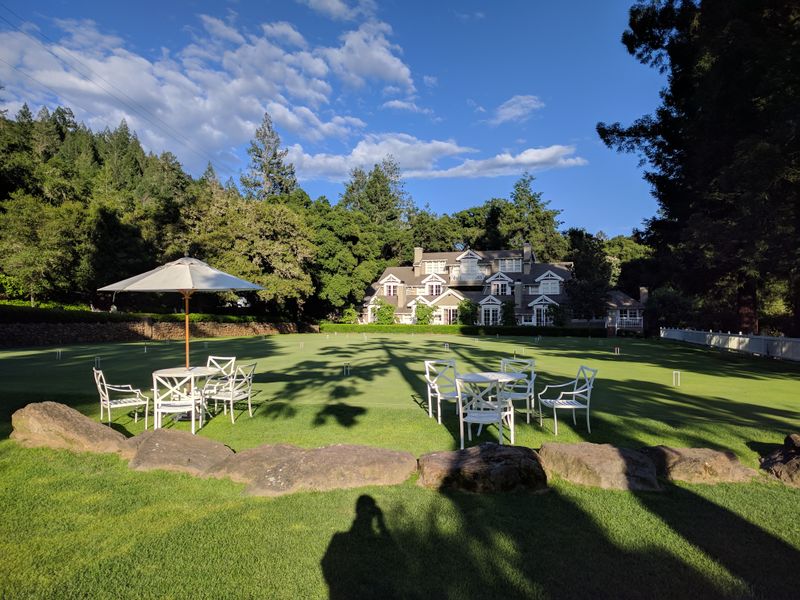
The style aims for dinner table versatility rather than trophy-night fireworks. Moderate alcohol and integrated oak let sauces and herbs share the stage. Blackcurrant, savory thyme, and cocoa glide beside grilled steak, mushrooms, or rosemary potatoes.
Acid brings lift to rich dishes and resets the palate after each bite. Tannins feel supportive, not domineering, so textures harmonize rather than clash. The wine invites second pours without palate fatigue.
Pairings extend to braised short ribs, roasted vegetables, and aged cheddar. This culinary friendliness broadens occasions and reinforces everyday value. Napa character meets weeknight practicality in a single pour.
Cellar-Worthy Without Waiting Decades
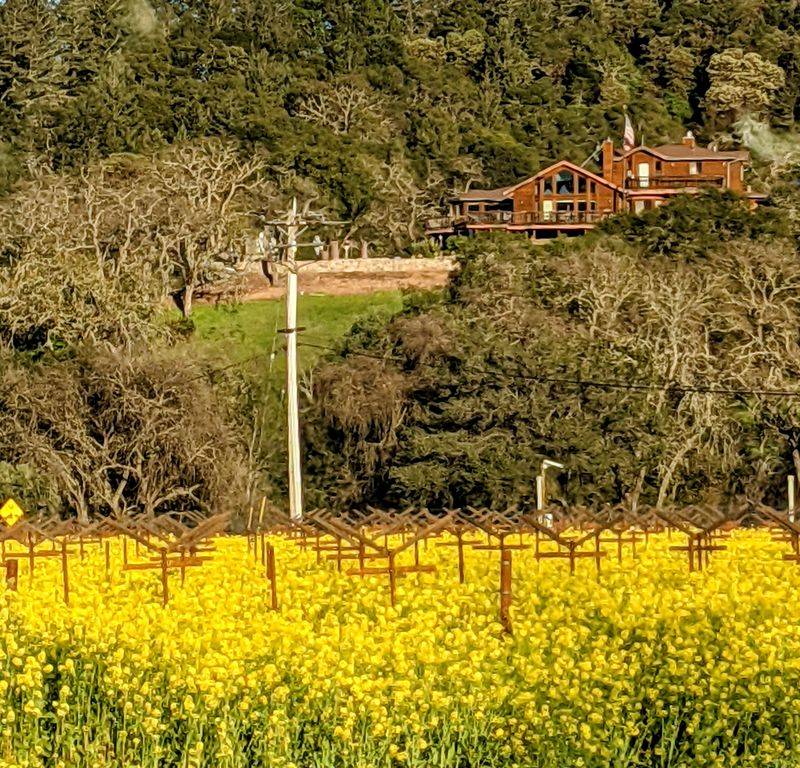
Structure supports aging, but the curve is merciful. Five to eight years promises softened edges, deeper cocoa tones, and integrated cedar. No need to wait twenty for pleasure, though a decade will not hurt.
Sealed under natural cork with tight quality specs, bottles rest comfortably. Sulfur management stays clean, protecting freshness while avoiding matchstick notes. The wine’s balance makes cellaring a joy rather than an obligation.
Expect tertiary hints of tobacco leaf and dried fig over time. Fruit remains at the core, framed by graphite and gentle spice. Longevity plus accessible pricing turns stocking up into a smart move.
Direct-To-Consumer Keeps It Fair

Skipping layers of distribution preserves dollars for farming and barrels instead of markups. A small tasting room near the city of Napa handles pickups and conversations. Shipping runs efficiently, with temperature control when weather swings.
Club tiers stay simple, offering mixed allocations and occasional library packs. Personalized notes replace glossy mailers, and questions get real answers. The model keeps margins healthy without pushing costs onto the final price tag.
In the glass, fairness tastes like quality exceeding expectation. The Cabernet speaks clearly, and wallets breathe easier. That equilibrium is the upstart’s quiet advantage in Napa Valley.



