 Unearth The Voyage
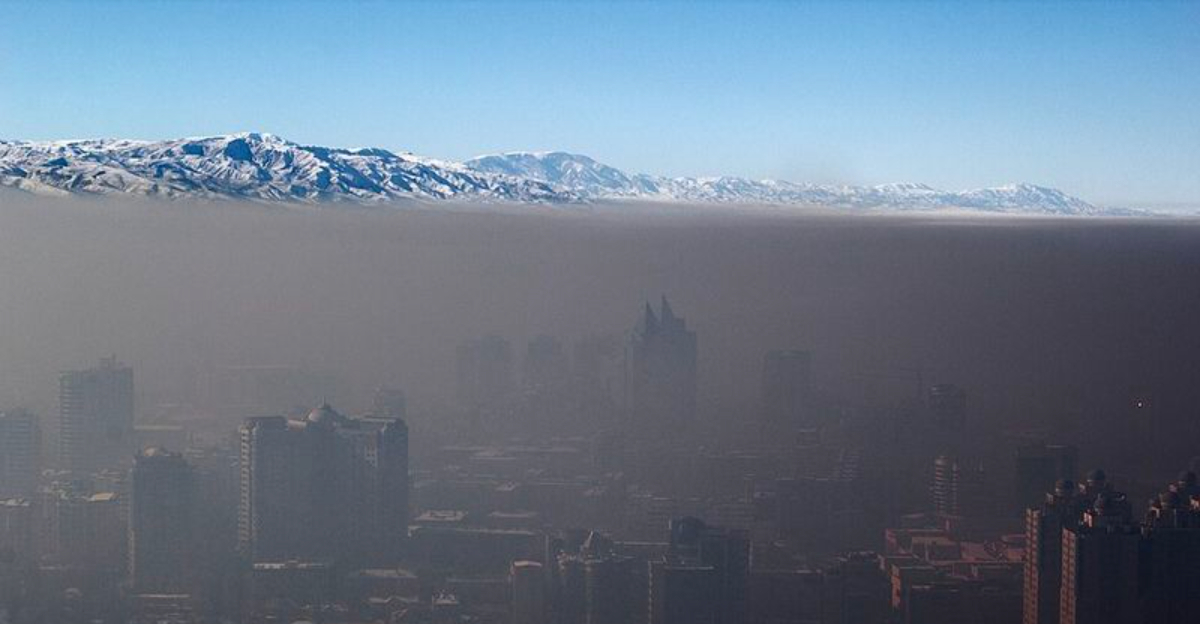
Breathing should not feel like a daily gamble, yet in some cities the air you inhale can shape your health and routines. Real-time AQI dashboards now make the invisible visible, revealing places where PM2.5 spikes turn mornings into gray, cough-inducing haze. If you live in or plan to visit these hotspots, knowing what drives the pollution can help you choose safer times and smarter habits outdoors. Keep reading to see what sets each city apart, what it feels like on the ground, and how to protect yourself when the air turns unhealthy.
Tashkent, Uzbekistan
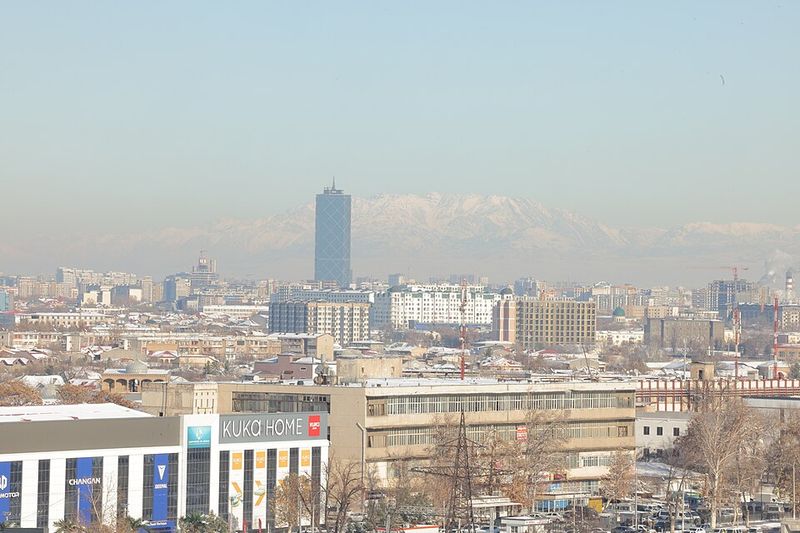
Tashkent often greets you with muted sunrises and a chalky horizon, the result of industrial emissions, traffic, and seasonal dust. Real-time AQI feeds have placed it at the top of global rankings, with PM2.5 levels that routinely push into unhealthy ranges. On days like these, a simple walk can sting the throat and eyes, and outdoor plans suddenly feel like a risk.
You notice it most in busy corridors near factories and arterial roads where exhaust hangs low. Dust storms add a gritty layer, coating balconies and windows while clogging masks quickly. If you must head out, you time errands for late morning or early afternoon when inversions sometimes ease, and you keep a tight seal on a well-fitted respirator.
Local advisories frequently nudge you to stay inside, run HEPA filters, and avoid strenuous outdoor workouts. Families plan weekends around air alerts, choosing museums over parks when PM spikes. The bigger picture is stark: long-term exposure raises risks for respiratory and cardiovascular disease, turning air into a daily health variable you cannot ignore.
Mumbai, India

In Mumbai, the skyline often appears through a gray veil, especially during winter and post-festival periods when particulates linger. Traffic, construction dust, industrial emissions, and sea-breeze inversions team up to push PM2.5 above recommended limits. You feel it as a persistent tickle in the throat and a heaviness after a short jog.
Neighborhoods near arterial roads and construction corridors are constant hot spots. Sensitive groups like kids, seniors, and those with asthma notice symptoms faster, so you learn to check AQI before commuting or planning outdoor workouts. Masks and indoor air purifiers shift from nice-to-have to daily tools.
When alerts turn red, you might resequence errands, favoring off-peak hours for less exposure. Even simple strategies help, like taking coastal walks when onshore winds briefly improve conditions. The city moves, but at a cost, as chronic exposure can trim lung capacity and increase cardiovascular strain over time.
Kolkata, India
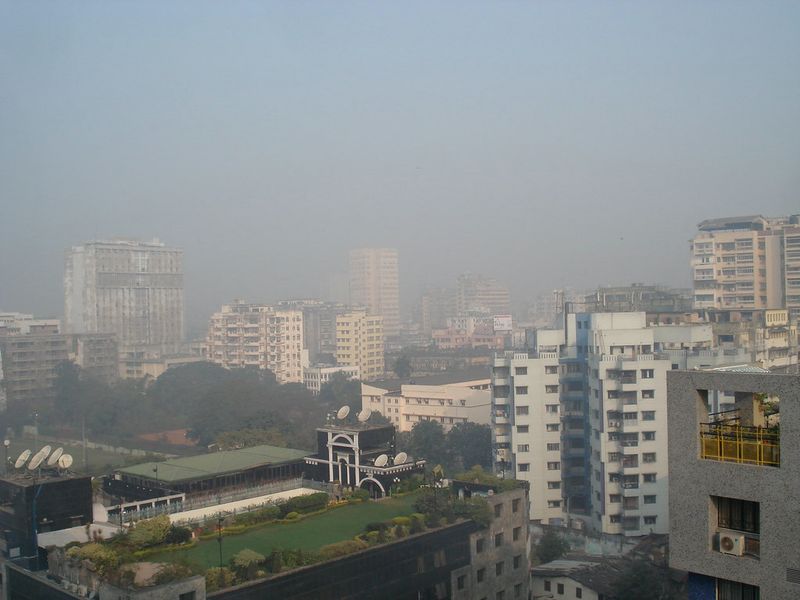
Kolkata’s air often carries a smoky tang, shaped by traffic, industrial activity, and coal-based power nearby. Seasonal crop-burning upwind can blanket the city in a persistent haze that dulls sunsets and shortens horizons. On high-PM days, you feel labored breathing on stair climbs and notice more coughing in busy markets.
Morning commutes along major corridors tend to be the worst, with idling buses and trucks adding to the mix. Masks with certified filters become everyday wear, and purifiers hum in bedrooms at night. Schools and offices sometimes scale back outdoor activities, turning playgrounds into quiet zones when the AQI spikes.
Residents swap tips about sealing windows and using DIY air-quality hacks for small rooms. You start to plan around the daily AQI curve, fitting errands into cleaner windows between spikes. Long-term, the concern is clear: elevated PM raises risks of asthma, heart disease, and reduced life expectancy.
New Delhi, India
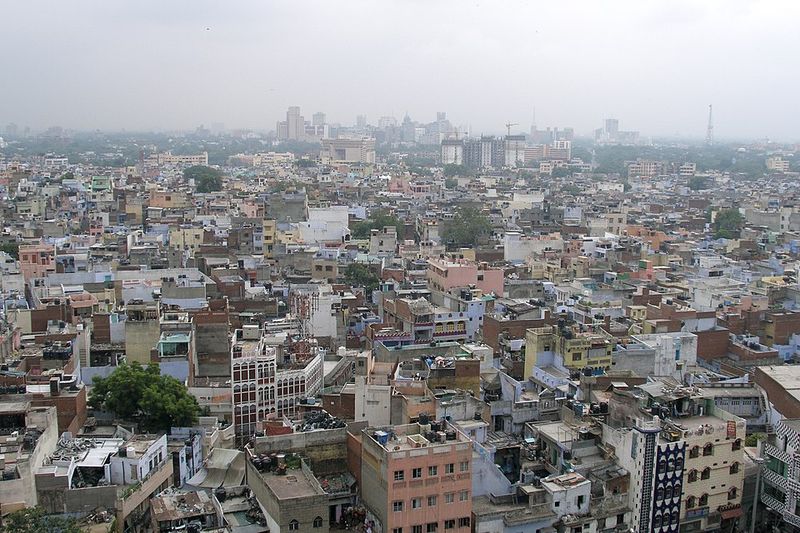
Delhi’s winter air can feel heavy, like a blanket you cannot lift, as crop-residue smoke meets traffic, industry, and trapped dust. You see the shift when the sun whitens and monuments blur, and alerts slide from unhealthy to hazardous. On those days, schools cancel sports and many people limit outdoor work.
Even indoors, you plan carefully, sealing windows and running purifiers on high. Evening and early morning hours are usually worse due to inversions, so midday errands can be a safer bet. For sensitive lungs, a well-fitted mask and shorter commutes are not optional.
Recent seasons brought rare protests and renewed attention to public health impacts and policy tradeoffs. You may follow live AQI maps street by street to pick cleaner routes. Over time, chronic exposure can chip away at stamina and heart health, turning every winter into a planning challenge.
Lahore, Pakistan
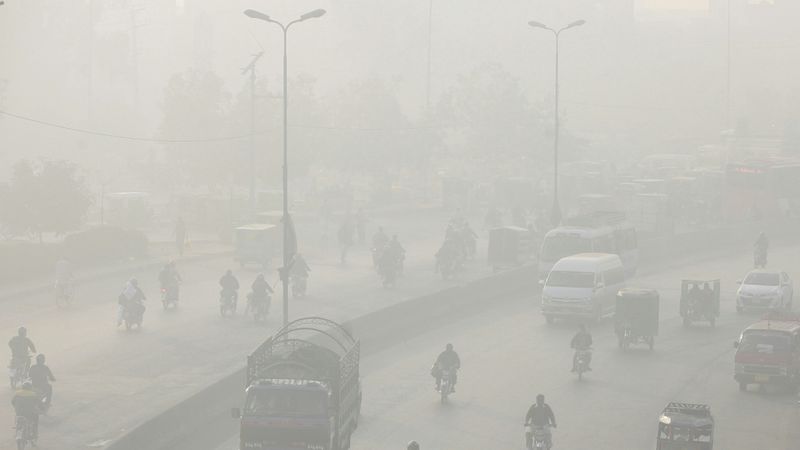
Lahore’s smog season arrives like a curtain, cutting visibility and giving the air a sour edge. Crop burning in surrounding districts, traffic, and industrial sources drive PM2.5 to levels that sting the eyes and throat. Many mornings start with alerts urging you to postpone runs and keep children indoors.
Drivers creep through foggy intersections where headlights glow in brownish haze. Clinics often report upticks in breathing issues, and you see more masks on streets and in markets. Air stagnation episodes make the city feel enclosed, as if the smog refuses to move on.
Practical habits matter: check AQI apps before outings, use HEPA filtration in sleeping areas, and hydrate more on bad-air days. When possible, schedule errands during cleaner afternoon windows. Long-term, the worry is cumulative exposure that can raise risks for asthma, COPD, and heart disease.
Dhaka, Bangladesh

Dhaka’s rapid growth collides with heavy traffic, brick kilns, and construction dust, creating a steady drumbeat of polluted days. Haze softens outlines of high-rises and clings to riverside corridors, and you feel a scratch in the throat after a short walk. On red-alert mornings, outdoor exercise becomes a calculated risk.
Neighborhoods near industrial hubs can experience prolonged spikes, and visibility drops at rush hour. Parents watch AQI dashboards before school drop-offs, and many switch to indoor play when numbers climb. Even quick errands call for a snug mask and a plan to minimize exposure.
When seasonal weather traps pollutants, purifiers and sealed rooms provide a noticeable difference in sleep quality. You learn to track wind shifts that sometimes bring brief relief. Still, the bigger concern is cumulative damage to lungs and heart, especially for kids and older adults.
Tehran, Iran
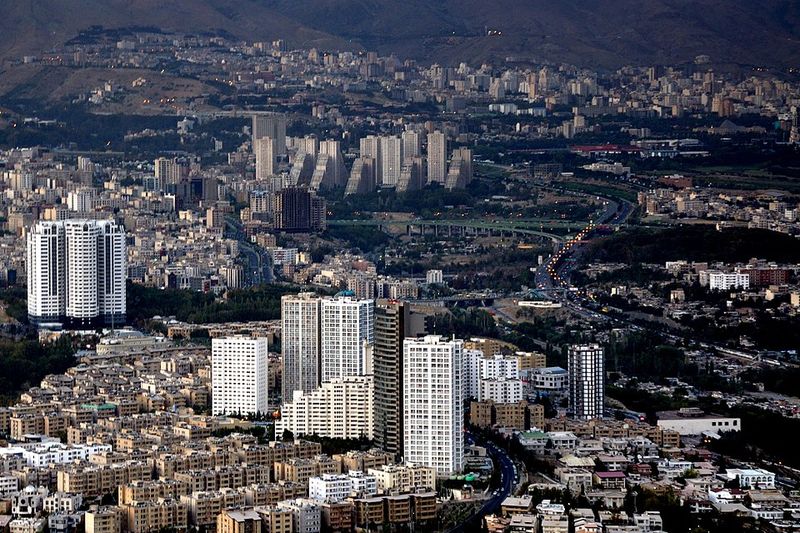
Tehran’s skyline can disappear under a lid of winter smog when inversions pin pollutants close to the streets. Traffic, industry, heating demand, and dust contribute to PM2.5 levels that turn mountain views into faint silhouettes. You will feel a tightness in the chest after brisk walks and a lingering dryness in the throat.
Authorities often advise staying indoors, especially for vulnerable groups. Commuters shift to masks and plan midday errands when the air sometimes loosens. On severe days, outdoor sports and school activities are suspended, and you sense the city’s rhythm slow.
At home, running purifiers and sealing window gaps can cut exposure noticeably. Hydration and gentler indoor workouts become part of the routine until conditions improve. Over months and years, the risk calculus adds up, pushing more residents to treat clean-air strategies as non-negotiable.
Chengdu, China
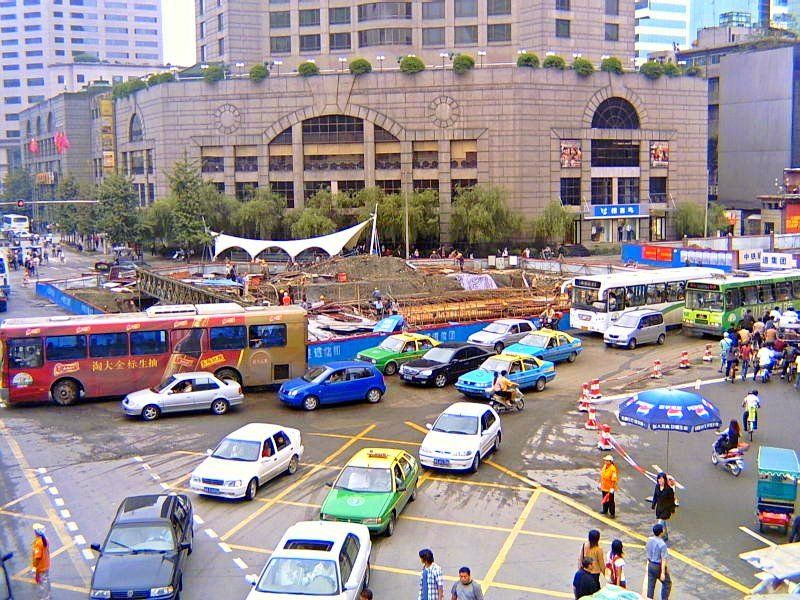
Chengdu’s basin geography can trap pollution, letting traffic emissions and industrial haze build into stubborn gray layers. On many mornings, the sun glows through a milky filter and distant towers fade. You will likely check AQI before biking or planning a park day, especially in colder seasons.
Construction corridors and busy ring roads often show the worst readings. Masks and indoor purifiers are common, and schools adjust outdoor time when alerts spike. When dust and regional haze roll in, even short commutes feel heavier on the lungs.
Locals share tips like timing errands for late morning, avoiding street-canyon routes, and airing rooms only when AQI dips. Visitors often notice scratchy throats after a day of sightseeing. Over the long haul, repeated exposure raises risks for heart and lung disease, making prevention habits worth the effort.
Almaty, Kazakhstan
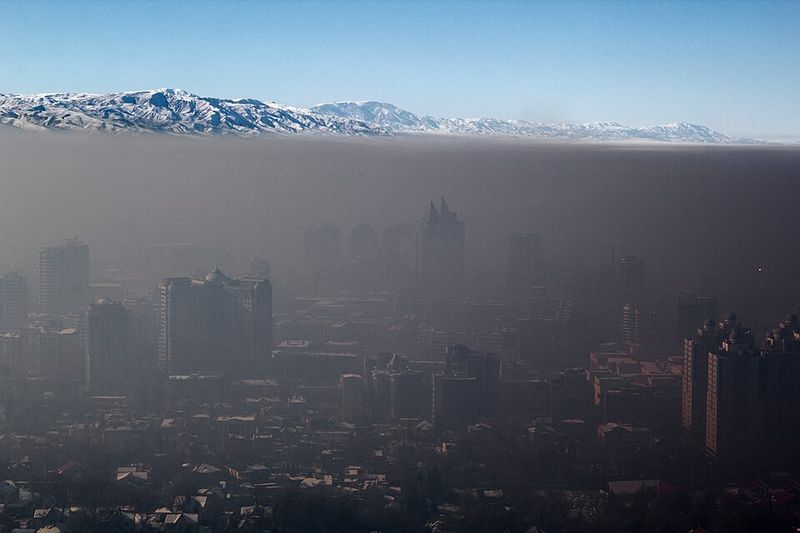
Almaty sits in a bowl-like setting where still winter air can trap pollution from vehicles and industry. The result is frequent unhealthy alerts, with PM2.5 climbing as chimneys and traffic add to the haze. You see the mountains blur and feel a dryness in the throat during short walks.
Colder evenings can be toughest, so midday errands often feel smarter. Residents turn to purifiers, sealed windows, and well-fitted masks to keep symptoms at bay. On red days, outdoor workouts move indoors, and families choose indoor venues over parks.
Many people track daily AQI curves to catch brief clean-air windows. Over seasons, repeated exposure can aggravate asthma and increase cardiovascular risks. Living with smog means planning, from commute routes to filter maintenance, until winds finally sweep the basin clear.
Baghdad, Iraq
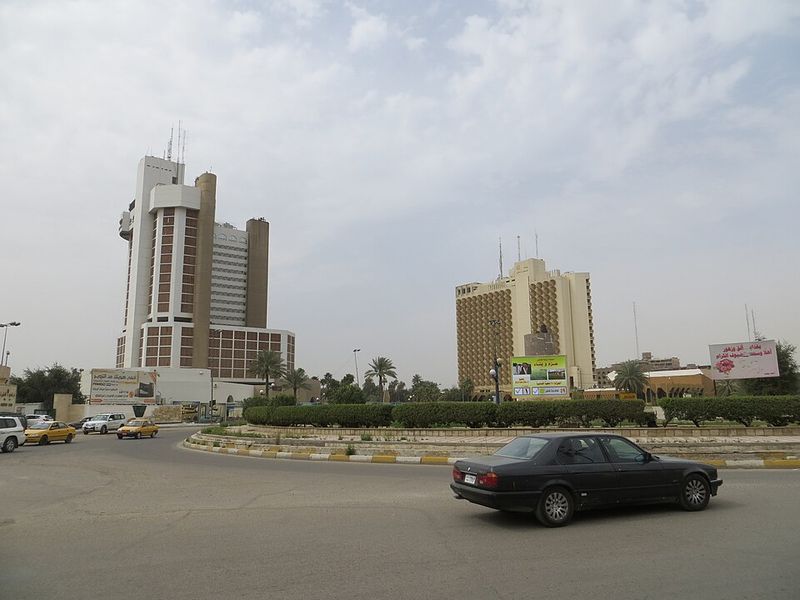
Baghdad’s air can swing from dusty to hazardous when storms and emissions stack together. On bad days, the sky turns sepia, visibility shrinks, and the AQI surges. You taste grit on your lips and feel an immediate scratch in your throat.
Traffic, industry, and regional dust events combine to keep particulate levels elevated. During extreme episodes, outdoor work becomes punishing and residents rush to seal homes and run filters. Masks and eye protection help when you must be out, especially during wind-driven dust.
Daily life bends to the forecast, with fewer outdoor errands and more indoor routines when alerts spike. Hydration and nasal rinses can cut irritation, but long-term risks to lungs and heart remain. The challenge is constant vigilance, adjusting plans as the weather and emissions decide the air you breathe.



