
Learning a new language can open doors to new cultures, friendships, and opportunities. But not all languages are created equal when it comes to difficulty.
Some languages are so complex that even dedicated learners spend years just scratching the surface. Whether it’s an unfamiliar alphabet, six tones, or a grammar system unlike anything in English, these 15 languages are widely considered the toughest in the world to master.
1. Mandarin Chinese

As one of the world’s four tonal languages, Mandarin uses pitch to change meaning, so getting a tone wrong can lead to serious misunderstandings.
On top of that, Mandarin has no alphabet. Instead, learners must memorize thousands of unique characters to read and write.
The Chinese government requires knowing around 2,000 characters just to read a basic newspaper. The written and spoken forms also have very little in common, which means you are essentially learning two systems at once.
The U.S. Foreign Service Institute estimates it takes roughly 2,200 hours of study for English speakers to reach proficiency.
That makes Mandarin one of the most time-consuming languages on Earth.
2. Arabic
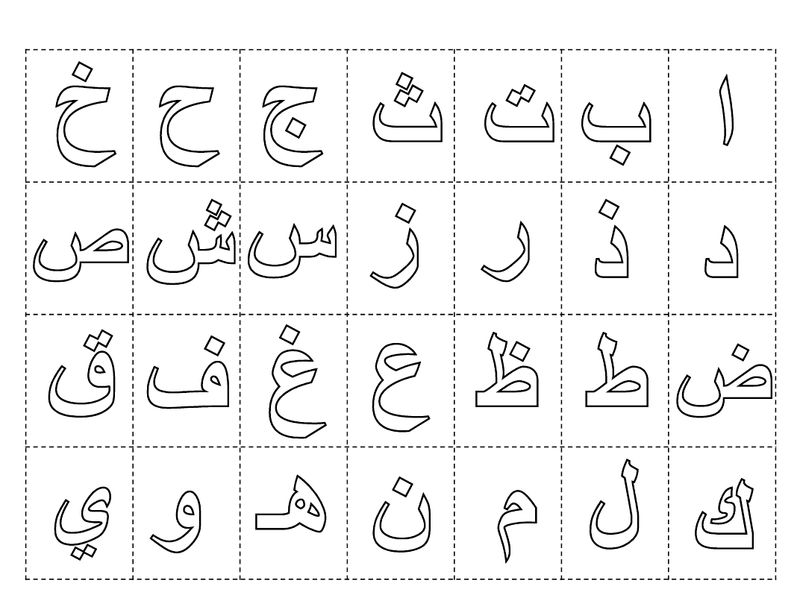
Arabic is one of the oldest living languages in the world, with roots stretching back more than 1,500 years. It is also one of the most challenging for English speakers to pick up, and for good reason.
The script runs from right to left, which feels completely backwards to anyone raised reading English or most European languages.
Then there is the issue of dialects. Modern Standard Arabic is used in formal writing and media, but spoken Arabic varies so dramatically from country to country that an Egyptian and a Moroccan may struggle to understand each other.
Learners essentially have to choose which version to study.
The grammar adds another layer of difficulty. Arabic uses a root-based word system where three or four consonants form the core of many related words.
Understanding how roots work takes patience, practice, and a lot of time to internalize properly.
3. Japanese

Japanese is the only language on this list that requires learners to master three separate writing systems just to read a basic newspaper. Hiragana and Katakana are phonetic alphabets with about 46 characters each, while Kanji borrows thousands of characters from Chinese.
Most educated Japanese adults know around 2,000 Kanji, and newspapers use nearly all of them.
Beyond the writing challenge, Japanese has a layered system of politeness called keigo. The words you use change completely depending on whether you are speaking to a friend, a teacher, or a stranger.
Getting the level of formality wrong can come across as rude or even offensive in Japanese culture.
Sentence structure also flips English logic on its head. In Japanese, the verb comes at the end of the sentence.
So instead of saying “I eat sushi,” you would say “I sushi eat.” It takes real mental rewiring to speak naturally.
4. Korean
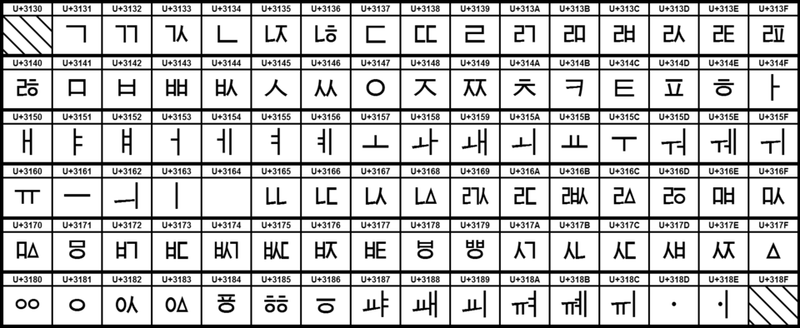
Korean has a reputation for being logical once you understand its foundation, but getting there is no small feat. The Korean alphabet, called Hangul, was actually invented in the 15th century to improve literacy, and it is considered one of the most scientifically designed writing systems ever created.
Learning Hangul itself takes only a few days, but reading it fluently is another story.
The grammar is where things get tricky. Korean sentences follow a subject-object-verb order, so the verb always comes last.
Particles are attached to nouns to show their role in the sentence, a concept that does not exist in English at all. Vocabulary also draws from two sources: native Korean words and Sino-Korean words borrowed from Chinese centuries ago.
Korean also has a detailed honorific system. You must adjust your speech based on the age and social status of the person you are talking to, which requires cultural knowledge as much as language knowledge.
5. Hungarian
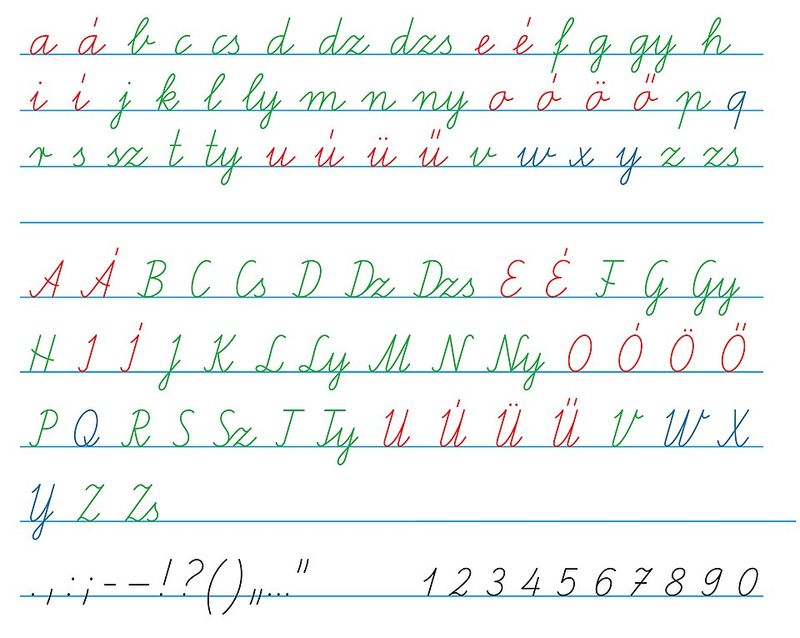
Hungarian stands apart from almost every other European language. While French, Spanish, Italian, and German all share Latin or Germanic roots, Hungarian belongs to the Finno-Ugric family, which means its vocabulary and structure feel almost alien to most European learners.
There are very few familiar words to latch onto when you first start studying.
The grammar is where Hungarian truly earns its reputation. The language has more than 18 grammatical cases, which are endings added to nouns to show their role in a sentence.
In English, word order does most of that work. In Hungarian, the ending of a word can completely change its meaning within a sentence, and learners must memorize dozens of these endings.
Hungarian also uses a complex suffix system where multiple pieces of meaning are stacked onto a single word. One Hungarian word can sometimes translate into an entire English sentence.
That kind of compactness is impressive but genuinely difficult to master.
6. Finnish
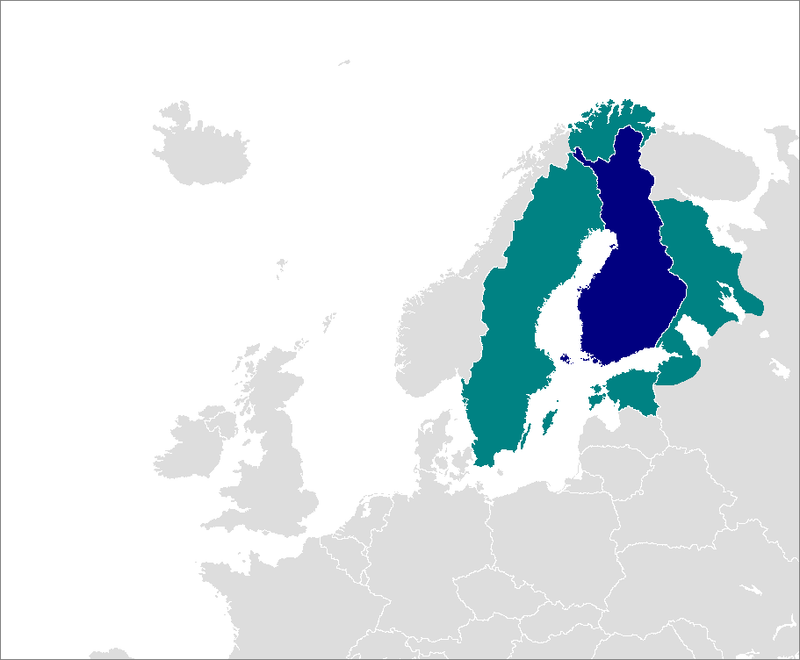
Finland is known for its stunning landscapes and world-class education system, but Finnish is known for something else entirely: being extraordinarily hard to learn. Like Hungarian, Finnish belongs to the Finno-Ugric language family, which puts it in a completely different category from most of the languages English speakers have ever encountered.
Finnish has 15 grammatical cases, which means the ending of a noun changes depending on how it is being used in a sentence. Location alone can be expressed in six different ways depending on whether you are moving toward something, away from it, or staying in place.
Getting these distinctions right takes years of practice and constant correction.
Finnish vocabulary offers very few shortcuts for English speakers. There are almost no borrowed words that look familiar, and Finnish compound words can grow extremely long.
The word for “airplane” in Finnish is “lentokone,” which literally means “flying machine.” Simple enough, but building that logic takes time.
7. Polish
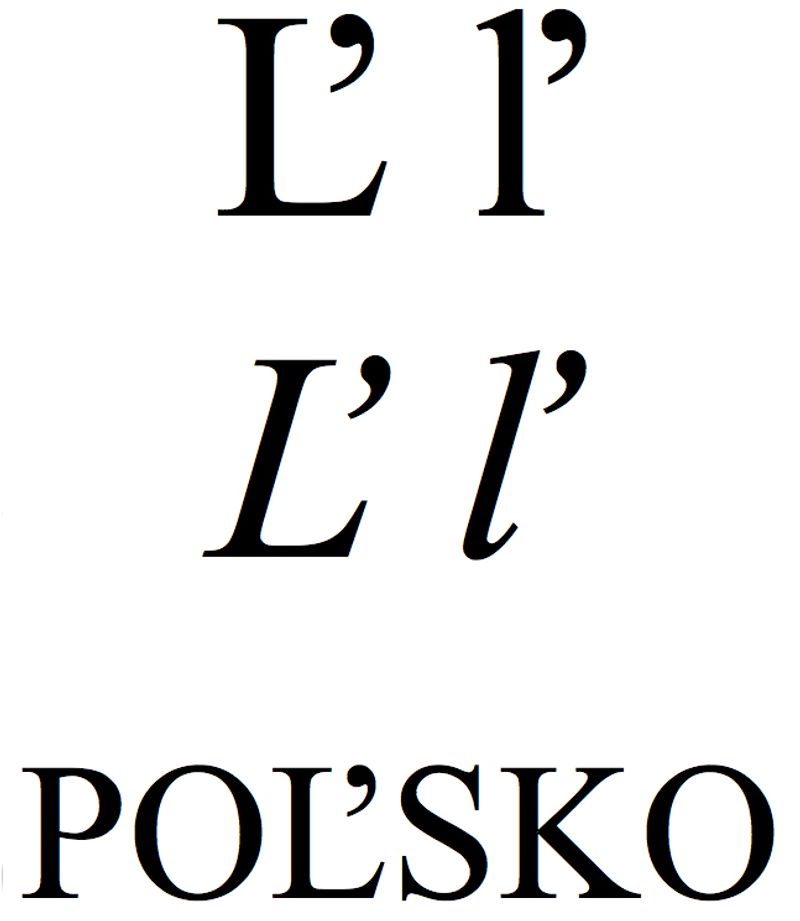
Polish is the kind of language that makes experienced polyglots pause and take a deep breath. Even people who speak other Slavic languages like Russian or Czech find Polish surprisingly difficult because of its unusually complex consonant clusters.
Words like “szcz” and “prz” appear regularly and require sounds that simply do not exist in English.
Polish has seven grammatical cases, which means nouns, pronouns, and adjectives all change form depending on their role in the sentence. That alone would be challenging enough, but Polish also has grammatical gender, with three categories for masculine, feminine, and neuter nouns.
Every adjective must agree with the gender of the noun it describes.
Verb conjugation adds yet another layer of complexity. Polish verbs change based on tense, gender, and number, and many verbs are highly irregular.
Native Polish speakers often say that even they make grammar mistakes sometimes, which should tell you something about just how intricate this language really is.
8. Russian
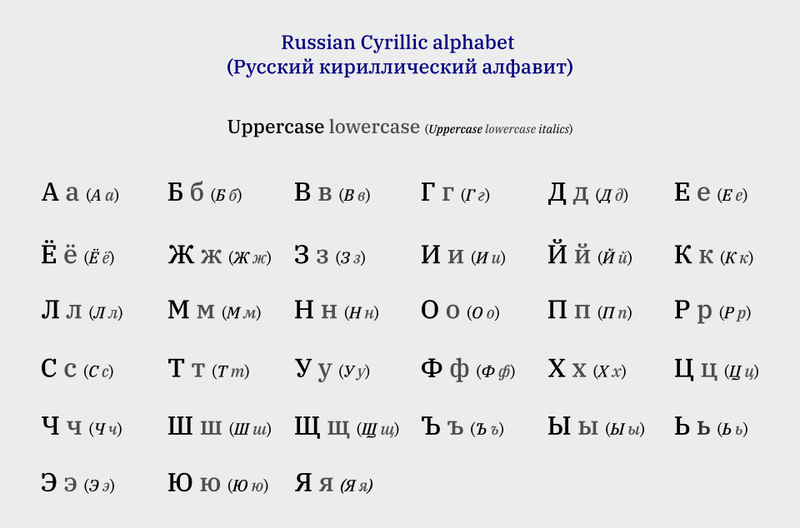
Russian has a certain mystique to it, and learning it feels like unlocking a whole new world. But that world comes with some serious barriers.
The first challenge for English speakers is the Cyrillic alphabet, a completely different writing system with 33 letters. Some look like familiar Latin letters but make entirely different sounds, which can confuse beginners for weeks.
Once you get past the alphabet, Russian grammar steps in with six grammatical cases. Every noun changes its ending based on whether it is the subject, object, or indirect object of the sentence, among other functions.
Adjectives must match the noun they describe in case, gender, and number, creating a web of rules that takes considerable time to untangle.
Russian also has a concept called verb aspect, where every verb comes in two versions: one for ongoing actions and one for completed actions. Choosing the wrong aspect changes the entire meaning of what you are trying to say, and mastering it requires lots of real-world practice.
9. Icelandic

Icelandic is a language frozen in time, and that is exactly what makes it so hard to learn. While most languages evolve rapidly and borrow words from neighbors, Icelandic has deliberately preserved its ancient roots.
The language spoken in Iceland today is remarkably similar to the Old Norse spoken by Vikings over a thousand years ago. That historical purity comes at a cost for modern learners.
The grammar mirrors that of Old Norse, complete with four cases, three grammatical genders, and a complex system of noun declensions. Adjectives, pronouns, and nouns all shift form depending on how they are used in a sentence.
There are also strong and weak verb classes, each with its own set of conjugation rules that must be memorized separately.
Finding learning resources for Icelandic is also a real challenge. Unlike Spanish or French, there are far fewer apps, textbooks, and online courses available.
With only about 370,000 native speakers worldwide, opportunities for real conversation practice are limited for most learners.
10. Thai

Thai is a tonal language with five distinct tones, and every single one of them matters. The word “mai” can mean new, wood, not, burn, or a question marker depending entirely on how you pitch your voice when saying it.
For English speakers, who rely on tone only for emotion rather than meaning, this is a genuinely difficult habit to build from scratch.
The Thai script adds another layer of complexity. It has 44 consonants, 15 vowel symbols that combine into at least 28 vowel forms, and four tone marks.
Unlike English, Thai script has no spaces between words, which means readers must figure out where one word ends and another begins based on context and pattern recognition.
On the bright side, Thai has no verb conjugation and no plural forms for nouns, which removes some of the grammar headaches found in other difficult languages. But the tones and script alone are enough to keep most learners working hard for years before feeling truly comfortable.
11. Vietnamese
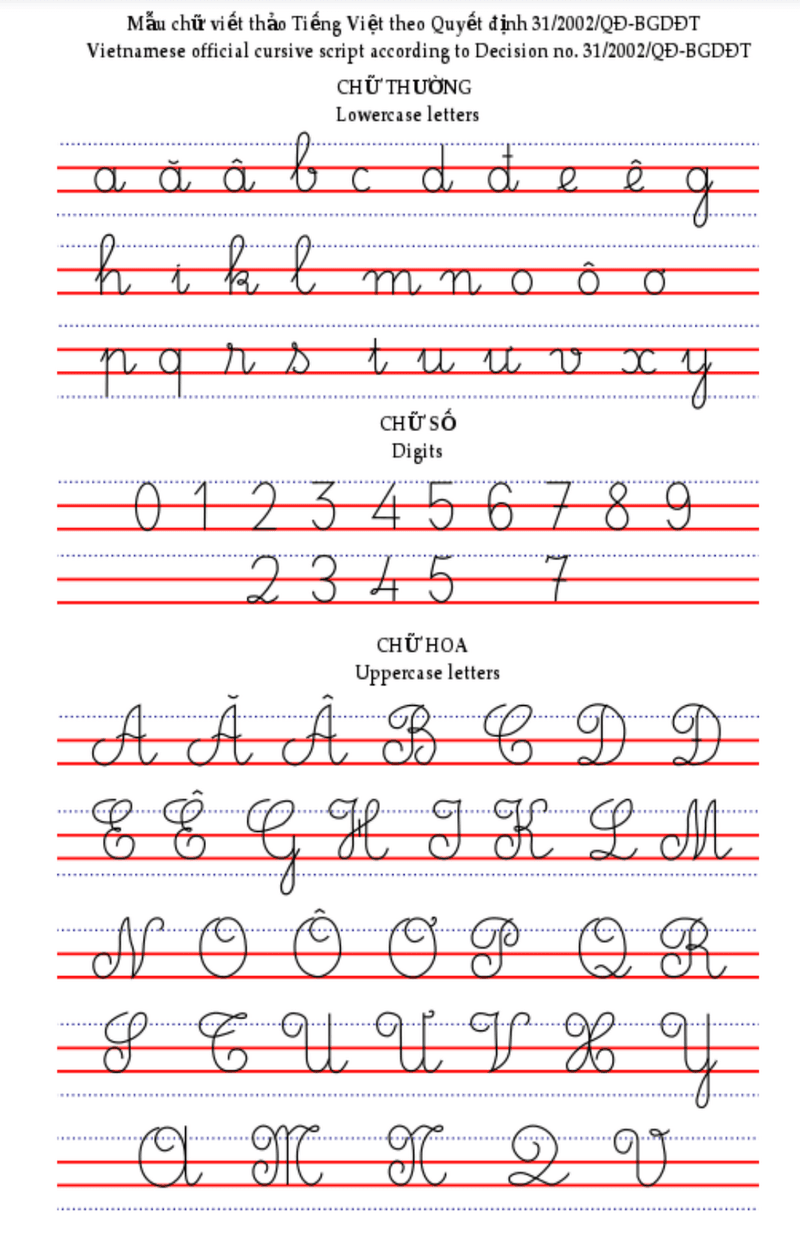
Vietnamese is proof that a language does not need complex grammar to be incredibly difficult. The grammar is actually quite straightforward compared to Russian or Hungarian.
There are no verb conjugations, no plural forms, and no grammatical gender. So why is Vietnamese considered one of the hardest languages for English speakers?
Two words: the tones.
Vietnamese has six tones, and each one changes the meaning of a word completely. The tones are not just about pitch going up or down.
Some involve a glottal stop, some dip and then rise, and some are short and sharp. Getting them even slightly wrong can result in saying something embarrassing or completely unrelated to what you intended.
Pronunciation in Vietnamese is extraordinarily precise. Vowel sounds are subtle and numerous, and many of them do not exist in English at all.
Regional accents between northern and southern Vietnam also differ significantly, adding another layer of complexity for learners trying to communicate across the country.
12. Greek

Greek holds a special place in history as one of the world’s oldest documented languages, with written records going back more than 3,000 years. Many English words have Greek roots, from “democracy” to “telephone” to “photography.” You might expect that connection to make Greek easier for English speakers, but the modern language presents its own serious challenges.
The Greek alphabet has 24 letters, and while some look vaguely familiar, many make sounds quite different from what English readers might guess. Learning to read and write in Greek requires a dedicated period of alphabet study before you can even begin tackling vocabulary and grammar.
Greek verb conjugation is particularly demanding. Verbs change form based on tense, mood, voice, person, and number, creating a large number of possible endings for each verb.
The grammatical structure also uses cases, and noun endings shift depending on their role in the sentence. Greek rewards patient learners but can feel overwhelming in the early stages.
13. Turkish
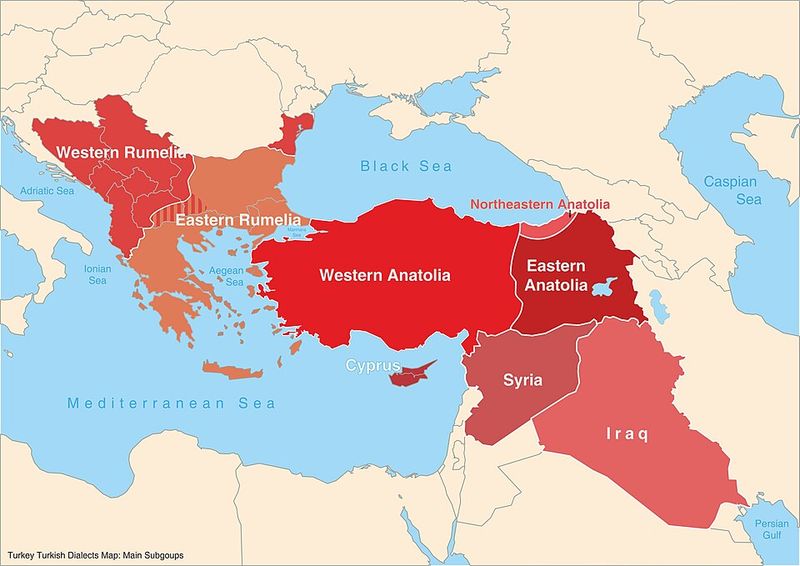
Turkish operates on a completely different logic from English, and that is what makes it so fascinating and so frustrating at the same time. Turkish is an agglutinative language, which means it builds meaning by stacking suffixes onto a base word.
A single Turkish word can carry information that would take an entire English sentence to express.
For example, the word “Cekoslovakya’lılastıramadıklarımızdanmısınız” is a real Turkish word meaning “Are you one of those whom we could not make Czechoslovakian?”
Sentence structure in Turkish also differs significantly from English. Turkish follows a subject-object-verb order, so the verb always appears at the end of the sentence.
This requires learners to hold the full context of a sentence in their head before delivering the main action word.
Turkish also follows a rule called vowel harmony, where the vowels in suffixes must match the vowels in the root word. It is a logical and elegant rule, but it takes considerable practice before it becomes instinctive for English speakers.
14. Basque
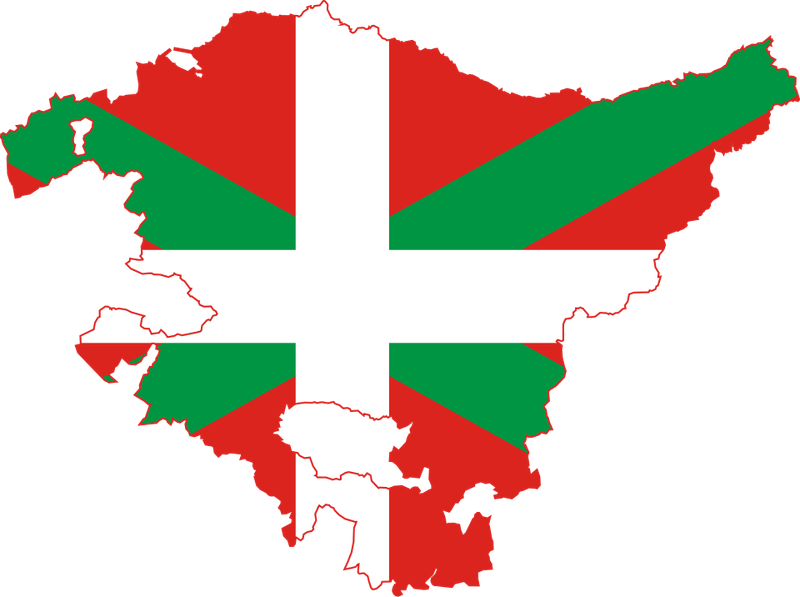
Basque is one of the most mysterious languages on Earth, and linguists have spent decades trying to figure out where it came from. Unlike virtually every other language in Europe, Basque has no known relatives.
It is what scholars call a language isolate, meaning it stands completely alone with no connection to Latin, Germanic, Slavic, or any other known language family. That makes it extraordinarily difficult to learn because there is no familiar framework to build on.
The grammar of Basque is unlike anything most learners have ever encountered. It uses an ergative-absolutive system, which means subjects of transitive verbs are treated differently from subjects of intransitive verbs.
This concept simply does not exist in English or most other European languages, so it requires building a completely new way of thinking about sentence structure.
Vocabulary offers no shortcuts either. Since Basque shares no roots with Indo-European languages, almost every word must be memorized from scratch.
Even experienced language learners describe Basque as a humbling experience that demands patience and genuine dedication.
15. Navajo

During World War II, the United States military used Navajo speakers as code talkers because the language was so complex that enemy forces could not crack it. That fact alone says everything about how remarkably intricate Navajo truly is.
Spoken primarily in the American Southwest, Navajo is considered by many linguists to be among the most structurally complex languages ever documented.
The verb system is the heart of the challenge. In Navajo, verbs carry an enormous amount of information, including the subject, object, tense, mode, and even the shape or texture of the object being acted upon.
A single Navajo verb can express what English needs an entire sentence to communicate. Building that kind of fluency requires years of deep immersion.
Navajo also has tonal elements, where pitch affects meaning, and its sounds include consonants that do not exist in English or most other world languages. With a limited number of fluent speakers and relatively few widely available learning materials, mastering Navajo is a true long-term commitment.
Share this story