 Unearth The Voyage
Some destinations pull you in with dramatic headlines and raw, unfiltered reality. If safety sits at the top of your list, these places demand every ounce of caution and situational awareness you have. You will find war zones, crumbling infrastructure, and crime patterns that shift by the hour. Read closely, weigh risks honestly, and never travel without updated advisories and local guidance.
Afghanistan — Ongoing Conflict & Terrorism Risk
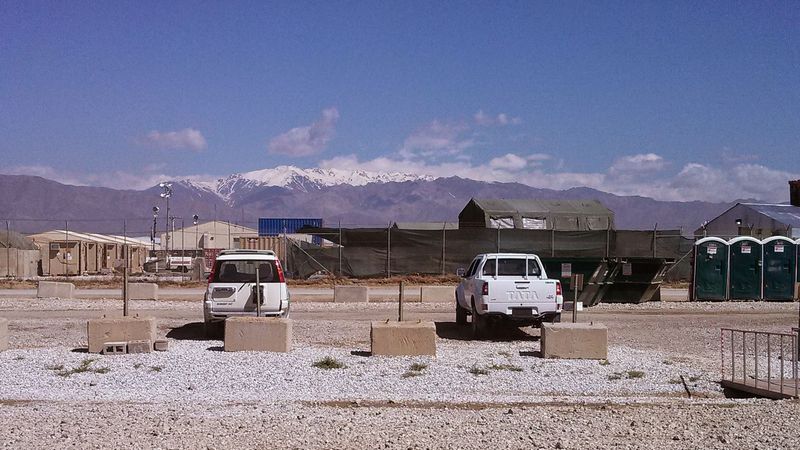
Afghanistan remains a high risk environment where security can shift without warning. Attacks from insurgents, IEDs, and targeted bombings have struck markets, roads, mosques, and government sites. Even routine movement between cities may require vetted security, reliable intel, and contingency plans.
Hospitals can be overwhelmed, routes can close, and communication may fail when you need it most. You will hear advice to register with your embassy and avoid public gatherings, border areas, and unofficial transport. Cash shortages, roadblocks, and curfews can complicate basic tasks.
If travel is unavoidable, use hardened vehicles, trusted local fixers, and layered risk assessments. Build in redundancy for lodging, drivers, and evacuation options. Your safest decision may be to postpone until conditions improve, but if you proceed, plan for rapid changes and keep a low profile.
Yemen — Civil War & Humanitarian Collapse
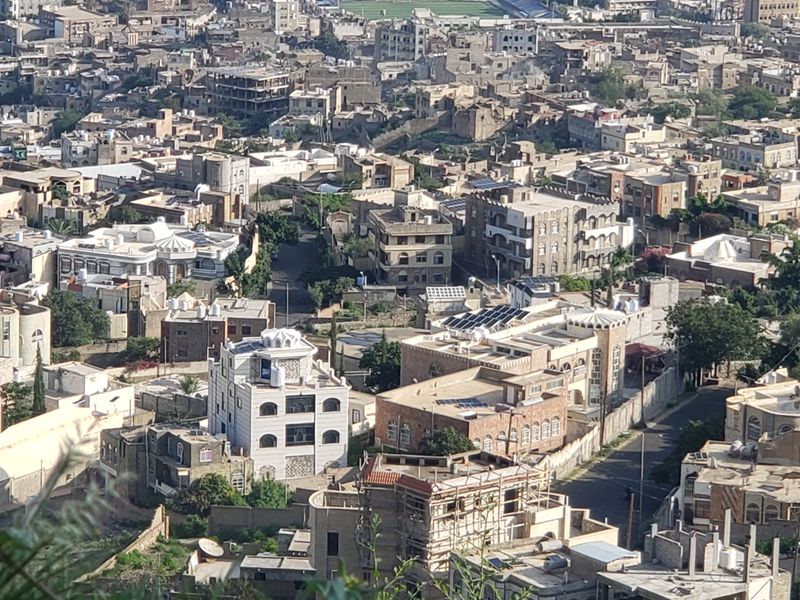
Yemen’s civil war continues to disrupt daily life, healthcare, and access to safe water. Airstrikes, shelling, and clashes have scarred neighborhoods and crucial infrastructure. Cholera, malnutrition, and limited medical supplies create a dangerous backdrop even far from frontlines.
Road travel can be obstructed by checkpoints, shifting lines of control, and fuel shortages. You will need reliable escorts, vetted routes, and real time updates before moving. Night travel is especially risky, and communications may be interrupted without notice.
Consider the severe constraints on evacuation and the scarcity of secure housing. Aid corridors can close quickly, and visas or permits might change mid process. Unless essential, defer trips and support reputable humanitarian efforts from a distance while monitoring official advisories closely.
Sudan — Intense Internal Conflict
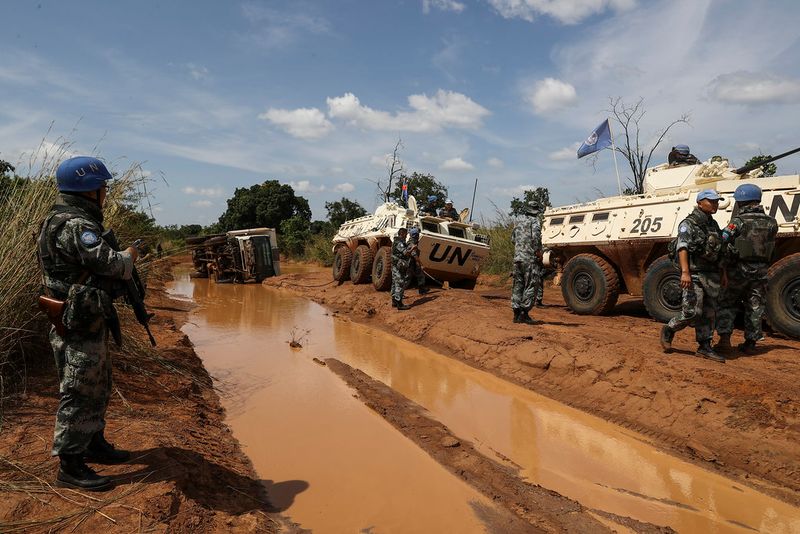
Sudan faces violent clashes between military and paramilitary forces that spill into urban neighborhoods and key transit routes. Civilians report robberies, sexual violence, and home invasions as armed actors contest territory. Curfews, looting, and shortages reduce access to food, medicine, and cash.
Movement between cities is hazardous, and aid workers struggle to reach vulnerable communities. You will need accurate local intel, secure drivers, and extreme discretion if movement is essential. Airports and land borders may close abruptly, complicating evacuation.
Power and internet blackouts can disrupt plans and hide unfolding threats. Shelter in place strategies require water purification, medical kits, and layered communications. If you must be present, coordinate with security professionals and be ready to pause operations at a moment’s notice.
South Sudan — Fragile Peace & Violence
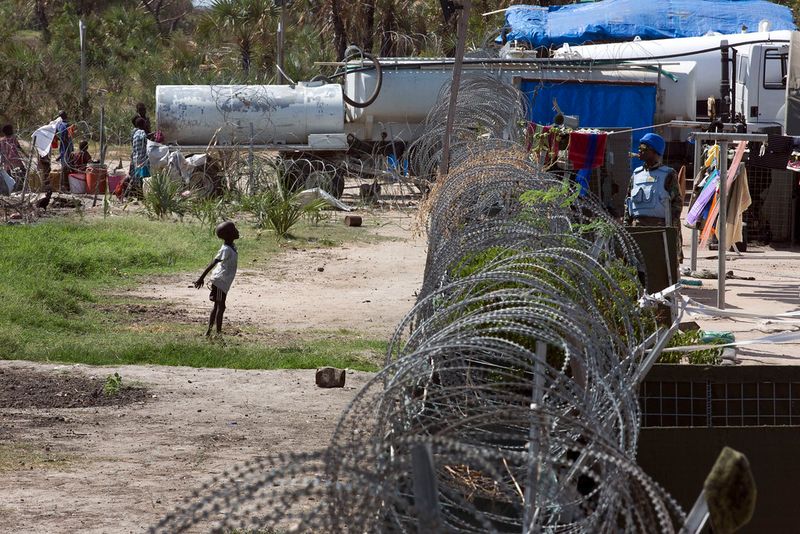
South Sudan’s security fluctuates with local tensions, disputes over resources, and fragile ceasefires. Inter communal violence, highway ambushes, and cattle raids can erupt with little notice. Poor road conditions, flooding, and limited medical facilities amplify everyday risks.
You should avoid night travel, maintain strict route discipline, and use trusted drivers. Compounds with layered security and reliable generators make a difference during outages. Humanitarian flights and secured convoys are often safer than overland trips.
Carry contingency supplies, satellite communications, and proof of permissions for movement. Monitor local radio, community leaders, and NGO networks for early warnings. If your presence is mission critical, build a detailed evacuation plan and rehearse it before conditions deteriorate.
Central African Republic — Chronic Violence
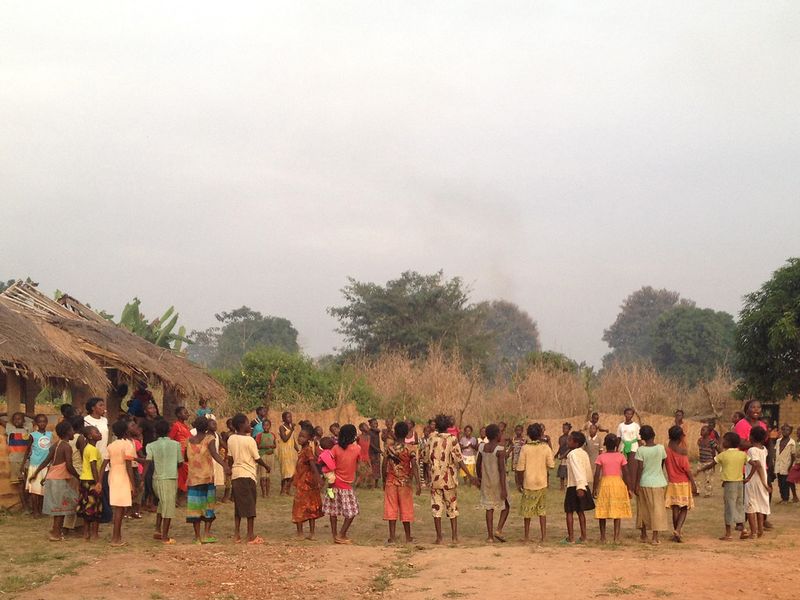
The Central African Republic experiences persistent clashes among armed groups that limit safe movement beyond core areas. Kidnappings, robbery, and roadblocks are common on rural routes and occasionally in cities. State control is weak, and response times can be slow.
You will need vetted fixers, secure transport, and real time route intelligence. Avoid predictable routines and leave valuables behind. Humanitarian staff often rely on radio networks and curfews to manage exposure.
Medical facilities may be distant or under resourced, so consider medevac coverage and trauma kits. Seasonal rains degrade roads and isolate towns, compounding risk. If travel is essential, coordinate with security professionals and be prepared to cancel movements if indicators trend negative.
Somalia — Piracy, Militancy & Security Breakdown
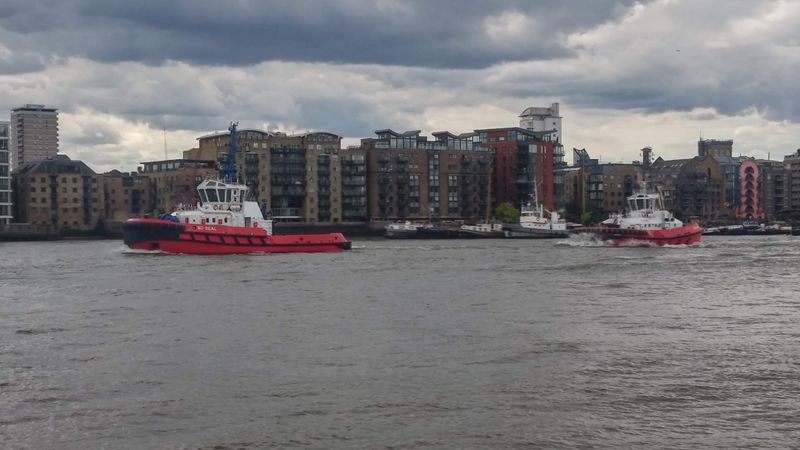
Somalia’s security picture involves al Shabaab activity, clan conflicts, and targeted attacks in urban centers. Bombings and assassinations have struck hotels, cafés, and government buildings. Outside cities, road travel risks ambushes and improvised explosives.
On the coast, piracy remains a concern for commercial and private vessels. You will need maritime security protocols, AIS discipline, and convoy strategies. Port calls demand low profile procedures and carefully screened agents.
Inside cities, vary routes, minimize stop times, and coordinate with professional protection teams. Medical and evacuation capabilities are limited, so plan for delays. Only travel with robust risk management, authorized permits, and immediate fallback options if conditions degrade.
Syria — Ongoing Civil War Zones
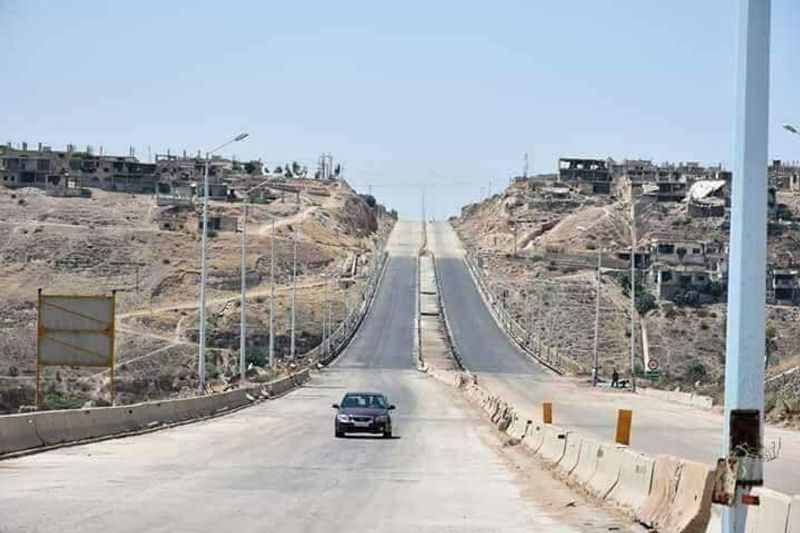
Parts of Syria remain volatile with sporadic shelling, drone strikes, and armed skirmishes. Damaged infrastructure limits water, power, and emergency services in many districts. Unexploded ordnance and mines complicate rebuilding and daily routines.
Checkpoints and shifting control zones affect travel times and safety. You should avoid border belts, large gatherings, and any photography near security sites. Humanitarian corridors can close suddenly, stranding travelers and supplies.
Local contacts, secure transport, and reliable translators are essential. Carry redundant communications and maintain strict need to know on itineraries. Unless you possess mission critical objectives, the safest strategy is to defer travel and support from safer hubs nearby.
Iraq — Volatile Security & Terrorism Risks
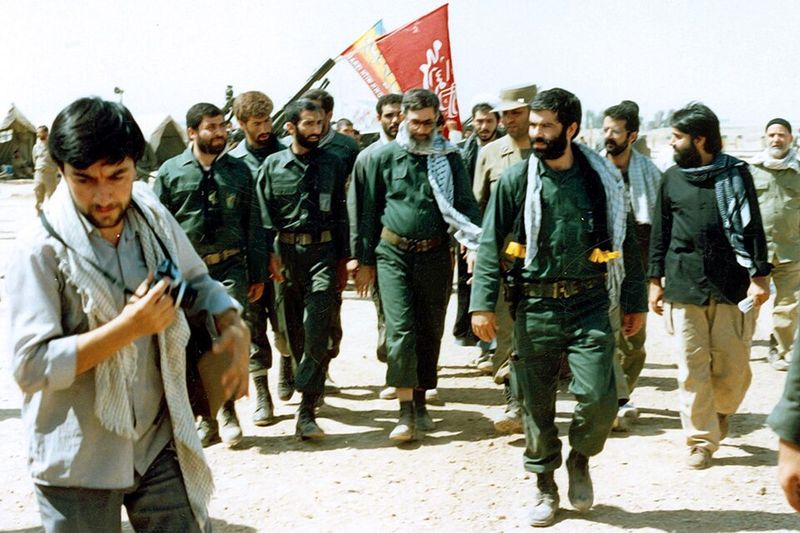
Iraq has improved in some cities, yet terrorism and insurgent cells continue to target soft sites and security forces. Rocket and drone incidents can affect diplomatic and energy facilities. Roadside bombs occasionally surface on intercity highways.
You should stay in secure accommodations and limit movements to vetted routes. Avoid predictable schedules and crowds such as markets, shrines during peak events, and protest areas. Curfews may be imposed with little notice.
Regional differences matter, and some governorates carry higher risk than others. Work with local security providers, track news in Arabic and English, and keep a grab bag ready. If visiting, align travel windows with lower threat periods and maintain plans for rapid extraction.
Libya — Militia Control & Fragmented Security
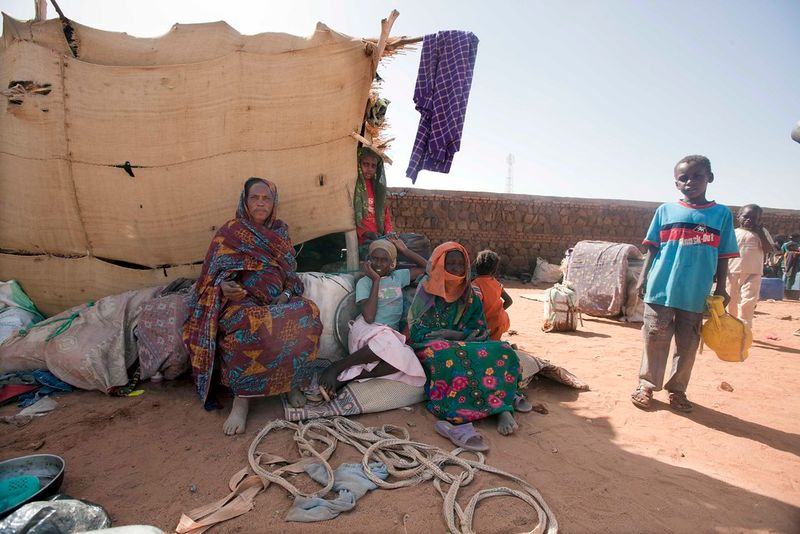
Libya’s post 2011 environment features rival militias, fluid checkpoints, and intermittent clashes. Weapons proliferation and factional politics shape daily risk in cities and along roads. Airports may close suddenly, and detentions can occur at ad hoc points.
You will need strong local sponsorship, armored vehicles, and handlers who understand neighborhood dynamics. Limit movements, avoid night driving, and keep identification accessible but discreet. Payments, permits, and escorts can change by district.
Maritime activity and oil infrastructure attract attention from armed actors. Redundant communications, medical kits, and evacuation insurance are essential. Unless operations are critical, delay travel until security arrangements are formally verified and stable.
Ukraine — Active War Zone
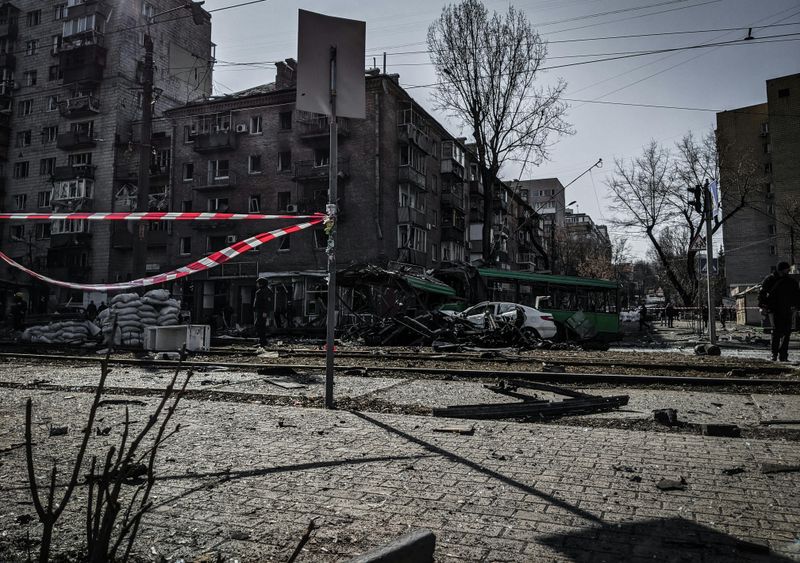
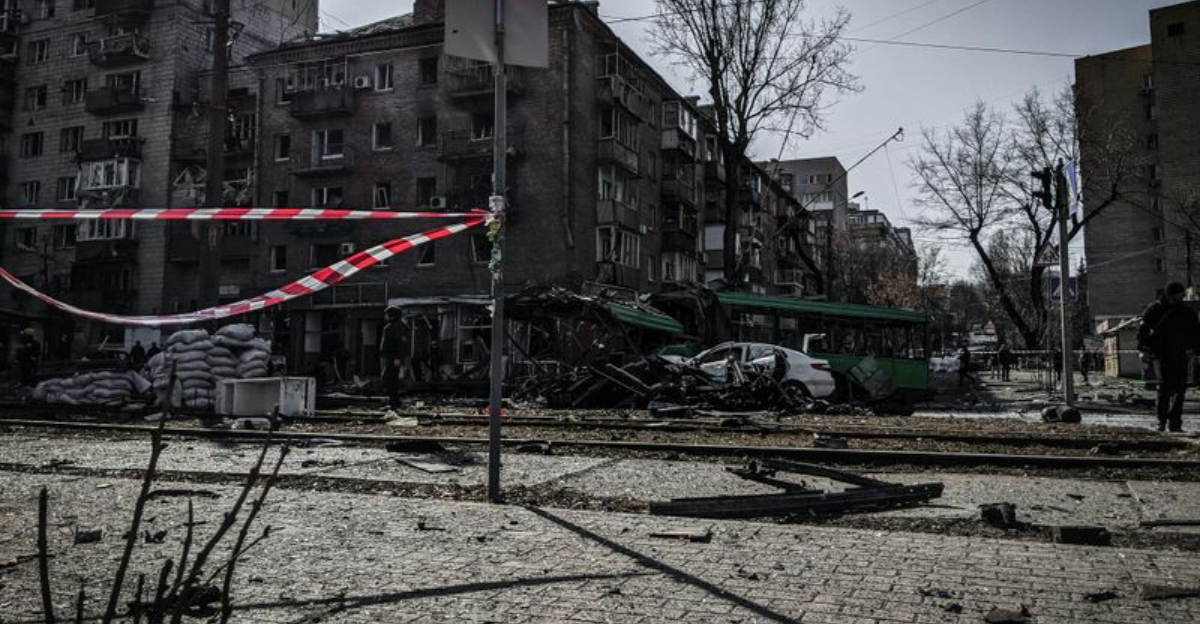
Ukraine remains an active war zone with missile strikes, artillery, and drones impacting cities and infrastructure. Air alerts can sound several times a day, and shelter availability varies by region. Power and water disruptions are common during escalations.
Movement near frontlines is extremely dangerous, and unexploded ordnance threatens rural roads and fields. You should know shelter locations, carry tourniquets, and use official apps for alerts. Trains may pause service after strikes, and curfews limit nightlife and transit.
Humanitarian corridors open and close based on operational tempo. Keep documents, cash, and chargers ready, and maintain contact trees. If you must be present, follow local guidance strictly and never ignore sirens or posted safety instructions.
Russia — Elevated Conflict Risks & Domestic Instability
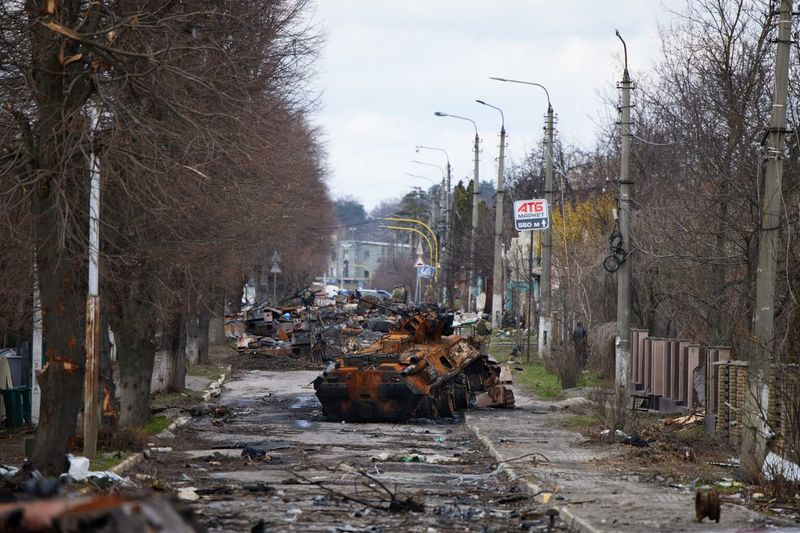
Russia’s risk profile includes heightened security measures, political repression, and regional tensions tied to external conflicts. Border areas and military infrastructure may experience restricted access and sudden enforcement. Protests can trigger mass detentions and swift legal consequences.
You should avoid political gatherings, sensitive facilities, and photography near security sites. Connectivity monitoring and data checks at borders are possible. Sanctions and banking limits affect payments, logistics, and emergency funds.
Travelers need contingency plans for abrupt flight cancellations and visa complexities. Keep a low profile, safeguard devices, and limit public commentary. If conditions shift, prioritize exit strategies and maintain discreet communication channels with trusted contacts.
Haiti — Gang Violence & Political Chaos
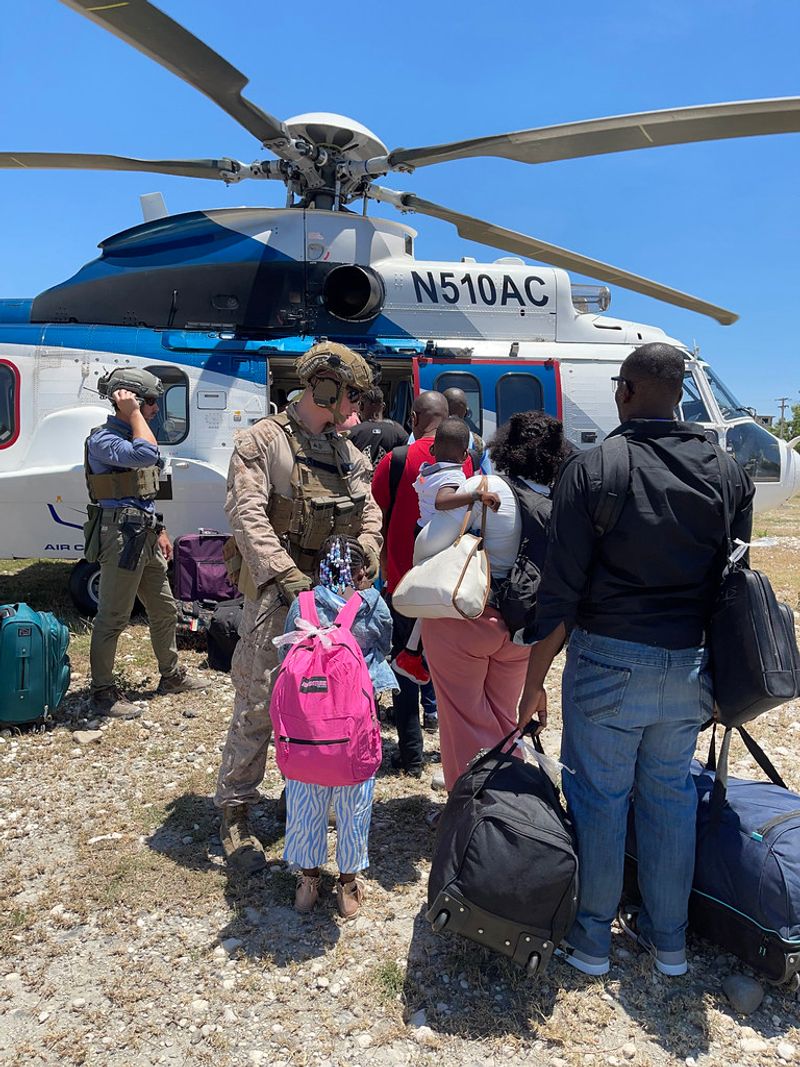
Haiti faces extreme gang violence that disrupts roads, ports, and neighborhoods. Kidnappings, armed robberies, and roadblocks can strand travelers and residents for days. Fuel shortages and shuttered clinics increase vulnerability during emergencies.
Port au Prince routes change daily as groups contest territory. You should avoid unnecessary movement, especially at night, and rely on secure compounds with backup power and water. Evacuations may require helicopter or sea options when airports are compromised.
Food distribution and medical access can halt without warning. Carry cash in small denominations and avoid visible valuables. Unless you have critical obligations, postpone travel and support local partners remotely until security meaningfully improves.
Mexico Border Regions — Cartel Violence & Kidnapping Hotspots
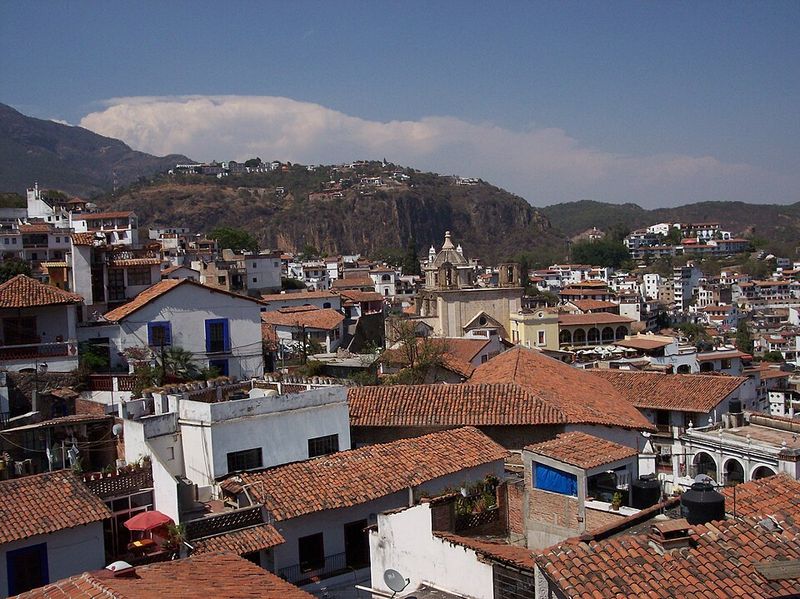
Certain Mexican states, including parts of Tamaulipas and Guerrero, face cartel conflicts and kidnappings. Highway ambushes, roadblocks, and carjackings have targeted both locals and outsiders. Night travel and unofficial taxis significantly increase risk.
You should stick to toll roads when possible, use reputable transport, and tell someone your route and arrival times. Avoid displaying wealth, and keep phones and wallets secure. Police presence does not guarantee safety in contested corridors.
Resorts can feel insulated, but spillover violence and extortion happen. Check recent advisories, local news, and hotel security protocols before moving. If routes look uncertain, postpone the trip or adjust plans to safer airports and daylight transfers.
Maturín, Venezuela & Other Violence Hotspots
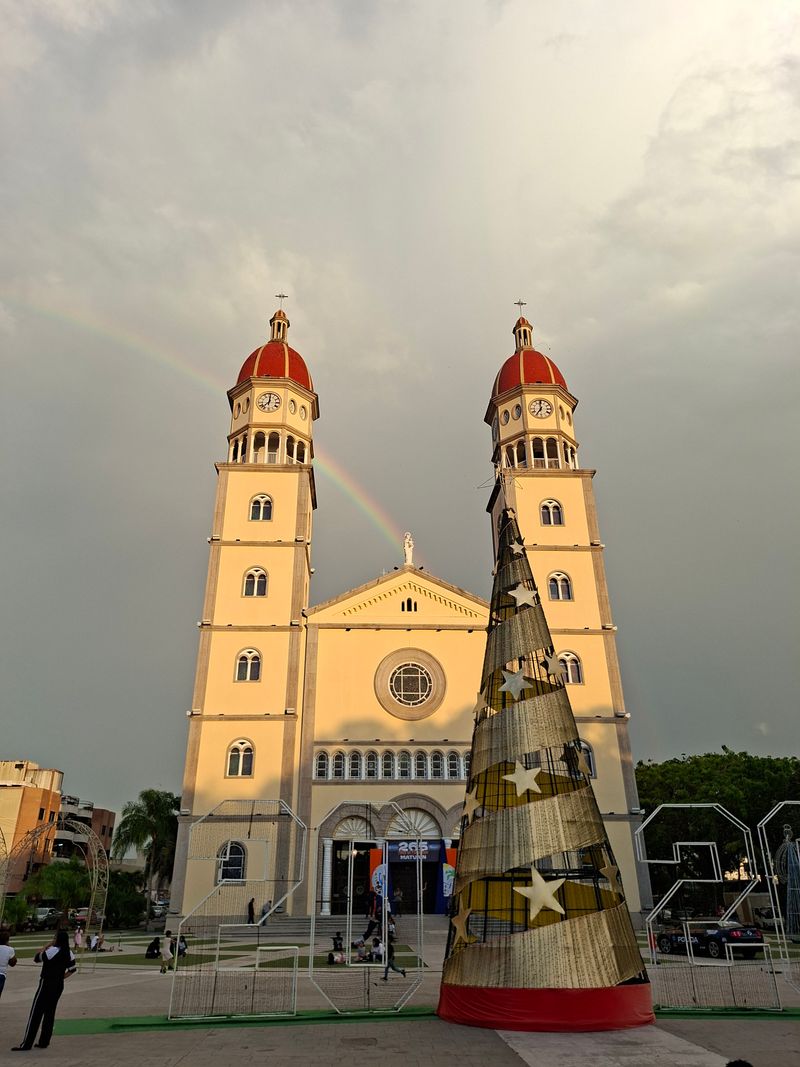
Cities like Maturín and Caracas report high homicide and robbery rates tied to gangs and impunity. Power cuts, scarce cash, and limited policing increase exposure in daily errands. ATM lines and fuel queues can become crime targets.
You should travel in groups, avoid routine patterns, and keep movements short and purposeful. Do not flash phones or jewelry, and prearrange secure taxis. Neighborhood safety shifts block by block, and local advice is essential.
Similar patterns appear in parts of Brazil and Honduras, where motorbike theft and armed assaults are common. Research neighborhoods, use hotel safes, and limit after dark activity. If your gut says turn around, listen and choose a safer route immediately.
Port Moresby, Papua New Guinea — Crime Risks
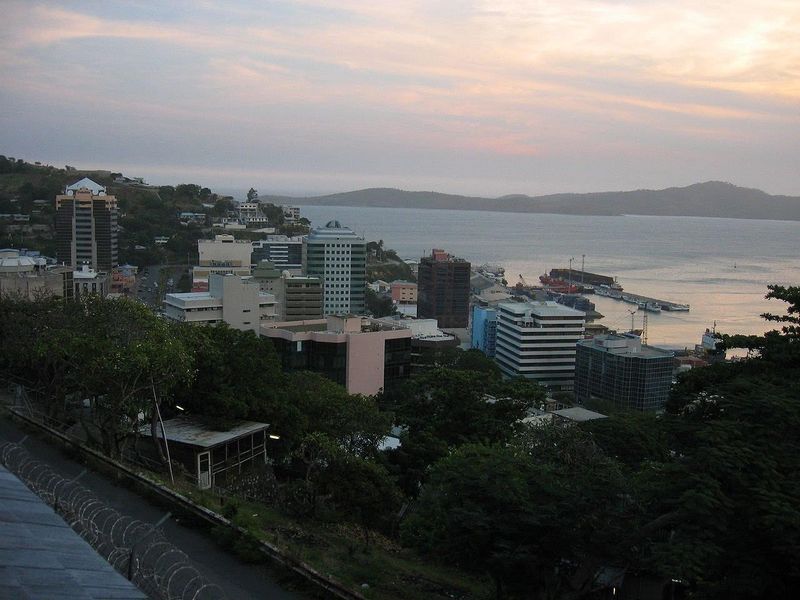
Port Moresby often ranks high for violent crime, including armed robbery and carjacking. Social tensions, unemployment, and limited police resources drive opportunistic attacks. Straying off main routes can quickly increase exposure.
You should arrange trusted drivers, keep doors locked, and avoid walking after dark. Choose accommodations with layered security, cameras, and backup power. Cash handling requires discretion, and ATMs should be used only in secure locations.
Local knowledge matters; ask staff which districts to avoid and when. Plan airport transfers in advance and confirm pickups by name and plate. Keep your profile low, carry only what you need, and reconsider outings that do not serve a clear purpose.



