 Unearth The Voyage
North of Cairns, in tropical Queensland, there’s a place that feels like the world forgot to modernize it. A rainforest so old it makes most “ancient” places look new, sliding straight into turquoise sea where reefs glow under the surface.
That’s the Daintree. And it’s not just pretty. It’s rare in a way you can’t really fake.
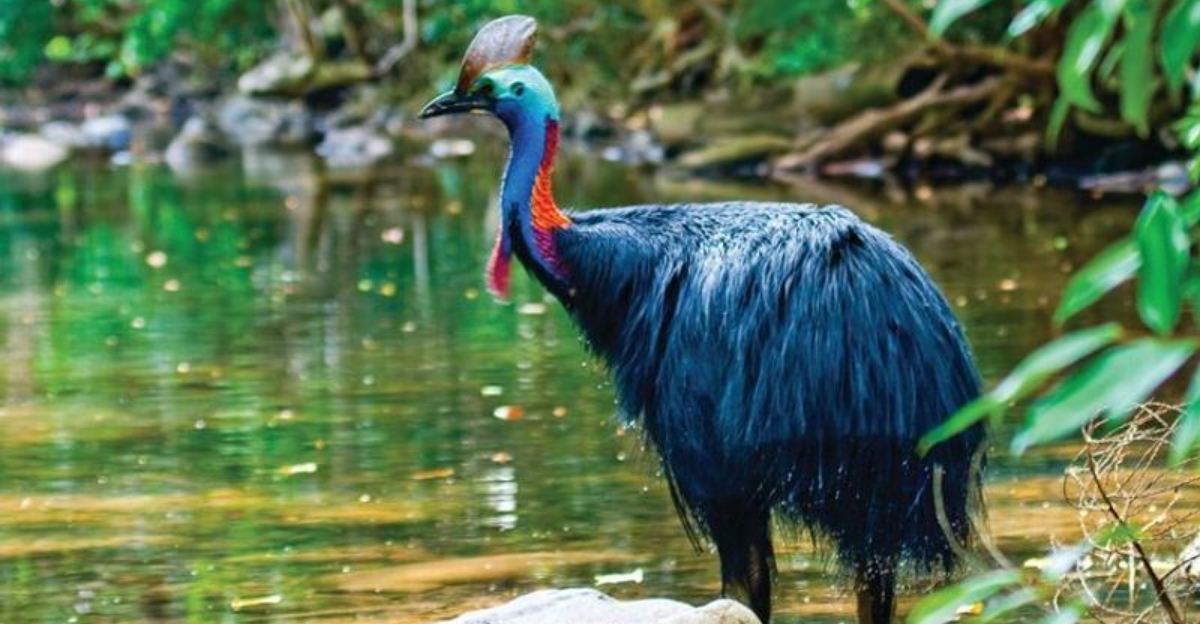
Jungle meets ocean in the same frame, crocodile country sits a short drive from palm lined beaches, and you might spot a cassowary on a trail like it owns the place. If you’ve ever wondered what it’s like to walk through living history, and why this stretch of green matters far beyond Australia, you’re in the right spot.
1. First, know what ‘Daintree’ actually refers to
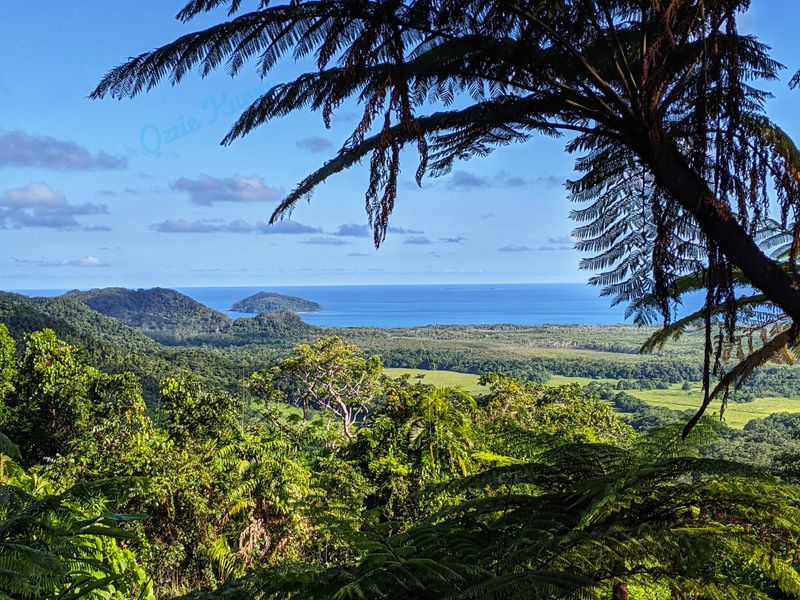
When people say “Daintree,” they’re usually talking about more than just trees. The name covers a sprawling region of roughly 1,200 square kilometers packed with rainforest, winding rivers, stunning coastline, and protected national park zones stretching north from Cairns and Port Douglas.
Daintree Rainforest isn’t a single grove you can walk through in an afternoon. It’s an entire ecosystem woven through northeastern Queensland, where rivers carve through valleys and mountains rise behind beaches.
The term also connects directly to Daintree National Park, which includes famous spots like Mossman Gorge and Cape Tribulation.
Understanding this geography matters because it shapes how you experience the place. Some visitors focus on the river and its wildlife cruises.
Others head straight for coastal areas where forest meets sand. Still others explore inland gorges and walking trails.
Each zone offers something different, but they’re all part of the same remarkable landscape. The name “Daintree” has become shorthand for an entire region that defies simple description, a place where nature operates on a scale that feels both intimate and overwhelming.
Knowing what you’re actually visiting helps you plan smarter and appreciate the bigger picture of why this area earns so much attention worldwide.
2. It’s part of a UNESCO-listed world heritage landscape
Back in 1988, UNESCO looked at the Wet Tropics of Queensland and recognized something worth protecting forever. Daintree sits right in the heart of this World Heritage area, celebrated for biodiversity that reads like Earth’s evolutionary diary.
The designation wasn’t handed out casually. UNESCO specifically highlighted the region’s exceptional concentration of primitive flowering plants, rare species, and ecosystems that trace back to when continents were still joined together.
This recognition puts Daintree in the same category as the Grand Canyon and the Great Barrier Reef.
What does World Heritage status actually mean for visitors? It means stricter protections, better-funded conservation, and a global commitment to keeping this landscape intact.
You’re not just wandering through pretty scenery; you’re stepping into a place the entire world agreed deserves special care.
The Wet Tropics listing covers more than just Daintree, but this rainforest represents some of the most dramatic and accessible parts of that protected zone. Scientists study here because the evolutionary history is so well-preserved.
Understanding this context adds weight to every boardwalk you walk and every tree you photograph. You’re experiencing something officially recognized as irreplaceable, a landscape that holds answers to questions about how life on Earth developed and survived.
3. The ‘ancient rainforest’ claim is real – just don’t obsess over one exact number
You’ll read that Daintree is 135 million years old, or maybe 180 million, depending on which website you’re browsing. The exact number matters less than what it represents: this rainforest preserves plant lineages and evolutionary processes that stretch back to deep, almost incomprehensible time.
Scientists don’t argue about whether Daintree is ancient. They agree it contains remnants of Gondwanan forests, ecosystems that existed when Earth’s southern continents were still connected.
The plant families here show evolutionary relationships that disappeared elsewhere as climates shifted and continents drifted apart.
UNESCO documentation emphasizes these long-term evolutionary processes rather than pinning everything to one specific age. The forest isn’t a fossil; it’s a living continuation of ancient patterns, adapting but never completely abandoning its original character.
What makes this special isn’t just age for age’s sake. It’s that walking through Daintree means seeing plants whose ancestors were around when dinosaurs roamed, species that survived ice ages, continental breakups, and climate swings that wiped out forests elsewhere.
The “ancient” label isn’t marketing hype. It’s shorthand for ecological continuity that gives scientists a window into how rainforests evolved and how they might respond to future changes.
That’s worth more than any specific number of millions of years.
4. The ‘rainforest meets reef’ combo is the headline moment
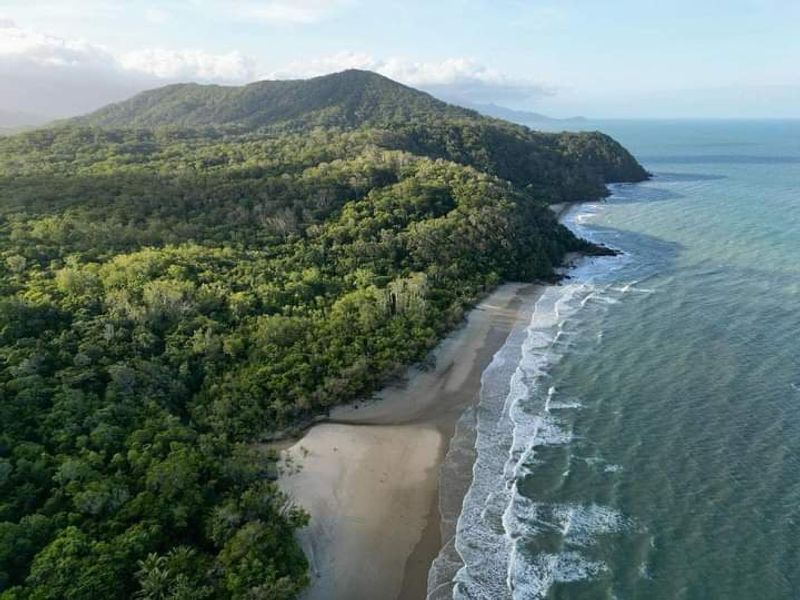
Nowhere else on the planet do two World Heritage ecosystems sit this close together. Stand on certain beaches near Cape Tribulation, and you’ve got ancient rainforest rising behind you while coral reefs shimmer in the turquoise water ahead.
This geographical quirk creates visual drama that cameras struggle to capture properly. Mountains covered in dense green canopy roll down to sandy shores where waves lap at the edge of the Great Barrier Reef system.
The transition happens in meters, not kilometers.
Beyond the scenery, this convergence creates unique ecological interactions. Nutrients from the rainforest wash into coastal waters.
Marine weather patterns influence forest humidity. Species adapted to both environments move between them in ways scientists are still documenting.
For visitors, it means wildly diverse experiences in a single day. Morning might find you under a rainforest canopy watching for cassowaries, while afternoon has you snorkeling over coral gardens or walking beaches where forest shade meets ocean breeze.
The “where rainforest meets reef” phrase gets used constantly in Daintree marketing, but it’s not exaggeration. The proximity is genuinely rare and creates a landscape that feels like two different worlds forced into the same frame, somehow making both more spectacular.
5. Choose your base: Cairns or Port Douglas (it changes your whole vibe)
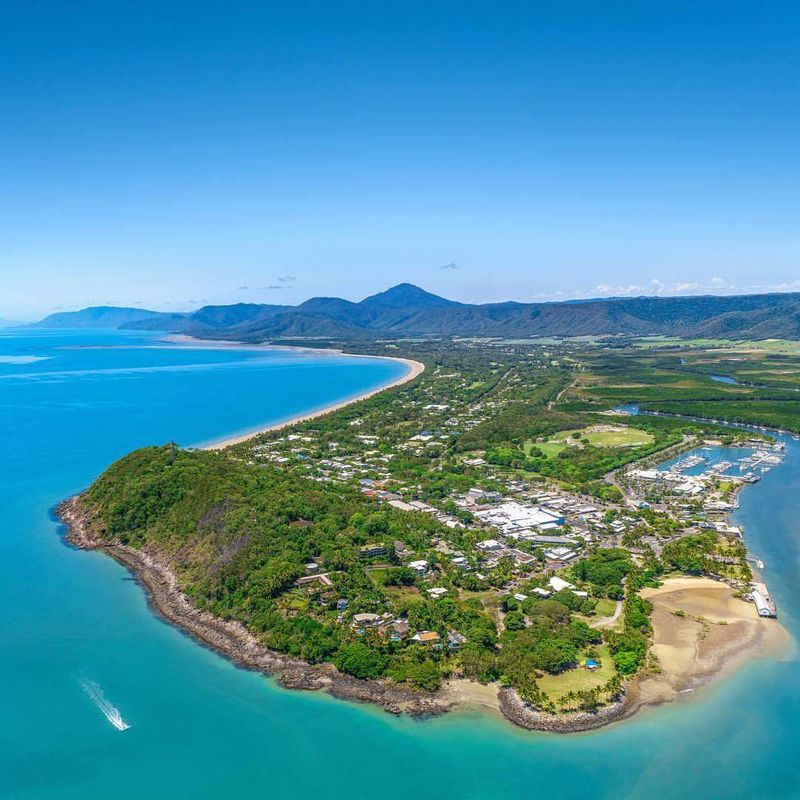
Cairns sprawls like a proper regional city, packed with tour companies, backpacker hostels, budget restaurants, and infrastructure built for thousands of visitors. It’s louder, busier, and offers more choices for people watching their wallets or wanting nightlife after rainforest days.
Port Douglas sits about an hour north, closer to Daintree’s southern sections and wrapped in a calmer, more resort-town atmosphere. Prices run higher, but early morning starts to Mossman Gorge or Cape Tribulation become easier when you’re not adding Cairns traffic to your drive.
The choice reshapes your entire trip rhythm. Cairns-based visitors often join group tours because distances make self-driving less appealing.
Port Douglas travelers tend toward rental cars and independent exploration, stopping where they want without tour-bus schedules.
Neither base is wrong; they just serve different travel styles. Cairns works brilliantly for budget-conscious travelers, people who want variety beyond rainforest, or those comfortable with structured tours.
Port Douglas suits travelers prioritizing proximity, quieter evenings, and flexibility to chase sunrise moments or lingering afternoon swims.
Many people split their time, starting in Cairns for reef trips and city energy, then shifting to Port Douglas for focused Daintree days. That approach captures both worlds but requires packing and unpacking mid-trip.
6. The Daintree River crossing feels like entering a different world
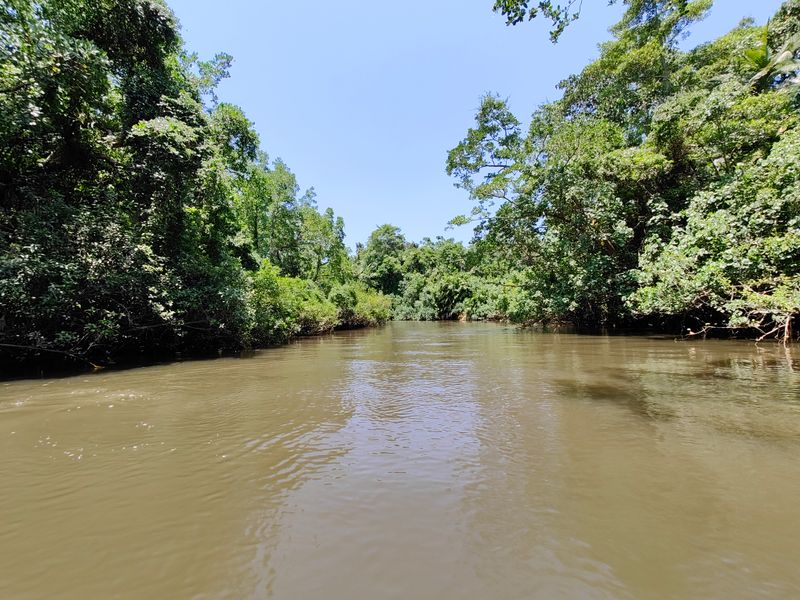
Most classic Daintree adventures include a moment where your vehicle rolls onto a small cable ferry for the Daintree River crossing. The ride takes just minutes, but the psychological shift feels bigger than the physical distance.
On the southern side, you’ve still got cellular signals, regular road signs, and the feeling of civilization within reach. Once the ferry drops you on the northern bank, the landscape turns noticeably wilder, roads narrow, and the sense of remoteness settles in.
The river itself is worth attention during the crossing. This is crocodile habitat, and the murky water often hides more than it reveals.
Guides and locals treat the river with respect that visitors should notice and copy.
The ferry operates frequently during daylight hours, but it’s not running 24/7, so timing matters if you’re planning sunset returns. There’s a small fee, usually paid on the northern side, and the process is efficient enough that waits rarely stretch long.
For many visitors, the ferry crossing becomes a memorable moment not because of drama but because it marks a clear threshold. You’re leaving the developed coast behind and entering territory where nature sets the rules, where wildlife sightings become more likely, and where the rainforest truly dominates the landscape.
7. Do a river cruise – this is crocodile country
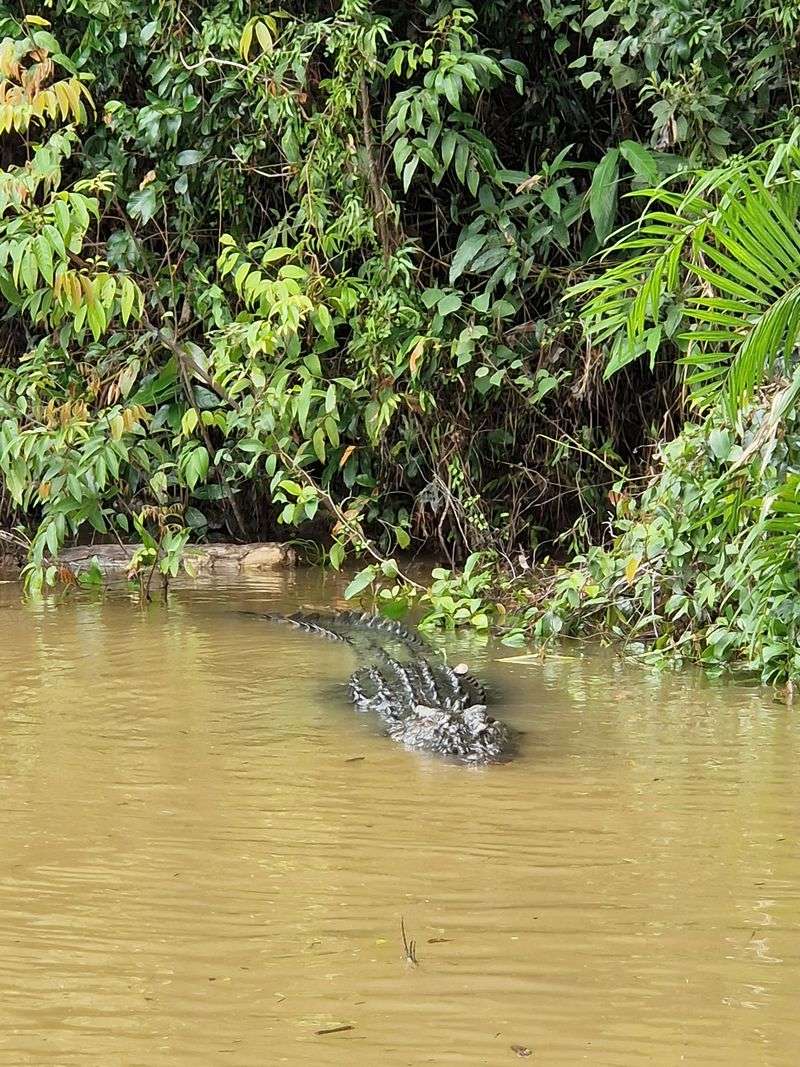
River cruises might sound touristy, but they’re actually one of the smartest ways to safely engage with Daintree’s ecosystem. Saltwater crocodiles live in these waterways, and spotting one from a guided boat beats stumbling across one while walking riverbanks.
Experienced guides know the river’s rhythms, where crocodiles sun themselves, which mangrove channels hide bird nests, and how to read subtle movements in the water that untrained eyes miss completely. Their knowledge turns a boat ride into an education about predator-prey relationships, tidal influences, and seasonal patterns.
Crocodiles aren’t the only attraction. River cruises often reveal snakes draped in branches, water birds fishing in shallows, and the complex mangrove ecosystems that filter between saltwater and freshwater zones.
Guides explain how these transitional habitats support the broader rainforest.
Most cruises run about an hour, departing multiple times daily from spots near the ferry crossing. Early morning and late afternoon trips tend to offer better wildlife activity, though crocodile sightings can happen anytime.
The safety aspect matters more than some visitors realize. These are genuine apex predators, and the river is their territory.
Learning about them from professionals who respect their power adds context that makes the entire Daintree experience richer and more grounded in ecological reality.
8. Mossman Gorge is the ‘easy yes’ stop
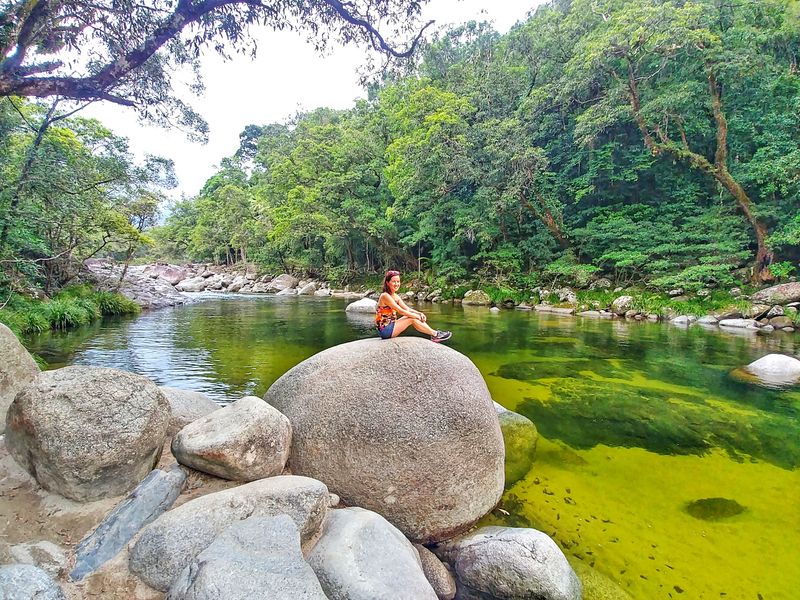
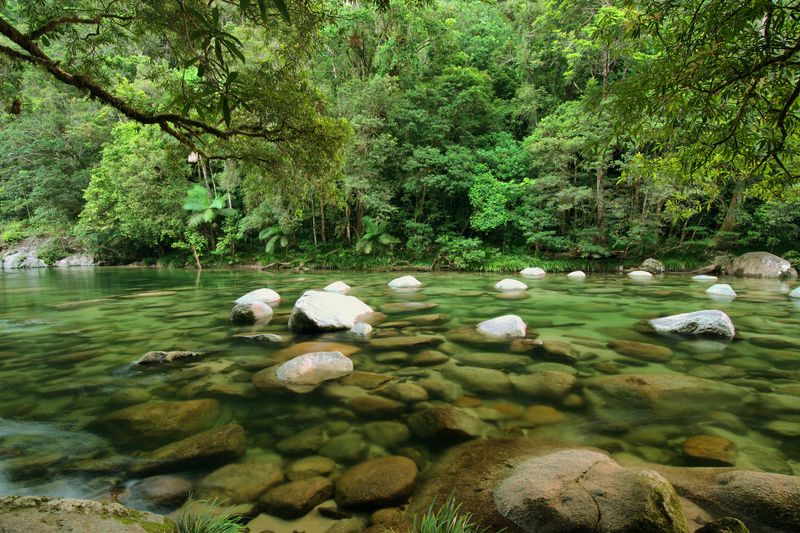
If you’re short on time or uncertain about rainforest hiking, Mossman Gorge removes all excuses. Clear water tumbles over massive granite boulders, surrounded by rainforest that feels both accessible and genuinely wild.
The walking tracks are well-maintained without feeling overly manicured. Boardwalks and paths let you explore without needing serious hiking gear or fitness levels.
Families with younger kids manage fine; older visitors appreciate the manageable distances.
What makes Mossman Gorge special isn’t difficulty but concentration of beauty. In a relatively small area, you get dramatic water features, towering trees, fan palms, strangler figs, and the kind of scenery that makes people understand why Wet Tropics earned World Heritage status.
Swimming is popular in designated areas, though water temperatures run cooler than ocean beaches and currents can surprise people unfamiliar with river swimming. Signs indicate safe zones; respecting them matters because rocks create hazards below the surface.
Access requires a shuttle bus from the visitor center, which controls crowd flow and reduces environmental impact. The system works smoothly, and the short ride includes cultural information about the Eastern Kuku Yalanji people whose traditional Country this is.
Mossman Gorge delivers maximum rainforest impact with minimum barriers to entry, making it the perfect introduction for anyone questioning whether they’re “outdoorsy enough” for Daintree.
9. Cape Tribulation is where the drama happens
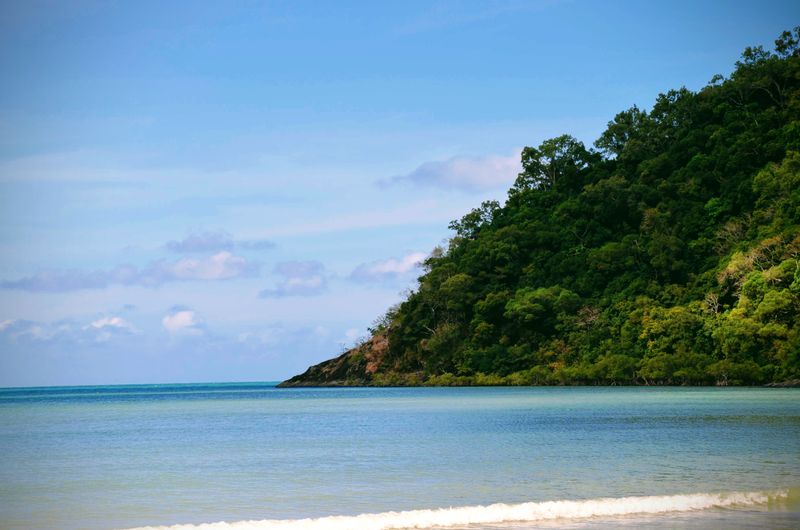
Captain Cook named this cape after his ship hit reef nearby, but modern visitors know it as the spot where Daintree’s visual drama peaks. Rainforest-covered mountains cascade down to beaches in a way that makes you stop talking because the view demands full attention.
The coastline here captures everything special about the “rainforest meets reef” concept. Stand on the beach, and forest rises behind you in layers of green reaching toward mountain ridges.
Turn toward the ocean, and turquoise water stretches toward the Great Barrier Reef system.
Multiple beaches dot the Cape Tribulation area, each with slightly different character. Some offer better swimming conditions; others provide superior photography angles.
All share that distinctive Daintree combination of wild beauty and genuine remoteness.
The drive to Cape Tribulation from the ferry crossing takes roughly 45 minutes through increasingly dense rainforest. Roads are paved but narrow, winding through territory where cassowaries sometimes cross and where pulling over for photos becomes irresistible.
Accommodation options exist in the Cape Tribulation area for people wanting to experience the location at sunrise or sunset when light transforms the landscape. Even day visitors should budget serious time here because rushing through feels like missing the point of why you came to Daintree.
10. Walk a boardwalk because the forest is dense, and details matter
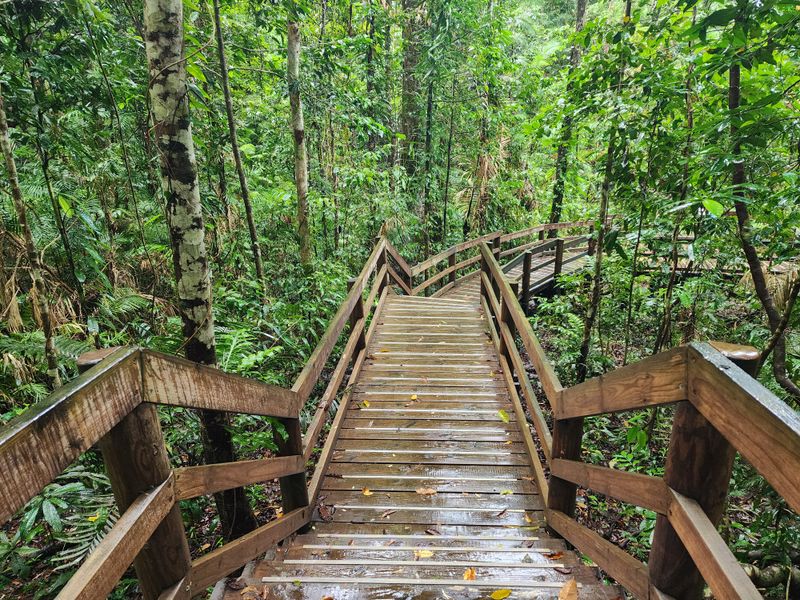
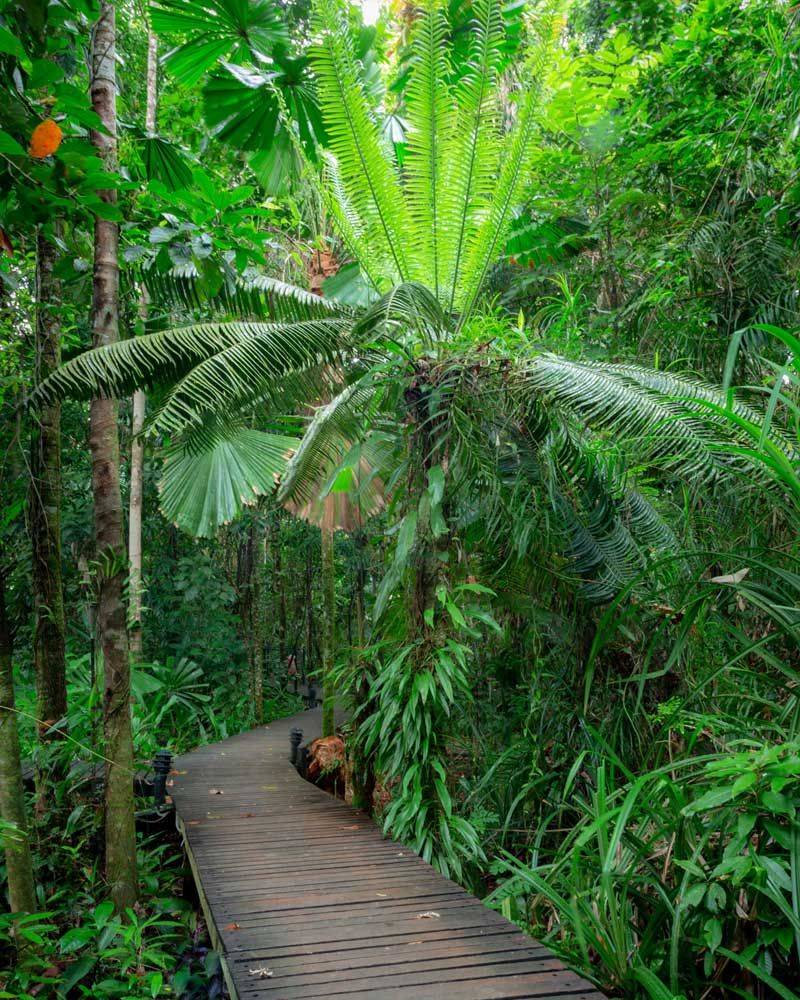
Daintree’s rainforest grows so thick that walking off-trail means missing most of what makes it special. Boardwalk trails solve this by lifting you slightly above the forest floor while keeping you close enough to notice the small wonders happening at ground level.
Buttress roots spread like architectural supports from massive trees. Vines twist around trunks in patterns that took decades to form.
Ferns unfurl in shaded spots where light filters through multiple canopy layers. These details disappear when you’re focused on navigating rough ground.
Several excellent boardwalk options exist throughout the Daintree region, ranging from short 15-minute loops to longer circuits that take an hour or more. All share the advantage of keeping your feet dry while bringing you close to the forest’s intricate ecology.
Humid weather makes boardwalks especially valuable. Instead of slogging through muddy trails, you’re walking on stable surfaces that let you focus on what’s around you rather than where your next step lands.
Information signs along many boardwalks explain plant adaptations, ecosystem relationships, and evolutionary history. Reading them transforms a simple walk into an education about how rainforests function and why preserving them matters beyond just saving pretty scenery.
Maximum impact with minimum effort describes the boardwalk experience perfectly, ideal for anyone wanting deep forest immersion without the physical demands of bushwhacking.
11. Wildlife spotting is a game of patience (and timing)
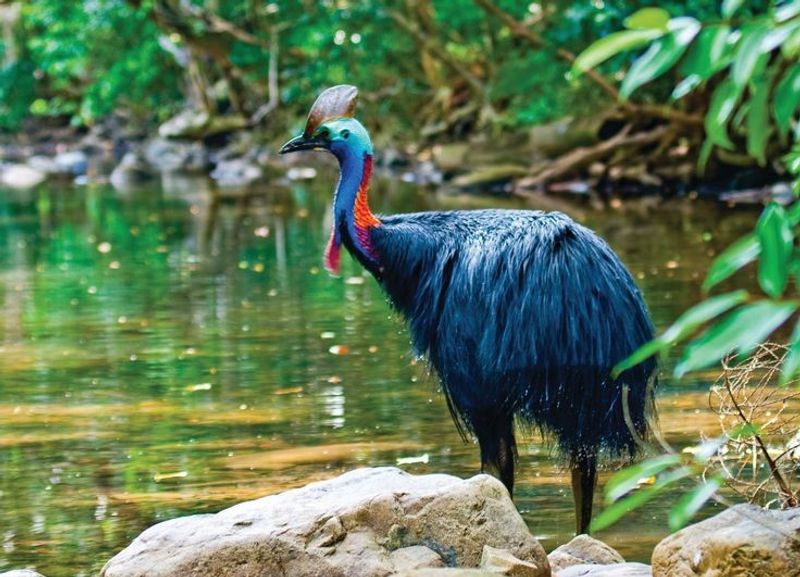
Daintree is famous for species you might see, not species you definitely will see. That distinction matters enormously for setting realistic expectations and avoiding disappointment when animals don’t perform on schedule.
Early morning and late afternoon offer the best odds for wildlife activity. Many rainforest creatures avoid midday heat, so timing your walks around dawn or dusk increases chances of meaningful encounters.
Patient observers consistently see more than people rushing through.
Quiet movement matters more than most visitors realize. Rainforest animals evolved to detect threats, and loud conversations or heavy footfalls send them into hiding long before you get close.
Moving slowly and talking softly aren’t just polite suggestions; they’re practical strategies for better wildlife experiences.
Guides earn their value by knowing where to look and what subtle signs indicate animal presence. That rustling in the canopy might be a tree-kangaroo, or it might be wind moving branches.
Experience teaches the difference.
Some visitors obsess over seeing specific species, especially cassowaries, then feel cheated when encounters don’t happen. Rainforest wildlife doesn’t follow tour schedules.
Appreciating whatever shows up, whether it’s a brilliant butterfly or a python in the understory, creates richer experiences than checklist mentality.
Patience, timing, and realistic expectations transform wildlife spotting from potential frustration into genuine connection with Daintree’s living ecosystems.
12. Learn the cast of characters: cassowaries, tree-kangaroos, bats, butterflies…
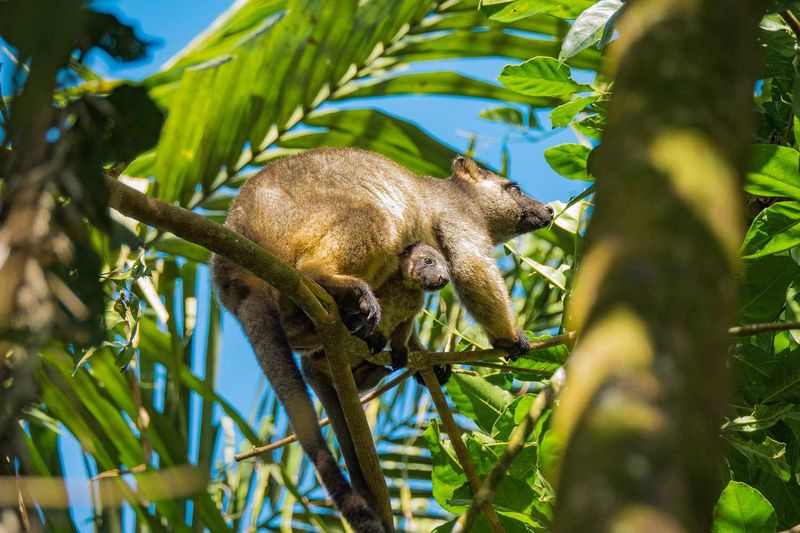
The southern cassowary stars in most Daintree wildlife conversations, and for good reason. These massive, prehistoric-looking birds play crucial roles in seed dispersal, and their endangered status makes every sighting significant.
Seeing one feels like glimpsing a dinosaur that somehow survived into modern times.
Tree-kangaroos represent another Daintree specialty, though spotting them requires serious luck or knowledgeable guides. These marsupials adapted to arboreal life in ways that seem almost improbable, climbing with strength that belies their cuddly appearance.
Bat populations in Daintree include numerous species, from tiny insect-eaters to larger fruit bats that pollinate rainforest plants. Their ecological importance far exceeds their popularity, though watching them emerge at dusk creates memorable moments.
Butterfly diversity explodes in Daintree, with species ranging from tiny blue flashes to hand-sized Ulysses butterflies whose electric blue wings seem to glow against green foliage. They’re easier to spot than mammals and equally beautiful.
Bird enthusiasts could spend weeks cataloging species here. The Wet Tropics supports rare and threatened birds found nowhere else, making Daintree a pilgrimage site for serious birders.
Understanding this cast of characters before arriving helps you appreciate what you’re seeing and recognize when something special crosses your path. Each species fits into complex ecological relationships that keep the entire rainforest functioning.
13. The plant life is just as wild as the animals
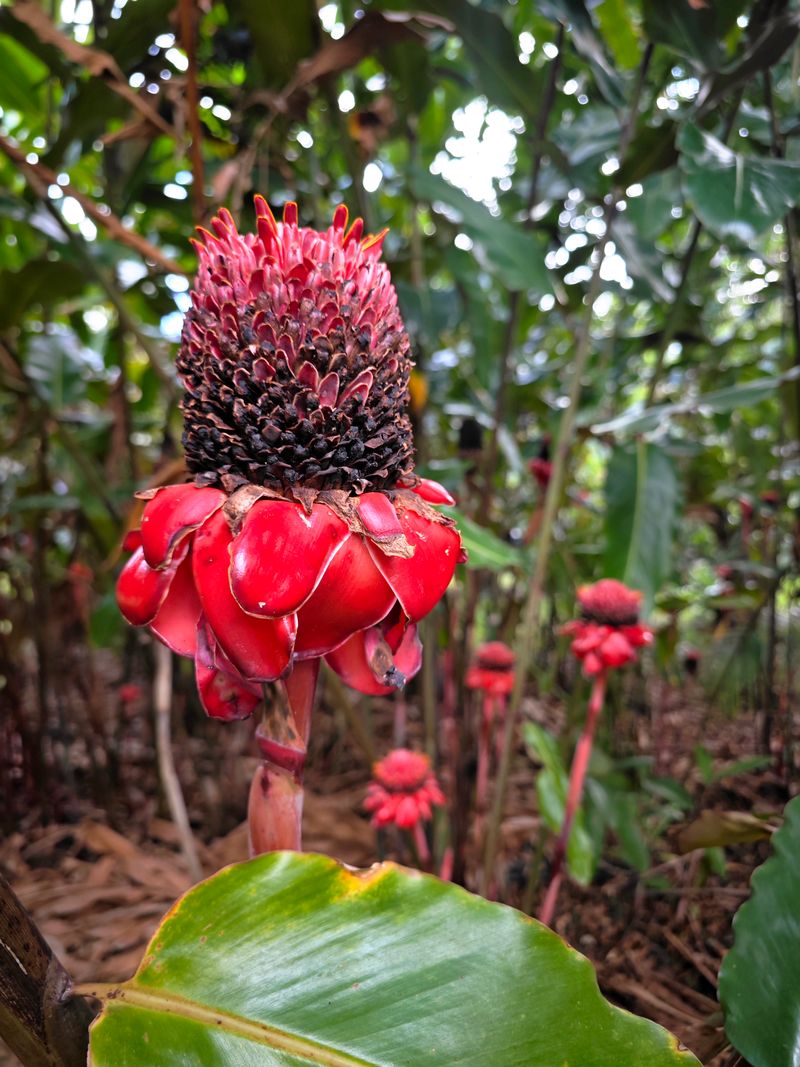
Animals get most of the attention, but Daintree’s plant life tells equally wild stories. This rainforest preserves primitive flowering plant families that disappeared elsewhere, making it a living laboratory for understanding how plants evolved and diversified.
Giant ferns tower overhead like something from a fantasy novel. Strangler figs begin life as seeds dropped by birds, then slowly engulf their host trees in a process that takes decades.
The final result looks like wooden lace wrapped around empty space where the original tree rotted away.
The so-called “idiot fruit” gets mentioned frequently as an example of Daintree’s botanical oddities. This primitive species produces toxic fruit and represents plant lineages that trace back over 100 million years, offering clues about what forests looked like when flowering plants were just beginning to dominate.
Fan palms create distinctive patterns in the understory. Wait-a-while vines grab at clothing with backward-facing hooks that earned them their descriptive name.
Epiphytes crowd tree branches, creating gardens in the air that support entire mini-ecosystems.
Scientists travel specifically to study Daintree’s plants because the evolutionary record here is so complete. Walking through the forest means seeing plants whose ancestors witnessed continental drift, climate shifts, and the rise and fall of countless animal species.
Plant life deserves equal attention to wildlife because it forms the foundation everything else depends on.
14. Indigenous culture is not an ‘extra’ – it’s central to the place
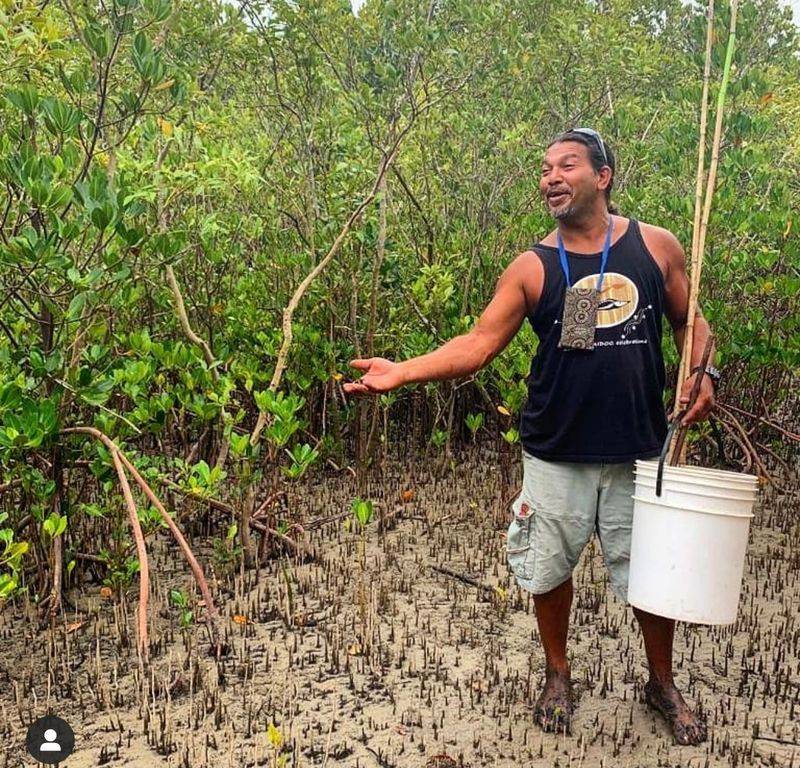
The Eastern Kuku Yalanji people hold deep, continuous connections to Daintree that stretch back thousands of years. Their Country includes the rainforest, rivers, and coastal areas that tourists visit, and their cultural knowledge systems shaped this landscape long before national parks existed.
Cultural experiences focused on Kuku Yalanji stories, plant uses, and connections to land and sea are available throughout the region. These aren’t tourist add-ons; they’re opportunities to understand Daintree through perspectives that predate European contact by millennia.
In recent years, significant portions of Daintree National Park were formally handed back to Eastern Kuku Yalanji people under arrangements involving joint management. This recognition acknowledges that Indigenous peoples never ceded their rights and responsibilities to Country.
Learning about traditional fire management, seasonal calendars, and ecological knowledge adds depth that purely scientific or scenic approaches miss. The landscape makes more sense when you understand how people lived with it, not just in it.
Respectful engagement with Indigenous culture means listening more than assuming, asking questions when appropriate, and recognizing that what seems wild or pristine to visitors is actually cultural landscape shaped by thousands of years of careful management.
Indigenous perspectives aren’t separate from Daintree’s story; they’re foundational to understanding why this place matters and how it survived as long as it has.
15. Respect the safety rules (they’re not optional)
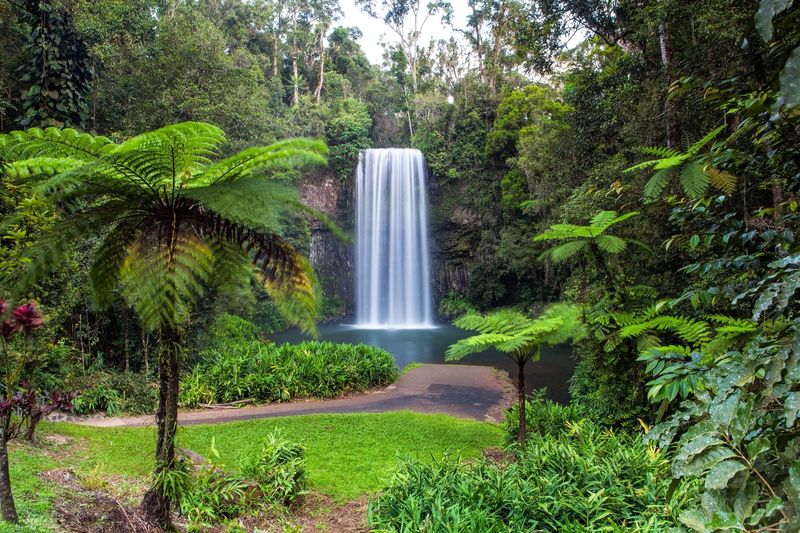
Daintree’s beauty can make people forget it’s genuinely wild, but the safety rules exist because real dangers lurk in these waters and forests. Ignoring them isn’t adventurous; it’s foolish.
Swimming restrictions matter enormously. Saltwater crocodiles inhabit rivers, estuaries, and sometimes coastal waters throughout the region.
They’re apex predators that can strike with shocking speed from water that looks perfectly calm. Signs marking safe swimming areas deserve absolute respect.
Beach and estuary warnings aren’t paranoia. Crocodiles aside, marine stingers appear seasonally in coastal waters, and their stings range from painful to potentially fatal.
Local knowledge about when and where swimming is safe should override any impulse to test the water yourself.
Wet season, roughly December through March, brings heavy rainfall, high humidity, and potential disruptions to roads and trails. Flash flooding can turn creeks into torrents within hours.
Trail conditions deteriorate quickly, and what seemed manageable in dry season becomes hazardous when rain-soaked.
Following marked trails protects both you and the ecosystem. Wandering off-path risks getting lost in dense forest where visibility drops to meters, plus trampling sensitive plants and disturbing wildlife.
Daintree rewards respect and punishes carelessness. The rules aren’t designed to limit your fun; they’re meant to keep you alive and ensure this extraordinary place remains intact for future visitors.



