Some places on Earth get so hot that it is hard to believe humans or animals can survive there at all. From desert valleys in California to remote corners of the Sahara, certain spots around the world have hit temperatures that push the limits of what weather stations can even measure.
These records are not just numbers on a chart. They tell the story of how geography, elevation, and climate can combine to create conditions that are almost unimaginable.
Whether you are a weather fan, a curious traveler, or someone who just wants to feel grateful for air conditioning, this list covers the most extreme heat readings ever officially recorded across the globe, ranked from hottest to slightly less scorching. The number one spot belongs to a place right here in the United States, and the record it set over a century ago has never been beaten.
Furnace Creek, Death Valley, California, USA, 56.7°C (134°F)

No place on Earth has ever officially recorded hotter air than Furnace Creek in Death Valley, California. On July 10, 1913, a thermometer at the Greenland Ranch weather station hit 56.7 degrees Celsius, or 134 degrees Fahrenheit.
The World Meteorological Organization still recognizes this as the highest air temperature ever measured under official standards.
The geography here does most of the work. Death Valley sits in a below-sea-level basin surrounded by mountain ranges on multiple sides.
Those mountains block cool air from moving in, while the valley floor absorbs solar radiation and reflects heat upward. The dry desert air holds almost no moisture to moderate the temperature.
Furnace Creek itself is actually a small community inside Death Valley National Park, with a visitor center, a resort, and a campground. Tourists visit year-round, though summer visits require serious preparation.
The record from 1913 has stood for over 110 years without being matched anywhere on the planet.
Kebili, Tunisia, 55.0°C (131°F)

Tucked into the Tunisian Sahara, Kebili holds a heat record that dates back nearly a century. In July 1931, the temperature reportedly reached 55.0 degrees Celsius, a reading that appears in World Meteorological Organization-linked summaries as the highest air temperature ever recorded in the Eastern Hemisphere.
Kebili is an oasis town, which makes the contrast between its palm-lined streets and its brutal heat record all the more striking. The region sits in a low-lying basin that funnels hot Saharan air and allows temperatures to build without geographic relief.
Older records like this one sometimes draw scrutiny from weather historians because measurement equipment and standards varied widely in the early twentieth century.
Despite those questions, Kebili remains a fixture on global heat-record lists. The town itself is a real place with a long history as a trading and agricultural hub.
It is also one of the oldest continuously inhabited settlements in North Africa, adding historical depth to its extreme climate reputation.
Mitribah, Kuwait, 54.0°C (129.2°F)

When the World Meteorological Organization formally verified a 54.0 degree Celsius reading from Mitribah in northwest Kuwait on July 21, 2016, it placed this remote desert station among the most extreme heat locations ever officially confirmed. Unlike some older records that carry measurement uncertainties, the Mitribah reading went through a rigorous WMO evaluation process before being accepted.
Kuwait’s interior desert climate is genuinely brutal during summer months. The country receives very little rainfall, has minimal vegetation to moderate ground-level heat, and sits in a region where dry, superheated air masses from the Arabian interior regularly push temperatures to dangerous levels.
Mitribah is not a city or tourist destination. It is essentially a weather monitoring point in an otherwise empty stretch of desert.
What makes this record scientifically significant is its credibility. Because the WMO formally reviewed and accepted it, the Mitribah reading carries more weight in the scientific community than many older temperature claims from the same region.
Kuwait’s summers are extreme by any standard.
Turbat, Pakistan, 54.0°C (129.2°F)

Turbat made global weather headlines in May 2017 when temperatures reached 54.0 degrees Celsius on the 28th of that month. The World Meteorological Organization reviewed and verified the reading, placing Turbat alongside Kuwait’s Mitribah as one of the highest officially confirmed temperatures ever recorded outside Death Valley.
Located in Pakistan’s Balochistan province, Turbat is not a tiny outpost. It is a real city with a population in the hundreds of thousands, which makes its heat record even more sobering.
Balochistan’s climate is defined by extremely low rainfall, rocky desert terrain, and intense solar exposure during spring and early summer months.
Some sources list the Turbat record as 53.7 degrees Celsius rather than 54.0, which reflects a rounding difference in how the measurement was reported. The WMO’s verified figure identifies it at 54.0 degrees.
Either way, the reading places Turbat firmly in the company of the most extreme heat locations ever documented on Earth, and it remains Pakistan’s all-time temperature record.
Tirat Zvi, Israel, 54.0°C (129.2°F)
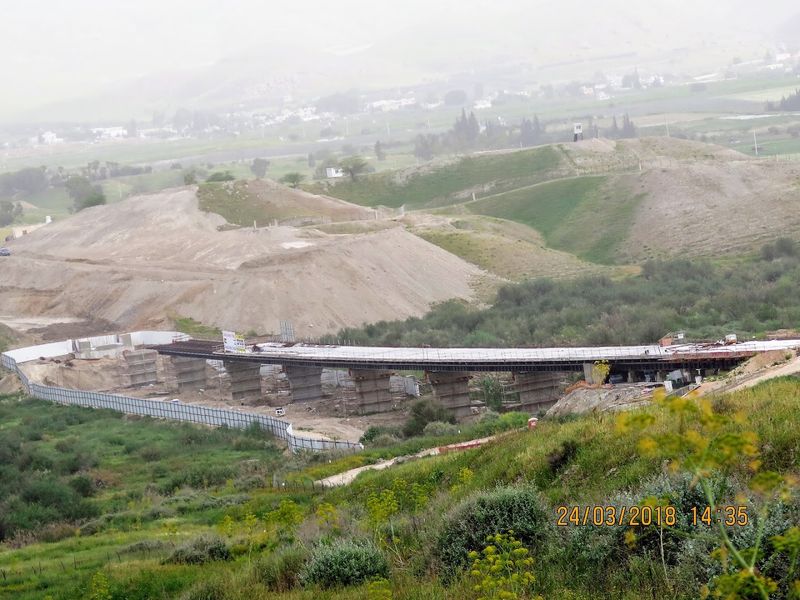
Tirat Zvi is a kibbutz in northern Israel’s Jordan Valley, and it carries one of the most debated heat records in global climate history. A temperature of 54.0 degrees Celsius was reportedly recorded there in 1942, placing it on lists of the world’s highest air temperatures for decades.
The Jordan Valley’s geography helps explain why such extreme heat is possible. The region sits well below sea level, which traps heat similarly to how Death Valley operates in California.
Hot, dry air from the surrounding desert has nowhere to escape, and the valley’s low elevation concentrates solar energy at the surface.
Weather historians sometimes approach this record with caution because measurement consistency in the early 1940s was not always reliable by modern standards. Still, Tirat Zvi appears regularly in official and semi-official global heat record compilations.
The kibbutz itself remains an active agricultural community today, and its residents continue farming in conditions that most people would find nearly impossible to endure during summer.
Basra, Iraq, 53.9°C (129°F)

Basra has a reputation for punishing summers even by Middle Eastern standards, and its 53.9 degree Celsius record puts it in genuinely rare company. The city sits in southern Iraq near the Shatt al-Arab waterway, where the Tigris and Euphrates rivers meet before emptying into the Persian Gulf.
What makes Basra’s heat particularly brutal is not just the temperature number. The presence of water from the surrounding waterways means humidity can climb alongside the heat, creating conditions that feel far more oppressive than a dry desert reading of the same temperature.
That combination is physically harder on the human body than dry heat alone.
Basra is Iraq’s second-largest city and a major economic hub, meaning millions of people live and work through these extreme summer conditions every year. The city has experienced widespread power outages during heat waves, which makes already dangerous temperatures even harder to manage.
Basra’s summer climate is one of the most physically demanding urban environments anywhere in the world.
Ahvaz, Iran, 53.7°C (128.7°F)
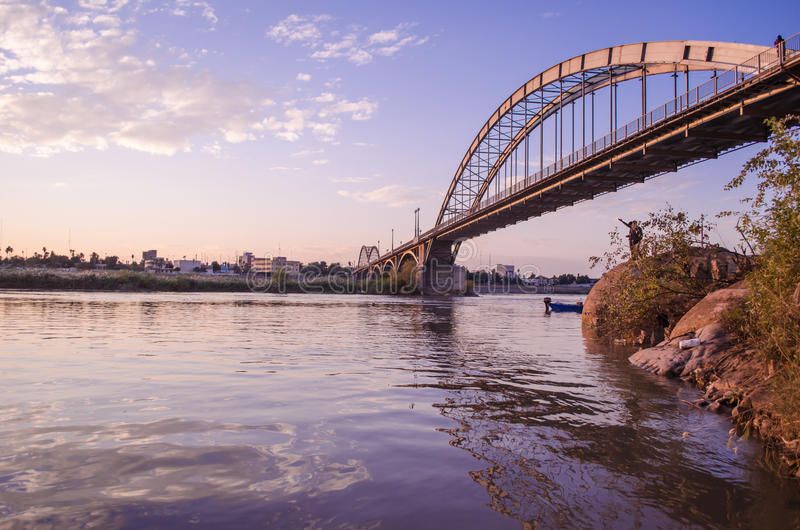
Ahvaz sits in Iran’s Khuzestan province, a lowland region in the country’s southwest that borders Iraq and has some of the most extreme summer temperatures in all of Asia. The city’s 53.7 degree Celsius reading reflects conditions that regularly make Ahvaz one of the hottest cities on Earth during peak summer months.
The factors driving Ahvaz’s extreme heat are straightforward. The city is at low elevation, surrounded by flat desert terrain with minimal tree cover or vegetation.
Hot air masses from the Arabian Peninsula push northeast into Khuzestan with little geographic resistance. Urban heat from the city’s dense development adds another layer of intensity to already dangerous conditions.
Ahvaz has a large population and is a center of Iran’s oil industry, so it cannot simply be avoided. Residents manage summer heat through midday rest periods, nighttime activity, and heavy reliance on air conditioning.
The city has appeared on multiple lists of the world’s most heat-stressed urban environments, and its temperature record reflects a climate that is genuinely among the most extreme anywhere outside the Arabian Desert.
Sanbao, Turpan Depression, China, 52.2°C (126°F)
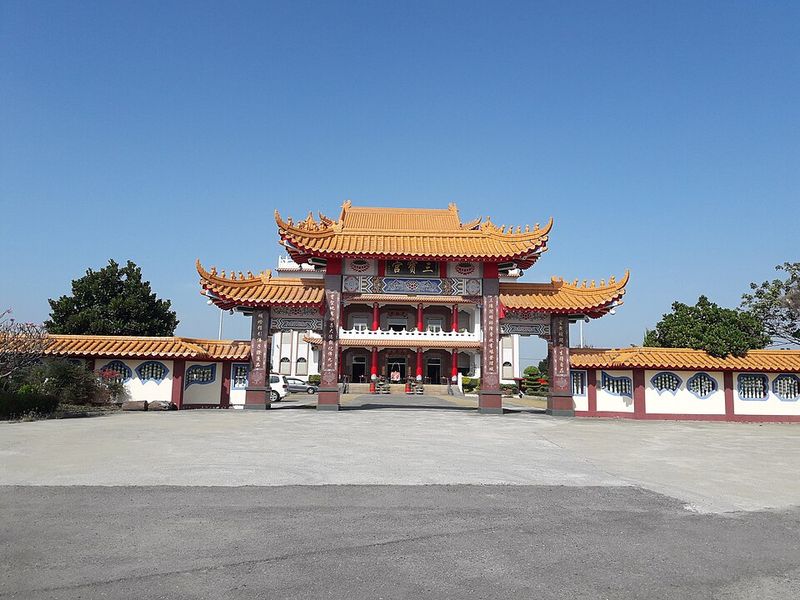
China’s modern heat record was not set in the south or along the coast. It was set in Sanbao, a location near the city of Turpan in the Xinjiang region, when temperatures climbed to 52.2 degrees Celsius in July 2023.
The reading updated China’s official all-time high and drew international attention to one of the country’s most geographically unusual regions.
The Turpan Depression is one of the lowest points in China, sitting well below sea level in an arid inland basin. This geography mirrors what happens in Death Valley.
Heat builds in the basin and has nowhere to dissipate because surrounding mountain ranges block airflow. The region is also extremely dry, which means there is no moisture to absorb or moderate the solar energy hitting the surface.
Turpan has long been known as one of China’s hottest places, earning it the nickname “the Land of Fire” in local culture. The 2023 record confirmed that reputation with hard data.
The area is also historically significant as a stop along ancient Silk Road trade routes.
Sweihan, United Arab Emirates, 52.1°C (125.8°F)

The UAE is famous for its futuristic cities and Gulf coastline, but the country’s hottest temperatures do not come from the coastal urban centers. They come from inland desert areas like Sweihan and the region around Al Ain, where distance from the Gulf removes any moderating maritime influence.
The UAE’s official all-time high of 52.1 degrees Celsius was recorded in July 2002. Inland desert zones in the country can absorb extreme solar radiation across flat, sandy terrain with no tree cover or water bodies nearby to temper the heat.
The result is a landscape where summer temperatures routinely exceed 45 degrees Celsius even on ordinary days.
Sweihan is located in Abu Dhabi emirate and sits in a region that has seen significant development over the decades, including agricultural projects and road infrastructure. Despite modernization nearby, the desert climate remains unchanged.
The UAE’s heat record is a reminder that even one of the world’s wealthiest countries cannot engineer its way out of what the desert does naturally every summer.
Jeddah, Saudi Arabia, 52.0°C (125.6°F)
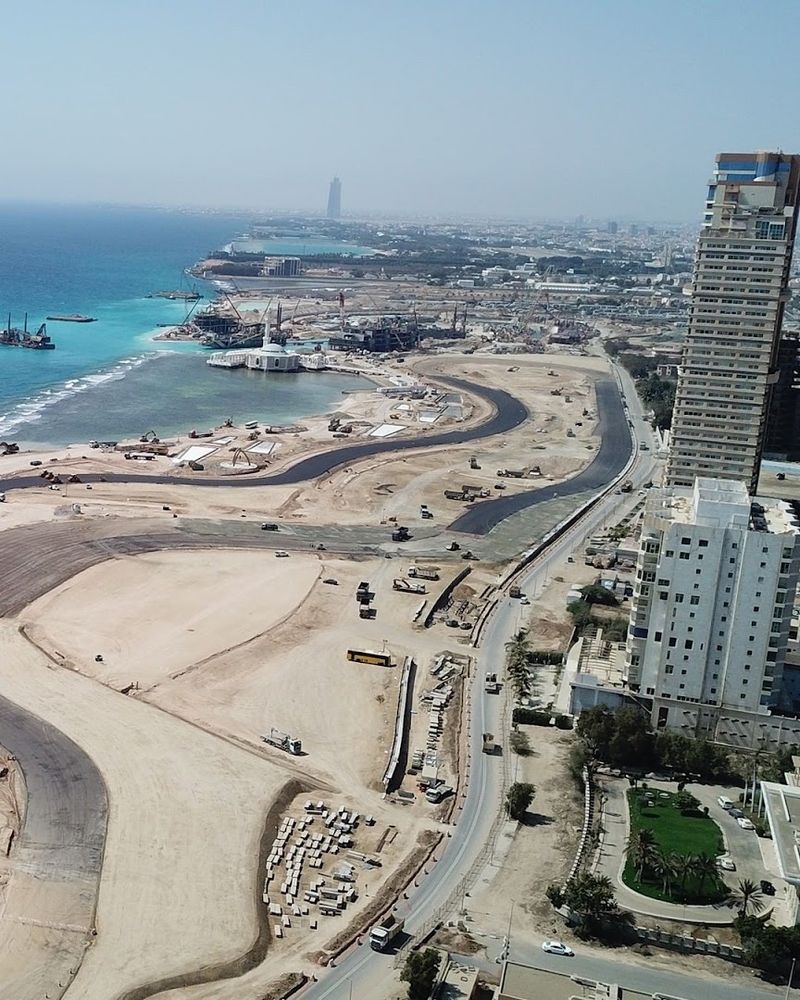
Jeddah is one of the most recognizable cities in the Middle East, serving as Saudi Arabia’s main gateway to the Red Sea and a major hub for pilgrims traveling to Mecca. A 52.0 degree Celsius reading from this coastal city adds a layer to its story that goes beyond tourism and commerce.
What makes Jeddah’s heat record particularly notable is the role of humidity. Unlike pure desert locations where dry air produces extreme temperatures, Jeddah’s position along the Red Sea means heat can combine with coastal moisture.
That combination can make conditions feel significantly more intense than a dry desert reading of the same temperature, because the body has a harder time cooling itself in humid air.
Jeddah is a large, modern city with millions of residents, and summer life there requires real adaptation. The city has invested heavily in infrastructure to keep daily life functional through extreme heat.
Its temperature record is a data point, but the lived experience of a Jeddah summer is something weather numbers alone cannot fully capture.
Mexicali, Mexico, 52.0°C (125.6°F)

Mexicali sits right at the US-Mexico border in Baja California, directly across from Calexico, California. Its 52.0 degree Celsius record makes it one of the hottest cities in North America by official measurement, and anyone who has visited during July or August will tell you the numbers feel completely believable.
The city’s climate is shaped by the same geographic forces that make Death Valley so extreme. Mexicali sits in a low desert basin near the lower Colorado River region, where dry air, flat terrain, and intense solar radiation combine during summer months.
Unlike Death Valley, though, Mexicali is a fully functioning major city with over a million residents who navigate these conditions every year.
Mexicali has developed a culture around managing summer heat, including adjusted daily schedules, widespread air conditioning, and a food scene that thrives in the cooler evening hours. The city is also known for its surprisingly diverse Chinese-Mexican culinary tradition, a legacy of early Chinese immigrant workers who helped build regional infrastructure in the early twentieth century.
Ouargla, Algeria, 51.3°C (124.3°F)

Deep in the Algerian Sahara, the city of Ouargla recorded 51.3 degrees Celsius in July 2018. At the time, Weather Underground described it as Africa’s hottest reliably measured temperature, a claim that generated significant attention among climate scientists and weather record enthusiasts worldwide.
Ouargla is a real, functioning city with a population of several hundred thousand people. It sits in a low basin in the central Algerian desert, surrounded by sand dunes and dry terrain with almost no natural shade.
The 2018 reading came during a heat wave that affected much of North Africa and southern Europe, and Ouargla’s geography made it particularly vulnerable to the most extreme temperatures of that event.
The African heat record in WMO-linked official lists still belongs to Tunisia’s Kebili reading from 1931, but that older record carries the measurement uncertainties common to early twentieth century data. The Ouargla reading from 2018 is considered more reliable because it was captured with modern equipment under consistent standards, giving it particular scientific credibility despite being lower in absolute number.
Deir Alla, Jordan, 51.1°C (124°F)
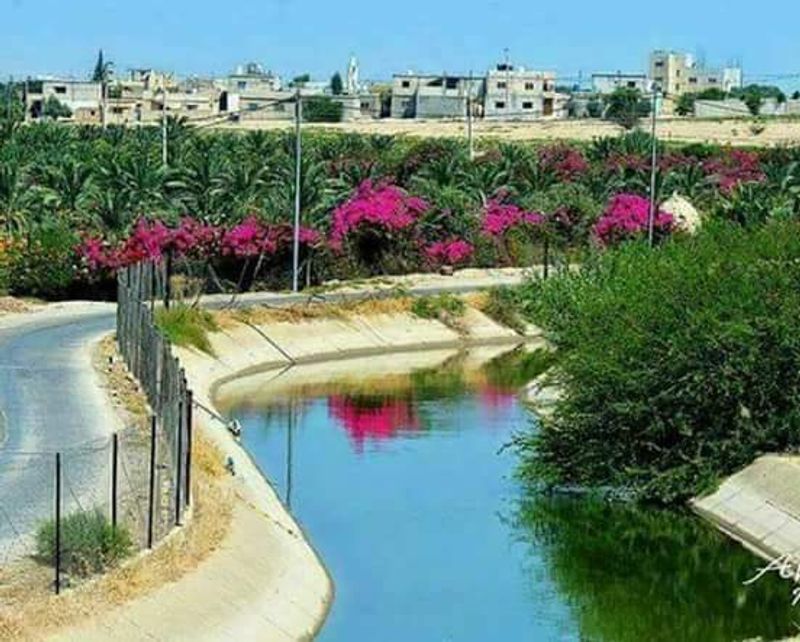
Jordan is not the first country that comes to mind when people list the world’s extreme heat locations, but the Jordan Valley has a geography that creates genuinely severe summer conditions. Deir Alla, a town in this valley, recorded 51.1 degrees Celsius in August 2010, a reading that stands as one of the highest temperatures ever officially documented in the Levant region.
The Jordan Valley sits below sea level, which creates the same heat-trapping dynamic found in Death Valley and the Turpan Depression. Hot, dry air from the surrounding desert descends into the valley and intensifies.
The valley’s agricultural use means there is some vegetation, but not nearly enough to moderate temperatures during the peak of summer.
Deir Alla has historical significance beyond its heat record. Archaeological excavations in the area have uncovered artifacts dating back thousands of years, and the site is associated with ancient biblical-era settlements.
The contrast between its deep historical roots and its extreme modern climate record makes it one of the more layered locations on this list.
Phalodi, Rajasthan, India, 51.0°C (123.8°F)
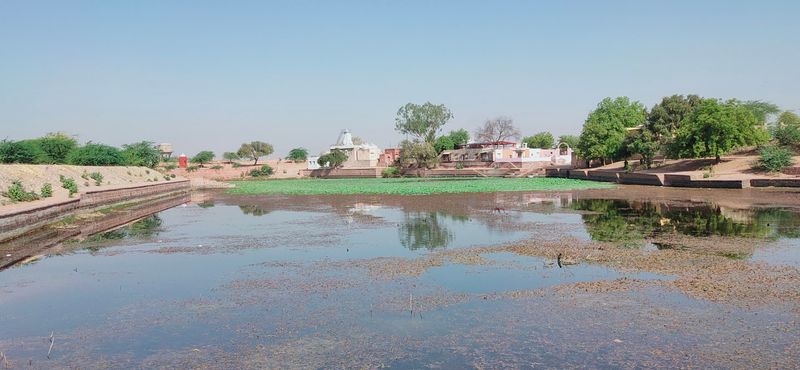
India’s official all-time temperature record belongs to Phalodi, a town in the heart of Rajasthan’s desert region. On May 19, 2016, the thermometer reached 51.0 degrees Celsius, surpassing previous national records and drawing significant media attention across South Asia and beyond.
Rajasthan is already India’s hottest state, dominated by the Thar Desert and characterized by low rainfall, dry winds, and intense solar exposure. Phalodi sits in the western part of the state, where pre-monsoon heat waves can push temperatures to dangerous levels before seasonal rains arrive to bring relief.
The timing of the 2016 record, in May rather than the peak of summer, underscores how early the region’s most extreme heat can arrive.
Phalodi is a real town with a working population, and residents there have developed traditional methods of managing extreme heat over generations. The 51.0 degree reading was not just a record for India.
It was one of the highest temperatures ever measured in all of Asia, placing a relatively small Rajasthani town on the global map of extreme climate.
Aswan, Egypt, 50.9°C (123.6°F)
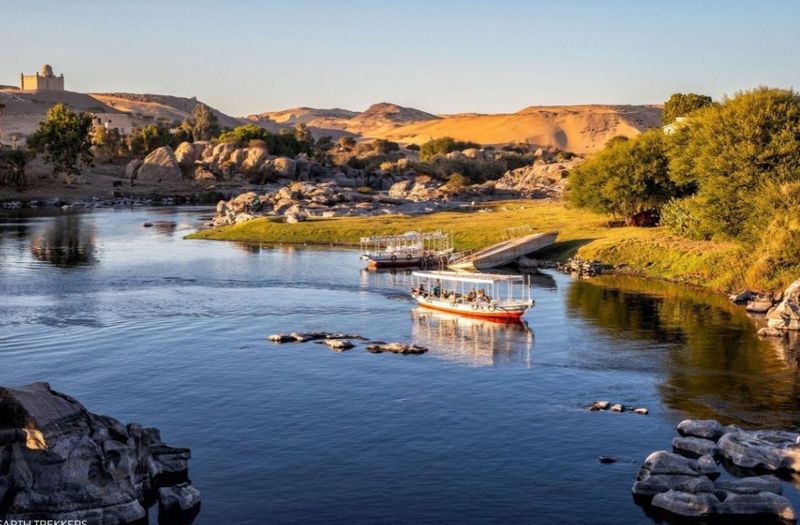
Aswan recorded 50.9 degrees Celsius in June 2024, a reading widely reported as Egypt’s highest reliable modern temperature and one of the hottest June measurements ever documented anywhere in Africa. For a city already known as one of the driest and sunniest places on the planet, this record added a new chapter to a long climate story.
Aswan sits at the southern edge of Egypt along the Nile, where the desert closes in tightly on both sides of the river. The surrounding terrain is rocky, dry, and almost completely bare of vegetation beyond the narrow green strip along the riverbanks.
Solar radiation hits the rock and sand with almost nothing to absorb or deflect it, and the heat builds throughout the day with few geographic features to interrupt it.
Despite the extreme climate, Aswan is a genuine tourist destination with ancient temples, Nile cruises, and the famous Aswan High Dam. The contrast between the city’s cultural richness and the severity of its heat makes it one of the more fascinating places on this list.
The 2024 record was a modern milestone for a city with a history stretching back thousands of years.
Oodnadatta and Onslow, Australia, 50.7°C (123.3°F)
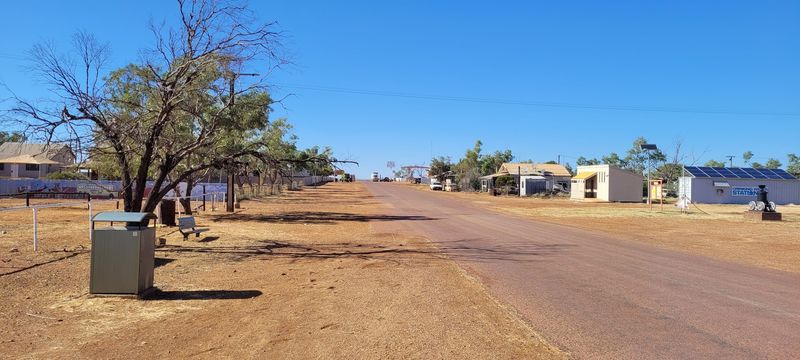
Australia’s national heat record of 50.7 degrees Celsius has been reached twice, in two very different corners of the country. Oodnadatta in South Australia first hit this mark in 1960, and Onslow in Western Australia equaled it in January 2022.
Both readings represent the absolute upper limit of Australian weather history.
Oodnadatta sits in the remote outback, a region defined by flat red earth, sparse vegetation, and an almost complete absence of shade. It is one of the most isolated towns in Australia, with a small permanent population and a landscape that looks almost Martian during summer.
The 1960 record stood unchallenged as Australia’s hottest day for over six decades.
Onslow is a coastal town in Western Australia’s Pilbara region, which might seem like an unlikely heat record location. But the Pilbara coast can trap intense heat when hot inland air masses push toward the coast without being fully moderated by sea breezes.
The 2022 match of the Oodnadatta record confirmed that Australia’s heat extremes are not confined to a single region or climate type.
Silopi, Türkiye, 50.5°C (122.9°F)
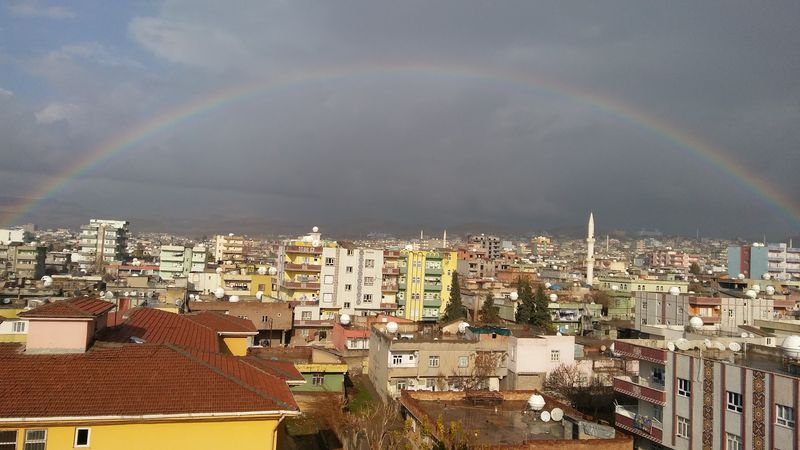
Silopi made international weather news in July 2025 when Turkish authorities announced the city had recorded 50.5 degrees Celsius, the highest air temperature ever officially measured in the country’s history. The reading surpassed Türkiye’s previous national record and placed Silopi on the global map of extreme heat locations.
The city sits in southeastern Türkiye, very close to the borders with both Iraq and Syria. This corner of the country shares geographic and climatic characteristics with the broader Middle Eastern interior, where flat terrain, low elevation, and proximity to the Arabian heat belt create conditions for extreme summer temperatures.
The region has historically been one of the hottest parts of Türkiye, but the 2025 reading pushed well beyond what had been recorded before.
Silopi’s record is particularly significant because it is recent and documented with modern measurement standards, giving it strong scientific credibility. The reading reflects a broader pattern of intensifying summer heat across the Middle East and southeastern Europe that climate researchers have been tracking for years.
Silopi is now part of a very short list of places that have crossed the 50.0 degree threshold.
Doha, Qatar, 50.4°C (122.7°F)
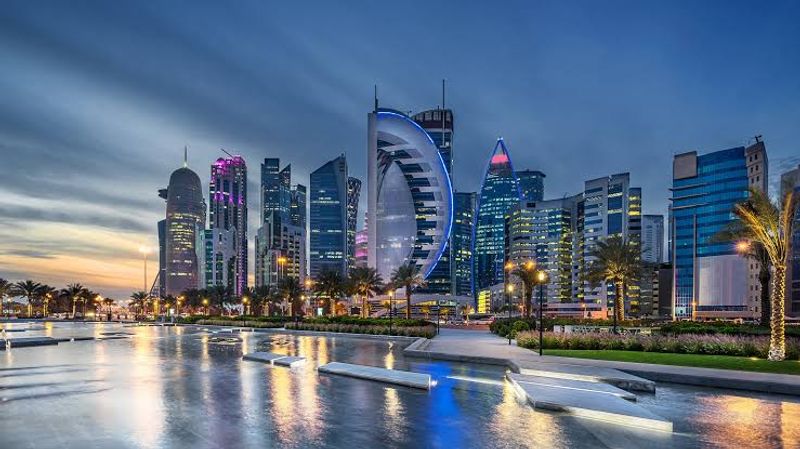
Qatar is one of the smallest countries in the world by land area, but it holds a climate record that is anything but small. The country’s all-time temperature high of 50.4 degrees Celsius was recorded at Doha International Airport in July 2010, a reading that reflects the intense summer conditions across the Arabian Gulf region.
Doha’s geography offers no natural relief from summer heat. The country is almost entirely flat, the terrain is mostly sand and gravel desert, and the Gulf coastline adds humidity to temperatures that are already extreme by any global standard.
The combination of heat and moisture creates conditions that can be genuinely dangerous for outdoor workers and visitors who are not accustomed to the climate.
Qatar has invested enormously in climate-controlled infrastructure, including air-conditioned outdoor spaces and indoor cooling systems for public areas. The country’s intense focus on heat management became a global conversation topic during preparations for the 2022 FIFA World Cup, which was moved to November and December specifically to avoid the worst of Qatar’s summer.
The 50.4 degree record explains exactly why that decision was made.
Agadir, Morocco, 50.4°C (122.7°F)

Agadir is best known outside Morocco as a beach resort city along the Atlantic coast, a place people associate with ocean breezes and mild Mediterranean-influenced weather. That reputation made the August 2023 heat record of 50.4 degrees Celsius all the more surprising to people who follow Moroccan climate news.
The record came during an intense regional heat wave that swept across North Africa and the western Mediterranean in the summer of 2023. While coastal areas typically benefit from sea breezes that moderate temperatures, extreme heat events can overwhelm those natural cooling mechanisms when the surrounding region heats up severely enough.
Agadir’s reading reflected just how far inland and coastal heat can reach under the right atmospheric conditions.
Morocco’s previous national records had come from interior desert regions, so a coastal city setting a national high was notable. The 50.4 degree reading tied Qatar’s Doha record numerically, placing two very different cities on the same rung of the global heat ladder.
Agadir’s record is a reminder that climate extremes do not always follow the geographic patterns we expect, and that even familiar vacation destinations can become part of the global heat conversation.
Share this story