 Unearth The Voyage
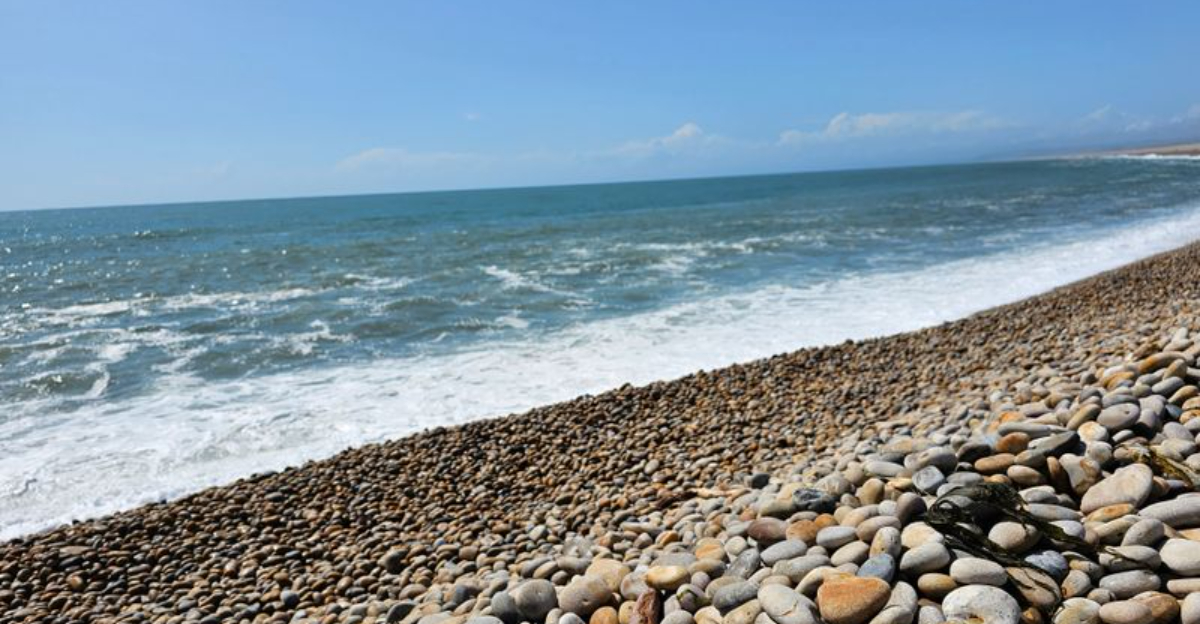
Have you ever started walking on a shoreline and quietly hoped it just… wouldn’t stop? The kind of place where the world thins out a little, and it’s only your footsteps, the wind, and that steady hush of waves.
I found that feeling on Ninety Mile Beach in Victoria, Australia. It’s not flashy.
It’s spacious in a way that changes your pace. You stop checking your phone.
You start noticing small things instead, driftwood bleached smooth, gull tracks stitched into the sand, the faint salt bite in the air. The horizon stays put, but everything else shifts with each step.
And the strange part is how quickly it gets under your skin. You think you’re just taking a walk.
Then you realize you’ve been pulled into something quieter, longer, and harder to leave behind.
Praia do Cassino, Brazil
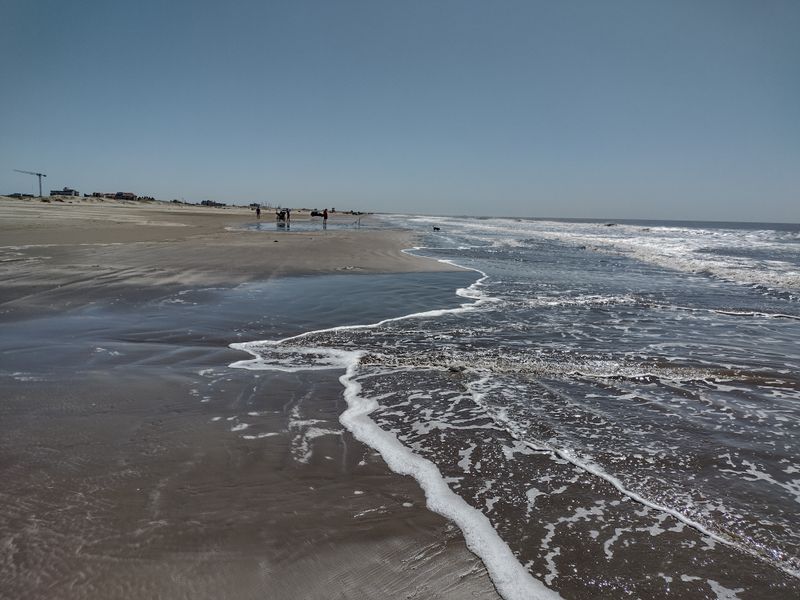
Hold onto your flip-flops because this Brazilian beauty claims the crown as the world’s longest uninterrupted beach. Stretching roughly 132 miles along the Atlantic coast, Praia do Cassino makes every other beach look like a puddle.
I once tried walking its length and gave up after three hours, realizing I’d barely made a dent.
Located near the town of Rio Grande in southern Brazil, this sandy marathon offers consistent waves that surfers absolutely love. The beach isn’t packed with tourists either, which means you can find stretches where you’re practically alone with the seabirds.
Strong winds whip across the sand, making it perfect for kite flying or just feeling dramatically windswept.
The sand here is fine and golden, and the water stays refreshingly cool year-round. Locals gather for beach soccer matches and barbecues on weekends, creating a lively community vibe.
Wildlife enthusiasts can spot sea turtles nesting during certain seasons.
Getting there requires some effort since it’s off the typical tourist trail, but that’s exactly what keeps it pristine. Pack plenty of water and sunscreen because shade is scarce along most of the stretch.
Eighty Mile Beach, Western Australia
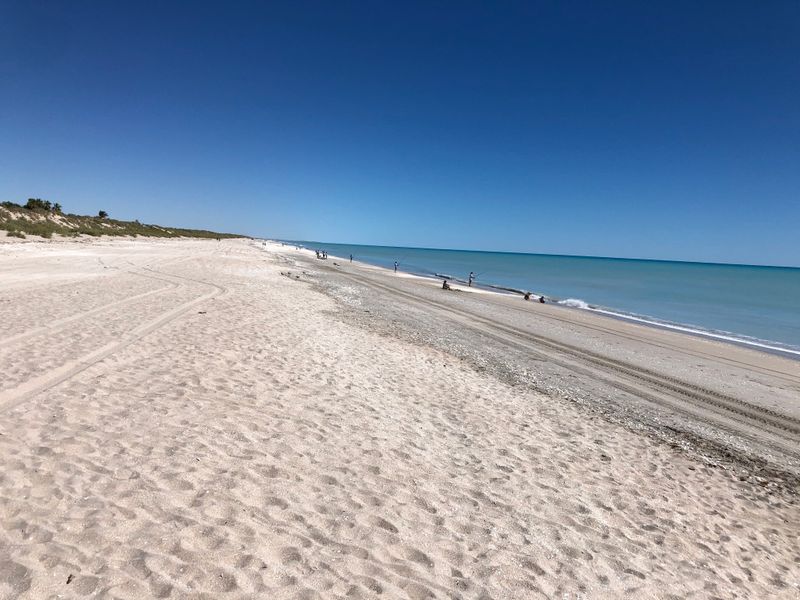
Despite its name suggesting 80 miles, this Western Australian wonder actually stretches about 137 miles of pure isolation. Mathematics clearly wasn’t the priority when early explorers named this place.
What matters is that you’re looking at one of the most remote and untouched beaches on Earth.
The contrast here is absolutely stunning. Red desert sand dunes roll right down to meet impossibly blue ocean water.
At low tide, the beach expands into a massive tidal flat that seems to go on forever. It’s the kind of place where you can walk for hours without seeing another human soul.
Indigenous Australians have called this coastline home for thousands of years, and their connection to the land remains strong. The beach sits along the Eighty Mile Beach Marine Park, protecting incredible marine biodiversity.
During migration season, shorebirds flock here by the thousands, creating a birdwatcher’s paradise.
Access is limited and requires a 4WD vehicle, which keeps crowds minimal. The nearest town is hours away, so proper preparation is essential.
Camping is available at designated spots where you can fall asleep to nothing but wave sounds.
Ninety Mile Beach, Victoria, Australia
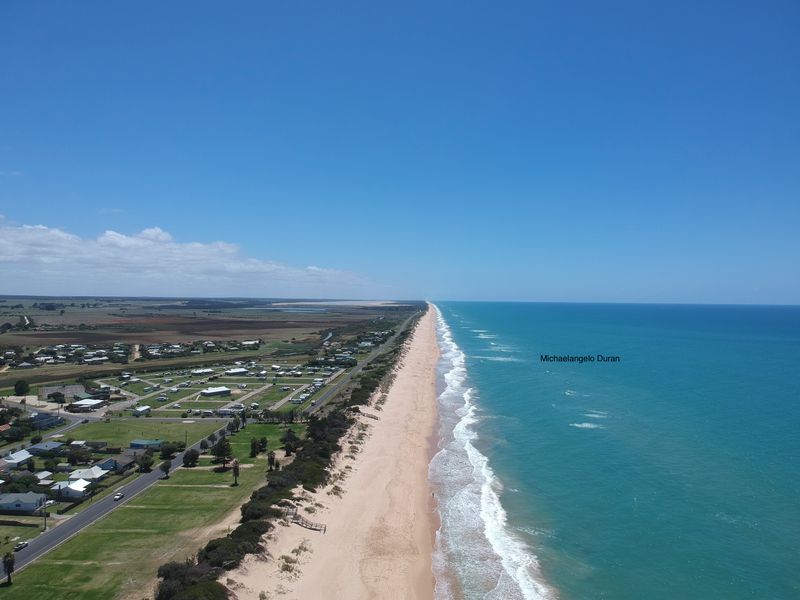
Australia loves confusing beach names, and this Victorian coastline proves it perfectly. Running approximately 94 miles along the southeastern coast, it’s one of the longest uninterrupted beaches in Australia.
The name is close enough, I suppose.
What makes this beach special is its wild, untamed character. Strong ocean currents and powerful waves create challenging swimming conditions, but the scenery more than compensates.
Behind the beach, the Gippsland Lakes system creates a unique landscape where freshwater and saltwater ecosystems meet.
Fishing here is legendary, with anglers pulling in impressive catches right from the shore. The beach is part of several national parks, including the famous Ninety Mile Beach Marine National Park.
Shipwrecks dot the coastline, hidden beneath the waves and occasionally revealed by shifting sands.
Towns like Seaspray and Golden Beach provide access points along the length. Summer brings Australian families for camping holidays, but even then, you can find deserted stretches.
The sunsets here paint the sky in colors that cameras struggle to capture.
Bring insect repellent because the sandflies can be aggressive, especially at dawn and dusk.
Cox’s Bazar Beach, Bangladesh
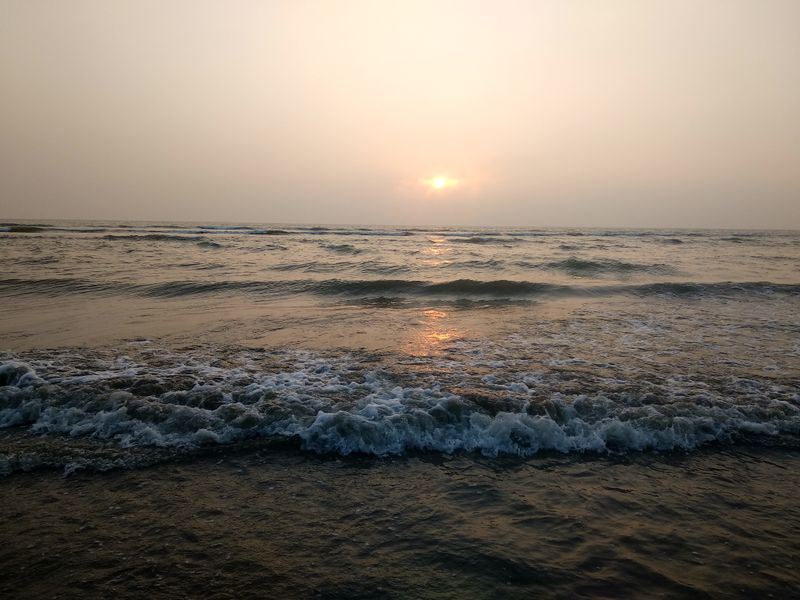
Welcome to the world’s longest natural sandy sea beach, stretching about 75 miles along the Bay of Bengal. Cox’s Bazar isn’t just long; it’s also one of the most visited beaches in Asia, buzzing with energy and life.
The contrast with Australia’s empty beaches couldn’t be more dramatic.
Named after a British East India Company officer, this beach has become Bangladesh’s premier tourist destination. Colorful fishing boats line the shore, and local vendors sell everything from fresh coconuts to handmade crafts.
The beach town itself has grown rapidly, with hotels and restaurants catering to both local and international visitors.
The sand here is golden and remarkably clean considering the foot traffic. Sunrise over the Bay of Bengal is absolutely spectacular, with fishing boats heading out as the sky turns pink and orange.
Local fishermen still use traditional methods, creating photogenic scenes that feel timeless.
Several distinct beach areas offer different experiences, from the busy main beach to quieter northern sections. Nearby attractions include Buddhist temples and the world’s largest refugee settlement, adding cultural depth to beach visits.
The monsoon season brings dramatic weather but also keeps tourists away.
75 Mile Beach, K’gari (Fraser Island), Australia
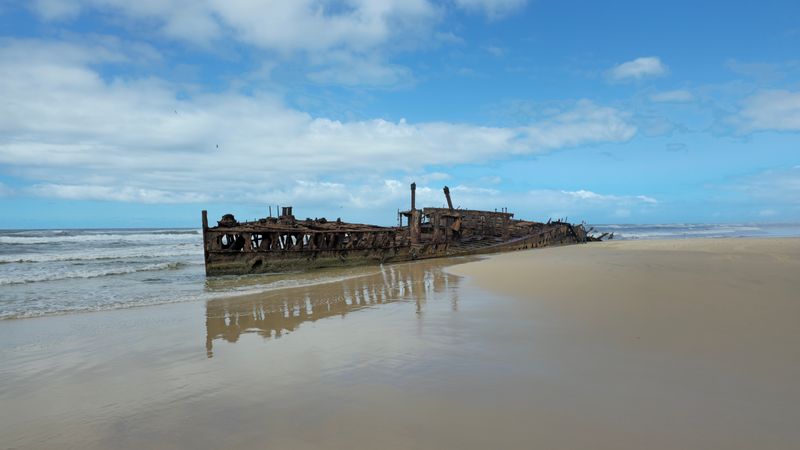
This isn’t your typical beach because it doubles as a highway. K’gari, formerly known as Fraser Island, features this 75-mile stretch of sand that serves as the main thoroughfare for 4WD vehicles exploring the world’s largest sand island.
Traffic lights? Nope.
Speed limits? Sort of.
Excitement? Absolutely.
Driving on this beach requires skill and attention because the sand conditions change with the tides. Soft patches can trap vehicles in seconds, creating impromptu beach entertainment for onlookers.
The hard-packed sand near the water’s edge provides the best driving surface, but you’re sharing space with the ocean.
Beyond the novelty of beach driving, this coastline is genuinely beautiful. Crystal-clear freshwater creeks flow across the sand into the ocean, creating perfect spots for a refreshing dip.
Shipwrecks like the Maheno provide rusted landmarks along the route.
Dingoes roam freely on K’gari, and they’re genuinely wild animals that demand respect. Swimming is dangerous here due to strong currents and sharks, so admire the waves from shore.
Camping permits are required, and designated camping areas fill quickly during peak season. The island’s interior features rainforests growing in sand, which seems impossible but is absolutely real.
Padre Island National Seashore, Texas, USA
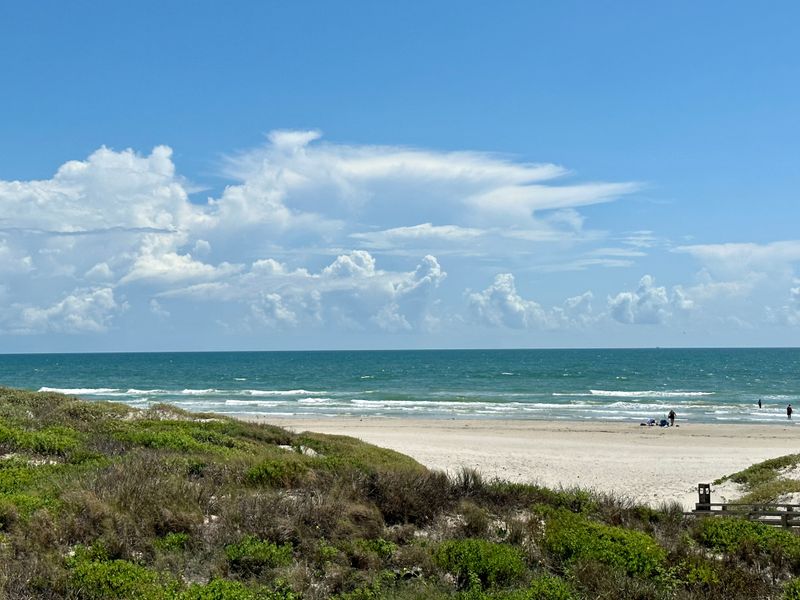
Texas does everything big, including beaches. Padre Island National Seashore protects roughly 65.5 miles of barrier island coastline along the Gulf of Mexico.
This is the longest stretch of undeveloped barrier island in the world, which is remarkable considering how much of America’s coastline has been built up.
The northern section near Corpus Christi sees most visitors, but adventurous souls can drive south on the beach for miles into increasing isolation. Sea turtles nest here, and the park runs a famous turtle release program where visitors can watch hatchlings make their first journey to the ocean.
It’s impossibly cute and surprisingly emotional.
The island separates Laguna Madre from the Gulf, creating unique ecosystems on both sides. Birdwatching is phenomenal, with over 380 species recorded in the area.
The beach itself features fine sand and consistent waves that attract surfers and bodyboarders.
Camping is allowed on most of the beach, meaning you can set up wherever you find a good spot. Just watch for high tides and soft sand that’ll trap your vehicle.
Mosquitoes can be brutal during certain seasons, so bug spray isn’t optional.
The Grand Strand, South Carolina, USA
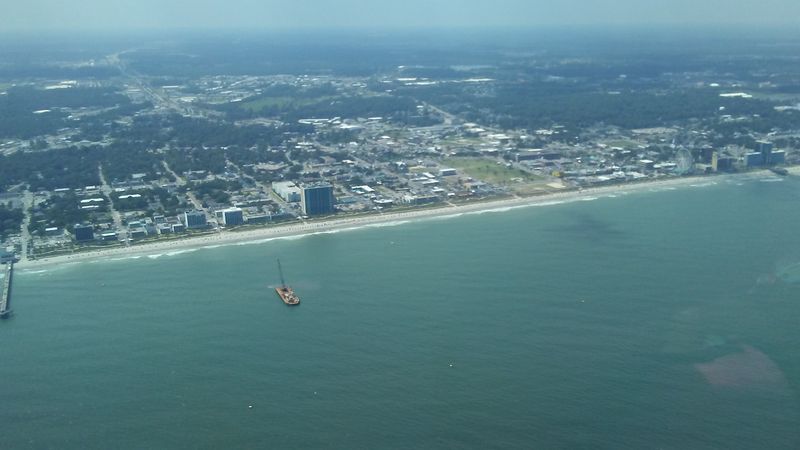
Myrtle Beach anchors this 60-plus mile stretch of South Carolina coastline that’s basically the opposite of remote wilderness. The Grand Strand is pure American beach vacation energy, packed with mini-golf courses, seafood buffets, and enough neon to be seen from space.
I’m not complaining; sometimes you want civilization with your sand.
This isn’t one continuous beach but rather a series of connected beaches and towns stretching from Georgetown County to the North Carolina border. Myrtle Beach itself is the tourist epicenter, complete with a boardwalk, amusement park, and enough pancake houses to fuel a small army.
North Myrtle Beach offers a slightly calmer vibe but still plenty of action.
The sand here is wide and accommodating, with gentle waves perfect for families. Beach volleyball nets dot the shoreline, and lifeguards keep watch during summer months.
Spring break and summer weekends bring massive crowds, but shoulder seasons offer pleasant weather with manageable people levels.
Golf courses outnumber most other amenities, earning the area its nickname as the “Golf Capital of the World.” Shopping outlets, theaters, and restaurants provide entertainment when you’ve had enough sun. The area is unabashedly touristy, and honestly, that’s part of its charm.
Playa Novillero, Nayarit, Mexico
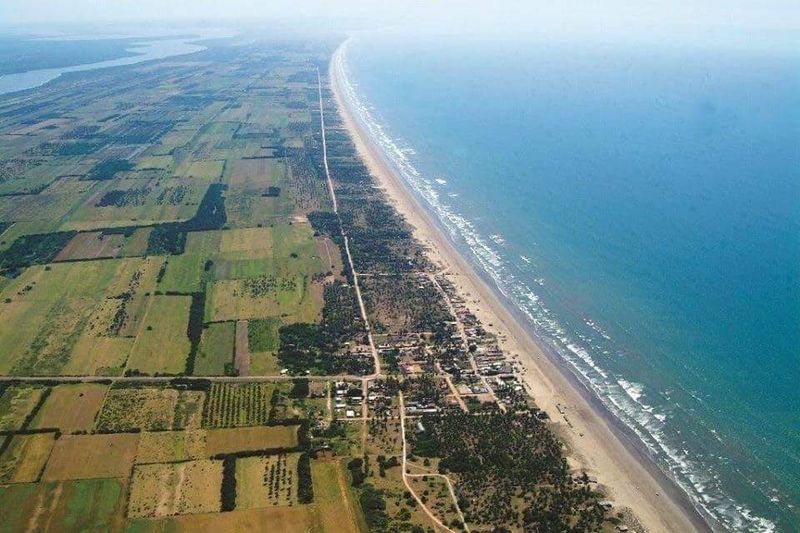
Mexico’s best-kept beach secret stretches approximately 56 miles along the Pacific coast in Nayarit state. Playa Novillero remains blissfully underdeveloped compared to tourist hotspots like Cancún or Cabo.
The name means “heifer beach,” which isn’t particularly glamorous, but the scenery more than compensates.
This beach is where Mexican families escape for authentic coastal experiences without resort crowds. Small palapas (thatched-roof shelters) dot the sand, offering shade and fresh seafood prepared by local vendors.
The pace here is deliberately slow, with hammocks strung between palm trees and cold beer always within reach.
Waves are generally gentle, making swimming safer than many Pacific beaches. The sand is dark and volcanic in some sections, lighter and golden in others.
Sunsets here are absolutely stunning, with the sun dropping into the Pacific in spectacular fashion. Local fishermen launch small boats through the surf each morning, returning with fresh catches sold right on the beach.
Accommodation options are basic but comfortable, ranging from simple hotels to beachfront camping. The nearby town of Tecuala provides supplies and authentic Mexican cuisine.
Mosquitoes can be persistent during rainy season, so pack repellent. This beach rewards those seeking authenticity over luxury.
Long Beach Peninsula, Washington, USA
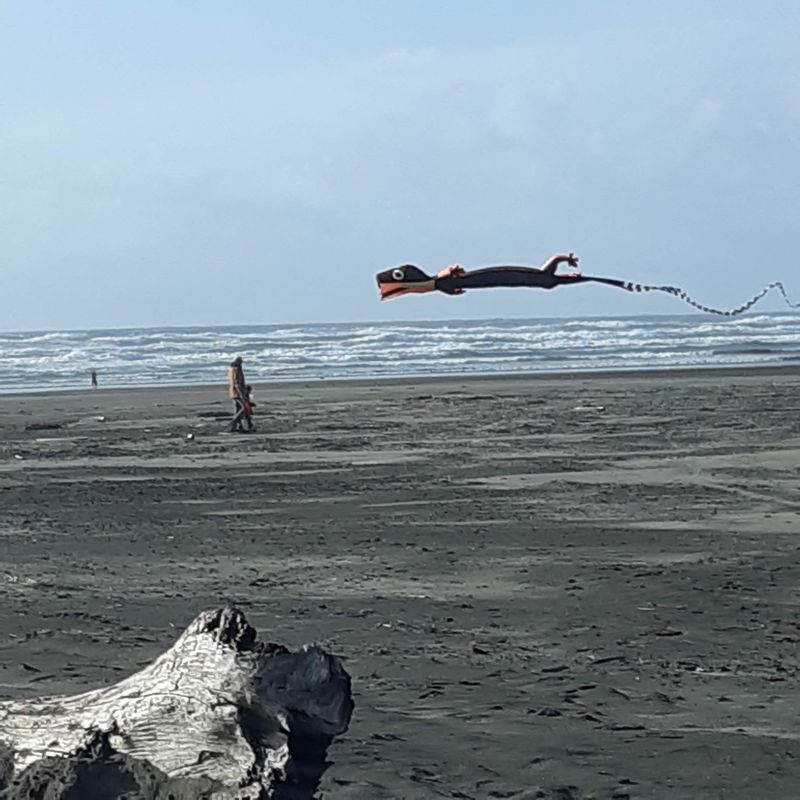
Washington State’s Long Beach Peninsula lives up to its name with roughly 28 miles of continuous sandy beach facing the Pacific Ocean. This Pacific Northwest gem offers a completely different beach experience from sunny southern shores.
Gray skies, dramatic weather, and rugged beauty define this coastline.
The town of Long Beach serves as the main hub, featuring quirky shops, seafood restaurants, and the World’s Longest Beach Boardwalk. Beach combing here is exceptional, with massive driftwood logs, Japanese glass floats, and interesting shells washing ashore regularly.
Razor clam digging draws enthusiasts during designated seasons, and the harvest can be incredibly productive.
Kite flying is practically mandatory given the constant winds, and the annual Washington State International Kite Festival transforms the beach into a colorful spectacle. The peninsula also boasts excellent cranberry bogs and oyster farms, adding agricultural interest to coastal visits.
Cape Disappointment State Park anchors the southern end with historic lighthouses and stunning viewpoints.
Weather here is unpredictable and often moody, which creates atmospheric photography opportunities. Summer brings the most pleasant conditions, but even then, layers are essential.
The beach is wide and flat, perfect for long walks regardless of season. Bonfires are allowed in designated areas, creating cozy evening gatherings.
Stockton Beach, New South Wales, Australia
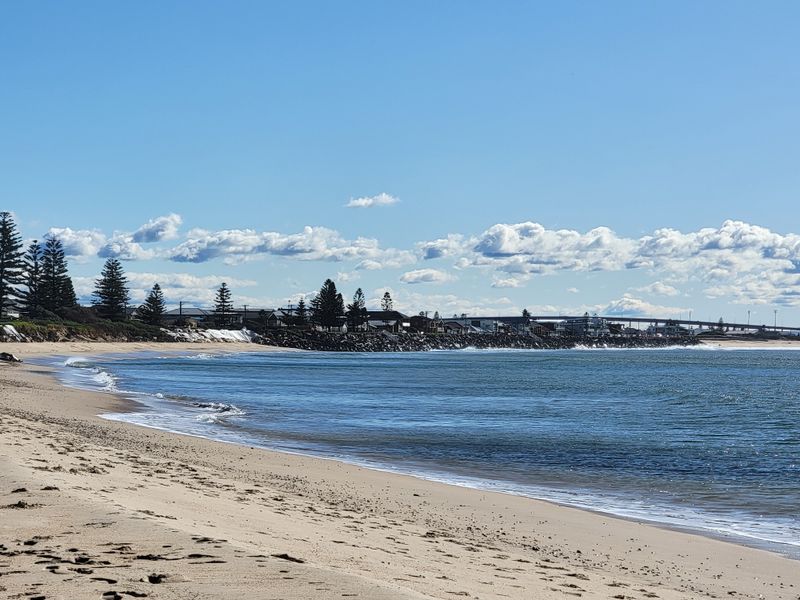
Just north of Newcastle, Stockton Beach stretches about 20 miles and features some of Australia’s largest coastal sand dunes. These aren’t gentle rolling hills; we’re talking massive dunes that tower over 100 feet high, creating a desert-meets-ocean landscape that feels almost otherworldly.
Sandboarding down these giants is pure adrenaline.
The beach is accessible by 4WD only, which keeps it relatively uncrowded despite being close to a major city. Locals love it for fishing, surfing, and beach driving adventures.
The northern section near Anna Bay offers the most dramatic dune systems and serves as the launching point for organized tours.
Stockton Beach gained unexpected fame as a filming location for desert scenes in movies like Mad Max. The endless sand and stark beauty create convincing desert backdrops without leaving the coast.
Horse riding tours operate here, offering a unique way to experience the landscape.
Swimming requires caution due to strong currents and the absence of lifeguards in most areas. The beach faces east, making sunrise viewing spectacular.
Camping is permitted in designated areas, and waking up to dunes on one side and ocean on the other is genuinely magical. Pack out all rubbish because this pristine environment deserves respect.
Chesil Beach, Dorset, England
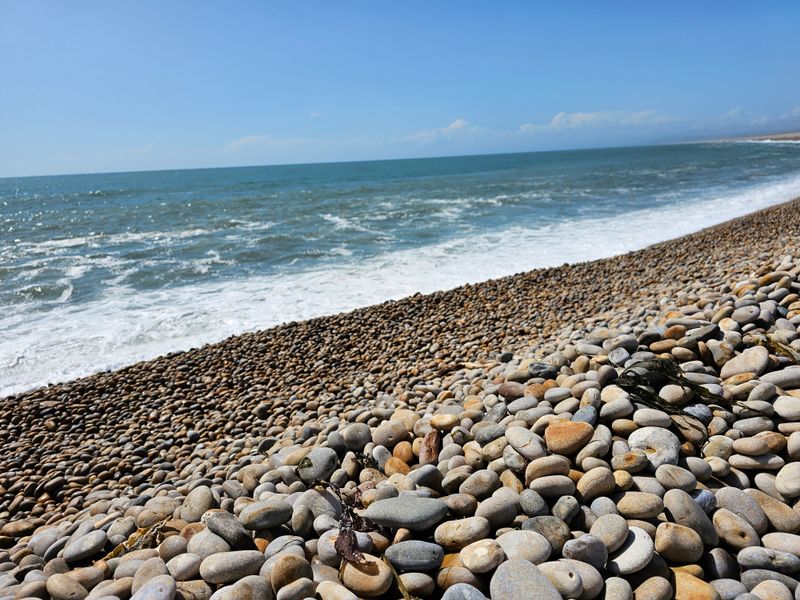
England’s Chesil Beach breaks the sandy mold with roughly 18 miles of pebbles instead of sand. This natural tombolo connects the Isle of Portland to the mainland, creating one of Britain’s most distinctive coastal features.
The pebbles are graded by size along the beach’s length, getting larger as you move southeast, which is oddly satisfying.
Part of the Jurassic Coast UNESCO World Heritage Site, Chesil Beach offers geological interest beyond typical beach activities. The shingle bank separates the Fleet Lagoon from the English Channel, creating important habitats for birds and marine life.
Storm waves here can be absolutely massive, throwing pebbles inland with impressive force.
Walking on pebbles is harder than sand, giving your calves an unexpected workout. The crunching sound underfoot is strangely pleasant though.
Fishing from the beach is popular, particularly for mackerel and bass. The nearby village of Abbotsbury provides access along with its famous swannery and subtropical gardens.
Swimming is dangerous due to strong undertows and steep shelving. The beach has claimed numerous ships over centuries, earning a fearsome reputation among sailors.
Fossil hunting is prohibited because of the site’s protected status. Visit during calmer weather for the best experience, and bring sturdy footwear because flip-flops are useless here.



