 Unearth The Voyage
Waking up to a world that has vanished overnight sounds unreal. But in a few winter hotspots, it is a normal morning routine.
Snow does not fall there in polite little flurries. It arrives in thick waves that swallow cars, block doorways, and turn daily life into a constant dig-out.
Locals plan around it, travel slows down, and rooftops are built to take a beating. If you think your town gets “a lot” of snow, these destinations will reset your definition fast.
Here are the places where winter hits hardest and the snowfall totals keep climbing.
1. Sukayu Onsen, Japan
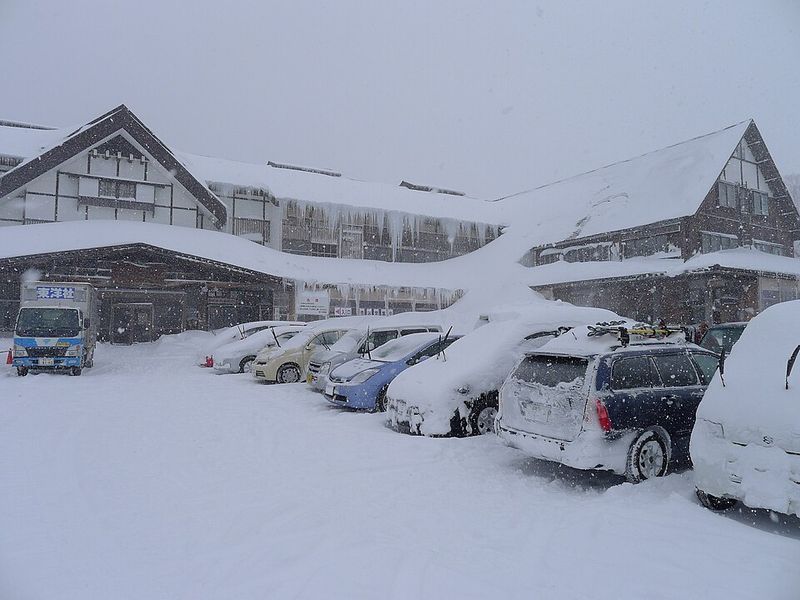
Snow doesn’t just fall here. It piles up in absurd, almost cartoonish layers that make you wonder if gravity took a coffee break.
Sukayu Onsen holds the crown as the snowiest inhabited spot on the planet, averaging 17.6 meters of snow each year.
That’s taller than a five-story building. One winter season delivered 23.7 meters, which is enough to bury a small apartment complex.
The locals have adapted with tunnels carved through snow walls and roofs built to withstand tons of white weight.
But here’s the kicker: people actually visit this place on purpose. Sukayu is famous for its outdoor hot springs, where you can soak in steaming mineral water while snowflakes drift down around you.
It’s a surreal experience, half arctic survival challenge and half spa day.
The resort has been operating since the 1600s, so they’ve had plenty of practice dealing with extreme snowfall. Visitors arrive bundled in layers, wade through snow corridors, then strip down to relax in the healing waters.
The contrast between freezing air and hot water creates an unforgettable sensation.
If you ever doubt that humans can thrive anywhere, remember this place exists and thrives spectacularly.
2. Paradise, Mount Rainier National Park, Washington
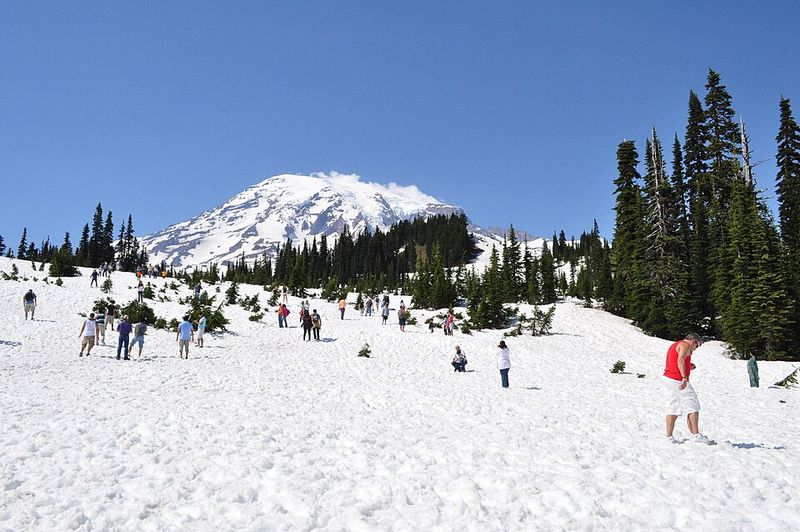
Paradise earned its heavenly name long before anyone measured its snowfall, but the totals here are downright biblical. This weather station famously recorded 1,122 inches during the 1971-72 season.
That’s 93.5 feet of snow, which is enough to completely swallow a typical house with room to spare.
The average annual snowfall sits at 639 inches according to National Park Service data. Rangers here don’t shovel sidewalks; they excavate tunnels.
The Paradise visitor center routinely disappears beneath snow banks taller than its roof.
Tourists flock here in summer to hike wildflower meadows, completely unaware they’re walking over spots that held 20-foot snowdrifts months earlier. Winter visitors need different gear entirely.
Snowshoes are mandatory, and whiteout conditions can strike without warning, turning a casual walk into a survival situation.
The combination of elevation, moisture from the Pacific, and Mount Rainier’s massive bulk creates a snow-making machine that runs nonstop all winter. Storms stack up against the mountain like cars in a pileup, each one dumping feet of fresh powder.
Paradise isn’t just a pretty name. For snow lovers, it’s an accurate description of this winter wonderland.
3. Mount Baker Ski Area, Washington
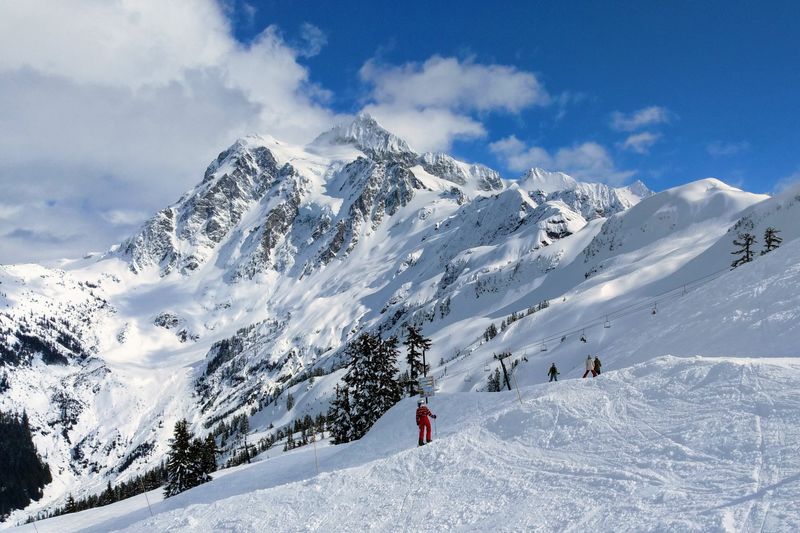
World records get broken all the time, but Mount Baker’s snowfall achievement stands untouched since 1998-99. That season delivered 1,140 inches of verified snowfall, officially confirmed by NOAA.
No other place on Earth has matched it.
Picture a ten-story building made entirely of snow. That’s basically what fell here in one season.
The ski area became legendary overnight, attracting powder hounds from around the globe who wanted to experience historic conditions.
Even in normal years, Mount Baker dumps enough snow to keep the season running well into spring. April skiing here often features better snow than January at other resorts.
The secret lies in its location near the coast, where Pacific storms arrive loaded with moisture.
When those storms hit the mountain’s steep terrain, they unload everything at once. Ski patrol crews work around the clock managing avalanche danger, because with this much snow, entire mountainsides can slide without warning.
Locals measure seasons not by how much snow fell, but by how it compares to the record year. Everything is relative when you’re already drowning in powder.
The mountain wears its record like a badge of honor, and rightfully so.
4. Donner Summit, California
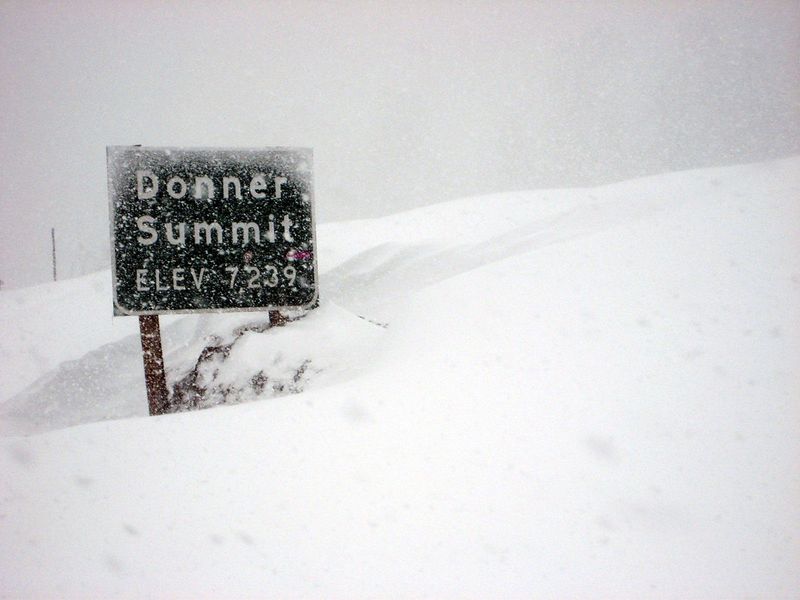
History buffs know Donner Summit for tragic reasons, but modern snow enthusiasts know it for mind-boggling accumulation. This Central Sierra location stacks up roughly 30 feet of snow annually based on recent climate calculations.
The storms here don’t politely sprinkle; they absolutely hammer the landscape.
Interstate 80 crosses Donner Summit, making it one of the few places where regular commuters experience world-class snowfall totals. Highway crews wage constant war against nature, plowing lanes that refill within hours during active storms.
The Donner Summit Historical Society tracks snowfall data going back decades, and the numbers tell a consistent story. This spot sits in the perfect position to intercept moisture-loaded Pacific storms as they climb the Sierra Nevada.
The orographic lift squeezes every drop of moisture out, converting it to dense Sierra cement snow.
Ski resorts near the summit operate some of North America’s most reliable terrain. They rarely worry about snow droughts because even weak winters deliver respectable totals here.
Strong winters create snow banks so tall that buildings disappear and only rooftops peek through.
Donner Summit proves that California isn’t all beaches and sunshine. Some corners of the Golden State are buried under white gold all winter long.
5. Valdez, Alaska
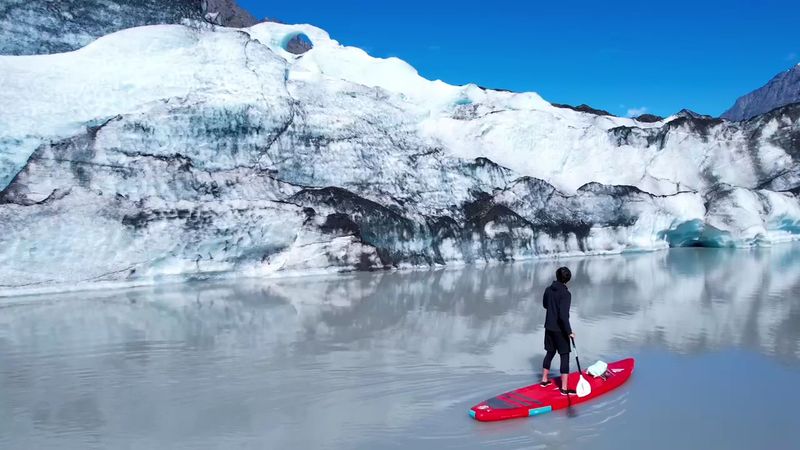
Valdez wears its title proudly: Alaska’s snowiest town. The numbers back up the bragging rights, with an average annual snowfall of 305.8 inches.
The winter of 1989-90 delivered a staggering 560.7 inches, nearly 47 feet of accumulation.
This coastal town sits in a geographic sweet spot where Gulf of Alaska moisture slams into steep mountains. The result is a conveyor belt of storms that dump snow from October through May.
Residents build houses with reinforced roofs and keep snow removal equipment handy at all times.
Downtown Valdez in February looks like a snow canyon, with buildings lining streets carved between walls of compacted snow taller than pickup trucks. Parking lots become mazes where you navigate by memory because all the landmarks are buried.
Finding your car after a heavy storm becomes an archaeological expedition.
Despite the extreme snowfall, life goes on normally here. Schools rarely close, businesses stay open, and locals just accept that winter means living in a frozen fortress.
They’ve developed techniques and tools that would seem excessive anywhere else but are absolutely necessary here.
Valdez proves that humans can not only survive but thrive in places where snow falls by the yard instead of the inch.
6. Alyeska Resort, Alaska
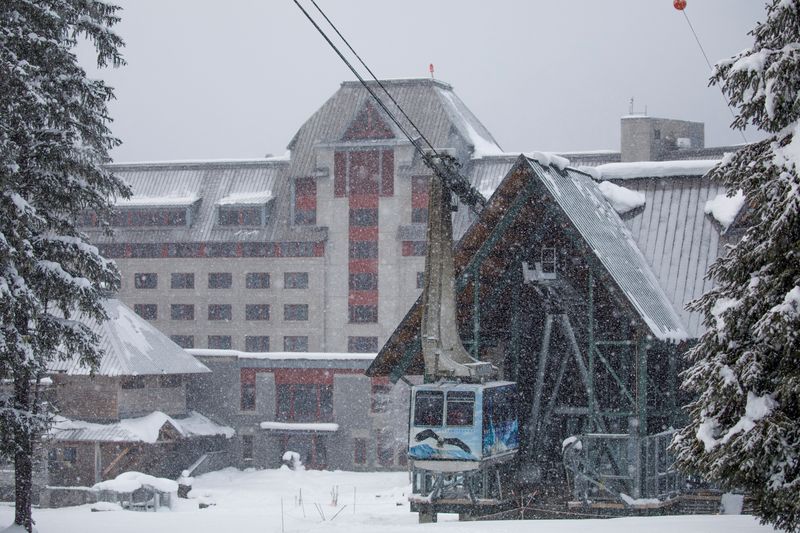
Coastal mountains create snow-making machines, and Alyeska Resort sits in one of the most productive. This place averages around 419 inches of annual snowfall, combining Alaskan cold with Pacific moisture for consistently deep conditions.
The resort markets itself on reliability, and the snowfall data proves they’re not exaggerating.
What makes Alyeska special isn’t just quantity but quality. The snow here falls light and dry despite the coastal location, creating dreamy powder conditions that skiers travel thousands of miles to experience.
When storms roll through, they often deliver multiple feet in a single cycle.
The resort operates just 40 miles from Anchorage, making it one of the most accessible deep-snow destinations anywhere. You can fly into a major city in the morning and be skiing waist-deep powder by afternoon.
That combination of convenience and extreme snowfall is rare.
Alyeska’s terrain rises from near sea level to alpine heights, meaning different elevations receive different snow types simultaneously. Lower slopes might get wet snow while upper mountain sees cold smoke.
This variety keeps conditions interesting throughout the season.
For anyone who dreams of Alaskan powder without the bush plane logistics, Alyeska delivers the goods with remarkable consistency.
7. Niseko, Hokkaido, Japan
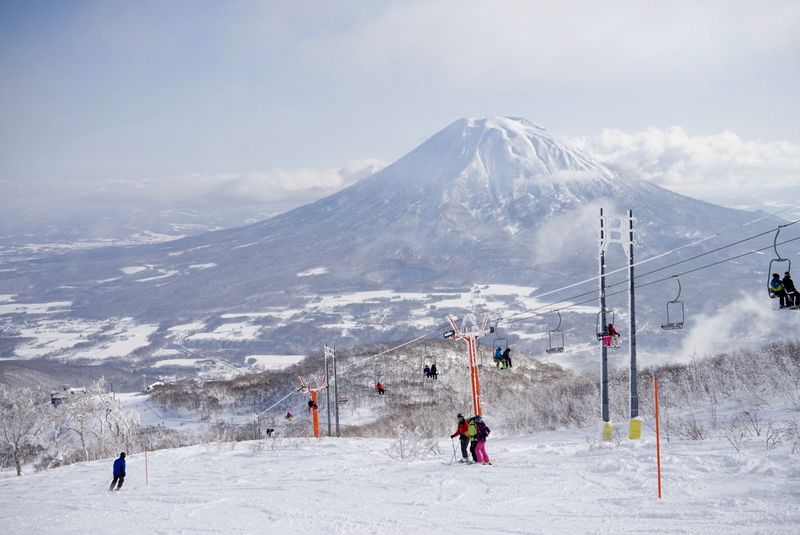
Powder pilgrims speak of Niseko in hushed, reverent tones. This Japanese resort region receives over 15 meters of average annual snowfall, creating conditions so consistently perfect they’ve become legendary worldwide.
The snow here is different, lighter and drier than almost anywhere else.
Hokkaido’s position catches Siberian cold and Sea of Japan moisture, combining them into the fluffiest snow on Earth. Locals call it champagne powder, and the nickname fits perfectly.
It’s so light you can blow it off your gloves like dust.
Niseko transformed from a local ski hill to an international destination almost entirely on its snow reputation. Word spread through the ski community about this magical place where powder days happened constantly, not occasionally.
Now visitors from Australia, China, and beyond flock here every winter.
The resort’s infrastructure has grown to match demand, with hotels, restaurants, and services catering to international guests. But the snow remains the star attraction.
When storms hit, the entire mountain gets coated in fresh powder overnight, and the cycle repeats for days.
Niseko proves that in skiing, quality matters as much as quantity. This place has both in abundance, creating an experience that lives up to every bit of hype.
8. Aomori City, Japan
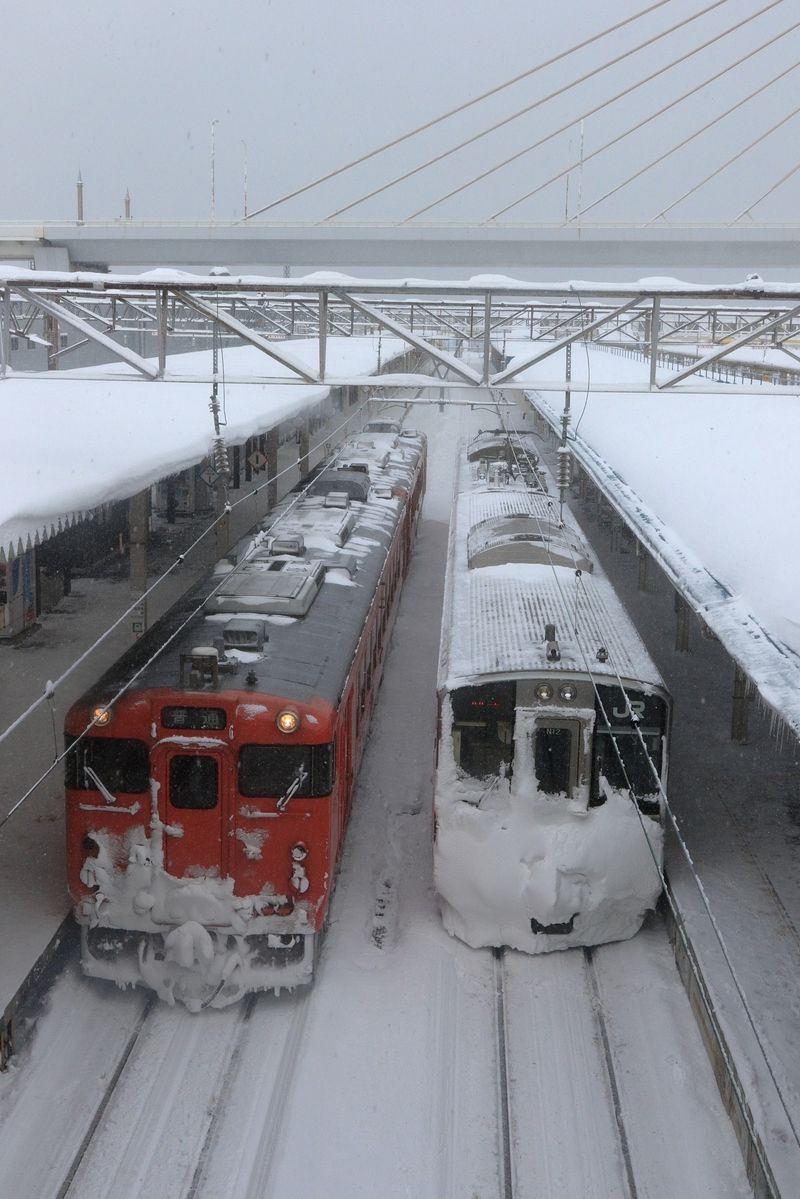
Most cities measure snow in inches. Aomori City measures it in meters.
This urban area frequently sees around 312 inches of snowfall annually, making it one of the snowiest cities anywhere on the planet. We’re talking about a functioning metropolitan area that gets buried under 26 feet of snow every single winter.
The city has adapted with impressive engineering. Heated sidewalks melt snow automatically.
Covered walkways protect pedestrians from falling accumulation. Buildings feature steep roofs designed to shed snow before weight becomes dangerous.
Public transportation keeps running through conditions that would paralyze most cities.
Aomori sits on Honshu’s northern tip, perfectly positioned to catch every storm system crossing the Sea of Japan. The surrounding mountains channel storms directly over the city, ensuring it receives maximum snowfall.
Winter here isn’t a season; it’s a lifestyle that demands constant adaptation.
Residents develop skills that would seem extreme elsewhere. Everyone knows how to clear snow efficiently, reinforce structures, and navigate through whiteout conditions.
Children learn snow safety alongside basic reading and math.
Aomori City demonstrates that civilization can flourish even under extreme snowfall conditions. The city doesn’t just survive winter; it embraces the challenge and thrives regardless of what the sky dumps down.
9. Sapporo, Japan
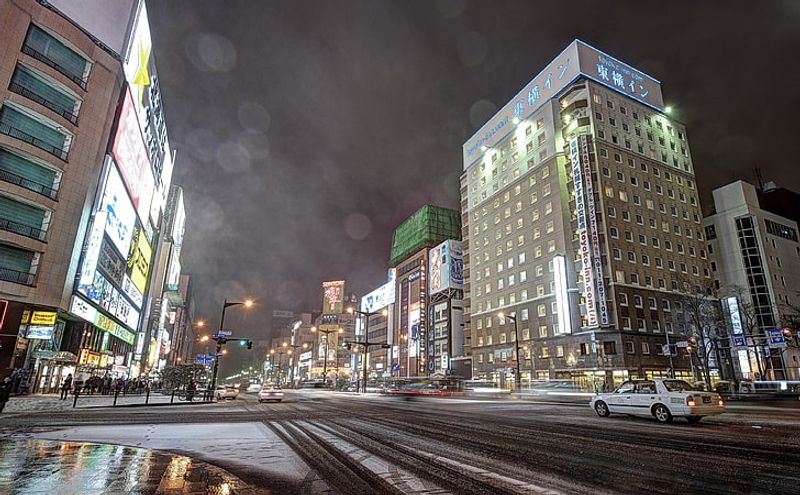
Sapporo hosts one of the world’s most famous snow festivals, and for good reason. The city receives about 477 centimeters of annual snowfall according to Japan Meteorological Agency data.
That’s roughly 188 inches, enough to keep the entire city white from November through April.
Unlike some snow-heavy locations tucked into remote mountains, Sapporo is a major metropolitan area with nearly two million residents. The city functions perfectly despite conditions that would cripple most urban centers.
Trains run on time, businesses operate normally, and daily life continues without interruption.
The secret lies in infrastructure built specifically for extreme snow. Underground walkways connect major buildings, allowing pedestrians to move around without ever stepping outside.
Heating systems embedded in roads prevent ice buildup. Massive snow removal operations run continuously, hauling away accumulation by the truckload.
Sapporo’s famous snow festival transforms the burden of heavy snowfall into a tourist attraction. Artists carve elaborate ice sculptures, some reaching several stories tall.
The event draws millions of visitors who come to admire what locals deal with every single winter.
This city proves that snow doesn’t have to be an obstacle. With proper planning and infrastructure, even extreme snowfall becomes manageable, even celebrated.
10. St. John’s, Newfoundland and Labrador, Canada
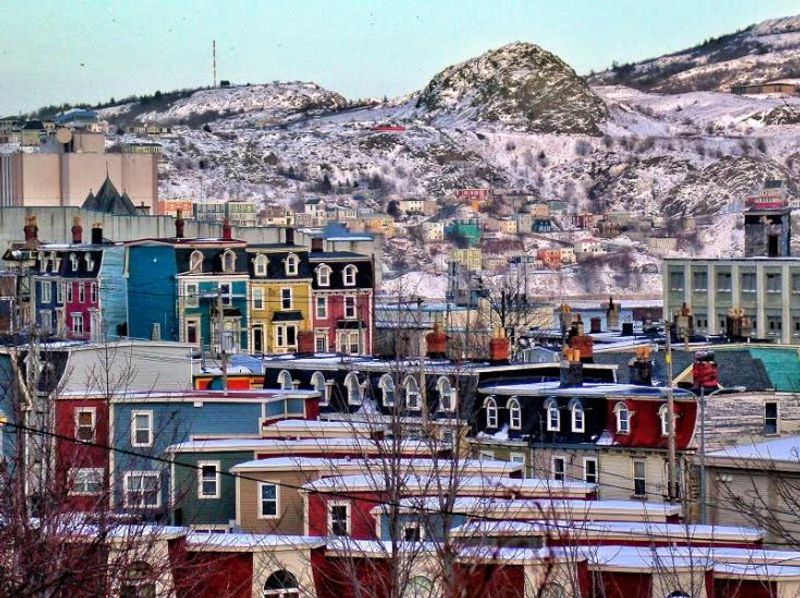
Atlantic storms don’t mess around, and St. John’s catches every single one. This colorful coastal city averages about 335 centimeters of snow annually based on long-term airport data.
That’s 131.9 inches, more than ten feet of accumulation spread across a typical winter.
The city’s location at Newfoundland’s eastern tip puts it directly in the path of nor’easters and other Atlantic storm systems. When these weather bombs hit, they deliver snow measured in feet, not inches.
Blizzard warnings here aren’t rare events; they’re regular occurrences that locals plan around.
St. John’s famous row houses, painted in bright colors, create stunning contrasts against white snow. The city’s steep hills become treacherous during storms, with cars sliding and pedestrians struggling to climb.
Yet residents take it all in stride, treating major snowstorms as minor inconveniences rather than emergencies.
The combination of heavy snow and strong winds creates whiteout conditions that can last for days. Visibility drops to zero, and the world becomes a swirling wall of white.
Schools close, businesses shut down, and everyone hunkers down until the storm passes.
St. John’s shows that even beautiful coastal cities can experience brutal winter conditions when geography and weather patterns align perfectly for snow production.
11. Québec City, Québec, Canada
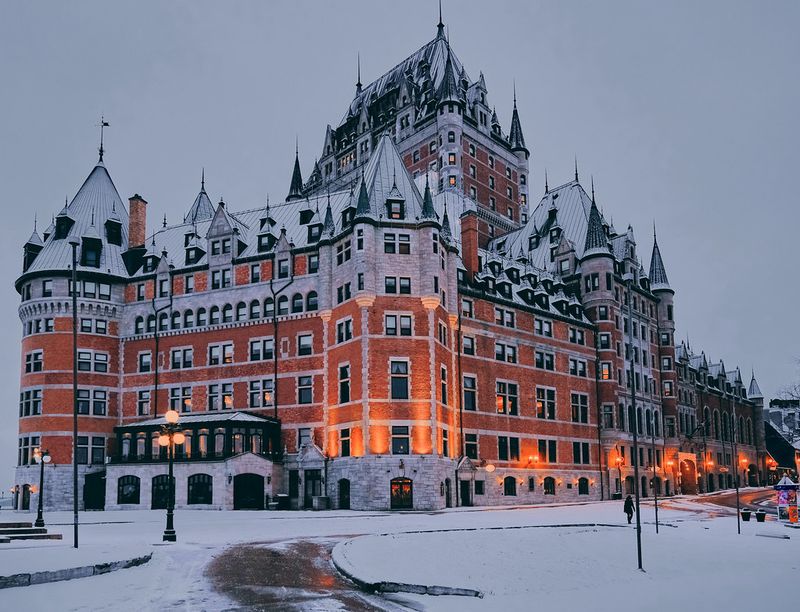
Old World charm meets New World snowfall in Québec City. This historic city averages about 303 centimeters of snow each winter, roughly 119.4 inches based on climate normals.
The cobblestone streets and centuries-old architecture look even more magical under thick blankets of white.
Québec City doesn’t just tolerate winter; it celebrates the season with festivals, outdoor activities, and a cultural embrace of cold weather. The famous Winter Carnival transforms the city into a frozen playground where residents and tourists alike enjoy the snow rather than curse it.
The city’s location along the St. Lawrence River creates a snow-making environment where cold continental air meets moisture from the water. Storm systems stall over the region, dumping heavy accumulation that sticks around for months.
Spring doesn’t truly arrive until late April or even May.
Despite the heavy snowfall, Québec City maintains excellent infrastructure for winter operations. Streets get plowed efficiently, sidewalks stay clear, and public transportation runs reliably.
Residents own serious winter gear and know how to layer properly for extended outdoor exposure.
Québec City proves that heavy snowfall and quality of life aren’t mutually exclusive. The city thrives during winter, turning potential hardship into seasonal celebration and cultural identity.
12. Rochester, New York
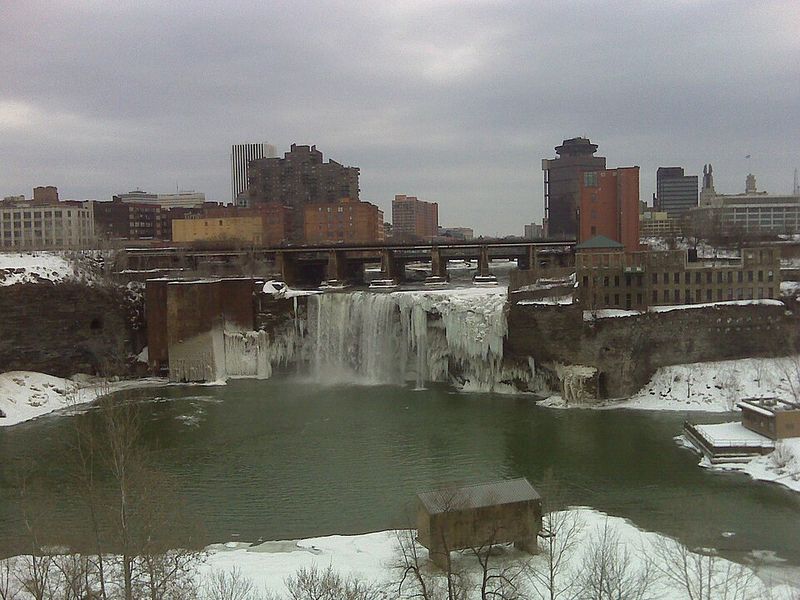
Rochester claims the crown for snowiest major U.S. city with 102 inches of annual snowfall based on climate normals. Lake Ontario sits just north of the city, creating a snow-making machine that runs from November through April.
Lake-effect storms here don’t politely dust the landscape; they absolutely bury it.
The phenomenon works like clockwork: cold air crosses relatively warm lake water, picks up massive moisture, then dumps it as snow when hitting land. Rochester sits in the perfect position to catch these lake-effect bands repeatedly.
Some storms create such intense snowfall rates that accumulation happens faster than plows can clear it.
Residents here develop a special relationship with snow. They own multiple shovels, know which plows to trust, and can predict storms by how the wind shifts.
Snow days are rare because schools and businesses expect heavy snowfall and plan accordingly.
The city’s infrastructure handles snow remarkably well considering the volume. Major roads stay passable, and life continues with minimal disruption.
Newcomers from warmer climates experience culture shock, while locals just shrug and grab their snow brushes.
Rochester proves that American cities can handle serious snowfall when properly prepared. The snow falls heavy and often, but the city keeps moving regardless.



