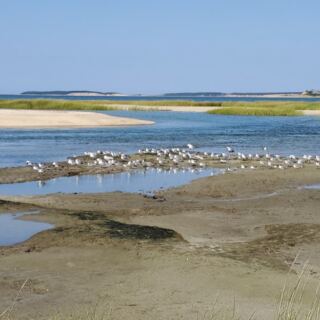
North Carolina’s coastline is a shell collector’s paradise, stretching over 300 miles of sand, surf, and hidden treasures. From the wild, undeveloped shores of the Outer Banks to the quieter Brunswick Islands, the variety of shells waiting to be discovered is truly impressive.
Whether you’re a seasoned collector or just starting out, these beaches deliver the kind of finds that make early morning wake-ups totally worth it. Pack a bag, lace up your water shoes, and get ready to explore ten of the best shelling spots the Tar Heel State has to offer.
Shackleford Banks — Cape Lookout National Seashore
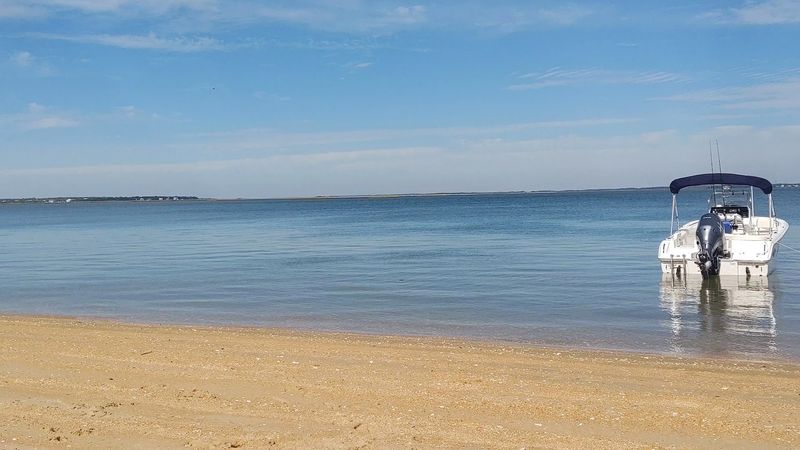
Getting to Shackleford Banks requires a ferry or private boat, and honestly, that effort alone keeps the crowds away and the shells plentiful. This narrow barrier island sits within Cape Lookout National Seashore, meaning no roads, no shops, and no one scooping up shells before you arrive.
What you do get is miles of raw, windswept beach loaded with whelks, olive shells, scallops, and coquinas.
Low tide is your best friend here. Walk slowly along the tide line and scan for shapes that look out of place among the sand.
Whelks are especially common, and you might even find one still intact with its spiral tip unbroken.
The wild horses that roam freely across the island add a magical element to every visit. Spotting a herd grazing near the dunes while you crouch down to examine a moon snail is an experience that stays with you.
Bring water, sunscreen, and a sturdy mesh bag for your finds. There are no amenities on the island, so pack everything you need.
Shackleford Banks is truly a bucket-list shelling destination that rewards those willing to make the trip.
Ocracoke Island — Outer Banks
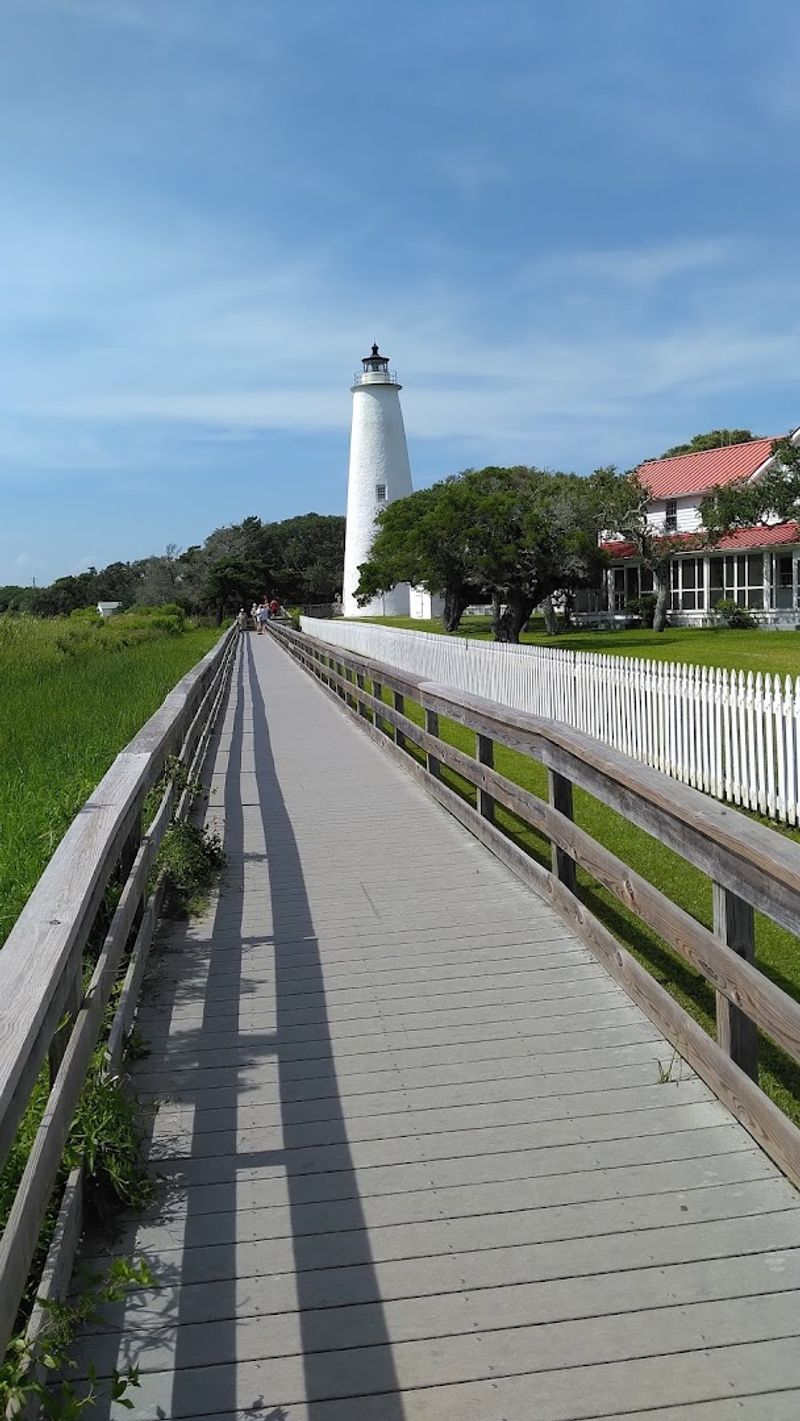
Scotch bonnets do not give themselves up easily, but Ocracoke Island is one of the few places in North Carolina where finding one feels like a real possibility. As the official state shell of North Carolina, the Scotch bonnet is a prized discovery, and patient collectors who walk Ocracoke’s shores at first light give themselves the best shot at spotting one.
Ocracoke is only reachable by ferry, which naturally limits foot traffic and keeps the beaches refreshingly uncrowded. The tide line here regularly delivers olive shells, moon snails, and colorful coquinas, especially during the shoulder seasons when fewer vacationers are around to compete with.
The village itself has a wonderfully laid-back vibe, full of local restaurants, quirky shops, and friendly locals who love talking about the island’s history. After a morning of shelling, grab a bite and explore the charming streets before heading back out for the afternoon low tide.
Ocracoke rewards repeat visitors too, since different tides and seasons bring different shells ashore. If you have only one Outer Banks shelling stop to make, this historic island earns the top spot without question.
Cape Lookout National Seashore — Harkers Island
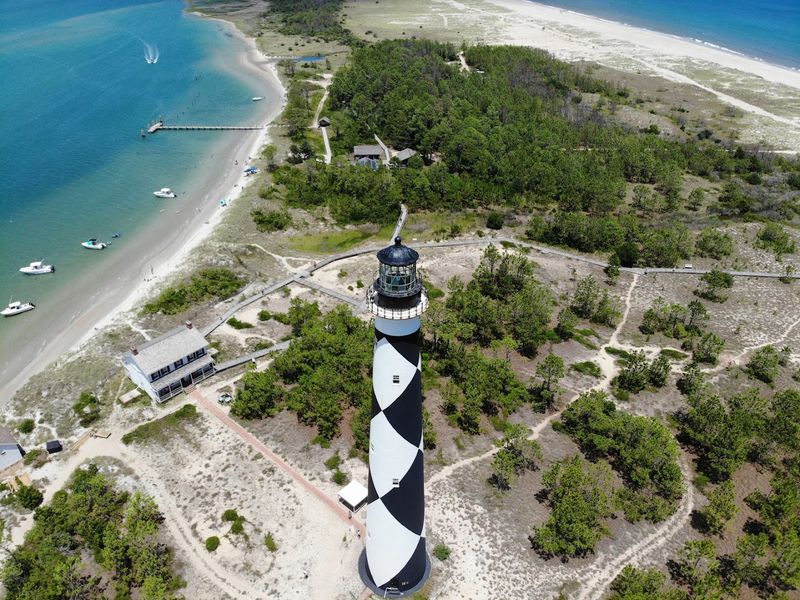
Shell collectors talk about Cape Lookout the way surfers talk about legendary waves. The combination of shifting Atlantic currents, undeveloped barrier islands, and minimal human traffic creates conditions that are almost unfairly good for beachcombing.
Whelks, conchs, scallops, and the occasional intact sand dollar regularly appear along the tide line after favorable weather.
The iconic black-and-white diamond-patterned lighthouse is a stunning backdrop as you scan the sand. Cape Lookout is only accessible by ferry from Harkers Island, Beaufort, or Morehead City, so plan ahead and check ferry schedules before your trip.
Once you arrive, the expansive beaches stretch far in both directions with almost no one else in sight.
Shelling is best during low tide and in the hours following a storm, when fresh shells get pushed ashore. The southern tip of the cape, near the point where currents converge, is particularly productive.
Wear water shoes since the surf can be lively near the point. Camping is allowed on the island, meaning ambitious collectors can wake up at dawn and hit the beach before anyone else even steps off the ferry.
Cape Lookout is as close to a shelling paradise as it gets on the East Coast.
Emerald Isle — Crystal Coast
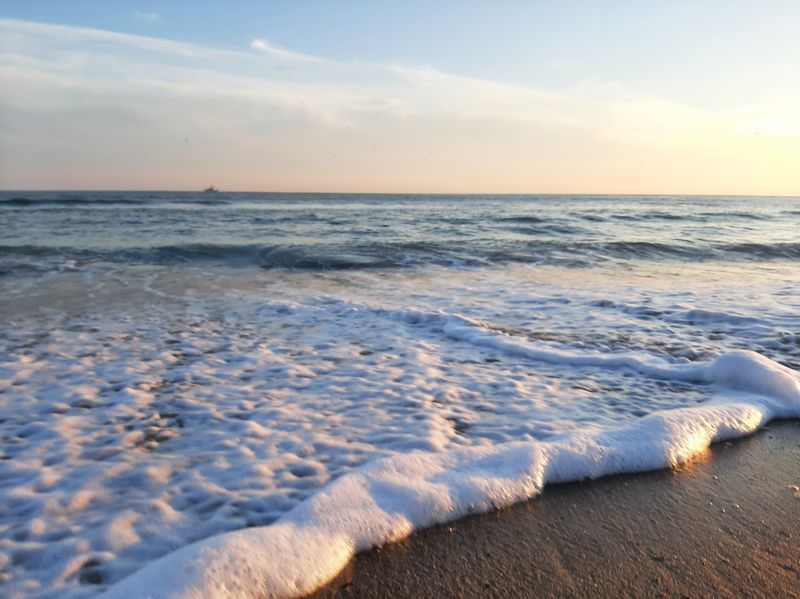
Emerald Isle sits on the Crystal Coast, a stretch of North Carolina shoreline that lives up to its sparkling name. The beach here slopes gently into the surf, which makes wading comfortable and shell spotting surprisingly easy since shells do not get buried as quickly in the soft, fine sand.
Year-round shelling is one of the biggest perks of this location.
Low tide and the hours right after a storm are the sweet spots for collectors. Olive shells, auger shells, and colorful clam shells are common finds, and the variety tends to be impressive throughout all four seasons.
Even in winter, when most visitors stay home, Emerald Isle delivers consistent shelling with far less competition for the good stuff.
The town itself has a relaxed, family-friendly feel with plenty of rental cottages, local seafood spots, and easy beach access. Unlike some of the more remote shelling destinations in the state, Emerald Isle has amenities nearby, making it a comfortable choice for families or first-time shellers.
Bring a low-profile sand scoop or a simple strainer to sift through the wet sand near the water’s edge. You will be amazed by what hides just beneath the surface at this underrated Crystal Coast gem.
Sunset Beach — Brunswick Islands
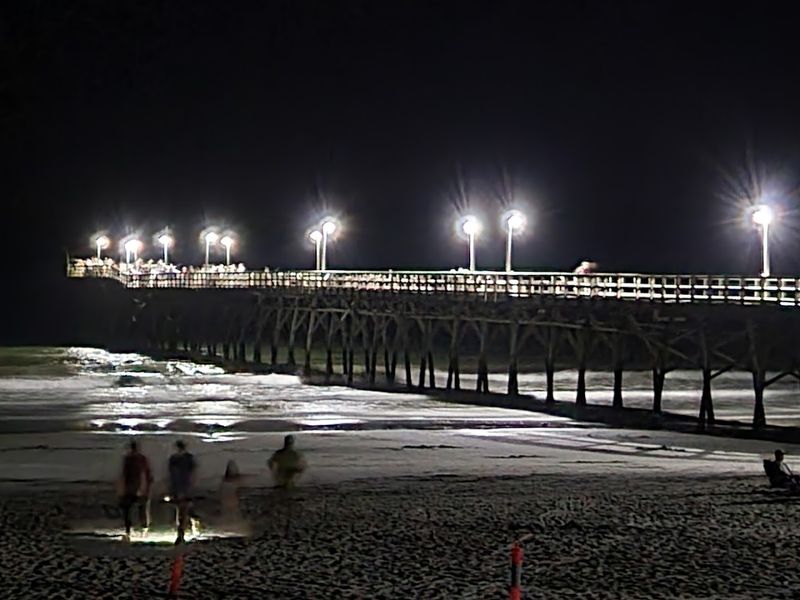
Sunrise at Sunset Beach sounds like a riddle, but collectors who show up at first light know it is the smartest move on this wide Brunswick Islands shore. The beach stretches broadly and the tide line tends to be generous, often lined with whelks, moon snails, scallops, and other Atlantic finds that rolled in overnight.
Shoulder seasons, meaning spring and fall, are especially productive here. Summer crowds thin out, and the shells that accumulate during off-peak months have not been picked over by dozens of eager beachcombers.
Visiting on a weekday during the off-season is practically a cheat code for finding great specimens.
Sunset Beach has a small-town feel that many visitors find refreshing. There are no massive resort strips or loud entertainment strips here, just a quiet, lovely beach town where people come to relax and enjoy the natural setting.
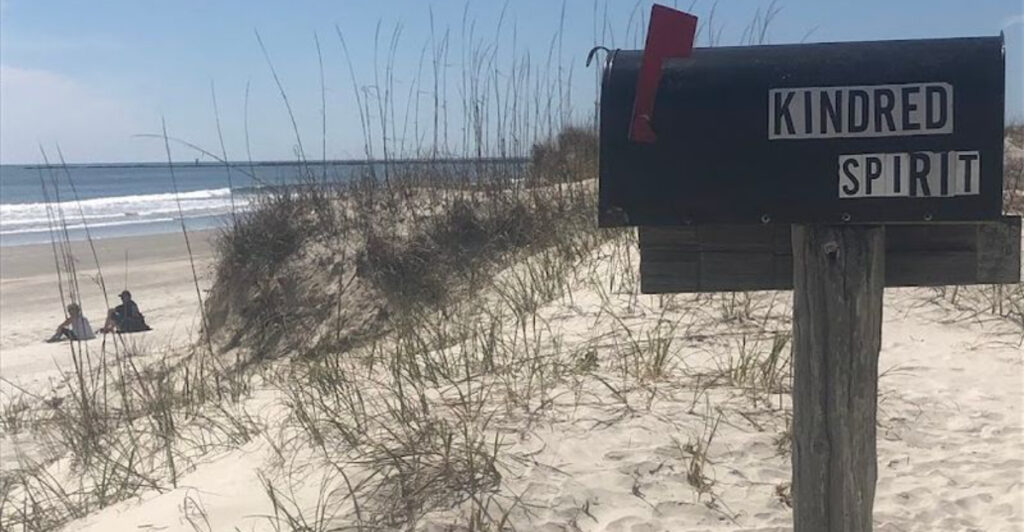
Parking is easy to find outside peak season, and beach access points are well maintained. The nearby Kindred Spirit Mailbox, a beloved local landmark about a mile west along the shore, makes for a meaningful detour after your shelling session.
Sunset Beach may be quieter than its famous neighbors, but that is precisely what makes it so special for collectors.
Topsail Beach — Topsail Island
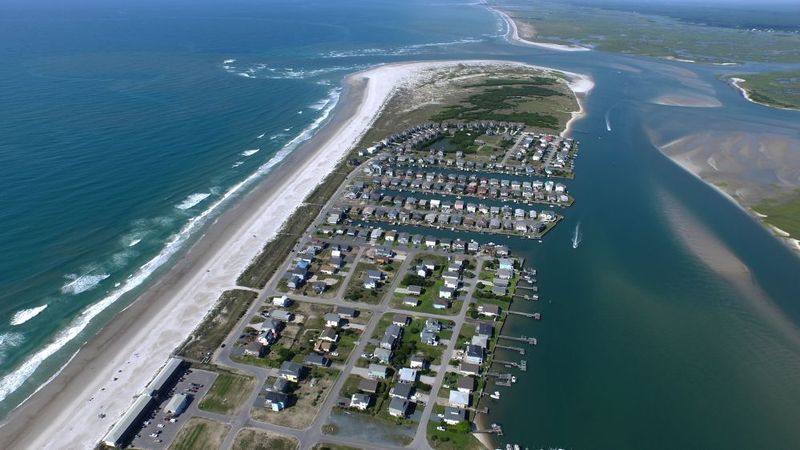
Topsail Beach has a secret that regular visitors guard closely: the shark teeth. Alongside the usual variety of lettered olives, cockles, and coquinas, this laid-back island destination offers collectors a chance to find fossilized shark teeth that wash ashore from ancient underwater deposits.
Finding even a small one feels like uncovering a tiny piece of prehistoric history.
High tide and post-storm conditions are the prime times to search. Topsail Island sits in a position that catches shells and debris pushed in by offshore storms, so checking the forecast before your trip can actually improve your shelling success.
Collectors who time their visits after a strong northeaster tend to find the most impressive hauls.
The atmosphere at Topsail Beach is wonderfully unhurried. Vacation cottages line the shore, locals fish from the pier, and nobody seems to be in much of a rush.
It has a nostalgic, old-school beach town quality that feels rare these days. The Karen Beasley Sea Turtle Rescue and Rehabilitation Center is also located on the island, making it a great stop for families who want to add some wildlife education to their beach day.
Topsail Beach rewards curiosity in more ways than one.
Holden Beach — Brunswick Islands
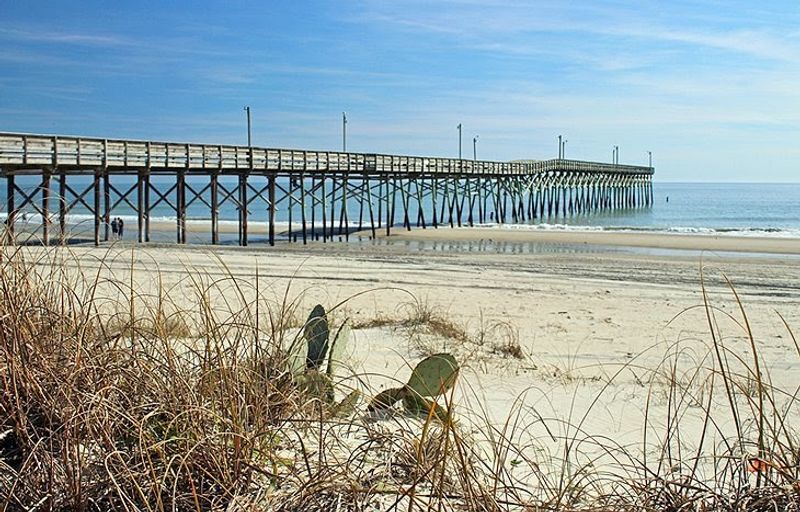
Holden Beach has a reputation for being one of the quieter spots along the Brunswick Islands, and shell collectors have quietly been taking advantage of that for years. Fewer footprints on the sand means more shells left undisturbed, and the long, walkable shoreline gives collectors plenty of ground to cover during a single outing.
Scallop shells, ark shells, and whelks are among the most common finds here. The surf tends to be calmer than at some other North Carolina beaches, which makes Holden Beach a wonderful choice for families with young children who want to search for shells without worrying about strong waves.
Little ones can wade and dig without much fuss.
The town has a genuine neighborhood charm, with beach houses lining the island and a small commercial strip that keeps things low-key. Grab an ice cream or a cold drink after your morning walk and watch the pelicans cruise overhead.
Holden Beach is the kind of place where you can slow down and actually enjoy the hunt rather than rushing from spot to spot. Visiting in the early morning or late afternoon, when the light is lower and the beach is less crowded, consistently produces the best shelling results here.
Bird Island Reserve — Near Sunset Beach
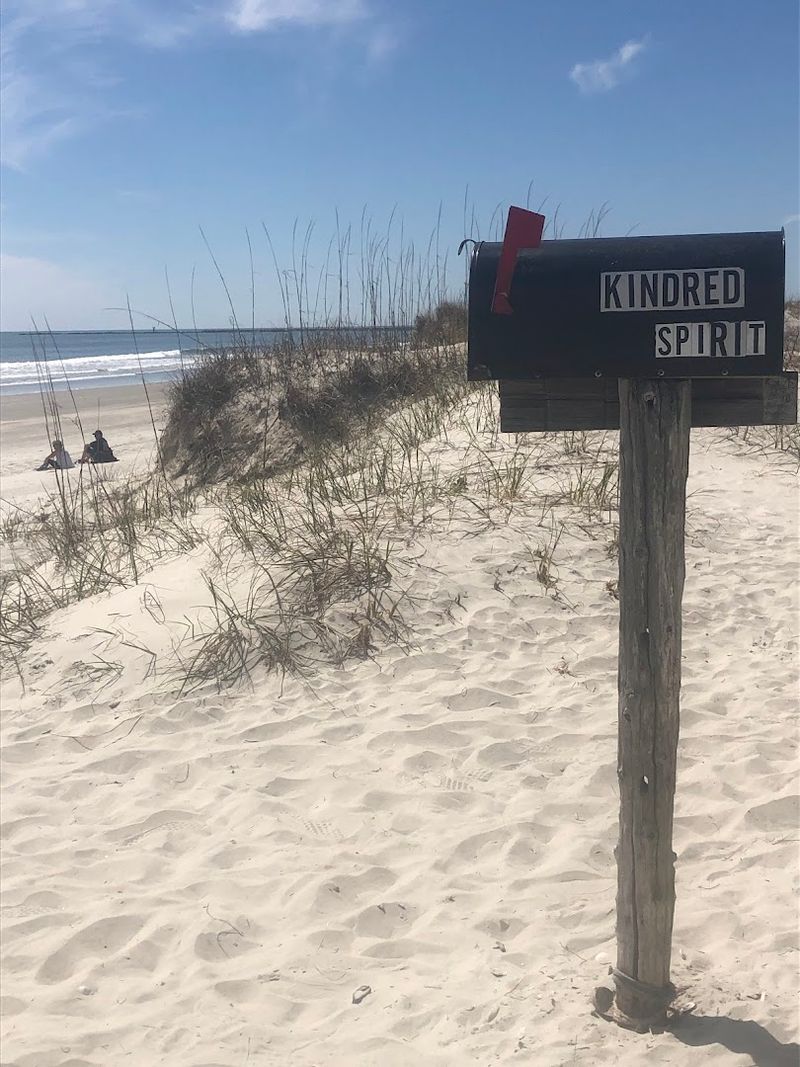
Bird Island is the kind of place that feels like it was kept secret on purpose. Accessible only by foot from the western end of Sunset Beach, this protected coastal reserve offers miles of completely undeveloped shoreline where shells pile up along the tide line without anyone disturbing them.
The walk to reach it takes about twenty minutes, and every step is worth it.
Because no development exists on Bird Island, shells accumulate naturally over time. Collectors often find specimens in better condition here than at more accessible beaches, simply because there is less foot traffic churning through the tide line.
Moon snails, whelks, coquinas, and scallops are all fairly common finds depending on the season and recent tides.
The reserve is also a habitat for shorebirds, loggerhead sea turtles, and other coastal wildlife, adding a nature-watching dimension to your visit. The famous Kindred Spirit Mailbox, a community journal that has been maintained by locals and visitors for decades, sits near the reserve and is absolutely worth a stop.
Reading through the handwritten notes left by strangers is a surprisingly moving experience. Bird Island is not just a shelling destination; it is a place that reminds you why protecting wild coastlines matters so much.
Corolla Beach — Northern Outer Banks
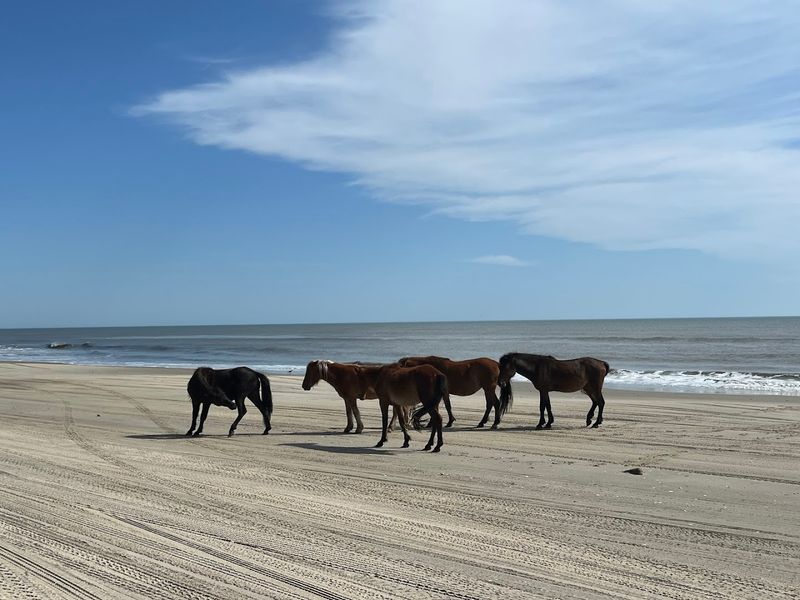
Corolla sits at the northern tip of the Outer Banks where the paved road literally ends, and beyond that point, only four-wheel-drive vehicles can continue north along the sand. That natural barrier keeps a significant stretch of beach largely undisturbed, which is fantastic news for anyone carrying a shell bag.
The shelling variety at Corolla is consistently solid throughout the year. Strong tides and coastal storms push in whelks, olives, scallops, and other Atlantic shells, and the expansive beach gives you plenty of room to spread out and search at your own pace.
Early mornings after a high tide are reliably the most productive windows.
Corolla is also home to the famous Corolla Wild Horses, descendants of Spanish mustangs that have roamed the Outer Banks for centuries. Spotting a small herd trotting along the beach while you search for shells is one of those genuinely unforgettable moments that no travel brochure can fully capture.
The town of Corolla has great restaurants, a historic lighthouse, and a wild horse museum worth visiting before or after your beach time. Shelling here comes with scenery that most collectors only dream about finding in one location.
Fort Fisher State Recreation Area — Kure Beach
Where the Cape Fear River pours into the Atlantic Ocean, something interesting happens to the shells. Competing currents stir up the seafloor and push a diverse mix of shells toward the shoreline, giving collectors at Fort Fisher a selection that feels different from what you find at most other North Carolina beaches.
Olive shells, whelks, scallops, and sand dollars all show up regularly.
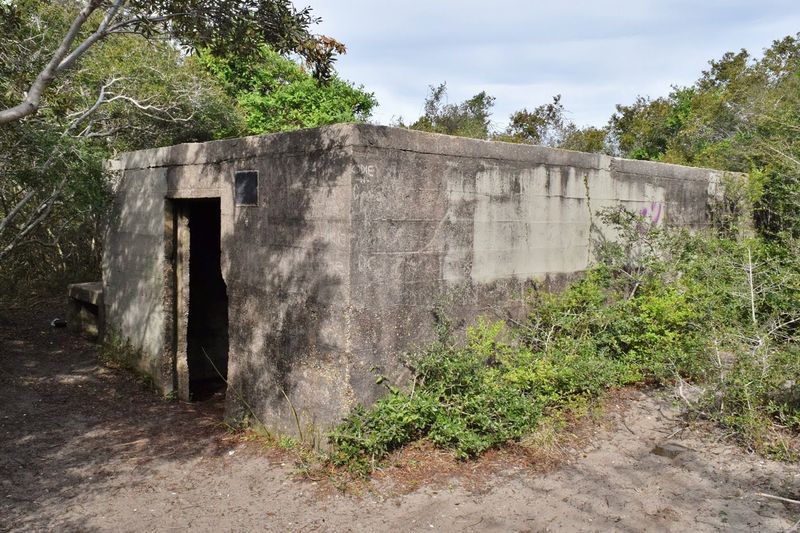
Fort Fisher has a fascinating history layered beneath its natural beauty. The area was the site of a major Civil War battle, and the earthwork fortifications are still partially visible today.
A quick visit to the Fort Fisher State Historic Site adds real depth to a beach day that already has plenty going for it.
The North Carolina Aquarium at Fort Fisher is also located nearby, making this spot a natural fit for families who want to combine shelling with a bit of marine science education. After your time on the beach, kids can see live sharks, sea turtles, and other coastal species up close.
The recreation area itself is well maintained with parking, restrooms, and easy beach access. Fort Fisher manages to be both historically rich and naturally stunning, which is a combination that is genuinely hard to beat anywhere along the Carolina coast.
Share this story