North Carolina is secretly one of the wildest states in America, packed with creatures that will make your jaw drop. From massive black bears lumbering through misty mountain valleys to wild horses galloping along windswept beaches, the state offers wildlife encounters that feel almost unreal.
Whether you love birdwatching, hiking, or just spotting something amazing from the car window, these ten destinations deliver the goods. Grab your binoculars, charge your camera, and get ready to see North Carolina like never before.
Alligator River National Wildlife Refuge — Manteo, North Carolina
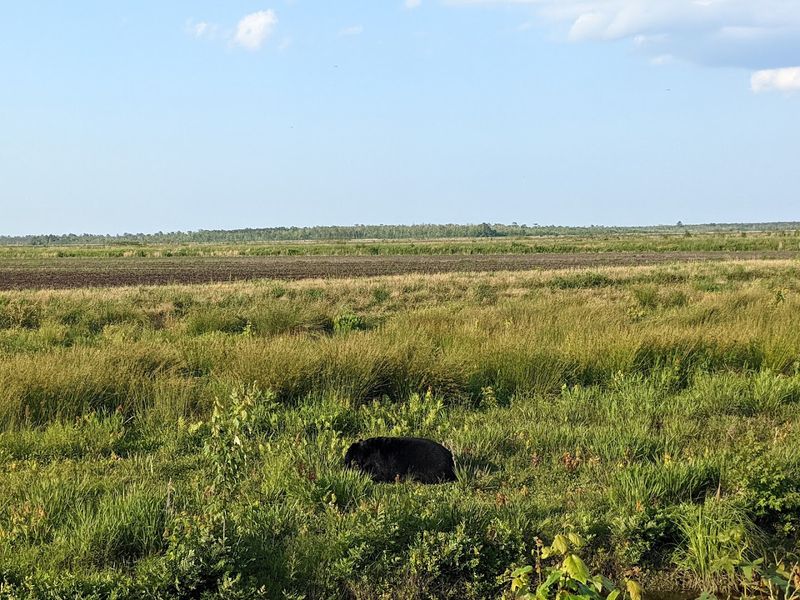
Somewhere deep in this 150,000-acre maze of swamps and forests, a red wolf is watching you before you ever see it. Alligator River National Wildlife Refuge is the only place in the entire world where wild red wolves still roam free, making every visit feel historically significant.
These critically endangered animals are elusive, but patient visitors sometimes catch a glimpse at dawn or dusk.
Black bears are far easier to spot here, and the refuge has one of the highest densities of black bears on the East Coast. Driving the dirt roads at sunrise is practically a guaranteed bear sighting.
Otters, white-tailed deer, and painted turtles round out the daily wildlife parade.
Bird enthusiasts will find plenty to celebrate too. Over 200 bird species have been recorded here, from bald eagles soaring overhead to secretive marsh birds hiding in the reeds.
The refuge also offers guided Tram Tours on Tuesday and Thursday evenings during warmer months, which are perfect for first-timers. Bring bug spray, wear layers, and prepare yourself for an experience that feels less like a nature walk and more like stepping into a wildlife documentary.
Pea Island National Wildlife Refuge — Rodanthe, North Carolina
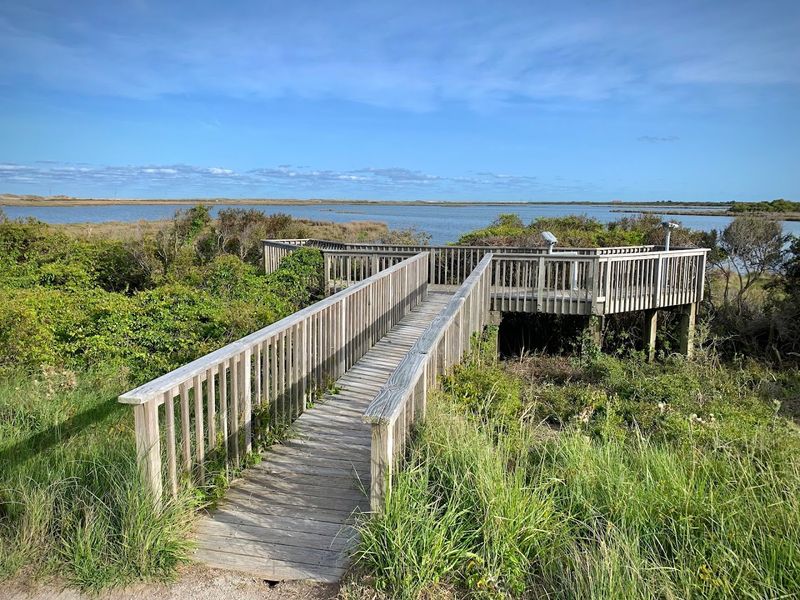
Every autumn, the sky above Pea Island turns into something that looks like a nature screensaver come to life. Thousands of migratory birds descend on this narrow strip of Outer Banks land, following one of North America’s most important bird highways known as the Atlantic Flyway.
Snow geese arrive in enormous flocks, filling the air with honking that you can hear from a mile away.
Tundra swans, great blue herons, brown pelicans, and egrets are regular visitors throughout the year. The refuge has two well-maintained trails and multiple observation platforms that put you right in the middle of the action without disturbing the birds.
Even casual visitors with zero birdwatching experience tend to leave completely hooked.
Summer brings a different kind of excitement. Loggerhead sea turtles nest on the beaches, and refuge staff sometimes lead nighttime nest walks during the nesting season.
The North Pond Wildlife Trail is short, flat, and family-friendly, making it an excellent choice for all ages. Pea Island proves that you do not need to travel to an exotic country to witness one of nature’s most spectacular wildlife shows.
It has been right here in North Carolina all along.
Rachel Carson Reserve — Beaufort, North Carolina
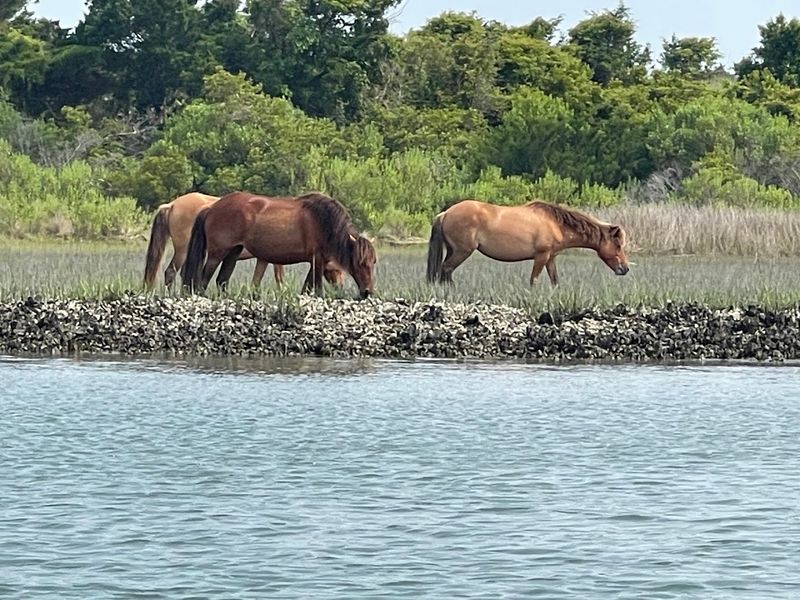
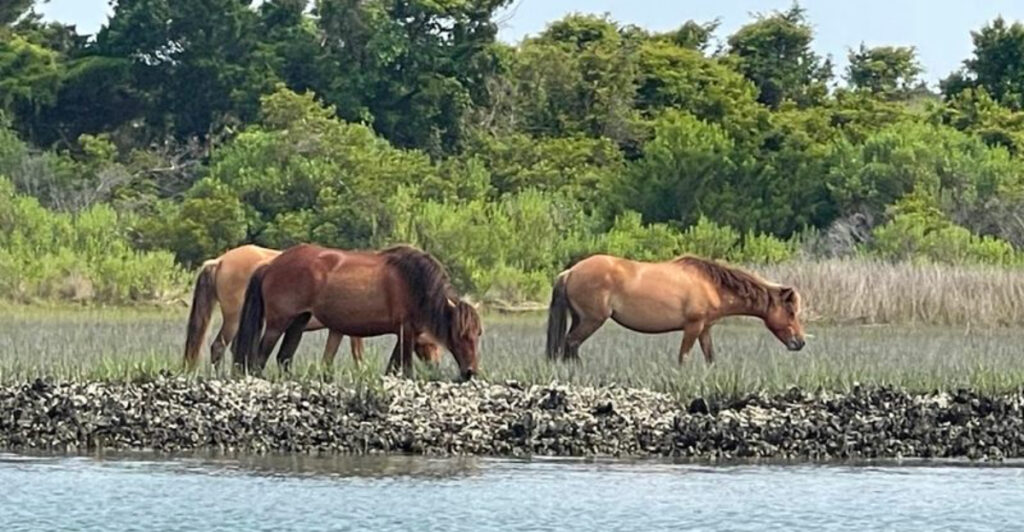
Wild horses have been roaming these barrier islands for centuries, and nobody told them to leave. The Rachel Carson Reserve, accessible only by boat or kayak from downtown Beaufort, is home to a small but legendary herd of free-roaming horses believed to be descendants of Spanish mustangs brought to the coast hundreds of years ago.
Watching them graze along the shoreline with the Atlantic breeze ruffling their manes is genuinely breathtaking.
The reserve is named after marine biologist and author Rachel Carson, who did research along this very coastline. Beyond the horses, the shallow tidal flats attract bottlenose dolphins that regularly swim close to shore.
Shorebirds, fiddler crabs, and horseshoe crabs also make appearances depending on the season.
Getting there is half the adventure. Several local ferry services run short trips from the Beaufort waterfront, and the whole excursion can be done in a morning or afternoon.
Kayak rentals are available nearby if you prefer a more hands-on approach. Wildlife viewing etiquette matters here, so visitors are asked to stay at least 50 feet from the horses at all times.
The Rachel Carson Reserve is small in size but absolutely enormous in personality and charm.
Pocosin Lakes National Wildlife Refuge — Columbia, North Carolina
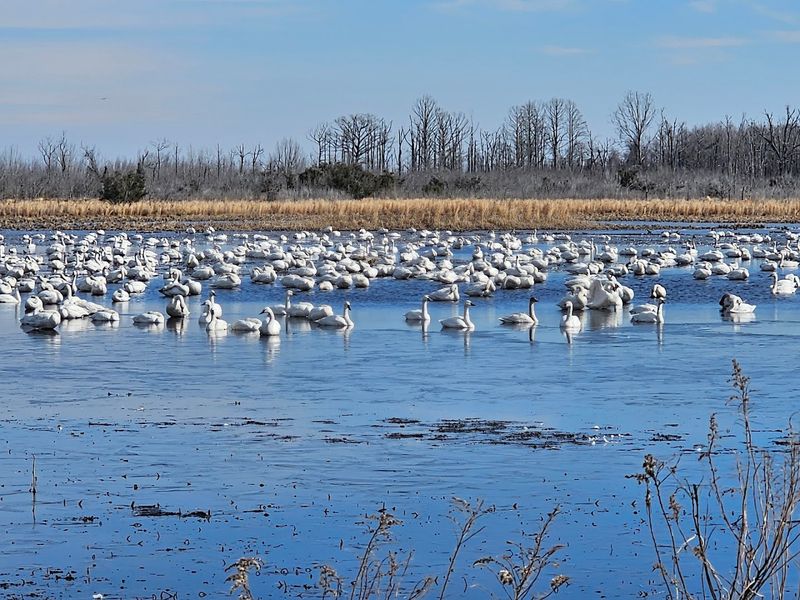
Picture 80,000 tundra swans landing on a single lake at sunset. That is not a fantasy; it is a Tuesday at Pocosin Lakes National Wildlife Refuge during peak winter migration.
Located in the heart of North Carolina’s coastal plain, this refuge hosts one of the largest concentrations of waterfowl in the entire eastern United States every year between November and February.
The sheer noise of tens of thousands of birds calling at once is something you feel in your chest. Snow geese, Canada geese, and diving ducks join the swans to create a wildlife spectacle that rivals anything you might see on a nature television special.
The Pungo Unit of the refuge is the best area to visit for these winter gatherings.
Outside of winter, the refuge stays busy with black bears, red wolves, bobcats, and a remarkable variety of wetland birds. The Pocosin ecosystem, a type of raised peat bog, is one of the rarest habitats in North America.
Trails are mostly flat and easy to walk, making wildlife observation accessible for families and older visitors alike. Sunrise visits during migration season offer the most dramatic scenes.
Pocosin Lakes is proof that the best wildlife shows on Earth sometimes happen in your own backyard.
Great Smoky Mountains National Park — Bryson City, North Carolina
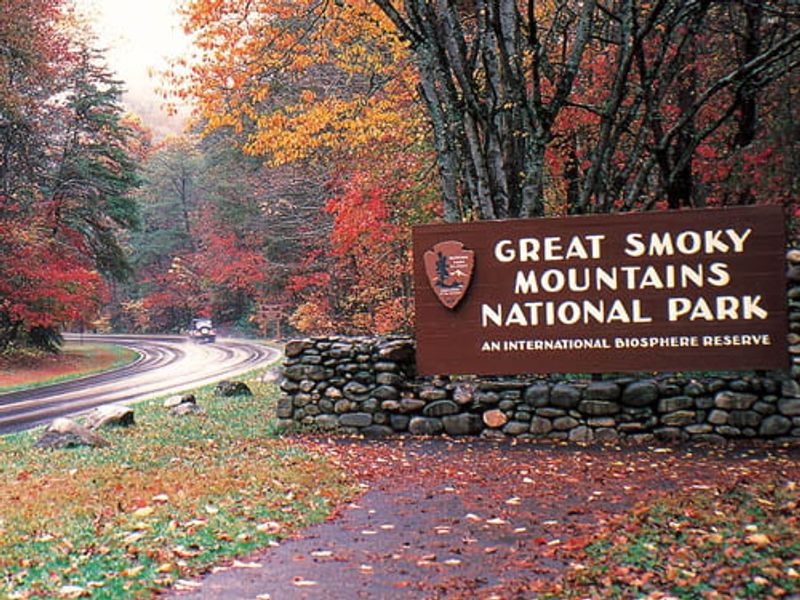
More than 1,500 black bears call Great Smoky Mountains National Park home, which means your odds of spotting one are genuinely excellent. The North Carolina side of the park, anchored near the charming town of Bryson City, offers access to some of the most biologically diverse forests in North America.
The Smokies contain more tree species than all of northern Europe combined, which gives you a sense of just how wild this place really is.
Beyond bears, the park shelters wild turkeys, white-tailed deer, red foxes, and over 200 species of birds. Elk were reintroduced to the park and can sometimes be spotted near the Oconaluftee Visitor Center area.
Spring and fall are peak seasons for wildlife activity, but animals are visible year-round if you know where to look.
Clingmans Dome, accessible from the North Carolina side, offers panoramic views that attract birds of prey riding thermal air currents. The Deep Creek area near Bryson City is popular for both wildlife watching and tubing on the creek.
Rangers lead free programs throughout the year, including evening programs focused on wildlife behavior. Great Smoky Mountains National Park is the most visited national park in the country for very good reason.
Cataloochee Valley — Great Smoky Mountains National Park, North Carolina
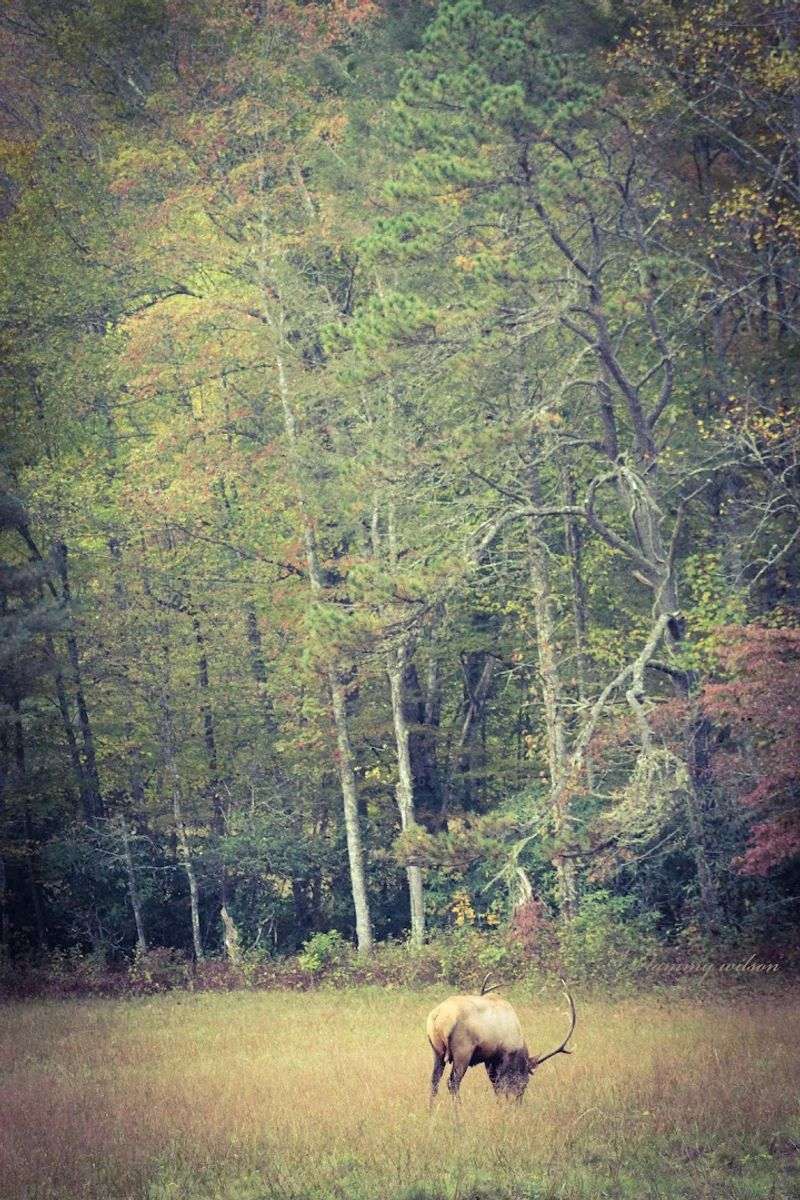
Set your alarm for 5:30 a.m. and drive into Cataloochee Valley before sunrise. You will not regret it.
This remote, mist-filled valley tucked inside the Smokies is one of the most magical wildlife destinations in the entire Southeast, and the elk that live here seem to know it. Reintroduced to North Carolina in 2001 after being absent for over 150 years, these animals have thrived beautifully in the valley’s open meadows.
Bull elk can weigh over 700 pounds, and during the autumn rut in September and October, their bugling calls echo dramatically through the valley walls. Watching a massive bull challenge a rival at dawn, with fog curling off the grass, is the kind of scene that makes grown adults tear up a little.
Cows and calves gather in family groups that are equally worth watching.
The drive to Cataloochee requires navigating a narrow gravel road, but the journey is absolutely worth the effort. Rangers are stationed in the valley during peak viewing hours to help visitors spot elk and stay a safe distance away.
The valley also contains historic preserved buildings from an old mountain community, adding cultural interest to the wildlife experience. Cataloochee Valley earns its reputation as one of North Carolina’s crown jewels every single morning.
Lake Mattamuskeet National Wildlife Refuge — Swan Quarter, North Carolina
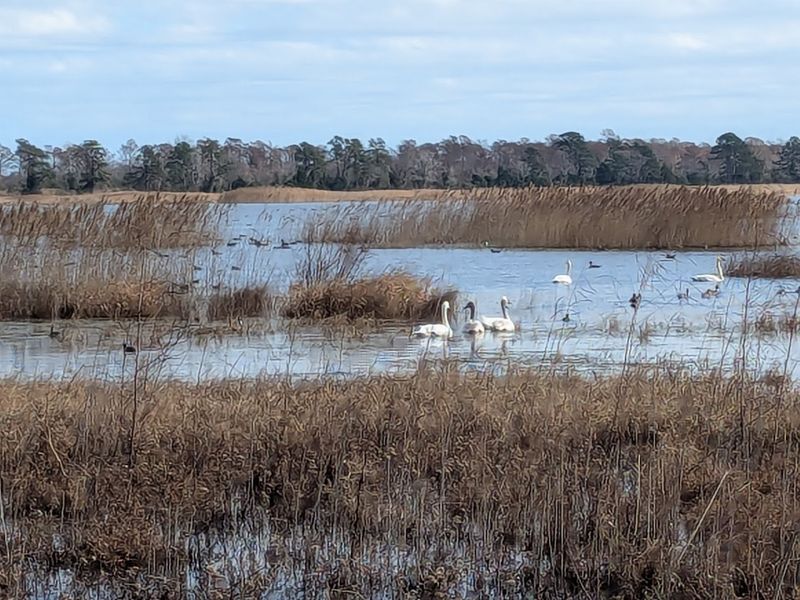
Lake Mattamuskeet is the largest natural lake in North Carolina, and in winter it practically disappears under a blanket of birds. Tundra swans arrive by the tens of thousands between November and February, turning the sky white and filling the air with a constant, haunting chorus of calls.
Watching them lift off the lake together at sunrise is one of the most jaw-dropping natural events the state has to offer.
Ducks of at least 20 species join the swans, and bald eagles patrol the shoreline looking for an easy meal. The iconic historic pump house at the center of the lake adds a dramatic visual backdrop to wildlife photography.
Osprey nest here in warmer months, and great blue herons fish the shallows year-round with remarkable patience.
The refuge has a network of roads and pull-offs that make wildlife viewing easy from your vehicle, which is a bonus on cold winter mornings. A few short walking paths allow closer exploration of the marsh edges.
Local volunteer naturalists often set up spotting scopes at key locations and are happy to point out special sightings. Lake Mattamuskeet rewards visitors who show up early and move quietly.
The birds here are wild, abundant, and completely unforgettable.
Cape Hatteras National Seashore — Outer Banks, North Carolina
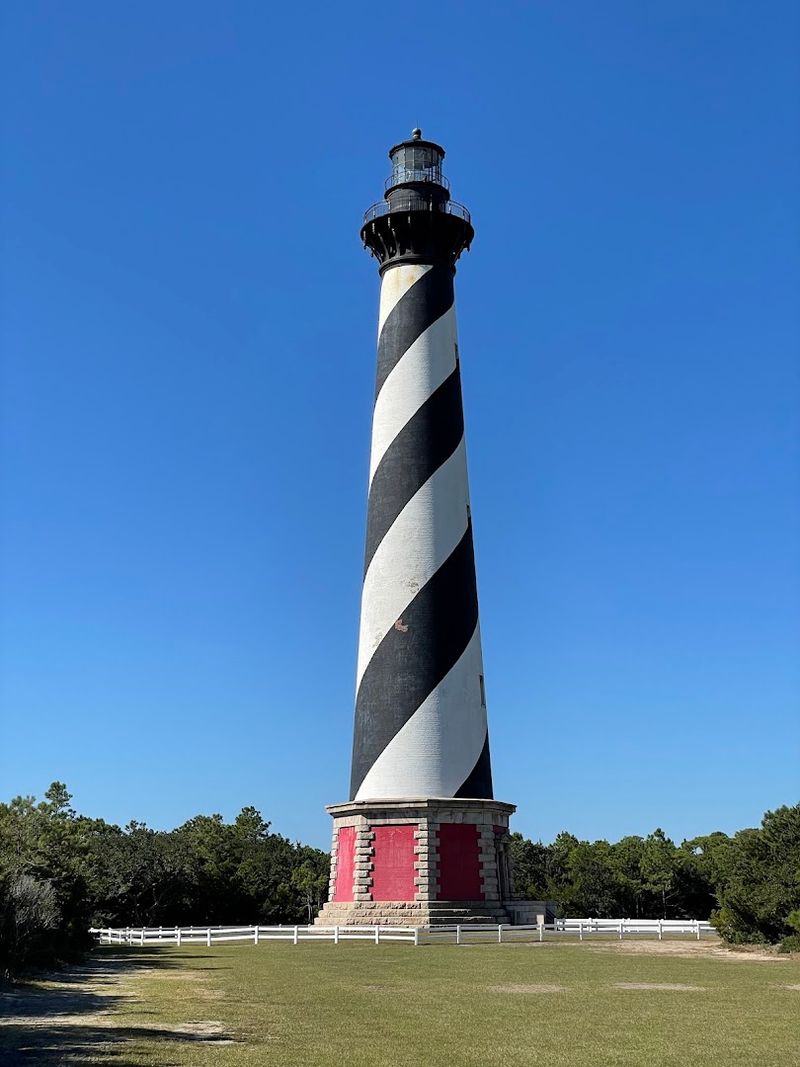
Most people come to Cape Hatteras for the lighthouse and stay because of the dolphins. Bottlenose dolphins regularly surf the waves just offshore, sometimes close enough that you can hear them breathing.
The barrier island setting of Cape Hatteras National Seashore creates a dynamic environment where ocean, sound, and beach habitats all collide, drawing an impressive variety of wildlife throughout the year.
Loggerhead sea turtles nest along the beaches from May through August, and park rangers carefully mark and protect every nest they find. Witnessing a sea turtle haul herself ashore at night to lay eggs is one of those rare experiences that feels both ancient and deeply moving.
Hatchlings emerge weeks later and make their scramble to the sea in one of nature’s most emotional moments.
Shorebirds and migratory songbirds use the islands as rest stops during their long journeys north and south. Peregrine falcons and merlins hunt the beaches in fall, diving at shorebird flocks with breathtaking speed.
The fishing piers attract brown pelicans that wait patiently for scraps, completely unfazed by nearby humans. Cape Hatteras is a year-round wildlife destination that never runs out of surprises.
Every season brings a fresh lineup of animals worth watching.
Green Swamp Preserve — Brunswick County, North Carolina
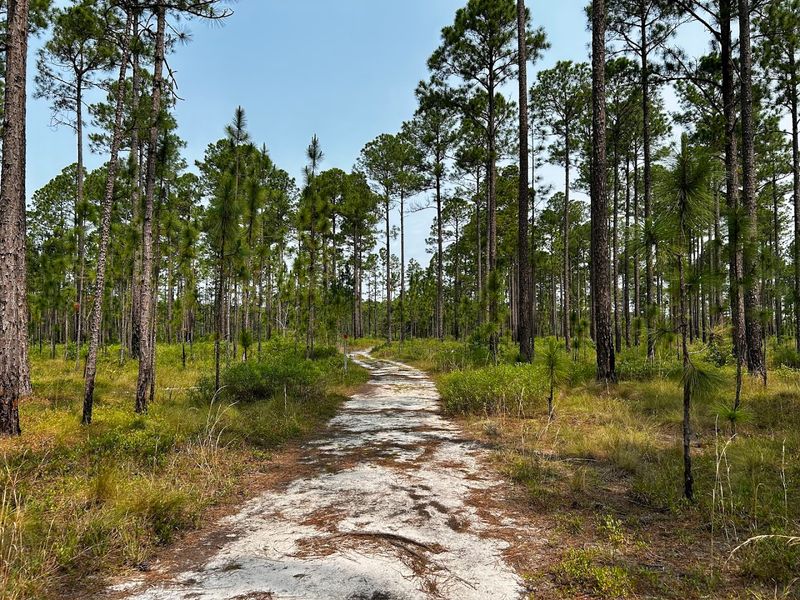
The plants here eat insects, and that is just the beginning of what makes Green Swamp Preserve one of the strangest and most wonderful places in North Carolina. Managed by the Nature Conservancy, this 17,000-acre preserve in Brunswick County protects one of the most biologically rich longleaf pine ecosystems anywhere on Earth.
Venus flytraps, pitcher plants, and sundews grow wild here in numbers that will make any nature lover’s head spin.
Black bears move through the preserve regularly, and the rare red-cockaded woodpecker nests in old-growth longleaf pines throughout the area. Bachman’s sparrow, a secretive grassland bird that is declining across much of the Southeast, finds safe habitat here.
The preserve supports over 40 rare plant species alongside its impressive animal diversity.
Two trails wind through the preserve, offering access to both the wetland bog areas and drier pine savanna habitats. The boardwalk sections keep your feet dry while giving you up-close views of the carnivorous plant communities.
Spring is the best time to visit when the wildflowers are blooming and the Venus flytraps are at their most active. Green Swamp Preserve asks nothing of you except curiosity and a willingness to slow down and look closely at what is living all around you.
Sylvan Heights Bird Park — Scotland Neck, North Carolina
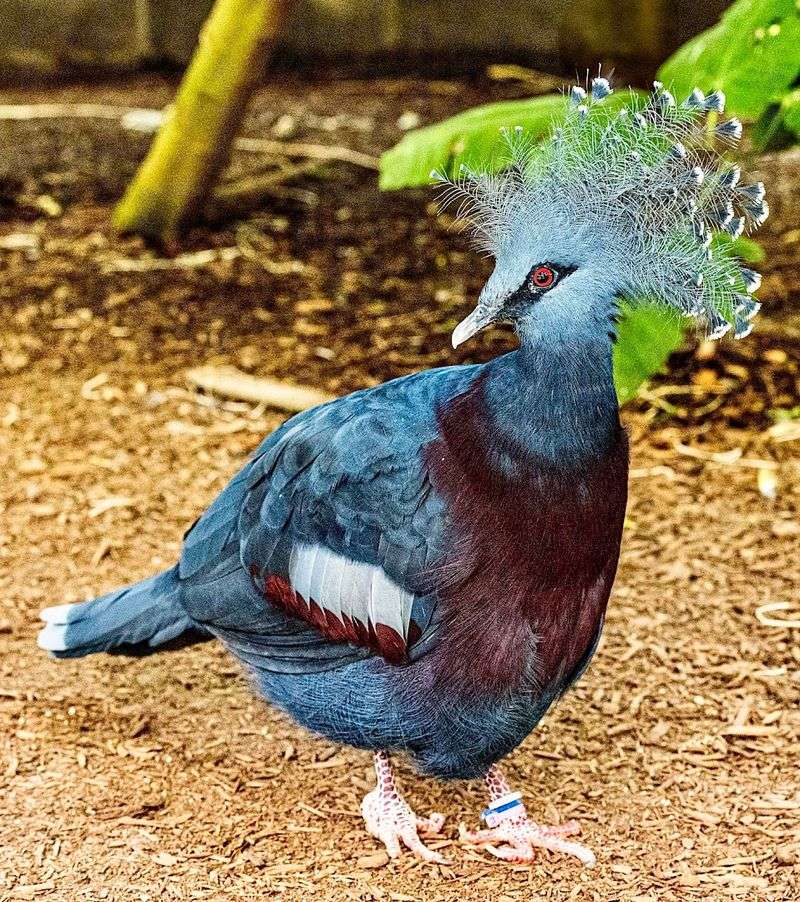
Walking through Sylvan Heights Bird Park feels like being teleported to six different continents at once. Located in the small town of Scotland Neck, this extraordinary facility houses the largest and most diverse collection of waterfowl in the world, with over 170 species represented across beautifully designed walk-through aviaries.
Flamingos strut past your knees. Rare cranes pace nearby.
Tropical ducks waddle across your path without a care in the world.
Founded by aviculturist Mike Lubbock, the park began as a conservation breeding facility and has grown into a world-class destination for bird enthusiasts and curious families alike. Many of the species here are endangered in the wild, and the park actively participates in international conservation programs to help protect them.
That means your admission ticket literally supports global bird conservation.
Children absolutely love the park because the birds are so accessible and unafraid. Feeding stations bring certain species directly to your hand.
The park also offers educational programs and behind-the-scenes tours that reveal how the staff cares for such a remarkable collection. Sylvan Heights proves that extraordinary wildlife experiences do not always require a wilderness backdrop.
Sometimes the most intimate animal encounters happen in a thoughtfully designed park in the heart of rural North Carolina.
Share this story