Oregon’s story stretches far beyond its famous mountains and coastline. Across the state, monuments and memorials commemorate Indigenous cultures, pioneering journeys, military history, and the people who helped shape the Pacific Northwest.
These landmarks offer visitors a chance to connect with Oregon’s past while exploring some of its most remarkable landscapes.
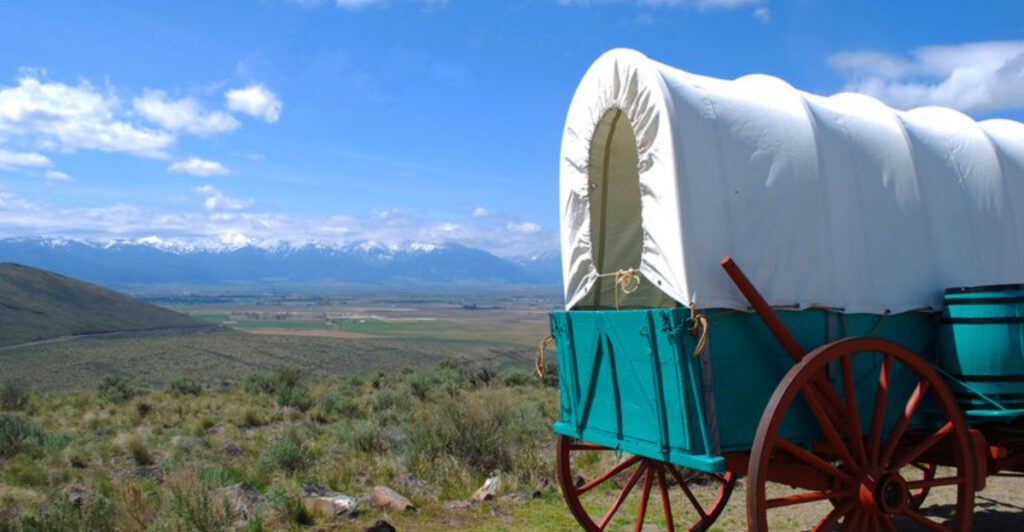
Oregon Trail Interpretive Park and Pioneer Monument — Baker City, Oregon
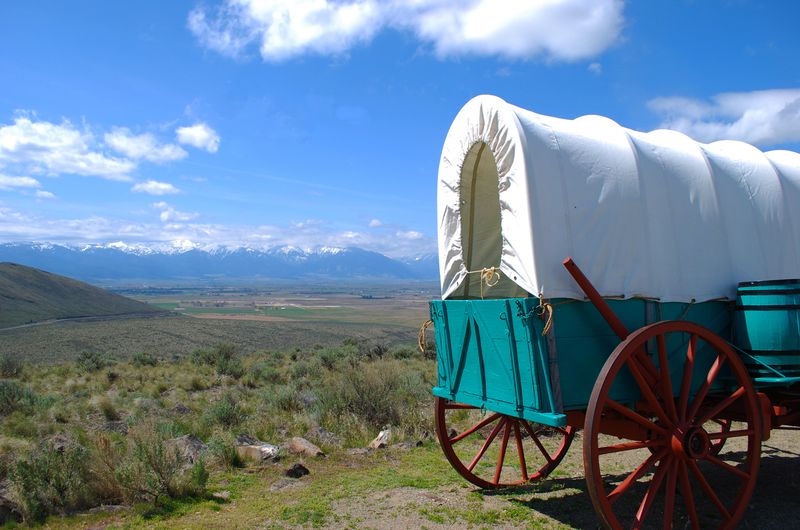
Wagon ruts carved into the earth tell stories that textbooks never could. Perched above the historic route traveled by thousands of settlers, this monument honors the pioneers who crossed the Oregon Trail in search of new opportunities.
The site preserves actual grooves worn into the landscape by countless wagon wheels between the 1840s and 1860s.
The nearby interpretive center brings those dusty trails back to life with exhibits showcasing personal belongings, diary entries, and artifacts from families who made the journey. Interactive displays help modern visitors grasp what it meant to travel over 2,000 miles by covered wagon.
You can walk along preserved sections of the trail and imagine the dust, exhaustion, and hope that accompanied every mile.
This monument stands as a powerful reminder of the determination that defined one of America’s greatest migrations. The surrounding high desert landscape looks much as it did when pioneers first passed through.
Visiting at sunrise or sunset adds an extra layer of atmosphere, casting long shadows across the historic ruts and making history feel remarkably close.
Astoria Column — Astoria, Oregon
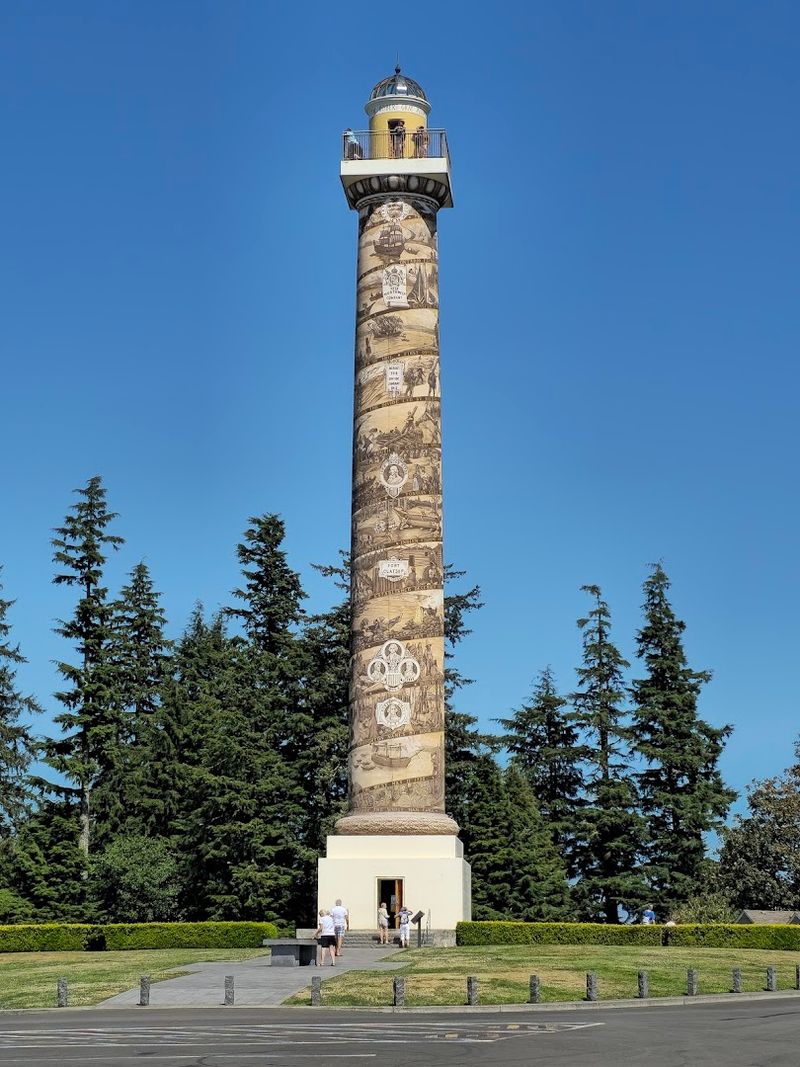
Climbing 164 spiral steps inside a towering monument might sound exhausting, but the payoff makes every step worthwhile. Standing atop Coxcomb Hill since 1926, the Astoria Column celebrates the region’s early explorers, fur traders, and settlers through a vibrant mural that wraps around its 125-foot exterior.
The artwork depicts key moments from the discovery of the Columbia River to the arrival of the Great Northern Railway.
Modeled after Trajan’s Column in Rome, this landmark was built to commemorate westward expansion and the development of the Pacific Northwest. Local tradition involves buying small wooden gliders from the gift shop and launching them from the observation deck, watching them soar over the treetops below.
On clear days, the panoramic views stretch across the Columbia River, Young’s Bay, and the Pacific Ocean.
The column underwent extensive restoration in recent years to preserve its colorful murals and structural integrity. Nighttime illumination makes it a beacon visible for miles around.
Whether you’re a history enthusiast or just seeking incredible views, this monument delivers both education and inspiration in equal measure.
End of the Oregon Trail Monument — Oregon City, Oregon
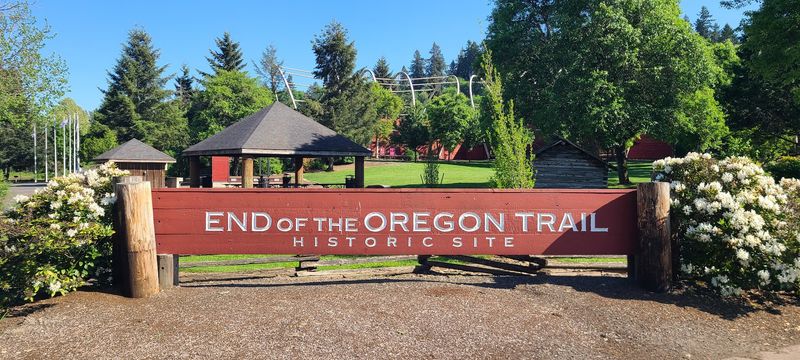
After months of bone-rattling travel across plains, mountains, and rivers, pioneers finally reached this spot with a mixture of relief and uncertainty. Oregon City marked the destination for many pioneers completing the arduous Oregon Trail journey, representing the fulfillment of dreams that sustained them through countless hardships.
The monument commemorates the thousands who arrived here after traveling more than 2,000 miles from Missouri and other jumping-off points.
The interpretive center features life-sized exhibits including replica wagons, period clothing, and multimedia presentations that transport visitors back to the 1840s and 1850s. You can experience what it felt like to pack a wagon with only essential supplies, make difficult decisions about what to leave behind, and face the challenges of starting over in unfamiliar territory.
Interactive elements engage younger visitors while providing depth for history buffs.
This site serves as a powerful reminder of the migration that transformed the American West and forever changed the lives of Indigenous peoples already living here. The surrounding area includes historic buildings and markers that help tell the broader story of Oregon City’s role as an early territorial capital and commercial center.
Chief Joseph Monument — Wallowa County, Oregon
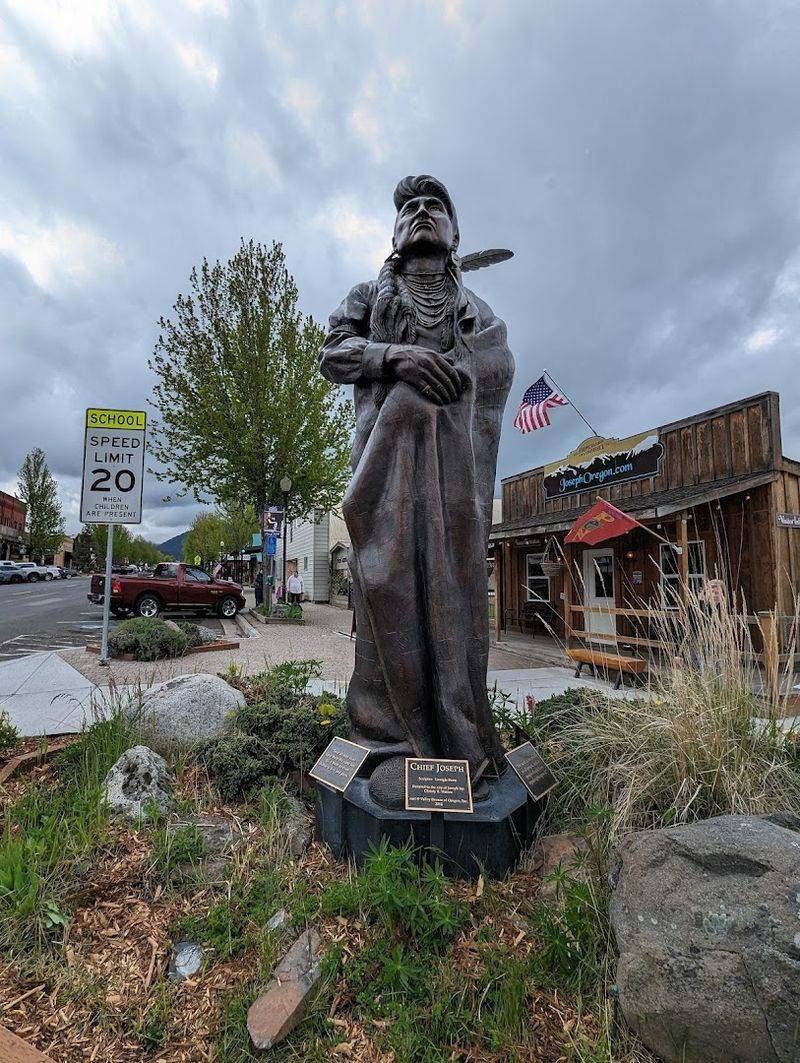
Few leaders have embodied dignity and wisdom in the face of injustice quite like the Nez Perce chief honored here. Dedicated to the famed leader, this monument recognizes Chief Joseph’s extraordinary leadership during one of the most tragic chapters in American history.
Set against the stunning backdrop of the Wallowa Mountains, the memorial occupies land that once belonged to the Nez Perce people before forced removal in 1877.
Chief Joseph’s famous surrender speech included the haunting words, “I will fight no more forever,” spoken after leading his people on a 1,170-mile fighting retreat toward Canada. The monument encourages visitors to reflect on Indigenous history and the profound changes brought by westward expansion.
Interpretive panels share perspectives from Nez Perce descendants and historians, providing context often missing from traditional accounts.
The surrounding Wallowa Valley, known as the “Valley of Winding Waters,” remains one of Oregon’s most beautiful regions. Visiting this monument offers an opportunity to appreciate both natural splendor and the resilience of Native peoples.
Many visitors report feeling a deep sense of connection to the land and its original inhabitants while standing at this site.
Lewis and Clark National Historical Park Memorials — Astoria, Oregon
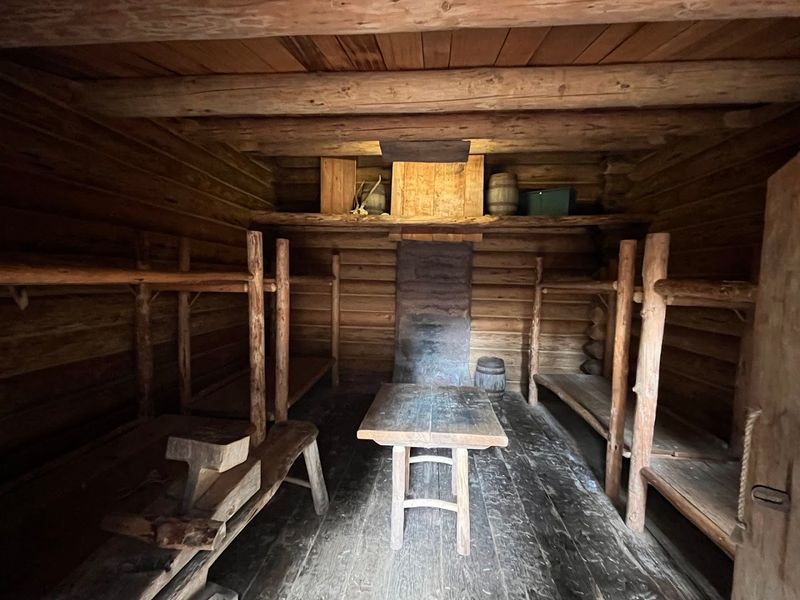
Winter rain pounded the makeshift fort where explorers huddled for months, surviving on elk meat and patience. Several monuments throughout the park commemorate the Corps of Discovery and their winter at Fort Clatsop in 1805–1806, when the expedition reached the Pacific Ocean after an epic journey from St. Louis.
The reconstructed fort gives visitors a tangible sense of the cramped, damp conditions the explorers endured.
These memorials help tell the story of one of America’s most famous expeditions while highlighting the vital contributions of Native communities encountered along the journey. Without assistance from Clatsop, Chinook, and other tribes, the expedition likely would have failed.
Interpretive programs include demonstrations of flintlock rifles, candle-making, and other period activities that bring history to life.
The park encompasses multiple sites along both the Oregon and Washington sides of the Columbia River. Walking trails wind through coastal forests similar to those the expedition explored.
Rangers share stories that go beyond the familiar narrative, including perspectives on Sacagawea, York (an enslaved member of the expedition), and the complex interactions between explorers and Indigenous peoples they encountered.
Peter Skene Ogden Monument — Crooked River Gorge, Oregon
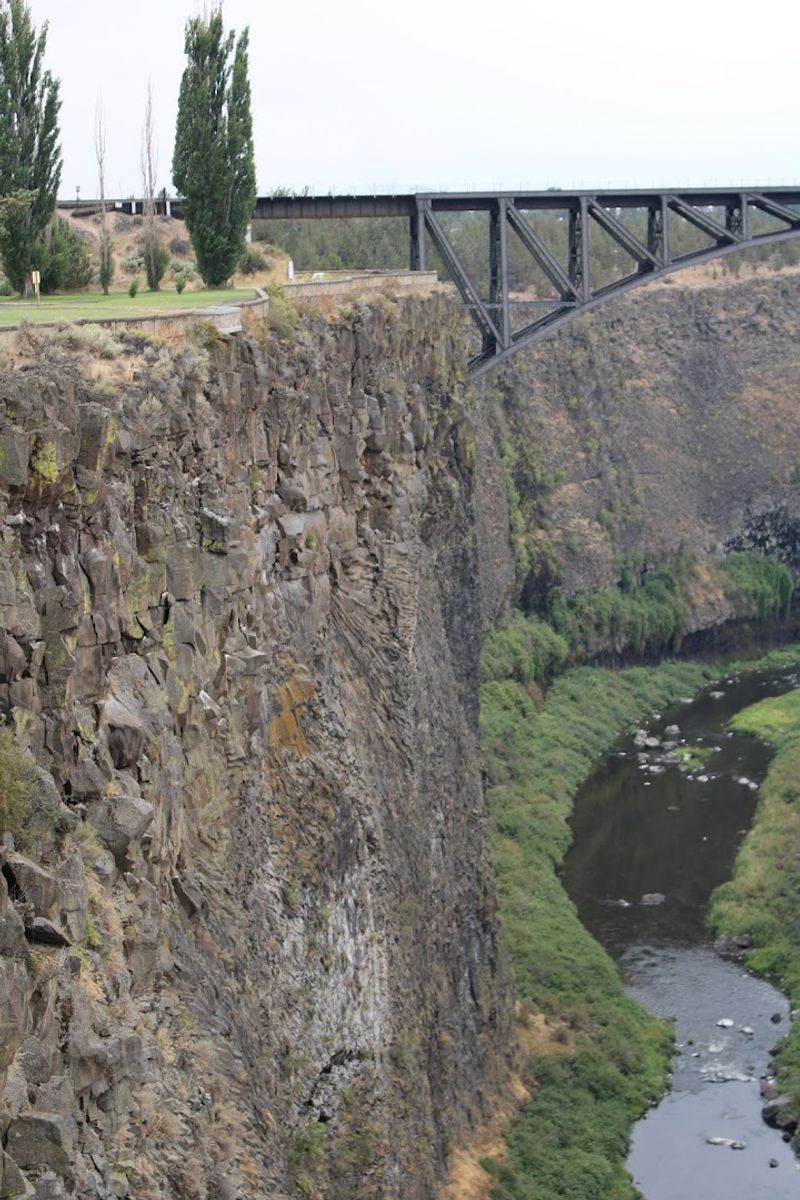
Vertigo-inducing views plunge 300 feet down to the churning river below, reminding visitors why early explorers needed serious courage. Overlooking the dramatic Crooked River Gorge, this monument honors Peter Skene Ogden, a fur trader and explorer who helped map portions of the Pacific Northwest during the 1820s.
Ogden worked for the Hudson’s Bay Company and led numerous expeditions into uncharted territory.
The nearby viewpoint offers breathtaking scenery that helps visitors appreciate the rugged landscapes early explorers encountered. A steel arch bridge spans the gorge, creating a striking contrast between 1920s engineering and ancient volcanic rock formations.
The river carved this canyon through layers of basalt over millions of years, creating the spectacular geology visible today.
Ogden’s explorations contributed significantly to geographical knowledge of the region, though his role in the fur trade also participated in the exploitation of natural resources and displacement of Native peoples. The monument site includes interpretive signs explaining both the geological features and human history of the area.
Photographers particularly love the dramatic lighting during golden hour when shadows emphasize the gorge’s depth and texture.
Theodore Roosevelt Elk Monument — Portland, Oregon
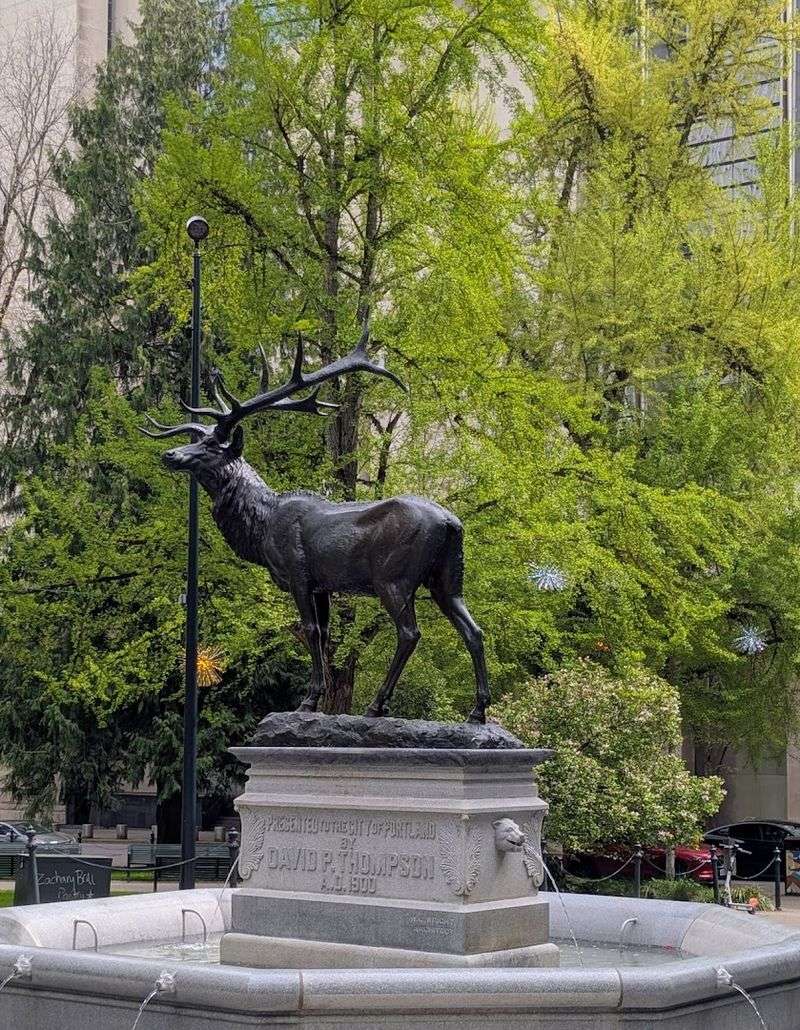
Bronze hooves planted firmly on stone, a magnificent elk surveys Washington Park with the same commanding presence Roosevelt himself once brought to conservation battles. Located in Portland’s Washington Park, this impressive monument honors President Theodore Roosevelt’s conservation legacy and his role in preserving American wilderness.
Dedicated in 1928, the statue features a life-sized elk in a powerful stance that captures the animal’s nobility.
Roosevelt’s presidency marked a turning point for wildlife protection, establishing numerous national forests, parks, and wildlife refuges. His policies helped save species like elk from potential extinction due to overhunting and habitat loss.
The monument reflects Oregon’s deep connection to wildlife preservation and the natural resources that have long defined the state’s identity.
The sculpture was created by Alexander Phimister Proctor, a renowned wildlife artist who studied animals extensively to capture their authentic movements and anatomy. Visitors often stop to photograph the statue while exploring Washington Park’s many attractions, including the International Rose Test Garden and Japanese Garden.
The monument stands as a reminder that conservation requires both political will and public support, lessons that remain relevant today as new environmental challenges emerge.
Oregon Korean War Memorial — Wilsonville, Oregon
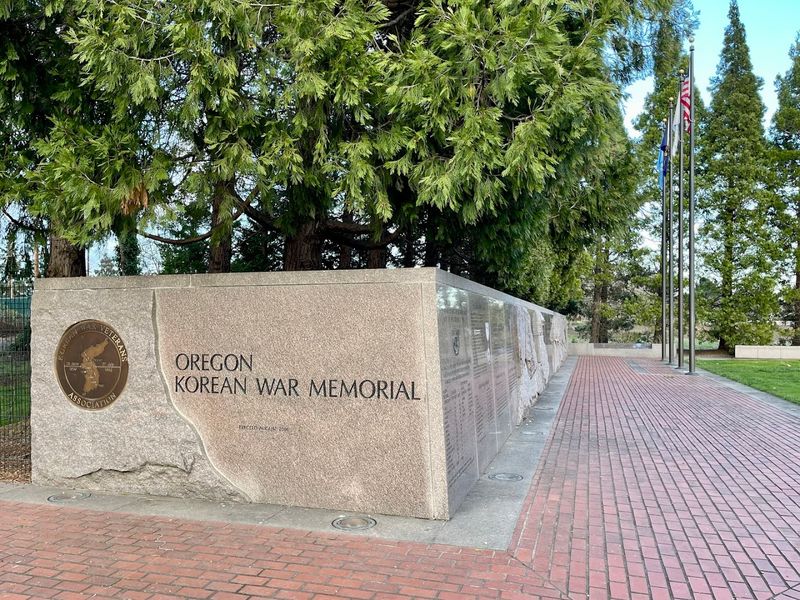
Names etched in stone carry the weight of sacrifice that younger generations must never forget. Situated within Town Center Park, this moving memorial honors Oregonians who served during the Korean War, often called the “Forgotten War” despite its profound impact.
Dedicated veterans and community members worked together to ensure this conflict received proper recognition through thoughtful design and educational elements.
Engraved names, interpretive displays, and carefully chosen design elements provide visitors with a place for reflection while preserving an important chapter in the state’s military history. The memorial includes information about the war’s causes, major battles, and the ongoing division of the Korean Peninsula.
Black granite panels list the names of fallen Oregonians, ensuring their service lives on in community memory.
The park setting makes the memorial accessible to families, school groups, and individuals seeking quiet contemplation. Benches invite visitors to sit and read the historical panels or simply absorb the peaceful atmosphere.
Veterans organizations hold remembrance ceremonies here, particularly on the anniversary of the armistice. The memorial serves as both a tribute to those who served and an educational resource for understanding this pivotal Cold War conflict.
Oregon Vietnam Veterans Memorial — Portland, Oregon
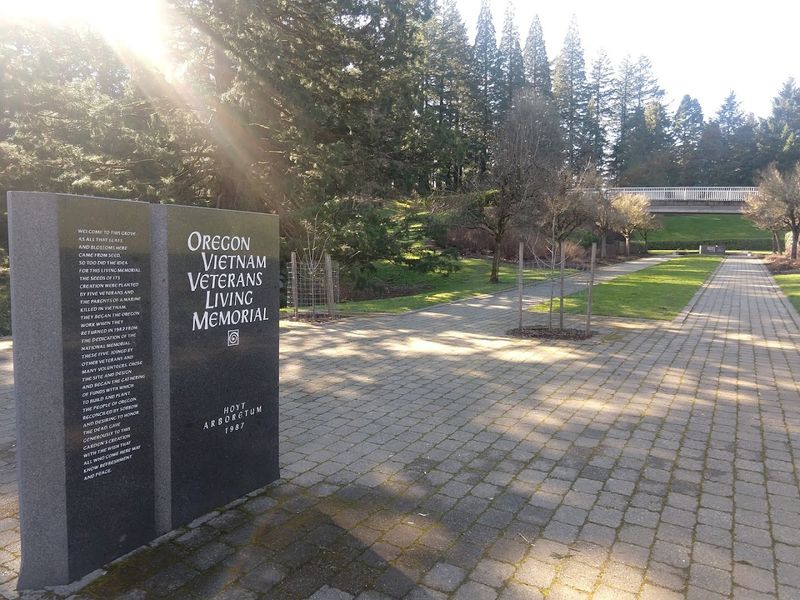
Silence speaks louder than words when you stand among the names of neighbors, classmates, and strangers who never came home. Nestled in Portland’s Washington Park, this memorial honors the more than 800 Oregonians who lost their lives during the Vietnam War.
Dedicated in 1987, the site was created through donations and volunteer efforts from veterans, families, and community supporters who wanted a lasting tribute.
Thoughtfully designed pathways, inscriptions, and monuments create a powerful and personal tribute that encourages remembrance and reflection. The main structure features a timeline of the war alongside the names of the fallen, organized by year of death.
Visitors often leave flowers, flags, or personal mementos at the base of the memorial, creating an evolving display of remembrance.
The memorial’s location in Washington Park places it near other significant monuments, allowing visitors to explore multiple aspects of Oregon’s history in one trip. Trees and landscaping provide a serene environment that contrasts with the turbulent emotions the war still evokes.
Annual commemorative events bring together aging veterans, Gold Star families, and younger generations learning about this controversial conflict and its lasting impact on American society.
Sacagawea Statue — Portland, Oregon
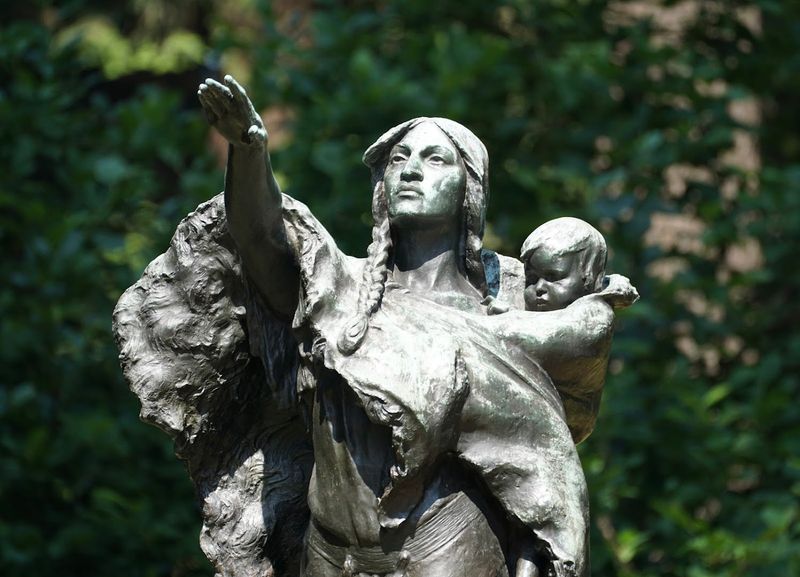
Carrying her infant son on her back, a young Shoshone woman gazes westward just as she did when guiding explorers toward the unknown Pacific. One of Oregon’s most recognized monuments, the Sacagawea Statue in Washington Park commemorates the woman whose guidance proved invaluable to the Lewis and Clark Expedition.
Dedicated in 1905 during the Lewis and Clark Centennial Exposition, the sculpture captures her in a moment of quiet determination.
Created by sculptor Alice Cooper, the statue was one of the first public monuments in the United States honoring a Native American woman. Sacagawea’s contributions extended beyond translation and diplomacy with Indigenous tribes.
Her presence signaled peaceful intentions to potentially hostile groups, and her knowledge of edible plants and wilderness survival proved crucial to the expedition’s success.
The monument remains an enduring symbol of courage, resilience, and the important role Indigenous people played in shaping American history. However, her story also reminds us of the complex legacies of westward expansion and its devastating impact on Native peoples.
Modern historians continue researching her life, separating fact from legend while honoring her remarkable journey. Visitors often pause here to consider how one person’s knowledge and bravery influenced the course of history.
Share this story