 Unearth The Voyage
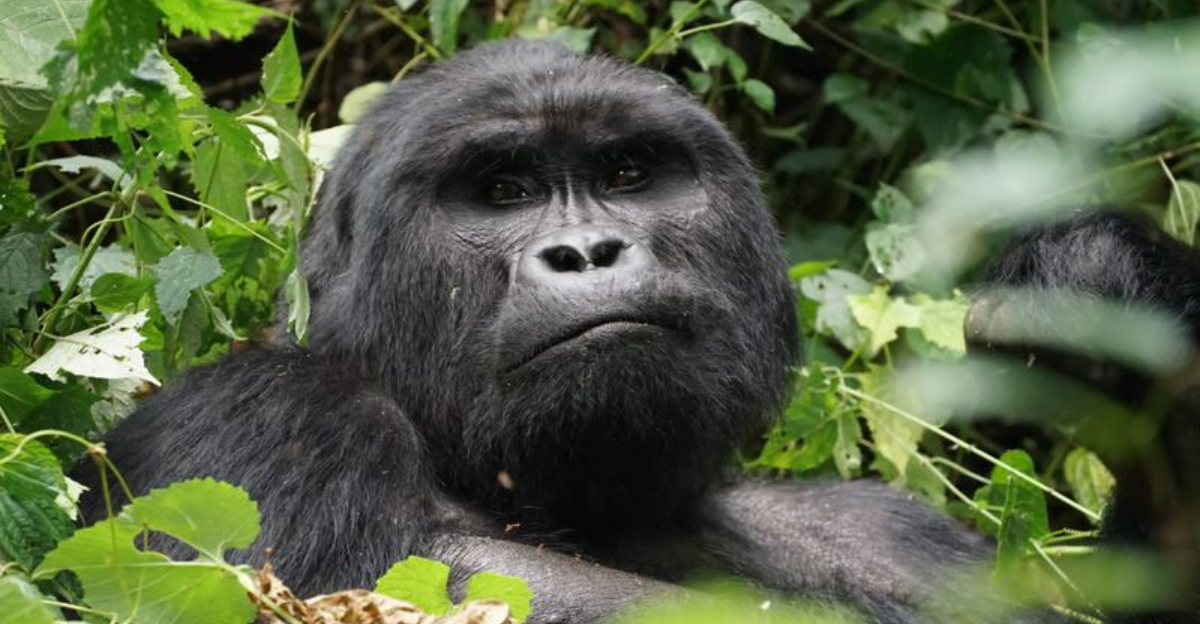
Gorillas are among the most powerful and intelligent animals on the planet, yet many of their populations are under serious threat. Knowing where the largest groups live helps scientists, conservationists, and travelers understand how to protect these incredible creatures.
From misty mountain forests to vast tropical rainforests, gorillas survive in some of the most breathtaking landscapes in Africa. Here are the 10 places that support the highest gorilla populations on Earth.
1. Virunga Mountains (Rwanda, Uganda, DR Congo)
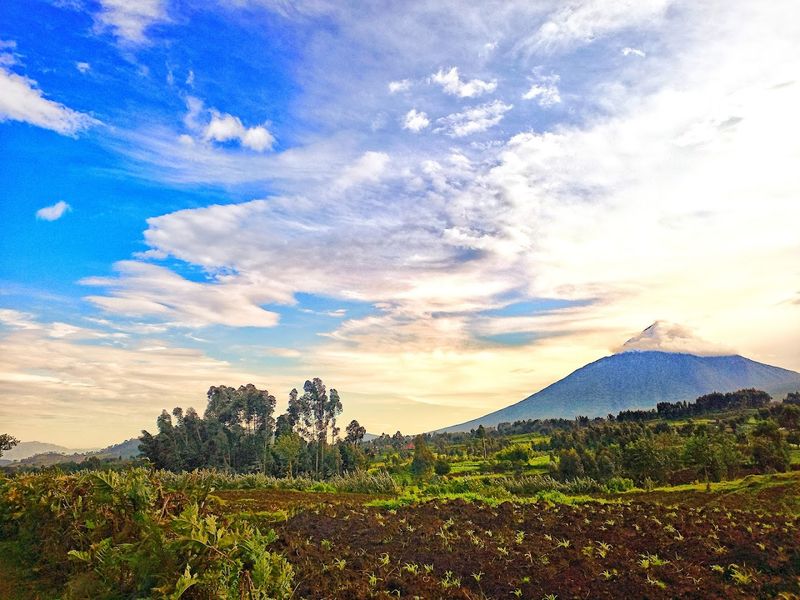
Straddling three countries, the Virunga Mountains form one of the most extraordinary gorilla habitats anywhere on the planet. This volcanic range is home to more than 600 mountain gorillas, making it one of the densest concentrations of these primates in existence.
The ecosystem spans Volcanoes National Park in Rwanda, Virunga National Park in the Democratic Republic of Congo, and Bwindi in Uganda.
Conservation efforts here have been nothing short of remarkable. Decades of dedicated work by rangers and researchers have actually helped gorilla numbers grow after years of dangerous decline.
Poaching, habitat loss, and civil conflict once pushed these animals to the brink.
Today, the Virungas stand as a symbol of what committed conservation can achieve. Travelers from around the world visit for gorilla trekking experiences that are unforgettable.
The mist-covered peaks and ancient forests make every encounter feel truly special.
2. Bwindi Impenetrable National Park (Uganda)
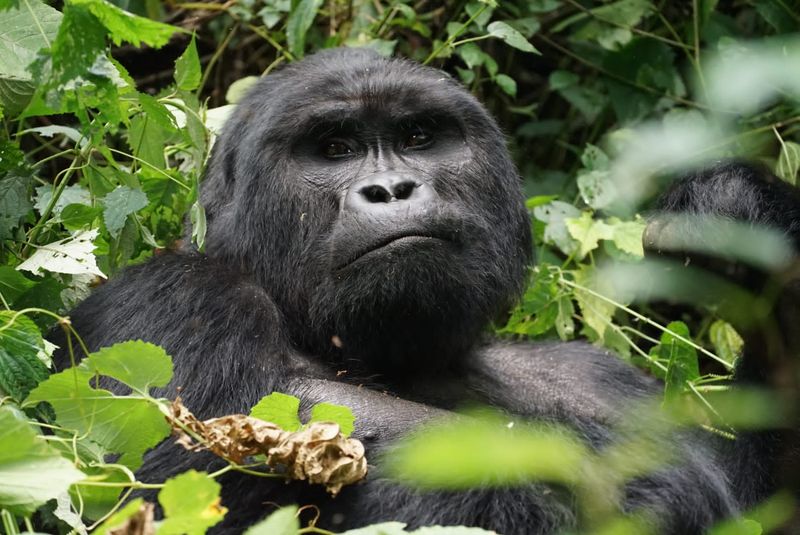
The name says it all. Bwindi Impenetrable National Park lives up to its reputation as one of Africa’s most dense and wild forest environments.
Tucked in southwestern Uganda, this UNESCO World Heritage Site shelters more than 450 mountain gorillas, which represents nearly half of the entire global mountain gorilla population.
What makes Bwindi especially fascinating is its incredible biodiversity. Beyond gorillas, the park hosts over 350 bird species and hundreds of plant varieties found nowhere else on Earth.
The forest itself is ancient, with some sections estimated to be over 25,000 years old.
Gorilla trekking here is a bucket-list experience for wildlife lovers. Groups of up to eight visitors can spend one hour observing a habituated gorilla family in their natural environment.
Permits are limited, which helps minimize human impact and keeps the experience genuinely meaningful for both visitors and the animals.
3. Odzala-Kokoua National Park (Republic of Congo)
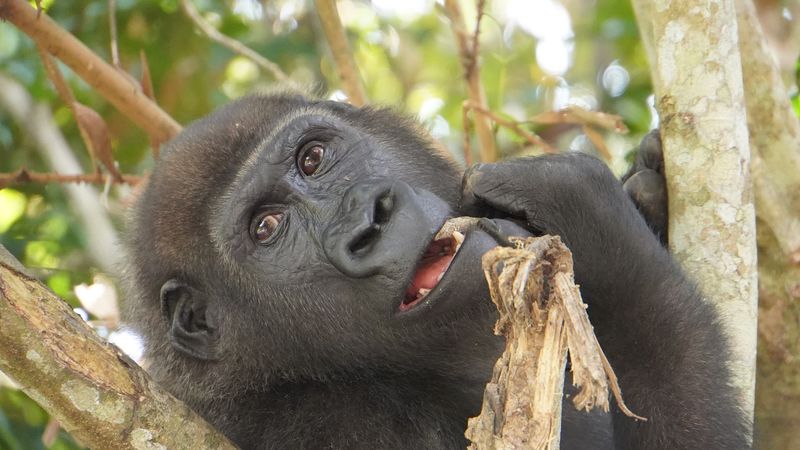
Few places on Earth feel as untouched as Odzala-Kokoua National Park in the Republic of Congo. Covering roughly 13,500 square kilometers of intact equatorial rainforest, this park is one of the largest and most pristine gorilla habitats remaining anywhere in Africa.
Thousands of western lowland gorillas call this forest home.
Western lowland gorillas are the most numerous gorilla subspecies, but that does not mean they are safe. Hunting, disease, and deforestation continue to threaten their numbers across Central Africa.
Odzala-Kokoua provides a critical refuge where these animals can live with minimal human disturbance.
The park also offers remarkable wildlife tourism. Visitors can observe gorillas at forest clearings called bais, where animals gather to feed on mineral-rich vegetation.
African forest elephants, forest buffalos, and hundreds of bird species share this extraordinary ecosystem. Odzala-Kokoua is truly a stronghold for central African wildlife.
4. Nouabale-Ndoki National Park (Republic of Congo)
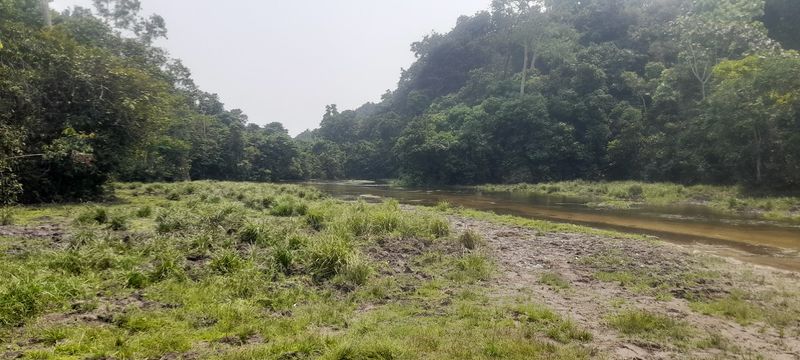
Nouabale-Ndoki National Park is often described by researchers as one of the last truly wild places in Africa. Located in the northern Republic of Congo, this park covers over 4,000 square kilometers of forest that has remained largely untouched by human activity for centuries.
Its western lowland gorilla population is considered to be among the healthiest and most stable on the continent.
What sets Nouabale-Ndoki apart is the success of its long-term conservation partnerships. The Wildlife Conservation Society has worked alongside the Congolese government for decades to protect this ecosystem.
Their efforts have produced measurable results, with gorilla populations holding steady even as surrounding regions face serious pressure.
The park is also famous for habituated gorilla groups that allow researchers to study wild behavior up close. These studies have provided invaluable insights into gorilla social structures, diet, and communication.
Science and conservation go hand in hand here.
5. Dzanga-Sangha Reserve (Central African Republic)
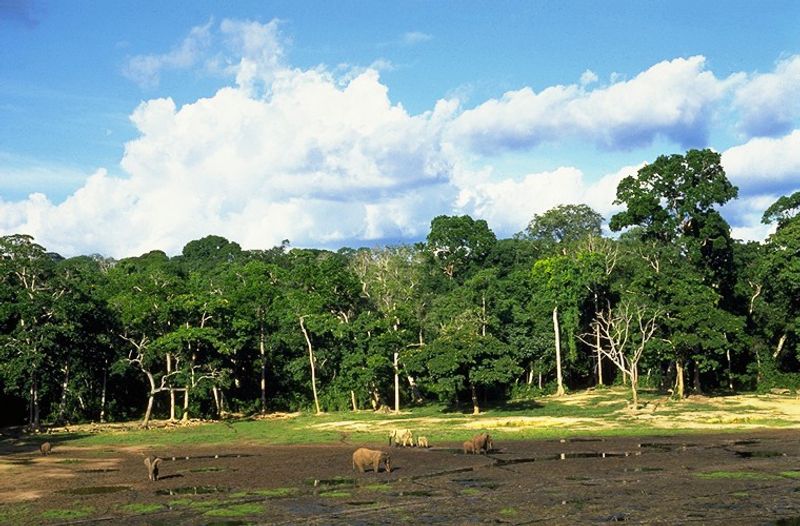
Dzanga-Sangha Reserve holds a special place in gorilla research and ecotourism history. Located in the southwestern corner of the Central African Republic, this protected area is famous for its forest clearings, locally known as bais, where western lowland gorillas gather in large numbers to feed on aquatic plants and mineral-rich soils.
These clearings offer extraordinary viewing opportunities. Researchers and tourists can observe multiple gorilla groups in a single visit, something that is extremely rare in other forest habitats.
The Dzanga Bai clearing in particular has been studied intensively, producing decades of behavioral data on wild gorillas.
The reserve is part of the larger Sangha Trinational landscape, a transboundary protected area shared with Cameroon and the Republic of Congo. This connected habitat allows wildlife to move freely across a vast territory.
Despite ongoing political instability in the region, conservation teams continue working to protect these gorillas and their forest home.
6. Lope National Park (Gabon)
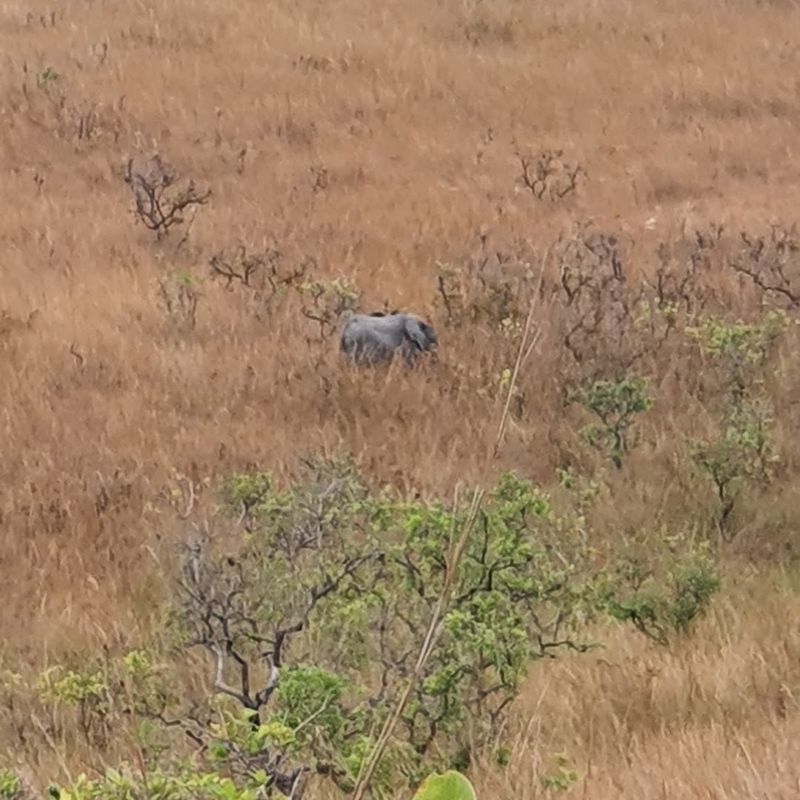
Gabon is quietly one of Africa’s most important countries for gorilla conservation, and Lope National Park is a big reason why. Designated a UNESCO World Heritage Site, Lope covers a rare mix of ancient rainforest and open savanna, creating a habitat mosaic that supports a significant population of western lowland gorillas.
The combination of forest and grassland makes gorilla sightings here more accessible than in many other locations. Animals often move to forest edges and clearings, giving visitors and researchers clearer views than the thick jungle typically allows.
This unique landscape also supports forest elephants, chimpanzees, mandrills, and over 400 bird species.
Lope also holds some of Africa’s richest archaeological heritage, with rock art and stone tools dating back thousands of years found within the park boundaries. Gorillas have roamed these forests far longer than any human record.
Visiting Lope means stepping into a landscape where wildlife and history coexist beautifully.
7. Minkebe National Park (Gabon)
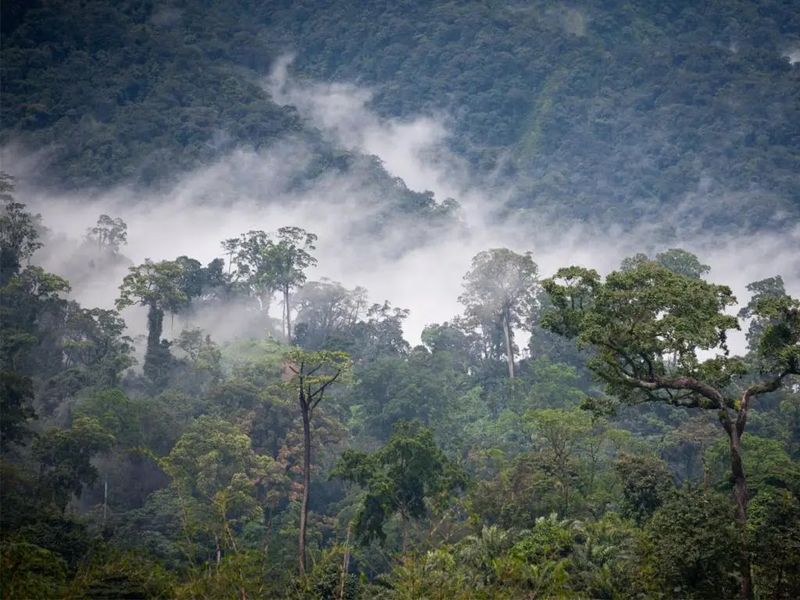
Covering more than 7,500 square kilometers of remote rainforest in northeastern Gabon, Minkebe National Park is one of the largest gorilla habitats remaining in all of Africa. Thousands of western lowland gorillas live within its borders, though their numbers have faced pressure from poaching and Ebola outbreaks in recent decades.
The remoteness of Minkebe is both its greatest strength and its biggest challenge. Limited human access has helped keep large sections of forest intact, but it also makes anti-poaching efforts difficult to sustain.
Bushmeat hunters and illegal wildlife traders have historically posed serious threats to the park’s gorilla population.
Conservation organizations have been working to strengthen protection here, including improved ranger training and community engagement programs. Minkebe still represents one of the most important wild gorilla habitats on Earth.
Keeping this forest intact is critical not just for gorillas, but for the entire web of life it supports across Central Africa.
8. Salonga National Park (DR Congo)
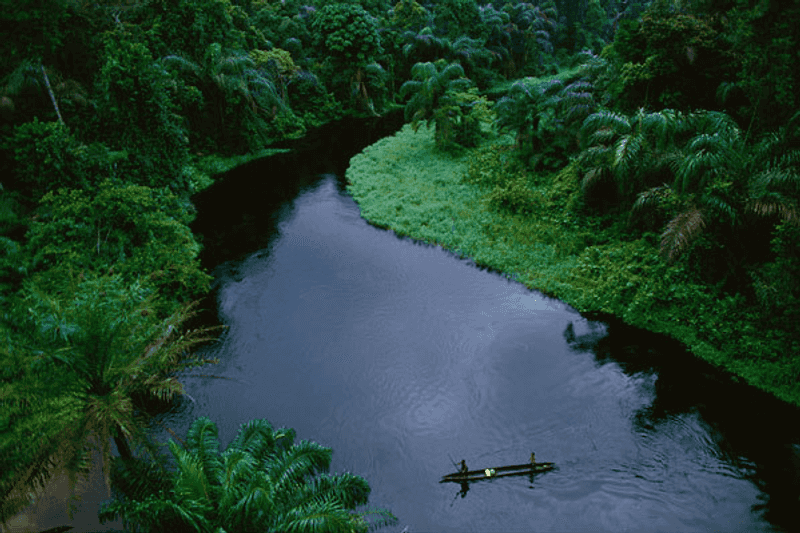
Salonga National Park holds the title of Africa’s largest tropical rainforest reserve, covering over 36,000 square kilometers deep in the heart of the Democratic Republic of Congo. This vast wilderness is home to eastern lowland gorillas, also known as Grauer’s gorillas, the largest gorilla subspecies by body size.
Grauer’s gorillas face a genuinely alarming situation. Their population has declined by roughly 77 percent over the past two decades due to armed conflict, poaching, and habitat destruction.
Salonga represents one of the most important remaining refuges for this critically endangered subspecies.
Access to the park is extremely difficult, which has historically limited both tourism and conservation monitoring. However, increased international funding and improved park management are beginning to make a real difference.
Researchers using camera traps and aerial surveys are working to better understand current gorilla numbers. Salonga’s future as a gorilla stronghold depends on sustained commitment from both local and global communities.
9. Kahuzi-Biega National Park (DR Congo)
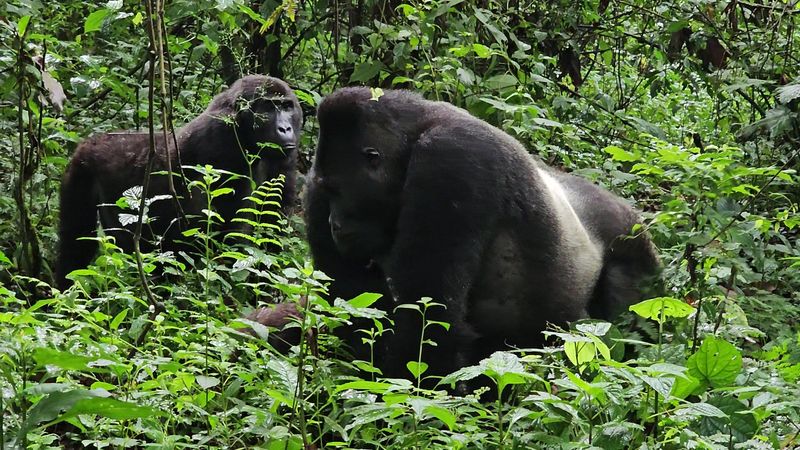
Named after two dormant volcanoes, Kahuzi-Biega National Park in eastern Democratic Republic of Congo is one of the last critical strongholds for Grauer’s gorillas. This UNESCO World Heritage Site spans both lowland and montane forest zones, creating a diverse habitat that supports one of the most studied gorilla populations in the world.
The park gained international fame in the 1970s when researcher Adrien Deschryver successfully habituated wild gorillas for the first time, allowing humans to observe them at close range. That pioneering work laid the foundation for gorilla ecotourism programs that now operate across Africa.
Sadly, decades of armed conflict in eastern Congo have taken a heavy toll on Kahuzi-Biega’s wildlife. Gorilla numbers have dropped significantly, and rangers have faced life-threatening conditions while trying to protect the animals.
Despite these hardships, conservation work continues. The gorillas that remain here represent an irreplaceable piece of natural heritage worth every effort to save.
10. Ivindo National Park (Gabon)
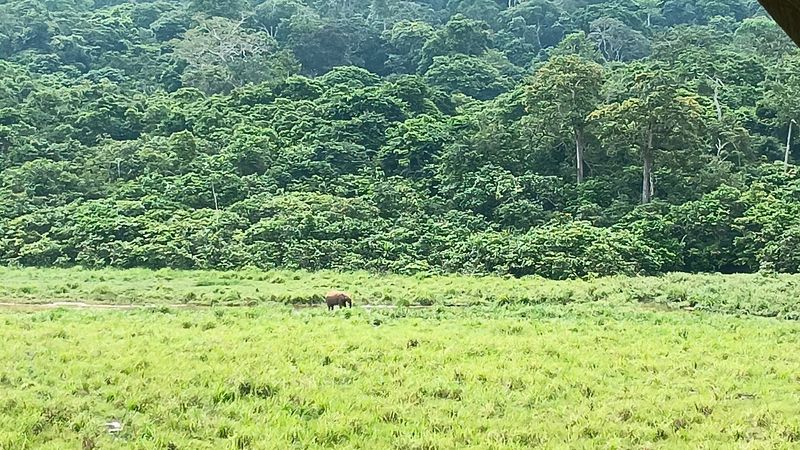
Ivindo National Park is one of Gabon’s most visually stunning protected areas, famous for its spectacular waterfalls and exceptionally rich biodiversity. Located in the northeast of the country, the park shelters a stable and growing population of western lowland gorillas within its well-protected forest zones.
The Kongou Falls, often called the Niagara of Africa, are located within the park and draw visitors from around the world. But beyond the dramatic scenery, Ivindo is a serious conservation success story.
Gorilla populations here have remained relatively stable compared to many other Central African sites, thanks to effective park management and low levels of poaching pressure.
Gabon as a whole has made protecting its forests a national priority, with roughly 11 percent of the country designated as protected land. Ivindo benefits directly from that commitment.
For gorillas, having a safe, food-rich forest free from major human threats makes all the difference between survival and decline.



