 Unearth The Voyage
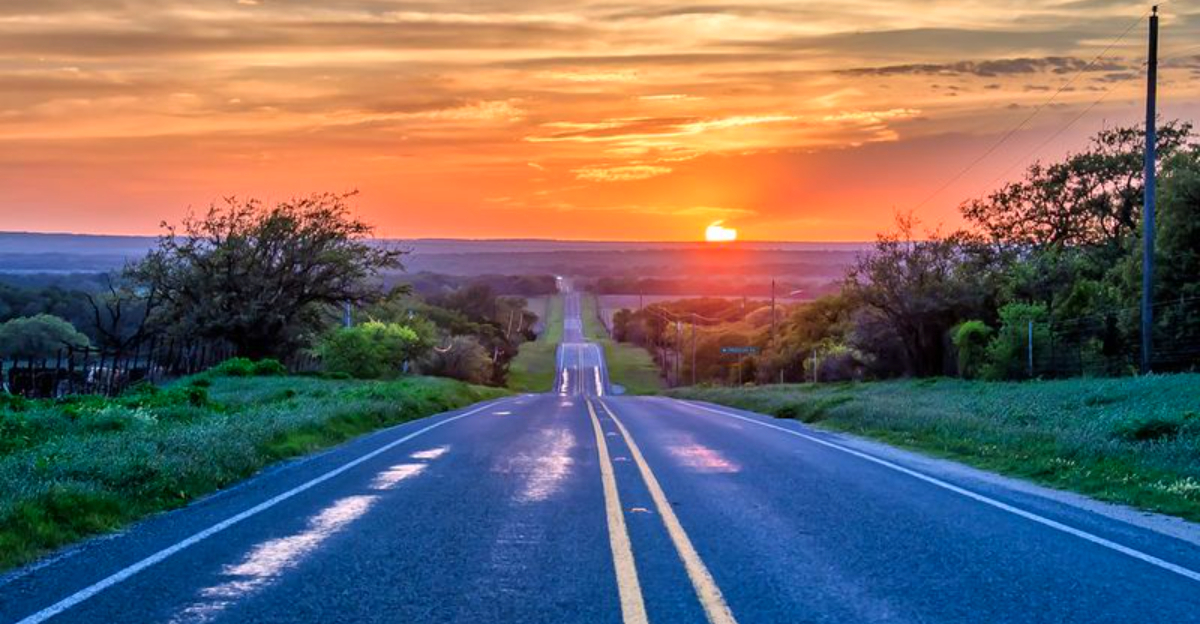
Spring is the perfect time to roll down the windows, hit the open road, and soak in some of the most breathtaking scenery the U.S. has to offer. From wildflower-covered hillsides to dramatic coastal cliffs, the country transforms into something truly special between March and May.
Whether you’re planning a weekend getaway or a longer road trip, these drives deliver unforgettable views without a lot of hassle. Pack your snacks, charge your camera, and get ready to explore.
Pacific Coast Highway (California)
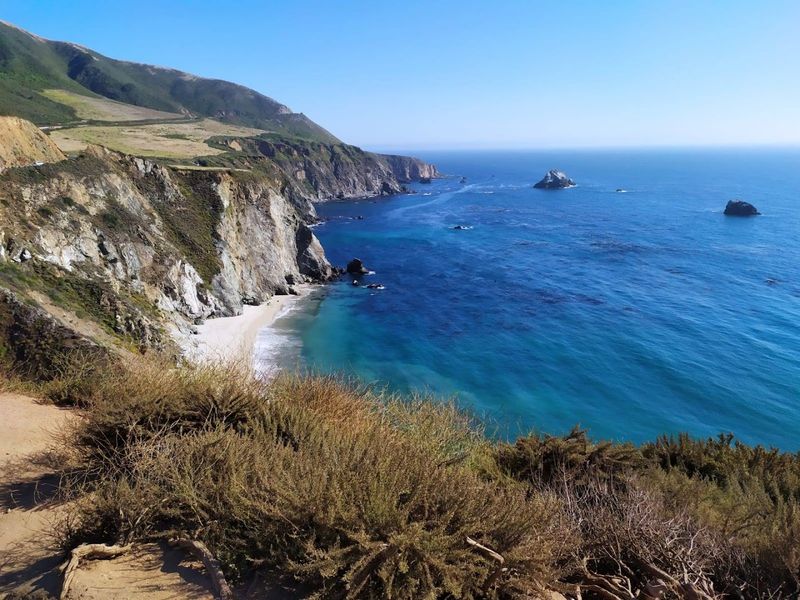
Few roads in the world can match the jaw-dropping drama of California’s Pacific Coast Highway, where the ocean crashes against cliffs just feet from your car window. Highway 1 stretches through some of the most iconic scenery in the country, passing Big Sur, Monterey, and Santa Barbara along the way.
Spring is genuinely the sweet spot for this drive.
Wildflowers burst into color along the clifftops, painting the landscape in shades of orange, yellow, and purple. The temperatures are mild and comfortable, nothing like the scorching summer heat that rolls in later.
Coastal fog occasionally rolls in during mornings, giving the whole route a moody, cinematic feel.
Spring also means fewer tourists, so those famous overlooks are actually enjoyable instead of packed with selfie sticks. Elephant seals can still be spotted lounging on beaches near San Simeon.
Stop at Bixby Creek Bridge for a photo you will genuinely want to frame. Pull off at any unmarked turnout—you will rarely be disappointed by what you find.
Blue Ridge Parkway (Virginia & North Carolina)
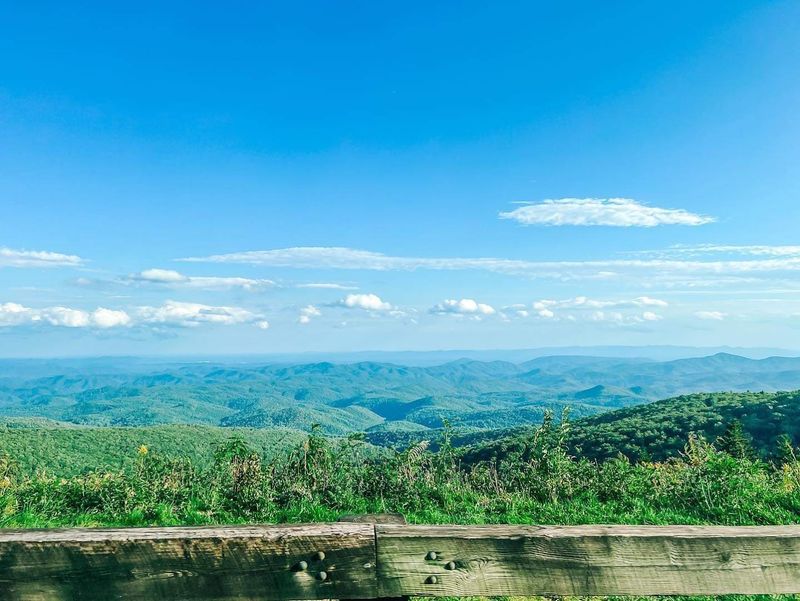
There is something almost magical about cresting a ridge on the Blue Ridge Parkway and watching a valley full of blooming dogwoods appear below you like a painting come to life. This 469-mile road connects Shenandoah National Park in Virginia all the way to the Great Smoky Mountains in North Carolina.
Spring turns the whole corridor into a rolling flower show.
Dogwoods are the undisputed stars of the season here, followed closely by flame azaleas and rhododendrons that seem to glow in the soft spring light. Mornings bring a gentle mist that settles into the valleys, giving the mountains a layered, dreamy quality that photographers absolutely lose their minds over.
Wildlife is also much more active in spring, so deer and black bears are regular roadside sightings.
The parkway has no traffic lights and no commercial trucks, which makes the drive remarkably peaceful. Milepost markers help you track popular overlooks and trailheads without needing a complicated map.
Bring a light jacket—mountain temperatures can still be cool in early spring. The pace here is slow by design, and that is entirely the point.
Texas Hill Country (Texas)
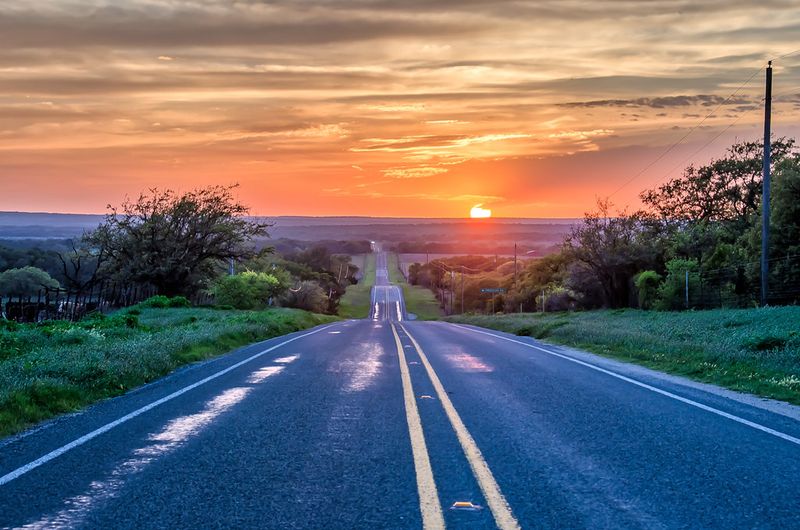
Every spring, Texas pulls off one of the most spectacular wildflower displays in North America, and Hill Country is where you go to see it up close. From mid-March through April, bluebonnets carpet roadsides, pastures, and hillsides in a vivid shade of violet-blue that honestly looks too pretty to be real.
Locals treat bluebonnet season like a holiday.
The routes around Fredericksburg and Llano are especially rewarding, with winding two-lane roads that pass through peach orchards, limestone ranch gates, and charming small towns worth stopping in. Indian paintbrush and evening primrose mix in with the bluebonnets, adding red and pink accents to the roadside palette.
Roadside wildflower patches are practically an invitation to pull over and take a photo.
Hill Country towns like Wimberley and Blanco have great local food, antique shops, and live music that make natural stops on a longer road trip. The weather in spring is warm but not brutal, which makes outdoor exploring genuinely enjoyable.
Did you know bluebonnets are the official state flower of Texas? They take that seriously down here—some families have been photographing their kids in bluebonnet fields for generations.
Skyline Drive (Virginia)
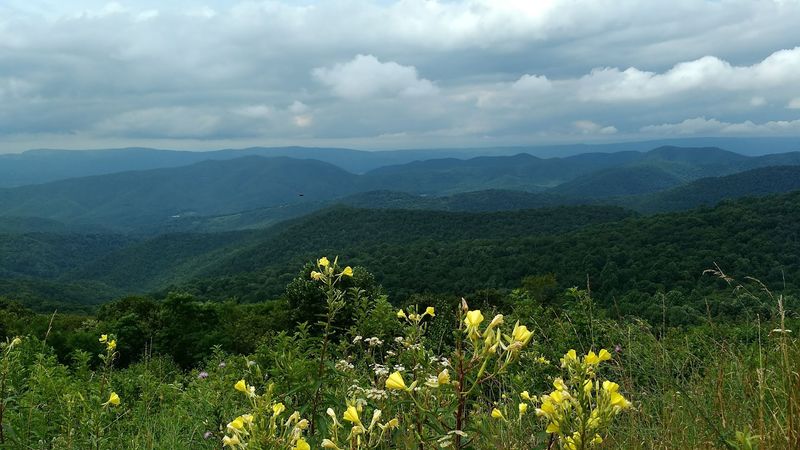
Running the entire length of Shenandoah National Park, Skyline Drive is the kind of road that makes you forget you ever had a to-do list. The 105-mile route sits along the crest of the Blue Ridge Mountains, offering sweeping views of the Shenandoah Valley on one side and rolling forested ridges on the other.
Spring brings the whole park roaring back to life.
Trees leaf out in bright, fresh greens that almost hurt to look at in the best possible way. Waterfalls run at their fullest thanks to snowmelt and spring rains, making trailhead stops especially rewarding.
Dark Hollow Falls and Overall Run Falls are two crowd favorites that are well worth the short hike.
Wildlife sightings are common and genuinely exciting in spring. White-tailed deer are practically everywhere, and black bears emerge from their winter dens with cubs in tow.
The speed limit on Skyline Drive is 35 mph, which sounds slow until you realize it is actually perfect for spotting animals and pulling over at overlooks. Entry requires a park pass, so grab one online beforehand to skip any delays at the gate.
Columbia River Gorge (Oregon)
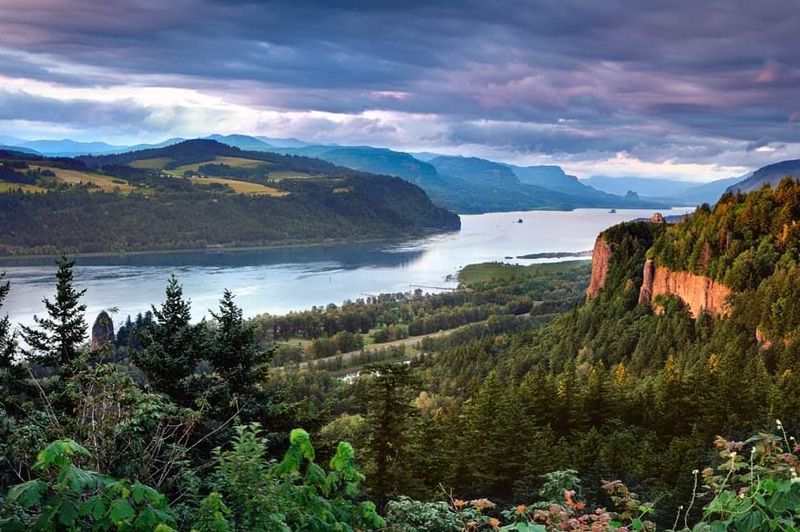
Waterfalls are the main attraction along the Columbia River Gorge, and spring is when they absolutely show off. Snowmelt from the Cascades sends enormous volumes of water tumbling over basalt cliffs, turning every waterfall along the Historic Columbia River Highway into something genuinely awe-inspiring.
Multnomah Falls alone draws over two million visitors a year, and spring is when it earns every single one of those visits.
The gorge sits on the border of Oregon and Washington, cutting through layers of ancient volcanic rock that tell a wild geological story. Wildflowers bloom along the clifftops and canyon walls, adding bursts of yellow and purple to the already dramatic scenery.
Balsamroot and lupine are especially showy in April and May.
The Historic Columbia River Highway is one of the oldest scenic roads in the country, completed in 1922 and engineered specifically to showcase the gorge’s beauty. Some sections are now closed to cars and converted into a dedicated trail for cyclists and walkers, which is worth knowing if you want a different perspective.
The gorge also has excellent windsurfing towns like Hood River nearby, great for stretching your legs and grabbing a meal.
Sedona Red Rock Scenic Byway (Arizona)
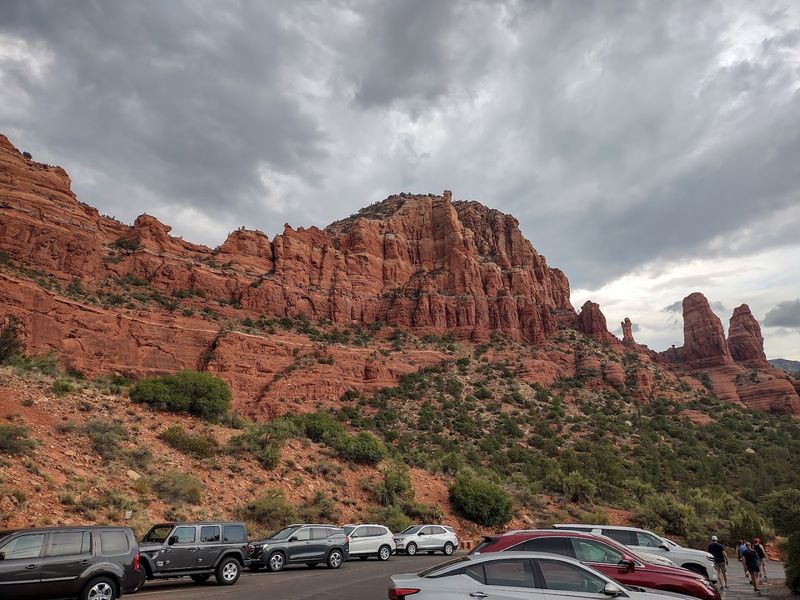
Sedona’s red rock formations look like they were designed by someone who wanted to make everyone else’s landscapes feel a little inadequate. The Red Rock Scenic Byway runs through the heart of this striking landscape, putting those famous sandstone buttes front and center from the moment you turn onto the road.
Spring makes an already stunning drive even better.
Temperatures in March and April hover in the comfortable 60s and 70s, perfect for stopping to hike without melting. Desert wildflowers—prickly pear blooms, desert marigolds, and globe mallow—add unexpected pops of color against the rust-red rock.
The light in spring is particularly good for photography, with softer golden tones replacing the harsh midday glare of summer.
The byway passes Cathedral Rock and Bell Rock, two of the most photographed formations in the Southwest. Pullouts along the route give easy access to short trails and viewpoints that do not require serious hiking gear.
Sedona also has a lively arts scene and great restaurants, so the drive pairs well with an overnight stay. Crowds are manageable in spring compared to the holiday rush, which means parking at popular trailheads is actually possible.
Great River Road (Mississippi River)
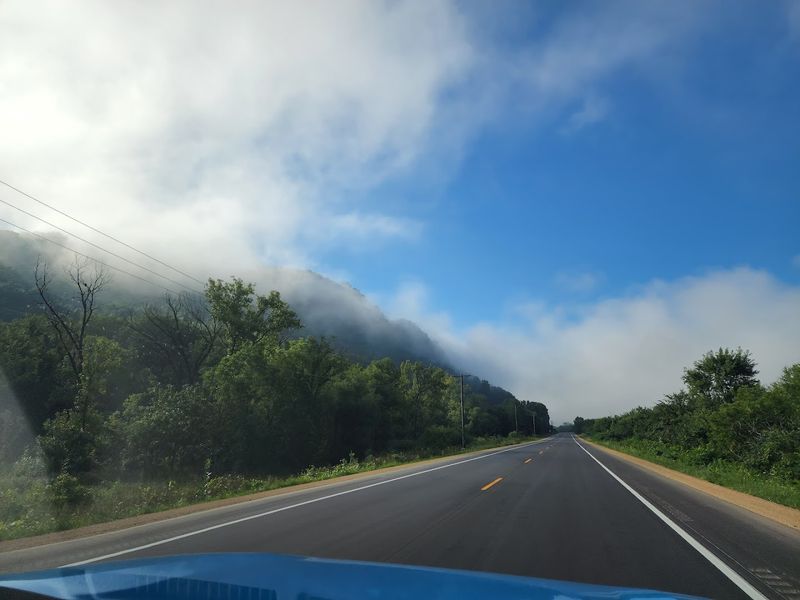
Stretching nearly 3,000 miles through ten states, the Great River Road is less a single drive and more a choose-your-own-adventure along one of the most storied rivers in the world. Spring breathes fresh life into every section, as trees leaf out, rivers run high, and small towns shake off the winter quiet with festivals, farmers markets, and outdoor events.
The Midwest sections are especially scenic in April and May.
Rolling bluffs covered in new green growth line the river corridor in states like Wisconsin, Iowa, and Illinois. Migratory birds flood the area during spring, making the Great River Road a dream for birdwatchers—bald eagles, pelicans, and countless shorebird species pass through during peak migration.
Pull over near any river town and you will almost certainly find a local diner worth trying.
The route is marked by green pilot’s wheel signs, making it easy to follow without constant GPS checking. Historic river towns like Hannibal, Missouri and Natchez, Mississippi add cultural depth to the drive with museums, antebellum architecture, and riverboat history around every corner.
Spring flooding can occasionally affect low-lying sections, so checking road conditions ahead of your trip is a smart move.
Olympic Peninsula Loop (Washington)
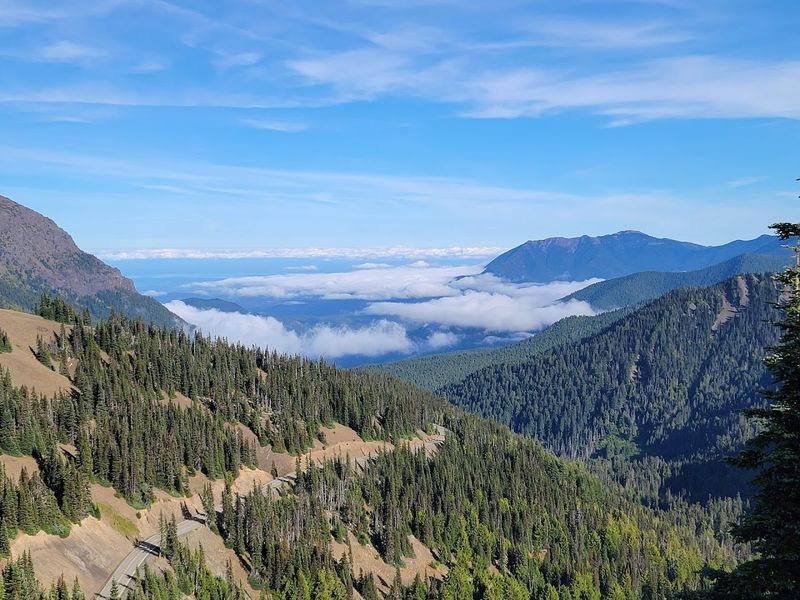
Nowhere else in the continental U.S. can you drive from a temperate rainforest to a rugged Pacific coastline to snow-capped mountain peaks all in the same day—but the Olympic Peninsula Loop pulls it off effortlessly. This roughly 300-mile loop circles Olympic National Park, packing more landscape variety into a single drive than most road trips manage in a week.
Spring is a genuinely excellent time to tackle it.
The Hoh Rainforest explodes with vivid green in spring, its moss-draped maple trees dripping with fresh growth after winter rains. Waterfalls like Sol Duc Falls run powerfully in April, fed by snowmelt trickling down from the Olympic Mountains above.
Crowds are noticeably thinner than summer, which means trailhead parking lots are not the chaotic scramble they become later in the year.
The coastal stretch along Highway 101 near Kalaloch offers wild, windswept beach scenery with tide pools full of sea stars and anemones. Higher elevation roads may still have snow in early spring, so checking conditions before heading toward Hurricane Ridge is worth the two-minute effort.
The town of Port Angeles makes a solid base camp, with good food options and easy access to multiple park entrances.
Florida Keys Overseas Highway (Florida)
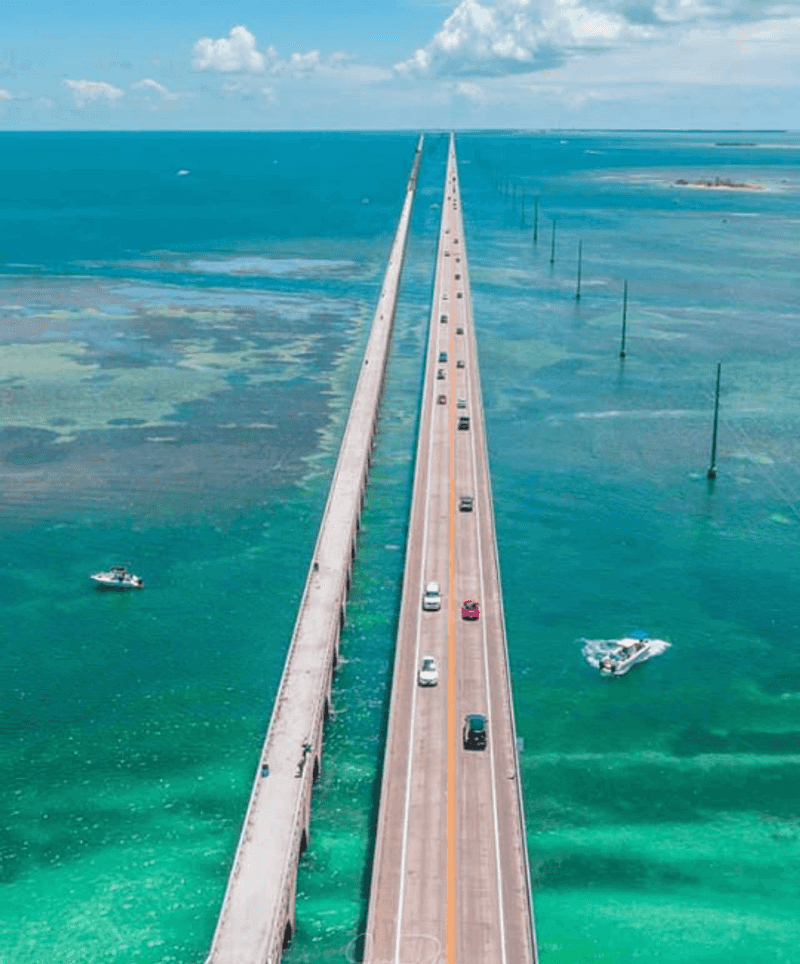
Driving the Overseas Highway feels less like a road trip and more like skimming across the surface of the ocean. The 113-mile route connects Miami to Key West by hopping across a chain of small islands via 42 bridges, with open water stretching in every direction for much of the drive.
Spring delivers the best conditions this road ever sees.
March through May brings warm, dry weather before the summer humidity arrives in full force—and well before hurricane season adds any uncertainty to travel plans. The water shifts between shades of turquoise, teal, and deep blue depending on depth, creating a color palette that genuinely looks photoshopped.
Sunsets from the Seven Mile Bridge are the kind that make people go completely silent.
Key Largo, Islamorada, and Marathon are great stops along the way, each with their own personality and seafood worth pulling over for. Snorkeling and kayaking are easy to arrange from almost any of the island stops, making the drive feel more like a multi-activity adventure than just a commute.
Key West at the end of the line is famously quirky, colorful, and worth at least one night before turning around.
Route 66 (Arizona & New Mexico Section)
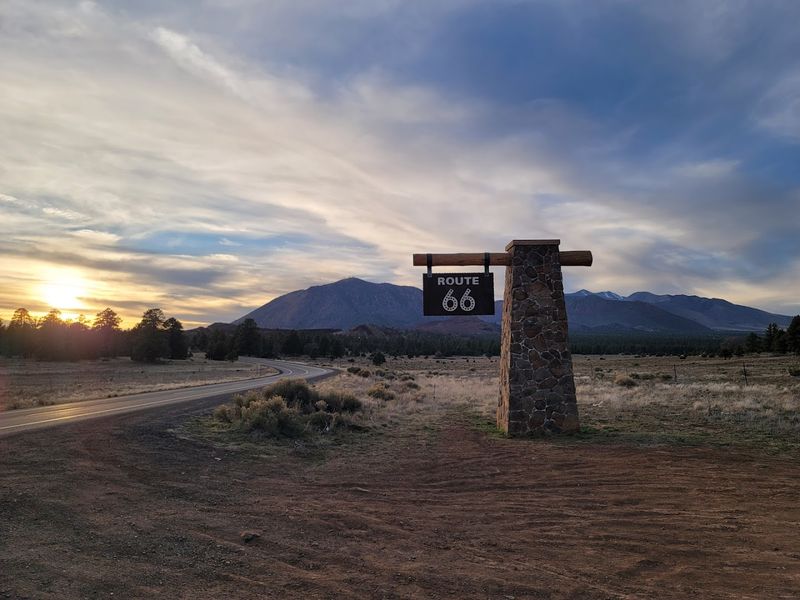
There is a reason people have been romanticizing Route 66 for nearly a century—driving it still delivers a feeling that no interstate highway ever could. The sections cutting through Arizona and New Mexico are among the most visually rewarding, especially in spring when desert wildflowers soften the wide-open landscape with unexpected bursts of color.
Poppies, desert marigolds, and owl clover can turn a roadside ditch into something genuinely beautiful.
Temperatures in spring are mild enough to make every stop enjoyable without the searing heat that makes summer visits feel like a test of endurance. Classic roadside attractions are part of the charm here—Wigwam Motel in Holbrook, the Petrified Forest, and the painted desert all line up along this stretch.
Each one feels like stepping into a postcard from a more leisurely era of American travel.
Small towns like Winslow, Arizona and Gallup, New Mexico have excellent local diners, Native American art galleries, and the kind of character that chain restaurants will never replicate. The road itself is well-maintained through most of this section, with original pavement still visible in spots.
Driving west to east puts the late afternoon sun at your back, which makes the landscape look even more dramatic.



