 Unearth The Voyage
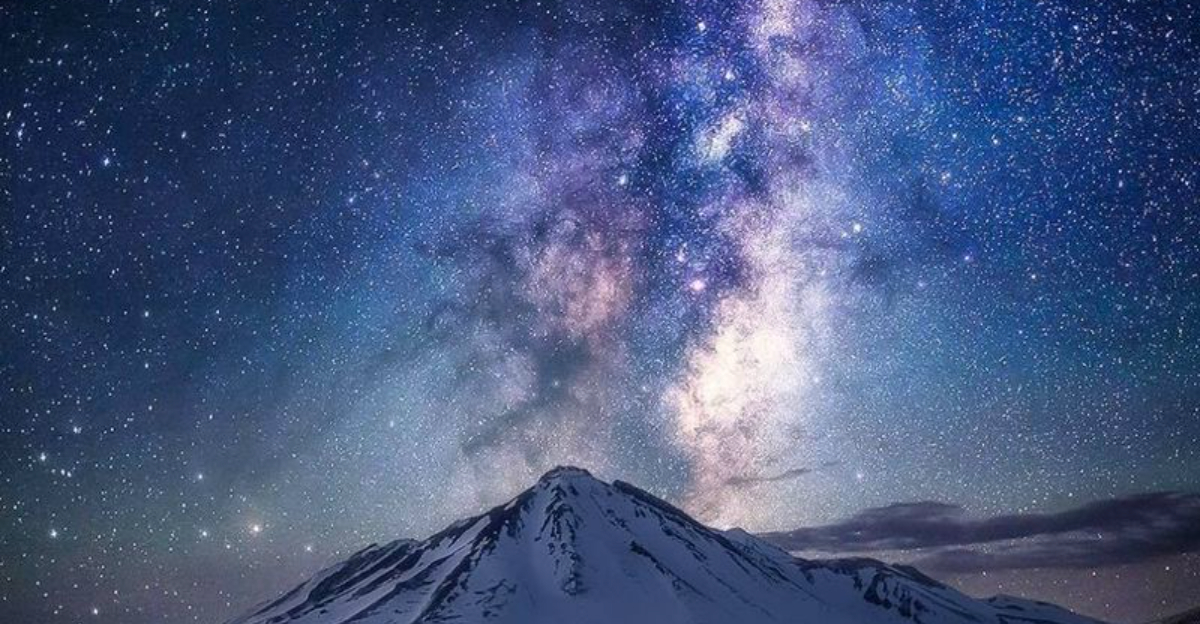
You know that moment when the night sky suddenly feels closer, as if someone turned up the universe’s contrast dial. This guide brings you to places where stars blaze bright, the Milky Way stretches like a river of light, and darkness feels alive. From deserts to high mountains, these destinations strip away haze and city glow so you can see space as it truly is. Pack layers, charge your camera, and get ready for skies that will reset your sense of wonder.
Mauna Kea, Hawai‘i, USA
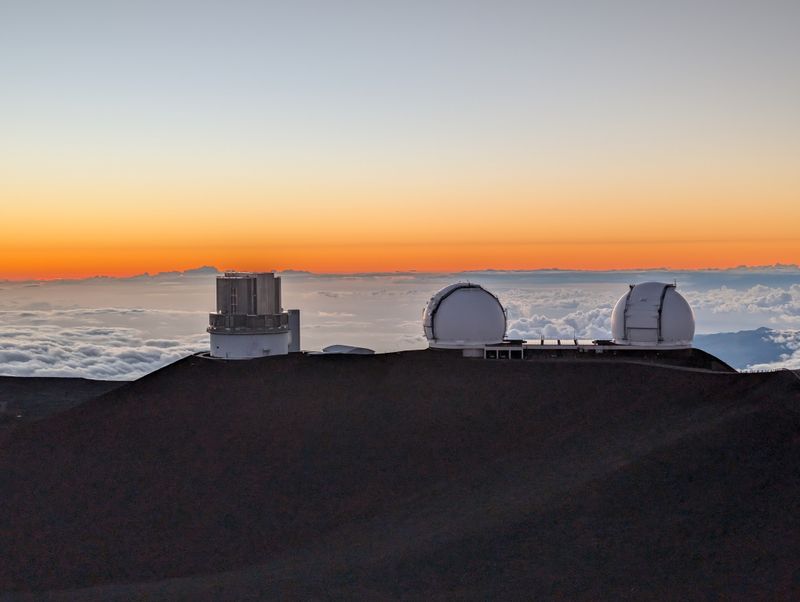
Rising nearly 14,000 feet, Mauna Kea stands above much of Earth’s weather, which means steadier air and fewer clouds for you. As twilight fades, the sky turns velvet-black and stars ignite, forming constellations that look freshly cut. The Milky Way arches over cinder cones, and you feel small in the best possible way.
World-class observatories crown the summit, proving how pristine these skies truly are. You do not need a giant telescope to be amazed, though. Even with binoculars, clusters sharpen and nebulae show surprising texture, while planets shimmer with steady, clean light thanks to the mountain’s altitude and isolation.
Respect the mountain and local guidelines, including cultural significance and safety protocols. Acclimatize slowly, bring warm layers, and consider ranger-led programs or lower-elevation stargazing areas if the summit is restricted. On moonless nights, the sky becomes a luminous ocean, and you are floating on an island of cinder and silence, caught between Pacific depths and interstellar currents.
NamibRand Nature Reserve, Namibia
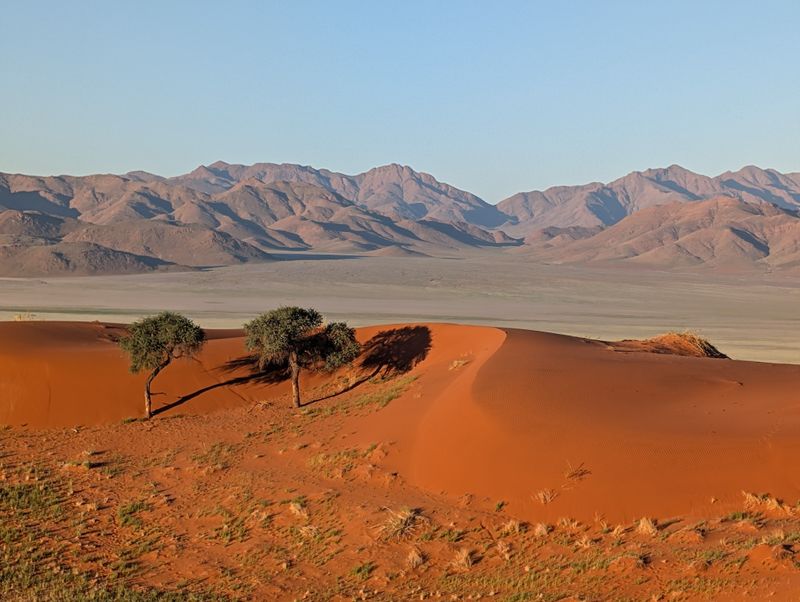
In NamibRand, darkness feels like a soft blanket draped across ancient dunes and gravel plains. The reserve sits far from urban glare, so the sky reveals its full density of stars, a dazzling spray from horizon to horizon. You stand still, and the Milky Way brightens until it seems textured, almost touchable.
Low humidity and stable air give crisp, high-contrast views, perfect for wide-field photography and naked-eye observing. Southern Hemisphere showpieces leap out, from the Southern Cross to the Magellanic Clouds, and you will notice shadows of zodiacal light on the best nights. Local lodges often dim lights deliberately, making stargazing part of the landscape itself.
Bring a reclining chair, a red-light torch, and time to let your eyes adapt. You will hear silence punctuated by a breeze moving across sand, while meteors flash like brief whispers. The experience blends solitude with awe, a sense that ancient skies still reign here. When you finally look down, you will realize you have not checked your phone in hours, because everything you needed was overhead.
Atacama Desert, Chile
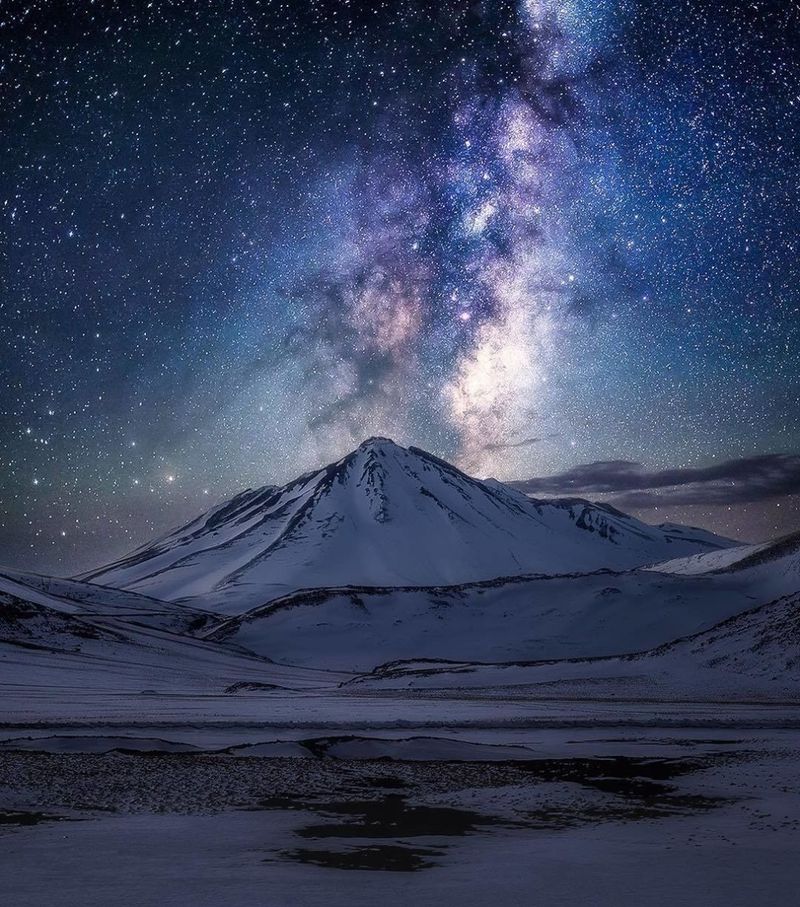
The Atacama’s high altitude and vanishingly low humidity give stars razor-sharp edges, so constellations pop with rare intensity. You look up and the Milky Way unfurls like a luminous scarf, bright enough to cast faint shadows and guide your gaze from horizon to horizon.
Observatories on the Chajnantor plateau take advantage of these surreal conditions, and you benefit too, even with a modest camera or binoculars. The thin air cuts scattering, so nebulae show structure and clusters sparkle with pinpoint focus. Lie back on the salt-crunchy ground or join a guided night at a local observatory, then watch satellites glide and meteors stitch quick silver lines.
Planning is simple but thoughtful: bring layers, snacks, and respect altitude. Choose moonless nights for maximum contrast, and let your eyes dark-adapt for at least twenty minutes. You will leave with a sense that space is not distant at all, but right here with you, brilliant and crystalline, painted across some of the clearest and most unspoiled skies on Earth.
Aoraki / Mackenzie Dark Sky Reserve, New Zealand
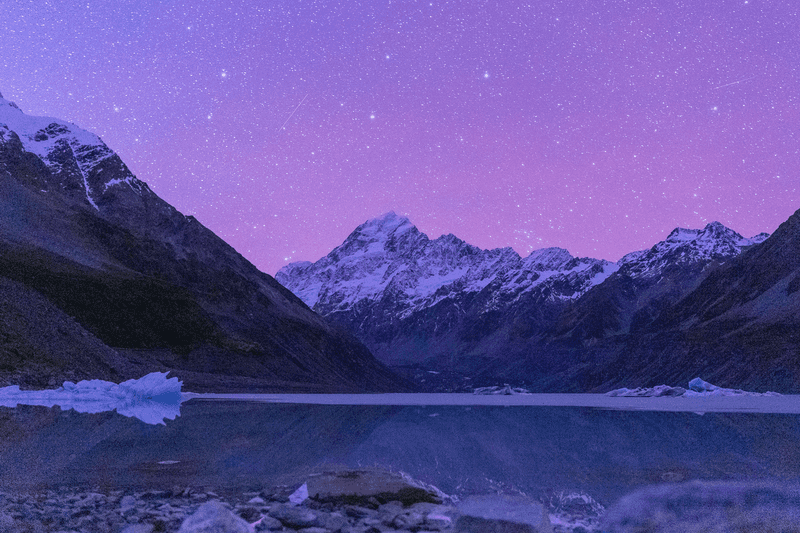
The Mackenzie Basin greets you with still lakes and a mountain skyline that frames a cathedral of stars. As night deepens, rural darkness and carefully protected lighting create immaculate contrast, letting the Milky Way blaze like a river. You will recognize the Southern Cross quickly, then trace dark nebulae etched like ink across the galactic glow.
At Mt John Observatory, guided sessions help you navigate constellations and spot globular clusters, while the crisp, cool air holds steadiness for longer looks. Even casual stargazers can catch satellites, meteor showers, and the occasional aurora on lucky nights. The setting is serene, almost meditative, perfect for lingering under the cosmos.
Dress warmly, aim for moonless windows, and book ahead during peak seasons. A short walk away from village lights amplifies contrast dramatically. Whether you bring a tripod or just your eyes, the combination of alpine quiet and celestial brightness feels restorative. You come away with both photos and a calmer mind, as though mountain air and starlight worked together to clear the clutter.
Mont-Mégantic Dark Sky Reserve, Québec, Canada
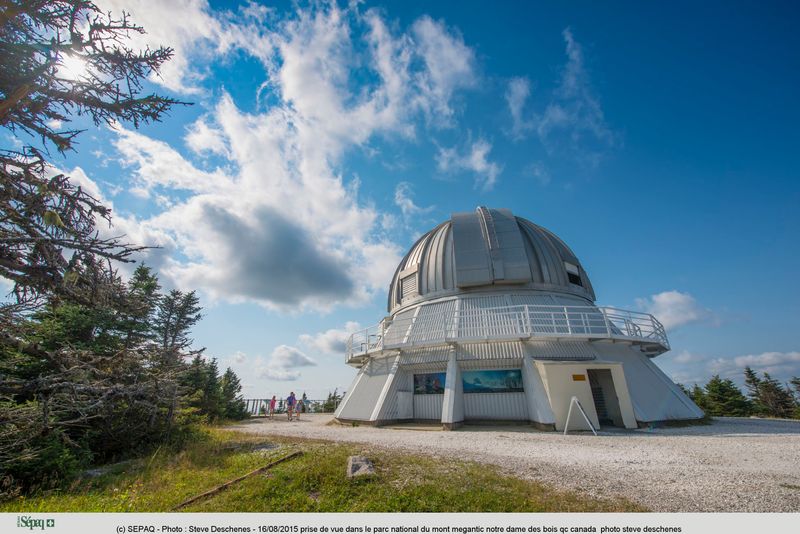
Mont-Mégantic is a pioneer of dark sky protection, and you feel that commitment the moment lights dim. The air turns glass-clear on cool nights, revealing dense star fields and a Milky Way bright enough to guide your steps. You will appreciate how nearby communities shield lights, letting darkness do its work.
Public observatories make access easy, with docents pointing out clusters, galaxies, and seasonal highlights. Even with binoculars, you will tease apart the Andromeda Galaxy and watch star clouds sparkle in wide-field views. The forested hills surrounding the dome keep horizons clean, adding to immersion and calm.
Plan for shoulder seasons when transparency often peaks, and bring layers for chill. A short stroll from parking areas drops you into quiet meadows where sky brightness intensifies. This is an accessible gateway to seriously dark skies, perfect for a weekend escape. You leave refreshed, carrying the memory of starlight pooling over spruce and granite like a silver tide.
Death Valley National Park, California, USA
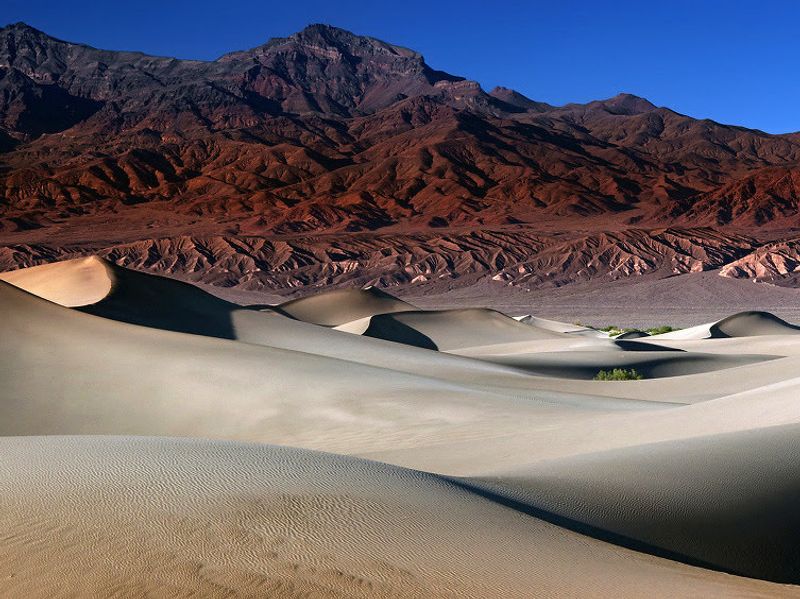
Death Valley flips from scorching day to astonishing night, trading heat for a universe of stars. The basin’s vast openness and low humidity carve hard edges around constellations, while the Milky Way forms a dramatic arch. You will feel the salt flats reflecting starlight like a faint mirror, giving the night a subtle glow.
Find a pullout far from lodges, let your eyes adapt, and watch meteors sketch quick lines across the dark. Planets rise blazing over alluvial fans, and you can track satellites with ease. Even without a telescope, binoculars reveal clusters with delicate sparkle, especially during new moon windows.
Bring water, layers, and a red-light headlamp for safe footing. Avoid windy nights when dust lifts, and always check park alerts. If you time your visit for a meteor shower, the show can feel theatrical, with stars pouring from the sky. You leave with sand in your boots and cosmic dust in your thoughts, eager for the next clear night.
Grand Canyon-Parashant Region and Southwest Utah-Arizona Deserts, USA
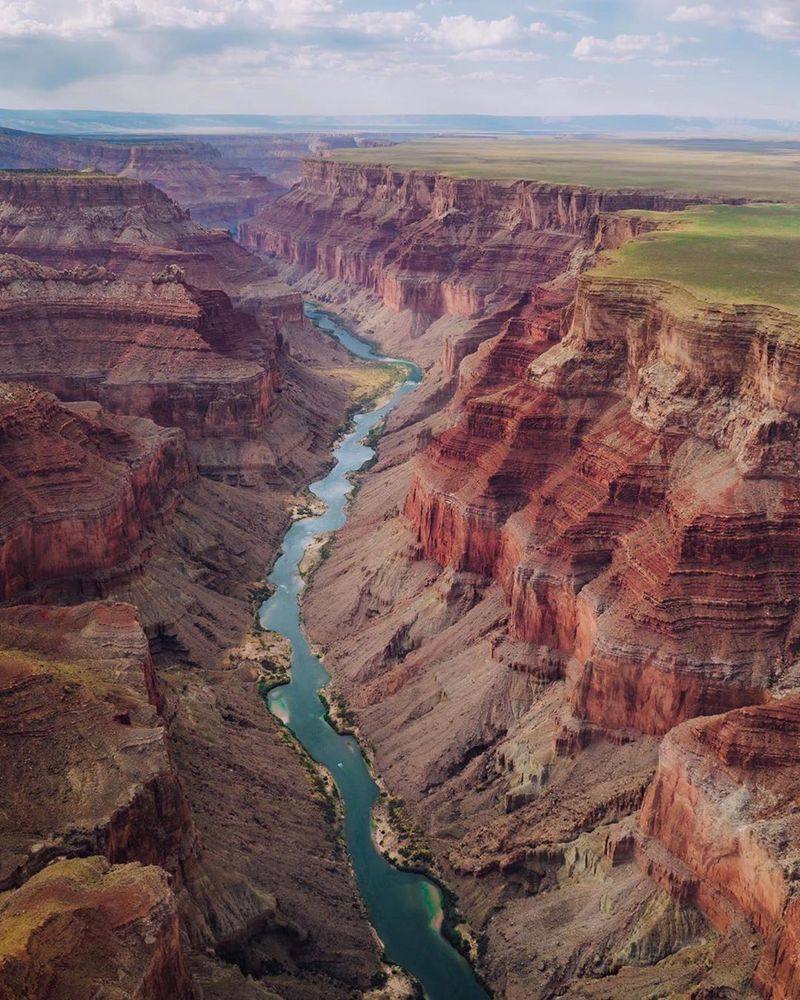
Across the Utah-Arizona borderlands, remoteness is your ally. Drive gravel roads into Grand Canyon-Parashant or camp on high desert mesas, and the night opens like a vault. You will notice a sky so dense with stars that familiar constellations almost hide behind the crowd.
Dry air and open horizons deliver crisp contrast, while canyon silhouettes anchor long-exposure photos. Meteor showers turn into celestial fountains here, especially on moonless nights. Even without gear, you can trace the Milky Way’s dust lanes by eye and spot the Andromeda Galaxy as a faint cotton puff.
Carry maps, extra water, and let someone know your route because services are scarce. Step away from camp lights, guard your dark adaptation, and settle in for hours. The stillness pairs with the stars to create a deep, satisfying quiet. When dawn finally blushes over sandstone, you will already be planning a return under the same infinite dome.
Wadi Rum Desert, Jordan
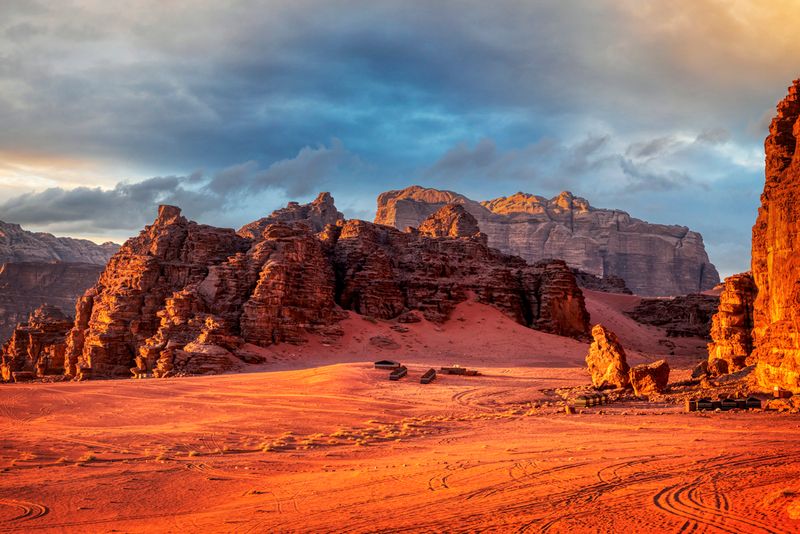
Wadi Rum’s red sandstone rises like ships at anchor beneath an ocean of stars. Once the sun slips behind the cliffs, campfires dim and darkness deepens, revealing a sky packed with brilliant points. You will watch the Milky Way climb, a pale river cutting between rock fins and soft dunes.
The desert’s isolation and low humidity allow crisp, far-reaching views, perfect for handheld binoculars and wide-angle photos. Bedouin guides often share legends of the stars, adding place and story to the spectacle. On the best nights, the sky glows with zodiacal light and meteors scratch quick arcs overhead.
Choose a moonless window, bring warm layers, and wander a few minutes from camp to escape any stray glow. Sit quietly against warm rock and let your eyes adjust until darkness becomes detail. The combination of silence, story, and starlight creates a memory that feels ancient and immediate. You leave carrying a piece of the desert’s night in your pocket.
Sagarmatha and the Himalayas, Nepal
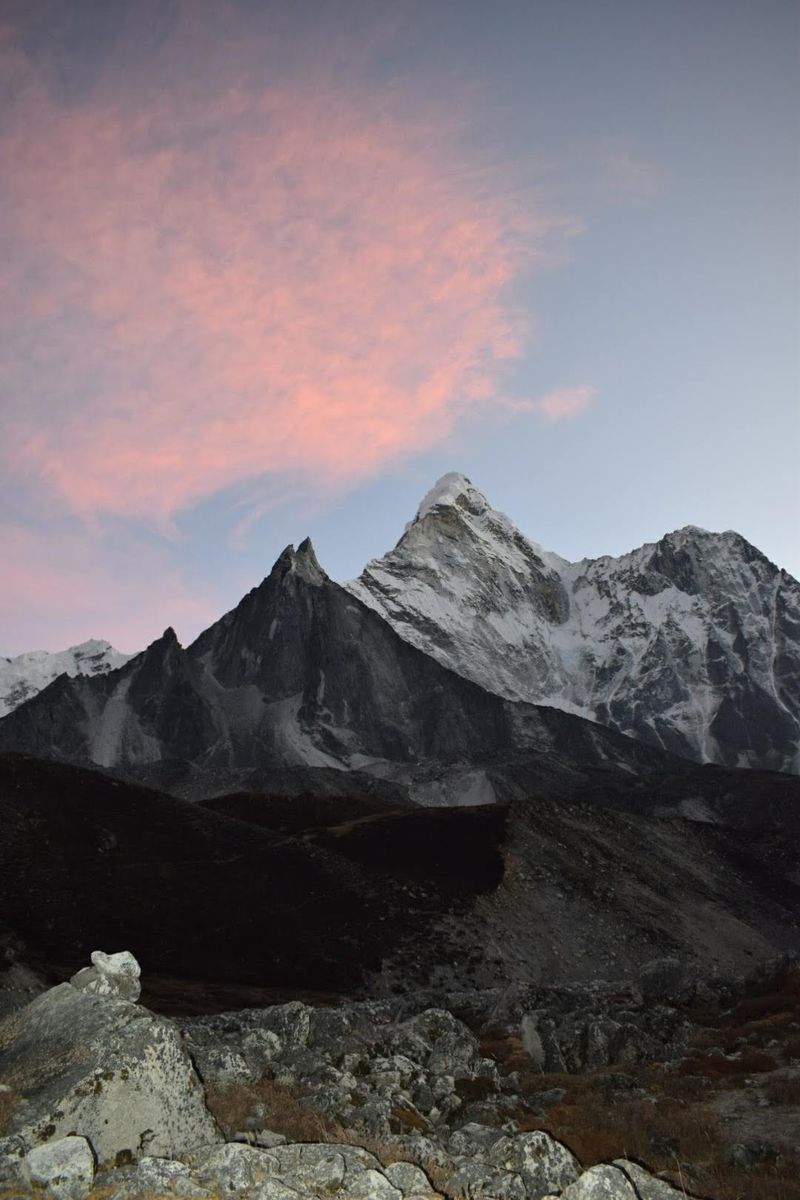
In the Everest region, elevation changes everything. Thin, cold air above much of the moisture layer gives you nights of startling clarity when weather cooperates. You stand near a stupa or campsite, and the Milky Way spills between serrated peaks like a silver pennant.
Because towns are sparse and electricity limited, light pollution stays low, especially off-season. Planets gleam with steady intensity, and star clusters resolve in binoculars as glittering swarms. On lucky nights, you may even catch airglow tracing faint color bands across the sky.
Altitude safety matters: ascend gradually, hydrate, and bring serious layers. Aim for post-monsoon or late winter when transparency often peaks, and pick moonless dates. You will feel the quiet settle into snow and stone as stars pour overhead. It is demanding but unforgettable, the kind of night where your breath fogs and the galaxy beams back.
Namib Desert and Southern Africa Dark-Sky Areas
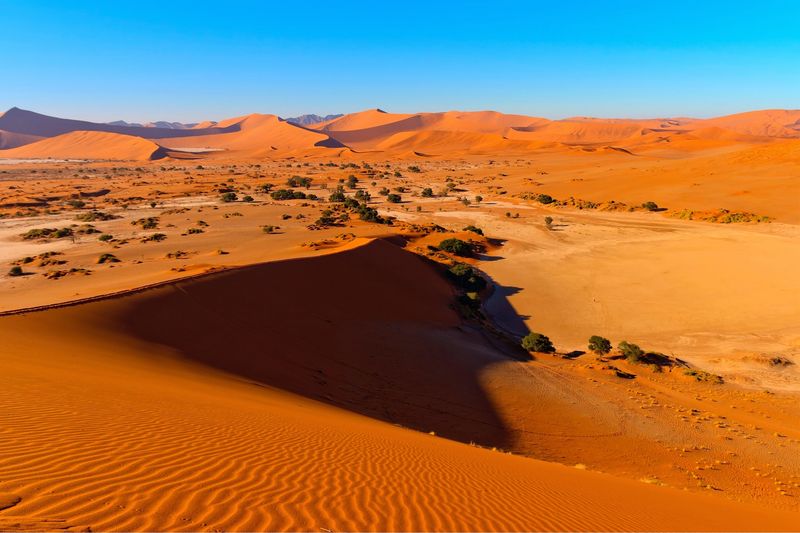
Across the Namib and neighboring deserts, sky quality feels pristine and old. Coastal dunes glow softly beneath a glittering arc of stars, while inland pans deliver jet-black backdrops. You will see the Milky Way slice the night with startling brightness, revealing dark lanes and star clouds by eye.
Low humidity and minimal development allow deep-sky targets to pop, even without large telescopes. Southern Hemisphere treasures like the Magellanic Clouds and Omega Centauri shine bright and structured. On clear, moonless nights, zodiacal light and the faint Gegenschein can appear, adding subtle layers to the darkness.
Travel prepared for remote terrain: water, navigation, and patient timing. Step away from any lodge lights, give your eyes twenty minutes, and watch detail bloom. The combination of solitude and cosmic texture feels almost surreal, like a personal planetarium built by wind and time. When dawn rolls in, dunes and stars trade places, and you promise to return for another long, luminous night.



