Long before the Civil War, Illinois played a vital role in the Underground Railroad, the secret network that helped enslaved people escape to freedom. Safe houses, abolitionist communities, and courageous conductors operated throughout the state, often at great personal risk.
From small prairie towns to bustling cities, ordinary people did extraordinary things to help others reach safety. These historic sites across Illinois preserve those powerful stories of resistance, hope, and the unstoppable human desire to be free.
Owen Lovejoy Homestead — Princeton, Illinois
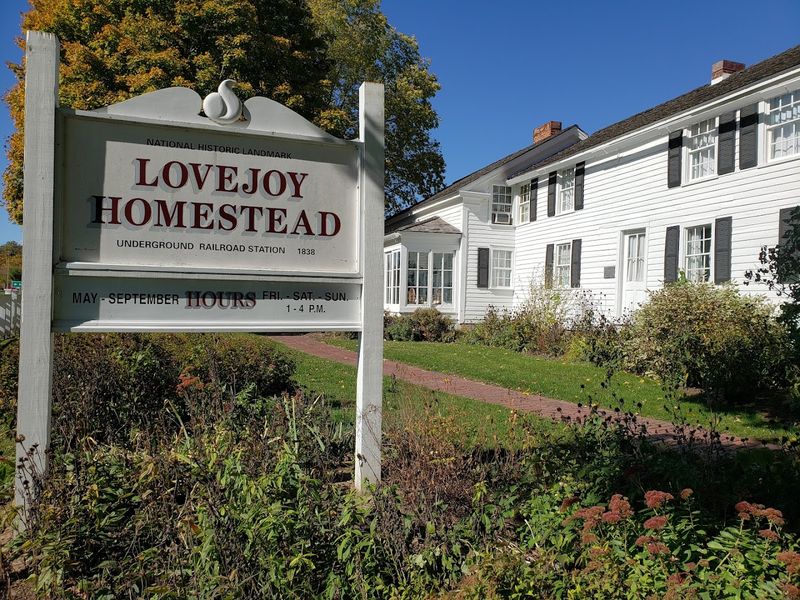
Owen Lovejoy did not whisper his beliefs quietly into the wind. He shouted them from pulpits, argued them in courtrooms, and hid freedom seekers inside his Princeton home while pro-slavery groups threatened his life.
The man was bold in a way that most people only dream about.
His homestead, built in the 1830s, still stands today as one of Illinois’ most well-documented Underground Railroad stops. Visitors can walk through the preserved rooms and imagine the tension and secrecy that filled every corner during the 1850s.
The house carries a weight that photographs simply cannot capture.
Owen’s brother Elijah was murdered by a pro-slavery mob in 1837, and rather than backing down, Owen became even more committed to the abolitionist cause. That kind of resolve is hard to find anywhere in history.
Tours of the homestead are offered seasonally, and the experience is genuinely moving. Standing inside the same walls where freedom seekers once hid is a reminder that courage is not the absence of fear.
It is doing the right thing anyway, no matter the cost.
New Philadelphia Historic Site — Pike County, Illinois
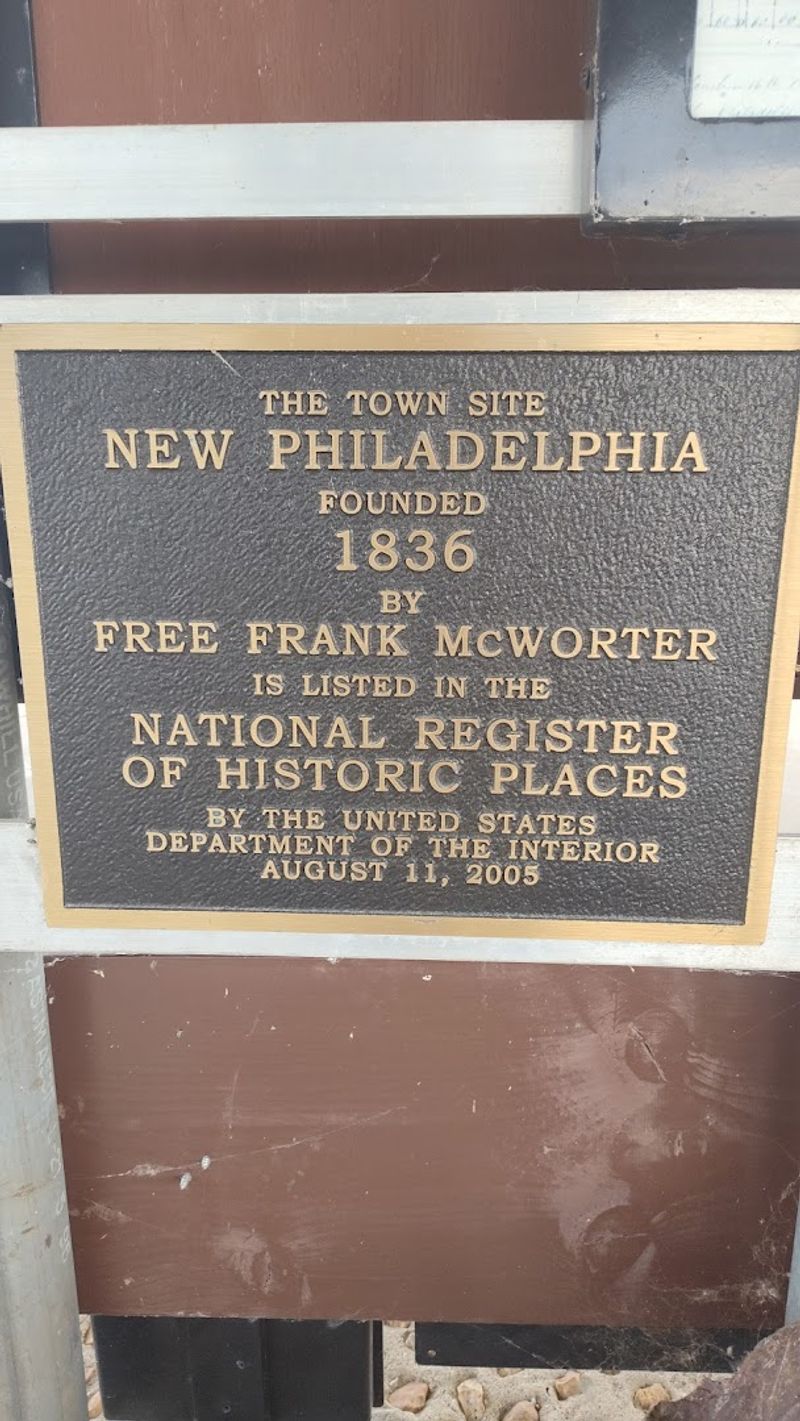
Frank McWorter once worked as an enslaved man with no legal rights and no guaranteed future. Then he figured out how to earn money on the side, saved every cent, and purchased his own freedom.
After that, he bought freedom for his wife and children, one by one.
In 1836, he founded New Philadelphia in Pike County, making it the first town in the United States legally platted by a Black man. That is not a small footnote in history.
That is a headline. The town thrived for decades before a railroad bypass slowly drained its population in the late 1800s.
Today the site is an active archaeological project where researchers continue uncovering artifacts that tell the story of the community McWorter built. There are no grand buildings left standing, but the land itself feels significant.
Interpretive signs guide visitors through what once stood there, and the story they tell is remarkable. New Philadelphia sits at the intersection of freedom, entrepreneurship, and determination.
Visiting reminds you that building something meaningful from nothing is one of the most powerful acts a person can accomplish.
Dr. Richard Eells House — Quincy, Illinois
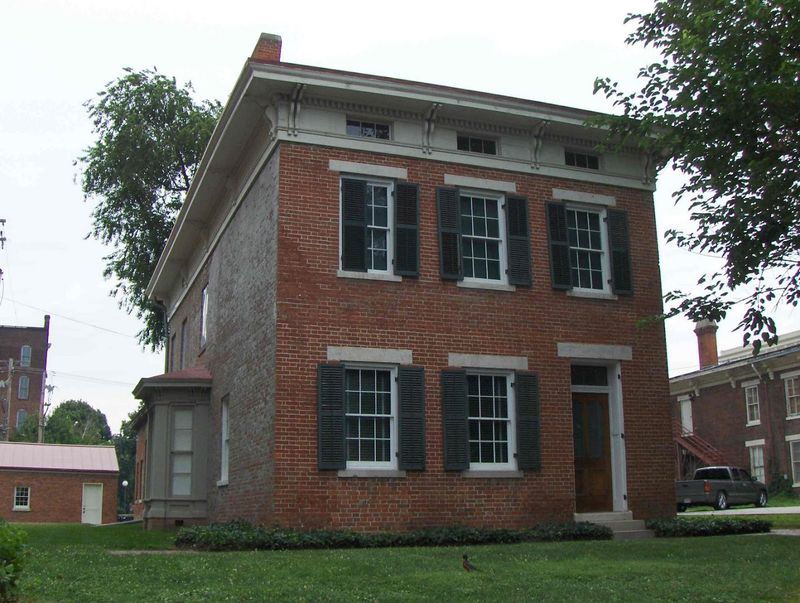
Getting arrested for doing the right thing takes a particular kind of backbone. Dr. Richard Eells had that backbone, and then some.
In 1842, he was caught helping an escaped enslaved man named Charley reach freedom, and a court slapped him with a heavy fine as punishment.
Rather than scaring him into silence, the trial turned his case into one of the most well-documented examples of resistance to the Fugitive Slave Act in all of Illinois. His Quincy home became a landmark not just of architecture but of moral courage.
The Federal-style brick house still stands, and it carries that history in every weathered wall.
Quincy itself was a fascinating city during this era, sitting right on the Mississippi River across from Missouri, a slave state. The proximity made every act of assistance both more urgent and more dangerous.
The Eells House is now recognized as a National Historic Landmark, which feels entirely appropriate. Walking through it, you get a clear sense of the calculated risk that abolitionists took every single day.
History is not always comfortable, but places like this make sure it is never forgotten.
Wood River Museum and Underground Railroad Interpretive Center — East Alton, Illinois
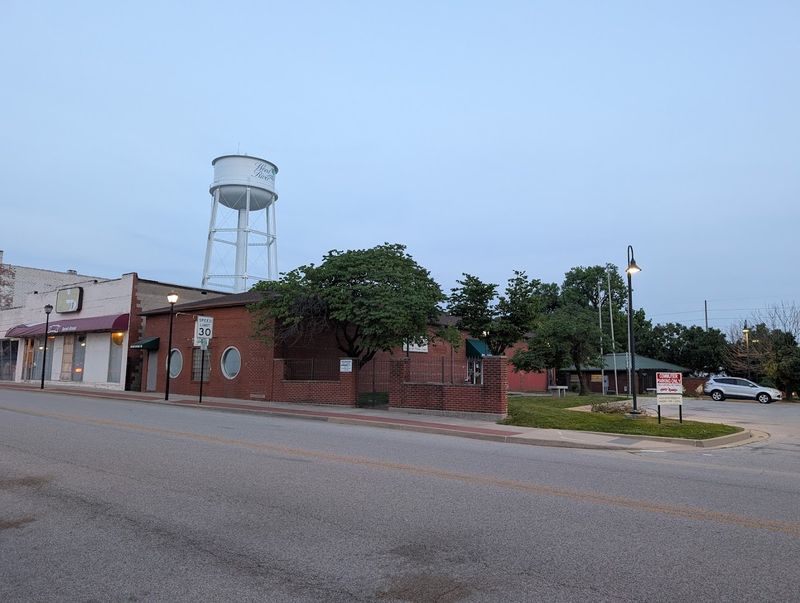
Southwestern Illinois had geography working in its favor, and freedom seekers knew it. The Mississippi River was both a barrier and a pathway, and communities near its banks played an outsized role in the Underground Railroad’s operation throughout the region.
The Wood River Museum and Underground Railroad Interpretive Center in East Alton exists specifically to tell that story. Exhibits walk visitors through the routes that freedom seekers traveled, the risks they faced crossing into Illinois from Missouri, and the local residents who helped them move northward.
The center does a great job making a complicated history feel personal and real.
What makes this spot especially valuable is its regional focus. Rather than painting the Underground Railroad with broad strokes, the exhibits zoom in on the specific towns, churches, and individuals that made southwestern Illinois a critical corridor.
You leave with a much sharper picture of how the network actually functioned on the ground. The museum is family-friendly and approachable, even for younger visitors.
History lessons hit differently when you are standing just a few miles from the actual river crossings where so many people risked everything for a chance at freedom.
Miller Grove School and Community — St. Clair County, Illinois
Imagine building a school, a church, and an entire community from scratch after surviving slavery. That is exactly what the founders of Miller Grove did in southern Illinois, and the old schoolhouse they left behind still stands as proof of what determination looks like in real life.
Miller Grove was established by formerly enslaved families and free Black settlers who carved out a refuge in a region that was not always welcoming. They built institutions, educated their children, and created a place where dignity was not up for debate.
The surviving schoolhouse is modest in size but enormous in meaning.
St. Clair County had a complicated relationship with race and freedom during the antebellum period, making Miller Grove’s existence even more striking. The community became a quiet anchor for Black residents in the area, offering stability and solidarity during deeply uncertain times.
Visiting the site today requires a bit of searching since it sits off the main tourist trail, but that effort is worth every minute. There is something profoundly moving about standing in front of a building that represents not just survival but the deliberate, joyful act of building a future.
John Todd House and Illinois Connections — Western Illinois Network
The Underground Railroad did not respect state lines, and neither did the people who ran it. The John Todd House, located across the Mississippi in Tabor, Iowa, is deeply connected to the western Illinois freedom network, illustrating how anti-slavery activists coordinated across wide distances to keep freedom seekers moving safely.
Todd was a Congregationalist minister whose home became a major stop on routes that stretched from Missouri through Illinois and onward into Iowa and beyond. Understanding his operation helps explain how the broader network functioned, with each stop passing people carefully to the next trusted household.
Western Illinois communities fed directly into this system.
What makes this connection so interesting is how it reveals the Underground Railroad as a genuinely regional enterprise. No single town or state operated in isolation.
Conductors in Quincy communicated with contacts in Galesburg, who had ties to Iowa, who connected further north. The whole thing worked because people trusted each other across long distances.
Exploring the Todd House alongside Illinois sites gives visitors a much fuller picture of the network’s reach and sophistication. Freedom, it turns out, required excellent logistics and an enormous amount of mutual trust.
Galesburg Underground Railroad Sites — Galesburg, Illinois
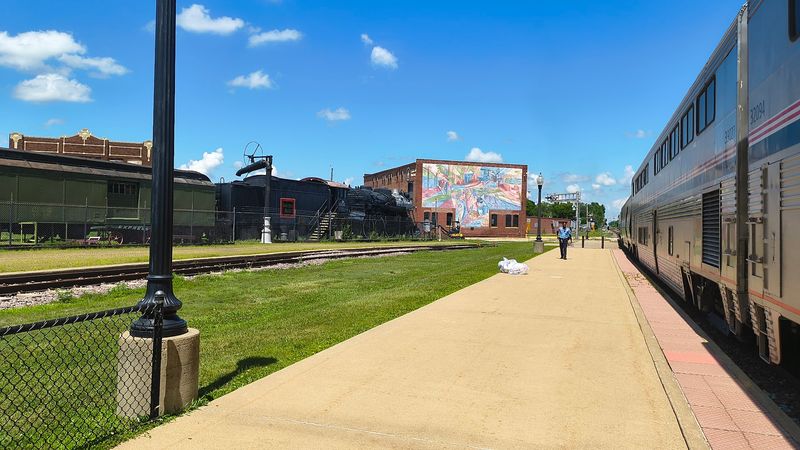
Galesburg had a chip on its shoulder about slavery, and it wore that chip proudly. Founded in 1837 by a group of New York Presbyterians specifically committed to anti-slavery principles, the city was essentially built from the ground up as an abolitionist stronghold.
That is not a reputation it stumbled into by accident.
Several historic homes and churches throughout the city are associated with Underground Railroad activities, sheltering freedom seekers and coordinating their passage northward. Knox College, founded in the same era, was one of the few Illinois colleges that admitted Black students before the Civil War, reflecting the community’s broader values.
Galesburg also hosted one of the famous Lincoln-Douglas debates in 1858, held right on the Knox College campus. The debate drew thousands of spectators and put the slavery question front and center in a city that had already made up its mind.
Walking through Galesburg today, you can still feel the weight of that history in the architecture and the stories attached to its oldest buildings. The city offers self-guided historical tours, making it easy to connect the dots between sites and understand how tightly woven the abolitionist community really was.
Quinn Chapel African Methodist Episcopal Church — Chicago, Illinois
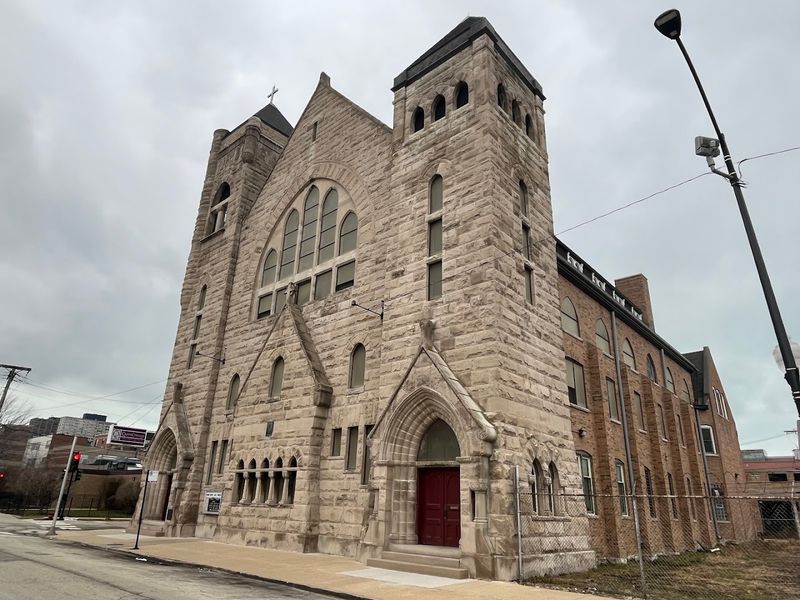
Chicago’s oldest Black congregation did not just hold Sunday services. Quinn Chapel A.M.E.
Church, founded in 1847, held the line against slavery in a city that was rapidly becoming a destination for freedom seekers making their final push toward Canada or settling into northern life.
The church served as a hub for abolitionists, free Black residents, and activists who were determined to support those escaping bondage. Its members provided shelter, resources, and community connections that were absolutely essential for people arriving in Chicago with nothing but the clothes on their backs and an enormous amount of hope.
Quinn Chapel also hosted Frederick Douglass and other prominent abolitionists who came to speak and organize in Chicago. Having that kind of national figure walk through your doors says something about the congregation’s standing in the broader movement.
The church still holds services today, making it a living piece of history rather than just a preserved artifact. Visiting Quinn Chapel feels different from visiting an empty historic building.
The continuity of community across nearly two centuries is its own kind of remarkable. The congregation’s roots run deep, and those roots are permanently tangled up with the story of American freedom.
Jacksonville Underground Railroad Sites — Jacksonville, Illinois
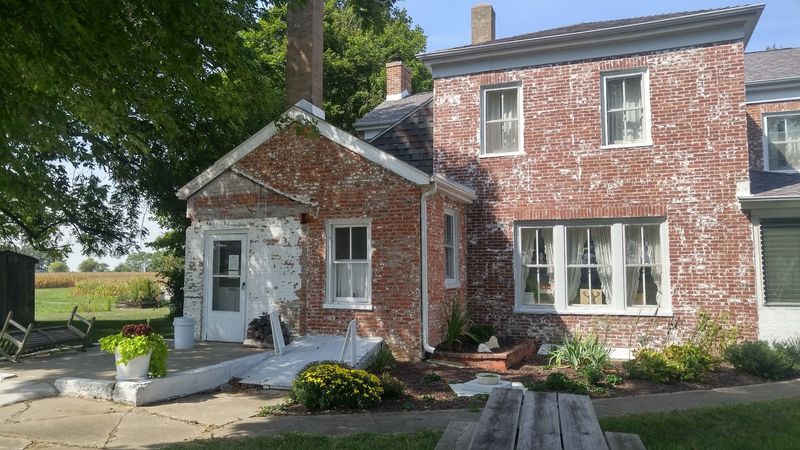
Jacksonville might look like a quiet Midwestern college town today, but in the 1840s and 1850s it was crackling with anti-slavery energy. Illinois College, founded in 1829 by a group of Yale graduates with strong abolitionist convictions, set the intellectual and moral tone for the entire community.
Several historic homes throughout Jacksonville are connected to Underground Railroad activities, with local families sheltering freedom seekers and coordinating their movement northward. The city produced some of the most vocal anti-slavery voices in the state, and that culture of activism left a physical footprint that visitors can still trace today.
Edward Beecher, brother of Harriet Beecher Stowe, served as president of Illinois College and was a prominent abolitionist figure in the region. Having that family name attached to the campus gives you a sense of the ideological circles Jacksonville was running in.
The city offers historical walking tours that connect the college, the churches, and the private homes that all played roles in the freedom network. Jacksonville rewards the curious visitor who is willing to slow down and read the historical markers carefully.
Each one adds another thread to a story that is much bigger and more intricate than it first appears.
Brooklyn, Illinois — America’s Oldest Black Town
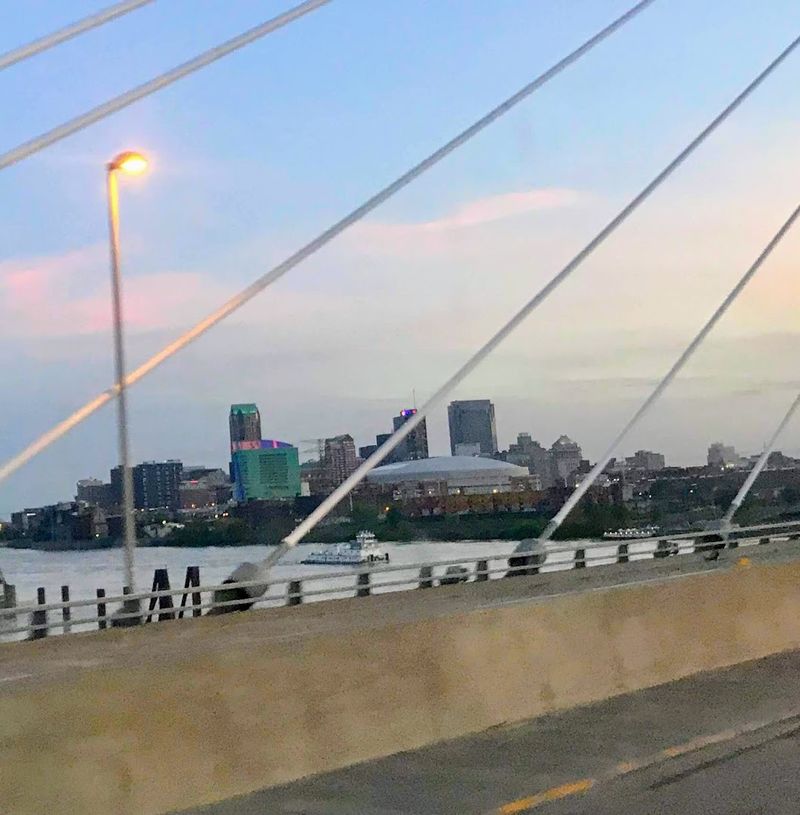
Brooklyn, Illinois holds a title that most people have never heard of, and that is honestly a shame. Recognized as the oldest continuously incorporated Black town in the United States, Brooklyn was founded by free African Americans before the Civil War in St. Clair County, right across the river from St. Louis.
The town’s founders created a space where Black residents could govern themselves, own property, and build lives free from the constant threat of re-enslavement. That was a radical act in the 1830s and 1840s, and it required real courage to pull off in a region so close to a slave state.
Brooklyn became a magnet for free Black settlers seeking safety and community.
The town’s proximity to Missouri meant it was always operating on a razor’s edge, with the threat of slave catchers just a river crossing away. Despite that pressure, Brooklyn endured and incorporated, becoming a legally recognized municipality that Black residents controlled entirely.
That combination of legal status and community solidarity made it a meaningful refuge. Visiting Brooklyn today connects you to a thread of Black self-determination that runs straight through American history.
The town is small, but its story is genuinely one of the most important in all of Illinois.
Share this story