Not every song can be a masterpiece, and music history is full of tracks that missed the mark in a big way. Some of these songs were catchy enough to become hits, but critics and fans have never let them live it down.
Over the years, certain tracks have earned a special kind of fame, not for being great, but for being widely considered among the worst ever recorded. From cheesy pop to awkward rap crossovers, these 11 songs continue to top the lists of music’s most regrettable moments.
1. We Built This City – Starship
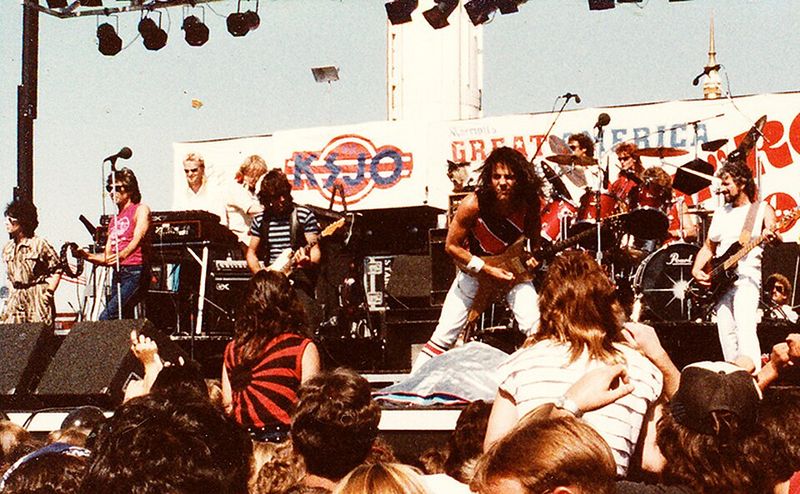
Back in 1985, Starship released a song so aggressively cheerful that it somehow became a massive hit before turning into one of rock’s most criticized moments. “We Built This City” was meant to celebrate rock and roll, but many felt it did the opposite. Critics called it hollow, overproduced, and completely out of touch with the spirit of real rock music.
Rolling Stone magazine famously ranked it as the worst song of the 1980s, and that title has stuck for decades. The song featured big synthesizers, a booming chorus, and lyrics that felt more like a commercial jingle than genuine artistic expression.
Ironically, it reached number one on the Billboard Hot 100.
Fans of classic rock often point to this track as proof that commercial pressure can ruin even talented artists. Starship had real musical roots, which made the song feel even more like a betrayal to longtime listeners.
2. Achy Breaky Heart – Billy Ray Cyrus
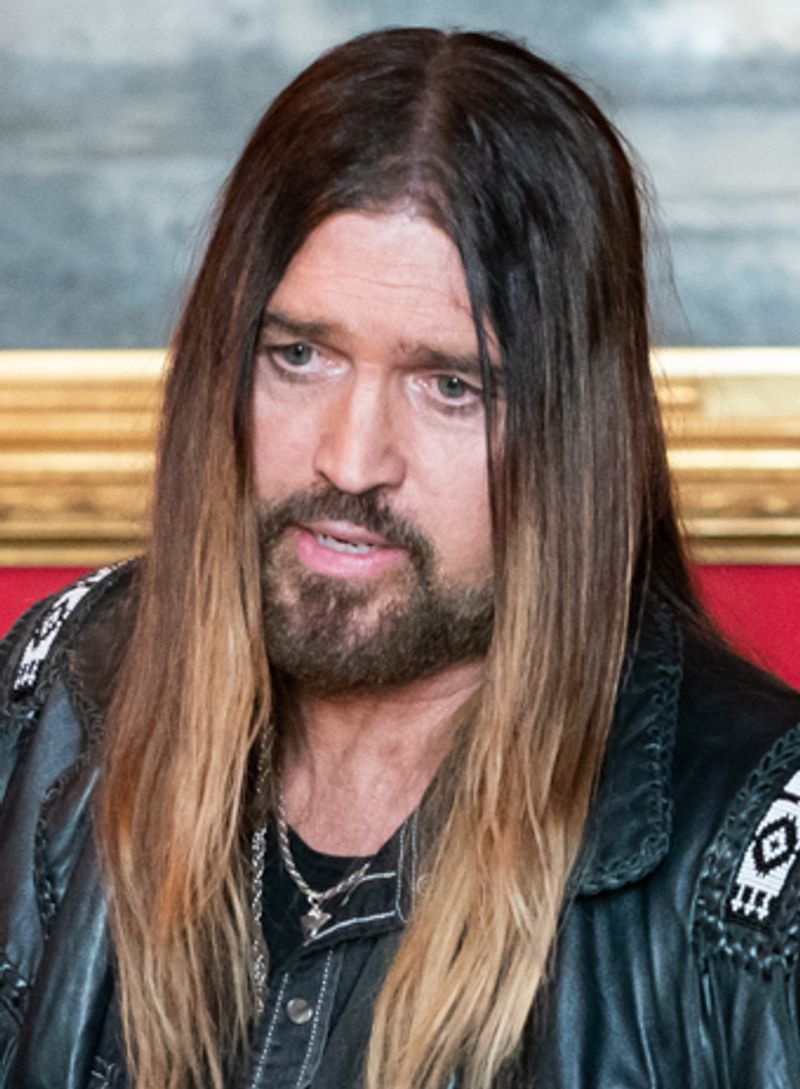
Few songs have sparked as much eye-rolling as this 1992 country line-dancing anthem. “Achy Breaky Heart” turned Billy Ray Cyrus into an overnight star, but it also made him a punchline for music critics everywhere. The song’s repetitive lyrics and simple melody were designed for maximum danceability, and they succeeded, perhaps a little too well.
Country purists were not impressed. Many felt the track reduced a rich musical tradition to a novelty act.
Even some radio programmers reportedly tried to ban it before it blew up, worried it would embarrass the genre.
Still, it sold millions of copies and launched the line-dancing craze of the early 1990s. That cultural footprint is hard to ignore, even if the song remains a guilty pleasure at best.
Whether you find it charming or cringe-worthy likely depends on how you feel about mullets and cowboy boots.
3. Ice Ice Baby – Vanilla Ice

Vanilla Ice arrived in 1990 with frosted tips, parachute pants, and a song that sampled Queen and David Bowie without proper credit. “Ice Ice Baby” became the first hip-hop single to top the Billboard charts, which sounds impressive until you remember how it got there. The unauthorized sample of “Under Pressure” led to a lawsuit and a settlement that embarrassed the young rapper publicly.
Beyond the legal drama, the song drew heavy criticism from the hip-hop community. Many felt Vanilla Ice was a manufactured act who borrowed Black culture’s style without understanding its roots.
His lyrics were considered lightweight compared to what real hip-hop artists were producing at the time.
Despite all of that, the song remains instantly recognizable more than 30 years later. Its opening bass riff still gets played at sporting events and parties, proving that cultural staying power and critical respect are very different things.
4. Friday – Rebecca Black

When Rebecca Black released “Friday” in 2011, the internet had not yet fully developed its habit of turning bad things into viral gold. That changed almost overnight.
The song, produced by ARK Music Factory and funded by her parents, was widely mocked for its painfully literal lyrics about the days of the week and which seat to take in a car.
Within days, it had millions of views on YouTube and was being called the worst song ever made. Critics piled on, comedians made jokes, and even major publications ran stories questioning whether it qualified as music at all.
Rebecca Black was just 13 years old at the time, which made the public pile-on feel uncomfortable for many observers.
Years later, she has spoken openly about the experience and even embraced the song’s strange legacy. “Friday” now holds a unique place in internet history as the song that helped define the era of viral cringe culture.
5. My Humps – Black Eyed Peas

The Black Eyed Peas had already built a solid reputation before dropping this track in 2005, which made “My Humps” feel even more baffling to longtime fans. The song features Fergie describing her body using the word “humps” so many times that it starts to feel like a surreal fever dream.
Critics were not kind.
Alanis Morissette famously recorded a slow, dramatic cover of the song as a satirical commentary on how empty the lyrics were. That cover arguably became more celebrated than the original.
Rolling Stone and other outlets placed “My Humps” high on their worst-songs lists, calling it a low point for a group that had real potential.
Despite the critical beating, the song was a massive commercial success. It reached the top five in multiple countries and remains one of the most recognizable pop songs of the 2000s.
Fame and quality do not always travel together, and this track is a prime example.
6. Baby – Justin Bieber

Justin Bieber was only 15 when he recorded “Baby” in 2010, so some allowances can be made for lyrical depth. Still, the song became one of the most disliked videos in YouTube history, accumulating millions of thumbs-down ratings before the platform removed public dislike counts.
That is a cultural milestone of a very specific kind.
Critics pointed to the repetitive chorus, which features the word “baby” sung over and over with almost no variation, as a sign that the track prioritized catchiness over craft. The addition of rapper Ludacris felt like a marketing move rather than a creative one, though his verse did add some energy to an otherwise flat production.
Bieber went on to evolve significantly as an artist, which makes “Baby” feel like a relic of a more manufactured era in pop music. Still, for millions of young fans in 2010, it was a genuine anthem, which says something about the complicated relationship between art and audience.
7. Sussudio – Phil Collins

Phil Collins is undeniably talented, but even his most devoted fans tend to go quiet when “Sussudio” comes up. Released in 1985, the song was a massive chart success, reaching number one in the United States.
The problem is that the title word means absolutely nothing. Collins himself has admitted he used it as a placeholder lyric that he simply never replaced.
Critics found that admission both amusing and telling. The song has a bouncy, danceable energy borrowed heavily from Prince’s style at the time, which some saw as flattering imitation and others viewed as lazy appropriation.
The production is polished to the point of feeling sterile, leaving very little emotional texture underneath the glossy surface.
It remains a curious artifact of 1980s pop excess. The fact that a nonsense word carried a song to number one says more about the era’s appetite for catchy production than it does about meaningful songwriting.
Collins has had far better moments in his career.
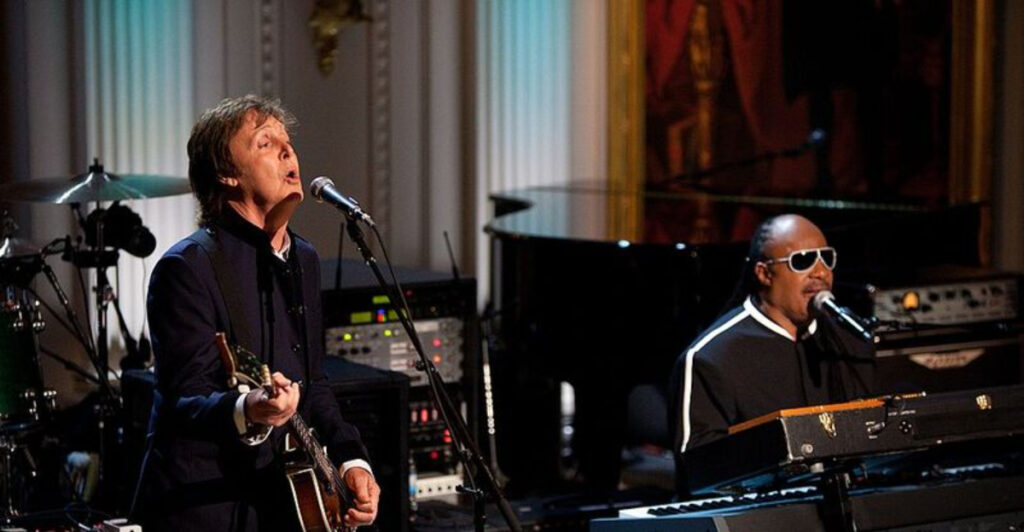
8. Ebony and Ivory – Paul McCartney and Stevie Wonder
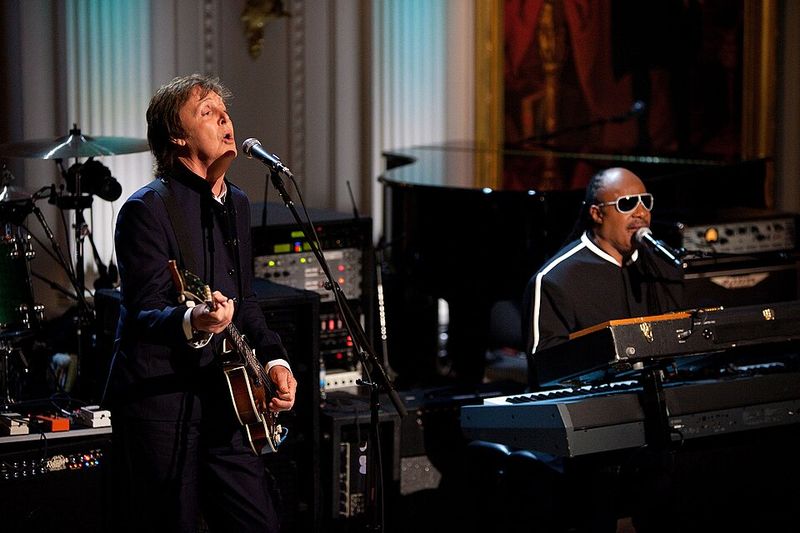
On paper, a collaboration between Paul McCartney and Stevie Wonder should have been extraordinary. Both artists had proven themselves as generational talents long before 1982.
What they produced together, however, was a well-meaning but widely criticized meditation on racial harmony that many felt was oversimplified to the point of being counterproductive.
The central metaphor, comparing human coexistence to piano keys living in harmony, struck many critics as painfully naive. Comparing the complexity of racial inequality to black and white piano keys felt like it reduced a serious social issue to a greeting card sentiment.
The production was also considered overly soft and dated even by 1982 standards.
Neither artist needed this song to cement their legacy, and both went on to do much stronger work. Still, “Ebony and Ivory” continues to surface on worst-songs lists, serving as a reminder that good intentions alone cannot save a song from weak execution and oversimplified messaging.
9. You’re Beautiful – James Blunt

James Blunt’s falsetto-driven ballad dominated radio stations in 2005, and that might be exactly what turned so many people against it. Overplay is a real phenomenon, and “You’re Beautiful” became the poster child for songs that wore out their welcome fast.
What started as a sweet, melancholy love song quickly became inescapable background noise in every coffee shop and waiting room across the world.
Critics and listeners began picking apart the lyrics more closely as the song played for the hundredth time. Some pointed out that the premise, a man obsessing over a stranger he will never speak to, reads less like romance and more like something uncomfortably close to stalking when examined carefully.
Blunt himself has shown a good sense of humor about the backlash, openly joking about the song’s polarizing reputation in interviews. His self-awareness has actually earned him some renewed respect, proving that how an artist handles criticism can matter just as much as the music itself.
10. Miracles – Insane Clown Posse

Insane Clown Posse released “Miracles” in 2010 and somehow managed to make a sincere song about wonder and gratitude become one of the most mocked tracks in recent memory. The music video featured the duo marveling at rainbows, pelicans, and magnets in a way that seemed to suggest genuine amazement at how magnets work.
That detail sparked an internet firestorm that has never fully died down.
The line “magnets, how do they work” became an instant meme and a shorthand for anti-intellectual wonder. Scientists and educators used the song as a jumping-off point for discussions about the importance of basic science education.
The irony is that ICP claimed they were expressing childlike awe at the universe, not denying science.
Whether you read the song as touching or embarrassing depends largely on your patience for earnestness. Critics almost universally landed on the embarrassing side, cementing “Miracles” as one of the most unintentionally funny songs of the past two decades.
11. Everybody Have Fun Tonight – Wang Chung
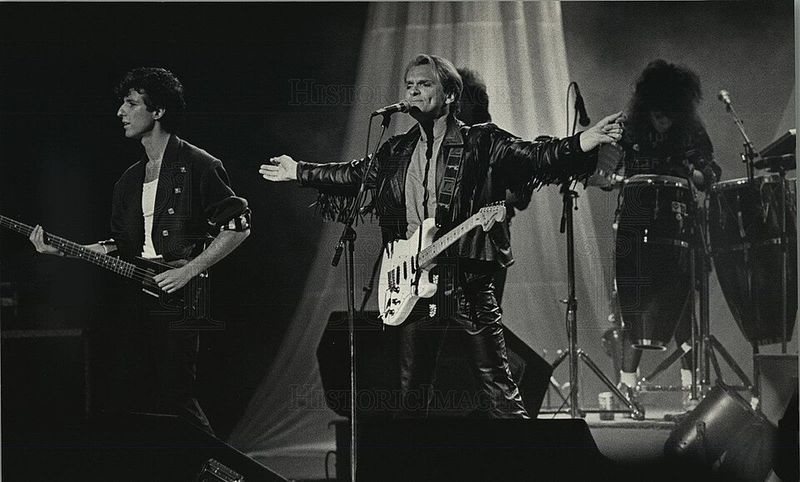
Wang Chung had a quirky charm that worked reasonably well in the mid-1980s, but “Everybody Have Fun Tonight” pushed that quirkiness into territory that many found more annoying than endearing. Released in 1986, the song features the band repeatedly instructing listeners to “wang chung tonight,” a phrase that means nothing but was apparently intended to sound fun and carefree.
Critics were baffled. Using your own band name as a verb in the chorus struck many as either a stroke of genius or an act of extraordinary self-indulgence.
Most landed on the latter. The production was slick and radio-friendly, but the lyrical content was essentially empty, even by 1980s pop standards.
The song became a staple of decade retrospectives, usually appearing on lists of the strangest or most forgettable hits of the era. Wang Chung deserves some credit for committing fully to their own absurdity, even if the results did not exactly stand the test of time.
Share this story