The summer of 1975 was a fascinating moment in pop music history. Radio stations across the United States were broadcasting a remarkably diverse mix of sounds, from disco and funk to country crossovers and deeply personal ballads. It was a season when the charts reflected genuine cultural change, with artists pushing into new territory and listeners responding in huge numbers. The Billboard Hot 100 that year told a story of a music industry in transition, where soft rock, soul, and emerging disco were all competing for the same ears.
Some of these songs became the defining anthems of an entire generation, while others captured very specific moments in sports, politics, and social life. What follows is a look at the twelve songs that dominated the airwaves during those warm months, each one carrying its own remarkable backstory worth knowing.
1. Love Will Keep Us Together by Captain & Tennille
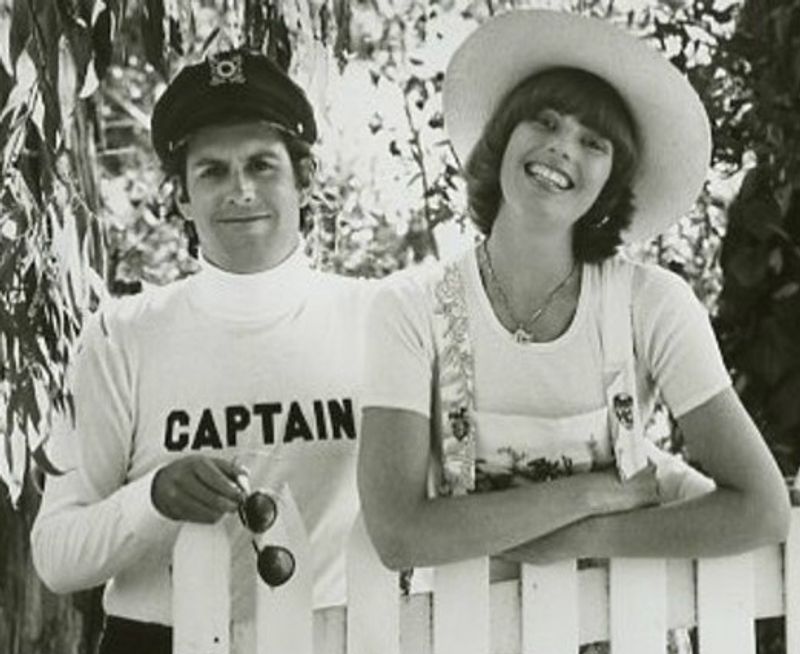
No song in 1975 spent more time at the top of the Billboard Hot 100 than this one, and the story behind it is just as interesting as its chart performance. Husband-and-wife duo Daryl Dragon and Toni Tennille had been playing club circuits in Los Angeles for years before their big break arrived. Their version of Neil Sedaka’s 1973 composition hit number one on June 21, 1975, and stayed there for four consecutive weeks.
The song earned a Grammy Award for Record of the Year on February 28, 1976, and finished as the best-selling single of the entire year in the United States. Sedaka co-wrote the track with Howard Greenfield, and he later noted the main chord progression drew from The Beach Boys’ “Do It Again.” Captain and Tennille also recorded a Spanish-language version called “Por Amor Viviremos,” which simultaneously appeared on the Billboard Hot 100, reaching number 49. Few pop songs that year matched its commercial reach.
2. Listen to What the Man Said by Wings
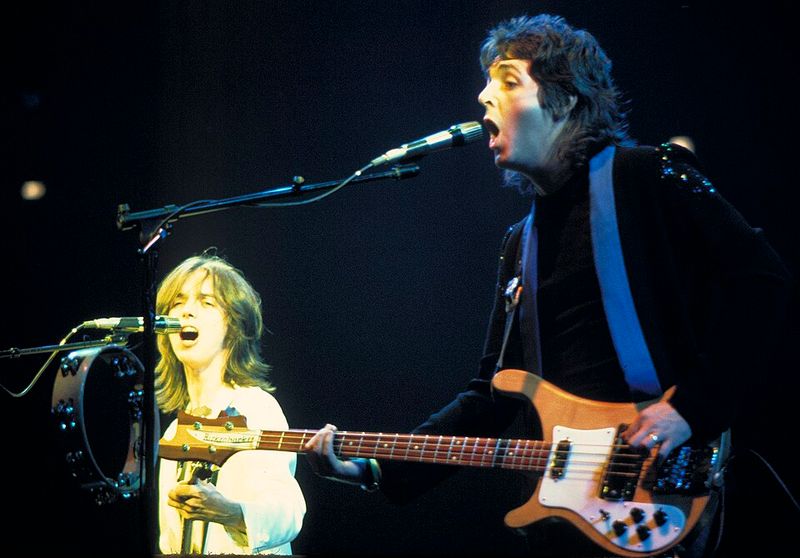
Paul McCartney had spent years building Wings into a credible band after The Beatles, and this single proved the project had genuine commercial power. Released on May 16, 1975, in the UK and May 26 in the US, it served as the lead single from the “Venus and Mars” album. The song climbed to number one on the Billboard Hot 100 during the week of July 19, 1975, and topped the Canadian RPM chart as well.
The Recording Industry Association of America certified it Gold for surpassing one million copies sold. McCartney had felt early recordings of the track were missing something essential. Jazz musician Tom Scott arrived at the session and recorded a soprano saxophone solo on his first take, and that improvised performance was exactly what McCartney had been searching for. Dave Mason also contributed guitar to the recording.
The accompanying album hit number one on the Billboard 200 the same week, making it a landmark moment for Wings as a working band.
3. One of These Nights by Eagles
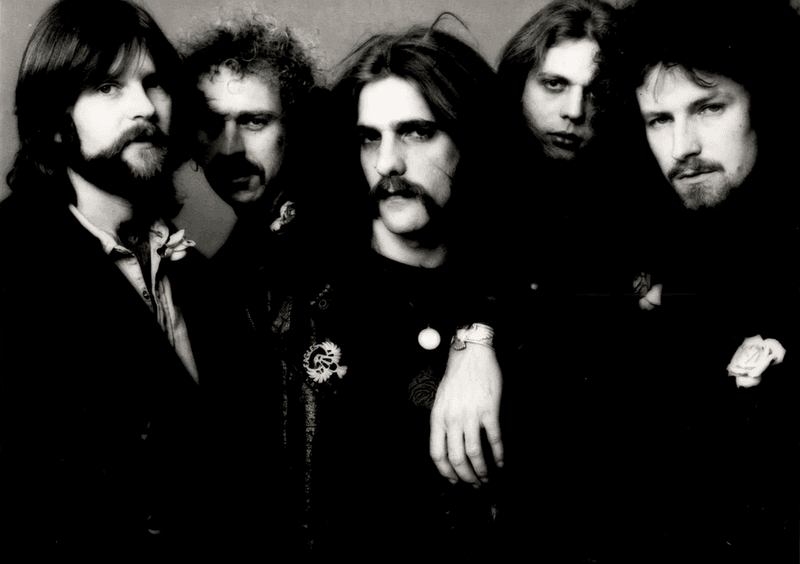
By mid-1975, the Eagles were no longer just a country-rock act from California. They were becoming one of the biggest rock bands in the world, and this title track helped complete that transformation. Released as a single on May 19, 1975, it reached number one on the Billboard Hot 100 for the week of August 2, with Don Henley delivering the lead vocal performance.
The album of the same name became the band’s first to hit number one on the Billboard 200, holding that position for five consecutive weeks starting July 26. It sold over four million copies and produced three Top 10 singles. The Eagles received a Grammy nomination for Album of the Year in 1976, and “Lyin’ Eyes” from the same record earned them their first Grammy for Best Pop Vocal Performance by a Duo, Group or Chorus. Founding member Bernie Leadon departed after the album’s tour, reportedly frustrated by the band’s shift toward a harder rock sound.
4. Jive Talkin’ by Bee Gees
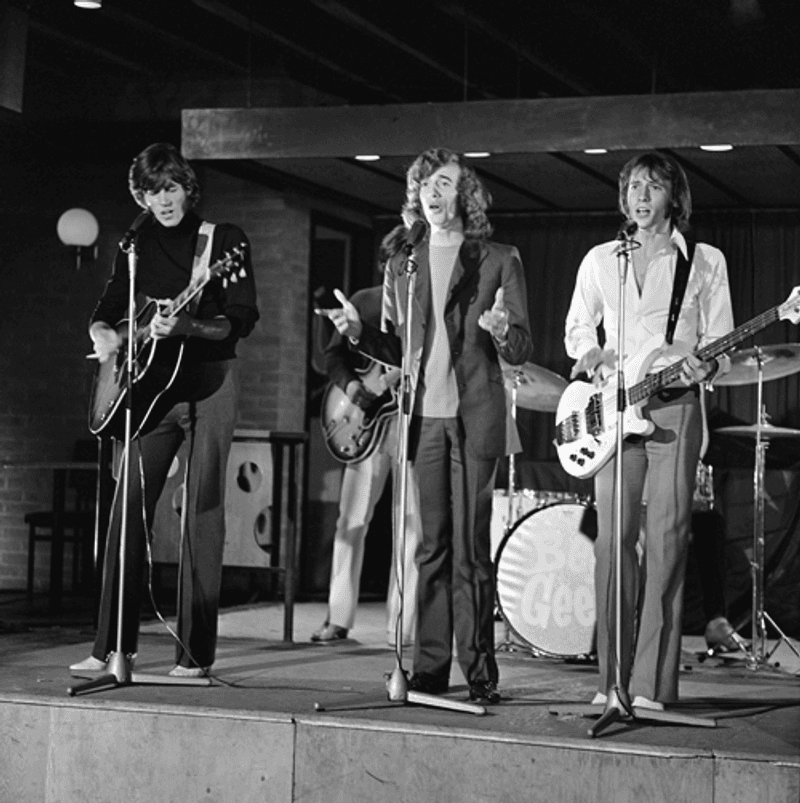
Few musical reinventions in the 1970s were as dramatic or as commercially successful as the one the Bee Gees pulled off with this single. Released in May 1975 as the lead track from their thirteenth studio album “Main Course,” it represented their first US Top 10 hit since 1971. The song reached number one on the Billboard Hot 100 for two consecutive weeks and peaked at number five in the UK.
Producer Arif Mardin guided the band away from their folk-influenced soft rock roots toward a blend of disco and soul that would define their next creative chapter. The production included an unusual element: the rhythmic thumping of car tires crossing the Julia Tuttle Causeway in Miami, which shaped the track’s distinctive groove. The song was initially titled “Drive Talkin'” before the band discovered that “jive talkin'” was slang for deception. Its enduring appeal led to its inclusion on the landmark “Saturday Night Fever” soundtrack in 1977.
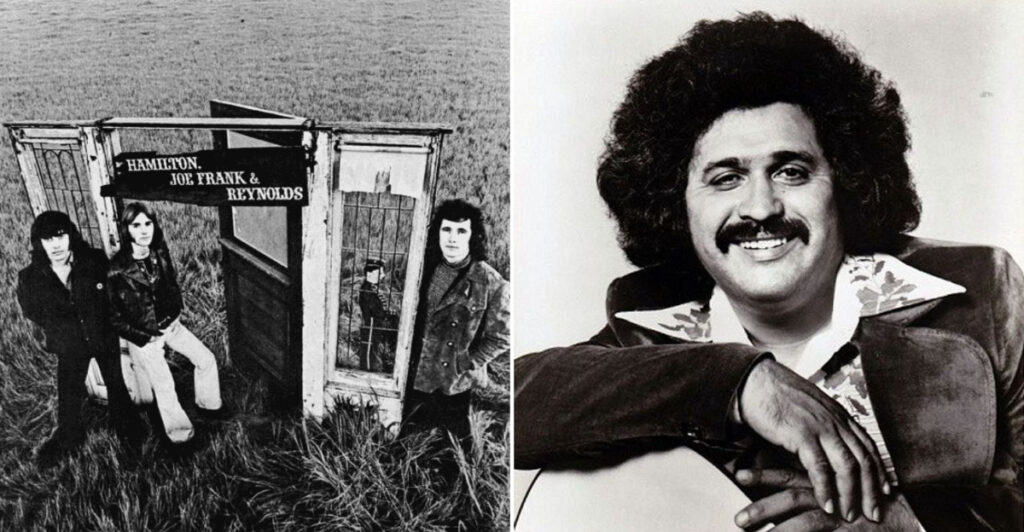
5. Fallin’ in Love by Hamilton, Joe Frank & Reynolds
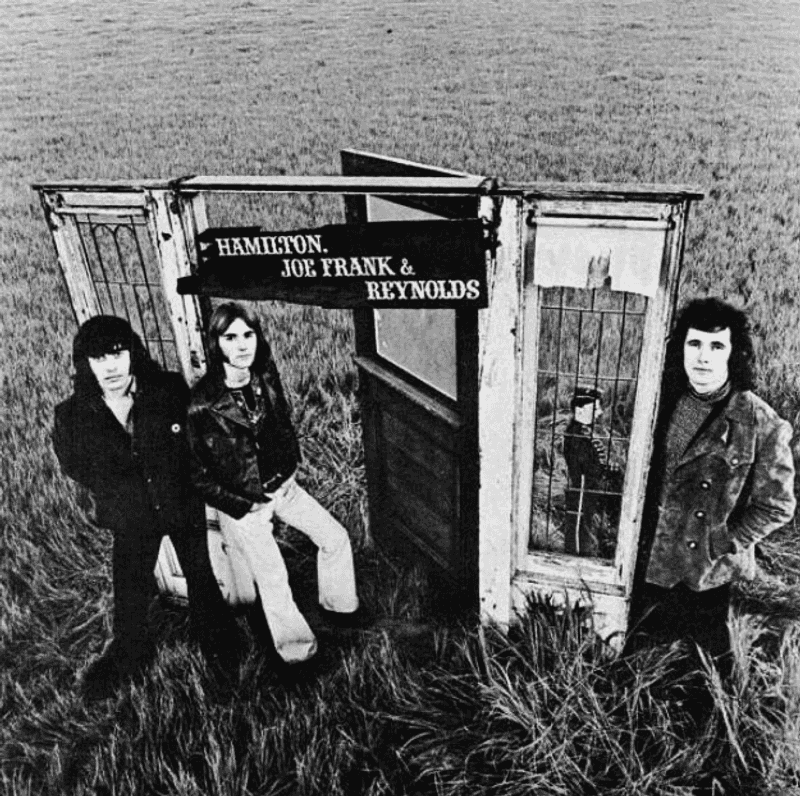
Only one song released on the Playboy Records label ever reached number one on the Billboard Hot 100, and this was it. “Fallin’ in Love” by Hamilton, Joe Frank & Reynolds climbed steadily after its May 1975 release, hitting the top spot on August 23, 1975, for a single week. The track also topped the Billboard Easy Listening chart and reached number 24 on the Hot Soul Singles chart.
Dan Hamilton wrote the song, with his wife Ann Hamilton receiving a co-writing credit. By the time of this hit, original drummer Tommy Reynolds had been replaced by Alan Dennison, though the trio kept its original name. The “Joe Frank” in the group’s title referred to Joe Frank Carollo. The song’s cultural footprint extended well beyond 1975.
In 2010, Playboy Enterprises filed a copyright infringement lawsuit against rapper Drake, alleging that his song “Best I Ever Had” had sampled the track without proper permission, drawing renewed attention to this overlooked soft rock gem.
6. Rhinestone Cowboy by Glen Campbell
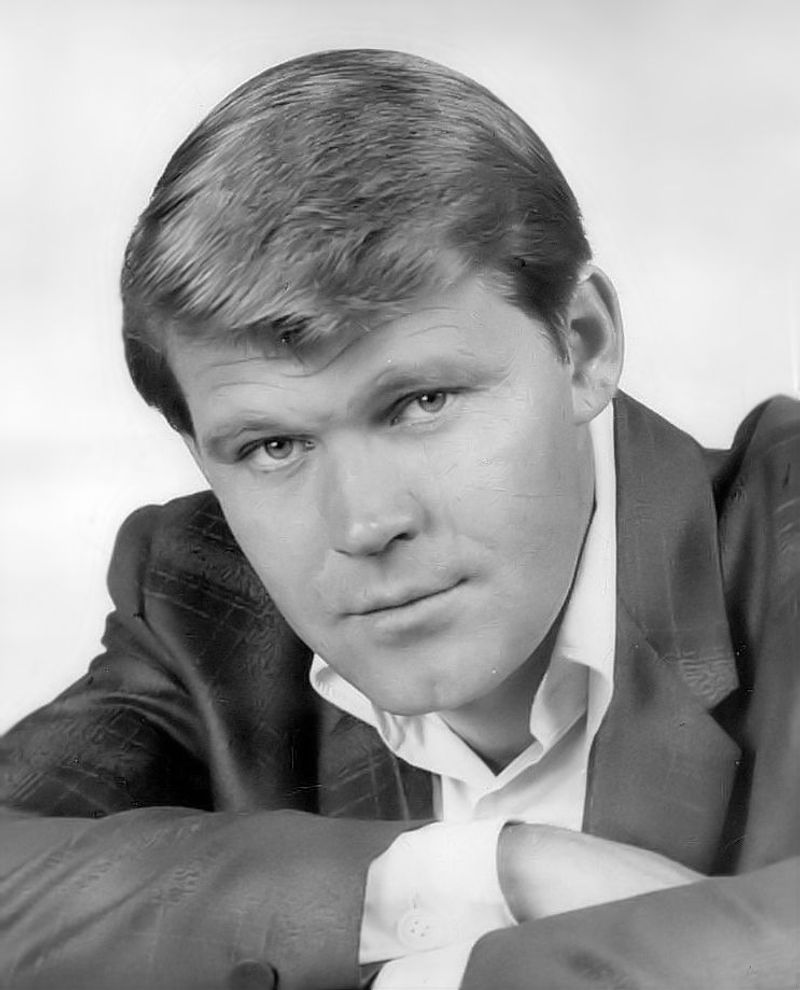
Glen Campbell had spent over two decades performing before this song arrived and changed everything. Released as a single on May 26, 1975, it reached number one on the Billboard Hot 100 for two weeks beginning September 6, while simultaneously topping the Hot Country Singles chart for three nonconsecutive weeks. It was the first song since Jimmy Dean’s “Big Bad John” in 1961 to top the Hot 100, the country chart, and the Adult Contemporary chart at the same time.
Songwriter Larry Weiss had recorded the track himself in 1974 without any notable commercial result. Campbell heard Weiss’s version on the radio and felt an immediate personal connection to its themes of perseverance and delayed recognition. The single sold over four million copies worldwide and finished as the second-biggest song of 1975 according to Billboard’s year-end ranking. The song’s cultural reach extended to a 1984 film starring Dolly Parton and Sylvester Stallone, though the movie borrowed only the title from Campbell’s recording.
7. Fame by David Bowie
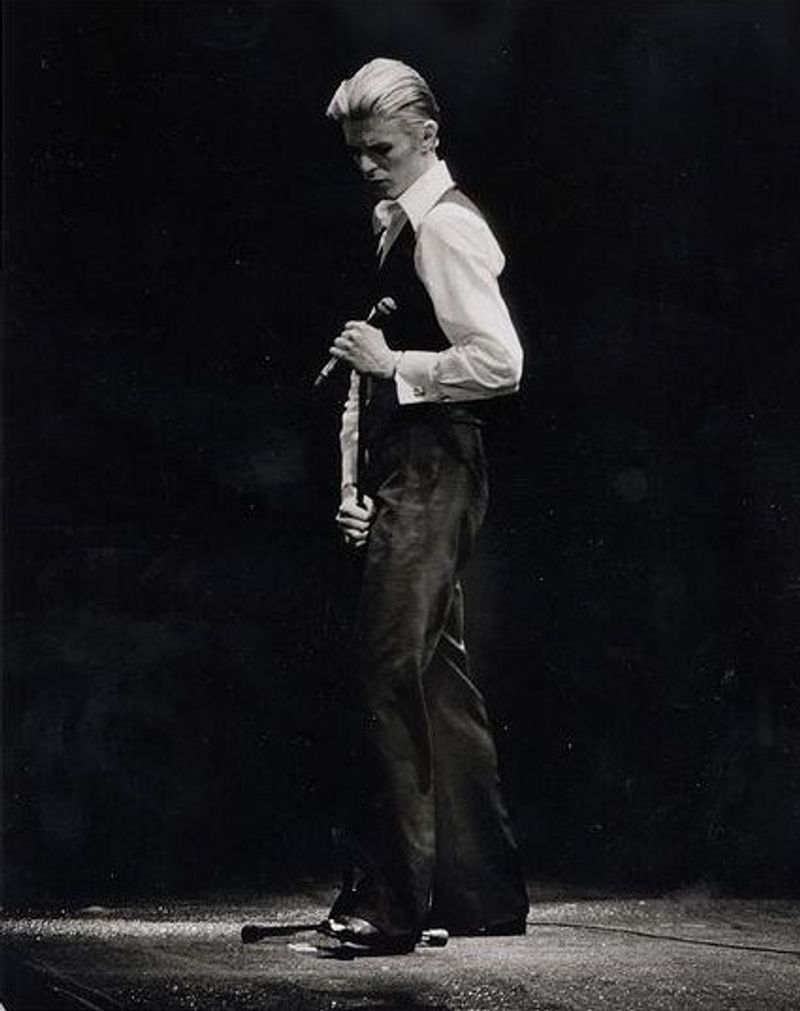
David Bowie had built his career on constant reinvention, but nothing quite prepared audiences for the funk-driven sound he delivered with this single. Released in the US on June 2, 1975, “Fame” became his first American chart-topper, reaching number one on the Billboard Hot 100 on September 20, 1975, displacing Glen Campbell’s “Rhinestone Cowboy” in the process. It also hit number one in Canada.
Co-written with John Lennon and guitarist Carlos Alomar, the song functioned as a pointed critique of celebrity culture and the music industry’s effect on artists. Lennon’s voice can be heard repeating the title word toward the end of the recording. Bowie later claimed he had no expectation the track would become a major hit. The recording sessions took place at Electric Lady Studios in New York City in January 1975.
The song’s cultural standing was later confirmed by its inclusion in the Rock and Roll Hall of Fame’s list of 500 Songs That Shaped Rock and Roll.
8. Someone Saved My Life Tonight by Elton John
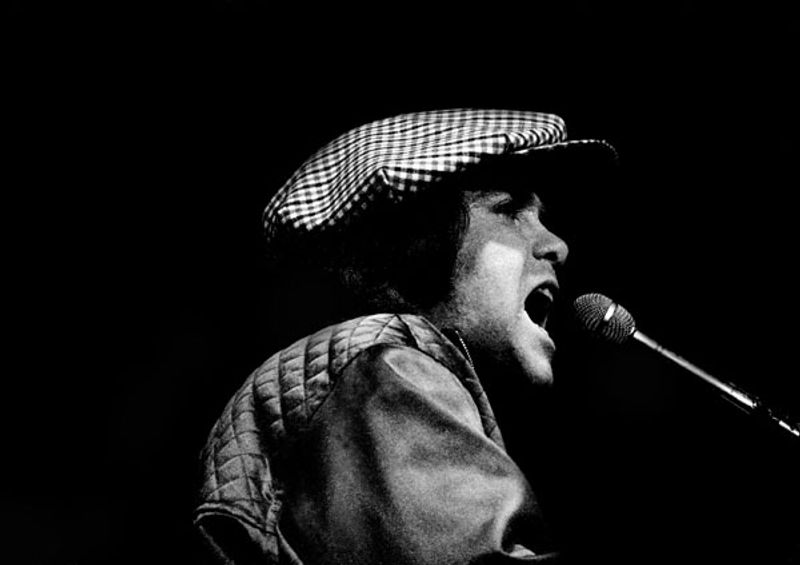
At six minutes and forty-five seconds, this song was more than twice the length of a standard radio single, yet it still found its way to number four on the Billboard Hot 100. Released on June 20, 1975, it was the only single from Elton John’s autobiographical album “Captain Fantastic and the Brown Dirt Cowboy.” The track entered the chart on July 12 and reached its peak on August 16, spending ten weeks on the chart before concluding its run on September 13.
Co-written with lyricist Bernie Taupin, the song documents a period in 1969 when John was engaged to Linda Woodrow and experiencing serious doubts about the marriage. His friend Long John Baldry intervened and persuaded him to prioritize his musical career, an act Taupin captured in the lyrics by referring to Baldry as “Sugar Bear.” John insisted both his record labels release the full unedited version. The song was certified Gold in the US by September 10, 1975.
9. Before the Next Teardrop Falls by Freddy Fender
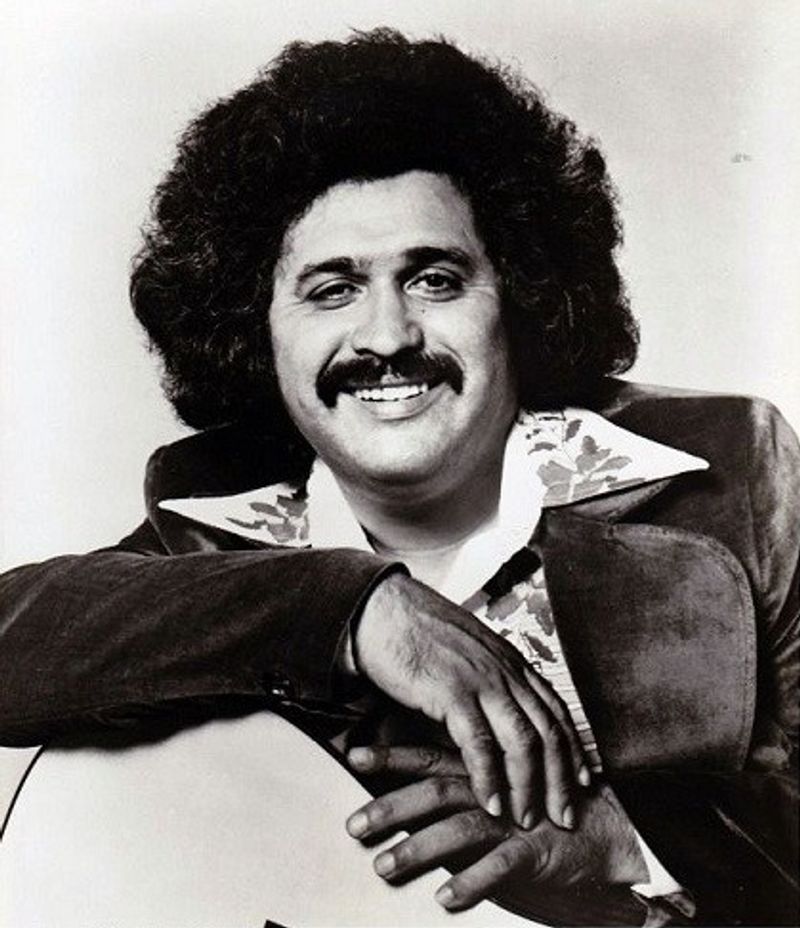
Freddy Fender’s career looked all but finished before this heartfelt ballad unexpectedly transformed him into one of the biggest crossover stars of 1975. Released in January, “Before the Next Teardrop Falls” climbed to number one on the Billboard Hot 100 on May 3, where it remained for two weeks. At the same time, it topped the Billboard Hot Country Singles chart for three consecutive weeks, making Fender one of the few artists of the era to dominate both audiences with a single recording.
Originally written by Vivian Keith and Ben Peters in 1967, the song had been recorded by several country artists before Fender gave it new life with his distinctive blend of country, pop, and Tex-Mex influences. One of its most memorable features is the seamless switch between English and Spanish lyrics, reflecting Fender’s Mexican American heritage and helping the record connect with an even broader audience. The unexpected success earned Fender the Academy of Country Music Award for Top Male Vocalist and launched a remarkable comeback after years of personal struggles, establishing him as one of country music’s biggest stars of the decade.
10. Why Can’t We Be Friends? by War
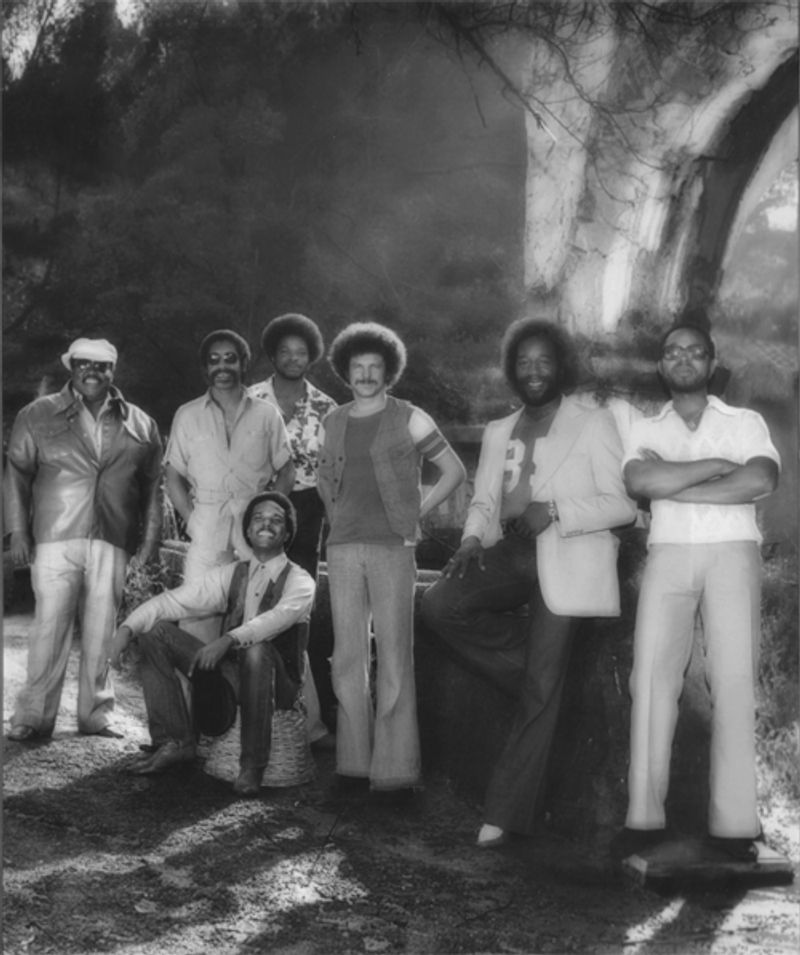
War was one of the most genuinely diverse bands operating in American music during the 1970s, and their multi-ethnic lineup directly informed the message of this song. Released as a single in April 1975, it climbed to number six on the Billboard Hot 100 that summer and reached number nine on the Hot Soul Singles chart. Billboard ranked it the 24th biggest song of the year.
The vocal arrangement was structured so that each band member sang their own separate verse, giving the recording a collective, communal quality that matched its lyrical theme. One of the most remarkable facts about this track is that NASA beamed it into space during the 1975 Apollo-Soyuz Test Project as a symbolic gesture of friendship between American astronauts and Soviet cosmonauts. The song is credited jointly to the entire band and producer Jerry Goldstein. According to band accounts, the idea emerged from a trip to Japan, where members observed shared human behaviors across cultural boundaries and decided to build a song around that observation.
11. At Seventeen by Janis Ian
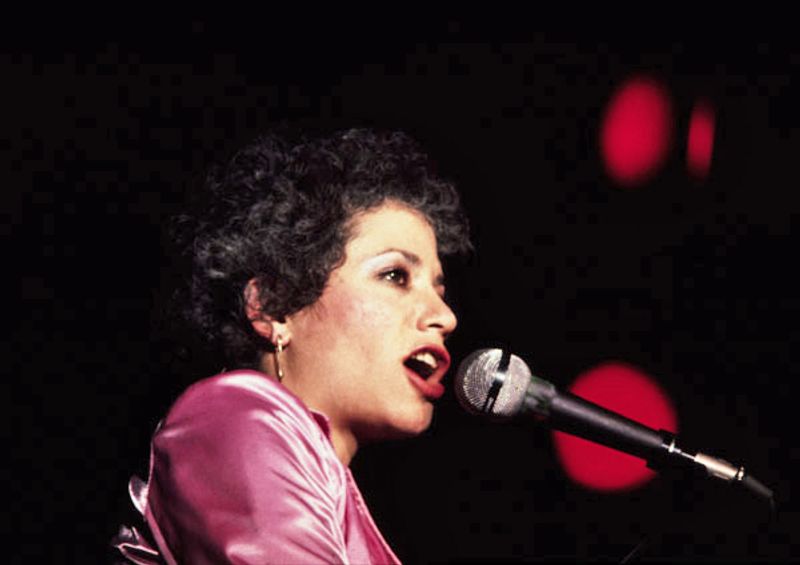
Janis Ian was only 24 years old when she released a song that articulated feelings of adolescent invisibility so precisely that it became an anthem for an entire generation of listeners who had felt overlooked during their teenage years. Released in July 1975 as the second single from her album “Between the Lines,” the song reached number three on the Billboard Hot 100 and topped the RPM pop music playlist in Canada.
Critics described it as a defining statement for social outcasts in high school, and the song’s honesty about unfulfilled expectations resonated with an audience that rarely heard those experiences reflected in mainstream pop. Ian was inspired to write the lyrics after reading a New York Times article about a young woman’s disappointment following a debutante ball. Radio stations initially hesitated to play it, considering the track too downbeat for general audiences. A performance on The Tonight Show shifted industry perception entirely.
The song earned Ian a Grammy Award for Best Female Pop Vocal Performance, along with nominations for Record and Song of the Year.
12. The Hustle by Van McCoy & the Soul City Symphony
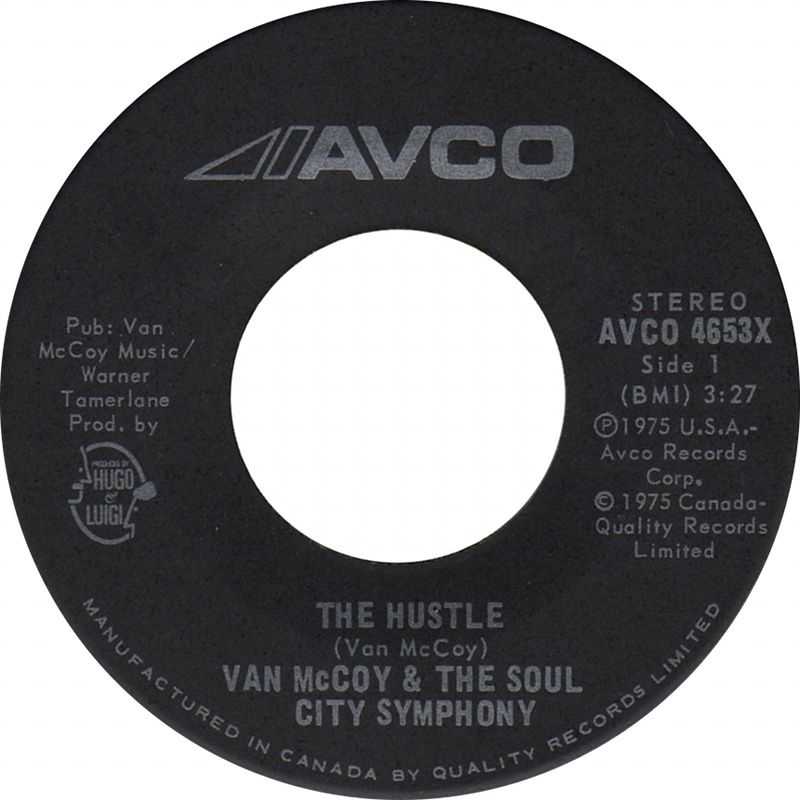
Van McCoy reportedly wrote this track in about an hour after watching dancers at a New York nightclub perform a move called “the Hustle.” That quick creative session produced one of the most culturally significant recordings of the decade. Released in April 1975, the song reached number one on the Billboard Hot 100 on July 26, holding that position for one week while simultaneously topping the Hot Soul Singles chart.
The distinctive lead melody was played by session musician Philip Bodner on the piccolo, giving the track an instantly recognizable quality that set it apart from other disco releases. It peaked at number three in the UK, number nine in Australia, and number one in Canada, demonstrating genuinely global appeal. The song earned a Grammy Award for Best Pop Instrumental Performance and sold over ten million records worldwide. Billboard ranked it the 22nd biggest song of 1975, cementing its role as one of the year’s most important releases.
Share this story