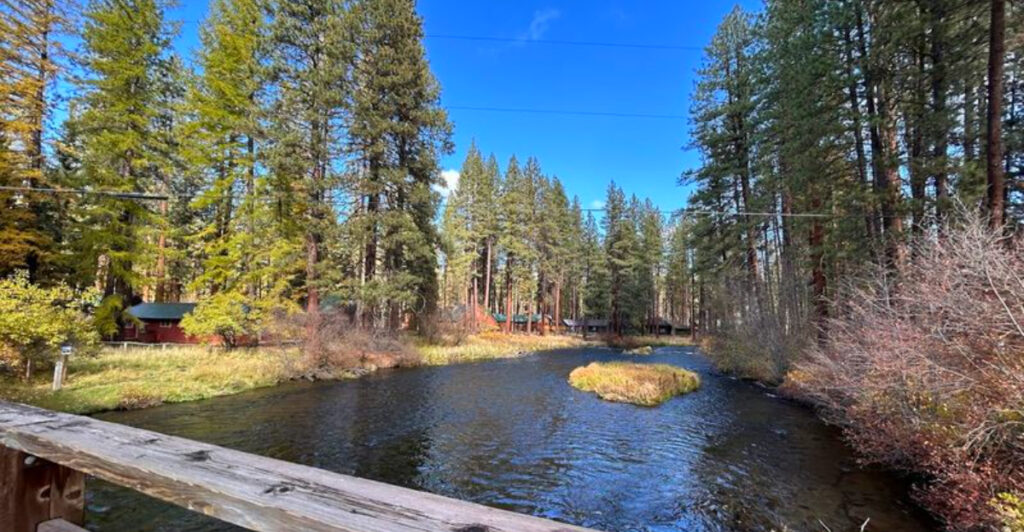
Oregon is full of famous destinations, but some of its best-kept secrets are the small towns tucked between mountains, rivers, and coastlines. These quiet spots offer a slower pace, stunning scenery, and the kind of calm that big cities simply cannot deliver.
Whether you love hiking, history, beaches, or just a great cup of coffee in a laid-back setting, Oregon’s hidden gems have something special waiting. Here are 12 small towns worth discovering and, honestly, worth keeping to yourself.
Joseph, Oregon
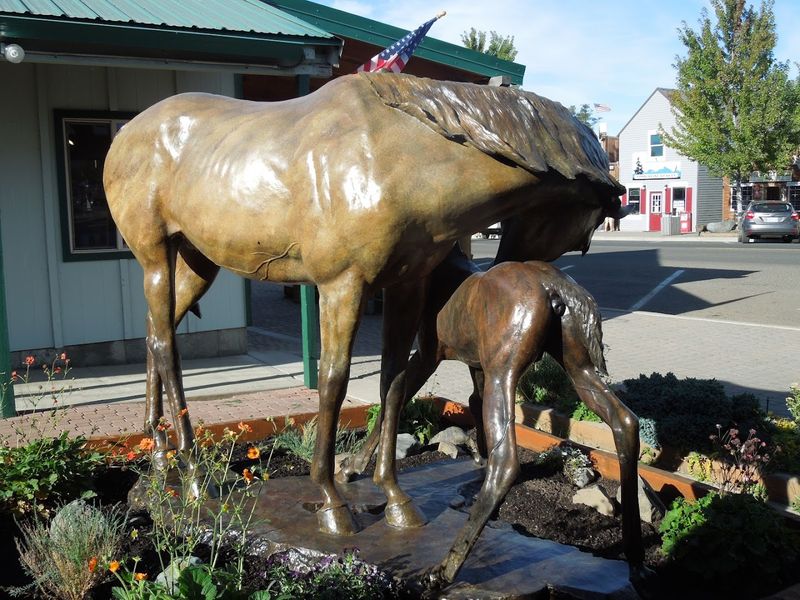
Bronze sculptures greet you before you even find a parking spot in Joseph, Oregon, a mountain town so scenic it almost feels fictional. Nestled at the foot of the Wallowa Mountains, this small community has quietly built a reputation as one of the Pacific Northwest’s finest art destinations.
Local foundries, galleries, and studios make it a genuinely creative place to wander.
Wallowa Lake sits just a few miles south of town and delivers postcard-worthy views in every direction. Kayaking, paddleboarding, and hiking trails around the lake keep outdoor lovers busy without any sense of rush.
Even the drive into town along the lake highway is worth slowing down for.
Joseph has fewer than 1,100 residents, which means you’ll rarely feel like just another tourist. Restaurants here are small and personal, coffee is poured by people who actually know their neighbors, and the evenings are wonderfully quiet.
If you’re searching for a mountain escape that trades crowds for character, Joseph is your answer.
Yachats, Oregon
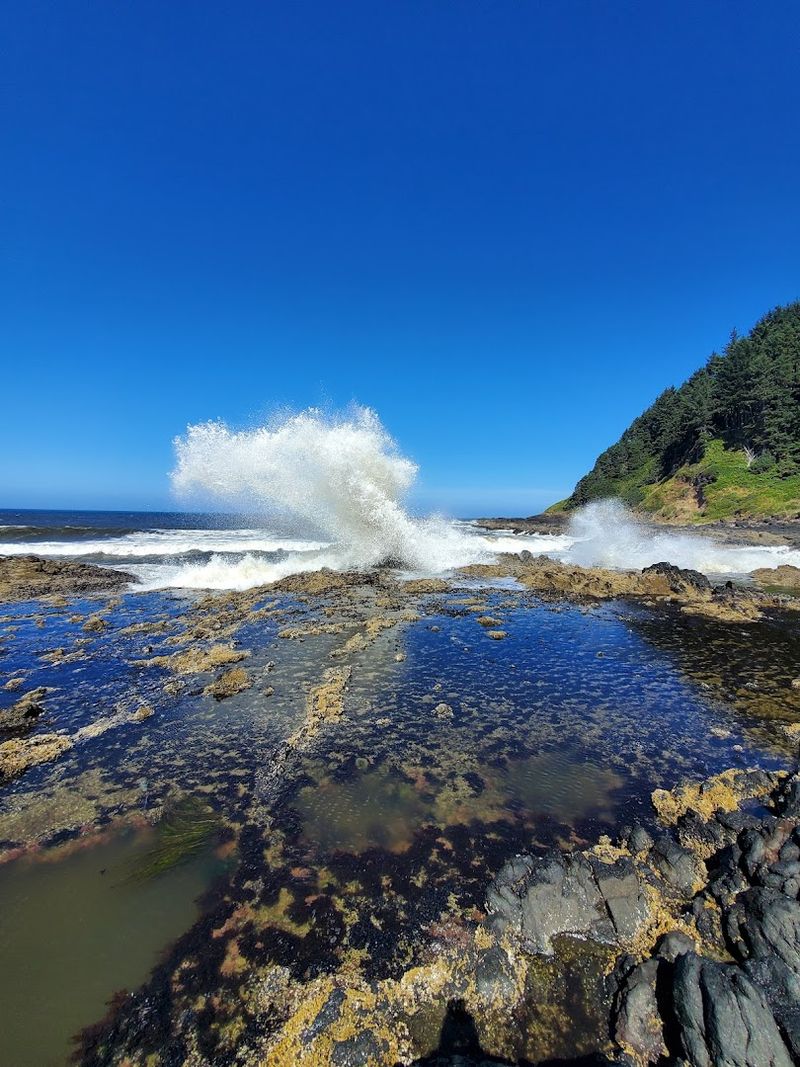
There’s a reason locals half-jokingly call Yachats the “Gem of the Oregon Coast” — the nickname is completely earned. This tiny village of fewer than 700 people sits where the forest meets the sea, and the dramatic collision of rugged cliffs and crashing surf makes every walk feel cinematic.
It’s the kind of place photographers visit once and then never stop returning to.
Cape Perpetua Scenic Area lies just south of town and offers some of the most awe-inspiring coastal views in the entire state. Trails wind through old-growth forest before opening onto ocean overlooks that will genuinely stop you in your tracks.
The Thor’s Well sea feature nearby draws gasps from even the most seasoned travelers.
Yachats stays refreshingly uncrowded compared to bigger Oregon beach towns. The handful of local restaurants, cozy inns, and independent shops give it a warm, unhurried personality.
Mornings here often mean watching sea lions play in the surf from the comfort of a café window. If peaceful coastal living has a home, Yachats is it.
Jacksonville, Oregon
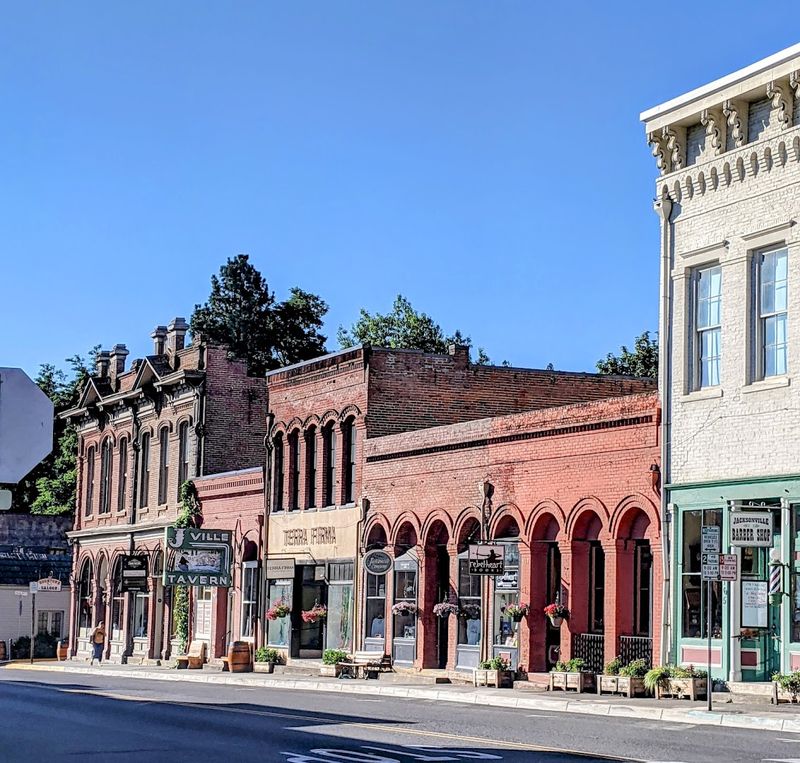
Walking through Jacksonville feels like someone pressed pause on the 1880s and forgot to press play again. Designated a National Historic Landmark District, this Southern Oregon town preserves its Gold Rush roots with remarkable care.
Brick storefronts, wooden boardwalks, and carefully restored buildings make every block feel like an open-air history museum.
Jacksonville was founded during the 1851 gold rush, and the boom-town energy never quite left its DNA. Today, that spirit lives on through wine tasting rooms, boutique shops, and the beloved Britt Festivals outdoor music series held every summer.
Regional wines from the Applegate and Rogue valleys flow freely here, adding a sophisticated touch to the rustic setting.
The pace in Jacksonville is wonderfully slow. Visitors browse antique shops without a timeline, linger over lunches on shaded patios, and stroll tree-lined streets without any particular destination in mind.
It’s the kind of town where a planned two-hour visit quietly turns into an entire afternoon. Southern Oregon’s wine country surrounds the town, making day trips to nearby vineyards an easy and enjoyable addition to any stay.
Camp Sherman, Oregon
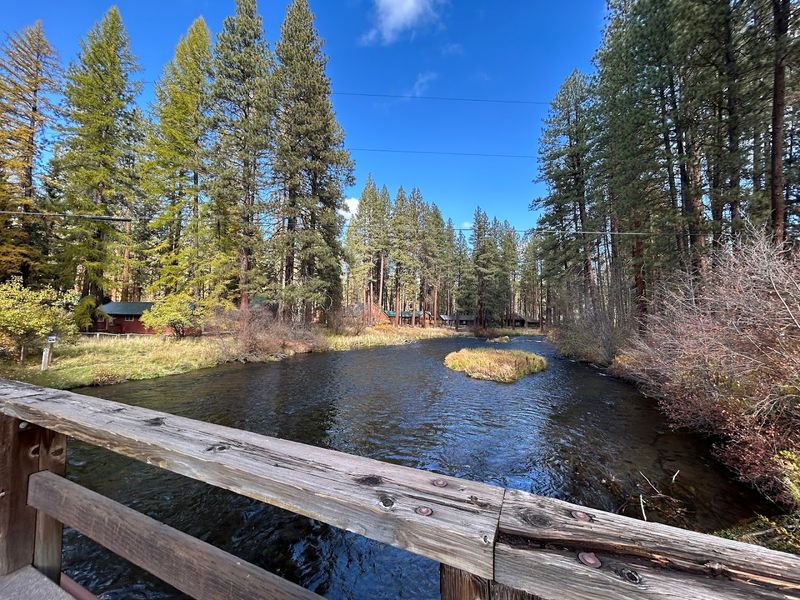
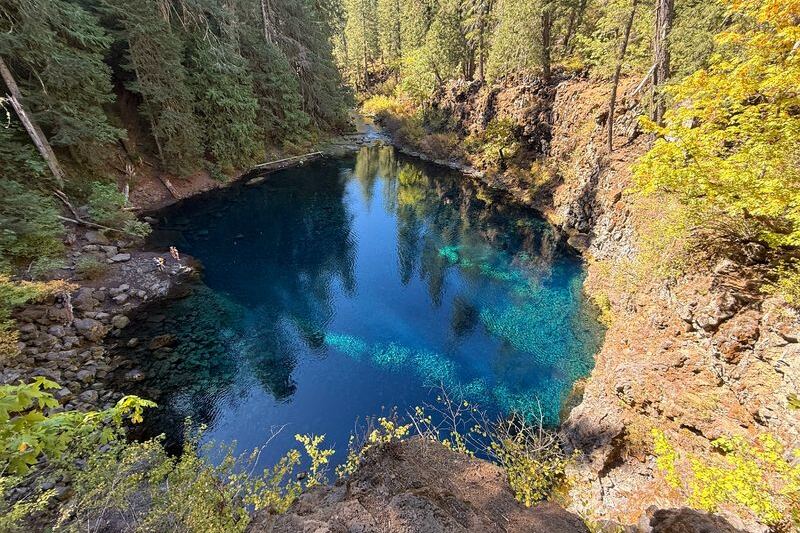
Few rivers in America are as startlingly clear as the Metolius, and Camp Sherman sits right on its bank like a secret reward for those who find it. This tiny community in Central Oregon barely qualifies as a town, but its combination of spring-fed river, towering ponderosa pines, and almost supernatural quiet makes it unforgettable.
Anglers have been making pilgrimages here for over a century.
The Metolius River is one of Oregon’s designated Wild and Scenic Rivers, meaning its beauty is legally protected as well as naturally stunning. Fly fishing here is considered world-class, with rainbow trout visible in the crystal water below your feet.
Even non-anglers love standing on the wooden bridges just to watch the current drift by.
Camp Sherman has no traffic lights, no fast food chains, and no crowds jostling for selfie spots. A small general store, a handful of rental cabins, and miles of forest trails are all you need to settle in comfortably.
Evenings here are defined by campfire smoke, owl calls, and the steady sound of moving water. Once you spend a night, leaving feels genuinely difficult.
Florence, Oregon
Sandwiched between towering sand dunes and a charming river estuary, Florence occupies one of the most geographically interesting spots on the entire Oregon Coast. Most visitors arrive chasing the nearby Oregon Dunes National Recreation Area, but the town itself deserves far more attention than it typically receives.
Old Town Florence is a genuinely lovely place to spend a slow afternoon.
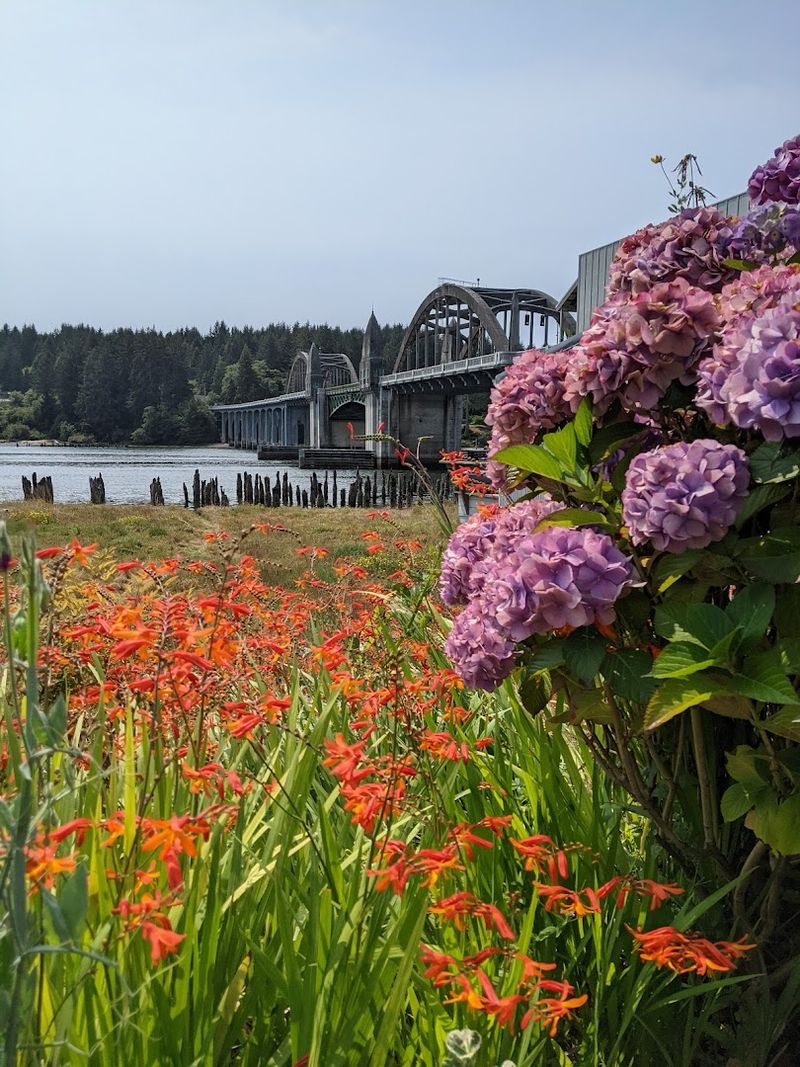
The historic Old Town district sits along the Siuslaw River and offers a relaxed mix of seafood restaurants, local galleries, and independent shops housed in buildings dating back to the early 1900s. The Siuslaw River Bridge, built in 1936, frames the waterfront beautifully and is considered one of Oregon’s finest examples of Art Deco bridge design.
Watching pelicans cruise beneath its arches is a surprisingly satisfying way to pass time.
Florence’s beaches north and south of town stay refreshingly uncrowded even during peak season. Heceta Head Lighthouse, a short drive north, ranks among the most photographed lighthouses on the West Coast.
The combination of dunes, rivers, ocean, and historic charm gives Florence a versatility few small towns can match. It rewards visitors who actually slow down and look around.
Sisters, Oregon
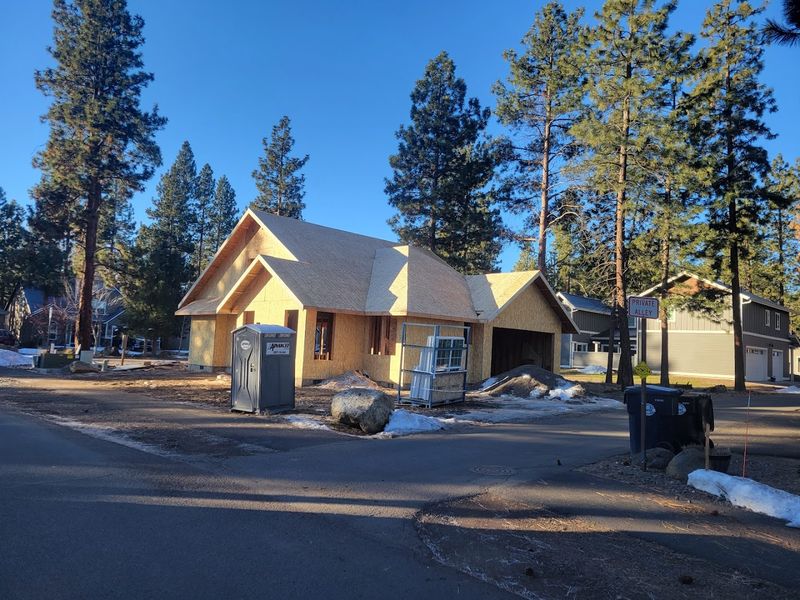
Sisters pulled off something genuinely clever: it built a Western frontier aesthetic so convincing that visitors half-expect cowboys to ride past the coffee shop. The town’s strict building codes require all downtown structures to maintain that Old West look, creating a cohesive and photogenic main street that feels curated without feeling fake.
The Three Sisters mountains hovering above town in the distance complete the picture perfectly.
Despite its small size, Sisters punches well above its weight when it comes to things to do. The Sisters Outdoor Quilt Show, held every July, transforms the entire town into an open-air gallery and draws visitors from across the country.
Local shops carry everything from handmade jewelry to fly fishing gear, reflecting the eclectic personality of this Central Oregon community.
Hiking and cycling trails branch out from town in multiple directions, connecting to the broader Deschutes National Forest trail network. McKenzie Pass Scenic Byway, accessible seasonally, offers some of the most dramatic volcanic landscape views in Oregon.
Sisters sits close enough to Bend for easy day trips but feels entirely separate in atmosphere and pace. It’s a town with genuine personality, not just a postcard backdrop.
Silverton, Oregon
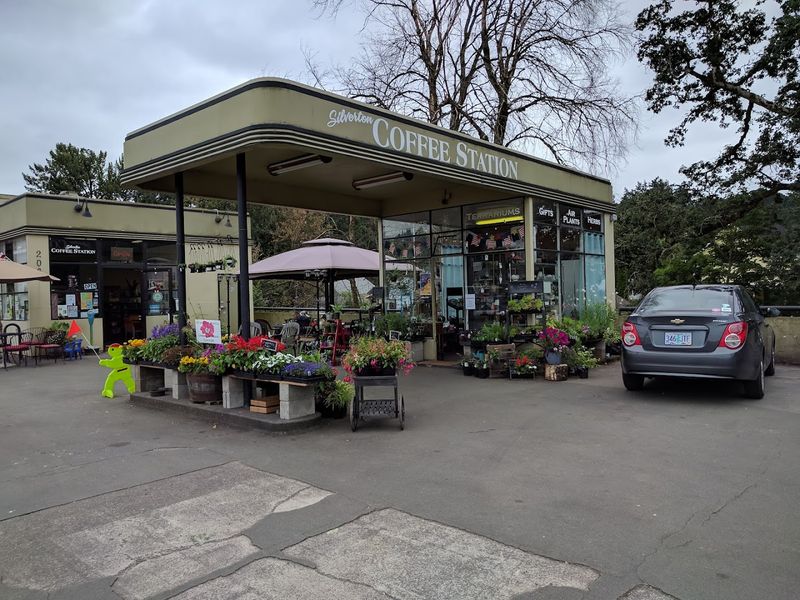
Silverton wears the nickname “Oregon’s Garden City” with complete confidence, and once you see Silver Falls State Park, you’ll understand why the whole region leans into that identity. The park contains ten waterfalls accessible by a single loop trail, including the iconic 177-foot South Falls, which you can actually walk behind.
It’s one of the most spectacular hiking experiences in the Pacific Northwest, and it’s practically in the town’s backyard.
Downtown Silverton earns its own separate admiration. Colorful murals cover building walls throughout the historic district, turning a simple walk into something more like an art tour.
Local cafés serve excellent coffee, and the independent shops reflect a community with genuine creative pride rather than generic tourist-town merchandise.
Silverton also happens to be the birthplace of former Oregon governor Victor Atiyeh, though the town’s biggest celebrity these days might be the Oregon Garden, a stunning 80-acre botanical garden open year-round. Frank Lloyd Wright’s Gordon House, relocated to the garden grounds, adds a surprising architectural highlight to any visit.
Silverton rewards slow exploration, and the combination of waterfalls, murals, and gardens makes it one of the Willamette Valley’s most underappreciated destinations.
Astoria, Oregon
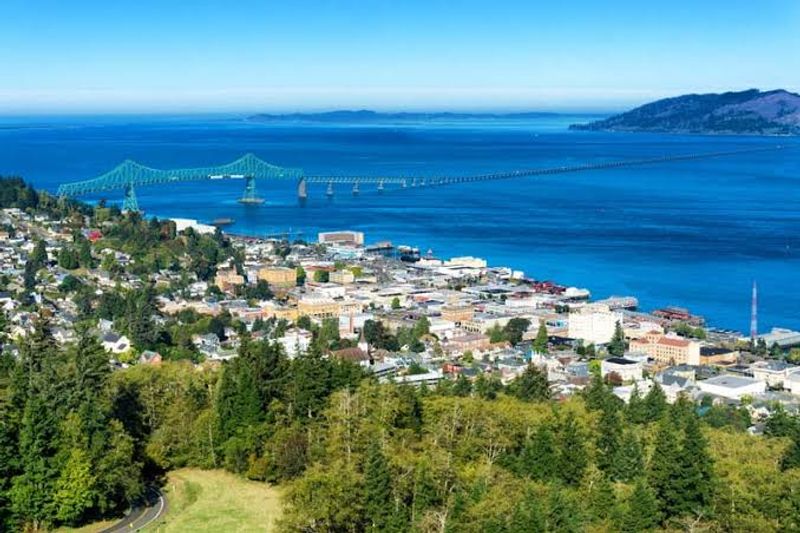
Astoria sits at the edge of the continent where the Columbia River finally surrenders to the Pacific, and that dramatic geography shapes everything about the town’s character. Victorian homes stack up the hillside like colorful birthday cake layers, the waterfront smells of salt and history, and the Astoria Column on Coxcomb Hill offers a panoramic view that covers four states on a clear day.
This town has serious visual range.
Astoria holds a legitimate claim to being one of the oldest American settlements west of the Rocky Mountains, founded in 1811 as a fur trading post. That deep history shows up everywhere, from the Columbia River Maritime Museum to the carefully restored downtown buildings.
Film enthusiasts may recognize certain streets from the 1985 movie “The Goonies,” which was filmed here and remains a point of local pride.
The working waterfront adds an authentic edge that polished tourist towns often lack. Fishing boats, sea lions lounging on docks, and the constant movement of ships heading out to sea give Astoria a living, breathing quality.
Restaurants here serve fresh Dungeness crab and local oysters with zero pretension. Astoria is the real thing, and that authenticity is exactly what makes it worth visiting.
Cottage Grove, Oregon
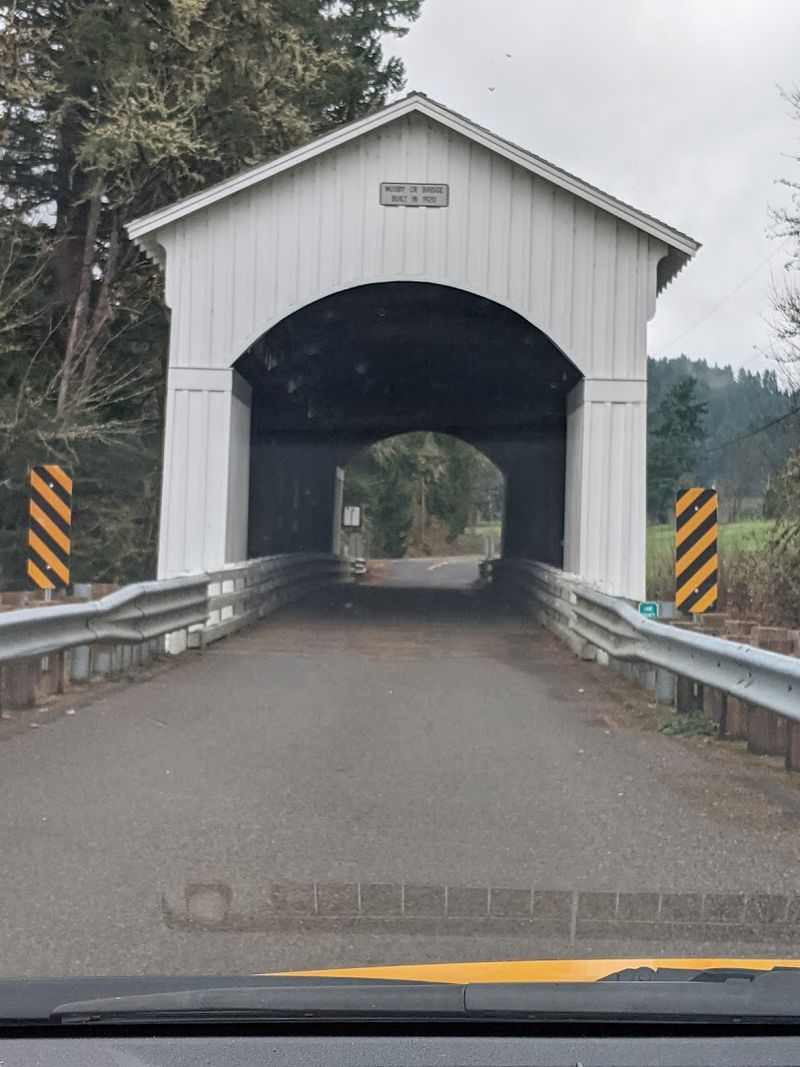
Covered bridges aren’t exactly common in the American West, which makes Cottage Grove’s collection of six historic covered bridges genuinely surprising and delightful. The town has embraced this distinction so fully that it organized a self-guided covered bridge tour through the surrounding Lane County countryside.
Driving the route on a quiet morning, windows down, through farmland and forest, is a simple pleasure that sticks with you.
Cottage Grove itself has a compact and walkable downtown with locally owned shops, murals, and a relaxed pace that feels genuinely unhurried. The town appeared in the 1978 film “Animal House” and the 1973 film “Emperor of the North,” giving it a small but real connection to Hollywood history.
Local residents bring these stories up with obvious pride, and rightfully so.
Outdoor opportunities extend well beyond the bridge tour. Dorena Lake, just east of town, offers boating, fishing, and swimming during summer months.
The Row River Trail follows an old railroad grade for 15 miles through forested terrain and connects to several covered bridge sites along the way. Cottage Grove rewards visitors who take their time and resist the urge to rush.
The slower you go, the more it gives back.
Manzanita, Oregon
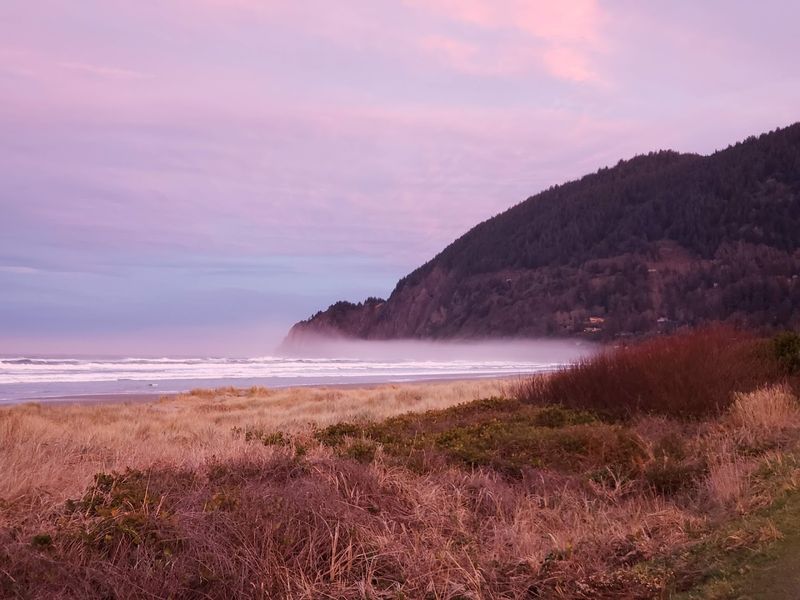
Seven miles of sandy beach and a mountain rising straight from the sea behind town — Manzanita does not mess around when it comes to scenery. This small North Oregon Coast community has stayed refreshingly low-key despite being one of the most naturally beautiful spots on the entire coastline.
No chain hotels crowd the waterfront, no neon signs compete with the sunset. Just beach, salt air, and calm.
The town’s small commercial district packs a surprising amount of quality into a compact space. Manzanita Books and Grocery is the kind of independent bookstore that reminds you why physical books still matter.
Coffee shops and casual restaurants serve fresh local seafood without the inflated prices of more famous coastal destinations. Browsing here feels relaxed rather than commercial.
Neahkahnie Mountain looms above the south end of town and offers a rewarding hike with sweeping ocean views from the summit. Legend holds that Spanish explorers buried treasure somewhere on its slopes in the 1600s, which adds a wonderfully mysterious layer to the climb.
Sunset walks on Manzanita’s wide beach, with the mountain silhouetted against the sky, are the kind of memory that stays with you long after the trip ends.
Fossil, Oregon
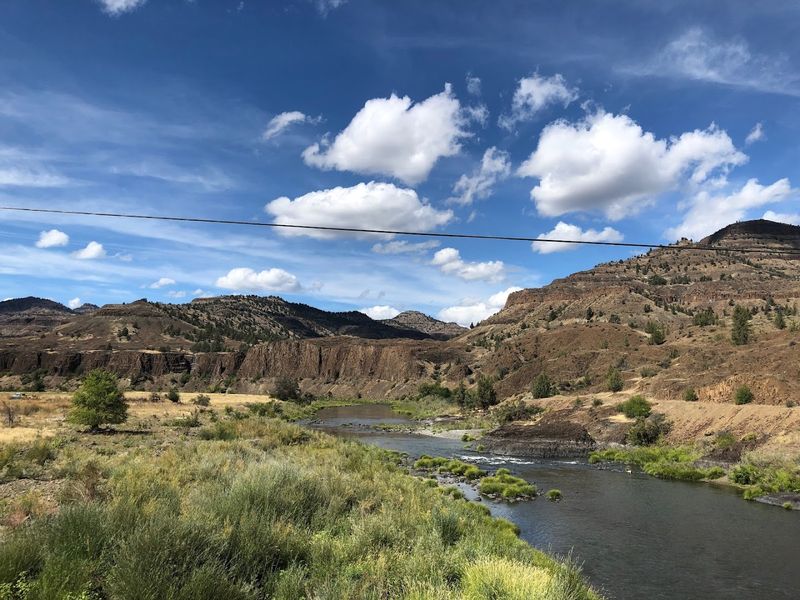
You can literally dig for fossils in Fossil, Oregon, and that single fact makes this remote Eastern Oregon town unlike almost anywhere else in the country. The Wheeler High School fossil beds, located right behind the school, are open to the public and have yielded leaf imprints, insect remains, and other plant fossils dating back 33 million years.
Visitors are welcome to keep what they find, which makes the experience even more memorable.
Fossil sits in Wheeler County, one of the least populated counties in the United States. That remoteness creates an atmosphere of genuine solitude that’s increasingly hard to find.
The surrounding John Day Fossil Beds National Monument preserves some of the world’s richest deposits of prehistoric plant and animal fossils across a landscape that looks almost otherworldly in its painted layers of red, gold, and green.
The town itself is tiny, with around 500 residents and a main street that wraps up quickly. But the local museum, the friendly interactions with long-time locals, and the sheer novelty of the fossil-digging experience give Fossil a charm that far exceeds its size.
High desert sunsets here are spectacular and completely unobstructed. For travelers who prefer roads less traveled, Fossil is a genuine find.
Bandon, Oregon
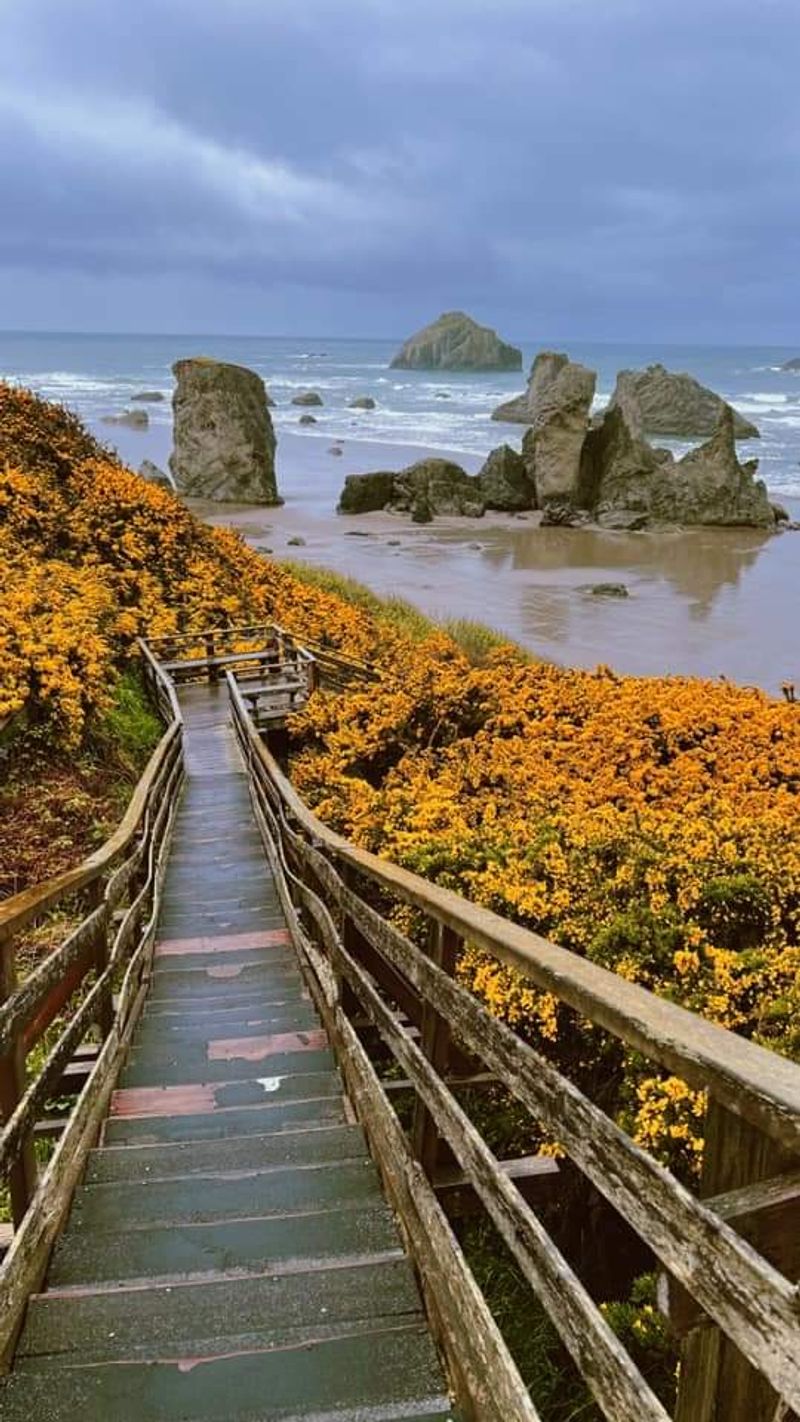
Bandon’s sea stacks are the kind of geological drama that makes you stop mid-sentence and just stare. These massive rock formations rise from the surf like ancient sentinels, and at low tide, the beach between them becomes a playground of tide pools, driftwood, and reflected sky.
Few beaches anywhere in Oregon match Bandon’s raw, cinematic beauty, and somehow it remains far less crowded than it deserves to be.
Old Town Bandon adds a charming contrast to all that wild coastline. The small historic district sits along the Coquille River and features local shops, seafood restaurants, and a cranberry museum that reflects the region’s agricultural identity.
Oregon produces a significant portion of the nation’s cranberries, and the bogs surrounding Bandon turn a brilliant red each fall harvest season.
The Coquille River Lighthouse, accessible by a short walk across the Bullards Beach State Park causeway, makes for a lovely afternoon excursion. World-class golf courses, including Bandon Dunes Resort, have quietly elevated the town’s profile among a certain crowd, but the beach remains democratic and open to everyone.
Morning fog rolling over the sea stacks, burning off as the sun climbs, is something you’ll want to wake up early to witness.
Share this story