Montana has a way of making you feel like you’ve wandered onto a movie set. From snow-dusted mountain peaks to wide-open ranching valleys, the state is packed with small towns so beautiful they barely seem real.
Whether you’re a road tripper, a history buff, or just someone who loves a good view, these towns will stop you in your tracks. Get ready to explore 12 Montana gems that look like Hollywood couldn’t have dreamed them up any better.
Red Lodge
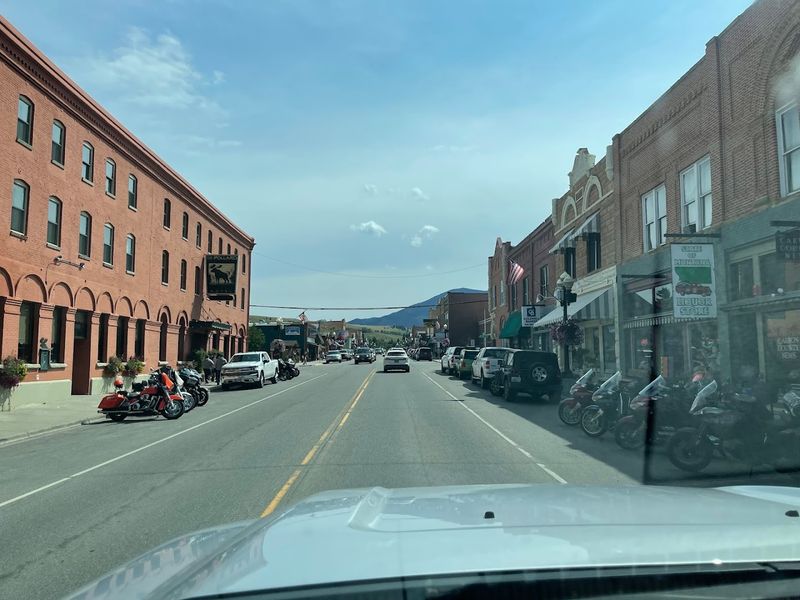
Pull up to Red Lodge on a clear day and the Beartooth Mountains will hit you like a wall of pure awe. This south-central Montana town sits right at the base of one of the most dramatic mountain ranges in the country, giving it a natural backdrop that no set designer could replicate.
The main street is a classic Western strip — brick buildings, old-fashioned signs, and wide sidewalks made for slow, leisurely strolls.
Red Lodge serves as the eastern gateway to the famous Beartooth Highway, a winding mountain road that climbs above 10,000 feet and is consistently ranked among America’s most scenic drives. Even if you never leave the town itself, you’ll feel the pull of the mountains at every turn.
Local shops sell everything from handmade jewelry to fly-fishing gear.
The town has a rich coal-mining history, and you can still feel traces of that working-class grit underneath the modern tourism polish. There’s a quiet toughness to Red Lodge that makes it feel authentic rather than curated.
Grab a burger at one of the local joints, watch the clouds drift over the peaks, and you’ll understand exactly why film crews love this place.
Bigfork
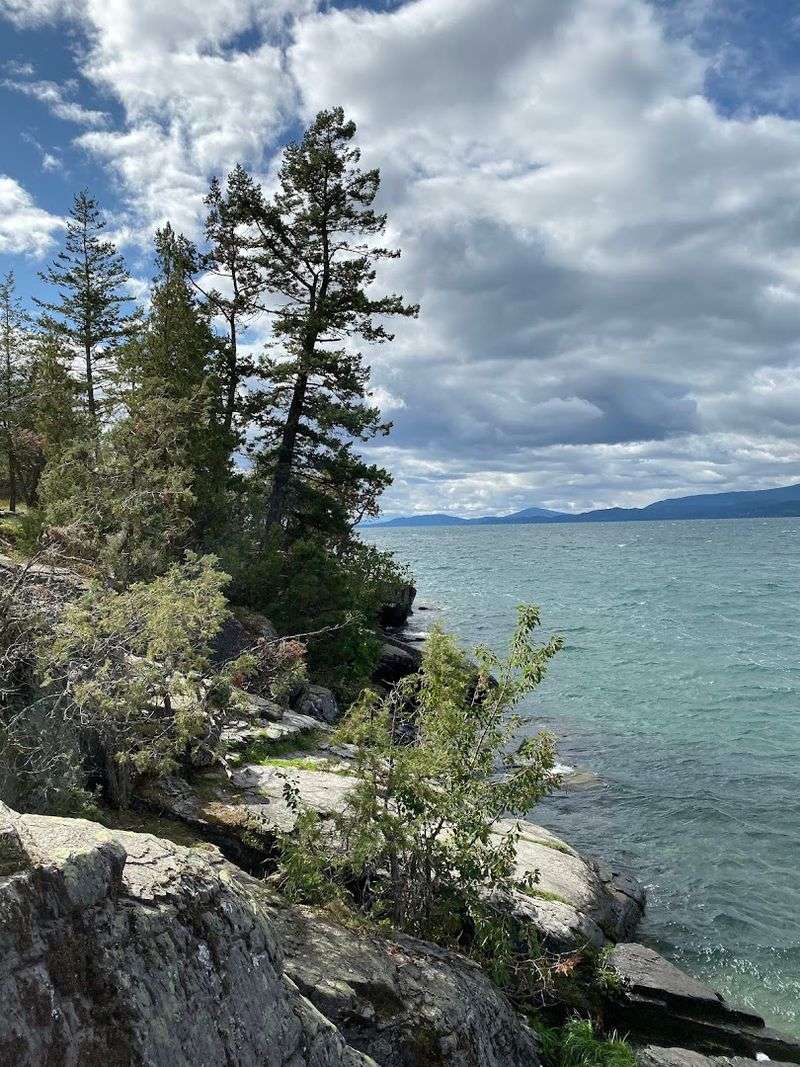
Tucked into a quiet bay on the northeastern shore of Flathead Lake, Bigfork is the kind of place where you accidentally spend three extra days because you just can’t bring yourself to leave. The village is small — blink and you might miss the main drag — but every inch of it is packed with personality.
Art galleries line the streets, local restaurants serve fresh lake trout, and the water shimmers just steps from your table.
Bigfork has a thriving arts scene that feels surprisingly robust for a town its size. The Bigfork Summer Playhouse has been staging professional theater productions here since 1960, drawing audiences from across the state every summer.
It’s the kind of cultural offering you’d expect in a city, not a lakeside village of a few thousand people.
Swan Lake and the Swan River are nearby, adding even more natural beauty to an already stacked location. The surrounding mountains — the Swans to the east, the Mission Range to the west — frame the town like a painting.
Bigfork has a romantic, almost dreamy quality that makes it feel like the setting of a quiet indie film about someone rediscovering what matters most in life.
Philipsburg
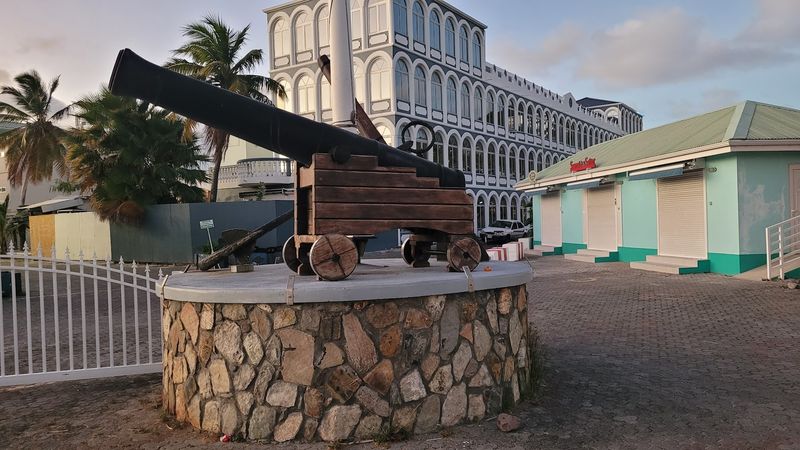
Bright candy-colored buildings line the main street of Philipsburg like someone decided a silver-mining town deserved a serious glow-up. Tucked into a valley in southwest Montana, this tiny town of around 900 people has somehow preserved its 19th-century mining-era character while adding just enough modern charm to keep visitors coming back.
The storefronts are painted in vivid hues — turquoise, red, yellow — making the whole place look like a film set that forgot to be subtle.
The Sweet Palace, a legendary candy shop housed in a historic building, draws visitors from hundreds of miles away. Sapphire hunting is another local attraction — you can actually dig for genuine Montana sapphires at nearby mines, which is the kind of activity that makes every trip feel like an adventure.
Ghost-town enthusiasts will love the surrounding area, dotted with remnants of old mining camps.
Philipsburg moves at its own unhurried pace, and that slowness is part of its magic. There are no traffic jams, no chain restaurants, no big-box stores.
Just wide-open skies, mountain air, and a main street that looks almost exactly as it did a century ago. Spending an afternoon here feels like pressing pause on the modern world.
Whitefish
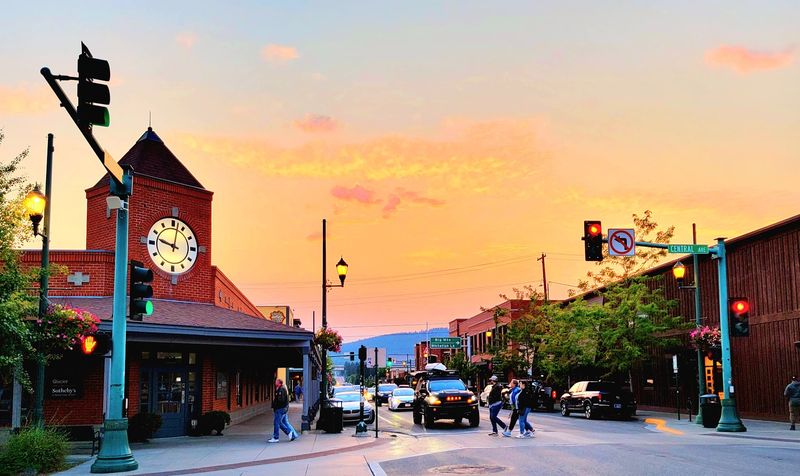
Snow clings to the rooftops of Whitefish like the town was built specifically for a holiday movie. Nestled in the northwest corner of Montana, just a short drive from Glacier National Park, this alpine gem has the kind of scenery that makes photographers cry happy tears.
The downtown strip is lined with warm-lit shops, cozy restaurants, and wooden storefronts that look like they belong in a snow globe.
Whitefish Mountain Resort towers above the town, offering some of the best skiing in the Rocky Mountain West. In summer, the mountains swap their white coats for deep green, and Whitefish Lake becomes the star of the show.
Kayakers, paddleboarders, and swimmers all flock here when the weather warms up.
The town has a relaxed, welcoming energy that’s hard to fake. Locals are friendly, the coffee shops are excellent, and the sunsets over the peaks are absolutely ridiculous in the best way.
Whether you visit in January or July, Whitefish always delivers a jaw-dropping backdrop. It’s one of those rare places where every direction you look feels like a carefully composed film frame.
Livingston
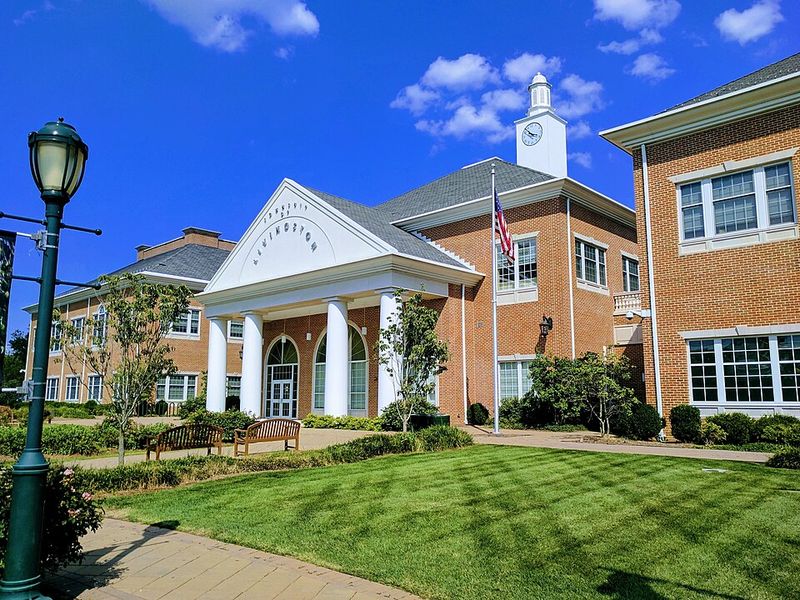
Livingston is the kind of town that artists, writers, and wanderers have been quietly obsessing over for decades. Sitting along the Yellowstone River with the Absaroka Range as its dramatic backdrop, this historic railroad town has a raw, unfiltered beauty that’s nearly impossible to stage.
Film crews have used the area as a location for everything from Westerns to indie dramas, and it’s easy to see why the cameras keep coming back.
The town’s creative energy is real and rooted. Galleries, bookshops, and studios fill the downtown, giving Livingston a bohemian edge that contrasts beautifully with its rugged surroundings.
The Murray Hotel, a century-old landmark, has hosted the likes of Sam Peckinpah, Dennis Quaid, and Tom McGuane — artists who found something here they couldn’t find anywhere else.
The wind in Livingston is legendary — locals joke it blows hard enough to rearrange your plans. But that wildness is part of the appeal.
The Yellowstone River runs cold and clear through the valley, making it one of the top fly-fishing destinations in the country. Between the art scene, the literary history, and the jaw-dropping landscape, Livingston packs more personality per square mile than almost anywhere in Montana.
West Yellowstone
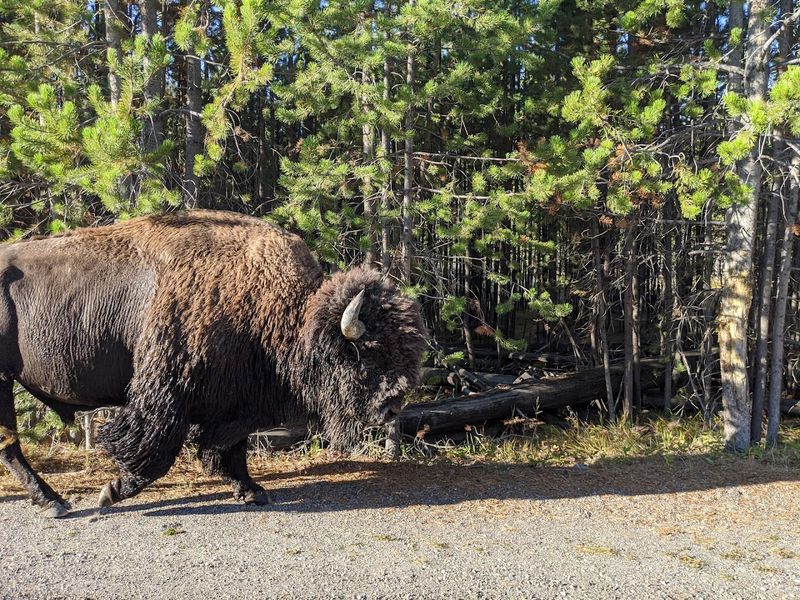
Steam rising from the earth, bison wandering through town, and the entrance to one of the world’s most famous national parks just down the road — West Yellowstone operates on a completely different level of cinematic drama. This small Montana gateway town sits right on the Wyoming border, and it wears its wild surroundings like a badge of honor.
The rustic lodges and log-cabin architecture give the whole place a frontier-film aesthetic that never gets old.
Grizzly and Wolf Discovery Center is a must-visit stop in town, offering up-close views of bears and wolves that you absolutely cannot get safely anywhere else. In winter, West Yellowstone transforms into a snowmobile hub, with groomed trails heading straight into the park.
The snowcoach tours into Yellowstone during the off-season are genuinely one of the most magical experiences in the American West.
Summer brings a different kind of energy — RVs, families, wildlife photographers, and hikers all converging on this tiny town before fanning out into the park. Despite the tourist traffic, West Yellowstone never loses its rough-around-the-edges charm.
The mountains, the geothermal activity, and the sheer abundance of wildlife make every visit feel like the opening scene of a nature documentary.
Hamilton
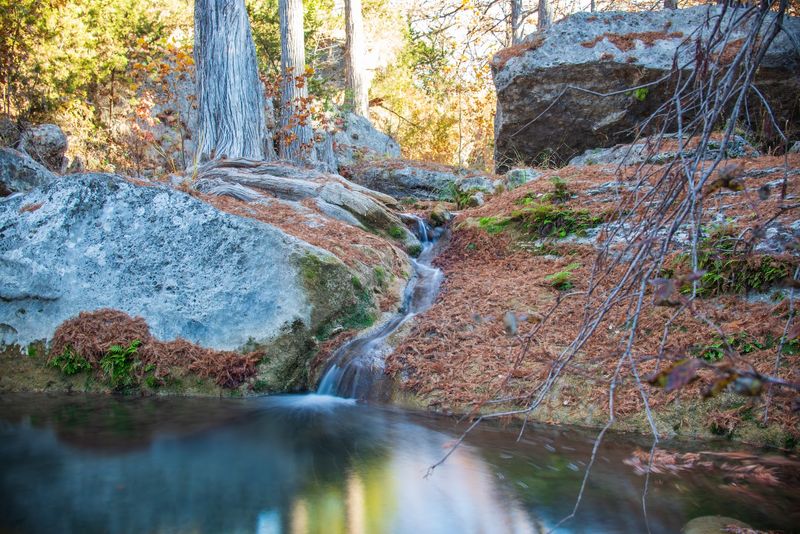
The Bitterroot Mountains loom over Hamilton like a permanent reminder of just how small and lucky you are to be standing here. This quiet valley town in southwest Montana is surrounded by open ranch land, ponderosa pines, and some of the most dramatic mountain scenery in the state.
It’s the sort of place where the hardware store and the art gallery sit comfortably side by side on the same block.
Hamilton serves as the commercial center of the Bitterroot Valley, which means it has a little more bustle than the typical Montana small town without losing any of its authenticity. The Ravalli County Museum tells the story of the valley’s homesteading past, and the nearby Daly Mansion — built by copper king Marcus Daly — is a fascinating detour into Gilded Age excess against a wilderness backdrop.
Fly-fishing on the Bitterroot River is practically a local religion, and the trails heading into the Selway-Bitterroot Wilderness offer some of the most remote hiking in the Lower 48. Hamilton has the bones of a classic Western movie town — wide streets, mountain backdrop, ranching heritage — but it also has a warmth and practicality that makes it feel genuinely lived-in rather than preserved for show.
Stevensville
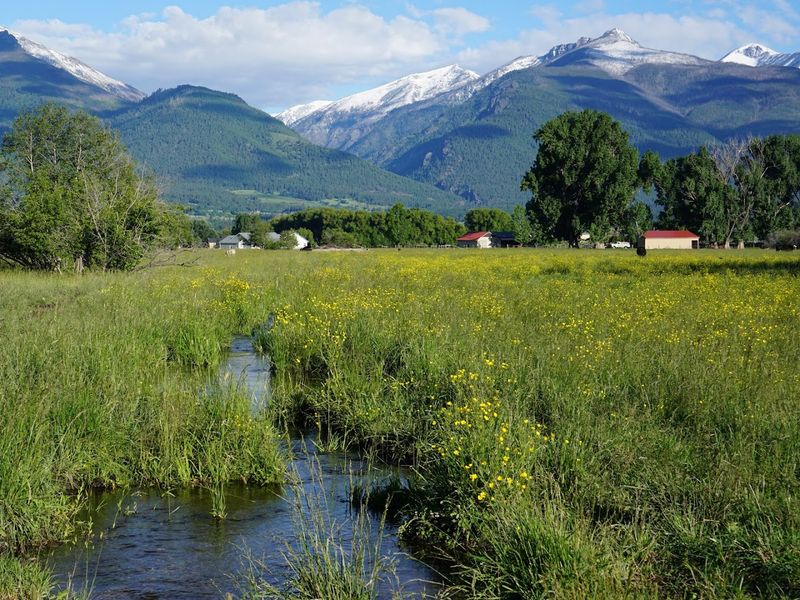
Montana’s oldest town carries its age with remarkable grace. Stevensville was founded in 1841 when Jesuit missionaries established St. Mary’s Mission in the Bitterroot Valley, making it a place where history isn’t just displayed in a museum — it’s literally built into the landscape.
Walking through town, you get the distinct feeling that the past is still very much present here, hovering just beneath the surface of everyday life.
St. Mary’s Mission is the crown jewel of Stevensville’s historic attractions. The restored chapel, pharmacy, and log cabin offer a genuinely moving glimpse into 19th-century frontier life.
The Fort Owen State Park, just outside town, preserves the site of the first American settlement in Montana, adding another rich layer to an already history-soaked location.
Beyond the history, Stevensville is simply a lovely place to spend a slow afternoon. The downtown has a handful of good restaurants, local shops, and the kind of relaxed pace that feels like a gift in a world that never slows down.
The Bitterroot Mountains frame the town to the west, and the valley stretches wide and golden to the east. It’s the visual definition of a peaceful Western scene — the kind of setting that makes you want to write something or paint something or just sit quietly and breathe.
Polson
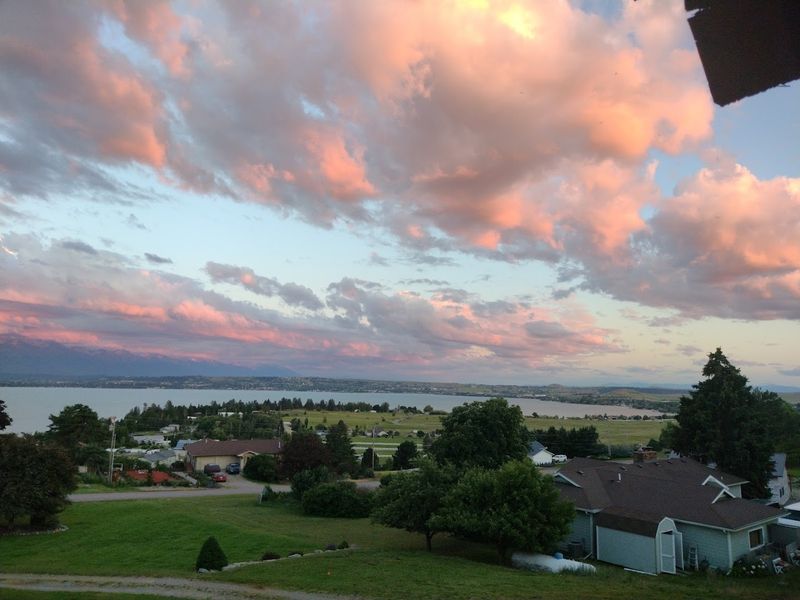
Flathead Lake is the largest natural freshwater lake west of the Mississippi, and Polson gets to sit right at its southern tip like the luckiest town in Montana. The views here are genuinely absurd — deep blue water stretching north as far as the eye can see, with the Mission Mountains rising snow-capped beyond the far shore.
It’s the kind of panorama that makes first-time visitors do a double take and reach immediately for their cameras.
Polson has a lively summer energy fueled by boating, fishing, and lakeside dining. The Polson Flathead Historical Museum tells the story of the region’s Native American heritage and early settler history, providing important context to a landscape that has been deeply significant to the Confederated Salish and Kootenai Tribes for thousands of years.
Cherry orchards dot the surrounding hillsides, and in late summer, local stands sell the most flavorful cherries you’ll ever taste.
The town itself is unpretentious and welcoming, with a main street that offers good food without the tourist-trap markup. Sunsets over Flathead Lake from Polson are the stuff of screensavers — the water turns pink and gold, the mountains go purple, and the whole scene looks like something a special effects team spent weeks creating.
Except it happens every single evening for free.
Choteau
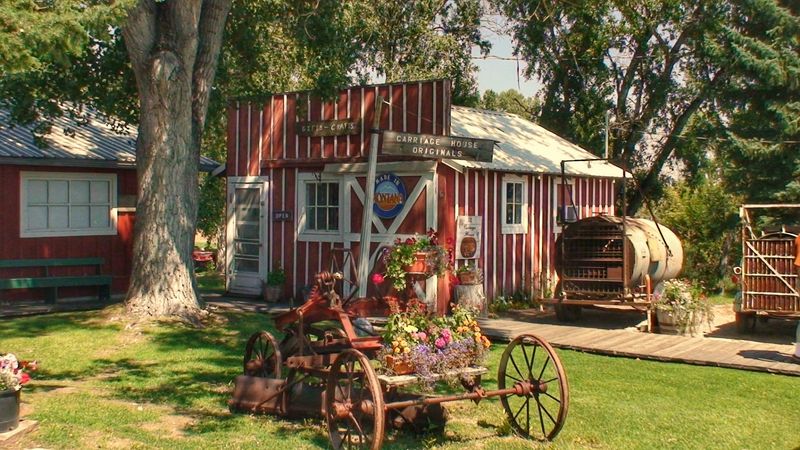
Few places in America offer a more dramatic collision of landscape than Choteau, where the flat Great Plains slam headfirst into the Rocky Mountain Front in one of the most visually striking geological transitions on the continent. Standing on Main Street and looking west, the mountains rise so suddenly and steeply that they seem almost fake — like a backdrop someone propped up behind a miniature town.
It’s genuinely one of the most cinematic views in all of Montana.
Choteau sits at the heart of dinosaur country. The surrounding badlands and prairies have yielded some of the most important fossil discoveries in North American paleontology, including eggs and nests from the duck-billed dinosaur Maiasaura.
The Old Trail Museum in town does a fantastic job of telling this prehistoric story, and it’s a surprisingly engaging stop even for people who don’t consider themselves dino enthusiasts.
The town itself is quiet and unpretentious — a working agricultural community that doesn’t put on airs for tourists. That authenticity is exactly what makes it compelling.
The streets are wide, the pace is slow, and the sky above is so enormous it feels like the town exists inside a snow globe with the roof removed. Choteau rewards those who are paying attention.
Fort Benton
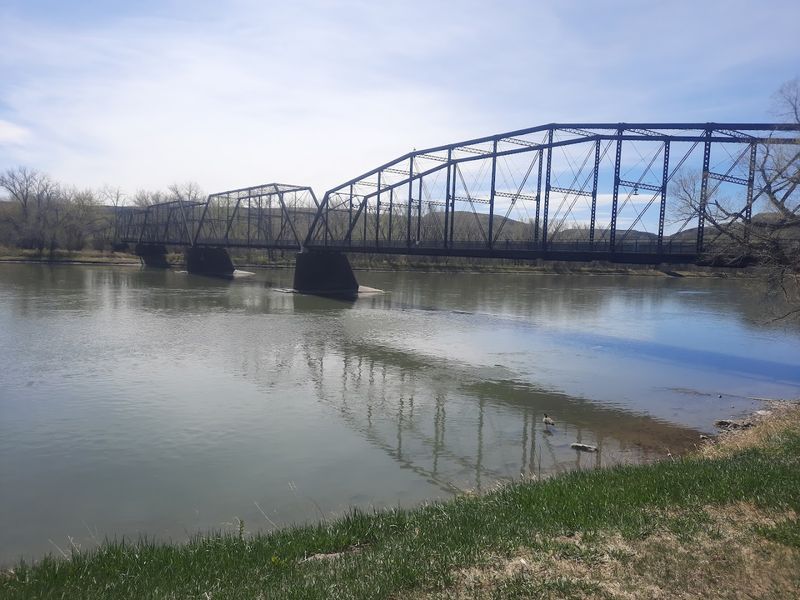
Once called the world’s innermost port, Fort Benton sits along the Missouri River with the quiet confidence of a town that knows exactly how important it used to be. At its peak in the mid-1800s, this was the farthest point that steamboats could travel up the Missouri, making it a critical hub for fur traders, gold seekers, and westward-bound settlers.
The historic levee district preserves that legacy beautifully, with stone and brick buildings that have barely changed in 150 years.
The Museum of the Northern Great Plains and the Museum of the Upper Missouri sit side by side in town, offering deep dives into the region’s fascinating history. The ruins of the original Fort Benton trading post — established in 1847 — still stand near the river, and walking through them feels like stepping directly into a Ken Burns documentary.
A bronze statue of Lewis and Clark and their dog Seaman watches over the levee.
The Missouri River here is wide, slow, and impossibly scenic. Canoeists and kayakers launch from Fort Benton to paddle the Upper Missouri River Breaks National Monument, one of the most remote and beautiful stretches of river in the country.
The combination of Old West history and wild river scenery gives Fort Benton an atmosphere that’s equal parts museum and adventure film.
Ennis
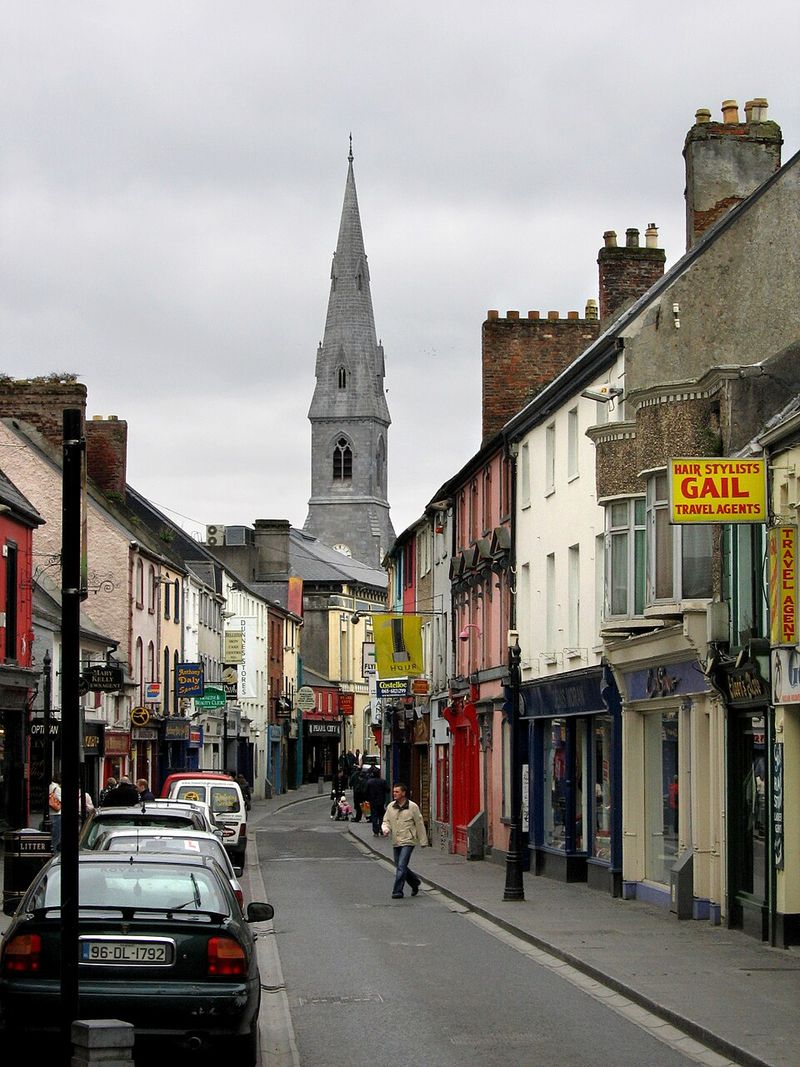
Every cowboy movie ever filmed wishes it had access to the Madison Valley. Ennis sits right in the middle of it — a compact little town of around 900 people surrounded by ranches, rivers, and mountains so photogenic they seem almost unfair.
The main street has a classic frontier feel: weathered wooden storefronts, a saloon or two, and the kind of hardware store that still sells things people actually use every day on working ranches.
The Madison River, which runs right alongside the valley, is world-famous among fly fishers. Trout populations here are some of the densest in the country, drawing anglers from across the globe who wade into the cold, clear water chasing browns and rainbows.
The annual Ennis Fourth of July Rodeo is a beloved local tradition that fills the town with energy and gives visitors a genuine taste of Montana ranch culture.
Ennis doesn’t try to be anything other than exactly what it is — a real working Western town with spectacular natural surroundings. There’s no pretension here, no craft cocktail bars trying to feel urban.
Just wide skies, good fishing, honest food, and mountains that make you feel appropriately small. If a film crew wanted the definitive Montana cowboy-town backdrop, Ennis would be the first call they’d make.
Share this story