The year 1972 was a turning point in American popular music. The Vietnam War was winding down, the civil rights movement had reshaped the cultural conversation, and millions of young people were ready to exhale.
Radio stations across the country were filling airwaves with songs that felt less like entertainment and more like permission slips to live freely. Artists from California to New York were experimenting with folk, rock, funk, and pop in ways that felt genuinely new.
What came out of that creative explosion was a collection of songs that captured something hard to put into words but easy to feel: the sense that life could be lived on your own terms. Whether you were cruising down a highway, sitting in a park, or just letting the radio play, these songs had a way of making the world feel wide open.
The twelve tracks explored here each tell a different story about what freedom sounded like in 1972, and why that year still holds such a firm place in music history.
1. Rockin’ Pneumonia and the Boogie Woogie Flu, Johnny Rivers
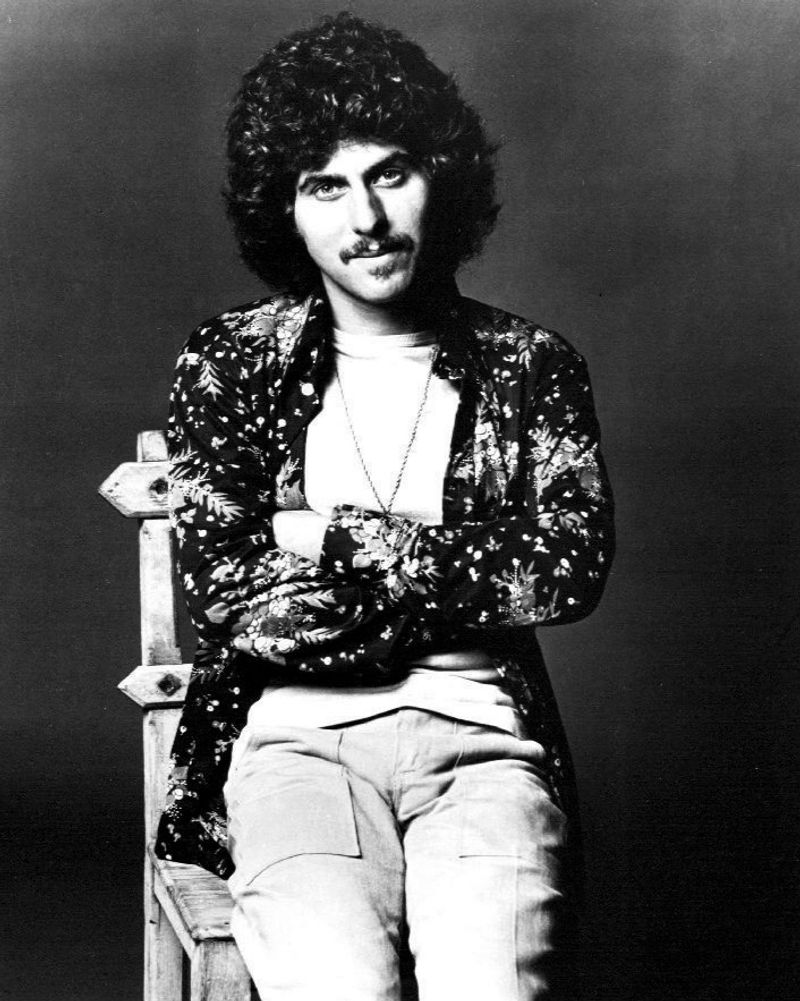
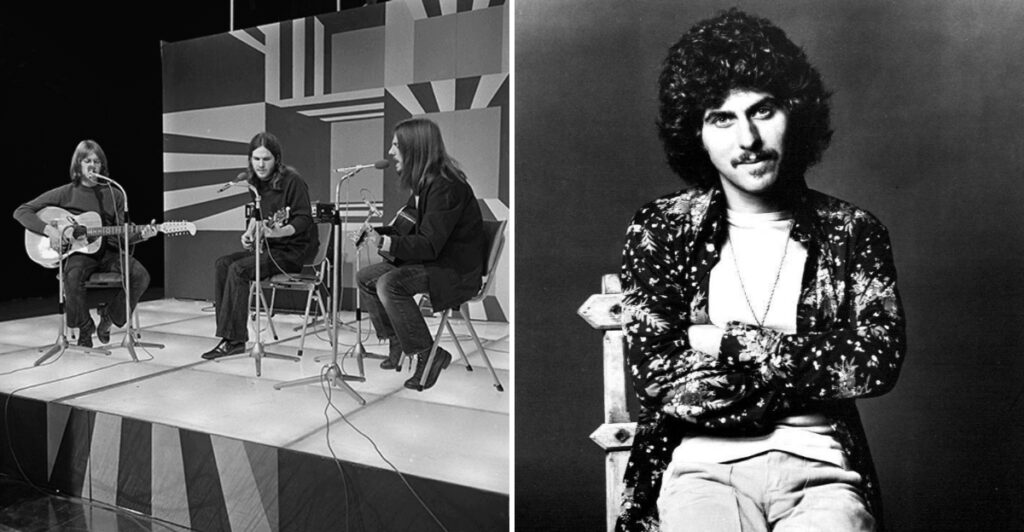
Few cover songs landed with as much confidence in 1972 as this one. Johnny Rivers took Huey Piano Smith’s original rhythm-and-blues track from 1957 and gave it a fresh, radio-ready polish that connected with a whole new generation of listeners.
Rivers had already built a reputation through live recordings at the Whisky a Go Go in Los Angeles during the 1960s. By 1972, he had refined his instincts for knowing exactly which songs could cross generational lines without losing their original spirit.
The track peaked at number six on the Billboard Hot 100, making it one of his biggest commercial successes in years. Its driving piano rhythm and call-and-response structure were rooted in classic New Orleans tradition, which gave the song an authenticity that pure pop tracks of the era often lacked.
Listeners responded to its energy because it asked nothing complicated of them. It simply invited people to move, enjoy the moment, and forget their worries for three and a half minutes.
2. Take It Easy, Eagles
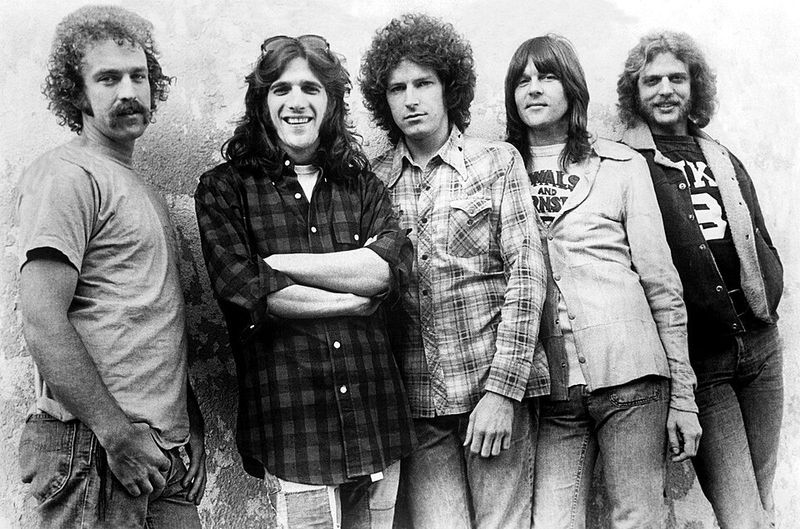
When the Eagles released their debut single in the spring of 1972, nobody predicted it would help define an entire regional sound for the next decade. Written primarily by Jackson Browne and completed by Glenn Frey, the song captured something specific about Southern California life that resonated far beyond state lines.
The lyrics referenced Winslow, Arizona, which later became a genuine tourist destination largely because of the song’s cultural footprint. A life-size bronze statue of a man standing on a corner was installed there in 1999, drawing visitors who grew up with the track on the radio.
Musically, the song blended country guitar picking with tight vocal harmonies in a way that felt both polished and effortless. It reached number twelve on the Billboard Hot 100 and established the Eagles as a serious commercial force almost immediately.
More than fifty years later, it remains one of the most recognizable opening guitar riffs in rock history, and its central message of slowing down still holds up.
3. Brandy (You’re a Fine Girl), Looking Glass
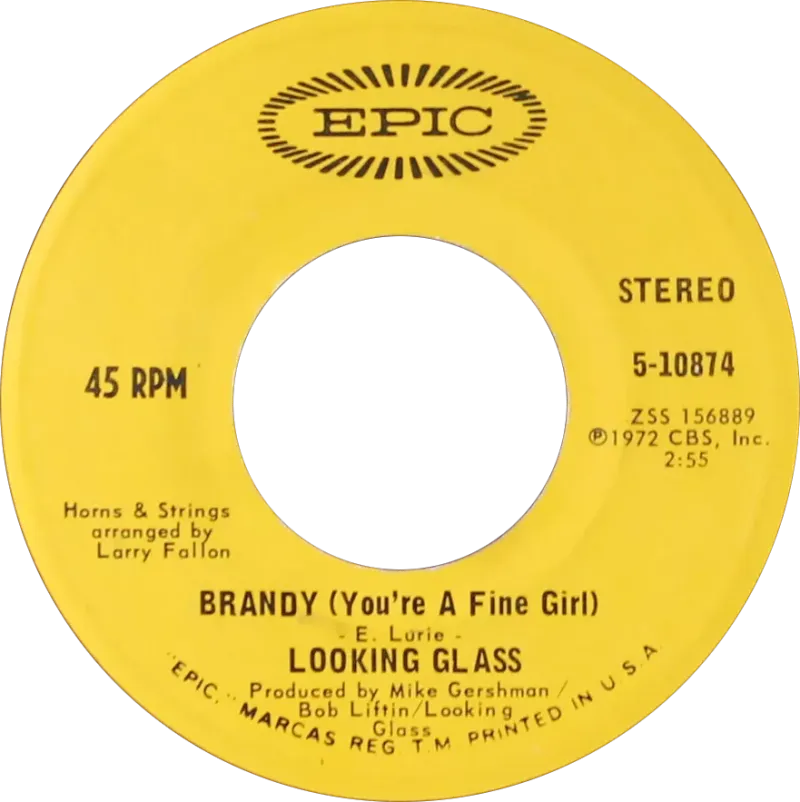
Looking Glass was a New Jersey band that most people had never heard of when this song hit radio stations in the summer of 1972. Within weeks, it had climbed to the top of the Billboard Hot 100, where it sat for one week in July before being displaced by another massive hit of that summer.
The song tells the story of a barmaid named Brandy who loves a sailor but accepts that the sea will always come first in his life. That narrative structure, simple but emotionally clear, gave the song a depth that pure pop tracks rarely managed.
Songwriter Elliot Lurie reportedly wrote the track in about twenty minutes, which makes its chart success all the more remarkable. The nautical imagery connected with audiences who associated the open ocean with adventure and possibility rather than hardship.
Despite never producing another major hit, Looking Glass secured their place in pop history with this single. It continues to appear on classic rock and oldies radio playlists, holding its ground across generations of listeners.
4. Long Cool Woman (In a Black Dress), The Hollies
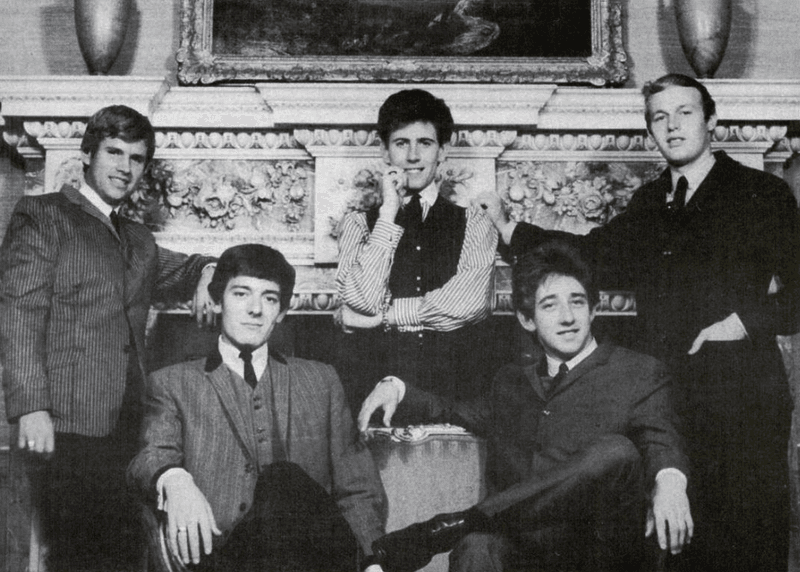
British Invasion bands were not supposed to be producing their best work in 1972, but The Hollies had other plans. Long Cool Woman was a sharp departure from their earlier pop sound, leaning heavily into swampy American rock with a guitar riff that felt more Creedence Clearwater Revival than anything in their back catalog.
The song reached number two on the Billboard Hot 100 in the United States, which was actually a bigger commercial achievement for the band in America than almost anything they had released during the peak of the British Invasion years.
Allan Clarke wrote the track after listening to a great deal of American Southern rock and deciding to channel that energy into something the band could genuinely own. The result was a song built around momentum rather than melody, which was a bold choice for a group known for harmony-driven pop.
Radio programmers loved its driving pace, and it became a staple of summer playlists across the country. Its straightforward, no-frills energy still makes it one of the most satisfying rock singles from that entire period.
5. Me and Julio Down by the Schoolyard, Paul Simon
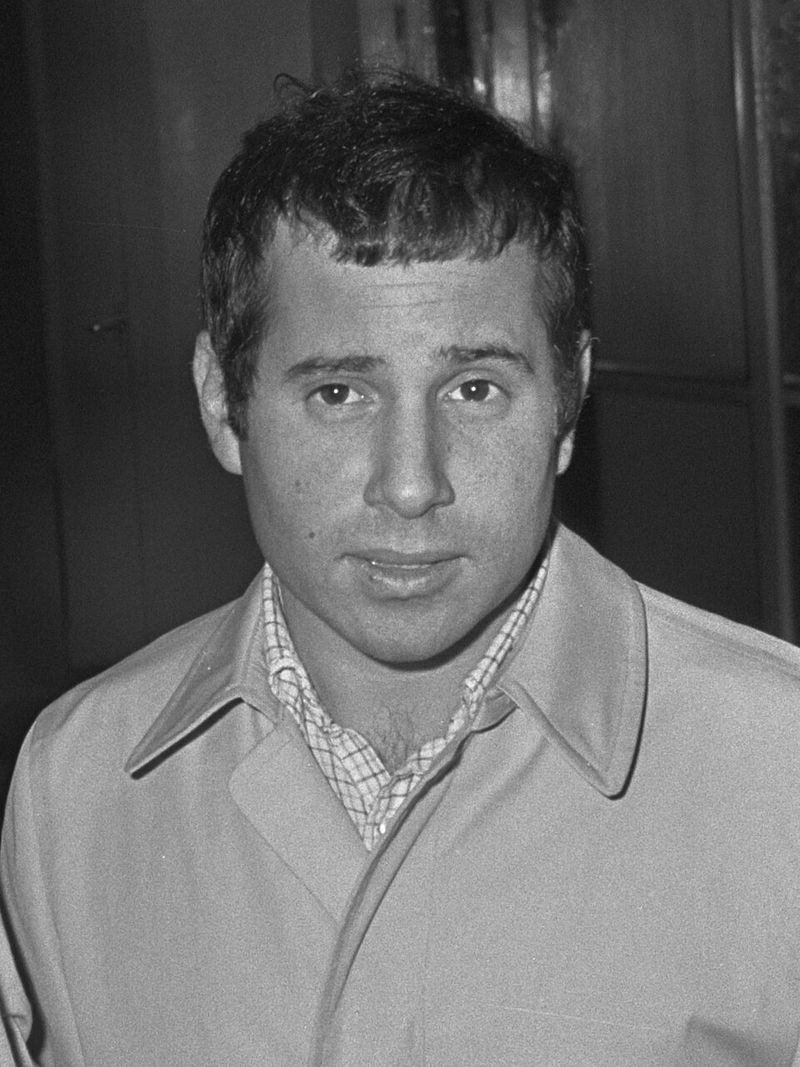
Paul Simon had already proven himself as one of the most gifted songwriters of his generation through his work with Art Garfunkel, but his solo career gave him room to experiment in ways the duo format rarely allowed. This track, released from his second solo album in 1972, became one of his most beloved and enduring singles.
The song follows two kids who witness something involving the narrator’s mother, though Simon deliberately never explained what that something was. He stated in interviews that he wanted listeners to fill in the blank themselves, which turned the song’s mystery into a feature rather than a flaw.
Musically, the track incorporated South American percussion and a rhythmic energy that felt distinctly different from mainstream pop radio at the time. Simon had been studying Brazilian and Andean musical traditions, and those influences gave the song a texture that set it apart.
It peaked at number twenty-two on the Billboard Hot 100 but became far more culturally significant than that chart position suggests. Film directors and television producers have used it repeatedly to signal youthful rebellion and carefree spirit.
6. Ventura Highway, America
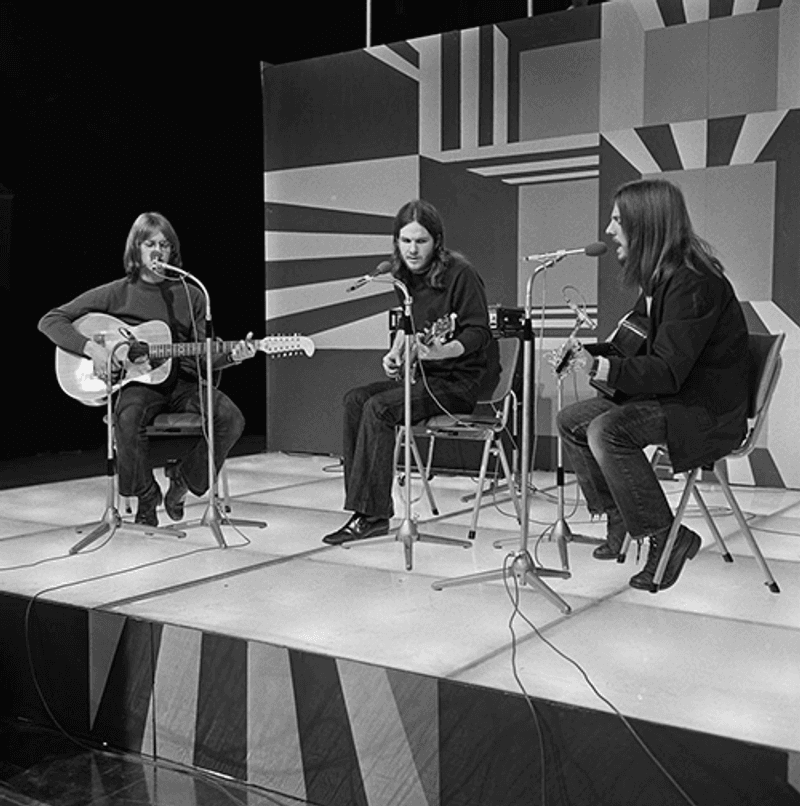
America had already scored a massive hit with A Horse With No Name earlier in 1972, which made the pressure on their follow-up considerable. Ventura Highway, released later that same year, proved the band was not a one-hit wonder but rather a group with a consistent artistic identity built around open landscapes and smooth harmonies.
Guitarist Dewey Bunnell wrote the song after reflecting on road trips taken during his childhood in California. His father was stationed at Vandenberg Air Force Base, and the stretch of highway near Ventura left a strong impression on him during those years.
The song reached number eight on the Billboard Hot 100 and became a fixture of album-oriented rock radio for years afterward. Its production, handled by George Martin of Beatles fame, gave it a clean, layered quality that held up well against the sonic standards of the era.
America’s ability to make wide-open spaces feel accessible through three-part harmonies and acoustic guitar was a genuine skill, and Ventura Highway remains one of the clearest examples of that skill at full strength.
7. Rocket Man, Elton John
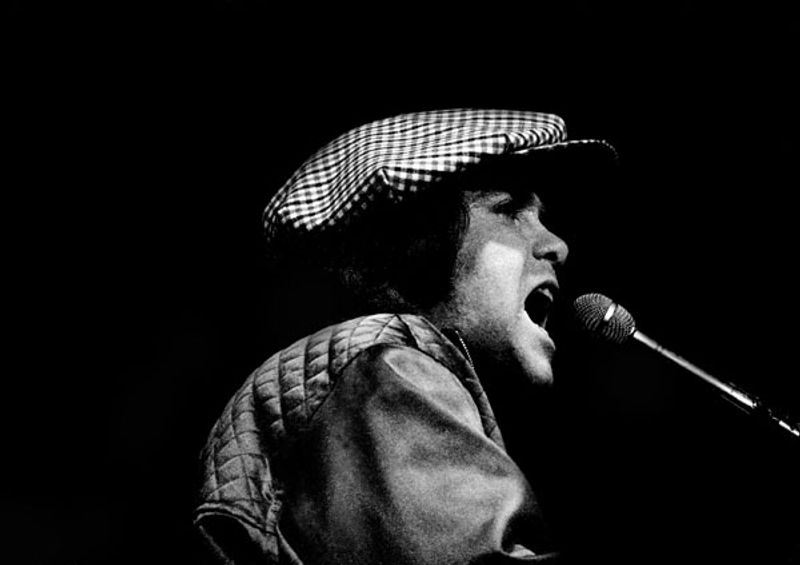
By April 1972, Elton John had already released five studio albums and was one of the most commercially successful artists in the world. Rocket Man was the lead single from his sixth album, Honky Chateau, and it became one of the defining songs of his entire career.
Bernie Taupin wrote the lyrics after reading a Ray Bradbury short story called The Rocket Man, which depicted an astronaut who felt disconnected from both his life in space and his life at home. That tension between ambition and belonging gave the song an emotional complexity that connected with listeners far beyond science fiction fans.
The track reached number two in the United Kingdom and number six on the Billboard Hot 100 in the United States. Its production featured a slow build structure that was somewhat unconventional for pop radio, where faster hooks typically dominated.
Decades later, the song has appeared in films, television series, and stage productions, each time finding new audiences. Its core theme of feeling out of place while chasing something bigger than yourself has never stopped feeling relevant to people at various stages of life.
8. Listen to the Music, The Doobie Brothers
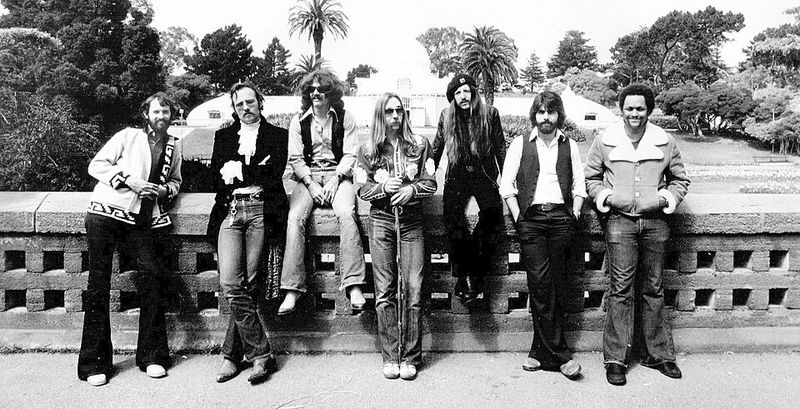
The Doobie Brothers were a San Jose band with a reputation built on energetic live shows before they scored major radio success. Listen to the Music, released in 1972, was their commercial breakthrough and introduced a much wider audience to their blend of rock, soul, and country influences.
Tom Johnston wrote the song as a straightforward declaration of music’s power to bring people together across differences. In a year when political divisions were sharp and cultural tensions were still running high, that message landed with genuine force.
The track peaked at number eleven on the Billboard Hot 100 and established the Doobie Brothers as a major act capable of producing hits without compromising their live-band credibility. Radio programmers responded to its tight structure and infectious chorus, giving it heavy rotation throughout the summer.
The band would go on to score even bigger hits later in the decade, but Listen to the Music remains their most direct statement of purpose. It captured exactly what they were about in the simplest, most effective way possible, and that clarity is why it still works.
9. Use Me, Bill Withers
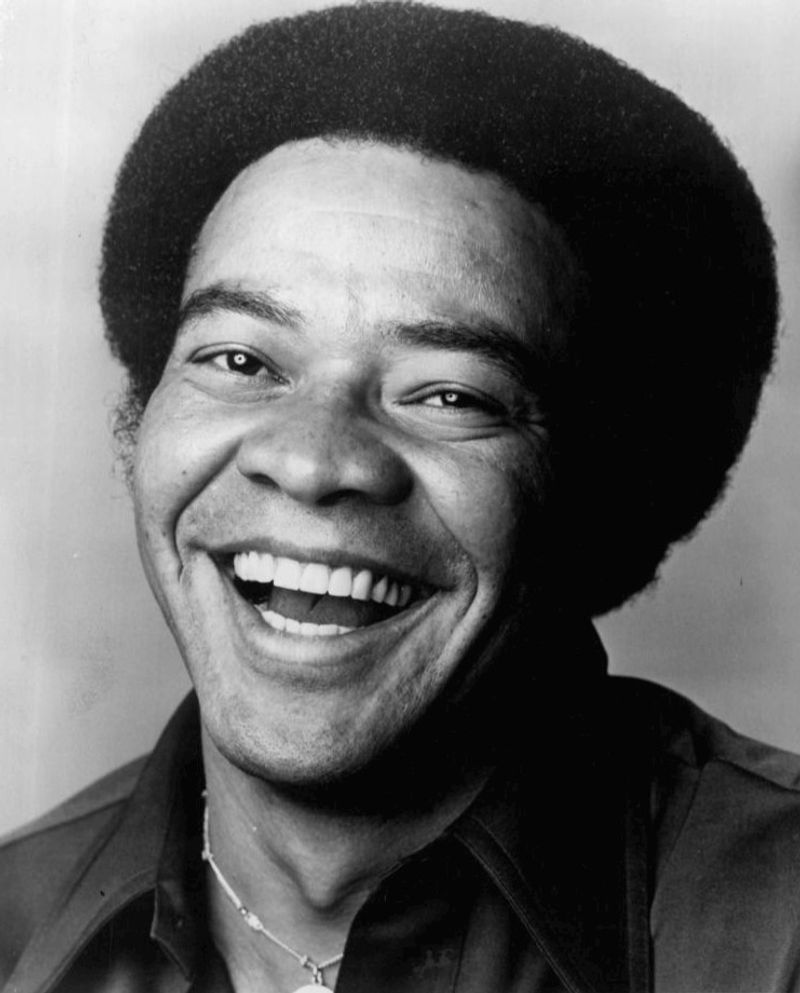
Bill Withers had introduced himself to the world with Ain’t No Sunshine in 1971, a quiet and emotionally devastating track that won him a Grammy. Use Me, released in 1972, showed a completely different dimension of his personality, one that was confident, funky, and fully in control of its own narrative.
The song reached number two on the Billboard Hot 100 and became one of the defining funk tracks of the early 1970s. Its groove was constructed around a tight bass line and a rhythm guitar pattern that gave the song a physical, almost percussive quality.
Withers wrote the song based on a real relationship dynamic he had observed, where one person seemed to accept being taken advantage of and was genuinely content with that arrangement. His willingness to explore that complexity without judgment gave the lyrics an unusual maturity.
Producers and musicians have sampled Use Me dozens of times since its release, which speaks to the durability of its rhythm section and the sharpness of its arrangement. Withers delivered it with a self-assurance that made the song feel lived-in rather than performed.
10. School’s Out, Alice Cooper
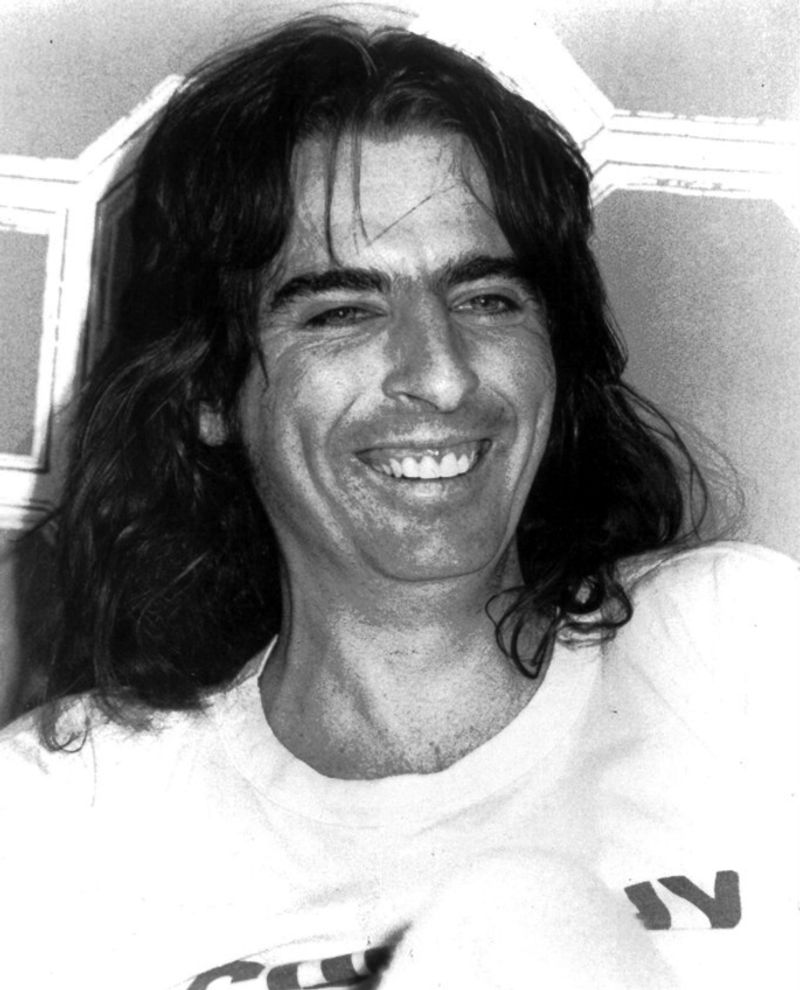
Alice Cooper understood something important about his audience that most rock acts of the era did not: teenagers wanted a song that belonged entirely to them, and School’s Out delivered exactly that. Released in June 1972, the timing was deliberate, hitting radio just as the school year was ending across the United States.
The track reached number seven on the Billboard Hot 100 in America and climbed to number one in the United Kingdom, demonstrating that its appeal crossed cultural and national boundaries with ease. Its riff-driven structure and declarative chorus made it instantly quotable and impossible to ignore.
Producer Bob Ezrin worked with the band to give the song a theatrical quality that matched Cooper’s growing reputation as rock’s most committed showman. The production included layered guitars and a breakdown section that gave the track a dramatic shape beyond standard pop structure.
Decades of film and television producers have used the song to signal the arrival of summer or the end of a school year, which means new generations keep discovering it through context rather than deliberate searching. That kind of cultural longevity is genuinely rare.
11. I’d Love You to Want Me, Lobo
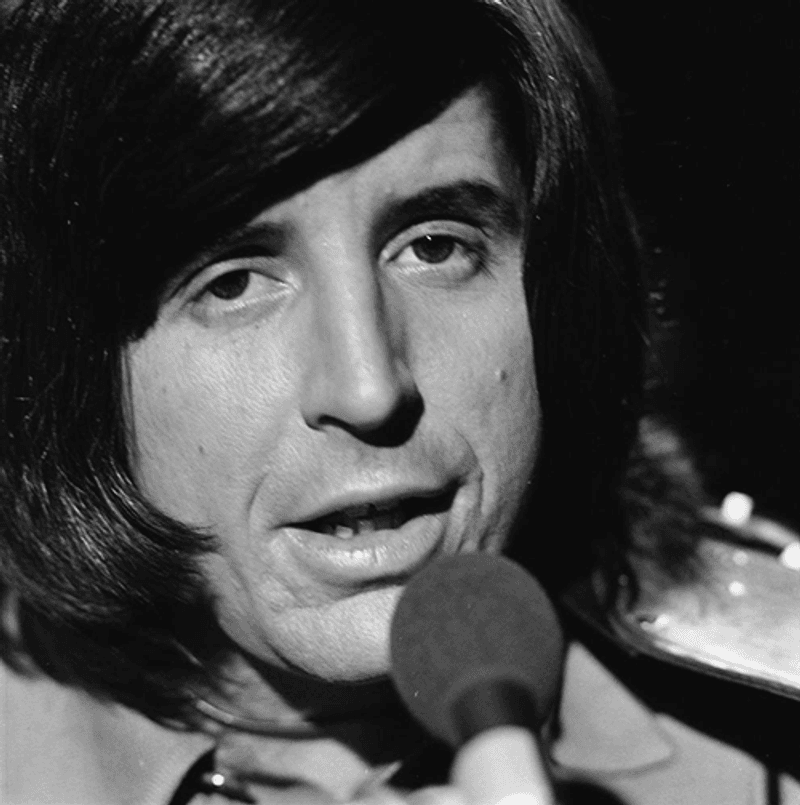
Roland Kent Lavoie, who recorded under the name Lobo, had already scored a major hit with Me and You and a Dog Named Boo in 1971. His follow-up, I’d Love You to Want Me, was a more restrained and emotionally precise track that connected with listeners who appreciated sincerity over spectacle.
The song reached number two on the Billboard Hot 100 in 1972, held off the top spot by Stevie Wonder’s You Are the Sunshine of My Life. That chart position represented a remarkable run for an artist who operated largely outside the mainstream rock and pop conversation of the era.
Lobo wrote and produced the track himself, which was still a relatively uncommon arrangement for pop artists at the time. His control over both the songwriting and production gave the finished record a cohesion that many label-produced singles lacked.
The song’s appeal was rooted in its emotional directness. Lobo did not rely on elaborate metaphor or complicated arrangements.
He simply stated his feelings clearly and let the melody carry the weight, which turned out to be exactly what a large segment of the radio audience was looking for in 1972.
12. Saturday in the Park, Chicago
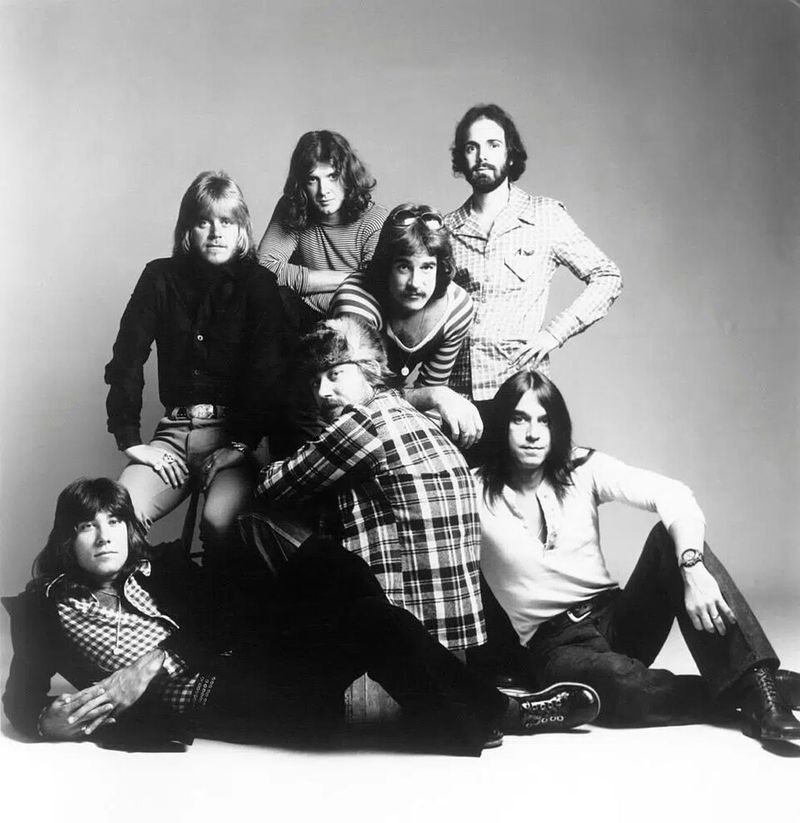
Robert Lamm wrote Saturday in the Park after observing the Fourth of July celebrations in Central Park in New York City. The images he collected that afternoon, street musicians, people dancing, vendors and performers sharing public space, became the backbone of one of Chicago’s most joyful and enduring recordings.
The song was released as a single in July 1972 and reached number three on the Billboard Hot 100. It captured a specific kind of urban optimism that was genuinely present in American cities during that brief window before economic pressures and social fatigue began to reshape public life in the mid-1970s.
Chicago was already a well-established act by 1972, having released four albums in three years. Saturday in the Park benefited from the band’s tight musicianship and their ability to blend rock instrumentation with brass arrangements in a way that felt celebratory rather than cluttered.
The song’s portrait of a single afternoon in a public park carries real historical weight. It documented a moment when shared public space felt genuinely inclusive and joyful, and that documentation is part of what gives the track its lasting appeal beyond nostalgia.
Share this story