 Unearth The Voyage
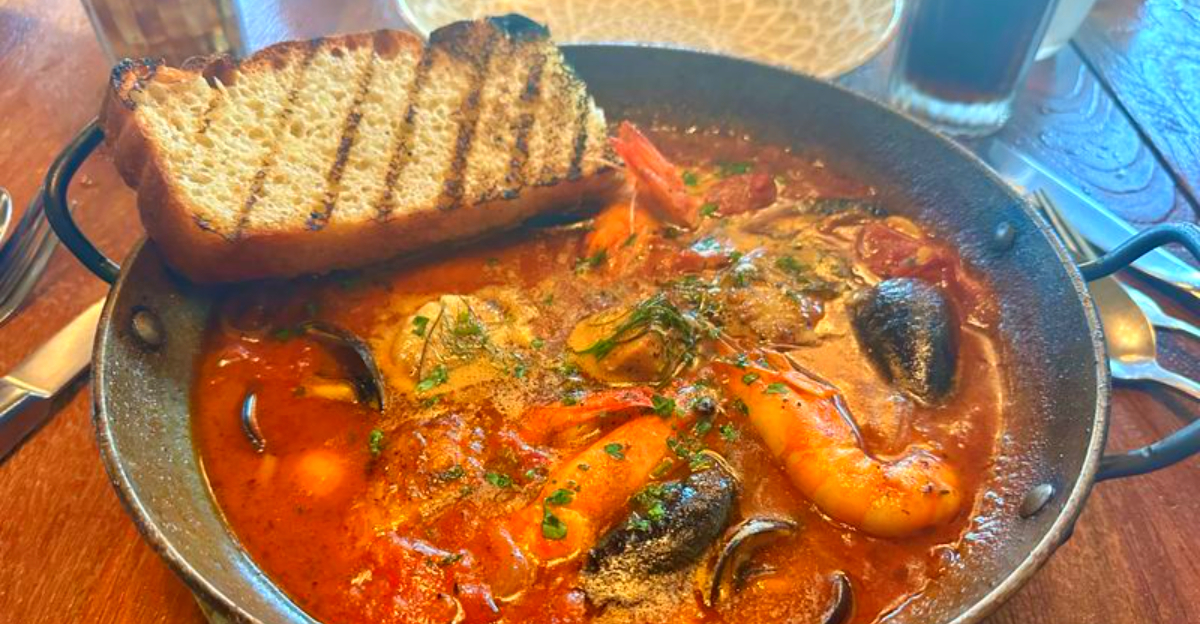
You do not need skyscrapers to eat memorably. In these tiny American towns, chefs cook like the farmers are their neighbors and the fishermen text them before docking.
The restaurants are fewer, the standards are higher, and the pride shows up on every plate. If you love food with a sense of place, consider this your weekend map.
1. 1) Yountville, California: small footprint, huge flavor radius
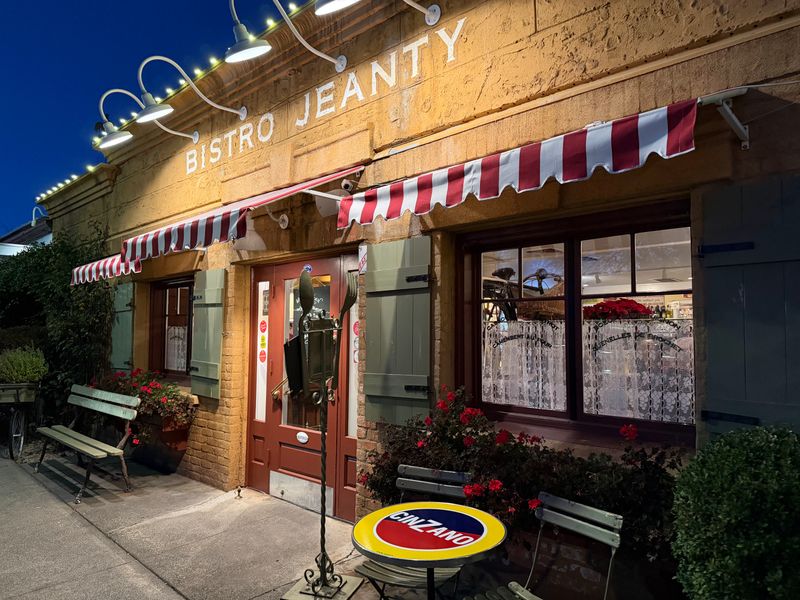
Yountville is so compact you can cross it before your espresso cools, yet the culinary gravity is unmistakable. You feel it in the linen, the hush of dining rooms, the quiet confidence of a tomato that tastes like summer itself.
This is where once-in-a-lifetime dinners mingle with everyday gems.
Case in point: the tasting menu that becomes your entire evening, supported by bakeries, cafes, and measured wine strolls. Pace yourself.
Book the headline meal early, then let snacks and salads fill the in-between.
Practical Takeaway: Treat Yountville like one big crescendo. Reserve the marquee experience, schedule buffers, hydrate, and walk everywhere.
2. 2) Healdsburg, California: farm-to-table with daily receipts
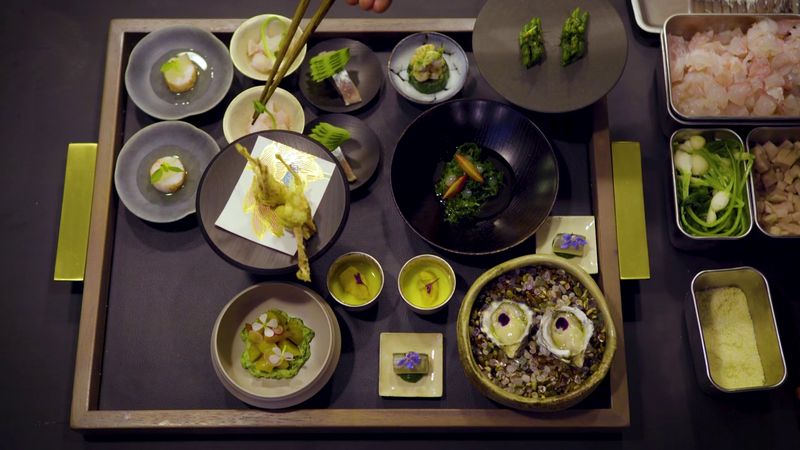
Healdsburg cooks like the market is its pantry. Chefs shop the morning harvest, then write menus that feel alive by dinner.
You taste ripeness, restraint, and a little swagger.
SingleThread’s farm-inn-restaurant loop is the textbook example, but even simple plates can stun. Order the tomato salad or grilled peaches and you will understand.
Visit midweek if you can, when reservations breathe.
Practical Takeaway: Book early and go seasonal. Do not undervalue the humble course.
In farm towns, the quiet dish often wins. Let lunch be exploratory and dinner intentional.
3. 3) Little Washington, Virginia: one restaurant, whole town aura
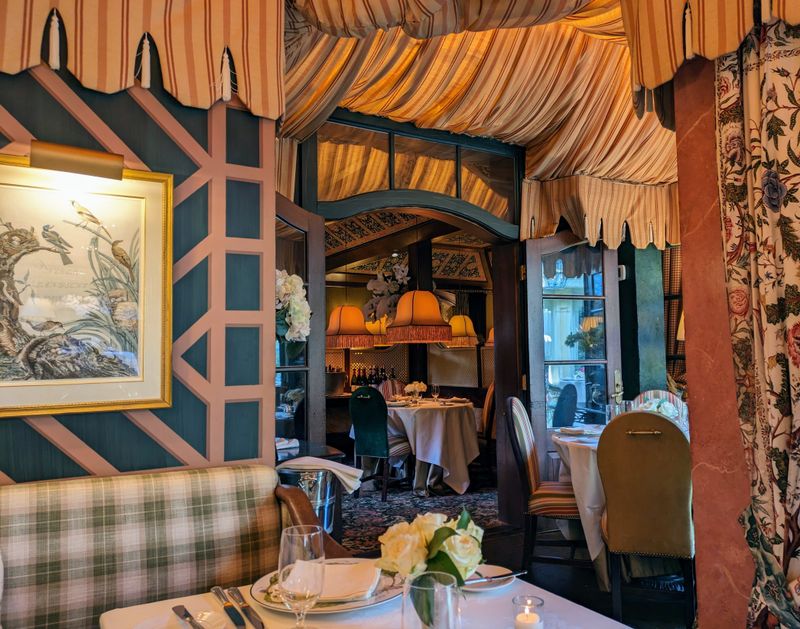
In Little Washington, destination dining reshapes a rural weekend. You arrive early, tour winding roads, then surrender to a long, choreographed meal.
Local produce and game remind you how generous Virginia can be.
The Inn remains the magnet, but the town’s rhythm benefits too. Lodging nearby turns dinner into a retreat, not a commute.
The experience is unhurried on purpose.
Practical Takeaway: Make it a slow weekend. Book the restaurant and a walkable bed for the night.
Explore nearby farms, then give dinner the whole evening, course by course.
4. 4) Oxford, Mississippi: college town, grown-up palate
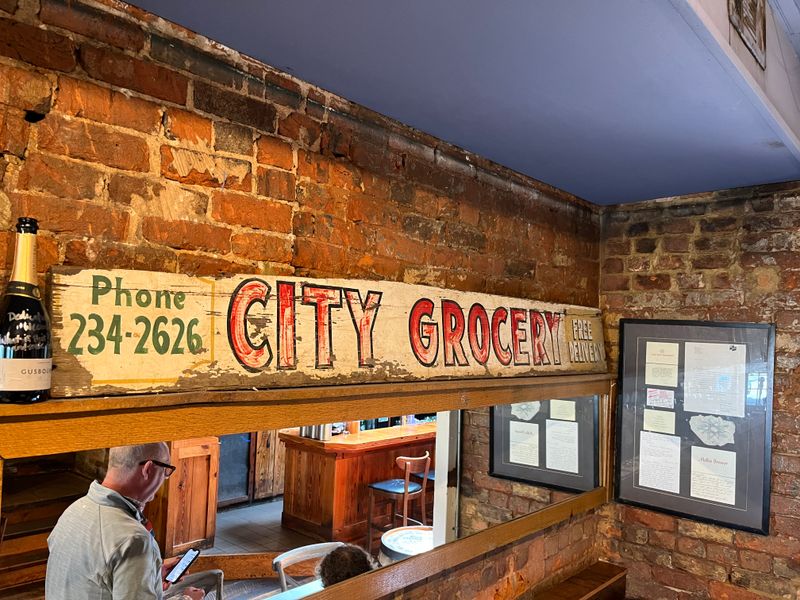
Oxford proves a campus can fuel serious cooking. There is late-night pizza, sure, but also polished dining that respects Mississippi ingredients.
Start with soulful seafood or catfish, then pivot to something modern for contrast.
City Grocery’s orbit shows how chef-led groups shape a whole scene. On game weekends, arrive early and claim your seat.
Ask about today’s catch, not yesterday’s menu.
Practical Takeaway: Alternate classic and contemporary. Show up early, especially Fridays and Saturdays.
Let staff steer you to seasonal specials, and save room for pie you did not plan on.
5. 5) Hudson, New York: stylish streets, brave menus
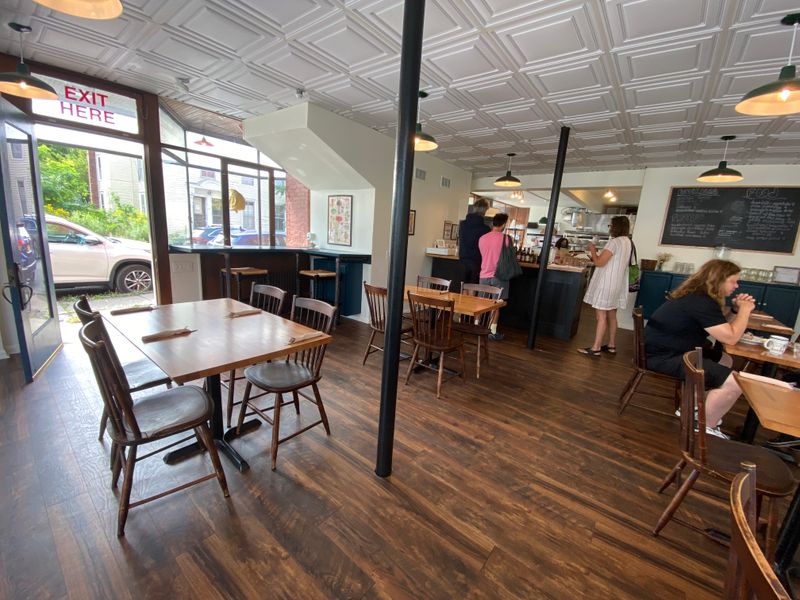
Hudson is a walkable collage of galleries, plates, and glasses that tell farm stories. Menus tilt playful and personal, with chefs unafraid to get weird in the best way.
The result is memorable dining without pretense.
Think bright vegetables, confident spice, and desserts that lean creative. Weekends fill fast, so reservations matter.
One meal should be a deliberate curveball.
Practical Takeaway: Book ahead, then let curiosity lead. Choose at least one restaurant that defies categories.
Split small plates, linger over natural wine, and save time for a morning bakery crawl.
6. 6) Mystic, Connecticut: harbor air, oyster-cold plates
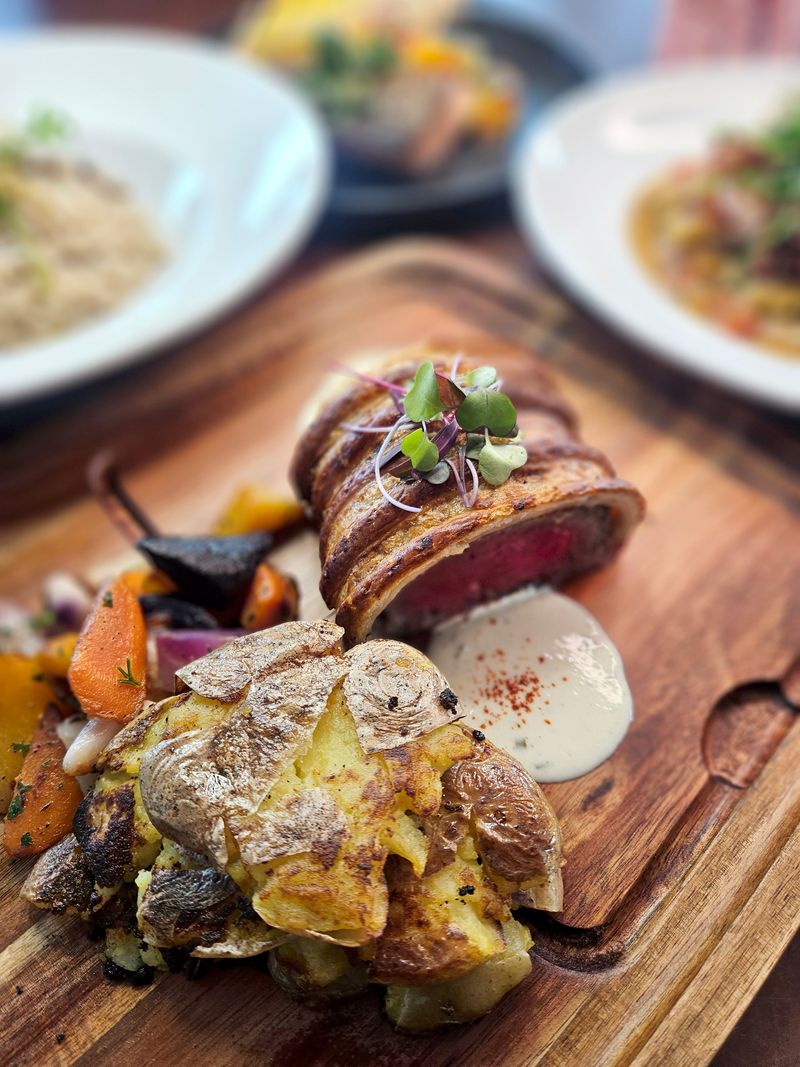
Mystic’s food tastes like tide charts and dock chatter. Start with oysters on ice, then chase something cooked, like a crispy-skinned local fish.
The town’s tourist energy supports kitchens that could coast but do not.
Oyster Club and neighboring spots keep standards high. Time your visit slightly off-peak and you will eat better, with less waiting.
Salt air helps everything taste brighter.
Practical Takeaway: Order seafood two ways. Aim for late lunch or early dinner.
Trust daily specials, and ask which harbor or boat your fish rode in on today.
7. 7) Fredericksburg, Texas: schnitzel meets Hill Country
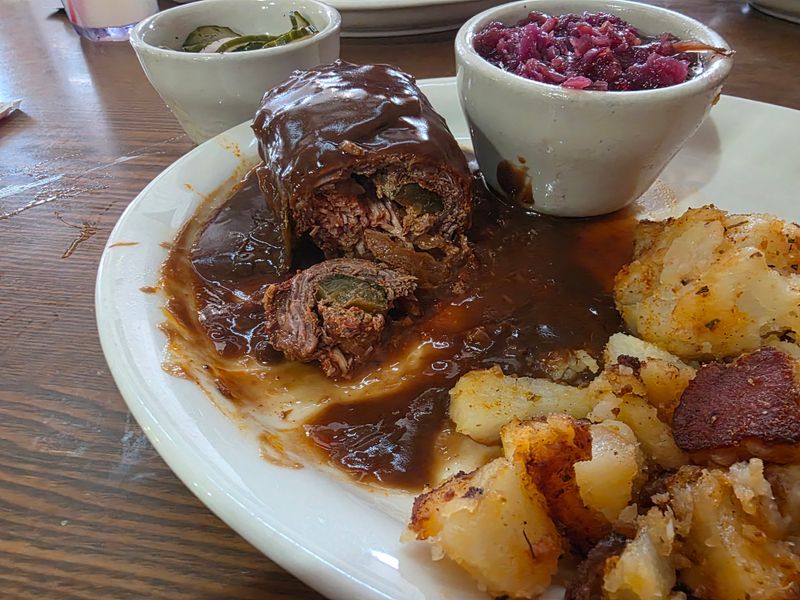
Fredericksburg blends German heritage with Texas appetite. One meal leans into sausage, schnitzel, and lager; the next resets with peaches, greens, and lighter wine-country fare.
That balance keeps the weekend joyful, not sleepy.
Otto’s shows how farm-to-table can wear Bavarian clothes. Wineries and markets stitch the day together.
If barbecue calls, treat it as its own mission with lines and planning.
Practical Takeaway: Alternate heavy and light. Book a German dinner, then a produce-forward lunch.
Build in tastings, hydrate, and keep a cooler for peaches when they are in season.
8. 8) Marfa, Texas: desert art, disciplined plates
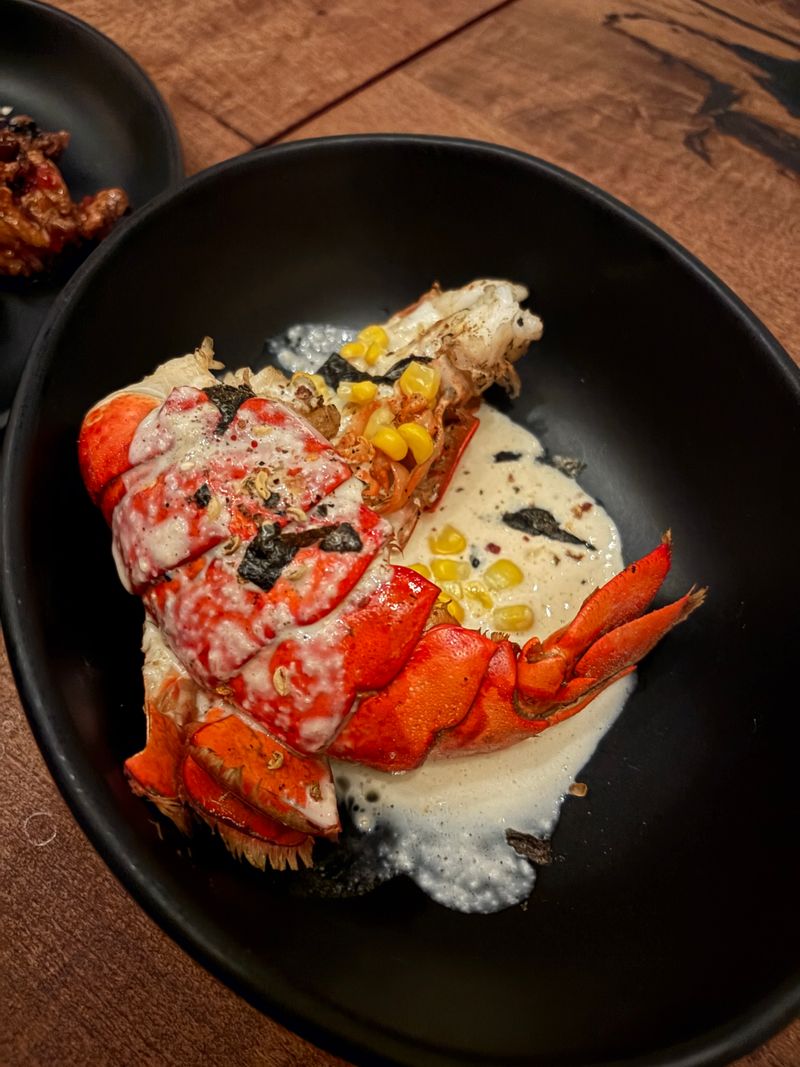
Marfa rewards travelers who plan. Hours are quirky, options are tight, and quality is high because relationships with ranches and growers run deep.
The food mirrors the landscape: lean, direct, quietly intense.
Order local meats, seasonal veg, and any chile-driven dish. Make a backup plan for the night a place is closed.
You will eat better with patience.
Practical Takeaway: Check hours twice. Build meals around regional sourcing.
Sit outside under desert stars, and say yes to anything pickled, charred, or chile-kissed that reflects West Texas.
9. 9) Bristol, Rhode Island: classic harbor, clever plates
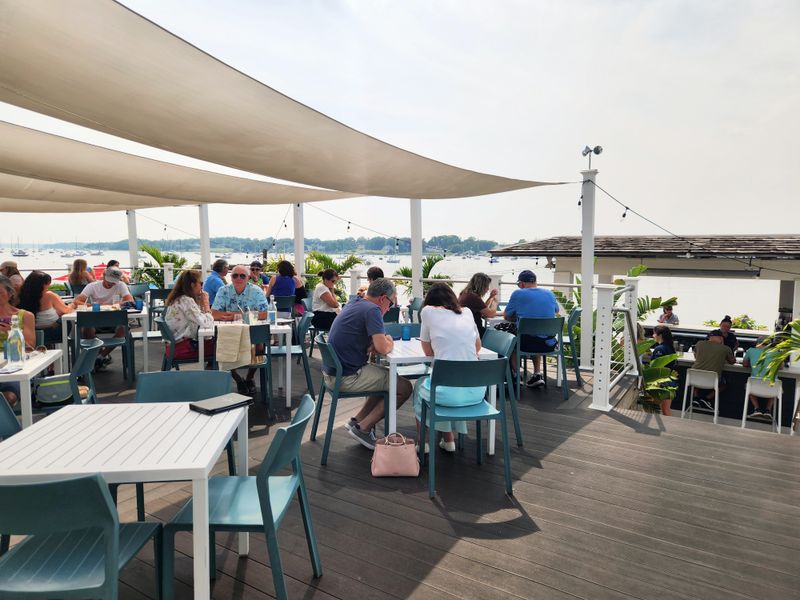
Bristol offers the New England postcard with a smarter menu. Yes, order lobster, but also let the kitchen surprise you with chowder riffs, crudo, or a daily scallop special.
Local loyalty keeps standards honest.
DeWolf Tavern frames the harbor moment beautifully. Go at sunset if you can.
The water turns everything into a memory.
Practical Takeaway: Order like a local. Mix classics with seasonal specials, and pair seafood with regional cider or a crisp white.
Time dinner for golden hour to turn a good meal into a great one.
10. 10) Stone Ridge, New York: quiet town, loud seasonality
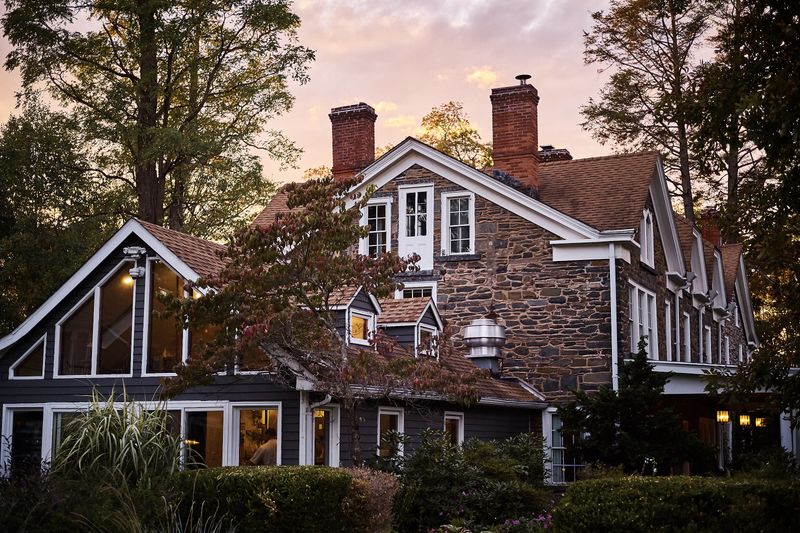
Stone Ridge is built for one perfect dinner after a day of farms and antique stops. The menus read simple, then arrive soulful and exact.
Roast chicken, local vegetables, and a considered pie can feel like ceremony.
Butterfield shows how restraint becomes luxury when ingredients are close. You will linger without realizing.
Book a late seating and slow down.
Practical Takeaway: Treat this as a capstone meal. Drive the valley, then settle in for seasonal cooking.
Choose the dish that looks plain on paper. In the Hudson Valley, it often steals the night.
11. 11) Bay St. Louis, Mississippi: Gulf breeze, easy excellence
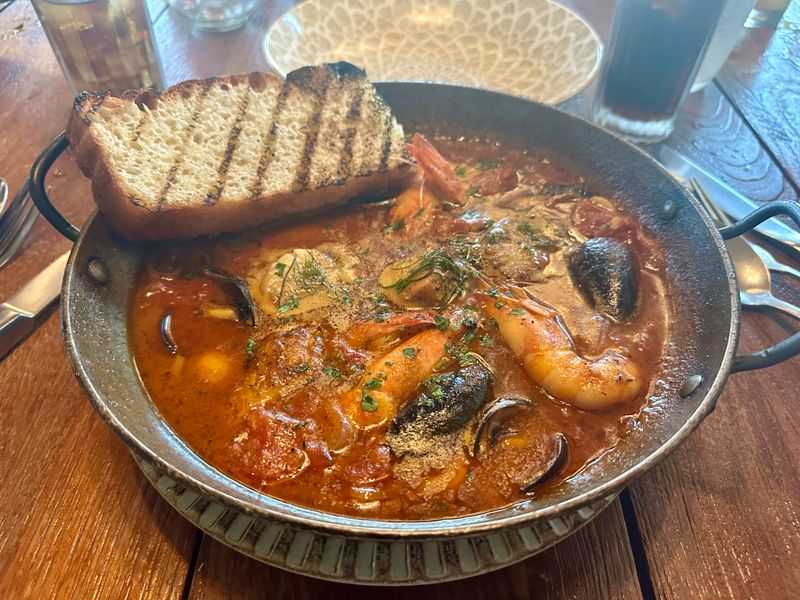
Bay St. Louis cooks like the Gulf is a pantry. Shrimp, oysters, and daily fish are the right answers to most questions.
Downtown is walkable, breezy, and built for lingering.
Thorny Oyster brings polish; The Blind Tiger brings the dockside mood. Ask what is local rather than trendy and you will eat better.
Weekend waits happen, but the water view helps.
Practical Takeaway: Order the Gulf, not the gimmick. Be patient on busy nights.
Split a raw dozen and a cooked special so you experience the shoreline two ways in one meal.
12. 12) Hood River, Oregon: orchards on the plate
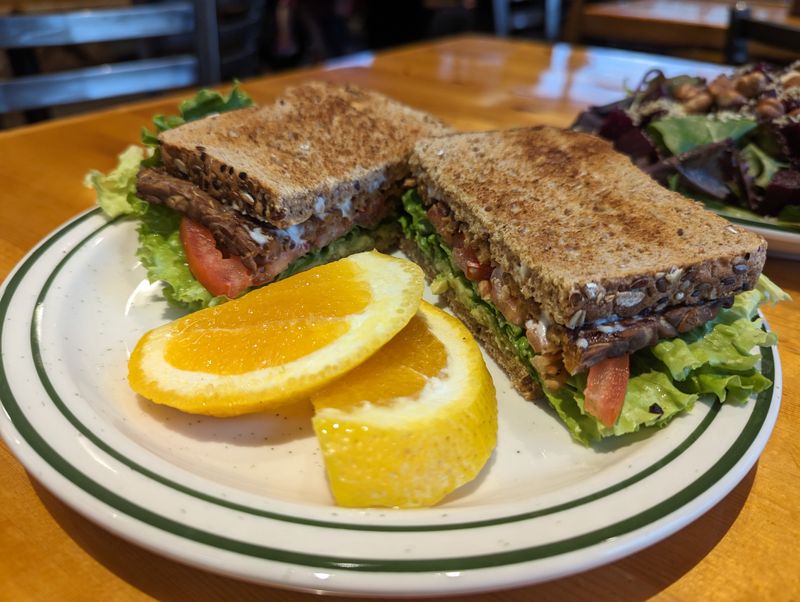
Hood River hides in plain sight behind its outdoor reputation. The valley’s orchards feed menus with pears, apples, cherries, and greens that taste like they were picked for you.
Cider lists read like wine programs.
Build a day around the Fruit Loop, then eat what you just saw growing. Celilo is a steady bet for Pacific Northwest clarity on a plate.
Pair thoughtfully.
Practical Takeaway: Anchor meals to farms and cider. Ask which dishes use current harvests.
Schedule a tasting flight with dinner. You will taste the valley’s backbone in every bite and sip.



