 Unearth The Voyage

Hitting the trail is one of life’s greatest joys, but nature can be unpredictable. Having the right gear can turn a potential crisis into a manageable bump in your adventure. These twelve essentials are trusted by park rangers, mountaineers, and outdoor experts to keep hikers safe in nearly any situation.
1. Navigation: map, compass + GPS/phone (offline)

Getting lost on a trail is easier than you think, especially when fog rolls in or paths split unexpectedly. A paper topo map and compass are your foundation because they never run out of battery or lose signal.
Your smartphone or GPS unit makes a fantastic backup, but only if you download offline maps before you leave service. Knowing how to read both old-school and digital tools gives you confidence no matter what happens on the mountain.
2. Illumination: headlamp with spare power

Darkness arrives faster than expected, especially in deep forests or narrow canyons where the sun sets early. A reliable headlamp keeps your hands free for scrambling over rocks or setting up emergency shelter.
Always toss extra batteries or a portable power bank into your pack. That small addition could mean the difference between safely navigating back to your car or spending a scary night stumbling around in pitch black.
3. Sun protection: SPF, sunglasses, brimmed hat
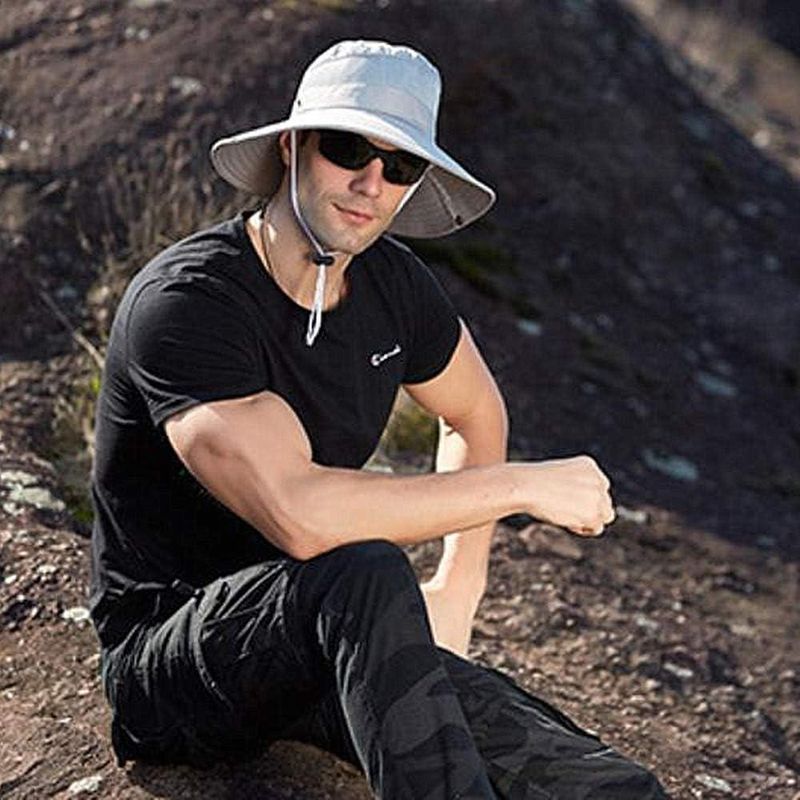
Sunburn can ruin your trip and cause serious long-term skin damage, while UV rays at higher altitudes are even more intense than at sea level. Broad-spectrum sunscreen with SPF 30 or higher protects exposed skin from harmful radiation.
Quality sunglasses with UV blocking lenses prevent eye strain and damage, while a wide-brimmed hat shields your face and neck. Together, these three items form a defense system against one of the trail’s sneakiest dangers.
4. Insulation: adaptable layers

Mountain weather can flip from sunny and warm to windy and freezing within an hour. Layering lets you adjust quickly by adding or removing pieces as conditions change around you.
Pack an insulating mid-layer like fleece or down, plus a wind and water-resistant outer shell. Staying warm and dry keeps your energy up and prevents hypothermia, which can sneak up on tired hikers even in summer months when temperatures drop unexpectedly.
5. First-aid kit (trail-focused)

Blisters, cuts, and twisted ankles happen constantly on trails, and a proper first-aid kit addresses these common injuries quickly. Include bandages in multiple sizes, blister treatment, antiseptic wipes, medical tape, pain relievers, and tweezers for splinters.
Add any personal medications you need daily. Scale your kit up for longer trips or bigger groups. Knowing basic first aid and having supplies ready can prevent small problems from becoming trip-ending emergencies.
6. Fire: lighter + backup + tinder

Fire provides warmth, signals rescuers, boosts morale, and can even purify water in desperate situations. A simple butane lighter is your go-to tool because it works quickly and reliably in most conditions.
Stormproof matches serve as your backup when lighters fail in cold or wet weather. Carry dry tinder like cotton balls soaked in petroleum jelly to help flames catch fast. This triple redundancy ensures you can create fire when survival depends on it.
7. Repair & tools: knife/multi-tool + repair tape

Gear breaks at the worst possible moments, from torn backpack straps to loose boot soles. A compact multi-tool with a knife blade, scissors, and screwdriver handles dozens of trail repairs and camp tasks efficiently.
Wrap strong repair tape around your water bottle or trekking pole before you leave. That simple strip can patch torn fabric, secure loose buckles, or even improvise a splint. Small tools solve big problems when you are miles from civilization.
8. Shelter: emergency bivy/blanket
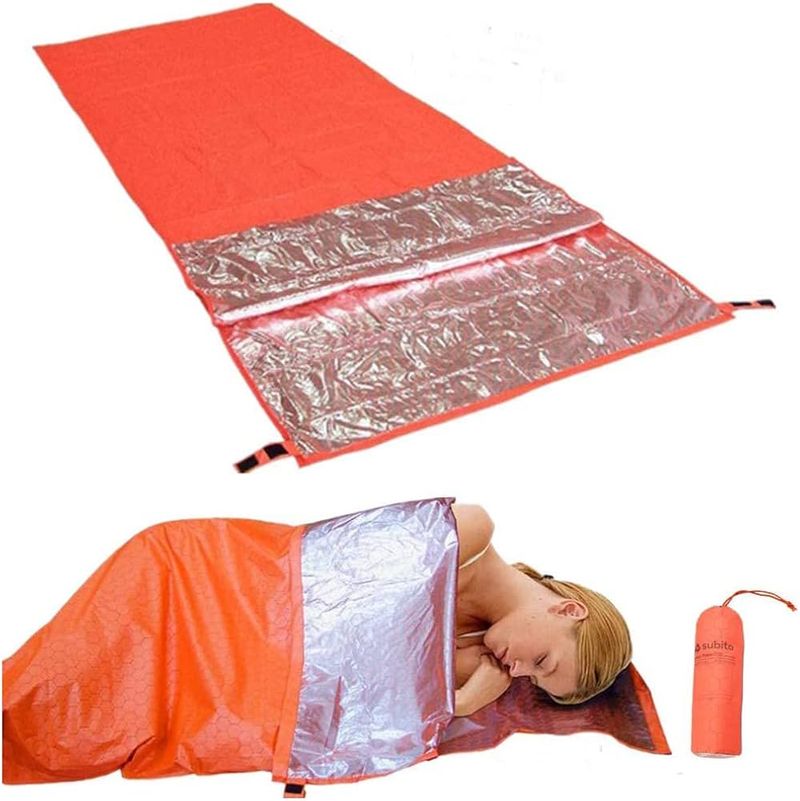
Even short day hikes can turn into unplanned overnights if someone gets injured or weather traps you on the mountain. An ultralight emergency bivy or space blanket weighs almost nothing but reflects body heat to prevent hypothermia.
These compact shelters fold down smaller than a soda can yet provide critical protection from wind and rain. Carrying one is cheap insurance against nature’s unpredictability, giving you a fighting chance if plans go sideways unexpectedly.
9. Nutrition: extra calories

Your body burns calories faster outdoors than you realize, especially when climbing elevation or fighting cold temperatures. Running out of fuel leaves you weak, foggy-headed, and vulnerable to hypothermia because your body needs energy to generate heat.
Pack energy-dense snacks like nuts, dried fruit, energy bars, and chocolate beyond what you think you will eat. That extra food could sustain you through an unexpected delay or emergency, keeping your mind sharp and body functioning properly.
10. Hydration: water + treatment

Dehydration hits hikers hard and fast, causing headaches, dizziness, and poor decisions that lead to accidents. Carry more water than your planned trip requires, because exertion and heat increase your needs dramatically.
Bring a water filter, purification tablets, or UV purifier so you can safely refill from streams and lakes. Natural water sources often contain parasites and bacteria invisible to the eye. Treating water properly keeps your digestive system happy and your adventure on track.
11. Emergency communication: PLB or satellite messenger
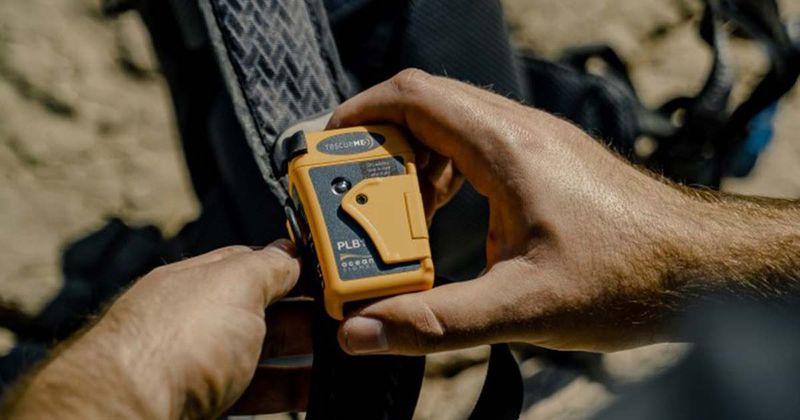
Cell service vanishes quickly once you leave trailheads, leaving you cut off if disaster strikes. Personal Locator Beacons send distress signals to rescue coordination centers via satellite, summoning help from virtually anywhere on Earth.
Two-way satellite messengers like InReach let you text loved ones and emergency services even from remote peaks. Research which device fits your adventures best. Either option provides a lifeline when you need rescue beyond the reach of normal communication networks.
12. Insect protection: EPA-registered repellent + permethrin-treated clothing

Ticks and mosquitoes carry serious diseases like Lyme disease, West Nile virus, and others that can ruin your health for months or years. EPA-registered repellents containing DEET or picaridin create a chemical barrier on your skin that bugs hate.
Treating your clothing and gear with 0.5% permethrin adds another defense layer that survives multiple washes. Together, these protections dramatically reduce your risk of bug bites and the nasty illnesses they spread through wilderness areas.



