Adventure travel is all about pushing boundaries — physically, mentally, and emotionally. From skydiving and mountain climbing to deep-sea diving and jungle exploration, these experiences deliver an unforgettable adrenaline rush fueled by risk and discovery.
Some adventures test endurance, while others offer pure thrill, but all share one thing in common: they take you far beyond the ordinary. Whether in remote wilderness or iconic global hotspots, these are the kinds of experiences that redefine what travel can be.
Skydiving Over Dubai, UAE
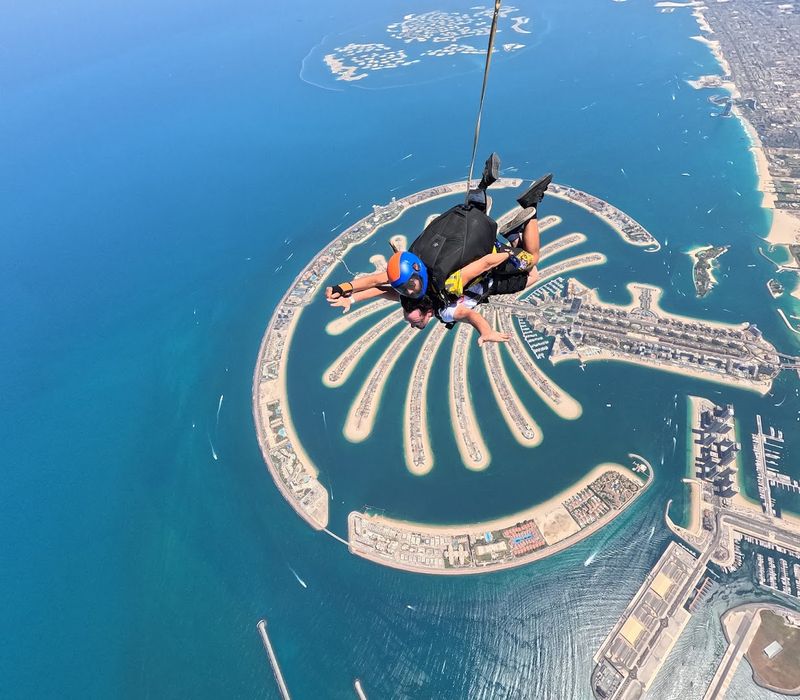
Few things in life hit you quite like stepping out of a plane at 4,000 meters above one of the world’s most glamorous cities. The freefall lasts roughly 60 seconds, during which you plummet at speeds exceeding 190 km/h.
Your brain barely has time to process the fact that you’re flying.
What makes this skydive legendary isn’t just the speed — it’s the view. Below you, Palm Jumeirah stretches into the Arabian Gulf like something out of a sci-fi movie.
The Burj Khalifa gleams in the distance, and the Dubai coastline sprawls in every direction. No postcard captures it like this.
Once the parachute opens, everything goes quiet. You drift slowly downward, soaking in one of the most extraordinary aerial panoramas on the planet.
First-timers can go tandem, strapped to an experienced instructor who handles the technical stuff. Bookings fill up fast, especially during cooler months between October and April.
Dress comfortably, bring your camera, and prepare for a story you will be telling for the rest of your life. This jump earns every bit of its legendary reputation.
Bungee Jumping in Queenstown, New Zealand
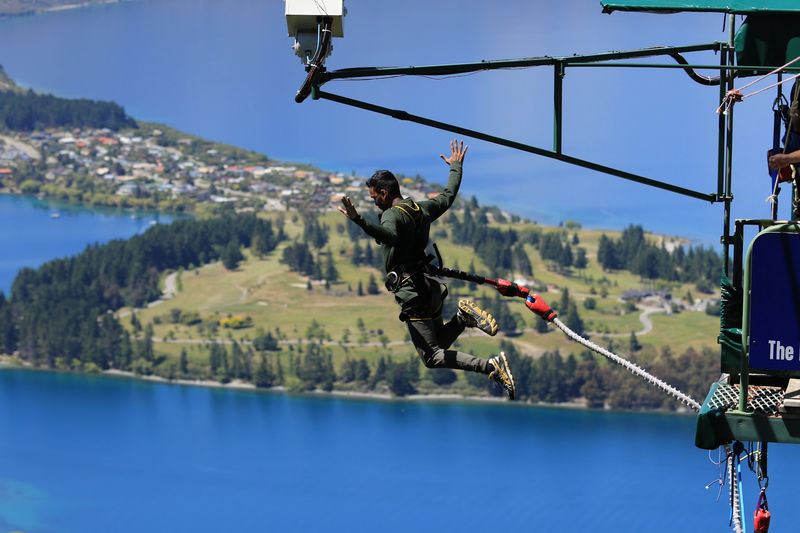
Back in 1988, a bridge over a turquoise river in New Zealand changed adventure travel forever. The Kawarau Bridge became the world’s first commercial bungee jumping site, and Queenstown has owned that title ever since.
Thousands of people travel here every year specifically to take the leap.
The classic Kawarau Bridge jump sends you 43 meters toward the river below. It sounds manageable until you’re standing on the edge, toes curled over the platform, staring straight down.
That three-second countdown feels both endless and impossibly short.
For those who want more, the Nevis Bungy towers above the Nevis River at 134 meters — one of the tallest bungee jumps in the world. The freefall lasts about 8.5 seconds, which is long enough to genuinely question your life choices and love every single second of it.
Queenstown surrounds every jump with jaw-dropping mountain and river scenery, making the whole experience feel cinematic. Operators here are highly professional, equipment is world-class, and the safety record is excellent.
Whether you go for the classic bridge or the monster Nevis drop, Queenstown delivers an experience that is hard to top anywhere on Earth.
Shark Cage Diving, South Africa
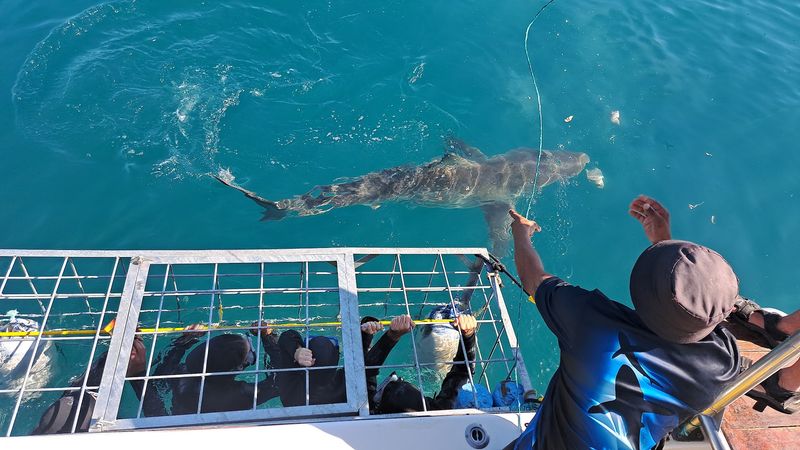
Great white sharks are the ocean’s most legendary predators, and off the coast of Gansbaai, South Africa, you can meet one nose-to-nose. The cage keeps you safe while putting you close enough to count the teeth.
It is the kind of wildlife encounter that rewires your understanding of nature.
The operation is straightforward. You board a boat, suit up in a wetsuit, and step into a submerged steel cage at the surface.
Operators use bait and decoys to attract the sharks, which can reach lengths of up to 6 meters. When one glides past the cage, time seems to stop.
Gansbaai sits within what researchers call “Shark Alley” — a narrow channel between two islands with one of the highest concentrations of great whites on Earth. Trips typically run a few hours, and multiple cage dives are usually included.
No scuba certification is needed since the cage stays at the surface. This adventure is equal parts terrifying and fascinating, attracting marine biologists, thrill-seekers, and curious travelers alike.
It also supports shark conservation awareness, giving the experience genuine educational value beyond the adrenaline rush. South Africa delivers this one like nowhere else can.
Trekking to Mount Everest Base Camp, Nepal
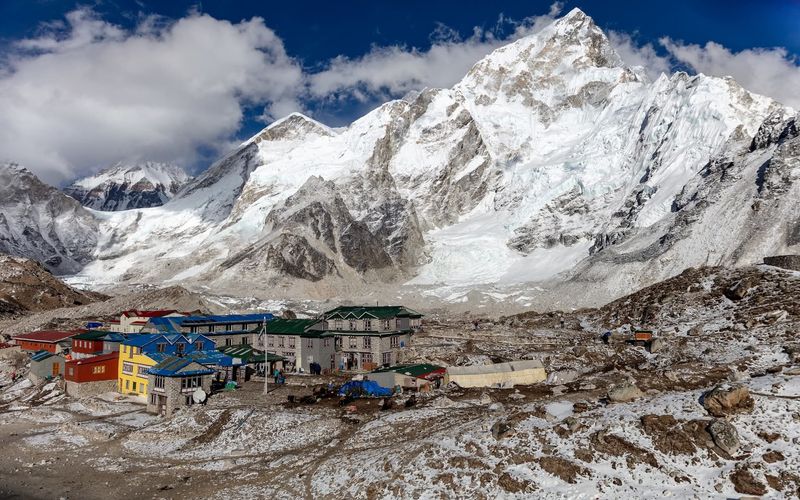
At 5,364 meters above sea level, Everest Base Camp sits at an altitude where every breath reminds you that you are somewhere extraordinary. The trek to reach it takes roughly 12 to 14 days through the Khumbu region of Nepal.
It is not a casual hike — but it is one of the most rewarding journeys a person can make.
The route passes through Sherpa villages, ancient monasteries, and high-altitude forests before opening into the raw, wind-scoured terrain near the base of the world’s tallest mountain. Altitude sickness is a real concern, and acclimatization days are built into the itinerary for good reason.
Listen to your guide and your body — this is not a place to rush.
Standing at Base Camp with Everest looming above you is a moment that feels almost unreal. You can see the Khumbu Icefall, hear the crack of shifting glaciers, and watch expedition teams preparing for summit attempts.
The physical challenge is significant, but no technical climbing skills are required. A good fitness level, the right gear, and a reliable guide service are your best preparation.
This trek rewards patience, persistence, and a genuine love of wild, breathtaking places.
Whitewater Rafting on the Zambezi River, Africa
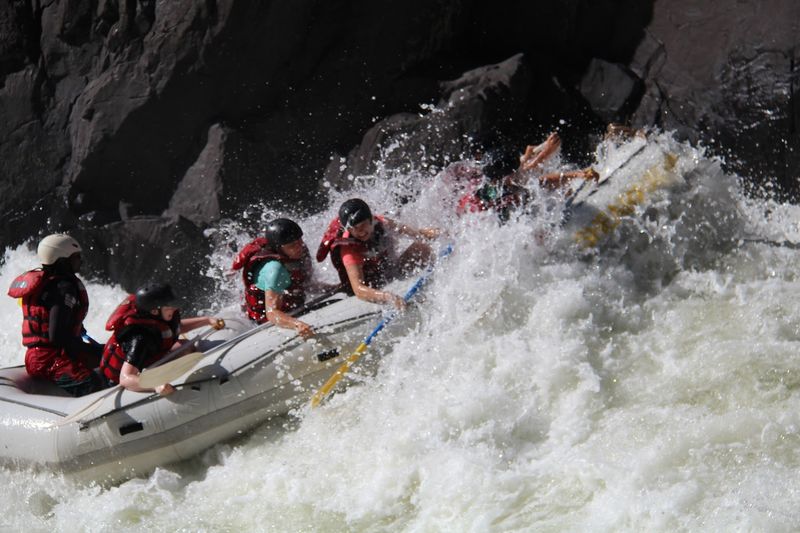
The Zambezi River does not ease you in gently. Right from the start, it throws Class IV and Class V rapids at you with the kind of enthusiasm that makes you grip your paddle like your life depends on it — because, honestly, it kind of does.
This is widely considered one of the most intense whitewater rafting experiences in the world.
The action unfolds in the dramatic Batoka Gorge, carved by the Zambezi just downstream from Victoria Falls. The gorge walls tower above the water, creating an enclosed, almost primal setting.
Rapids here have names like “The Terminator” and “Oblivion,” which tells you everything you need to know about what to expect.
Trips typically run as full-day excursions, covering around 24 kilometers of rapids. Guides are experienced and safety kayakers accompany every group.
You will flip. Most people do.
That is half the fun. The water is warm, the scenery is spectacular, and the energy in the raft is electric from start to finish.
After surviving the rapids, a steep hike out of the gorge is your reward — and your legs will feel every step. Zimbabwe and Zambia both offer access, making it easy to combine with a Victoria Falls visit.
Hiking Trolltunga, Norway
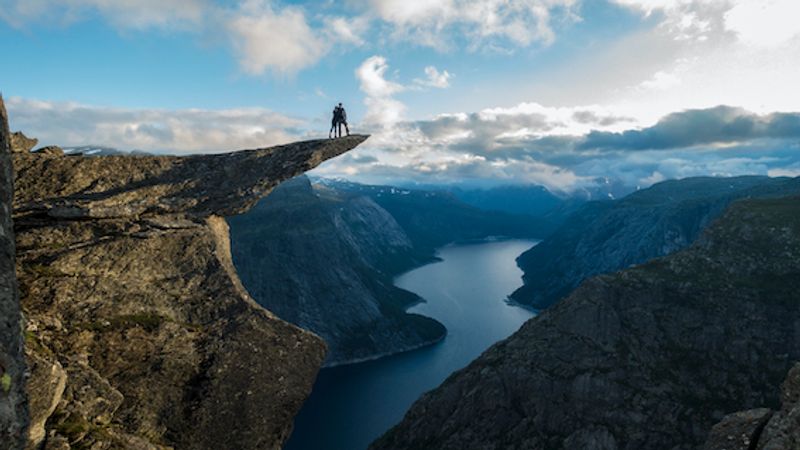
Trolltunga — literally “Troll’s Tongue” — is a slab of rock that juts horizontally out of a Norwegian mountainside, hovering about 700 meters above the valley floor. It looks photoshopped.
It is very much real. And reaching it requires a serious commitment of time, energy, and sturdy footwear.
The standard hike covers around 27 kilometers round trip and takes most people between 8 and 12 hours to complete. The terrain ranges from rocky switchbacks to snow-covered ridgelines, depending on the season.
Summer months between June and September offer the best conditions, with long daylight hours that make the long trail feel more forgiving.
When you finally reach the outcrop and step to its edge, the view is staggering. Lake Ringedalsvatnet stretches out below in shades of deep teal, framed by rolling mountains.
The exposure is intense — there are no guardrails, no barriers, just open air and a very long drop. Most hikers treat the moment with a healthy mix of awe and caution.
Start early, pack plenty of food and water, wear layers, and hire a guide if you are unfamiliar with mountain terrain. Trolltunga earns its reputation as one of Europe’s most dramatic and rewarding hikes every single day.
Ice Climbing in Antarctica
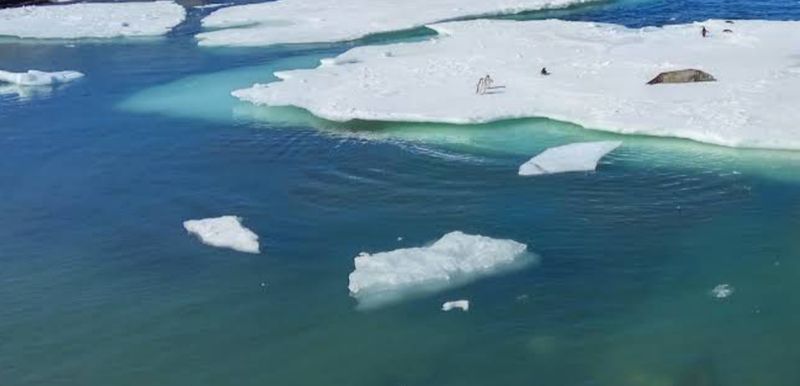
Antarctica is not a place that welcomes visitors easily. Temperatures plunge below -30°C, winds can hit hurricane force, and the nearest coffee shop is several thousand kilometers away.
Ice climbing here means operating in one of the most extreme environments on the planet — and that is precisely why it belongs on this list.
Frozen waterfalls and towering ice walls offer technical climbing challenges that test even experienced mountaineers. The ice itself is ancient, dense, and a vivid shade of blue that you simply do not see anywhere else on Earth.
Every swing of the axe feels purposeful and precise.
Access to Antarctica for adventure travel typically happens via expedition cruise ships departing from Ushuaia, Argentina. These trips combine ice climbing with glacier trekking, wildlife encounters, and the overwhelming silence of a continent untouched by roads, cities, or crowds.
Penguins wander past base camps with total indifference to human visitors, which somehow makes the whole experience feel even more surreal. Prior ice climbing experience is strongly recommended before attempting this.
The physical demands are significant, and the environment leaves no room for unpreparedness. But for those who make it, Antarctica offers an adventure so remote and raw that few other experiences can come close to matching it.
Paragliding Over the Alps, Switzerland
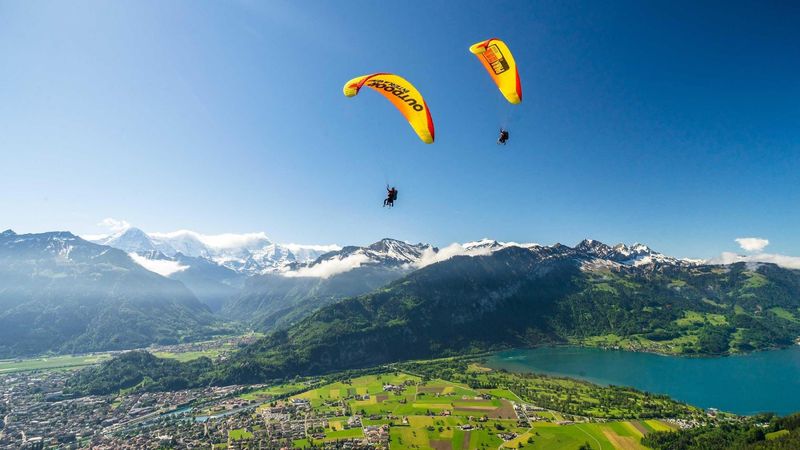
Launching off a Swiss mountainside and catching the thermal currents above the Alps is the kind of experience that makes you understand why birds never seem to be in a hurry. Paragliding here combines genuine adrenaline with an almost meditative calm once you are airborne and the world falls silent below.
Interlaken is the paragliding capital of Switzerland and one of the best launch sites in Europe. From altitude, you glide over lakes Thun and Brienz, with the Jungfrau massif rising dramatically in the background.
Flights typically last between 10 and 30 minutes depending on wind conditions. Tandem flights with a certified instructor are widely available, meaning no prior experience is needed.
The sensation of paragliding is hard to describe to someone who has not tried it. There is no engine noise, no turbulence, just the rush of wind and the slow, sweeping arc of your flight path over one of the most scenic landscapes in the world.
Autumn and summer offer the most reliable flying conditions. Some operators include GoPro footage of your flight, which makes for an extraordinary souvenir.
Whether you are a first-timer or an experienced flyer, paragliding above the Swiss Alps delivers a sense of freedom that stays with you long after you land.
Volcano Boarding in Nicaragua
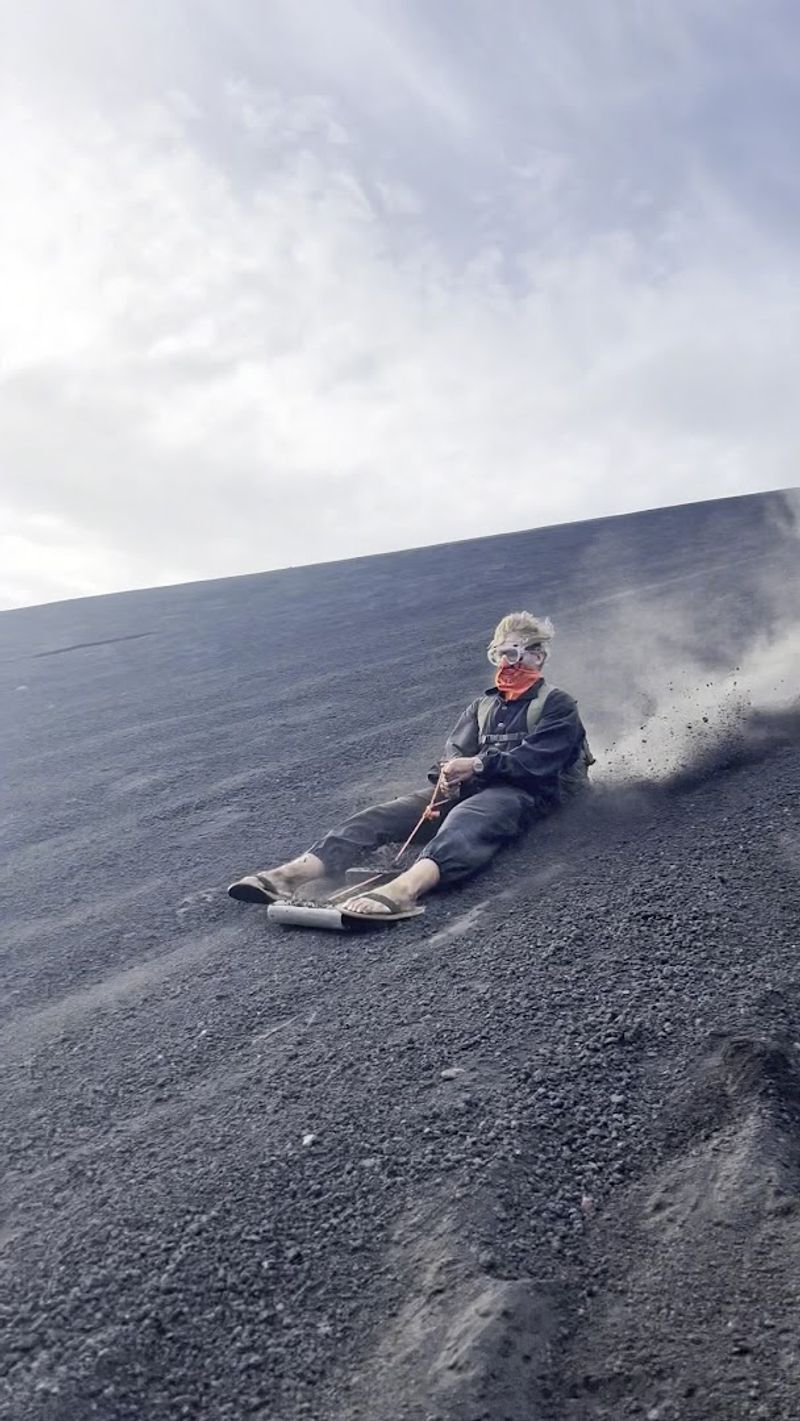
Somewhere along the way, someone looked at an active volcano and thought: “I should slide down that.” That person was either brilliant or completely unhinged — and Nicaragua’s adventure scene owes them a great debt. Volcano boarding on Cerro Negro is one of the most bizarre, thrilling, and genuinely fun experiences adventure travel has to offer.
Cerro Negro is a young, active volcano near the city of Leon. Its steep slopes are covered in loose black volcanic ash, which creates the perfect surface for boarding at speeds that can hit 80 km/h.
You hike 45 minutes to the summit, take in the view of the surrounding lowland landscape, then strap on your protective jumpsuit, goggles, and gloves before sitting on a plywood board and pushing off.
The descent is fast, rough, and absolutely exhilarating. Ash flies everywhere.
Your board rattles. The volcano rumbles faintly beneath you.
It is completely ridiculous and completely wonderful. Operators in Leon run daily tours that include the board, gear, and a guide to the top.
The whole excursion takes about half a day. Volcano boarding is unique to Nicaragua, making it one of those rare adventures you simply cannot replicate anywhere else on Earth.
Rock Climbing in Yosemite, USA
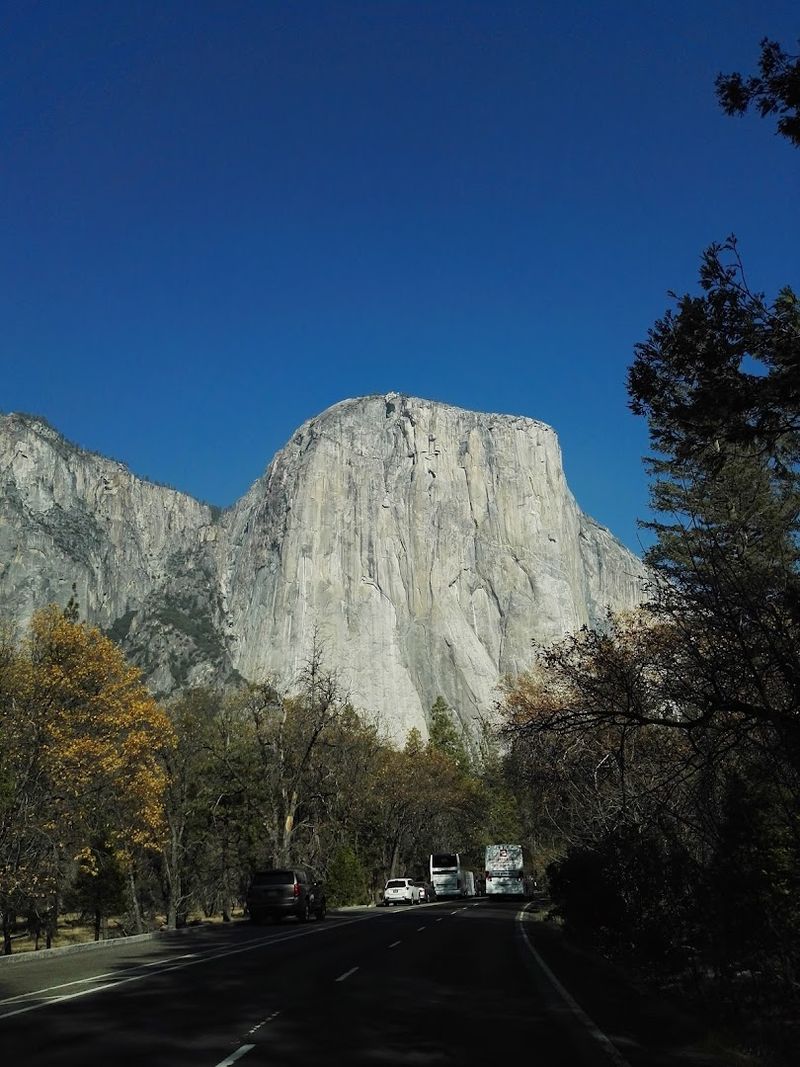
El Capitan is 914 meters of sheer granite rising straight out of the Yosemite Valley floor, and it has been humbling climbers since the 1950s. Today it is considered the crown jewel of big-wall climbing — a place where legends are made and where every handhold is earned through skill, strength, and serious mental grit.
Yosemite’s climbing culture is unlike anything else in the world. The valley has its own language, its own history, and a community of dedicated climbers who have spent decades pushing what is physically possible on rock.
Routes range from beginner-friendly single pitches to multi-day big-wall epics that require sleeping in a hanging tent called a portaledge.
You do not have to be an elite climber to experience Yosemite’s magic. Guided beginner sessions on shorter routes are widely available, and the park’s famous crack climbing is a skill that can be learned progressively.
The setting alone is worth the visit — towering granite walls, ancient sequoias, and a valley that feels like it was designed specifically to make humans feel small in the best possible way. Yosemite is not just a climbing destination; it is a pilgrimage site for anyone who has ever looked up at a cliff and felt the pull to climb it.
Scuba Diving the Great Barrier Reef, Australia
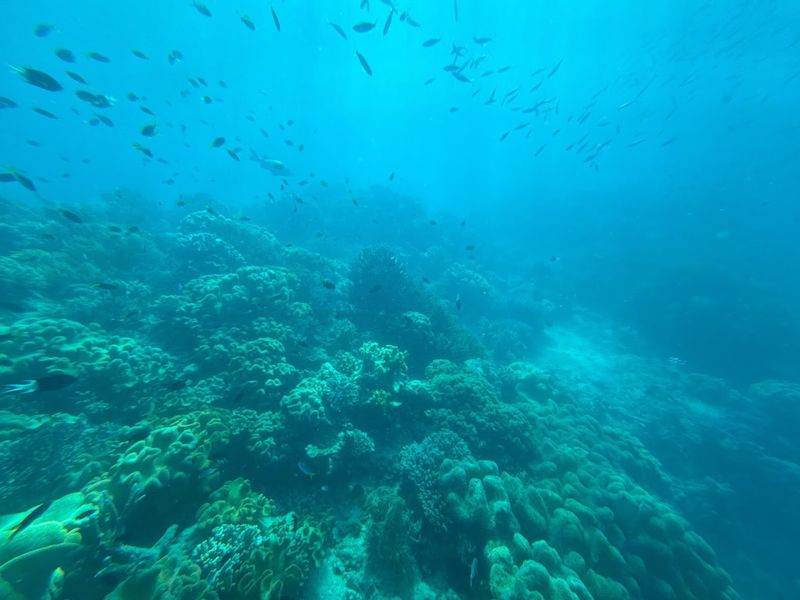
Stretching over 2,300 kilometers along the Queensland coast, the Great Barrier Reef is the largest living structure on Earth — and that is not a metaphor. It is a vast, breathing, constantly evolving ecosystem that hosts over 1,500 species of fish, 4,000 types of mollusk, and more colors than most people have names for.
Scuba diving here puts you inside all of it. You hover weightlessly above staghorn coral forests, drift alongside sea turtles, and watch reef sharks patrol the deeper sections with casual authority.
The visibility on a good day can exceed 20 meters, making every dive feel like swimming through a living painting.
Cairns and the Whitsundays are the main departure points for reef dive trips. Certified divers can access deeper outer reef sites, while beginners can join guided introductory dives that require no prior certification.
Liveaboard trips allow you to spend multiple days on the reef, covering different dive sites each day for maximum variety. Conservation is a real concern here — the reef faces ongoing threats from climate change and coral bleaching.
Choosing responsible, reef-certified operators makes a genuine difference. The Great Barrier Reef is a natural wonder that rewards every single visitor who takes the time to look beneath the surface.
Dog Sledding in Lapland, Finland
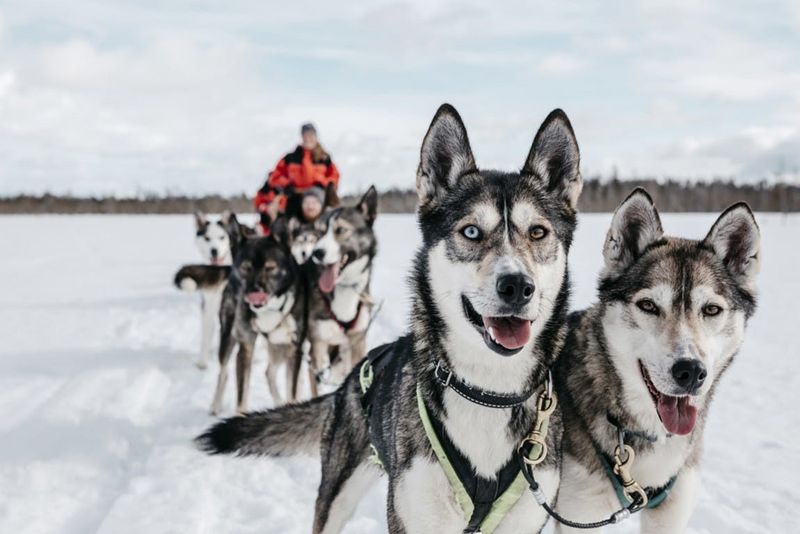
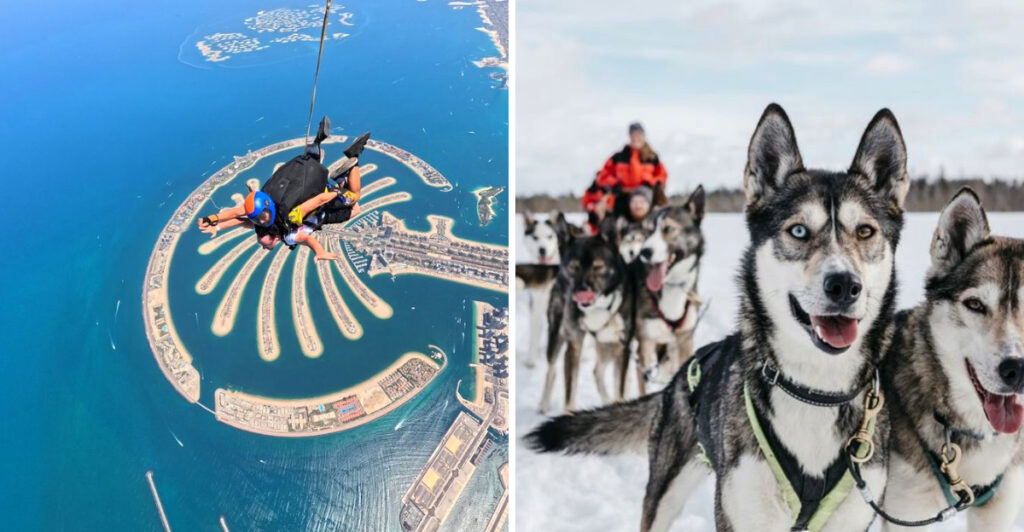
There is something almost mythological about standing on the back of a sled while a pack of huskies tears across a frozen Arctic landscape at full sprint. The sound — all panting and paws and the hiss of runners on snow — is unlike anything you have ever heard.
Dog sledding in Lapland is raw, joyful, and surprisingly easy to fall in love with.
Finnish Lapland sits above the Arctic Circle, where winters deliver deep snow, frozen lakes, and temperatures that can drop below -20°C. Husky farms throughout the region offer guided sled tours ranging from short 30-minute runs to multi-day wilderness expeditions where you camp in the forest and cook over open fires.
The dogs are the real stars — Siberian and Alaskan Huskies with boundless energy and a genuine enthusiasm for running that is almost contagious.
The best time to visit is between December and March, when snow coverage is reliable and the chances of seeing the Northern Lights are highest. Many operators combine dog sledding with reindeer safaris and snowmobile rides for a full Arctic adventure package.
No prior experience is needed to drive a sled — guides teach you the basics quickly. Lapland delivers a pace of adventure that is thrilling without being terrifying, making it perfect for a wide range of travelers.
Canyoning in the Swiss Alps
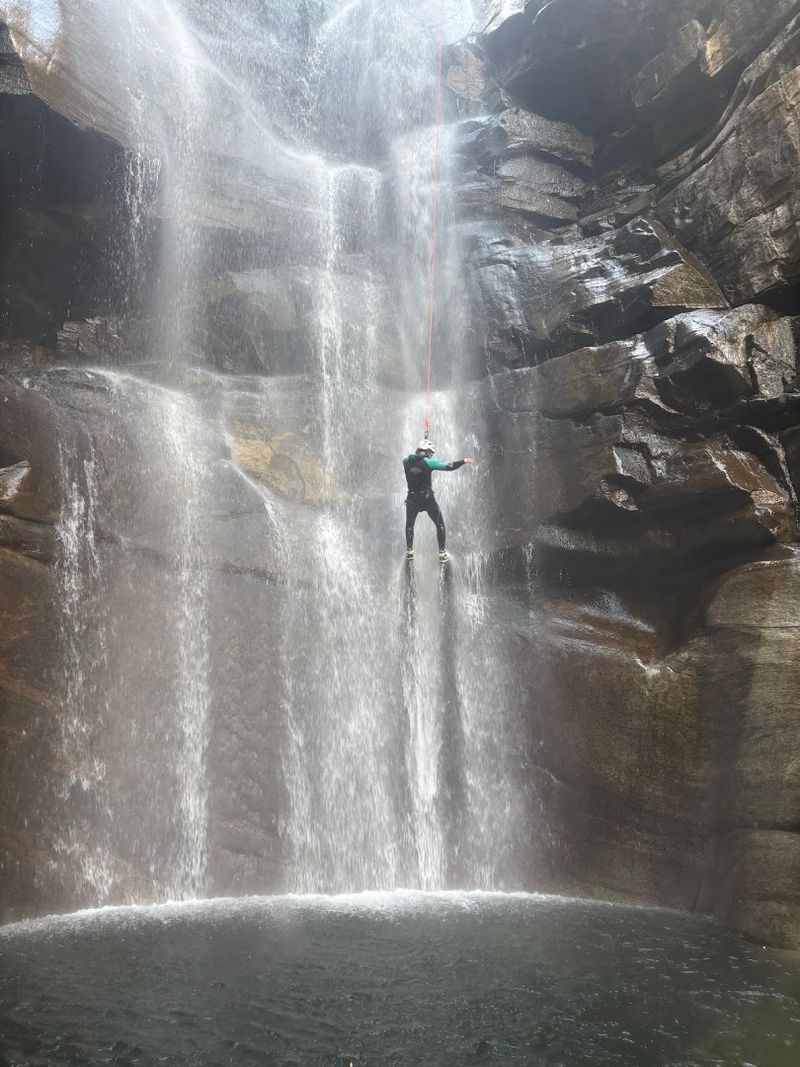
Canyoning is what happens when hiking, climbing, swimming, and cliff jumping all decide to happen at the same time — and the Swiss Alps provide arguably the best setting on Earth for it. Narrow gorges carved by glacial meltwater create a playground of waterfalls, natural slides, and crystal-clear plunge pools that are as beautiful as they are challenging.
The Interlaken region is the hub of Swiss canyoning, with gorges like Chli Schliere and Saxeten offering routes for different skill levels. Beginners can tackle shorter, more straightforward canyons, while experienced adventurers can access technical descents involving long rappels and powerful waterfall jumps.
Every section of the canyon brings something new — a tight squeeze, a rushing chute, a drop into a turquoise pool.
Wetsuits, helmets, and harnesses are provided by operators, and guides lead every group through the route safely. The water is cold year-round, but the wetsuit handles it.
The real challenge is the mental game — committing to a jump or a rappel when your instincts are screaming otherwise. That moment of commitment, followed by the rush of the water and the cheers of your group, is what makes canyoning so addictive.
Switzerland wraps all of that in some of the most stunning alpine scenery imaginable, making it a genuinely world-class outdoor experience.
Share this story