 Unearth The Voyage
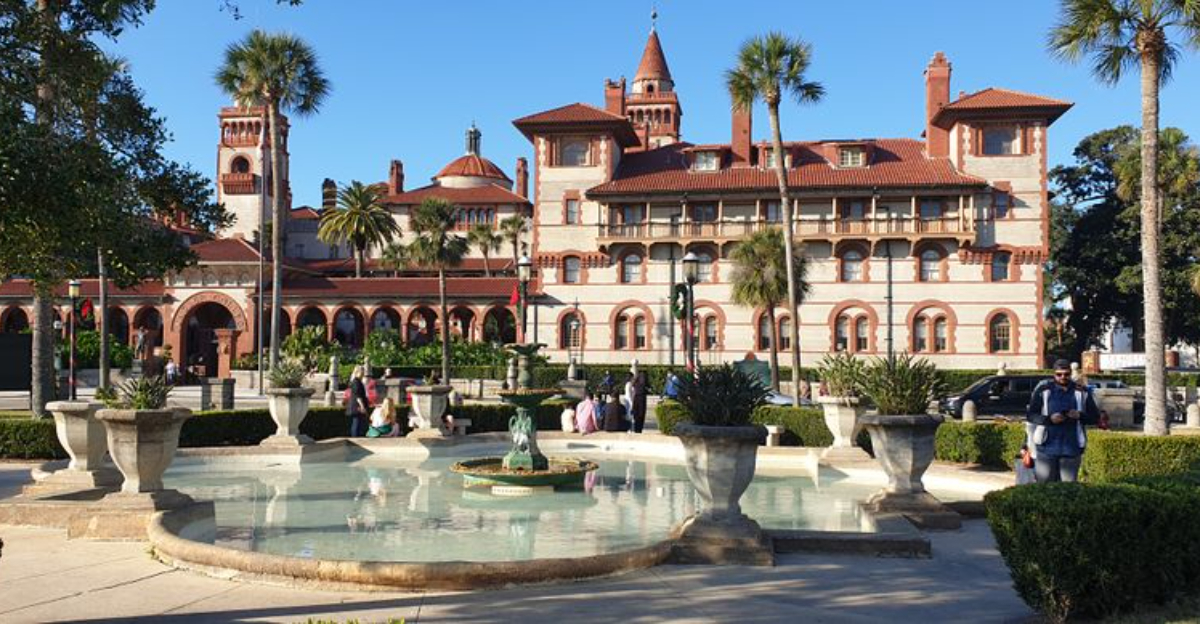
Love places where the past feels close enough to touch. These timeless American towns invite you to slow down, wander, and let history whisper from cobblestones and porch rails. Expect lantern-lit streets, creaking floorboards, and stories told over iron balconies and wooden counters. Ready to step through the doorway of another century.
St. Augustine, Florida
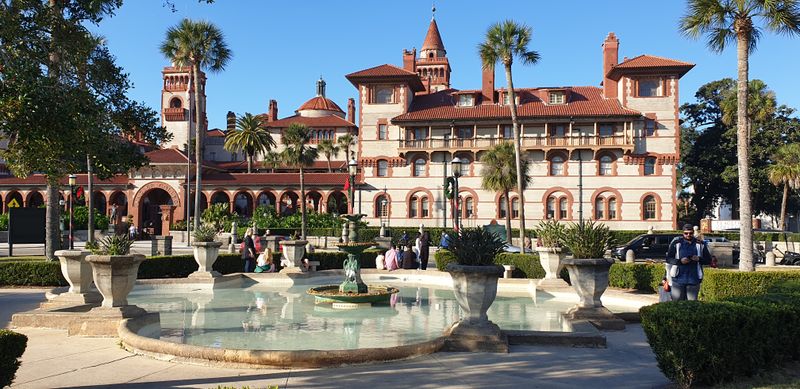
Walk St. Augustine and the centuries seem to fold around your shoulders. Spanish colonial facades lean over cobblestone lanes, and wrought-iron balconies lace the air with shadows. You pause at the plaza, listening to horse hooves and gulls, while the breeze carries a briny whisper from Matanzas Bay.
Then the coquina walls of the Castillo de San Marcos appear like a time machine anchored in stone. Guides trace cannon embrasures and trade routes, and you feel history tug at your sleeve. Chapel bells, mission courtyards, and narrow alleys stitch a living tapestry that rewards every turn.
Duck into a museum, then step into a tavern where old wood creaks like a friendly greeting. With every doorway, you sense layers of explorers, artisans, and resilient townsfolk. Stay past sunset to watch lantern light gild balconies and make the past feel astonishingly present.
Williamsburg, Virginia
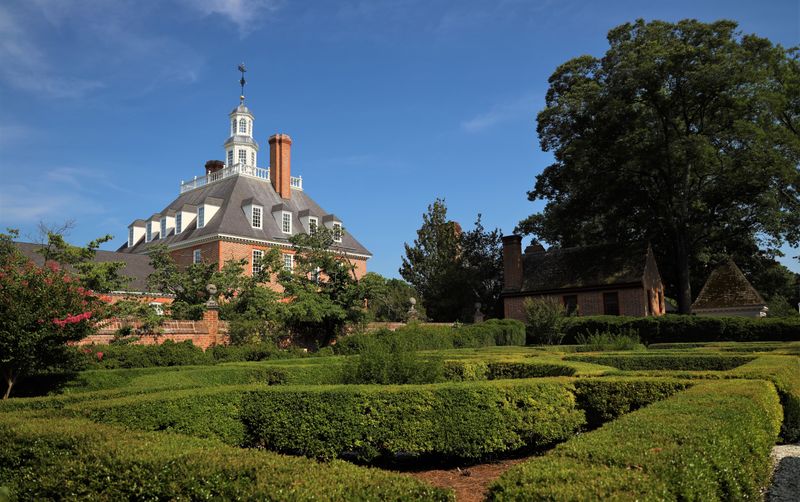
Colonial Williamsburg lets you slip into the 18th century without leaving your sneakers. Along Duke of Gloucester Street, costumed interpreters trade news, and a blacksmith hammers sparks that dance like fireflies. You wander from clapboard shops to brick taverns, hearing stories that land with human warmth.
Inside the Governor’s Palace, polished banisters catch the light while politics echo from paneled rooms. Outside, oxen rumble and apprentices practice crafts that still smell of wood smoke and oil. The cadence of everyday colonial life comes alive in gestures, tools, and carefully restored spaces.
You ask questions, and the era answers in plain speech and ringing steel. Taste hearth-baked bread, then step onto greens where debates once sharpened the air. By sunset, candlelit windows turn the town into a stage where early America performs without pause.
Galena, Illinois
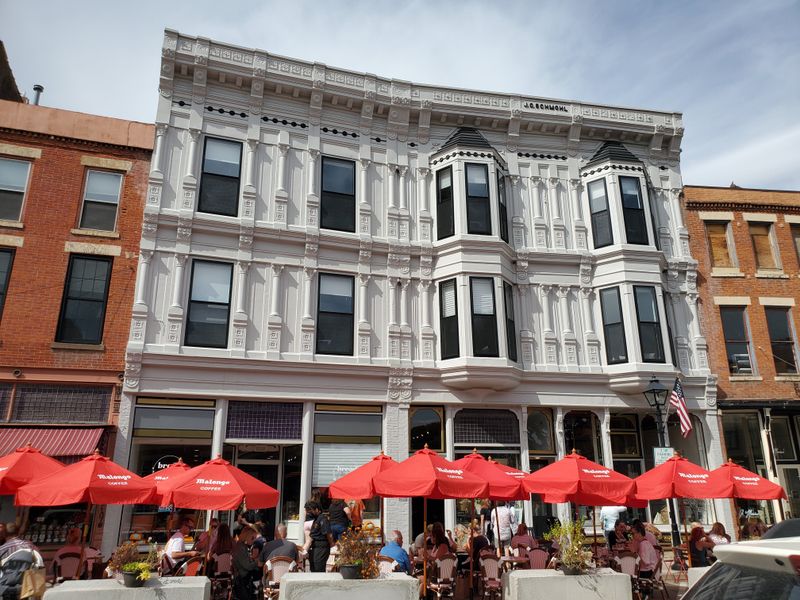
Galena rolls out a Victorian dream along a river bend, brick by proud brick. Main Street flows with ornate cornices, old window glass, and storefronts glowing like heirlooms. You linger over antiques, then spot period signage that feels authentically worn, not staged.
Climb toward the Ulysses S. Grant Home and feel the Civil War brush past quietly. The town’s historic district, carefully protected, keeps its silhouette cohesive and serene. Every alley and staircase seems to promise another century hiding in plain sight.
When the late sun warms those red bricks, time slows to a neighborly pace. Grab coffee, trace cast-iron details with your eyes, and let your footsteps sync with the town’s older rhythm. Galena does not shout its history. It invites you to listen closely.
Harpers Ferry, West Virginia
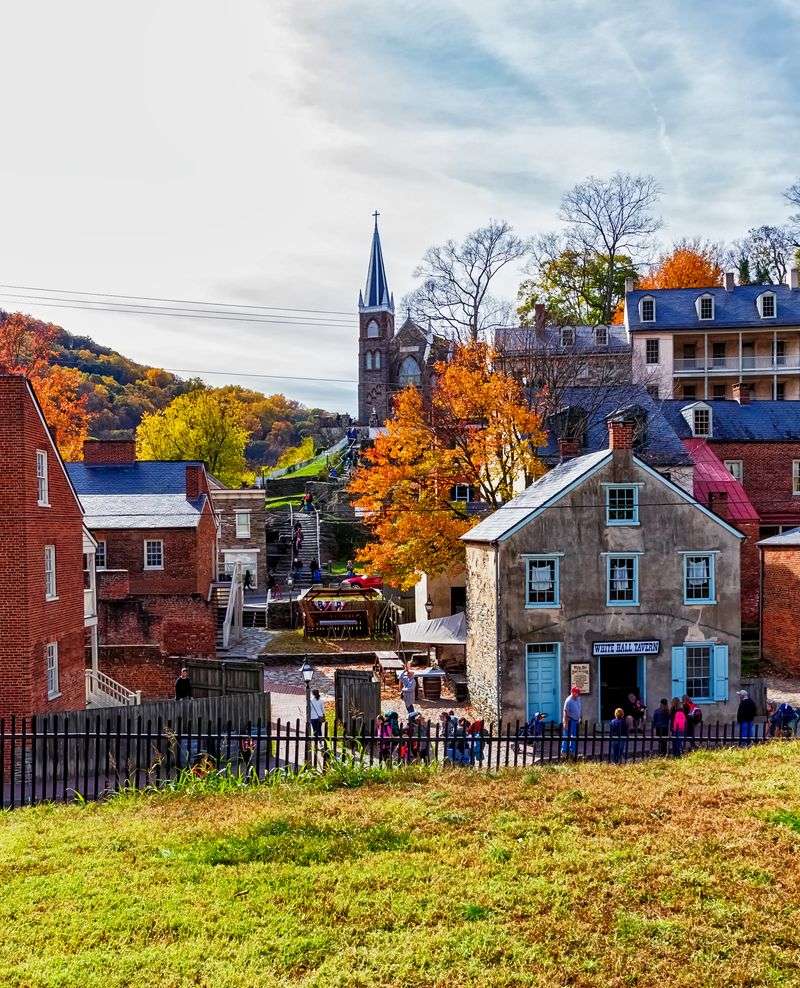
Harpers Ferry clings to the rocks where two rivers meet, a crossroads carved by water and history. Stone buildings and cobbled streets lean into the hillside, their windows reflecting currents of the past. You feel frontier grit and 19th-century urgency in every stair-step lane.
Museums recount John Brown’s raid with stark clarity, and the national historical park frames it all. Rangers speak softly, yet the stories ring loud. Walk a canal path, cross a rail bridge, and the landscape becomes a living chapter.
As mist lifts, steeples and brick glow like newly found artifacts. You trace faded paint on doors and imagine shopkeepers sweeping thresholds before dawn. Harpers Ferry rewards slow feet and sharp curiosity, revealing layers that time chose to keep.
Natchitoches, Louisiana
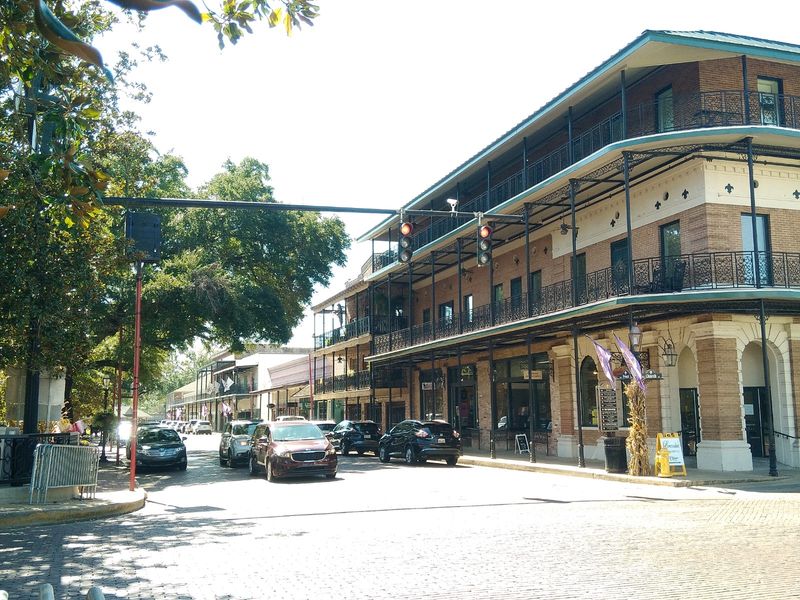
Natchitoches wraps you in oak shade and Creole charm the moment you arrive. Wrought-iron balconies lace over brick sidewalks, and storefronts glow with the comfort of long memory. Down by the Cane River, reflections shimmy like ribbons on old lace.
Founded in 1714, the town’s Creole townhouses and galleries echo frontier trade and French influence. Step into the oldest general store and hear the bell sing a friendly, steady note. Seasonal festivals stir the air with music, pralines, and tradition.
You wander past pastel shutters and pause to read plaques like letters from ancestors. History lives in the cadence of voices and the scuff of shoes on worn thresholds. By twilight, lights string across the riverfront and you feel time soften its edges.
Ninety Six, South Carolina
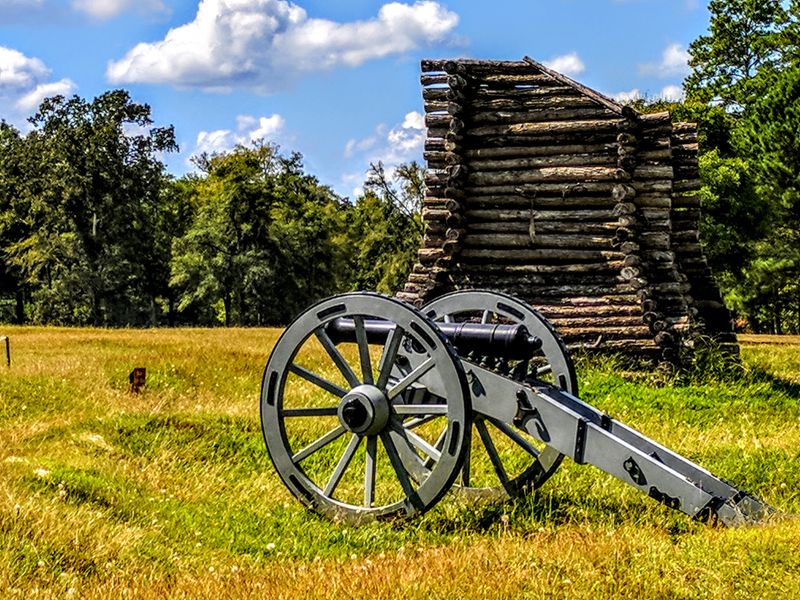
Ninety Six looks quiet, but the ground remembers the thunder of a Revolution. The star fort’s earthworks trace sharp lines against pine and sky, a geometry of resolve. You follow boardwalks and trails where messengers once ran with breathless urgency.
Interpretive signs unfold the siege in simple, gripping terms, and you can almost hear commands. The historic district extends the narrative through preserved structures and artifacts. Step near the palisade outlines and let imagination fill in timber and grit.
There is dignity in the hush here, a respectful pause in modern pace. Birdsong threads through the trees as you map old tactics with present steps. When you leave, you carry the shape of the fort in your mind like a compass.
Jonesborough, Tennessee
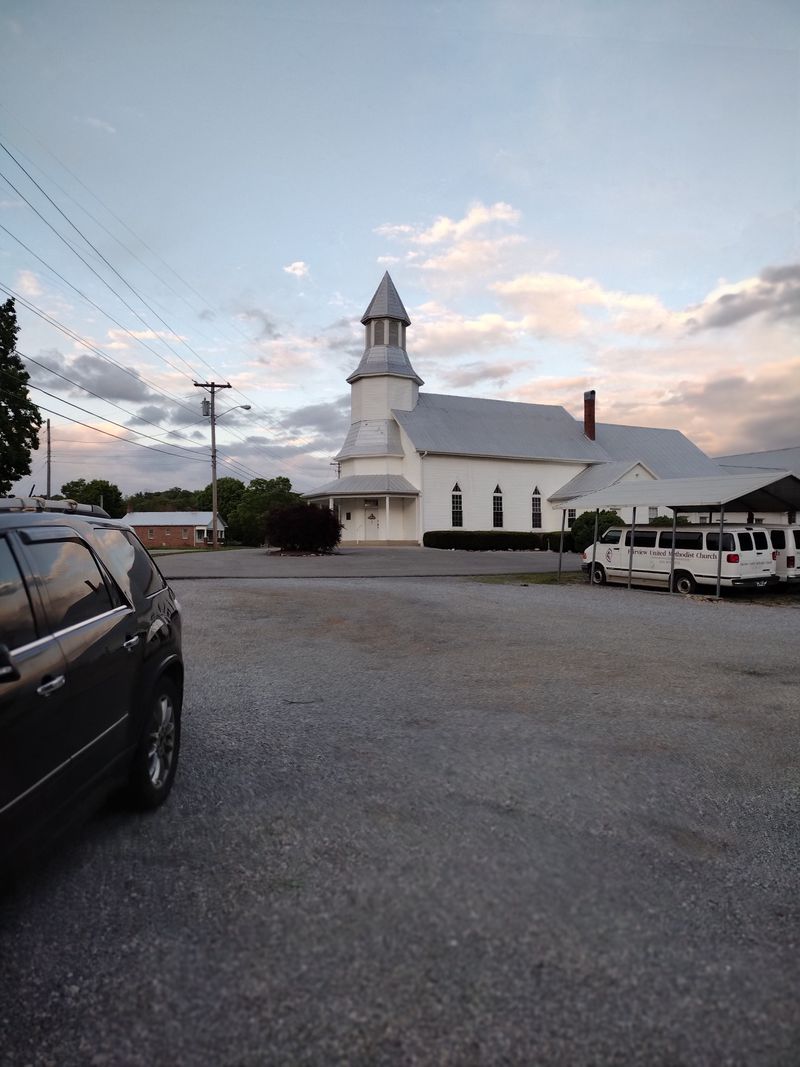
In Jonesborough, Tennessee’s oldest town, stories travel faster than cars. Brick sidewalks flank clapboard facades, and a white cupola lifts the skyline like a friendly wave. You wander from porch to porch, reading history in paint and porch rails.
The International Storytelling Center anchors a tradition that feels older than newspapers. Step inside and hear voices fold time like a quilt. You leave carrying a tale or two, stitched with humor, struggle, and neighborly grace.
Historic homes and a steadfast courthouse keep the 18th-century heartbeat audible. Cafes and galleries hum softly, careful not to drown the past. In Jonesborough, you do not chase history. It strolls beside you and keeps good company.
Mackinac Island, Michigan
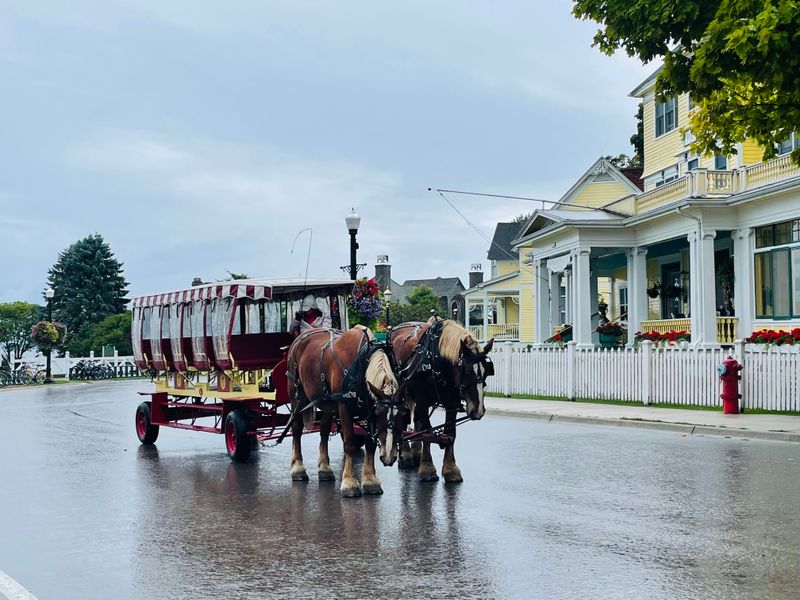
No cars, no hurry, just hoofbeats and the soft whir of bicycle wheels. Mackinac Island greets you with lilacs, Victorian hotels, and Lake Huron shining like polished glass. You inhale fudge-sweet air and immediately loosen your grip on time.
Carriages roll past gabled porches while bellboys tip caps like a practiced chorus. Wooden boardwalks and clipped lawns make every corner feel postcard neat. The island’s ban on automobiles lets conversation and lake breezes carry the day.
Ride the perimeter, pause at Arch Rock, then coast back into town with wind-cooled cheeks. As lamps flicker on, the Grand Hotel’s porch stretches like a promise. Mackinac shows how stillness can move you farther than any engine.
Historic Triangle, Virginia
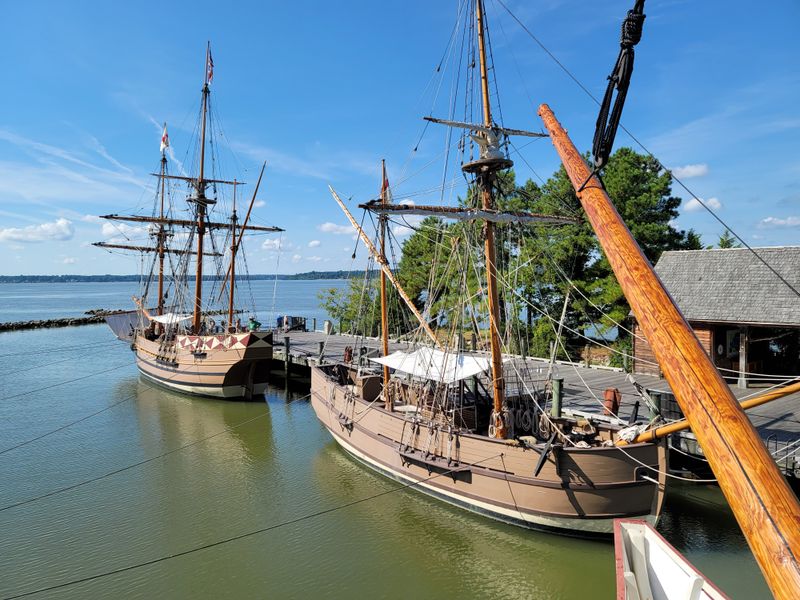
Link Williamsburg with Jamestown and Yorktown, and you get a powerful braid of memory. Timber palisades and archaeological pits sketch Jamestown’s fragile beginnings. Cannons and earthworks around Yorktown recall the moment a new nation found its footing.
In between, Colonial Williamsburg ties daily life to policy with streetside clarity. You can trace a path from hearth to battlefield in a single day. Conversations with interpreters make the leap between sites feel natural and human.
Drive short distances yet cross long centuries, guided by honest details and careful preservation. Each site sharpens the others, turning the Triangle into a living syllabus. By dusk, you feel less like a visitor and more like a witness.
Boerne, Texas
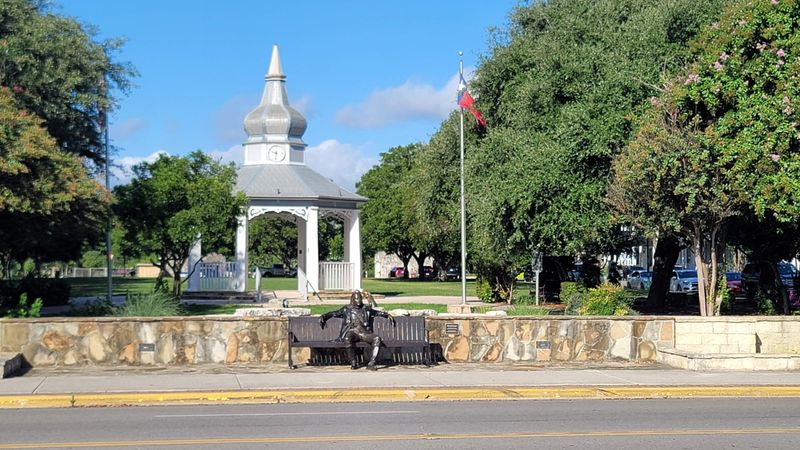
Boerne carries Hill Country sun on limestone shoulders, a German-settled town with easy grace. Along Main Street, stone storefronts and shaded porches keep heat and haste at bay. You browse under tin awnings while church bells keep a steady beat.
Listen for polka notes during festivals, and taste pastries that remember older kitchens. Historical markers sketch pioneers, merchants, and ranch hands into the present. The blend of heritage and hospitality feels neither forced nor fussy.
When evening softens the oaks, the street glows like a long conversation. You settle into a patio chair and let stories come to you. Boerne’s past is not in a glass case. It lives outdoors and shakes your hand.
Granville, Tennessee
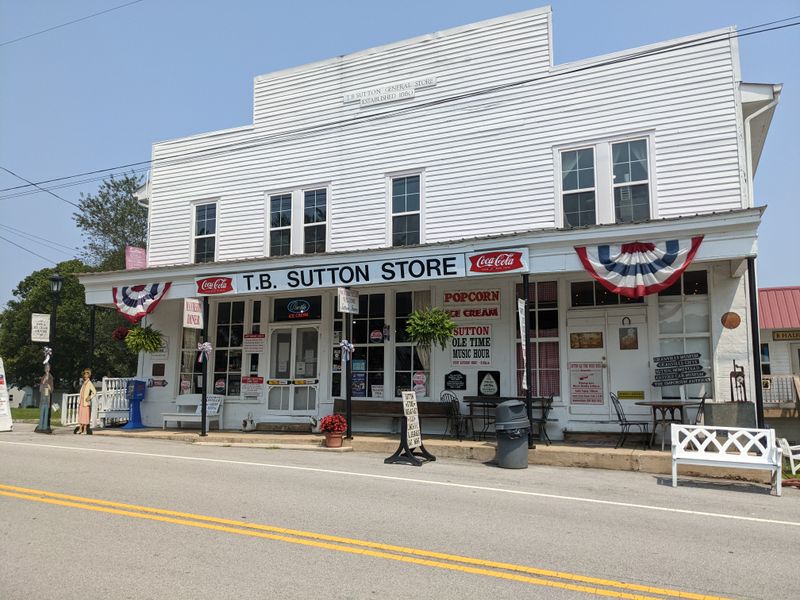
Granville is the kind of small town that makes you exhale. Old storefronts line a tidy street, and a general store smells like wood, coffee, and conversation. You can hear a screen door sing on its hinge as visitors wander in.
At the Pioneer Village, a blacksmith coaxes shape from fire while stories loop around the anvil. Museums tuck riverboat lore into glass cases and friendly talks. The nickname Mayberry Town fits because kindness sets the pace here.
Festivals layer on fiddles and quilts, and you drift happily from porch to porch. The buildings hold their years gently, never shouting for attention. Leave with a jar of preserves and a reminder that simple does not mean plain.
Lambertville, New Jersey
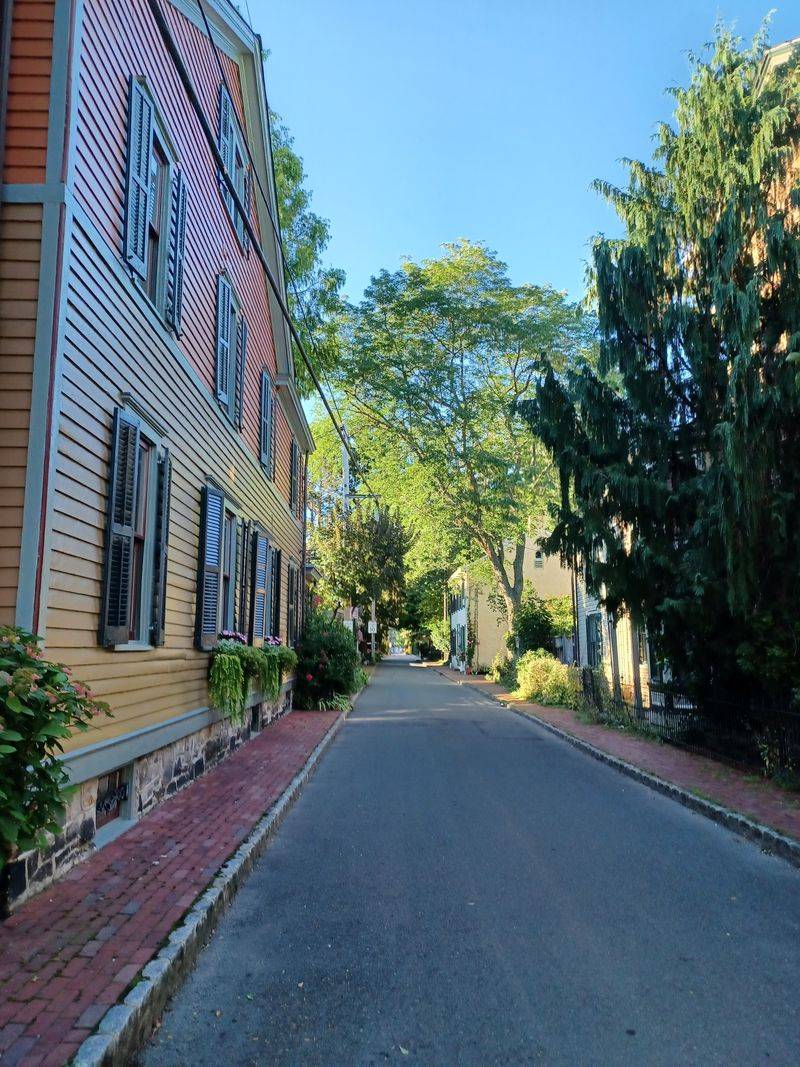
Lambertville moves with artsy poise over Federal foundations and Victorian flourishes. Antique shops spill treasures onto sunny sidewalks, and windowpanes shimmer with wavy glass. A restored depot anchors tales of arrivals, departures, and second chances.
Founded in 1705, the town wears its age like a tailored coat. Galleries, coffeehouses, and leafy blocks invite slow browsing. Cross-street views angle toward the Delaware, where light ricochets off ripples.
You trace brick patterns with your eyes and feel history in your stride. Past and present collaborate here, not compete. By evening, café bulbs glow and voices blend like a favorite record left on repeat.
Williams, Arizona
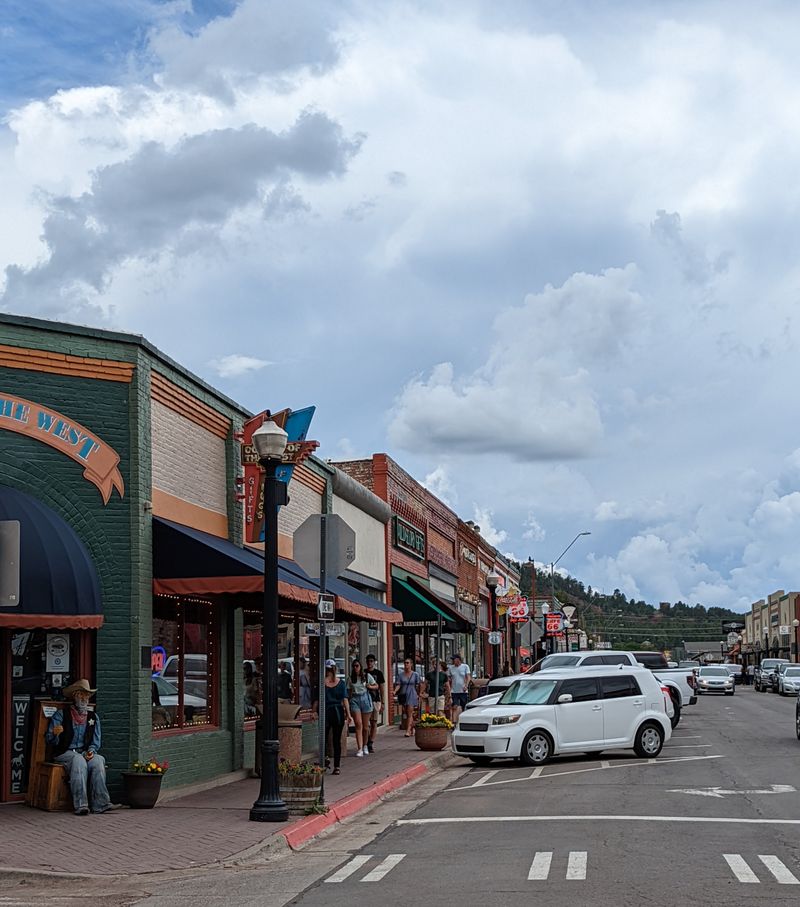
Williams rides the bright neon of Route 66 like a saddle that still fits. Classic diners steam up windows, and vintage cars idle with photogenic swagger. You catch a Wild West reenactment as the sun paints the street in amber.
Storefronts mix spurs, postcards, and pie in easy harmony. The Santa Fe rail whistle threads through conversations, pointing north toward the canyon. Nights hum with jukebox tunes and the easy swing of door saloons.
Order a milkshake, lean on a chrome stool, and swap stories with someone who remembers. The town keeps yesterday polished without sanding off its grit. In Williams, nostalgia is not performative. It is the daily rhythm you step into gladly.



