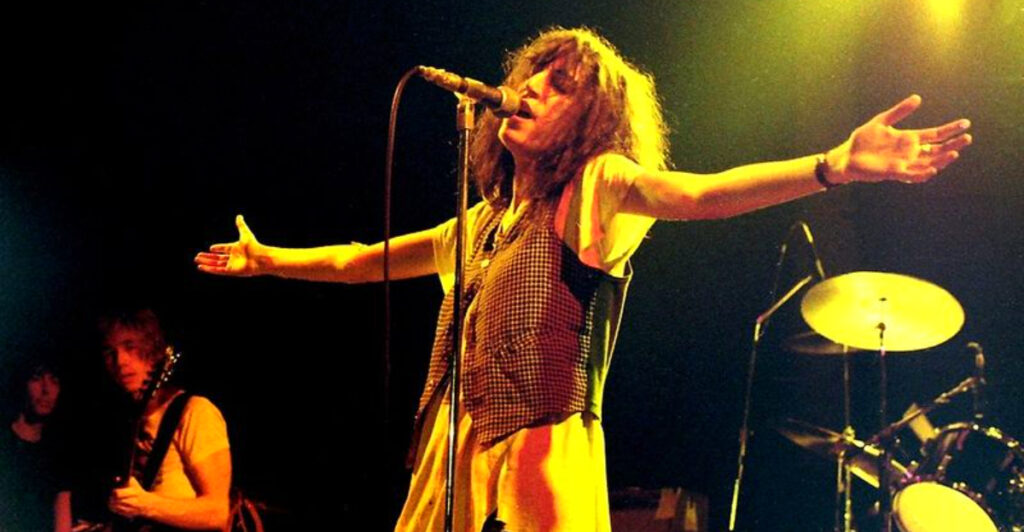
Summer 1978 was a remarkable moment in rock history, when FM radio was king and concerts in massive outdoor venues were selling out faster than ever. Arena rock had fully arrived as a genre, blending hard-driving guitar riffs with radio-friendly hooks that could fill stadiums and top charts at the same time.
That summer produced a remarkable collection of songs that crossed generational lines, appealed to both casual listeners and devoted fans, and shaped how rock music would sound for the next decade. The 13 songs covered here represent the best of what that season had to offer, from power ballads to hard-charging anthems, each one leaving a mark on the cultural landscape of the late 1970s.
1. Miss You by The Rolling Stones
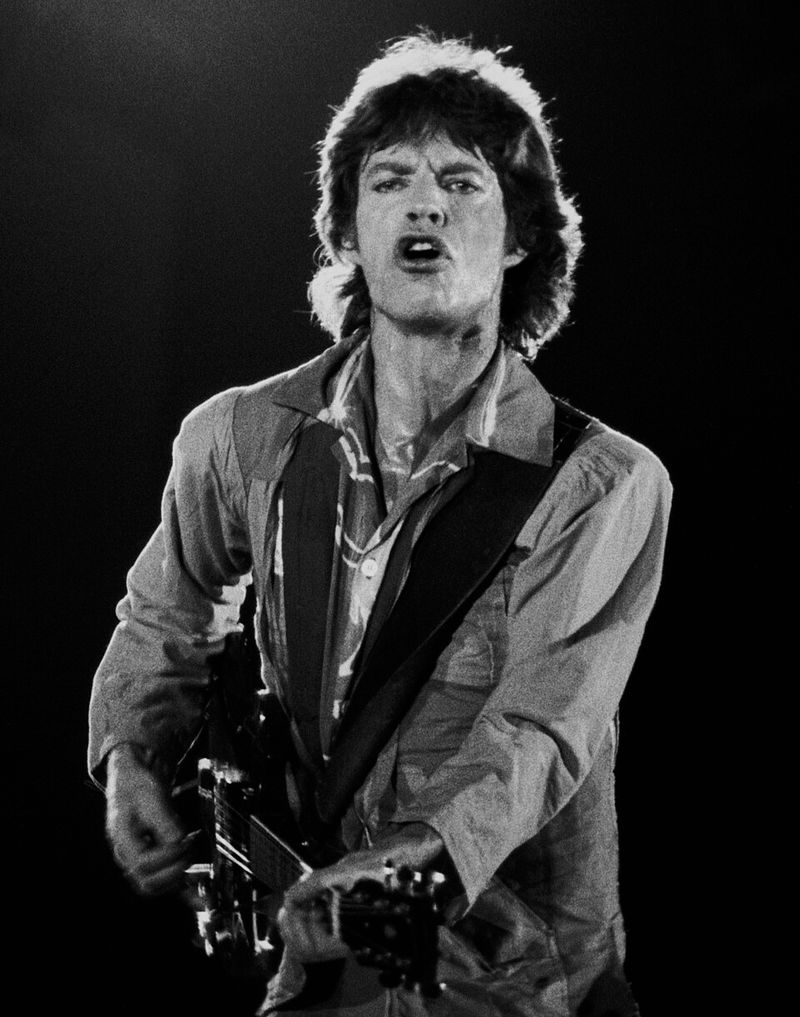
By the time May 1978 arrived, the Rolling Stones were already one of the biggest acts in rock history, but “Miss You” showed they weren’t done evolving. The track leaned into the disco-influenced rhythms that were dominating dance floors while keeping the raw edge that defined the band’s identity.
It became their eighth No. 1 single in the United States, a remarkable achievement for a band already 15 years into their career. Radio programmers loved how it bridged the gap between rock audiences and the dance-floor crowd that was growing rapidly in 1978.
The accompanying Some Girls album became one of their best-selling records, and the summer tour that year drew massive crowds. “Miss You” proved that established rock acts could adapt to changing musical trends without abandoning what made them great in the first place.
2. Hot Blooded by Foreigner

Foreigner had only been together for two years when “Hot Blooded” hit radio stations in the summer of 1978, but the song sounded like the work of veterans who had been playing arenas for a decade. Lou Gramm’s vocals cut through the mix with authority, and Mick Jones’s guitar work gave the track a sharp, driving energy that radio programmers couldn’t ignore.
The song reached No. 3 on the Billboard Hot 100 and became one of the defining rock singles of the year. It was part of the Double Vision album, which went on to sell over seven million copies in the United States alone.
Concert crowds responded to the song with immediate enthusiasm, making it a fixture of live setlists almost from the moment of release. Few rock songs from that summer matched its combination of raw power and polished production.
3. Baker Street by Gerry Rafferty
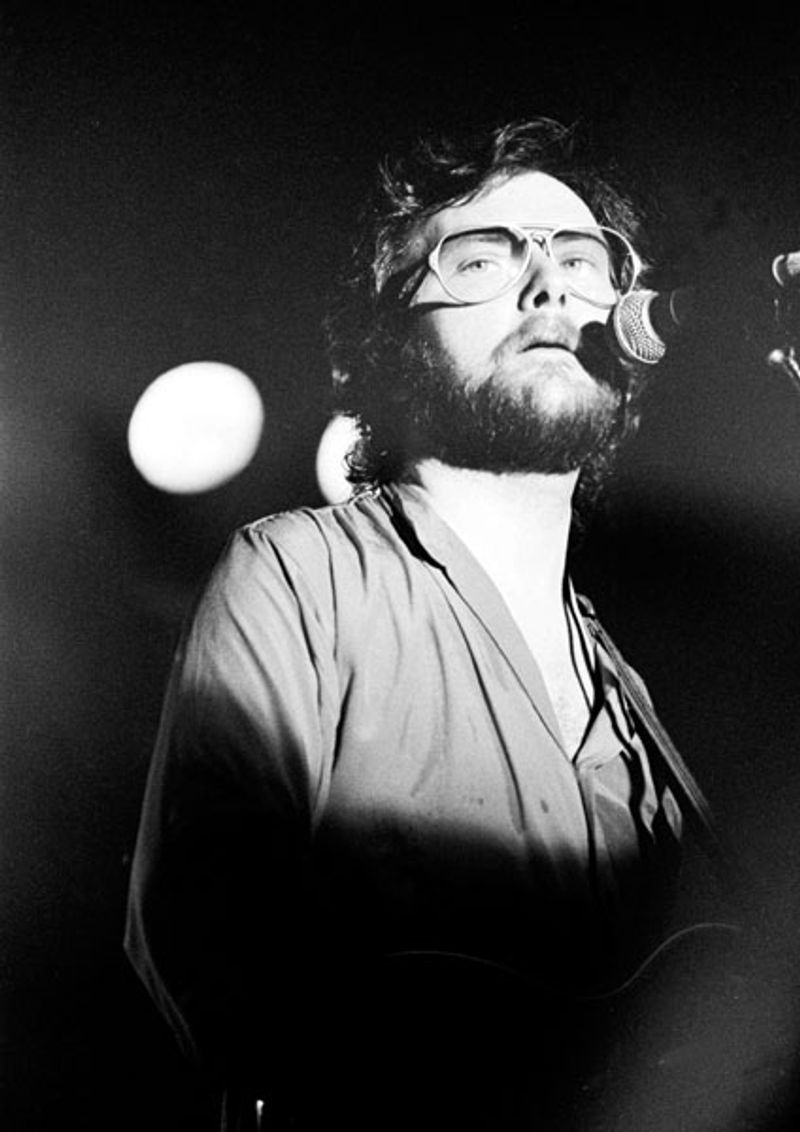
Few instrumental hooks in the history of pop music are as instantly recognizable as the saxophone line that opens “Baker Street.” Raphael Ravenscroft played that riff in a single session, and it turned a thoughtful rock song into one of the biggest hits of 1978, reaching No. 2 on the Billboard Hot 100.
Gerry Rafferty had spent years navigating contract disputes and industry frustrations before City to City gave him a long-overdue commercial breakthrough. The lyrics reflected those real struggles, describing a man stuck between ambition and the grind of everyday life in a city that doesn’t slow down for anyone.
Though Rafferty wasn’t a typical arena-rock performer, the song’s scale and production made it feel perfectly suited for large speakers and open highways. It remained in heavy rotation on FM rock stations throughout the entire summer season.
4. Life’s Been Good by Joe Walsh

Joe Walsh had a rare gift for making rock music feel like a running joke with a killer punchline, and “Life’s Been Good” was his best example. Released in 1978 as part of the But Seriously, Folks album, the track ran nearly nine minutes in its full version and poked fun at the absurdities of rock stardom with lyrics about losing cars, forgetting mansions, and traveling everywhere without knowing where you are.
FM radio stations embraced both the edited single and the longer album cut, making it one of the most-played songs of the summer. Walsh was also a member of the Eagles at the time, which gave the song additional mainstream visibility.
Guitar enthusiasts appreciated the technical skill underneath the humor, and casual listeners simply enjoyed the laid-back groove. It was one of those rare songs that worked equally well blasting from a car radio or filling an arena.
5. Two Out of Three Ain’t Bad by Meat Loaf
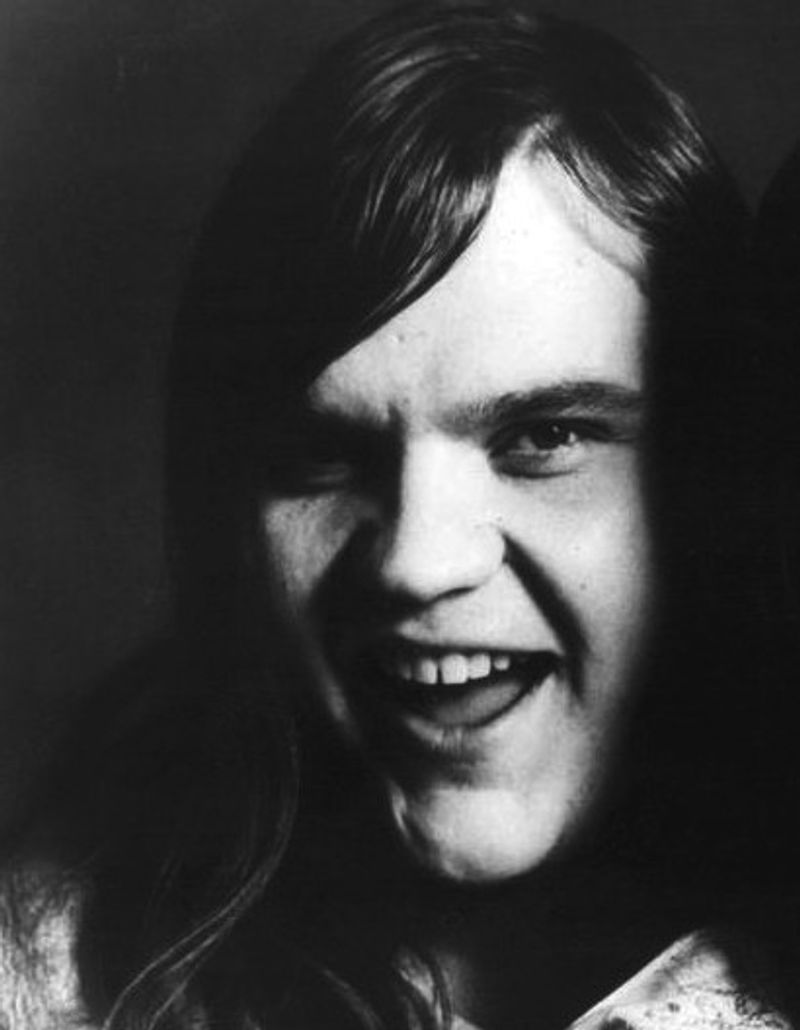
Bat Out of Hell was already one of the most talked-about debut albums in rock history when it arrived in 1977, and “Two Out of Three Ain’t Bad” became its biggest chart success, peaking at No. 11 on the Billboard Hot 100 in early 1978. The song stayed in heavy rotation well into the summer as the album continued its extraordinary commercial run.
Producer Jim Steinman wrote the track with the theatrical ambition that defined the entire album, building from a quiet piano intro into a full-scale rock production. Meat Loaf’s delivery was earnest and larger-than-life, which fit the song’s dramatic emotional arc perfectly.
Radio programmers appreciated that the song offered emotional weight in an era when rock radio was often dominated by straightforward hard rock. Listeners who had never attended a rock concert found themselves fully invested in the story being told.
It was arena rock with genuine storytelling at its core.
6. Magnet and Steel by Walter Egan
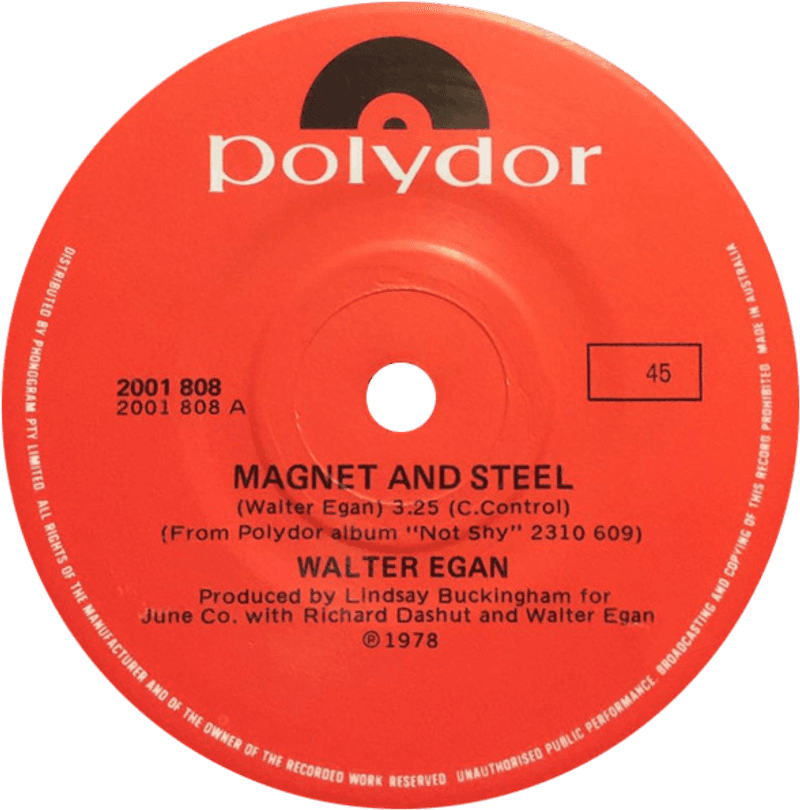
Not every summer hit in 1978 came from an established superstar, and “Magnet and Steel” proved that a well-crafted song with the right collaborators could compete with anyone on the charts. Walter Egan had been a respected figure in the Los Angeles music scene, but this track gave him his biggest commercial moment, reaching No. 8 on the Billboard Hot 100.
Fleetwood Mac’s Lindsey Buckingham produced the record, and Stevie Nicks contributed backing vocals that added a recognizable warmth to the chorus. Those connections gave the song a polished sound that fit comfortably alongside the biggest rock records of the season.
The track’s smooth melody and hook-driven structure made it an ideal fit for the album-oriented radio format that was thriving in 1978. Egan never replicated the commercial success of this song, but its summer chart run remains one of the more charming stories of the era.
7. Runaway by Jefferson Starship
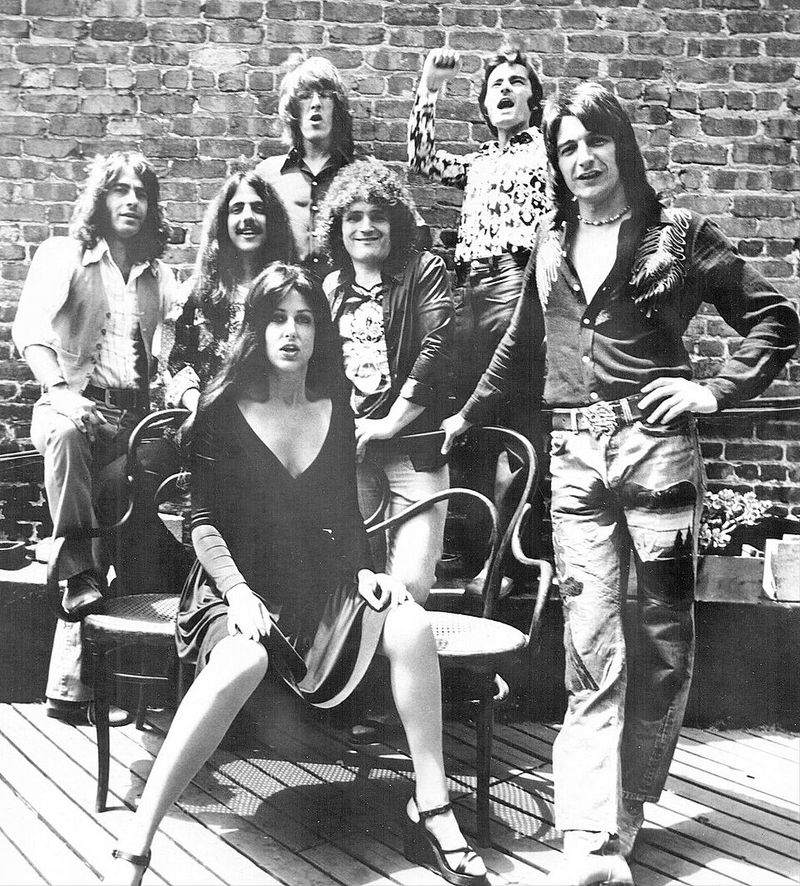
Jefferson Starship had navigated significant lineup changes since their days as Jefferson Airplane, but by 1978 they had settled into a commercially successful arena-rock identity. “Runaway” came from the Earth album and showcased the band’s ability to craft a radio-ready hook without losing the expressive energy of their live performances.
The song reached the Top 12 on the Billboard Hot 100 and became one of the more recognizable rock singles of the summer. Its soaring chorus worked particularly well in large venues, where the band was drawing some of their biggest crowds to date.
Grace Slick’s distinctive presence remained a key part of the band’s appeal, and “Runaway” gave her a strong melodic framework to work within. The track demonstrated how classic rock bands from the late 1960s had successfully transitioned into the album-oriented radio era of the late 1970s without losing their core audience.
8. Still the Same by Bob Seger and the Silver Bullet Band
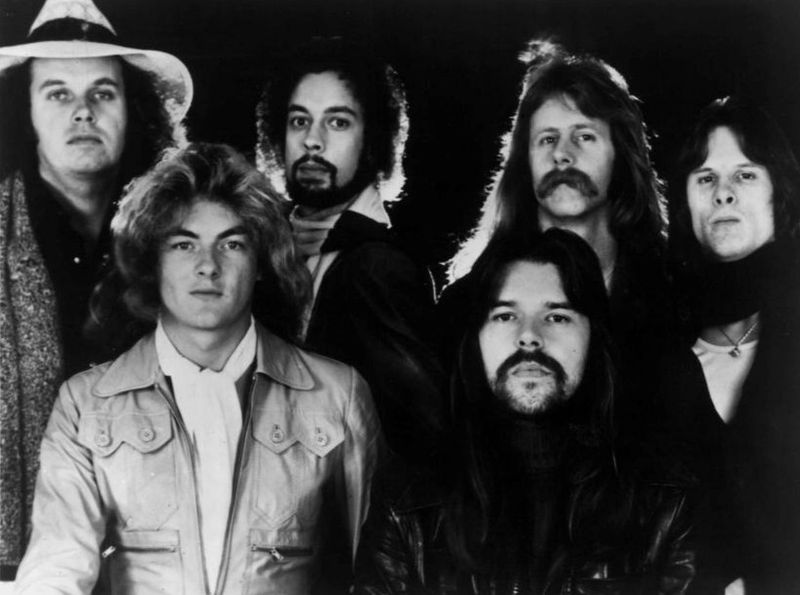
Bob Seger had spent most of the 1970s building a devoted following through relentless touring before Stranger in Town finally delivered the national breakthrough he had been working toward. “Still the Same” was the lead single from that album and reached No. 4 on the Billboard Hot 100 in the summer of 1978.
The song’s storytelling centered on a cool, calculating card player who never lets emotion show, and Seger delivered the lyrics with the kind of understated confidence that made his voice so distinctive. It wasn’t the hardest-rocking track on the album, but it showed his range as a songwriter.
FM radio stations across the country embraced the song immediately, and it helped push Stranger in Town to platinum status within months of release. Seger’s blue-collar appeal connected with audiences who appreciated rock that felt rooted in real experience rather than manufactured glamour.
9. Blue Collar Man (Long Nights) by Styx
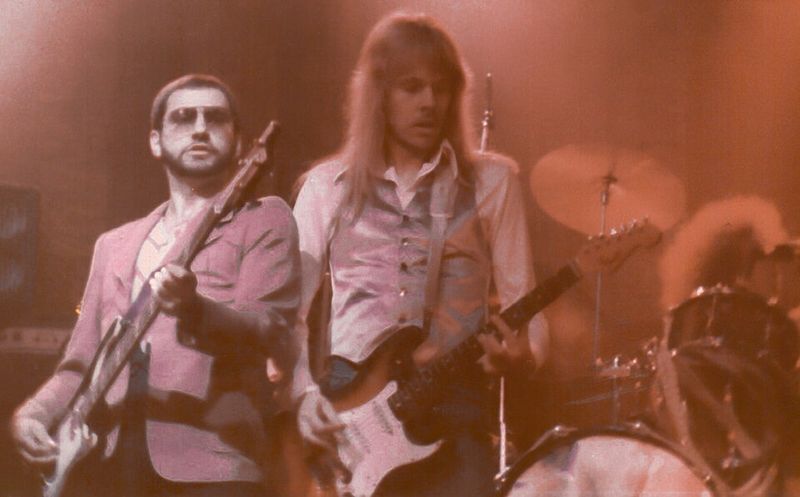
Styx had been building toward arena-rock dominance for several years when “Blue Collar Man (Long Nights)” arrived in the summer of 1978, and the song felt like a statement of intent. Tommy Shaw wrote and sang the track, which depicted the frustration and determination of someone grinding through long hours for a shot at something better.
The working-class theme connected with a wide audience at a time when economic pressures were a real concern for many American households. Shaw’s vocal performance was urgent and direct, backed by the kind of layered guitar and keyboard arrangement that Styx had refined into a reliable formula.
It reached the Top 25 on the Billboard Hot 100 and became one of the most-requested songs on rock radio that summer. The Pieces of Eight album it came from went platinum, confirming Styx as one of the top-tier acts in American arena rock.
10. Wonderful Tonight by Eric Clapton
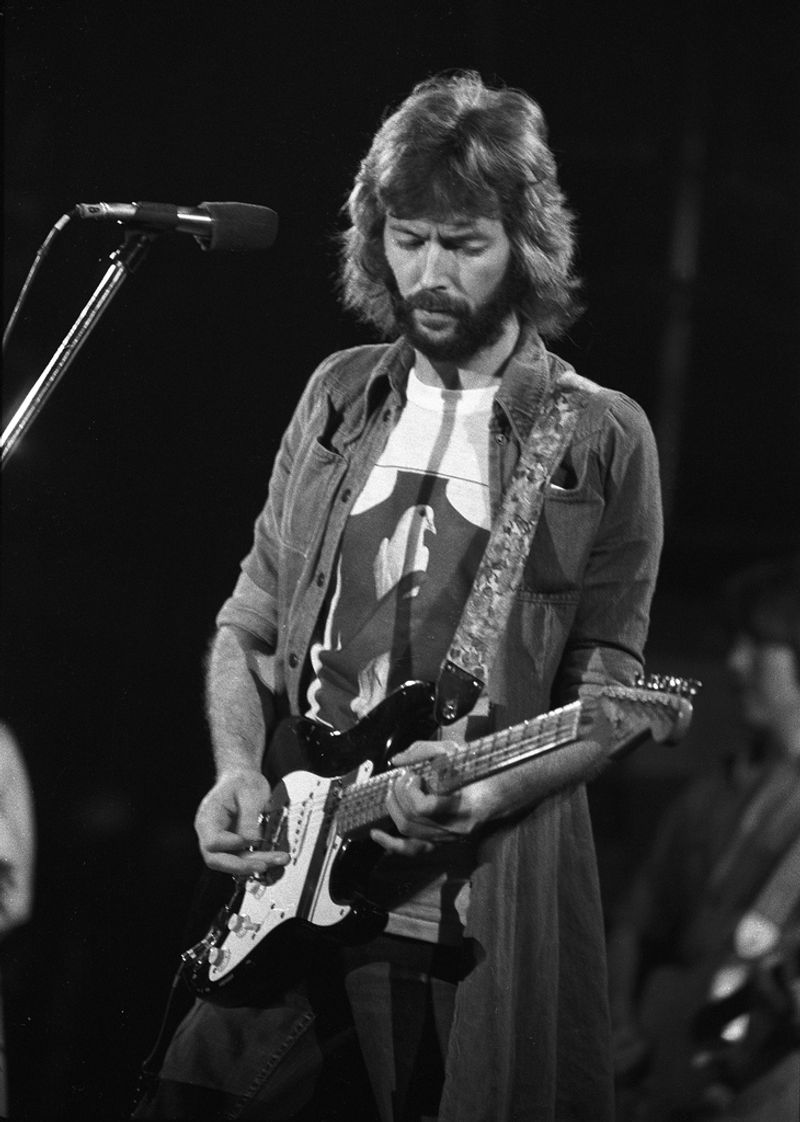
Eric Clapton had been one of rock’s most celebrated guitarists for over a decade when “Wonderful Tonight” became one of the most-played songs on rock radio in 1978. The track was written quickly as a personal note to Pattie Boyd while she finished getting ready for a party, and that simplicity became one of its greatest strengths.
Released from the Slowhand album, which came out in late 1977, the song built steady momentum through the spring and became a summer staple on FM stations. Its acoustic-based arrangement and gentle pace stood apart from the harder-edged tracks dominating rock playlists.
Clapton’s guitar solo was economical and expressive without showing off, which suited the song’s honest tone perfectly. The track has remained a fixture of classic rock radio for decades and is widely considered one of the most accessible songs of his career.
It softened the edges of a sometimes uncompromising rock landscape.
11. Because the Night by Patti Smith Group
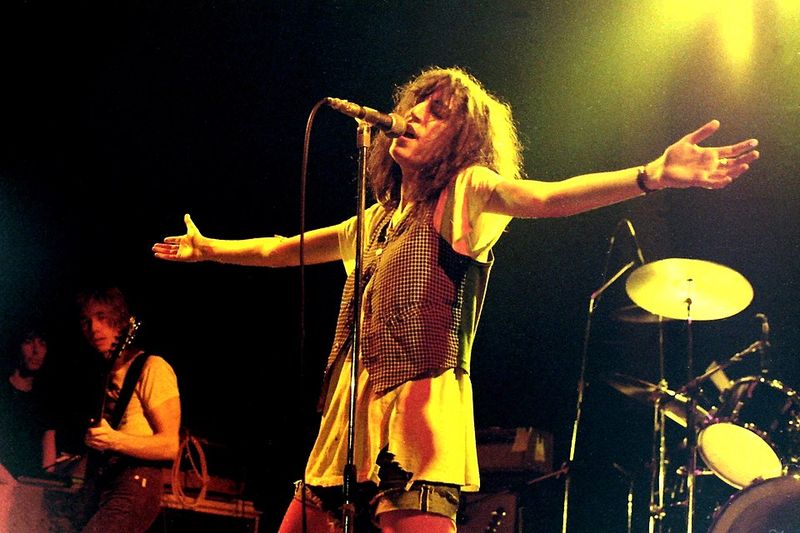
Bruce Springsteen had written the core of “Because the Night” but set it aside before Patti Smith heard it and transformed it into one of the most charged rock singles of 1978. Smith rewrote the lyrics with her own perspective and recorded it with her band, giving the song a raw urgency that Springsteen’s original demo didn’t fully capture.
It reached No. 13 on the Billboard Hot 100, making it Patti Smith’s highest-charting single and introducing her confrontational artistic vision to a much wider audience. The song’s dramatic build and passionate delivery made it a standout even on stations dominated by polished arena-rock productions.
Easter, the album it came from, benefited enormously from the song’s radio success and helped establish Smith as a figure who could operate in both underground and mainstream spaces simultaneously. The collaboration between two of rock’s most distinctive voices produced something genuinely unexpected.
12. Rock ‘n’ Roll Fantasy by Bad Company
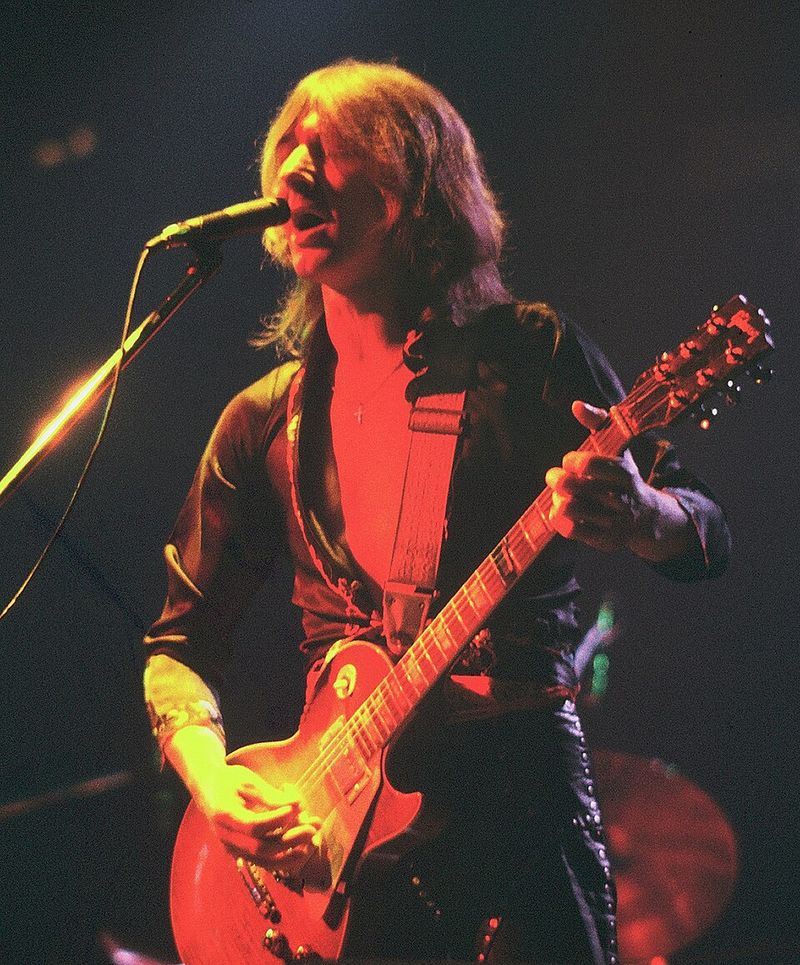
Bad Company had spent the mid-1970s as one of the most dependable acts in hard rock, and “Rock ‘n’ Roll Fantasy” captured something that not many bands could articulate honestly: the genuine connection between performers and the people who show up night after night to hear them play. Paul Rodgers wrote the song from that perspective, and it came across with sincerity rather than self-congratulation.
Released from the Desolation Angels album in early 1978, the track reached No. 13 on the Billboard Hot 100 and stayed in rotation on rock stations throughout the summer. Concert audiences recognized themselves in the lyrics, which made live performances of the song particularly resonant.
Rodgers’s voice remained one of the most powerful instruments in rock, and the song gave him room to demonstrate that range without overplaying it. The track stood as a thoughtful reflection on what rock music meant to the people who built their lives around it.
13. FM (No Static at All) by Steely Dan
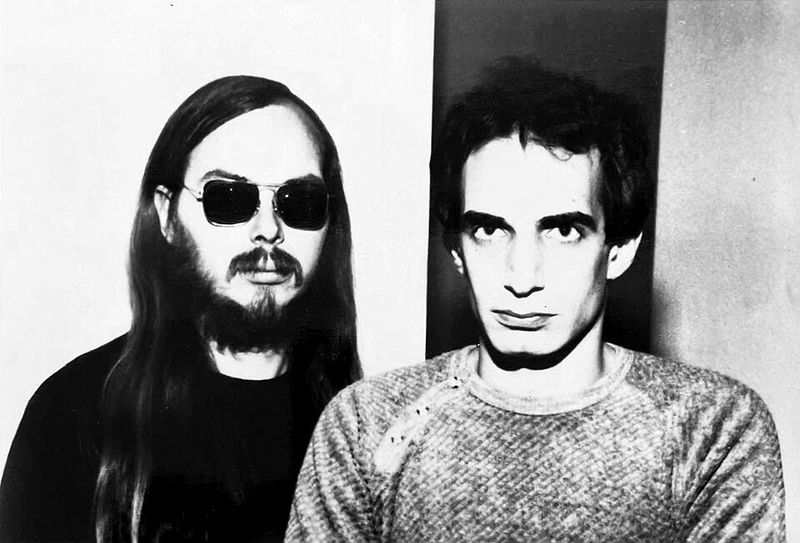
Steely Dan rarely chased commercial trends, but “FM (No Static at All)” arrived at exactly the right cultural moment in 1978. Written for the film FM, a comedy about a rebellious radio station, the song became an anthem for the album-oriented radio format that was reshaping how Americans consumed rock music.
It reached No. 22 on the Billboard Hot 100 and became a fixture on the very FM stations it was celebrating. Walter Becker and Donald Fagen produced the track with their usual studio precision, layering clean guitar tones and polished arrangements over a groove that felt both contemporary and technically impressive.
The song’s self-referential theme gave it a clever edge that suited Steely Dan’s reputation for wit and intelligence. Radio programmers appreciated the irony of playing a song about FM radio on FM radio, and listeners responded to the track’s confident, unhurried cool.
It was a perfect encapsulation of the era’s radio culture.
Share this story