Famous people often seem larger than life, but what happens behind closed doors can be surprisingly different from what the world sees. Many celebrities have carried heavy personal burdens while still delivering smiles, laughs, and unforgettable performances.
Learning about the real lives behind famous faces helps us see these icons as full human beings rather than just characters on a screen or stage. Their stories remind us that fame does not equal happiness, and that even the brightest stars face their own quiet struggles.
1. Robin Williams
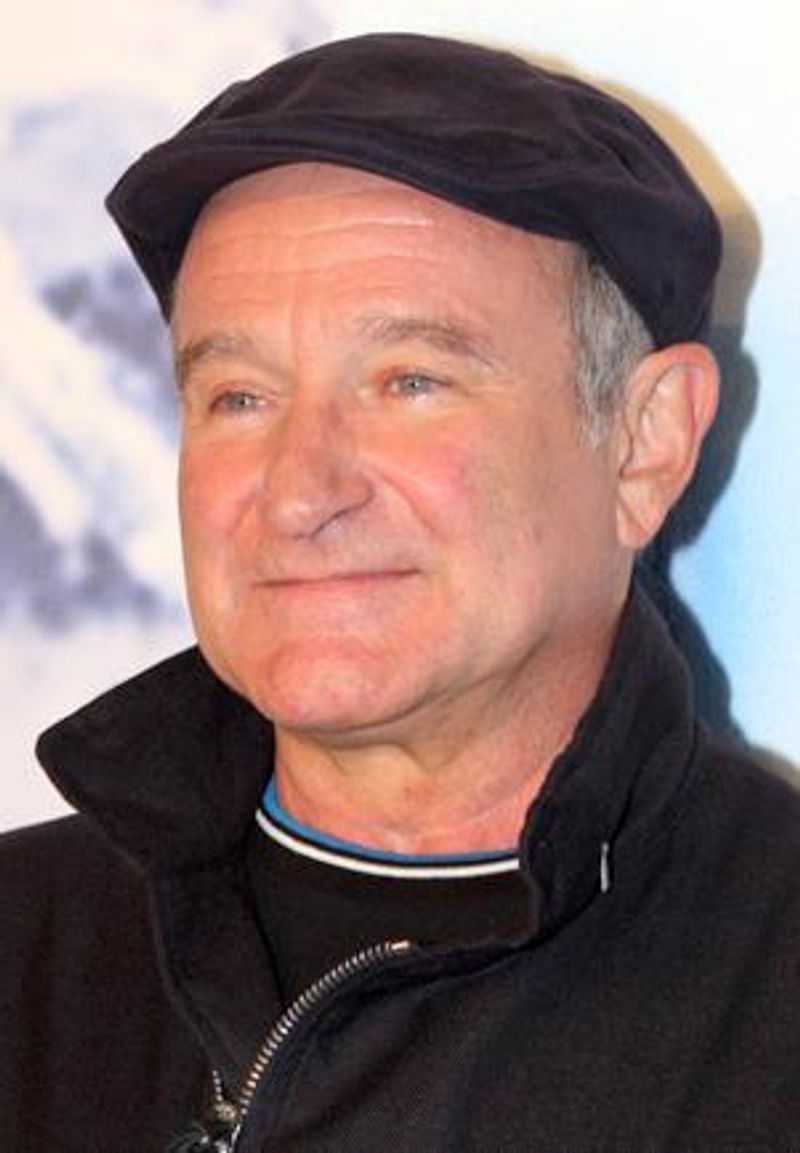
Behind every punchline, there was a person carrying more weight than most people ever knew. Robin Williams was celebrated worldwide as one of the funniest humans to ever live, yet he privately battled severe depression and anxiety for much of his life.
His closest friends described moments where the laughter would stop and a quieter, more fragile man would appear.
Williams was diagnosed with Lewy body dementia shortly before his death in 2014, a condition that affected his brain in ways that made daily life increasingly difficult. His wife, Susan Schneider, later shared that he had been living with confusion and fear in his final months.
The public had no idea how much he was struggling.
His story sparked important conversations about mental health awareness, especially among those who use humor as a coping tool. Sometimes the funniest person in the room needs the most support.
2. Marilyn Monroe
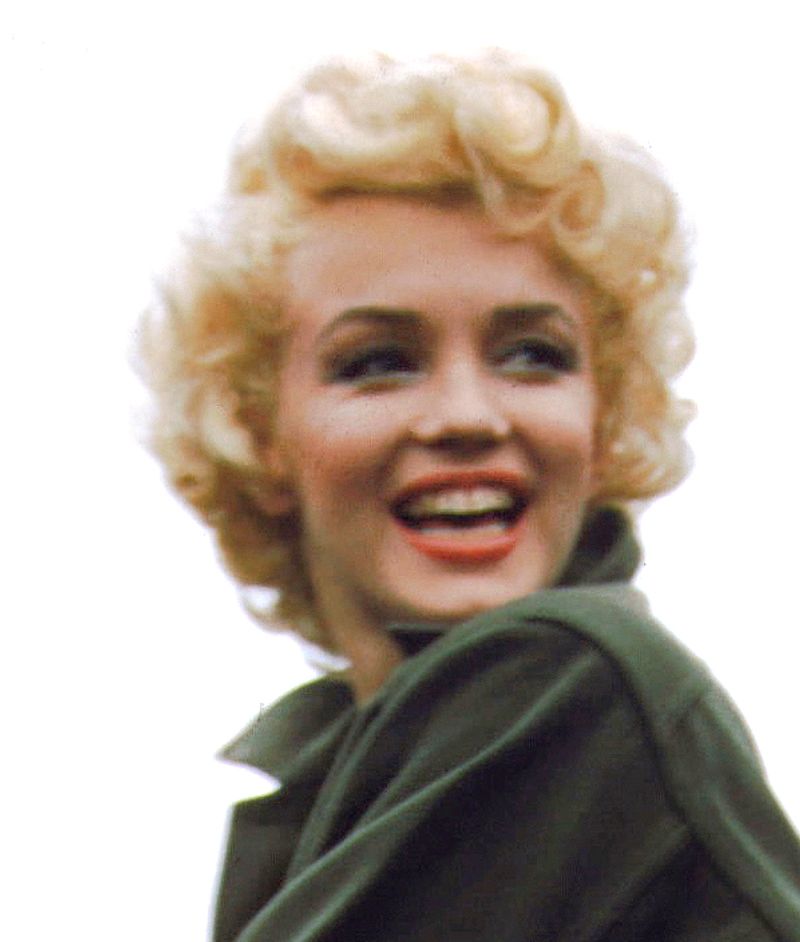
Marilyn Monroe was the world’s most photographed woman, but the person behind those famous images was far more complex than her blonde bombshell image suggested. She read philosophy books, collected art, and once said she wanted to be taken seriously as an actress, not just admired for her looks.
Friends described her as deeply thoughtful and emotionally sensitive.
Monroe struggled with insomnia, anxiety, and a difficult childhood spent largely in foster care. Despite her dazzling public appearances, she reportedly felt lonely and misunderstood by Hollywood’s system.
She sought therapy and worked hard on her craft, even studying at the Actors Studio in New York to sharpen her skills.
Her personal journals, released after her death, revealed a woman searching for meaning and love in a world that only wanted her image. She was so much more than the role the world gave her.
3. Heath Ledger

Most fans remember Heath Ledger as the charming young actor from films like 10 Things I Hate About You, but the real Ledger was far more serious and driven than his easygoing screen presence suggested. When he took on the role of the Joker in The Dark Knight, he reportedly locked himself in a hotel room for weeks to prepare, keeping a character journal filled with dark thoughts and twisted ideas.
His commitment to method acting was intense and all-consuming. Co-stars recalled that he rarely broke character on set, and director Christopher Nolan later described his performance as unlike anything he had ever witnessed.
That kind of dedication came at a personal cost.
Ledger passed away in January 2008 from an accidental overdose of prescription medications. His brilliant final performance earned him a posthumous Academy Award, but it also hinted at the toll his craft had taken on him.
4. Britney Spears

For years, Britney Spears was the face of pop perfection, selling millions of albums and headlining sold-out tours. But behind the sequined costumes and choreographed routines, her life was far from the carefree image her label and management projected.
She was under enormous pressure from a very young age, expected to perform flawlessly while her personal life quietly fell apart.
In 2008, the world watched a very public breakdown unfold, though few understood the full picture at the time. What followed was a legal conservatorship that gave her father and others control over her finances, career, and personal decisions for over 13 years.
She later described the arrangement as deeply controlling and traumatic.
Her 2023 memoir, The Woman in Me, gave readers a raw look at what she endured. Britney’s story changed how many people think about fame, mental health, and the treatment of young women in the entertainment industry.
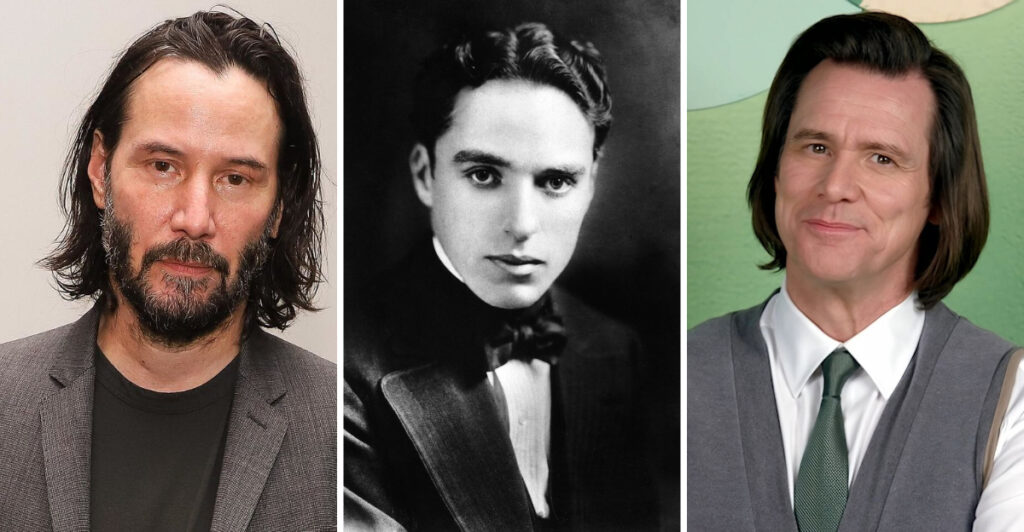
5. Jim Carrey
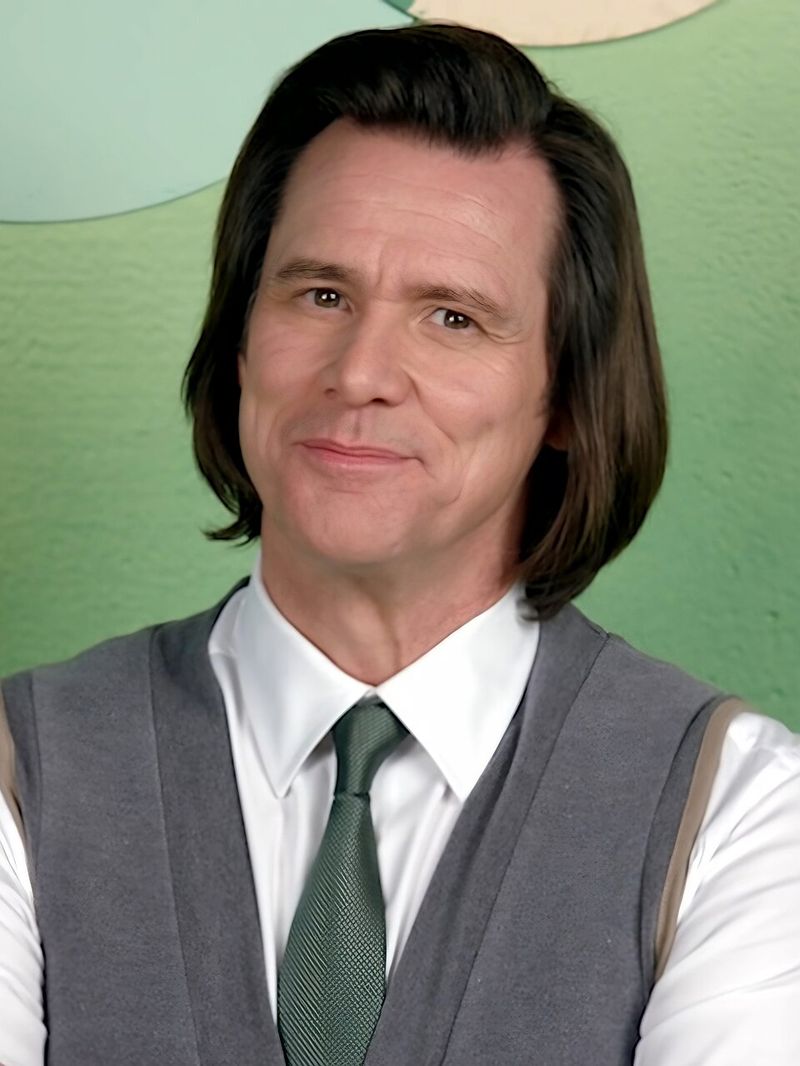
Jim Carrey made the world laugh harder than almost anyone else in the 1990s, but the man behind the rubber face and outrageous characters has long grappled with deep emotional pain. He has spoken openly in interviews about his struggles with depression, describing periods where he felt completely empty despite his enormous success.
For Carrey, the comedy was not just entertainment, it was survival.
Growing up, his family faced serious financial hardship. As a teenager, he worked in a factory to help support them, dropping out of school to do so.
That early instability left a mark that fame and money could not fully erase.
In recent years, Carrey has explored philosophy, spirituality, and painting as ways to process his inner world. He once told an interviewer that he wished everyone could be rich and famous just to see that it was not the answer.
His honesty has resonated with millions.
6. Audrey Hepburn
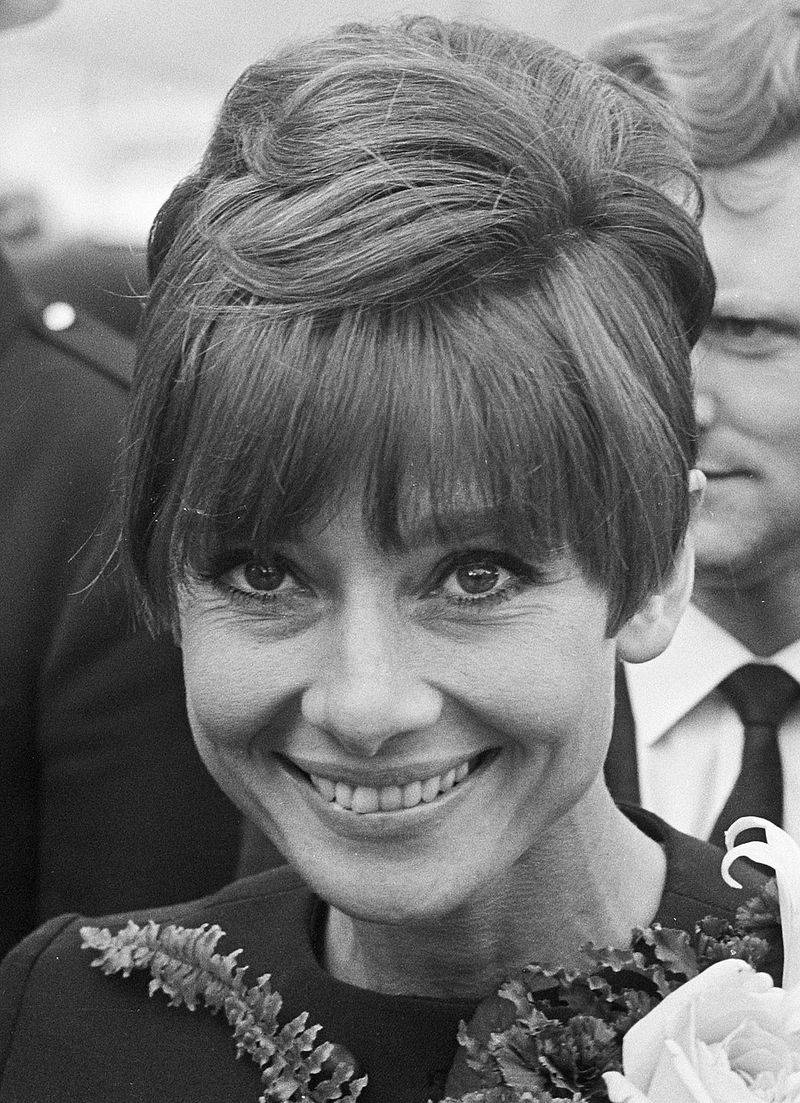
Audrey Hepburn was the picture of grace and sophistication on screen, but her early life was shaped by hardship that most of her fans never knew about. As a child in the Netherlands during World War II, she witnessed Nazi occupation firsthand.
Her family endured food shortages so severe that she reportedly ate tulip bulbs to survive during the Dutch Hunger Winter of 1944.
Those experiences left a lasting impression on her. After achieving Hollywood fame with films like Roman Holiday and Breakfast at Tiffany’s, she quietly stepped back from the spotlight to focus on humanitarian work.
From the late 1980s until her death in 1993, she served as a UNICEF Goodwill Ambassador, traveling to some of the world’s most impoverished regions.
She once said that as you grow older, you discover you have two hands, one for helping yourself and one for helping others. That philosophy defined her real life far more than any film role ever could.
7. Keanu Reeves
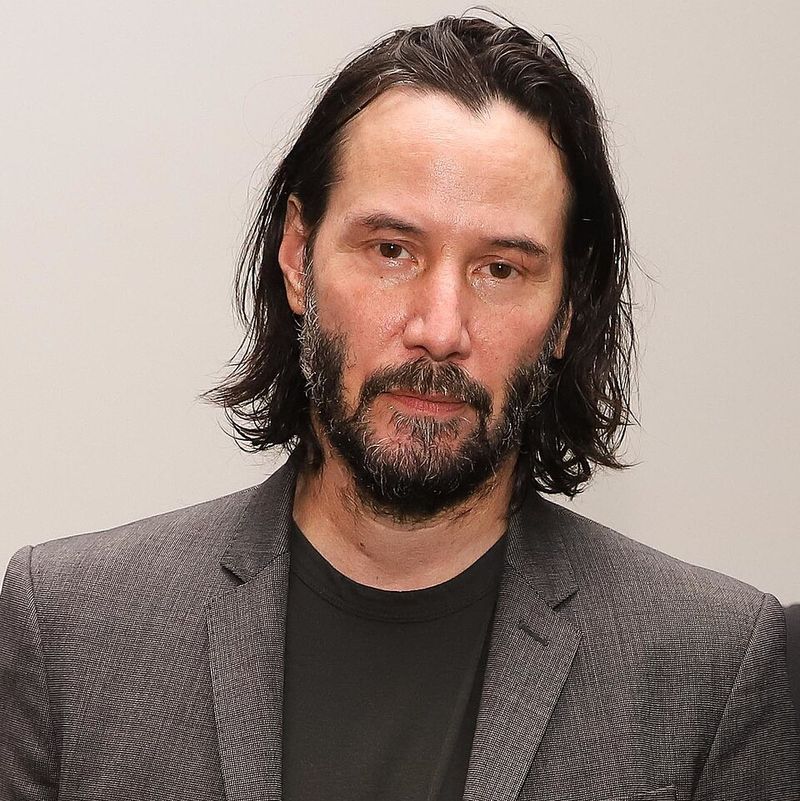
On screen, Keanu Reeves dodges bullets and fights impossible odds. Off screen, he is known for something far quieter and arguably more impressive: genuine kindness.
Over the years, stories have emerged of him giving up his seat on the subway, quietly donating millions to hospital children’s wards, and treating crew members on film sets with the same respect he shows his co-stars.
His life has been touched by profound grief. He lost a close friend, River Phoenix, at a young age.
His partner Jennifer Syme gave birth to a stillborn daughter in 1999, and Syme herself died in a car accident just 18 months later. Reeves has rarely spoken publicly about these losses but has navigated them with visible dignity.
Despite being one of Hollywood’s highest-paid actors, he lives modestly and avoids the celebrity spotlight. What makes Reeves remarkable is not the roles he plays, but the person he chooses to be every single day.
8. Johnny Cash
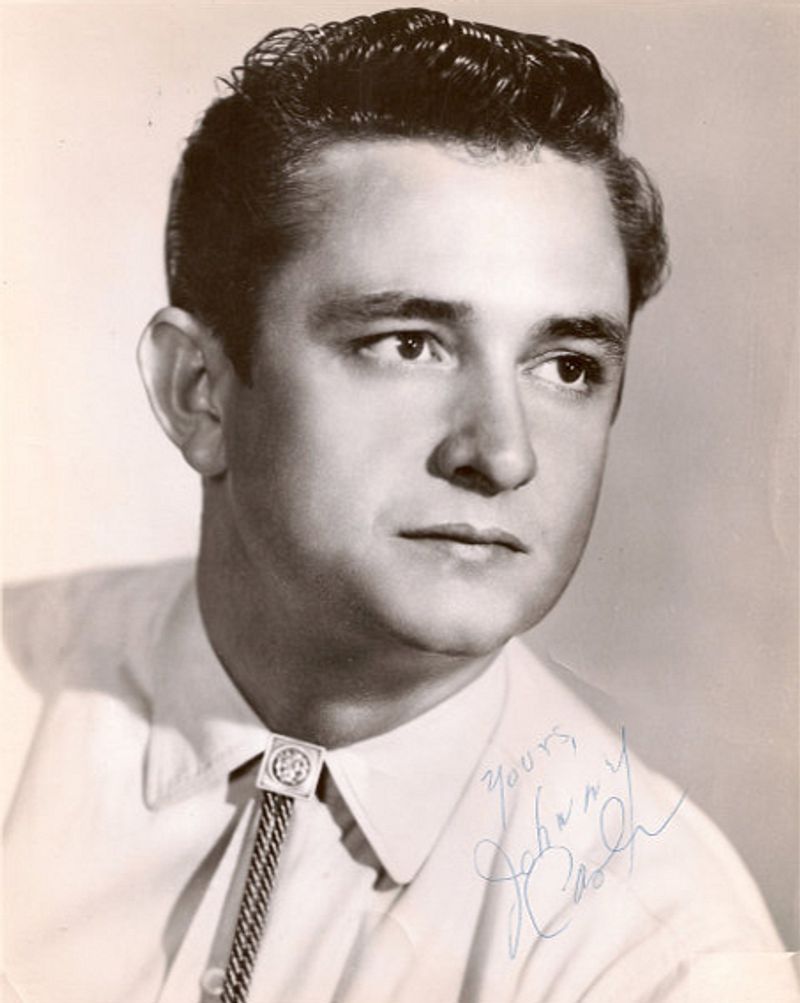
Johnny Cash built his reputation as a rebellious outlaw of country music, a man in black who played hard and lived harder. That image was real in many ways.
He struggled with addiction to amphetamines and barbiturates for much of his career, and his behavior during that period was erratic and self-destructive. He once accidentally started a wildfire in California that killed hundreds of endangered condors.
But the full picture of Cash is much richer than the outlaw legend. He was a deeply faithful man whose Christian beliefs anchored him even during his darkest years.
His relationship with June Carter Cash became one of the great love stories in music history, and she played a significant role in helping him find stability.
In his later years, Cash recorded some of his most powerful and emotionally honest work. His haunting cover of Hurt, released in 2002, revealed a man who had genuinely wrestled with his own soul and come out the other side.
9. Kurt Cobain
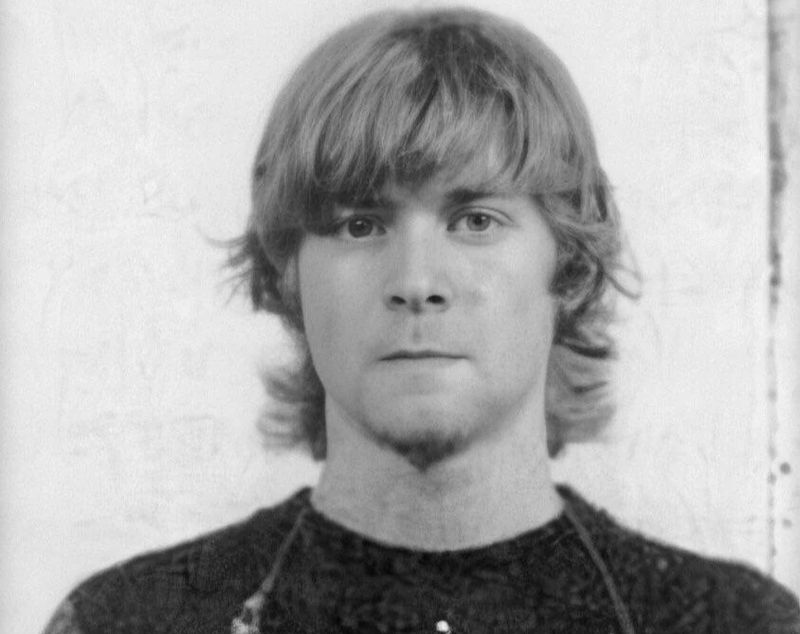
Kurt Cobain became the reluctant voice of a generation when Nirvana exploded onto the music scene in the early 1990s. But the title never sat comfortably with him.
He was a deeply sensitive and artistic person who felt misunderstood even at the height of his fame, and the pressure of being seen as a cultural symbol caused him real distress.
He kept detailed journals filled with poetry, drawings, and personal reflections that revealed a complicated inner world. Those notebooks, published after his death, showed a man far removed from the angry rebel image that fans and media had constructed around him.
He cared deeply about social justice, feminism, and the rights of marginalized communities.
Cobain also lived with chronic stomach pain and struggled with depression and substance use for years. He passed away in April 1994 at just 27 years old.
His story is a reminder that fame without support can be an incredibly isolating experience.
10. Princess Diana
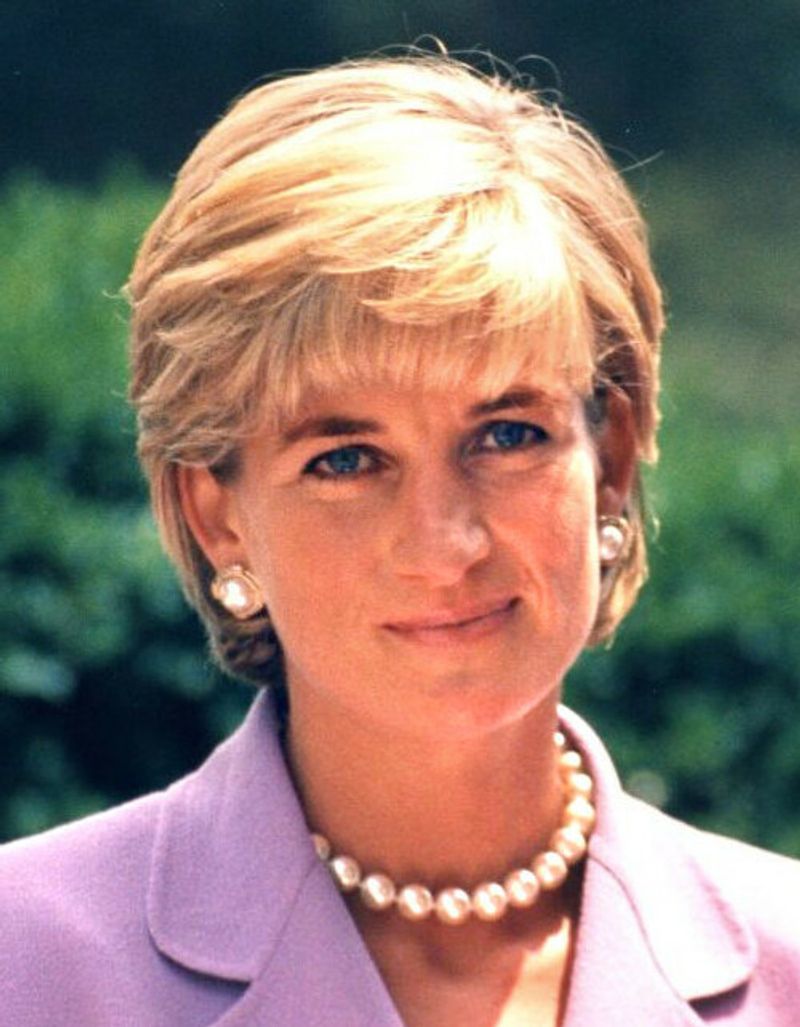
Princess Diana appeared to live a fairytale life from the outside. The glamorous royal wedding, the designer gowns, and the global adoration painted a picture of a woman who had everything.
But behind the palace walls, Diana faced a marriage that broke down publicly and painfully, a royal institution she described as cold and unsupportive, and relentless media scrutiny that followed her everywhere.
She spoke candidly in a famous 1995 BBC interview about her struggles with bulimia, self-harm, and feelings of isolation within the royal family. Her honesty was considered scandalous at the time, but it helped normalize conversations about mental health that were rarely discussed in public, let alone by royalty.
Diana channeled her pain into purpose. She championed causes like HIV awareness and land mine removal with real personal commitment.
Those who worked with her described a woman of warmth and genuine empathy who connected with suffering people in a way that no press team could manufacture.
11. Dwayne Johnson
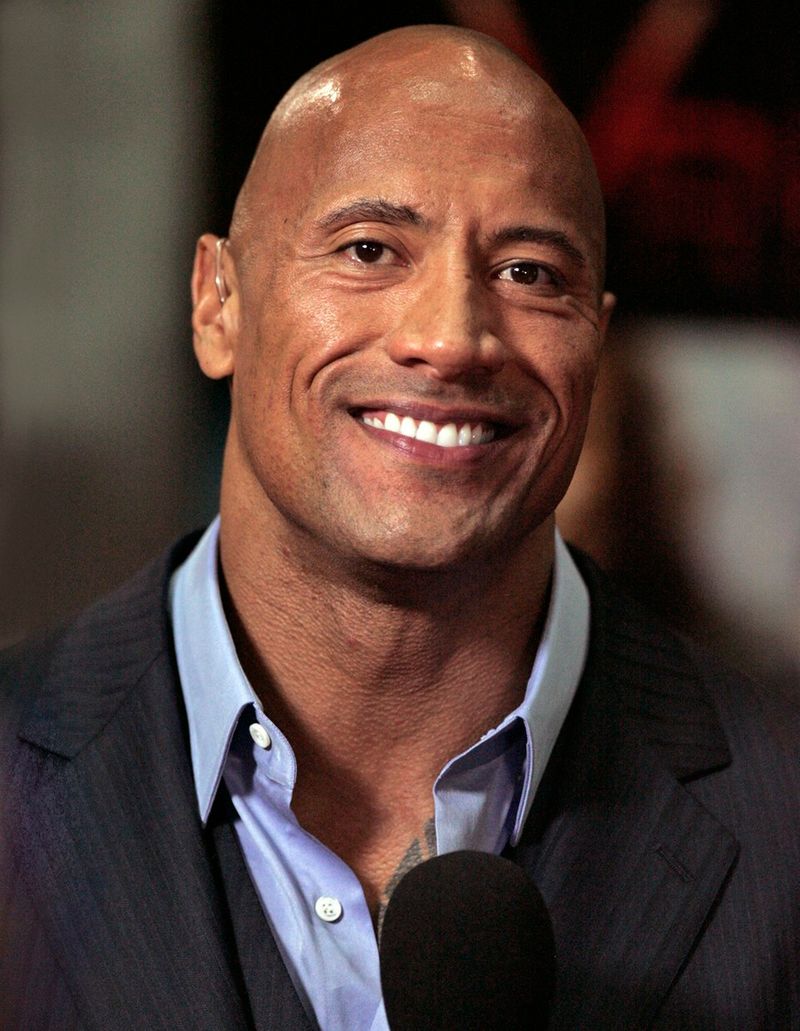
Dwayne Johnson has built a brand around motivation, discipline, and unshakable confidence. His social media feeds are filled with pre-dawn workouts, inspirational captions, and a larger-than-life energy that makes him seem almost superhuman.
But Johnson has been refreshingly open about the fact that this persona is something he had to build, not something he was born with.
As a teenager, he was arrested multiple times and his family was evicted from their apartment when he was just 14 years old. After a football career that ended without the NFL dream he had hoped for, he fell into a deep depression in his early 20s.
He has described lying on the floor of his apartment feeling completely hopeless.
That low point became his turning point. Johnson’s willingness to share his struggles, rather than hide them behind his action-hero image, has made him a genuinely relatable figure to millions who admire not just his success but his honesty about the road it took to get there.
12. Charlie Chaplin
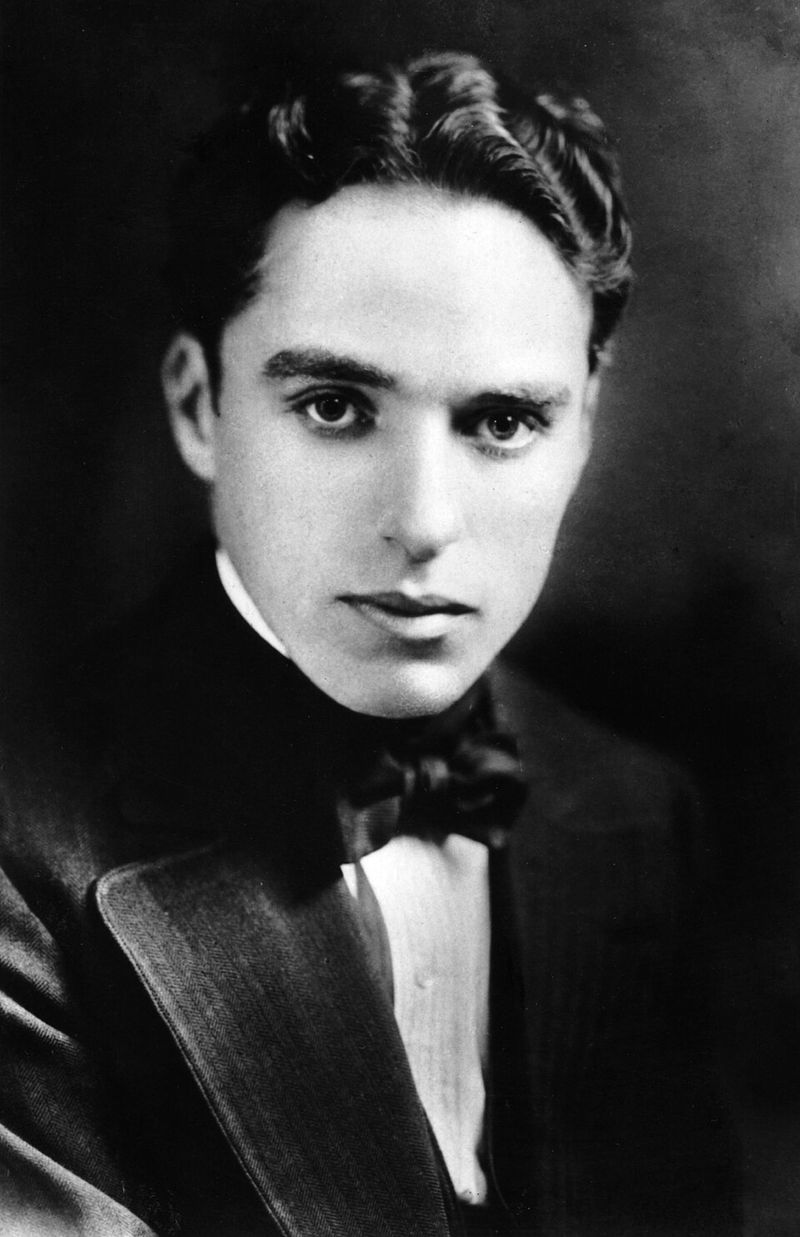
Charlie Chaplin made the world fall in love with the Little Tramp, a bumbling but kind-hearted character who found humor in poverty and hardship. What many fans did not know was that Chaplin’s own childhood was marked by genuine poverty.
He spent time in workhouses as a young boy in London after his mother was committed to a mental institution and his father was largely absent.
His personal life was far more complicated than his wholesome comedic image. He married four times, with his first two marriages involving very young women, which drew significant criticism.
He was also investigated and eventually exiled from the United States during the McCarthy era due to his political views.
Despite the controversy, his artistic legacy is undeniable. Chaplin wrote, directed, composed music for, and starred in his own films at a time when that level of creative control was almost unheard of.
He was a genius whose personal story remains difficult to separate from his art.
13. Elvis Presley
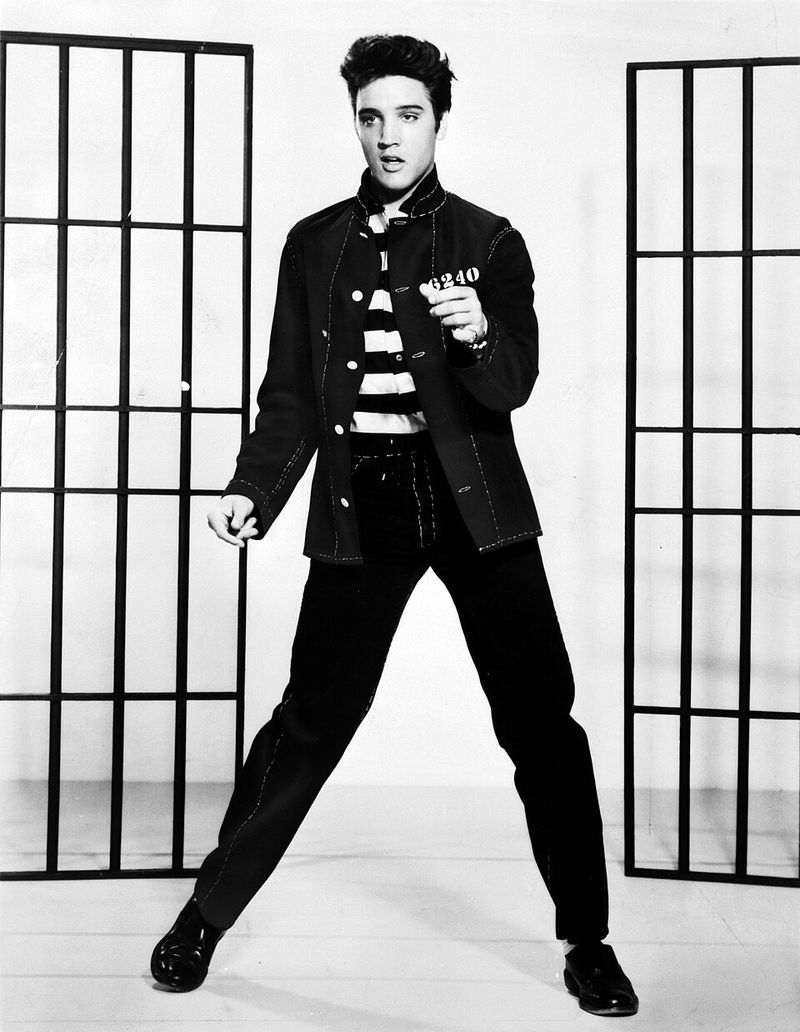
Elvis Presley was the King of Rock and Roll, a performer whose energy, voice, and charisma transformed popular music forever. But the private Elvis was a man increasingly trapped by the very fame that made him legendary.
As his career went on, he became more isolated, spending long stretches inside Graceland surrounded by a small circle of yes-men who rarely challenged him.
His manager, Colonel Tom Parker, controlled nearly every aspect of his career, preventing him from touring internationally and keeping him locked into a cycle of movies and Vegas residencies that Elvis reportedly found unfulfilling. Meanwhile, his dependence on prescription medications grew steadily throughout the 1970s, fueled partly by the physical demands of performing and partly by deep personal unhappiness.
Elvis passed away in August 1977 at just 42 years old. The gap between the legend the world celebrated and the lonely man behind it is one of the most sobering stories in all of popular music history.
Share this story