 Unearth The Voyage

Living a long, healthy life is something we all hope for, and some countries seem to have figured out the secret better than others. Life expectancy — the average number of years a person born today can expect to live — varies widely around the globe. Countries with the longest life expectancy tend to combine high-quality healthcare, healthy diets, low pollution, strong public health systems and social support that help residents live longer, healthier lives.
Hong Kong — Leading the World in Longevity

At the very top of global life expectancy rankings sits Hong Kong, where residents can expect to live well past 85 years on average. What makes this densely populated city so exceptional?
Excellent healthcare access plays a huge role, with comprehensive public health services available to nearly everyone. The largely urban environment encourages active lifestyles — people walk more, use public transportation, and stay physically engaged throughout their lives. Hong Kong’s traditional diet, featuring plenty of seafood, fresh vegetables, and nourishing soups, provides nutritional benefits that support long-term health.
High vaccination coverage and widespread health education programs help keep mortality rates low. Disease prevention campaigns reach across the population, ensuring that people catch health problems early. Narrower disparities in access to basic services mean that more residents benefit from these advantages.
Women in Hong Kong tend to live even longer than men, and the number of centenarians — people who reach 100 years or older — continues to grow each year. This reflects sustained health performance across generations and shows that the city’s approach to healthcare, diet, and lifestyle truly works for keeping people healthy well into old age.
Japan — Centenarians and Healthy Aging

Japan has earned worldwide fame for its remarkable longevity, with life expectancy consistently hovering around 85 years. The country boasts one of the largest populations of centenarians on Earth — tens of thousands of residents have celebrated their 100th birthday.
Much of this success comes from the traditional Japanese diet, which emphasizes fish, soy products, vegetables, and green tea. These foods help lower risks of cardiovascular disease and certain cancers, keeping people healthier as they age. Universal health insurance ensures that everyone can access high-quality medical care and routine preventive services without financial hardship.
Japanese culture also values active aging and social engagement. Communities show deep respect for elders, and older adults remain involved in family life and social activities. Many researchers believe this cultural approach contributes significantly to better mental and physical health in later years.
Preventive care plays another crucial role. Regular health check-ups catch problems early, and public health campaigns encourage healthy behaviors throughout life. The combination of nutritious eating, accessible healthcare, cultural support for aging adults, and preventive medicine creates an environment where people naturally live longer, healthier lives. Japan’s success demonstrates that longevity results from many factors working together harmoniously.
South Korea — Rapid Gains in Longevity
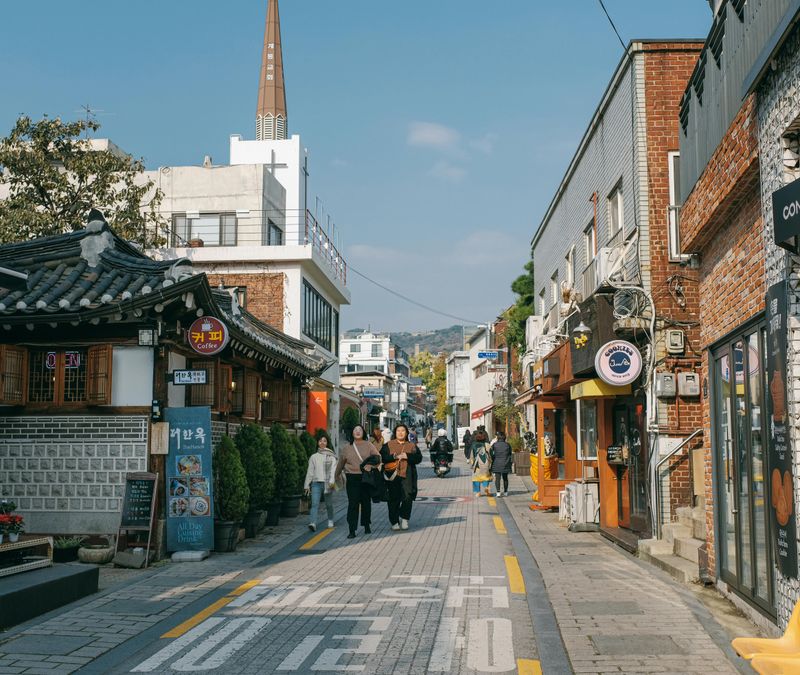
Over just a few decades, South Korea has achieved something remarkable: life expectancy has climbed dramatically to above 84 years. This transformation happened faster than in almost any other country, reflecting major changes in healthcare and lifestyle.
Advances in medical care have played a central role. Widespread health insurance coverage means nearly everyone can afford doctor visits and treatments. Reductions in infectious disease mortality, achieved through vaccination programs and improved sanitation, have saved countless lives.
South Koreans benefit from diets rich in vegetables, rice, and seafood — foods that support heart health and overall wellness. Strong social networks provide emotional support and practical help, especially important as people age. Community-oriented living means that older adults rarely face isolation.
Public health campaigns have tackled major risk factors head-on. Anti-smoking initiatives have reduced tobacco use, while routine check-up programs catch diseases early when they’re easier to treat. South Korea’s rapid economic development funded investments in hospitals, clinics, and health infrastructure that now serve the entire population.
The country’s experience shows that life expectancy can improve quickly when governments prioritize healthcare access, invest in medical infrastructure, and promote healthy behaviors. South Korea’s success story offers hope and lessons for other nations working to extend their citizens’ lives.
French Polynesia — Longevity in the Pacific
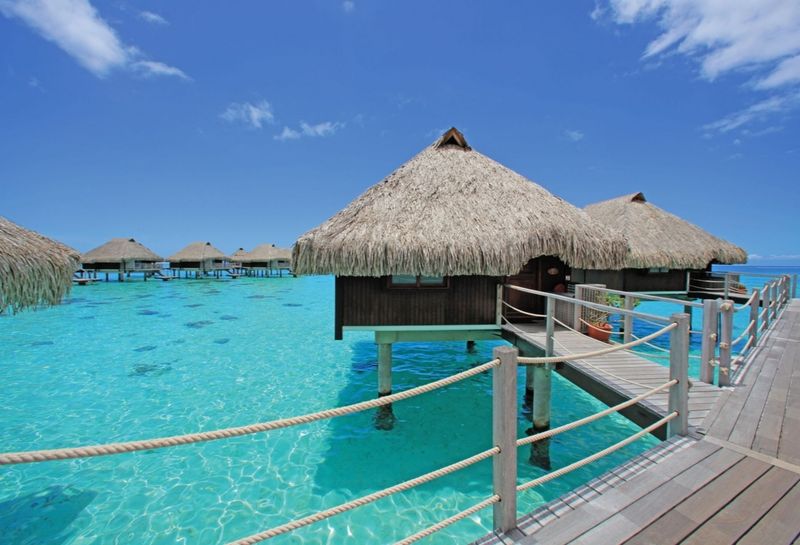
French Polynesia, a scattered collection of islands in the South Pacific, might surprise you with its impressive life expectancy of over 84 years. Despite being smaller and less densely populated than major nations, these islands have created conditions that support long, healthy lives.
Strong public health services reach even remote communities, ensuring that residents can access medical care when needed. Relatively low crime rates and tight-knit communities create safe, supportive environments where people look out for each other. This social cohesion provides emotional benefits that contribute to overall well-being.
Traditional diets in French Polynesia feature plenty of fresh fish and coconut products — foods that provide healthy fats and proteins while reducing risk factors like heart disease. Active outdoor lifestyles come naturally when you live surrounded by beaches, mountains, and ocean. People stay physically active throughout their lives, swimming, fishing, and walking.
Easy access to basic medical care, combined with preventive health programs, helps catch and treat health problems before they become serious. The French healthcare system extends to these overseas territories, bringing high standards of medical practice to island populations. The combination of natural beauty, active lifestyles, nutritious traditional foods, and accessible healthcare creates an environment where longevity flourishes naturally.
Switzerland — Alpine Longevity
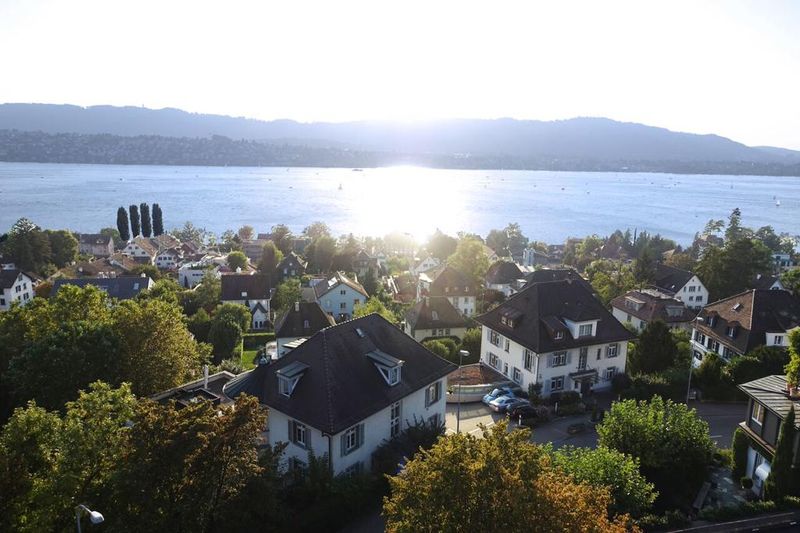
Nestled in the heart of Europe, Switzerland boasts a life expectancy exceeding 84 years, reflecting one of the world’s most effective health systems. Swiss residents enjoy universal health insurance, meaning everyone has access to medical care regardless of income.
High per-capita healthcare spending ensures that hospitals and clinics have modern equipment and well-trained staff. Well-regulated public health policies maintain high standards across the entire system. Preventive care receives strong emphasis, helping people stay healthy rather than just treating illness.
The Swiss diet features moderate portions of high-quality dairy products, whole grains, and lean proteins — a balanced approach that supports cardiovascular health. A culture of outdoor activity thrives in Switzerland’s alpine environments. People of all ages hike, ski, bike, and walk through mountains and valleys, staying physically fit throughout their lives.
Low pollution levels protect respiratory health, while strong social insurance systems provide financial security that reduces stress. Environmental protections keep air and water clean. The combination of excellent healthcare, active lifestyles, clean environments, and economic security creates ideal conditions for longevity.
Switzerland demonstrates that investing heavily in healthcare infrastructure, protecting the environment, and promoting outdoor activity pays dividends in the form of longer, healthier lives for citizens. The Swiss approach balances medical care with lifestyle factors that support wellness.
Australia — Healthy Living Down Under

With life expectancy exceeding 84 years, Australia has created a culture that celebrates healthy living and outdoor recreation. The country’s Medicare system provides widespread healthcare access, ensuring that most Australians can see doctors and receive treatments without financial barriers.
Robust immunization programs protect against infectious diseases from childhood through old age. High educational attainment correlates with better health choices and outcomes. Australians understand nutrition, exercise, and preventive care, making informed decisions that support long-term health.
Australia’s outdoor recreation culture stands out globally. From swimming and surfing at countless beaches to hiking through bushland and cycling along coastal paths, Australians stay active throughout their lives. This physical activity supports cardiovascular health, maintains muscle strength, and promotes mental well-being.
Public anti-smoking efforts have successfully reduced tobacco use across the population. Plain packaging laws, high cigarette taxes, and education campaigns have made smoking less common, especially among younger generations. Accessible preventive care means that people get regular check-ups, screenings, and early interventions.
The combination of sunshine, outdoor culture, accessible healthcare, and public health initiatives creates an environment where healthy living feels natural and enjoyable. Australia proves that when healthcare systems work well and cultures embrace active lifestyles, people live longer, healthier, and happier lives under the southern sun.
Italy — Mediterranean Longevity Advantage
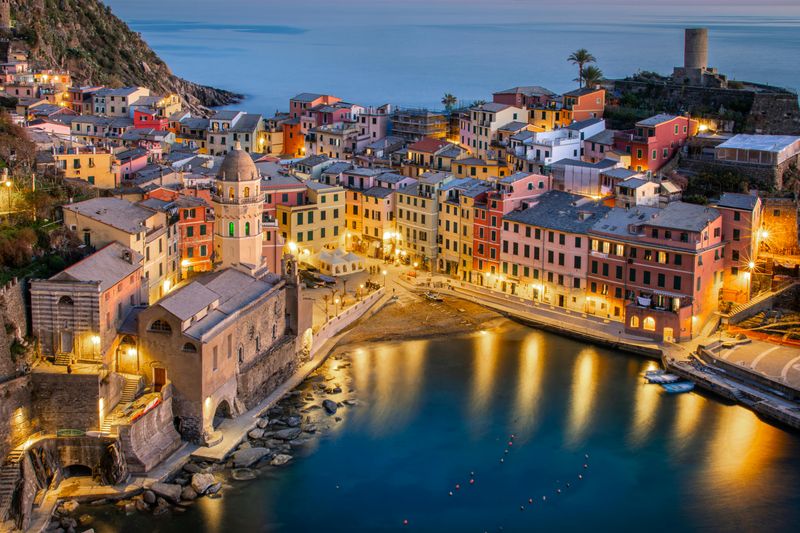
Italy’s life expectancy above 84 years owes much to the celebrated Mediterranean diet — perhaps the most studied eating pattern in the world. Rich in olive oil, fruits, vegetables, fish, and whole grains, this diet reduces risks of heart disease and certain cancers significantly.
Balanced nutrition represents just part of the picture. Italians embrace a relaxed lifestyle that values family time, leisurely meals, and social connections. Strong family-oriented networks mean that older adults rarely face isolation; multiple generations often live near each other and share meals regularly.
Community ties run deep in Italian culture. Neighbors know each other, people gather in town squares, and social engagement continues throughout life. These connections provide emotional support that promotes both physical and mental health as people age.
Italy’s universal healthcare system ensures broad access to medical services across the country. Public health campaigns emphasize preventive care, encouraging people to maintain healthy habits and catch problems early. Regular check-ups and screenings help identify health issues before they become serious.
The combination of nutritious food, strong social bonds, relaxed living pace, and accessible healthcare creates conditions where people naturally live longer. Italy demonstrates that longevity flourishes when diet, lifestyle, family connections, and medical care all work together. The Italian approach to life — savoring good food, maintaining close relationships, and taking time to enjoy each day — supports wellness in profound ways.
Singapore — Urban Health Excellence

Despite being one of the world’s most densely populated places, Singapore achieves a life expectancy around 84 years through meticulous urban planning and health policies. Universal healthcare ensures that every resident can access medical services when needed, regardless of financial status.
Stringent public health standards keep the city-state remarkably clean and safe. High vaccination coverage protects against infectious diseases, while aggressive disease prevention programs catch health problems early. Widespread access to healthcare services means that people receive timely treatment.
Singapore’s urban planning promotes physical activity in clever ways. Parks, walking paths, and recreational facilities are woven throughout the city. Even in this concrete jungle, residents can easily find green spaces for exercise and relaxation. Public transportation encourages walking, keeping people more active than car-dependent societies.
Health-conscious eating habits prevail despite Singapore’s diverse culinary scene. Education campaigns promote balanced nutrition, and food vendors must meet strict hygiene standards. Clean environments reduce exposure to pollutants and disease.
Strong emphasis on education creates a population that understands health and makes informed choices. Singapore’s success shows that urban environments don’t have to compromise health — with proper planning, policies, and healthcare systems, cities can support longevity just as effectively as less crowded places. The city-state proves that excellence in public health management translates directly into longer lives for citizens.
Spain — Mediterranean Diet and Strong Social Ties

Spain’s average life expectancy exceeds 83 years, and the reasons run deeper than just good weather. The Mediterranean lifestyle practiced here combines nutrition, social connection, and healthcare in ways that support healthy aging remarkably well.
Spanish diets feature abundant olive oil, legumes, fish, fruits, and vegetables — foods associated with lower cardiovascular risk. Meals are social occasions, often shared with family and friends, turning eating into both nutrition and emotional nourishment. This approach to food creates healthier relationships with eating than rushed, solitary meals.
Strong family networks provide support throughout life. Multiple generations often live close together, sharing childcare, meals, and daily activities. This intergenerational connection reduces stress and provides purpose for older adults who remain actively involved in family life.
Community engagement extends beyond family. Spaniards gather in plazas, cafes, and public spaces, maintaining social connections that combat loneliness and isolation. These interactions support mental well-being, which directly affects physical health.
Spain’s public health system offers broad access to both preventive and curative care. Regular check-ups, screenings, and health education help people maintain wellness rather than just treating illness. The combination of nutritious eating, strong social bonds, accessible healthcare, and a culture that values both family and community creates an environment where people naturally live longer, healthier lives filled with connection and purpose.
Réunion — Island Longevity

Réunion, a French overseas territory floating in the Indian Ocean, achieves life expectancy figures above 83 years — impressive for an island far from mainland Europe. Access to French healthcare systems extends to this tropical territory, bringing high medical standards to island residents.
Relatively high standards of living compared to neighboring regions provide economic security that reduces stress and enables healthy choices. Community structures support well-being through strong social networks where people know and help each other. This social cohesion creates safety nets that extend beyond formal government programs.
Local diets blend traditional Creole foods with French culinary influences, creating unique eating patterns. Fresh fish from surrounding waters provides lean protein and healthy fats. Tropical fruits and vegetables offer abundant vitamins and antioxidants. This combination of island traditions and French food culture supports nutritional health.
Outdoor lifestyles come naturally on an island blessed with mountains, beaches, and tropical forests. People stay active hiking, swimming, and working in gardens. Physical activity woven into daily life maintains fitness without requiring gym memberships or structured exercise programs.
The French healthcare system’s reach to this distant territory demonstrates how government investment in health infrastructure benefits even remote populations. Réunion shows that island communities can achieve exceptional longevity when they combine accessible healthcare, economic stability, traditional healthy eating patterns, and naturally active lifestyles in tropical environments.
Malta — Mediterranean Health and Care Access

Malta, a small island nation in the Mediterranean, punches above its weight with life expectancy above 83 years. An integrated public health system ensures that residents across this compact country can easily access medical care. Broad healthcare access means that distance and cost don’t prevent people from getting treatment.
Mediterranean-aligned eating patterns provide nutritional advantages similar to neighboring countries. Fresh fish, olive oil, vegetables, and fruits form the foundation of traditional Maltese cuisine. These foods deliver nutrients that support cardiovascular health and reduce disease risks.
Emphasis on community health extends beyond individual medical care. Preventive medicine programs encourage healthy behaviors and early detection of problems. Active aging initiatives help older adults stay engaged, mobile, and independent longer.
Social networks remain strong in Maltese culture. Family ties bind generations together, and community activities bring neighbors into regular contact. These connections provide emotional support that enhances mental health and gives people purpose throughout their lives.
Cultural activities enrich daily life on this historic island. Festivals, religious celebrations, and community gatherings keep people socially engaged. This combination of accessible healthcare, nutritious traditional foods, preventive health programs, and rich social life creates conditions where longevity flourishes.
Malta demonstrates that small nations can achieve excellent health outcomes when they prioritize integrated healthcare systems, preserve healthy traditional diets, and maintain strong community bonds that support residents from birth through old age.
Norway — Nordic Welfare and Outdoor Living

Norway’s life expectancy above 83 years reflects the success of its comprehensive welfare state. Universal healthcare removes financial barriers to medical care, ensuring that everyone receives treatment regardless of income. Strong social safety nets provide security that reduces stress throughout life.
High educational attainment creates a population equipped to make informed health choices. Norwegians understand nutrition, exercise, and preventive care, applying this knowledge throughout their lives. Education correlates strongly with better health outcomes across all age groups.
Environmental protections keep Norway’s air and water remarkably clean. Strict regulations limit pollution, protecting respiratory and overall health. The pristine natural environment supports both physical health and mental well-being.
Outdoor activity forms a central part of Norwegian culture. People hike through mountains, ski across snowy landscapes, and spend time in nature year-round. This cultural embrace of outdoor living keeps Norwegians physically active and connected to their environment. Even harsh winter weather doesn’t stop outdoor enthusiasts — they simply dress appropriately and continue their activities.
Preventive care receives strong emphasis in the Norwegian healthcare system. Regular check-ups, screenings, and health education help people stay healthy rather than just treating illness after it develops. Nutrition guidelines promote balanced eating that supports long-term wellness.
Norway shows that combining a strong welfare state, environmental protection, outdoor culture, and preventive healthcare creates ideal conditions for longevity. The Nordic model delivers results in the form of longer, healthier lives for citizens.
France — Culture, Healthcare and Quality of Life

France’s average life expectancy exceeds 83 years, supported by a healthcare system often ranked among the world’s best. Universal healthcare provides widespread coverage, ensuring that financial concerns don’t prevent people from seeking medical care. Accessible services mean that people receive timely treatment.
Preventive care reaches across the population through public health programs. Regular screenings catch diseases early when they’re most treatable. Health education helps people understand how lifestyle choices affect long-term wellness.
French diets balance nutrition with enjoyment in ways that support both health and happiness. Fresh ingredients, moderate portions, and leisurely meals create healthy eating patterns without feeling restrictive. The French paradox — relatively low heart disease despite rich foods — may relate to portion control, meal timing, and the social nature of eating.
Public health policies have successfully reduced smoking rates through education and regulation. Accessible medical services include both primary care and specialized treatments. Quality healthcare extends from cities to rural areas.
Cultural emphasis on leisure, family, and food contributes significantly to quality of life. The French value work-life balance, taking time for meals, vacations, and family. This approach reduces stress and promotes mental well-being.
France demonstrates that longevity requires more than just medical care — it flourishes when healthcare combines with cultural values that prioritize enjoyment, balance, and quality of life. The French approach shows that living well and living long go hand in hand.



