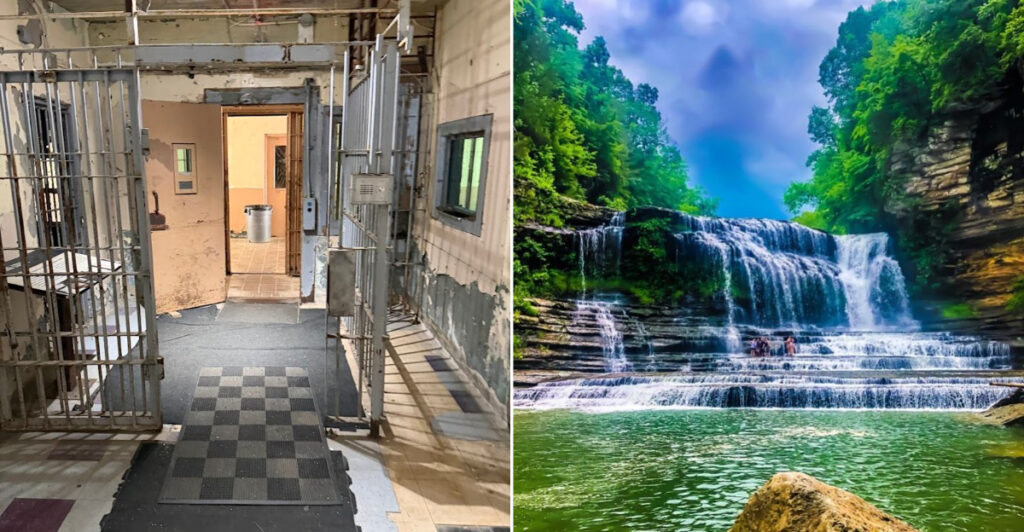
Tennessee has a way of hiding its best surprises just off the main road. While everyone flocks to Nashville or the Smokies, there are dozens of lesser-known spots quietly waiting to blow your mind.
From underground lakes to ancient mounds to wild waterfalls, the Volunteer State is basically overflowing with weekend material. Pack a snack, top off the tank, and get ready to see a side of Tennessee most people never find.
The Lost Sea, Sweetwater, Tennessee
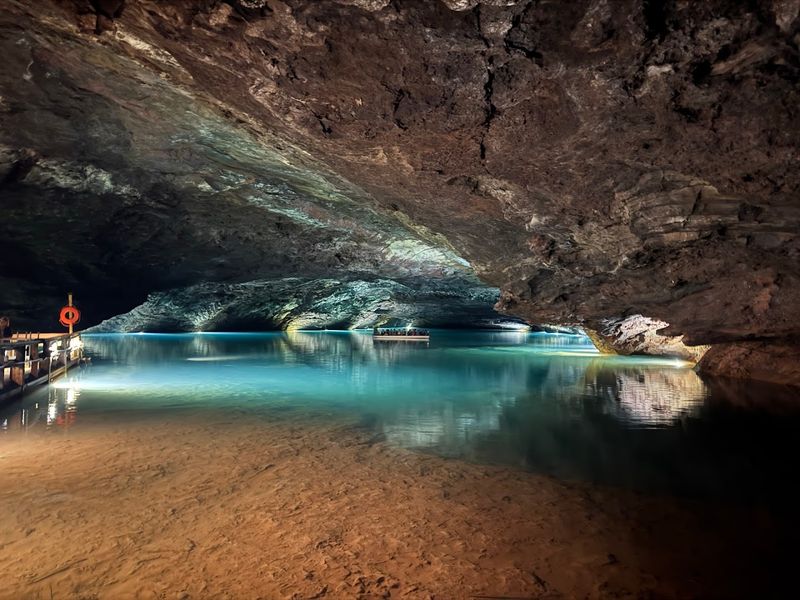
America’s largest underground lake sits quietly beneath a Tennessee hillside, and most people have no idea it exists. The Lost Sea is tucked inside Craighead Caverns, and getting there means walking through a cool, dramatic cave system before boarding a boat on a massive underground lake.
It is genuinely one of the most surprising things you can do on a weekend.
Guided tours run regularly, so there is no need to plan far ahead. The cave stays around 58 degrees year-round, which makes it a refreshing stop no matter the season.
Spring visitors especially love escaping the unpredictable outside weather for something reliably cool and calm underground.
The whole experience takes about an hour, making it easy to pair with another stop nearby. Kids go absolutely wild for it.
Adults tend to get that wide-eyed look too, which honestly makes the whole trip even better.
Historic Rugby, Rugby, Tennessee
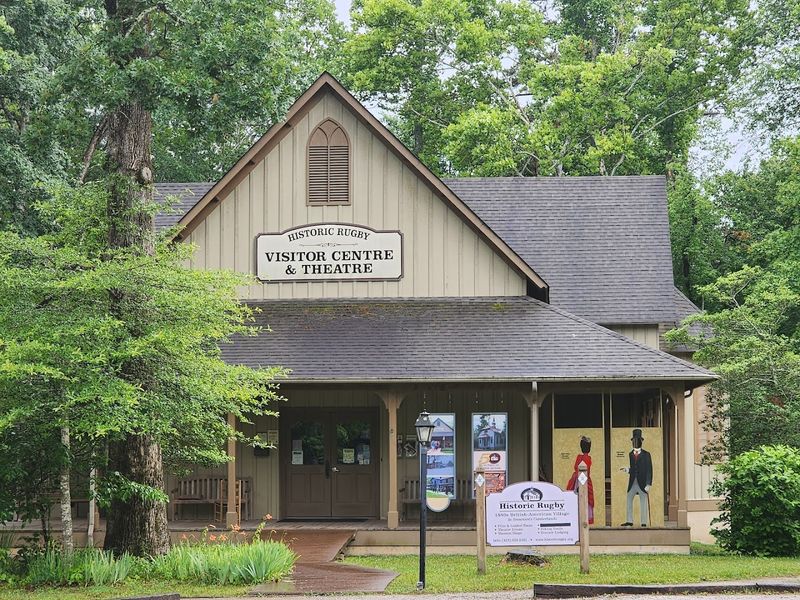
Back in 1880, a British idealist named Thomas Hughes decided to build a utopian colony in the Tennessee mountains. The result was Rugby, a perfectly preserved English village that still looks like it belongs in a novel.
Walking down its streets in spring feels like the calendar took a wrong turn somewhere around 1885.
The buildings are remarkably well-maintained, and guided tours bring the whole quirky backstory to life. There are small shops, a working library stocked with original Victorian books, and a genuine sense of calm that is hard to find in busier destinations.
It is the kind of place where your phone stays in your pocket without any effort.
Spring is the sweet spot for a visit, when the surrounding forest fills in with green and the whole village looks almost too picturesque. Plan for a slow afternoon here.
Rushing Rugby is practically a crime.
Bell Buckle, Bell Buckle, Tennessee
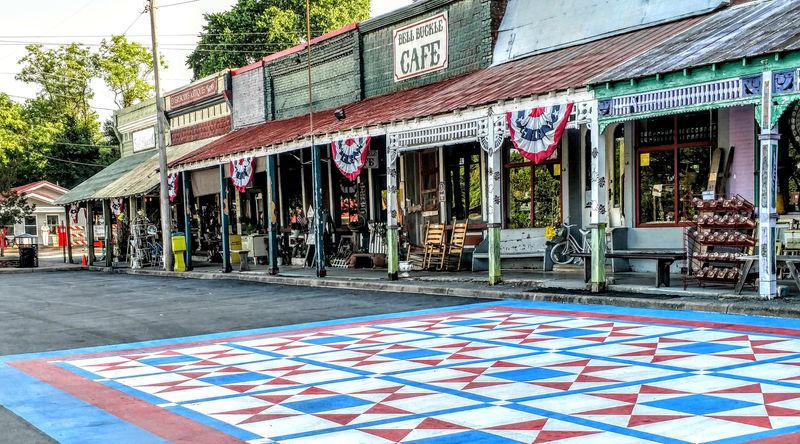
Bell Buckle is proof that the best towns in Tennessee sometimes have the best names too. This tiny Middle Tennessee gem punches well above its weight with antique shops, local art galleries, handmade crafts, and cafes that smell like something your grandmother used to bake.
The whole downtown fits on a few blocks, which is exactly the right size for a lazy spring afternoon.
I stumbled into Bell Buckle on a road trip years ago and ended up staying three hours longer than planned. That tends to happen here.
The shops are genuinely interesting, not just tourist traps, and the locals are the kind of friendly that does not feel performative.
Spring weekends bring out vendors, occasional festivals, and extra foot traffic, but it never feels overwhelming. Grab something from one of the local cafes and just wander.
Bell Buckle rewards the unhurried visitor more than almost anywhere else on this list.
Leiper’s Fork, Franklin, Tennessee
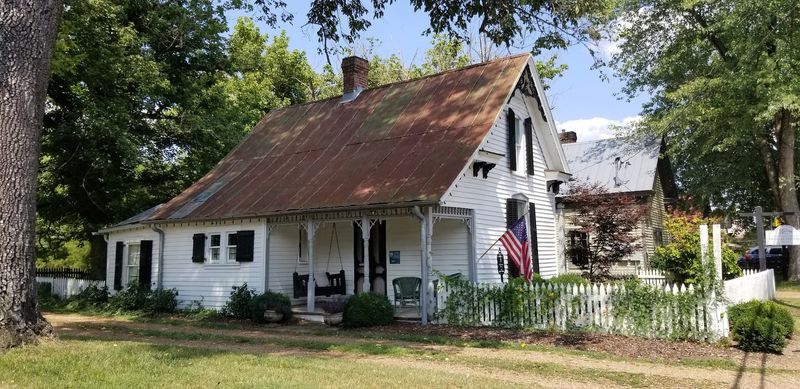
Just a short drive from Franklin, Leiper’s Fork operates on a completely different frequency than the rest of Middle Tennessee. The village is tiny, but the art scene, local shops, and live music culture give it a personality several times bigger than its population.
Country music legends have been known to show up unannounced at local venues, which is either thrilling or completely normal depending on who you ask.
Spring is when the surrounding countryside really earns its reputation. The back roads around Leiper’s Fork are genuinely beautiful, lined with horse farms, rolling hills, and old stone walls.
A scenic drive through the area alone is worth the trip, even before you hit the shops.
The village itself does not take long to explore, so pair it with a picnic or a drive through Natchez Trace Parkway nearby. Low-key, scenic, and full of character, Leiper’s Fork is the kind of place that gets better every time you go back.
Brushy Mountain State Penitentiary, Petros, Tennessee
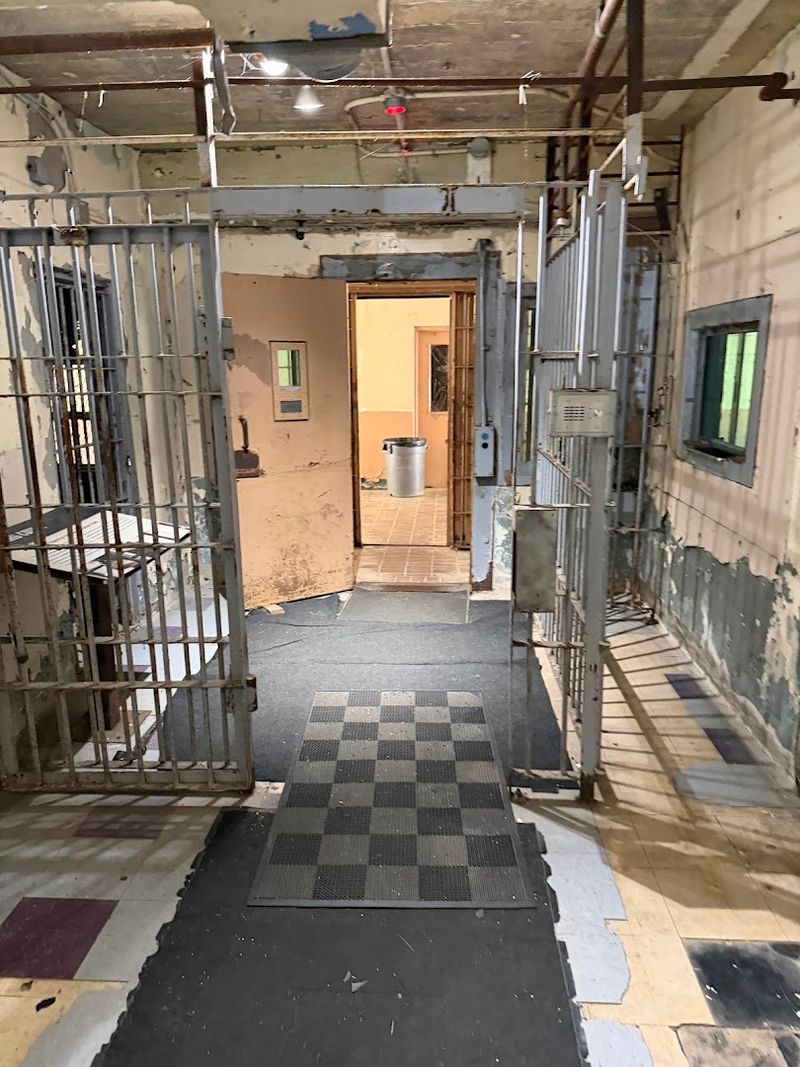
Brushy Mountain State Penitentiary once held some of Tennessee’s most dangerous criminals, including James Earl Ray, the man convicted of assassinating Dr. Martin Luther King Jr. That detail alone tends to stop people mid-sentence. The prison closed in 2009, and now it welcomes curious visitors who want history with a genuine edge to it.
Tours take you through cell blocks, the yard, and solitary confinement areas, with guides who clearly enjoy watching reactions when people realize how small those cells actually are. The surrounding East Tennessee mountains add a layer of rugged drama to the whole experience.
It is part road trip, part history lesson, and part genuine chill-down-your-spine moment.
The site operates seasonally, so checking the tour calendar before making the drive is a smart move. There is also a distillery on-site now, because Tennessee apparently cannot resist turning anything into a bourbon opportunity.
No complaints here.
Cummins Falls State Park, Cookeville, Tennessee
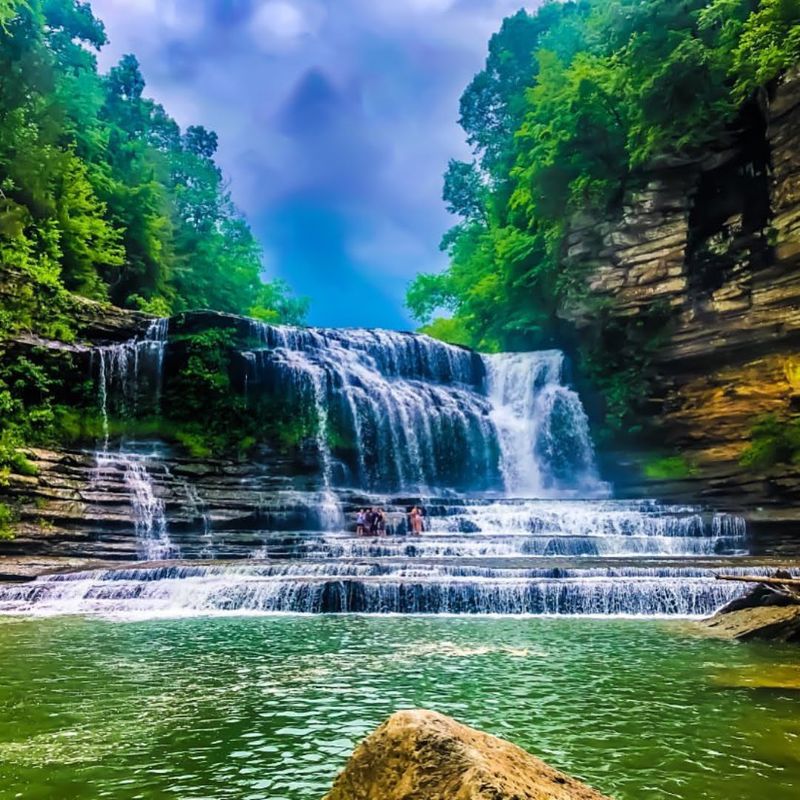
Cummins Falls is the kind of waterfall that earns its reputation. At nearly 75 feet tall, the main falls drop into a dramatic gorge that looks especially wild in spring when water levels run high.
The raw power of the water during peak season is something you genuinely remember.
The park offers two experiences depending on your energy level. The overlook trail is accessible and gives great views without much effort.
Gorge access requires a permit and involves wading through the creek, which is a whole adventure on its own. Families with younger kids tend to stick to the overlook, and it is absolutely worth it either way.
Weekends in spring can get busy, so arriving early is a solid strategy. Parking fills up faster than most people expect.
Permits for gorge access are limited and sell out, so booking ahead online is not optional, it is essential for the full experience.
Burgess Falls State Park, Baxter, Tennessee
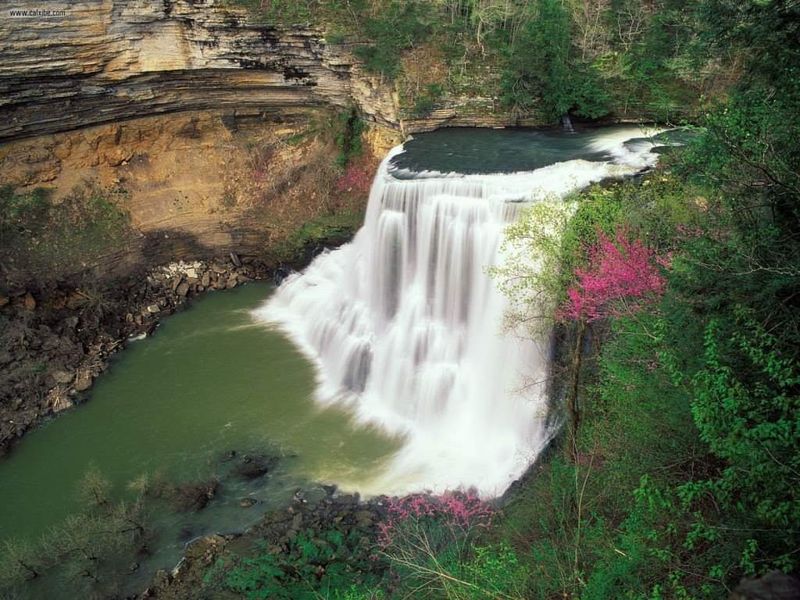
Four waterfalls for the price of one hike is basically the best deal in Tennessee outdoor recreation. Burgess Falls State Park delivers exactly that along the Falling Water River, building up to a dramatic 136-foot main falls that earns every step of the trail.
The whole route is around two miles round trip, which is manageable even for casual hikers.
Spring is the prime window, when the forest is freshly green and the water runs with real force. The trail hugs the river closely enough that you feel the energy of the water the whole way.
Photography opportunities are everywhere, which explains why you will see a lot of people stopping every ten feet with their phones out.
The park is free to enter, which somehow makes it feel even better. Burgess Falls does not get the same hype as some other Tennessee waterfalls, and that is honestly a gift.
Fewer crowds, same spectacular scenery.
Rock Island State Park, Rock Island, Tennessee
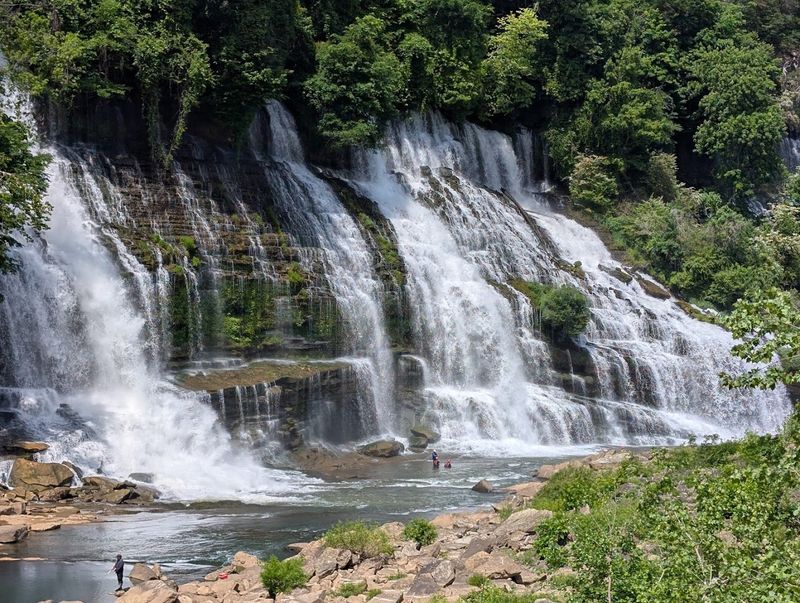
Rock Island sits at the confluence of three rivers, which means the scenery here operates at an almost unfair level of dramatic. The park features multiple waterfalls, deep gorge overlooks, and river views that look like they belong on a postcard somebody forgot to mail.
Great Falls is the headliner, but the whole park delivers from start to finish.
Spring is a strong season here because the water levels are up and the surrounding forest has that fresh, electric green color that only lasts a few weeks. Trails range from easy walks to more rugged paths along the gorge edge, so there is something for every comfort level.
The combination of geology and greenery makes every viewpoint feel earned.
There is also a beach area along the Caney Fork River for warmer days. Rock Island is the kind of park that surprises first-time visitors into becoming regulars.
One trip is rarely enough to see everything properly.
Savage Gulf State Park, Beersheba Springs, Tennessee
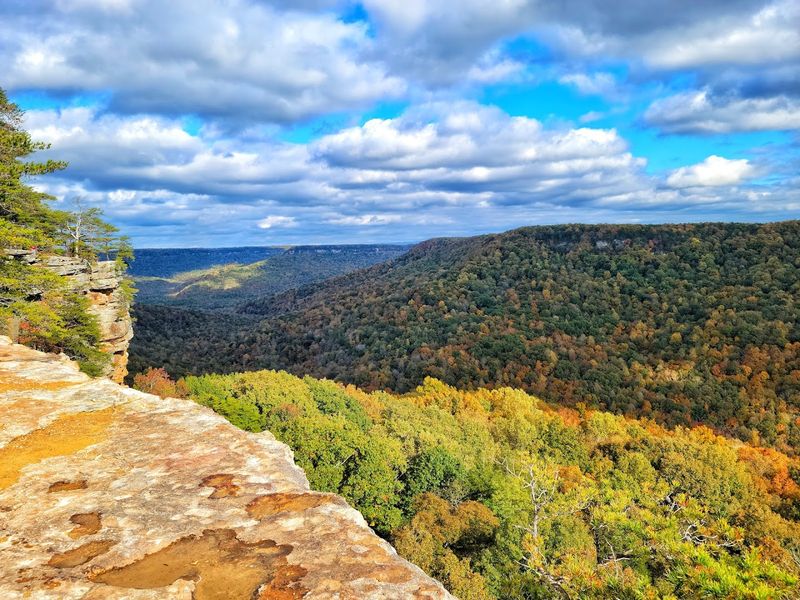
Savage Gulf sounds like a name someone invented for a fantasy novel, but the real thing is somehow even more impressive. This wilderness area on the Cumberland Plateau features three major gorges, sandstone bluffs, multiple waterfalls, and over 50 miles of trails cutting through some of Tennessee’s most untouched terrain.
It is not a casual stroll kind of park.
Serious hikers treat Savage Gulf as a bucket-list destination, and for good reason. The overlooks along the gorge rim are spectacular in spring when the trees below are just leafing out and the waterfalls are running full.
The remoteness is part of the appeal, but it also means coming prepared matters more here than at easier parks.
Cell service is limited, so downloading a trail map before arriving is genuinely useful advice. Savage Gulf rewards the effort with scenery that most Tennessee day-trippers have never seen.
That exclusivity feels like its own reward.
Big South Fork National River and Recreation Area, Oneida, Tennessee
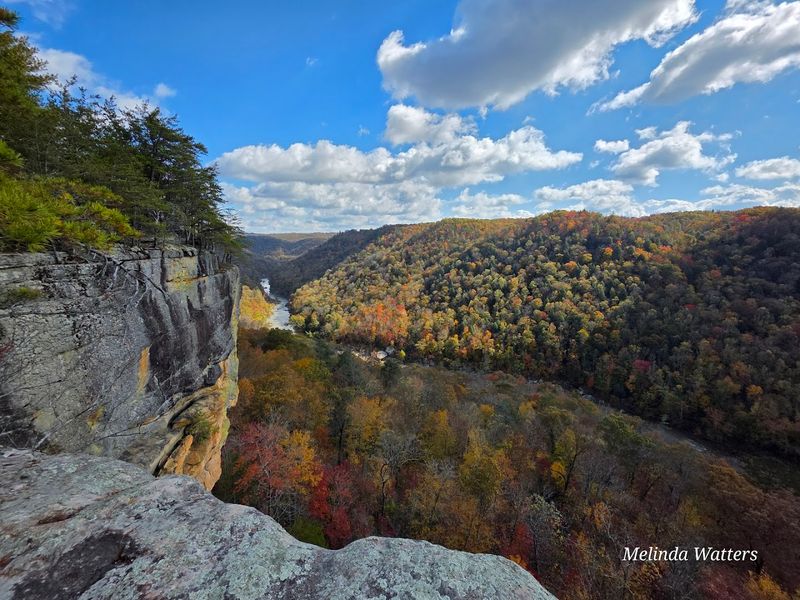
Big South Fork covers over 125,000 acres of the Cumberland Plateau, yet somehow it flies completely under the radar compared to the national parks that get all the attention. The sandstone arches, river gorge overlooks, and rugged bluffs here rival scenery found in places with far longer lines and higher entrance fees.
That math works strongly in your favor.
The Blue Heron area is a great starting point, offering a historic mining community, overlooks, and easy access to the river. The Leatherwood Ford area has trails that wind through genuinely dramatic gorge scenery.
Spring visits hit different here because the river runs full and the forest canopy is just opening up.
Scenic drives through the area are worthwhile even if hiking is not your thing. The whole place has a quiet, almost forgotten quality that makes it feel like a personal discovery every time.
Big South Fork is the kind of reward that goes to people willing to look past the obvious choices.
Reelfoot Lake State Park, Tiptonville, Tennessee
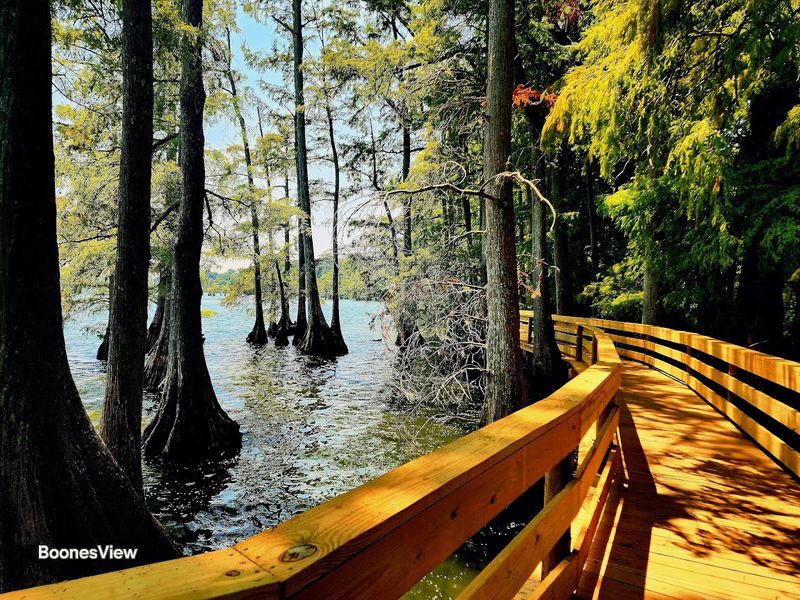
Reelfoot Lake was created by a series of massive earthquakes in 1811 and 1812 that were so powerful they reportedly made the Mississippi River flow backward temporarily. The result is one of the most visually unusual lakes in the entire country, filled with ancient cypress trees rising straight out of the water like something from a fever dream.
Nature went genuinely creative here.
Spring is prime birdwatching season at Reelfoot. Bald eagles, herons, egrets, and dozens of other species move through the area in big numbers, making it a serious draw for wildlife enthusiasts.
The boardwalks and boat tours give you access to parts of the lake that most visitors never reach on foot.
The flooded forest scenery is unlike anything else in Tennessee, full stop. Even people who do not consider themselves nature lovers tend to go quiet when they first see the cypress trees reflected in that still water.
Reelfoot has a way of doing that.
Pinson Mounds State Archaeological Park, Pinson, Tennessee
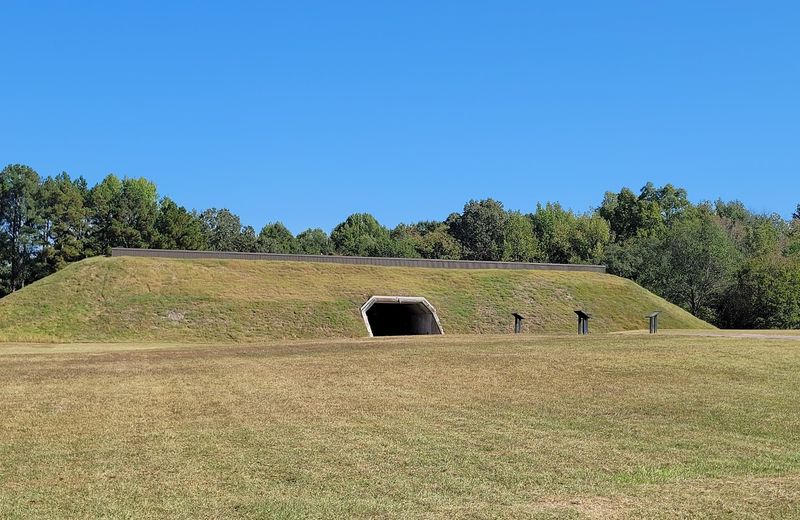
Pinson Mounds contains some of the largest ancient earthworks in North America, built by the Woodland culture roughly 2,000 years ago. The largest mound stands about 72 feet tall, making it the second-tallest prehistoric mound in the entire United States.
That fact tends to reframe the whole visit pretty quickly.
The park has a genuinely good on-site museum that explains the history and archaeology without drowning you in jargon. Paved trails connect the mounds and make the whole site accessible for visitors of all ages and ability levels.
Spring is a lovely time to walk the grounds when the grass is green and the crowds are still thin.
What makes Pinson Mounds special is the combination of real historical weight and a relaxed, unhurried atmosphere. There are no massive crowds, no gift shop chaos, just ancient history sitting quietly in a West Tennessee field.
It is the kind of place that stays with you longer than you expect.
Fort Loudoun State Historic Park, Vonore, Tennessee
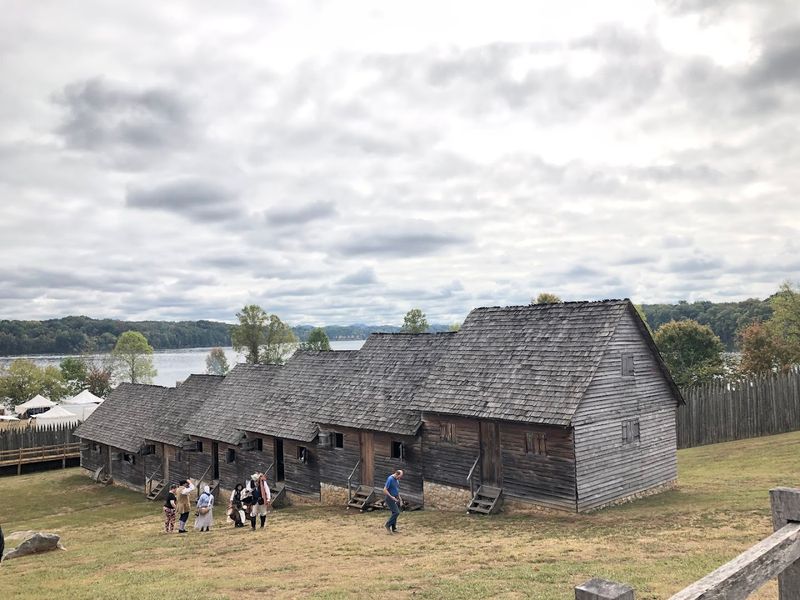
Fort Loudoun was built in 1756 as a British stronghold meant to cement alliances with the Cherokee Nation, and it did not exactly go as planned. The fort was eventually captured and destroyed, which makes the fully reconstructed version standing today feel like a small act of historical stubbornness.
History fans will appreciate every detail of the rebuild.
The park sits right on Tellico Lake, giving the whole visit a scenic backdrop that makes even a casual walk around the grounds worthwhile. Interpretive exhibits inside explain the complicated relationship between British colonists and the Cherokee people with real nuance.
It is a smarter, more layered history lesson than most roadside sites manage to pull off.
Spring is a genuinely pleasant time to visit, with mild temperatures and good light for walking the grounds and the nearby lake trail. Fort Loudoun pairs well with a stop at Sequoyah Birthplace Museum just a few miles down the road for a fuller picture of the region’s history.
Share this story