For decades, some of the world’s most fascinating places were completely off-limits—closed due to political secrecy, environmental protection, cultural sensitivity, or safety concerns. Many of these locations sparked curiosity precisely because they were inaccessible.
But in recent years, a shift toward controlled tourism and preservation has led to select openings, allowing travelers to explore places that were once considered unreachable. From hidden archives to remote islands and restricted zones, here are 13 once-forbidden places that are now (at least partially) open to visitors.
The Forbidden City, China
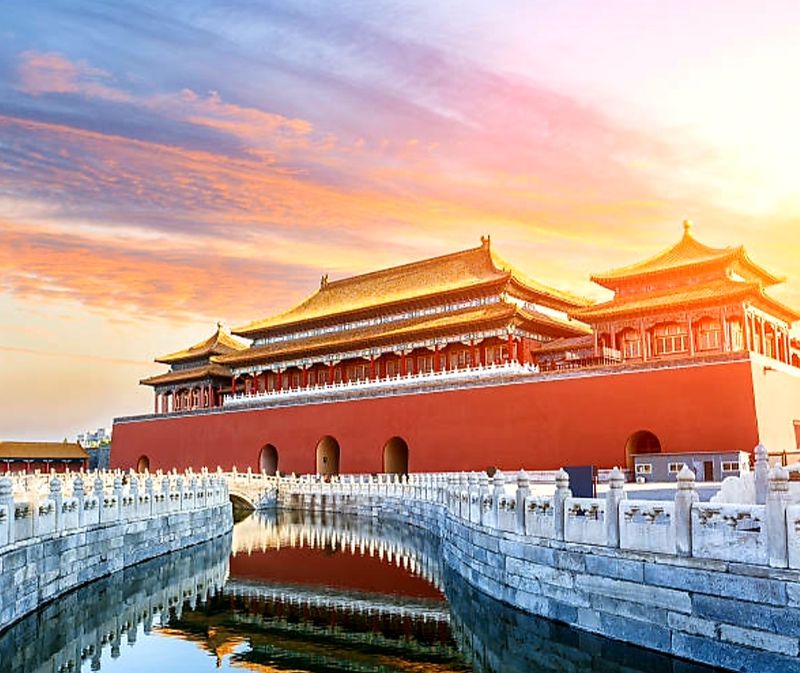
Walk through the gates that once only emperors could enter, and suddenly history feels very real. The Forbidden City in Beijing served as China’s imperial palace for nearly 500 years, housing 24 different emperors during the Ming and Qing dynasties.
It was, quite literally, forbidden—ordinary citizens who entered without permission faced serious punishment.
Today, the palace complex operates as the Palace Museum and welcomes around 17 million visitors annually, making it one of the busiest historic sites on Earth. That is a dramatic change from its centuries-long exclusivity.
The sheer size of the place is staggering—it contains over 980 buildings and stretches across 180 acres.
Smart visitors book tickets online well in advance, especially during peak seasons. Morning arrivals help beat the crowds and allow for a more peaceful experience.
Audio guides are available in multiple languages and are genuinely worth the small extra cost. Whether you are fascinated by ancient architecture, imperial history, or just jaw-dropping courtyards, the Forbidden City delivers on every level.
Vatican Apostolic Archives, Vatican City

Somewhere beneath the Vatican lies a collection so vast and secretive that even the name used to send imaginations running wild. For centuries, the Vatican Apostolic Archives—formerly called the Secret Archives—were accessible only to a privileged few.
Popes, cardinals, and a handful of trusted scholars were the only ones who ever got close.
That began to change in 1881 when Pope Leo XIII opened limited access to researchers. Since then, the rules have gradually loosened, though the archives remain a working institution rather than a public museum.
Scholars must apply for credentials and follow strict protocols to view the materials inside.
What is inside? Try 85 kilometers of shelving holding documents dating back over 1,200 years.
Among the treasures are letters from Michelangelo, records of Galileo’s trial, and correspondence from kings and queens across centuries. Special exhibitions have periodically brought selected documents into public view, giving everyday people a rare glimpse at history usually reserved for academics.
If you ever visit Vatican City, the nearby Vatican Museums offer curated displays that hint at the extraordinary depth of this remarkable collection.
Lascaux Cave (Replica Access), France
About 17,000 years ago, someone deep inside a cave in southwestern France picked up a piece of charcoal and started drawing. The result was one of humanity’s most breathtaking artistic achievements—the Lascaux cave paintings.
When the caves were discovered in 1940, tourists flooded in, and within just two decades, the carbon dioxide from visitors’ breath was literally destroying the art.
In 1963, the caves closed permanently to the public. Scientists have been carefully monitoring and preserving the originals ever since.
But here is the clever solution: extraordinarily detailed replicas were built so that visitors could experience the magic without causing any harm.
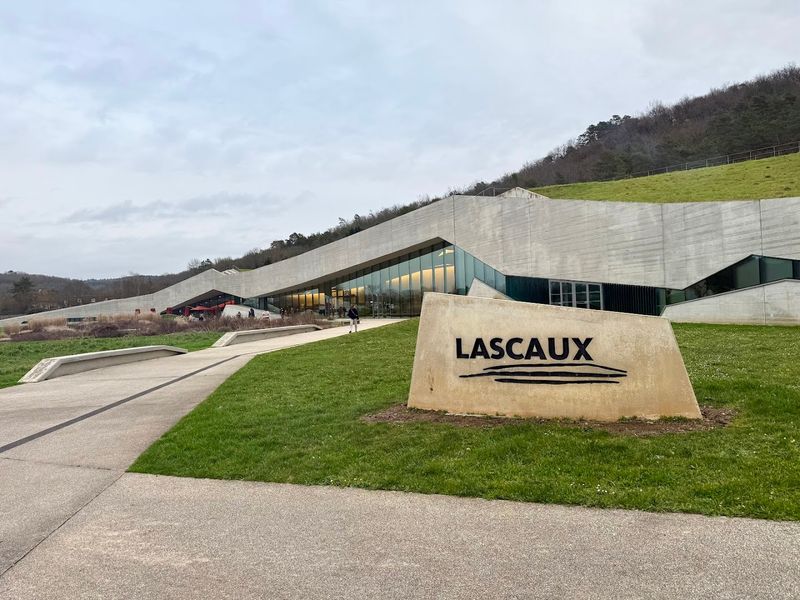
Lascaux IV, the most recent and impressive replica, opened in 2016 near the original site in the Dordogne region. Using cutting-edge 3D scanning and digital reproduction, it recreates the caves with stunning accuracy.
Standing inside and looking at those ancient animal figures—bulls, horses, deer—feels genuinely moving, even knowing they are reproductions. The visitor center also includes interactive exhibits that explain the archaeology and artistry behind the originals.
For anyone interested in human history, this is an experience that quietly blows your mind.
Svalbard Global Seed Vault, Norway (Limited Access)
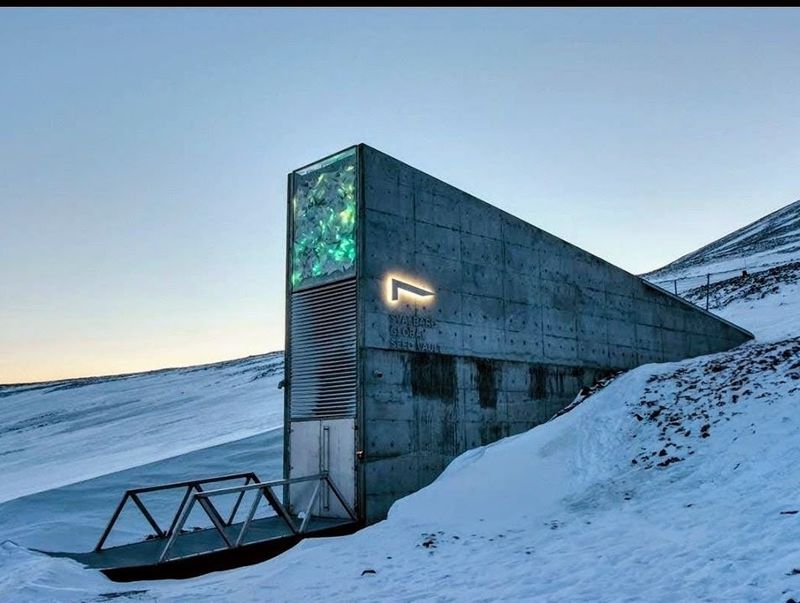
Buried deep inside an Arctic mountain on a Norwegian island sits a building designed to survive almost anything—floods, wars, power outages, and even nuclear disasters. The Svalbard Global Seed Vault opened in 2008 with one purpose: to protect the world’s crop diversity by storing seeds from every corner of the planet.
It holds over 1.3 million seed varieties and counting.
For most of its existence, the vault was completely off-limits to regular visitors. The location itself—halfway between mainland Norway and the North Pole—made casual visits nearly impossible anyway.
But things have shifted slightly. Select guided visits, media tours, and special access events have cracked the door open just a little.
The Norwegian government occasionally organizes public awareness visits, and the annual seed deposit events attract international media and representatives from countries around the world. Getting inside still requires specific credentials or connections, but the exterior and surrounding landscape are accessible to determined travelers visiting Svalbard.
The island itself is a remarkable destination—think polar bears, glaciers, and midnight sun. Even standing outside the vault’s glowing entrance feels like visiting the future.
This is not just a building; it is humanity’s backup plan.
Poveglia Island, Italy
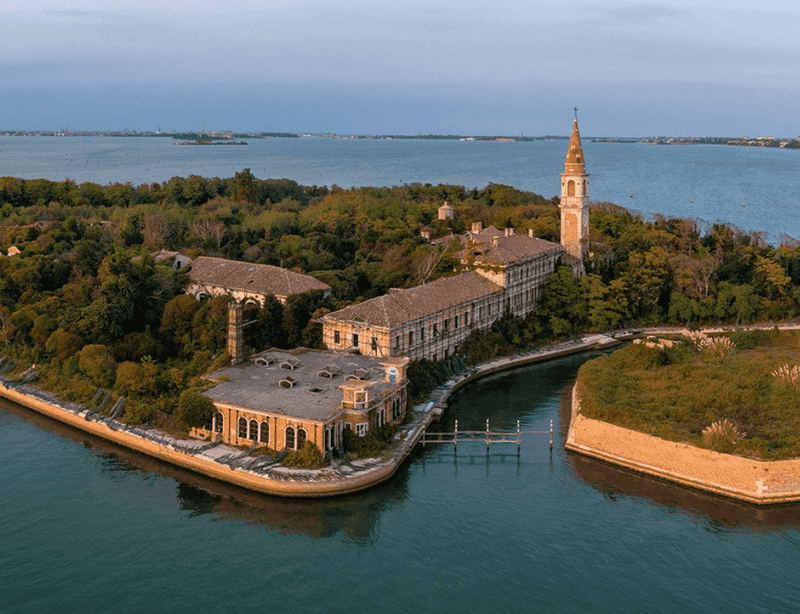
Few places carry as much dark history packed into such a small space as Poveglia Island, floating quietly in the Venice Lagoon. Used as a quarantine station during the bubonic plague, the island reportedly holds the remains of over 160,000 people.
Later, it housed a psychiatric hospital with a deeply troubled reputation. By the late 20th century, it was abandoned entirely and fenced off.
For decades, even locals avoided it. The Italian government kept it strictly off-limits, and the island sat decaying, slowly being swallowed by vegetation.
Ghost hunters and urban explorers occasionally tried sneaking in, but official access remained essentially zero.
Recently, conversations about Poveglia’s future have picked up considerably. The Italian government has explored proposals for controlled tourism, cultural restoration, and even limited public visits.
Some organized boat tours now pass closely around the island, and occasional supervised access has been discussed in restoration planning sessions. Nothing is fully open yet, but the trajectory is clear—Poveglia is inching toward visibility.
If you are planning a Venice trip, keep an eye on tour operators who specialize in lagoon history. This island’s story is genuinely unlike anything else in Italy, and possibly in the entire world.
North Korea (Select Tourist Zones)
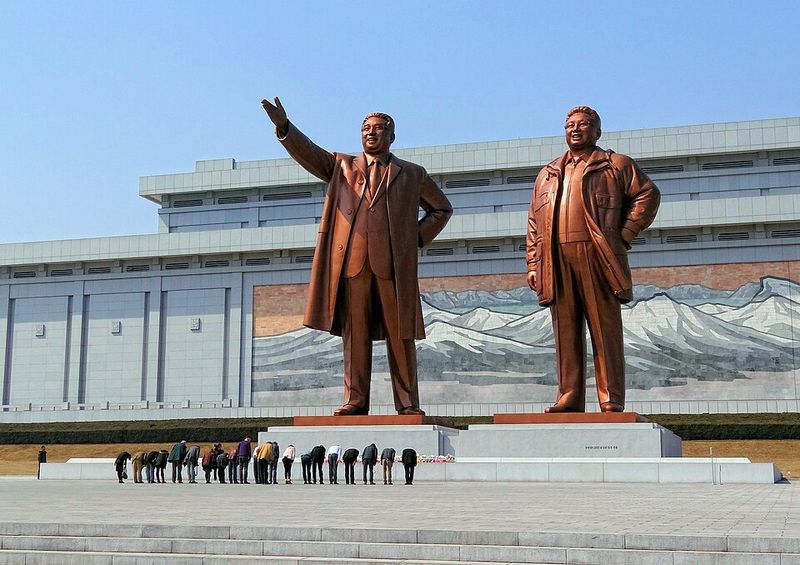
Visiting North Korea is not like visiting anywhere else on Earth—and that is putting it very mildly. For most of the country’s modern history, the idea of tourism was essentially nonexistent.
Foreigners were unwelcome, information was tightly controlled, and the borders were among the most sealed in the world.
That changed gradually starting in the 1980s and accelerating in the 1990s and 2000s, when the government began allowing highly controlled group tours into specific areas. Visitors were—and still are—accompanied by government-assigned guides at all times.
Itineraries are pre-approved, and wandering off on your own is absolutely not an option.
The approved tour zones typically include Pyongyang’s wide boulevards and monuments, the Demilitarized Zone from the northern side, and a handful of carefully curated cultural sites. It is a strange, surreal experience that many travelers describe as unlike anything else they have encountered.
Note that as of recent years, North Korea has suspended most tourism due to COVID-19 restrictions, though there are ongoing signals of a gradual reopening. Travelers interested in visiting should monitor updates closely and work only through officially authorized tour operators.
It is not a casual destination—but it is undeniably fascinating.
Chernobyl Exclusion Zone, Ukraine
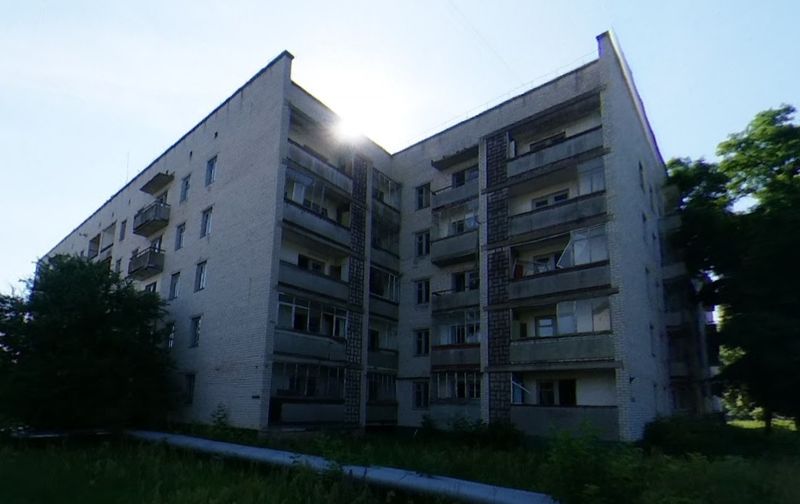
The rusted Ferris wheel in Pripyat has become one of the most iconic images of modern decay—a symbol of a city frozen at the moment of catastrophe. When Reactor No. 4 exploded at the Chernobyl Nuclear Power Plant in April 1986, roughly 350,000 people were evacuated and an exclusion zone of about 2,600 square kilometers was sealed off from the world.
For decades, entering that zone was reserved for scientists, cleanup workers, and government officials. Then something unexpected happened: people started getting curious.
Really curious. The HBO miniseries that aired in 2019 sent tourist interest skyrocketing by over 30 percent almost overnight.
Today, licensed tour operators run guided day trips and multi-day excursions into the exclusion zone from Kyiv. Visitors wear dosimeters to monitor radiation exposure and follow strict safety protocols throughout.
The ghost town of Pripyat—with its crumbling apartment blocks, abandoned school supplies, and that famous amusement park—is genuinely haunting in the most powerful way. Wildlife has surprisingly rebounded in the absence of humans, making it an odd but remarkable ecological story too.
It is eerie, educational, and unforgettable. Just make sure to book with a reputable, licensed operator before going.
Varosha, Cyprus
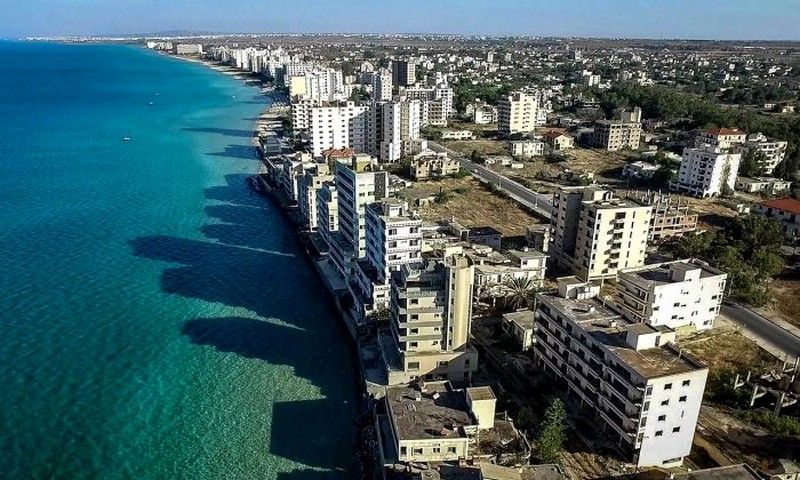
Imagine a luxury beach resort town where the hotels still have dishes in the kitchens and clothes hanging in the closets—but no one has lived there in 50 years. That is Varosha.
Once a glamorous Mediterranean hotspot attracting celebrities like Brigitte Bardot and Elizabeth Taylor, this district of Famagusta was abandoned almost overnight in 1974 following a military conflict that divided Cyprus.
Turkish forces fenced off the area, and for decades it sat behind barbed wire while the world moved on around it. Buildings crumbled, vegetation consumed the streets, and the beach that was once packed with tourists became completely deserted.
It became one of the most famous ghost towns in the world.
In 2020, parts of Varosha were reopened for the first time in 46 years—a politically charged decision that drew international criticism but also opened the door to visitors. The beach area and some streets are now accessible, though much of the fenced zone remains closed.
Walking through the reopened sections is an eerie, time-capsule experience unlike anything you will find at a typical tourist destination. Guided tours are the best way to explore safely and understand the complex political history surrounding this remarkable, haunted place.
Area 51 (Nearby Access), USA
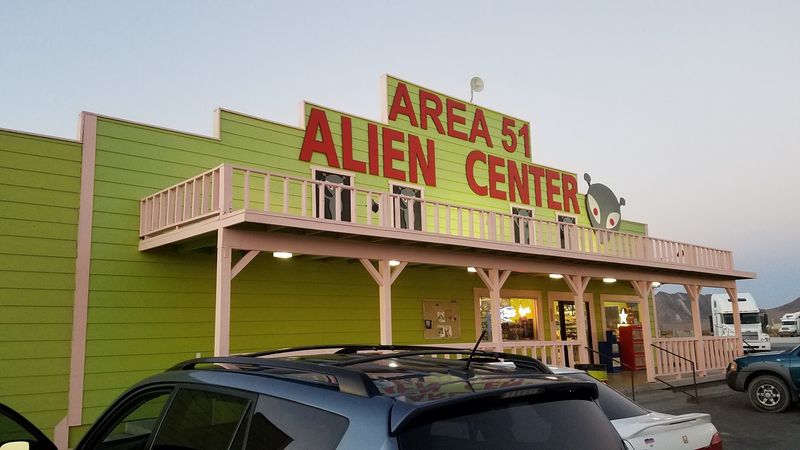
For decades, the United States government officially denied Area 51 even existed. Satellite images showed a massive military installation in the Nevada desert, but any mention of it was met with a firm “no comment.” It was not until 2013 that declassified CIA documents finally confirmed the base’s existence—though its actual activities remain classified to this day.
The base itself is still heavily restricted, surrounded by motion sensors, armed guards, and very serious warning signs. Nobody is getting through those gates for a casual look around.
However, the surrounding area has quietly transformed into a quirky tourist attraction all on its own.
The Extraterrestrial Highway (Nevada State Route 375) runs near the base and is dotted with alien-themed diners, motels, and roadside stops that lean hard into the UFO mystique. The tiny town of Rachel, Nevada, and nearby Hiko attract thousands of visitors annually.
Viewpoints along public land offer distant glimpses of the base perimeter. The 2019 “Storm Area 51” internet phenomenon drew massive attention to the region, boosting local tourism significantly.
Whether you believe in little green men or not, the drive through this stretch of Nevada desert—vast, silent, and slightly mysterious—is genuinely worth the trip.
The Korean Demilitarized Zone (DMZ), South Korea
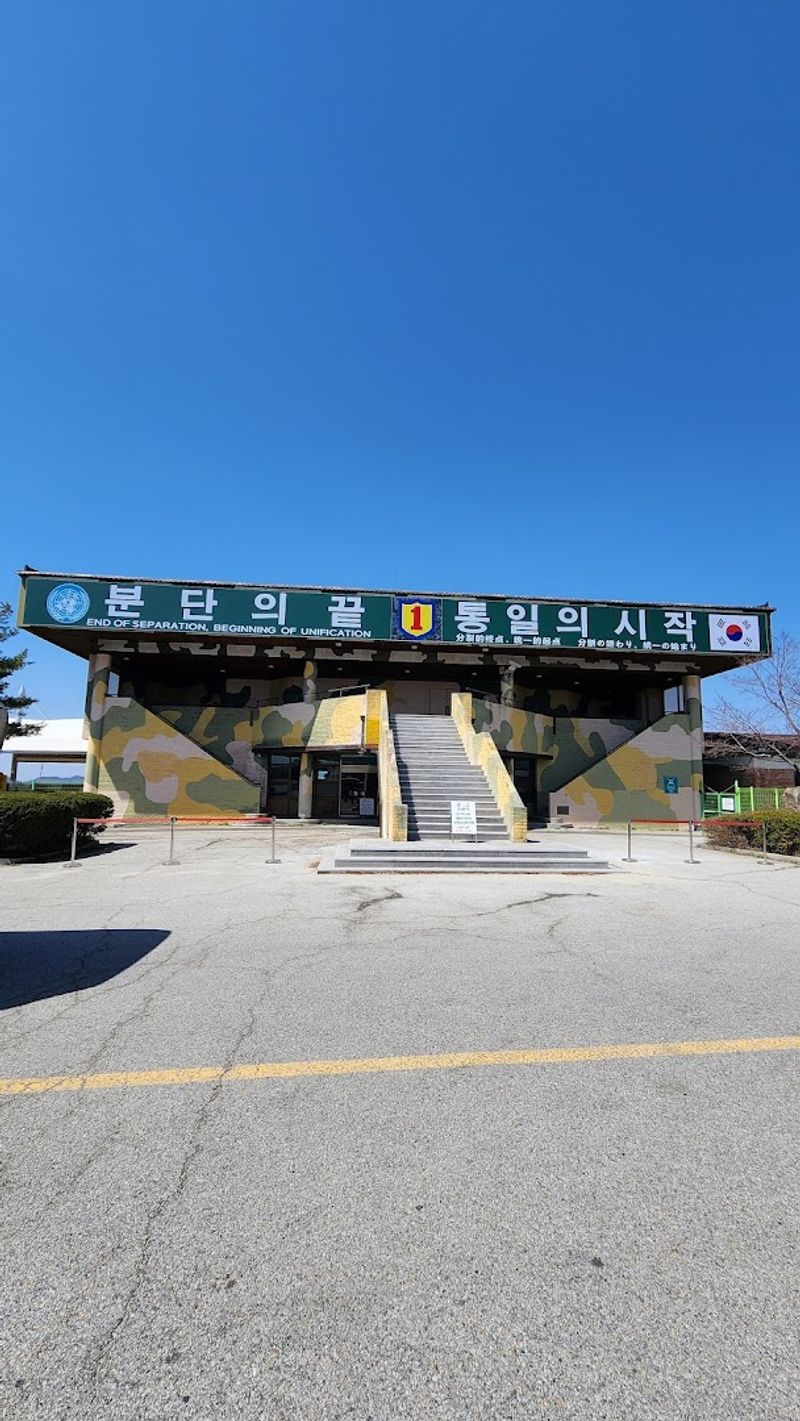
Stretching roughly 250 kilometers across the Korean Peninsula, the DMZ is one of the most heavily militarized borders in the world. Created in 1953 after the Korean War armistice, this 4-kilometer-wide buffer zone separates North and South Korea with layers of fencing, landmines, and armed soldiers watching from both sides.
It is tense, loaded with history, and oddly—open to tourists.
Guided tours from Seoul have been running for decades, allowing visitors to safely explore designated areas within and around the DMZ. The Joint Security Area at Panmunjom, where the two Koreas face each other across a painted line, is perhaps the most surreal stop.
You can literally stand in a room that straddles both countries.
Other highlights include the Third Tunnel of Aggression—a tunnel dug by North Korea toward Seoul—and the Dora Observatory, which offers views into North Korean territory on clear days. The DMZ has also become an unexpected wildlife sanctuary, as decades of human absence have allowed animals to thrive undisturbed.
Tours are organized and professional, with strict rules about photography and behavior in certain zones. For anyone interested in geopolitics, 20th-century history, or just one of the world’s most unusual landscapes, the DMZ is absolutely worth visiting.
Pravčická Brána, Czech Republic
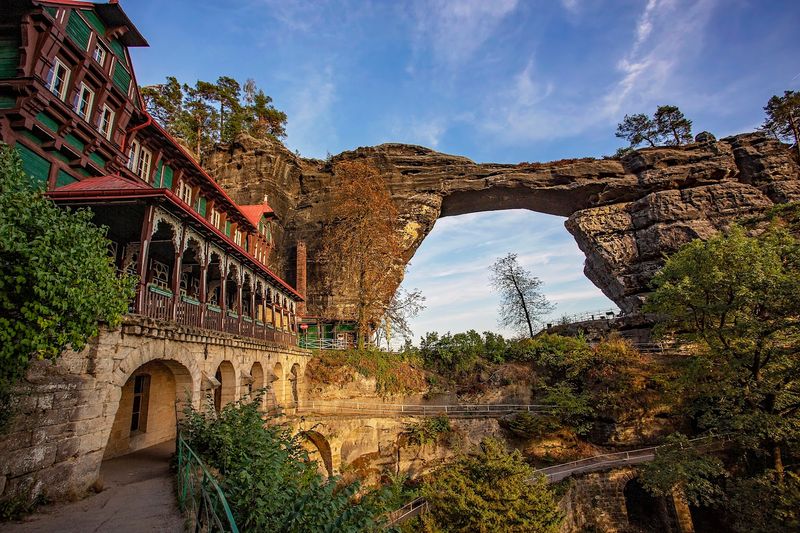
Europe’s largest natural sandstone arch sounds like a headline from a geography textbook, but standing beneath Pravčická Brána in person is something else entirely. Located in Bohemian Switzerland National Park in the Czech Republic, this remarkable rock formation spans about 26 meters wide and rises roughly 16 meters high.
It looks like something out of a fantasy novel.
For years, the arch was freely accessible, and visitors could walk directly on top of it. But all that foot traffic was slowly destroying the fragile sandstone.
In 1982, the arch was closed to walkers, and access remained restricted for decades while conservationists worked to balance preservation with tourism.
The good news: the arch has since reopened with controlled access and well-maintained viewing platforms and trails that allow visitors to admire it safely from multiple angles. The surrounding national park is stunningly beautiful—think dense forests, dramatic rock formations, and winding hiking trails that feel genuinely wild.
The nearby Falcon’s Nest restaurant, perched dramatically on the rock face, adds a memorable dining option to the visit. Spring and early autumn are the best seasons to visit, offering comfortable temperatures and fewer crowds.
This is one of those places that genuinely rewards the effort of getting there.
The Wave (Coyote Buttes), USA
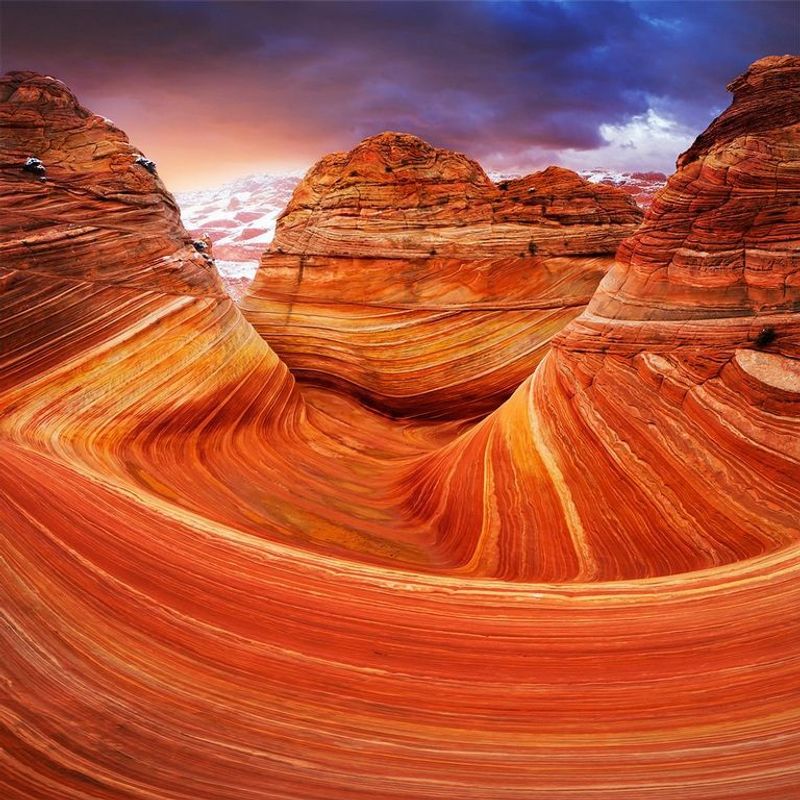
Some places look so otherworldly that photographs of them get mistaken for digital art. The Wave, located in the Coyote Buttes North area of the Vermilion Cliffs National Monument in Arizona, is exactly that kind of place.
Its smooth, swirling sandstone patterns in shades of red, orange, and pink look like someone painted the ground with a giant brush 190 million years ago—because essentially, ancient sand dunes did exactly that.
Access has always been tightly controlled, and for good reason. The fragile sandstone cannot handle heavy foot traffic without sustaining permanent damage.
For years, only 20 people per day were permitted, split between an advance lottery and a walk-up lottery held the day before. The odds of winning a permit were notoriously brutal.
Recently, the Bureau of Land Management expanded the daily quota slightly and moved the lottery system fully online, making the process more accessible while still protecting the site. Winning a permit still requires luck, patience, and planning months ahead.
Once you are in, the hike is moderately challenging with no marked trail—navigation skills and a good map are essential. But those who make it report that the experience is worth every bit of effort.
The Wave is genuinely one of America’s most spectacular natural wonders.
Huajiang Canyon (China)
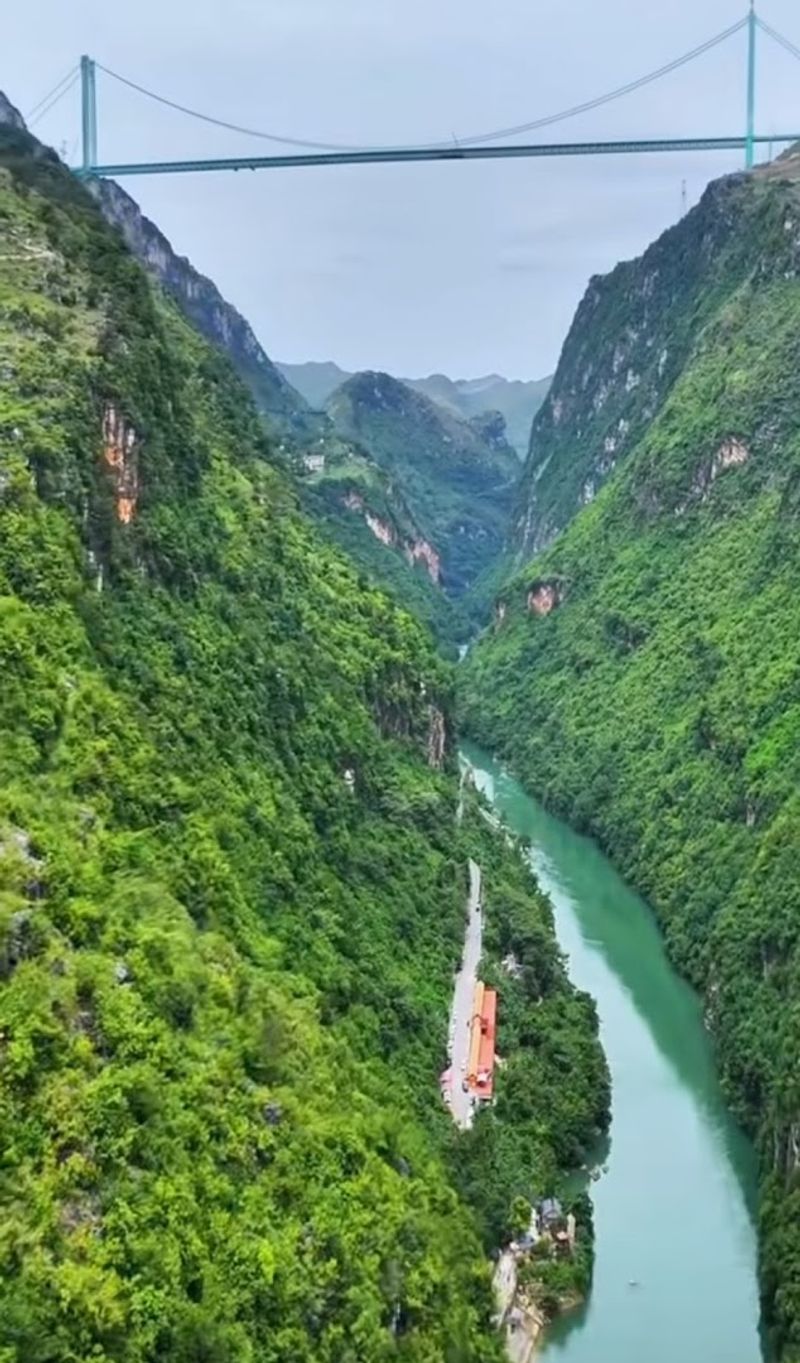
At over 2,000 meters deep in some sections, Huajiang Canyon in Guizhou Province is one of the deepest canyons in Asia—and for a while, it was paying the price for its own fame. Rapid tourism growth brought environmental damage that threatened the canyon’s delicate ecosystems, forcing authorities to step in with restrictions and temporary closures.
Conservation teams spent years working to restore vegetation, manage waste, and redesign visitor infrastructure to reduce human impact on the landscape. The canyon’s river, wildlife corridors, and cliff ecosystems all needed careful attention before the site could responsibly welcome visitors again.
Now reopened with significantly stricter environmental protections, Huajiang Canyon offers a genuinely impressive experience for visitors who make the journey to Guizhou. New elevated walkways and viewing platforms allow people to admire the dramatic scenery without trampling sensitive ground.
The canyon is also central to a massive infrastructure project—a bridge spanning the gorge is among the highest in the world, adding an engineering spectacle to the natural one. Local guides offer context on both the geology and the conservation story, which adds real depth to the visit.
If dramatic landscapes and responsible travel are your thing, Huajiang Canyon belongs firmly on your radar.
Share this story