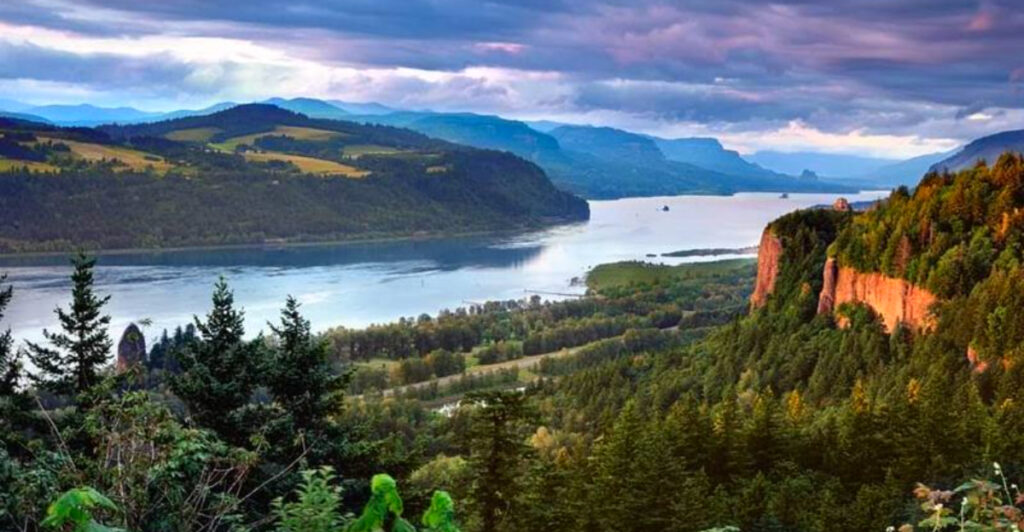
If someone asked you to prove why Oregon is one of America’s most beautiful states, where would you take them? With rugged coastlines, snow-capped volcanoes, emerald forests, dramatic waterfalls, and colorful high-desert landscapes, Oregon offers incredible diversity in every direction.
These destinations capture the very best of the Beaver State and are guaranteed to leave first-time visitors seriously impressed.
Crater Lake National Park
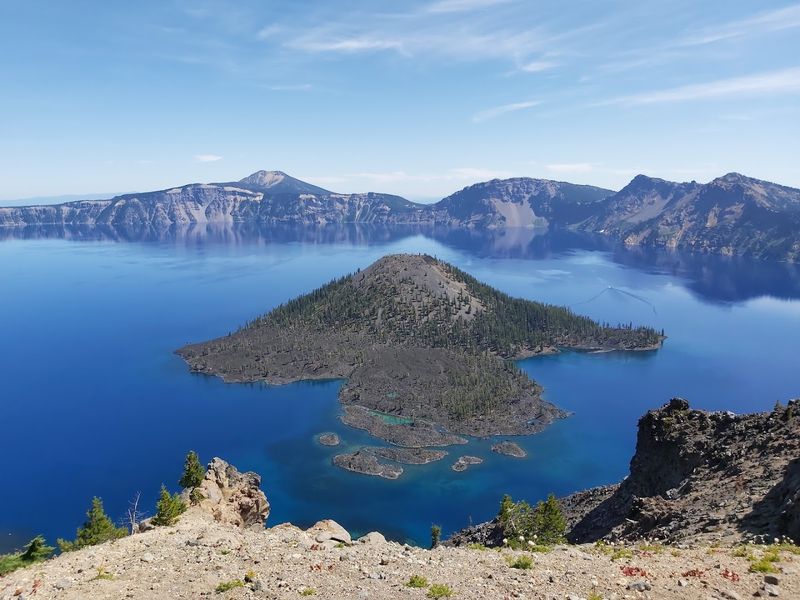
No photograph fully prepares you for the moment you first lay eyes on Crater Lake. The water is so intensely blue it looks like someone spilled a giant bottle of food coloring into a volcano, which, in a roundabout way, is kind of what happened.
Crater Lake formed roughly 7,700 years ago when Mount Mazama erupted and collapsed, leaving behind a caldera that slowly filled with rain and snowmelt. No rivers flow in or out, which keeps the water crystal clear and strikingly vivid.
At 1,943 feet deep, it holds the title of the deepest lake in the United States.
Scenic Rim Drive circles the entire caldera and offers jaw-dropping viewpoints at nearly every stop. Wizard Island, a cinder cone rising from the lake’s surface, adds a dramatic visual element you won’t find anywhere else.
Hiking, boat tours, and winter snowshoeing round out the experience. Visiting at sunrise, when soft light hits the water and fog drifts over the rim, is the kind of moment that makes people immediately start planning a return trip.
Crater Lake earns every bit of its legendary reputation.
Cannon Beach
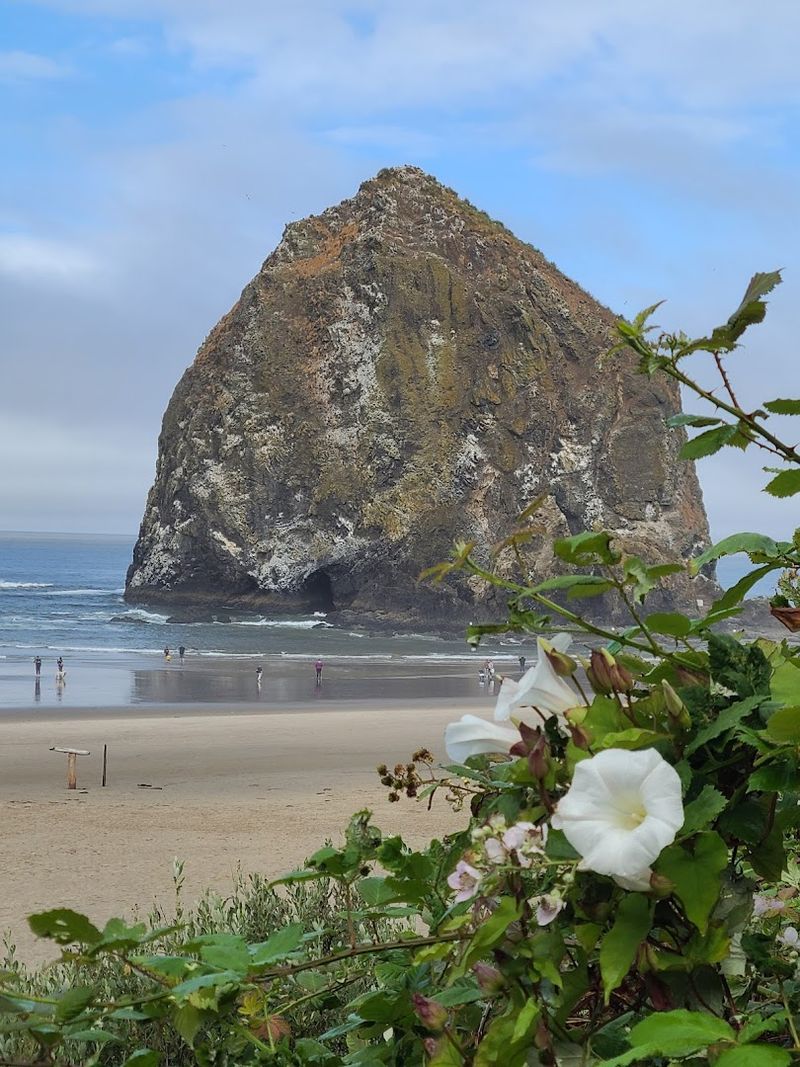
Haystack Rock just stands there, 235 feet tall, daring every visitor to take a bad photo of it. Spoiler: it is basically impossible.
Cannon Beach has earned its reputation as one of the most picturesque towns on the entire Pacific Coast, and not just because of that famous basalt monolith. The beach itself stretches for miles, wide and clean, with soft sand that practically invites long barefoot walks.
At low tide, the rocks near Haystack Rock reveal colorful tide pools filled with sea stars, anemones, and hermit crabs, turning the shoreline into a free natural aquarium.
Downtown Cannon Beach adds even more personality to the visit. Quirky art galleries, cozy coffee shops, and locally owned boutiques line the streets, giving the town a creative, laid-back energy.
The annual Sandcastle Contest draws artists who build ridiculously impressive sculptures that disappear with the next high tide, which somehow makes them even cooler. Summer sunsets here paint the sky in shades of orange and pink that reflect off the wet sand in a way that makes everyone go quiet for a moment.
Cannon Beach is the kind of place that turns skeptics into Oregon converts fast.
Columbia River Gorge National Scenic Area
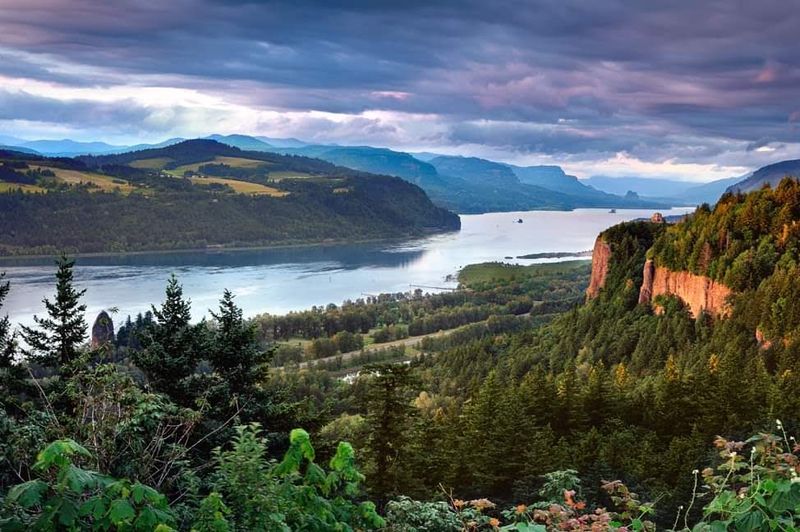
Standing at a viewpoint above the Columbia River Gorge feels like looking at a landscape someone designed specifically to make people gasp out loud. The cliffs, the river, the waterfalls, the forests, it all hits at once.
The Gorge stretches for about 80 miles along the Oregon-Washington border, carved out by ancient floods so massive they reshaped entire regions of the Pacific Northwest. Geologists still study this place because the scale of what happened here is almost hard to believe.
Today, visitors enjoy the results without needing a geology degree to appreciate them.
Multnomah Falls, at 620 feet, is the most visited natural attraction in Oregon and one of the tallest waterfalls in the country. But the Gorge hides dozens of other cascades that see far fewer crowds, rewarding hikers who venture off the main path.
The Historic Columbia River Highway, built in the early 1900s, winds through tunnels and past viewpoints that were engineered specifically to showcase the scenery. Windsurfers and kitesurfers flock to Hood River for the powerful winds that funnel through the Gorge.
Whether you drive it, hike it, or simply pull over and stare, the Columbia River Gorge delivers every single time.
Silver Falls State Park
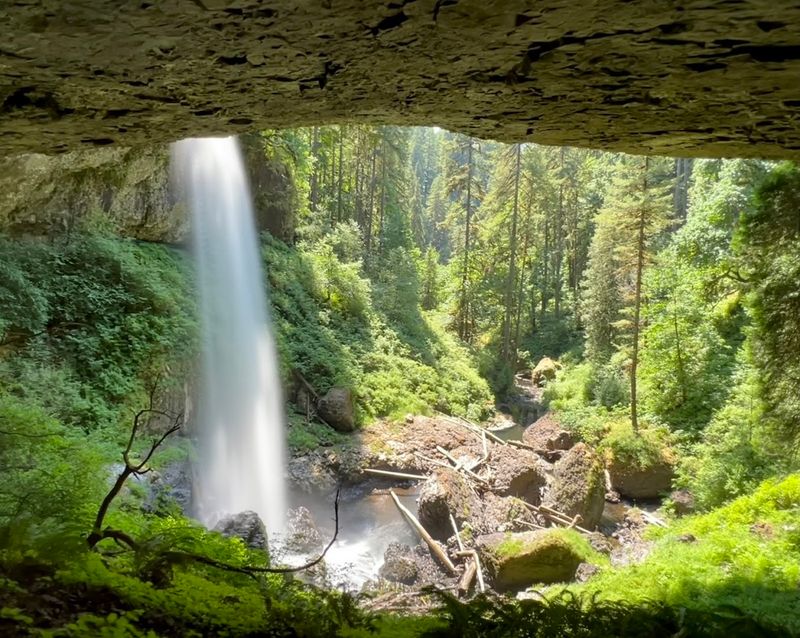
Walking behind a waterfall is one of those experiences that sounds slightly unbelievable until you actually do it, and Silver Falls State Park lets you do it multiple times in a single hike.
The Trail of Ten Falls is the star attraction here, looping roughly seven miles through old-growth forest past ten separate waterfalls, four of which you can walk directly behind. South Falls, the tallest at 177 feet, is the most dramatic and provides one of the most photographed scenes in the entire Oregon state park system.
The sound of water echoing off mossy canyon walls creates a kind of natural surround sound that sticks with you long after the hike ends.
Silver Falls State Park is often called the crown jewel of Oregon’s state park system, and with over 9,000 acres of forest, meadows, and canyon trails, it earns that title. Spring brings lush greenery and peak waterfall flow, but fall adds warm golden tones that make the forest look like it is on fire in the best possible way.
Families, photographers, and serious hikers all find something here. Camping is available on site, making it easy to spend a full weekend exploring without rushing a single step.
Samuel H. Boardman State Scenic Corridor
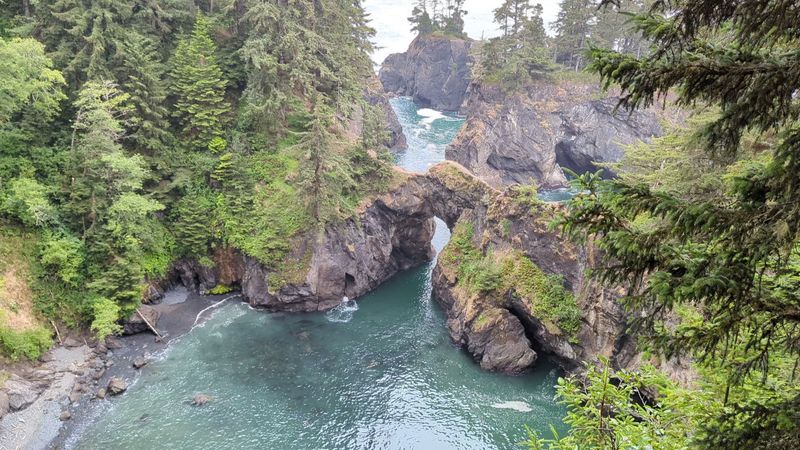
There is a stretch of Highway 101 near Brookings where every single pullout reveals a view so stunning that drivers instinctively reach for their cameras before the car even stops rolling.
The Samuel H. Boardman State Scenic Corridor runs for about 12 miles along one of the most dramatic sections of the Oregon Coast.
Natural bridges, sea arches, hidden pocket beaches, and towering coastal cliffs pack into this corridor in a way that feels almost unfair to every other scenic drive in the country. The Arch Rock Viewpoint and Natural Bridges Cove alone justify making a special trip to southern Oregon.
Because this area sits far from the major tourist hubs, it tends to stay quieter than more famous coastal spots. That means fewer crowds, easier parking, and a stronger sense of genuine discovery when you find a hidden trail leading down to a secluded beach.
The offshore sea stacks create nesting habitat for seabirds, so binoculars are a solid packing choice. Wildflowers bloom along the bluffs in spring, adding bursts of color to the already jaw-dropping scenery.
If you only have time for one scenic drive on the Oregon Coast, this corridor makes a very compelling case for being the one you choose.
Mount Hood
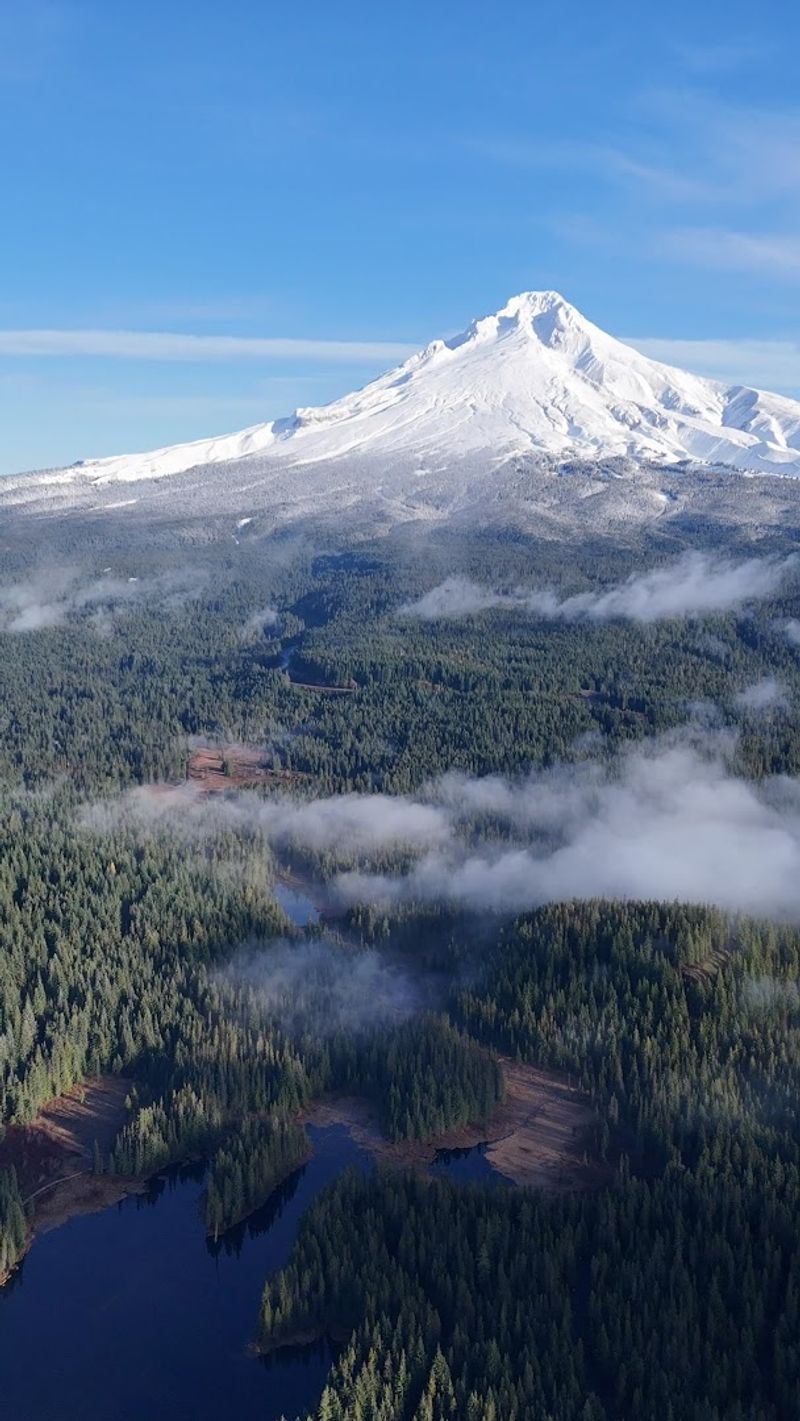
On a clear day in Portland, Mount Hood floats above the eastern horizon like a snow-capped crown, and the view never gets old no matter how many times you see it.
At 11,249 feet, Mount Hood is Oregon’s highest peak and one of the most recognizable mountains in the entire Pacific Northwest. The historic Timberline Lodge, built in the 1930s by craftsmen using local stone and hand-carved wood, sits near the treeline and serves as both a working ski resort and a National Historic Landmark.
Skiing and snowboarding happen here well into summer, which is a fact that surprises most out-of-state visitors.
Beyond the slopes, Mount Hood offers spectacular hiking trails, alpine lakes, and scenic byways that wind through wildflower meadows and dense forests. Mirror Lake provides one of the most iconic reflections of the mountain and rewards hikers with a relatively manageable trail.
The Mount Hood Scenic Byway connects several charming small towns, orchards, and viewpoints that make for an excellent day trip from Portland. Fall transforms the surrounding forests into a patchwork of gold and rust.
Whether you visit in summer, fall, or winter, Mount Hood consistently delivers scenery that makes Oregon residents quietly proud every single time.
Smith Rock State Park
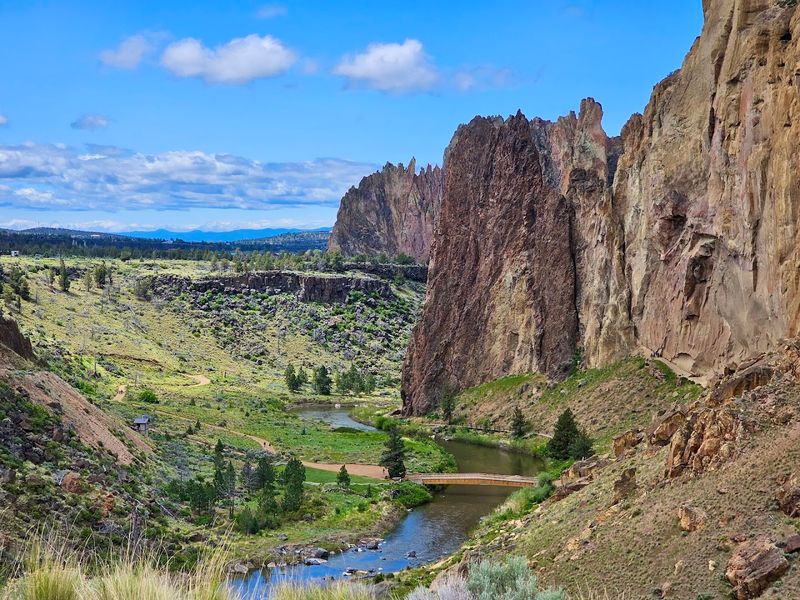
Smith Rock looks like it belongs in a fantasy novel, with sharp volcanic spires shooting hundreds of feet into the high desert sky above a winding turquoise river far below.
Located near Terrebonne in central Oregon, Smith Rock is widely credited as the birthplace of American sport climbing. The sheer welded tuff walls here attract rock climbers from around the world, but you do not need to own a harness to appreciate the scenery.
Simply walking the riverside trail at the base of the cliffs puts you right inside one of Oregon’s most dramatic natural landscapes.
Misery Ridge is the park’s most famous hiking trail, and yes, the name is a little bit of a warning. The steep switchbacks that earn the trail its nickname give way to panoramic views of Mount Hood, Mount Jefferson, and the Three Sisters on clear days, making every sweaty step worth it.
Golden eagles and prairie falcons nest in the cliffs, and mule deer roam the canyon floor below. Sunrise here is genuinely special, when warm light turns the rock formations from gray to deep amber.
Smith Rock proves that Oregon’s beauty extends far beyond its coastline and forests into the wide-open high desert.
Painted Hills
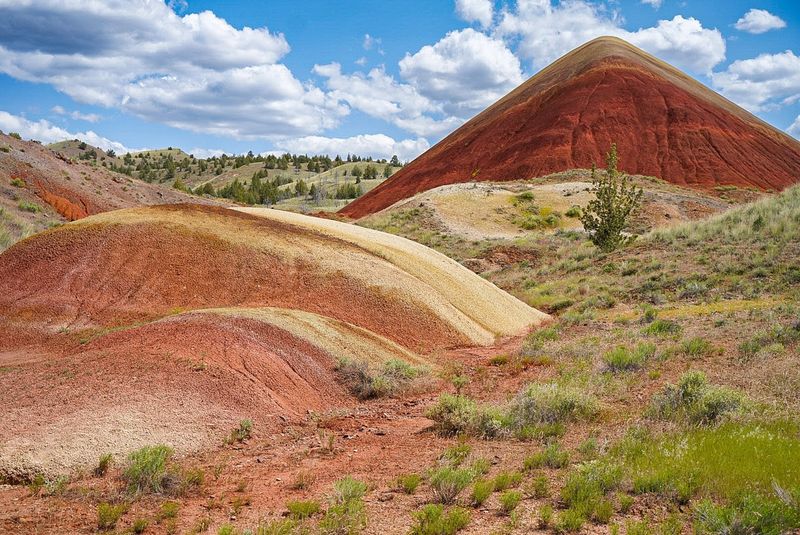
Some landscapes make you do a double-take because they look more like a painting than a real place, and the Painted Hills deliver that reaction so reliably it is almost unfair to the rest of Oregon’s scenery.
Part of the John Day Fossil Beds National Monument, the Painted Hills sit in the high desert of eastern Oregon near the small town of Mitchell. The vibrant layers of red, gold, black, and tan were formed over millions of years from ancient volcanic ash and fossilized soils.
The colors shift dramatically depending on the time of day and the moisture in the air, which means no two visits ever look exactly the same.
Short trails wind through the area, including a boardwalk that gets you close to the colorful formations without damaging them. Sunrise and late afternoon light produce the most vivid colors, making golden hour here genuinely worth setting an alarm for.
The surrounding landscape is wide open and quiet, with very little development nearby, giving the whole experience a sense of stepping back in time. Nearby fossil sites reveal leaf impressions and animal bones from 35 million years ago.
The Painted Hills rank among Oregon’s most unexpected and visually striking destinations, full stop.
Astoria

Astoria sits at the edge of the continent where the Columbia River finally surrenders to the Pacific Ocean, and the town wears that dramatic geography like a badge of honor.
Founded in 1811, Astoria holds the distinction of being the oldest American settlement west of the Rocky Mountains. That long history shows up everywhere, from the Victorian homes perched on steep hillside streets to the maritime museums lining the waterfront.
The Astoria Column, a painted pillar rising 125 feet above Coxcomb Hill, offers a panoramic view that takes in the river, the ocean, the bridge, and the surrounding forested hills all at once.
The waterfront has transformed into a lively stretch of restaurants, breweries, and galleries without losing its working-port character. Sea lions haul out on the old dock pilings near the East End Mooring Basin, providing free entertainment and plenty of noise.
The 1993 film The Goonies was filmed here, which still draws devoted fans who recognize every corner of the town. Fog rolls in off the water on most mornings, giving Astoria a moody, cinematic atmosphere that photographers absolutely love.
For a town of about 10,000 people, Astoria punches well above its weight in personality, history, and sheer visual appeal.
Wallowa Lake and Joseph
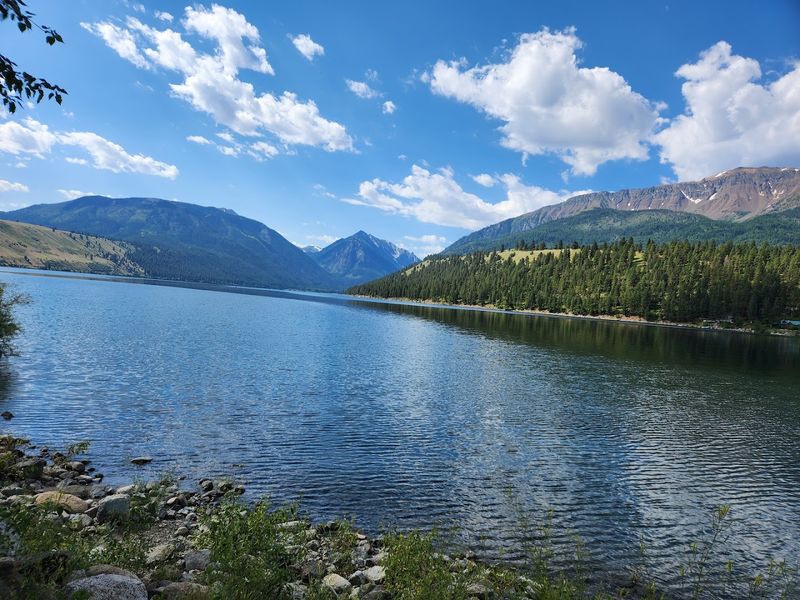
People who have never heard of the Wallowa Mountains tend to react the same way when they first see them: with genuine disbelief that something this dramatic exists in eastern Oregon.
The Wallowas rise sharply from the surrounding high desert plateau, their granite peaks topping out above 9,000 feet and holding snow well into summer. Wallowa Lake sits at their base, glacier-carved and startlingly clear, reflecting the peaks on calm mornings in a way that makes the scene look almost too perfect.
A gondola ride from the south end of the lake carries visitors up to a ridge with views that stretch across four states on clear days.
The nearby town of Joseph adds a genuinely unique layer to the visit. Known as an arts community, Joseph features bronze foundries, galleries, and outdoor sculptures that line the main street in a way you rarely see in a town this size.
The annual Chief Joseph Days rodeo celebrates the area’s deep connection to the Nez Perce people and their legendary leader. Hiking trails fan out from the lake into the Eagle Cap Wilderness, one of Oregon’s most pristine backcountry areas.
The combination of mountain grandeur, artistic energy, and small-town warmth makes Wallowa Lake and Joseph hard to match anywhere in the state.
Cape Perpetua Scenic Area
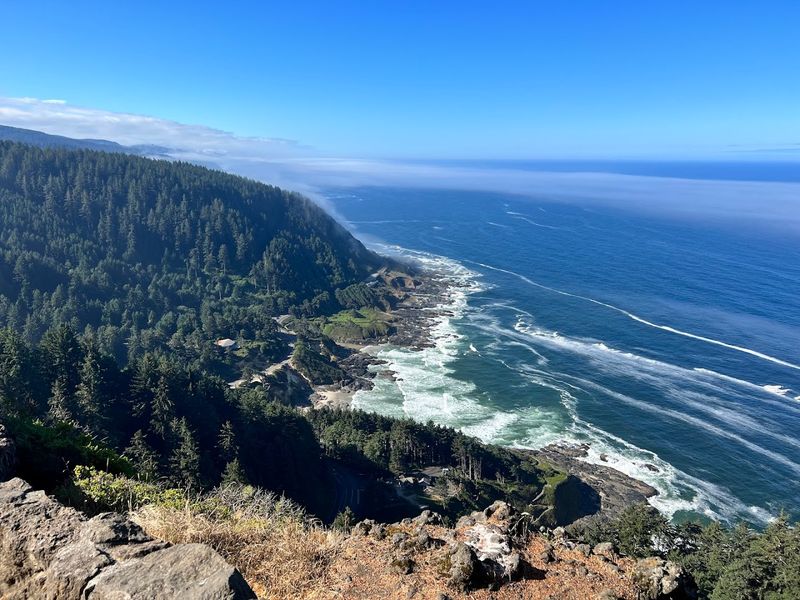
Thor’s Well at Cape Perpetua looks like the ocean has a drain, and watching waves surge into that circular rock opening during high tide is the kind of spectacle that makes visitors stand in the rain without even noticing they are wet.
Cape Perpetua sits just south of Yachats and packs an extraordinary amount of coastal drama into a relatively small area. Devil’s Churn, a narrow rock channel where waves explode upward with impressive force, sits just a short walk from the visitor center.
The Spouting Horn sends jets of water skyward during big swells, adding another layer of natural theater to the visit.
Above the shoreline, old-growth Sitka spruce trees hundreds of years old form a dense canopy along forest trails that wind up to the Cape Perpetua overlook, sitting 800 feet above the ocean. The view from the top is one of the highest accessible viewpoints on the entire Oregon Coast, stretching north and south for miles.
Tide pools at the base of the cape shelter ochre sea stars, purple urchins, and giant green anemones. The combination of powerful ocean energy, ancient forest, and sweeping coastal views makes Cape Perpetua one of those rare places that impresses every type of visitor, from toddlers to geology professors.
Oregon Dunes National Recreation Area
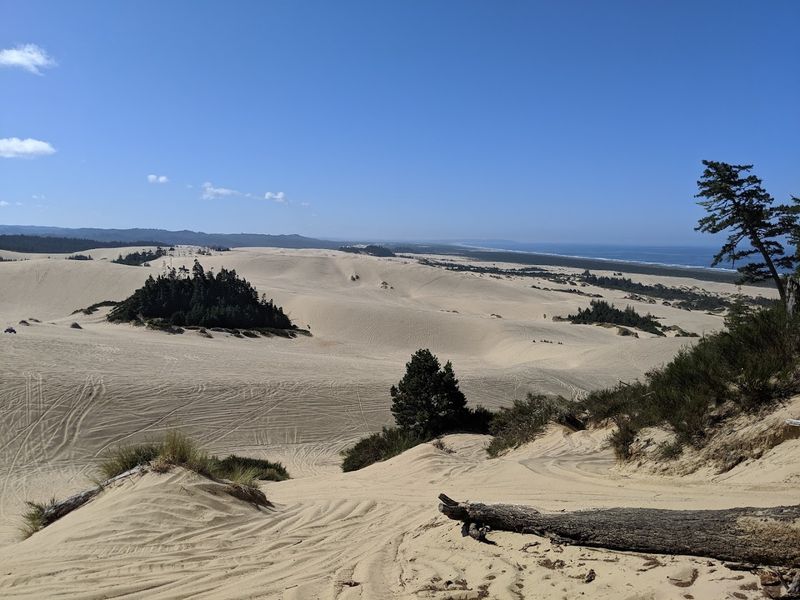
Most people do not expect to find sand dunes the size of small mountains on the Oregon Coast, which is exactly what makes the Oregon Dunes such a satisfying surprise.
Stretching for roughly 40 miles between Florence and Coos Bay, the Oregon Dunes form the largest expanse of coastal sand dunes in North America. Some dunes reach heights of 500 feet, which sounds impossible until you are standing at the base of one looking up.
The dunes shift constantly with wind and weather, meaning the landscape literally looks different from one season to the next.
Off-highway vehicle riding is wildly popular here, with dune buggies and ATVs carving tracks across the sandy slopes in designated areas. For those who prefer a quieter experience, hiking trails wind through the dunes toward secluded ocean beaches that see very little foot traffic.
The contrast between the dry, golden sand and the cool, gray Pacific Ocean creates a visual combination that feels genuinely unusual for the Pacific Northwest. Freshwater lakes hide among the dunes, attracting swimmers and anglers during summer months.
Sandboarding has also become a popular activity, essentially snowboarding on sand, which looks exactly as chaotic and fun as it sounds. The Oregon Dunes are one of the state’s most genuinely unexpected landscapes.
Hood River
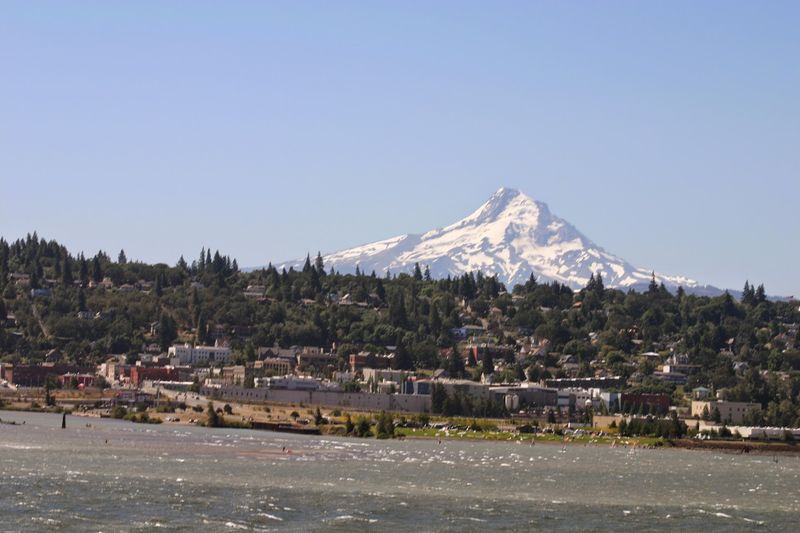
Hood River might be the only town in Oregon where you can eat a farm-fresh breakfast, watch world-class windsurfers from a riverside park, and drive through an apple orchard all before noon.
Tucked between the Columbia River and the slopes of Mount Hood, Hood River blends outdoor adventure with agricultural charm in a way that feels effortless. The town is internationally famous among windsurfers and kitesurfers because the Columbia River Gorge funnels powerful, consistent winds right through this section of the river.
On a breezy summer afternoon, dozens of colorful sails dot the water in a scene that is surprisingly mesmerizing to watch even if you have no idea how to windsurf.
The Hood River Fruit Loop, a 35-mile scenic drive through surrounding farmland, passes lavender fields, pear and cherry orchards, apple farms, and small wineries that offer tastings with views of the valley. Fall is peak season for the drive, when the orchards turn golden and farm stands overflow with fresh produce.
The town itself has a strong craft brewery scene, a lively main street, and easy access to hiking trails and waterfalls just minutes away. Hood River captures Oregon’s outdoor-loving, food-appreciating, scenery-obsessed personality in one compact, genuinely lovable package.
Share this story