Our planet is covered by water, and some of the most breathtaking places on Earth are its seas. From glowing bioluminescent shores to frozen Arctic landscapes, these bodies of water can look almost too beautiful to be real.
Whether you love travel, nature, or just cool facts, these 13 seas will leave you genuinely amazed. Get ready to explore some of the most visually stunning waters on the planet.
1. The Maldives Sea
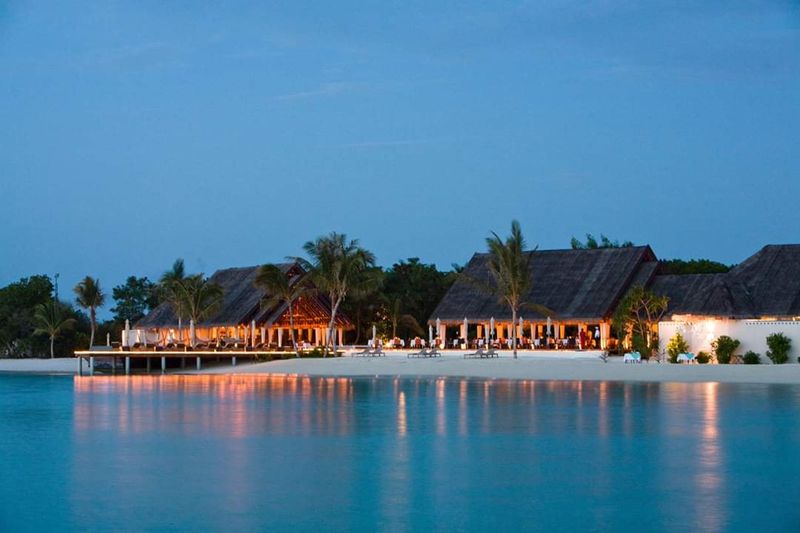
Few places on Earth make you question whether you are looking at a painting or reality quite like the waters surrounding the Maldives. The sea here shimmers in impossible shades of turquoise and aquamarine, stretching endlessly across the Indian Ocean.
What truly sets it apart is a phenomenon called bioluminescence. On certain nights, microscopic plankton light up the shoreline with a glowing blue light, creating what locals and visitors call the “Sea of Stars.” Walking along the beach feels like stepping into a dream.
The Maldives sits so low in the ocean that the sea and sky seem to blend together. Coral reefs beneath the surface are packed with colorful fish and sea turtles, making this one of the most biodiverse marine environments on the planet.
It is genuinely hard to believe this place actually exists.
2. The Red Sea
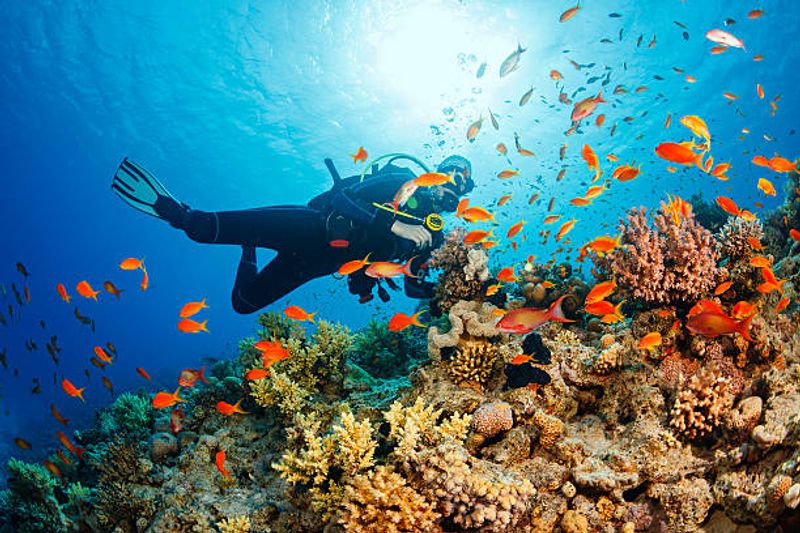
Stretching between Africa and the Arabian Peninsula, the Red Sea is one of the clearest and most colorful bodies of water anywhere on Earth. Scientists believe its remarkable visibility comes from low freshwater input and minimal rainfall, keeping the water almost impossibly transparent.
Below the surface, an entire universe comes alive. Coral reefs here are some of the oldest and most diverse in the world, sheltering hundreds of fish species, reef sharks, manta rays, and even dolphins.
Divers from every corner of the globe travel here just to experience its underwater world.
Interestingly, the Red Sea gets its name not from the color of its water, but possibly from seasonal algae blooms that tint the surface reddish. Above the waterline, dramatic desert coastlines frame the brilliant blue water, creating a striking contrast that makes every photograph look professionally edited.
3. The Caribbean Sea
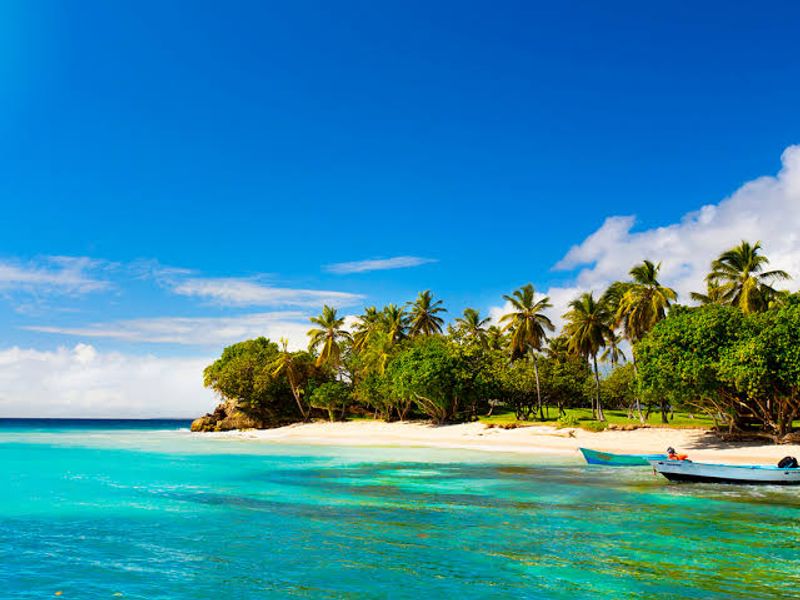
There is a reason the Caribbean Sea appears on more travel posters than almost any other destination. The water here ranges from pale mint green in shallow areas to deep cobalt blue further offshore, and the transition between shades is stunningly gradual.
In places like the Bahamas and Turks and Caicos, the water is so clear that boats floating above the sandy seafloor appear to hover in midair. This optical illusion has been captured in thousands of viral photos and still manages to surprise first-time visitors who see it in person.
The Caribbean Sea is also one of the warmest seas in the world, averaging around 80 degrees Fahrenheit. That warmth supports thriving coral ecosystems and makes it a favorite destination for snorkelers and swimmers year-round.
Warm, clear, and jaw-droppingly beautiful, it earns every bit of its legendary reputation.
4. The Andaman Sea
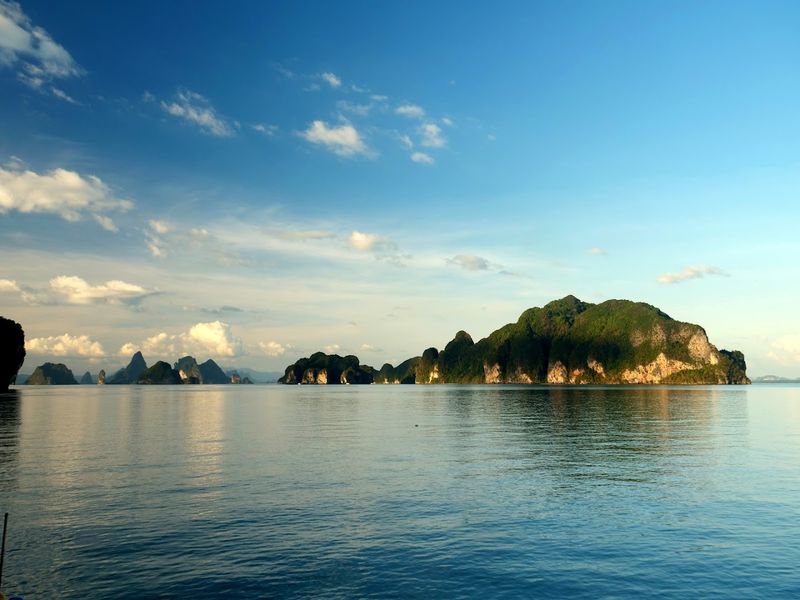
Imagine sailing between towering limestone cliffs that shoot straight up from emerald-green water, with hidden lagoons tucked behind every curve. That is exactly what the Andaman Sea delivers, and it is no wonder this region inspired so many adventure films.
Located between Thailand, Myanmar, and the Andaman and Nicobar Islands, this sea is defined by dramatic geography. The famous Phi Phi Islands and Phang Nga Bay sit within its waters, offering some of the most photographed coastal scenery in all of Southeast Asia.
The Andaman Sea is also home to rich marine biodiversity, including whale sharks, sea turtles, and elaborate coral gardens. Its color shifts from vivid jade green near the cliffs to deep blue in open water, creating a visual range that feels almost unreal.
Monsoon season transforms it further, adding dramatic skies that make the landscape even more cinematic.
5. The Aegean Sea
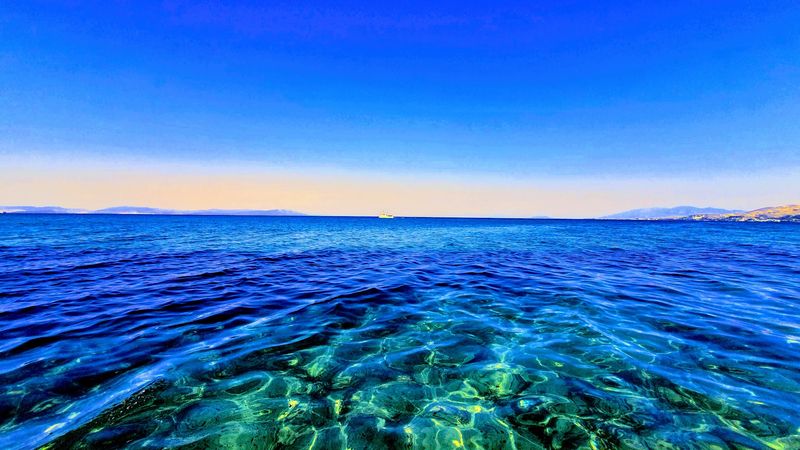
The Aegean Sea has inspired poets, painters, and philosophers for thousands of years, and standing on the cliffs of Santorini, it is easy to understand why. The water below is a shade of blue so saturated it almost looks digital, especially when the afternoon sunlight hits the surface.
Scattered across the Aegean are more than 2,000 islands and islets, each surrounded by water that shifts between cobalt, sapphire, and deep navy depending on depth and light. The contrast between the white-washed buildings of the Greek islands and the vivid sea below creates one of the most iconic visual combinations in the world.
The Aegean also carries enormous historical weight. Ancient civilizations including the Minoans and Mycenaeans built their worlds around its shores.
Underwater archaeologists continue to find sunken cities and ancient shipwrecks in its depths, adding a layer of mystery to its already remarkable beauty.
6. The Coral Sea
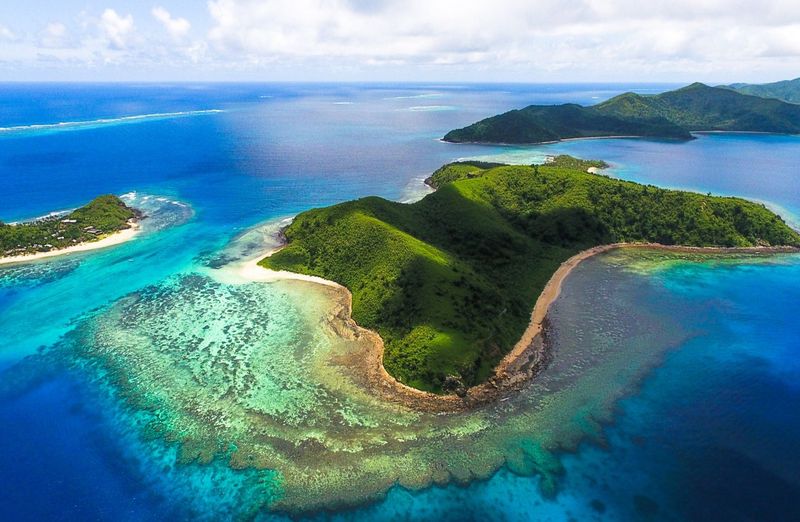
Seen from an airplane window, the Coral Sea off the northeastern coast of Australia looks like an abstract painting. Swirling patterns of teal, turquoise, and deep blue mark the edges of the Great Barrier Reef, the largest coral reef system on Earth.
Stretching over 1,400 miles, the Great Barrier Reef is so enormous it can be seen from space. The Coral Sea that surrounds it supports over 1,500 species of fish, 4,000 types of mollusk, and hundreds of coral species.
It is one of the most biologically rich marine environments anywhere on the planet.
Sadly, rising ocean temperatures have caused significant coral bleaching in recent decades, making conservation efforts increasingly urgent. Still, large portions of the reef remain breathtakingly vibrant.
Snorkeling or diving here is often described as one of the most overwhelming sensory experiences a person can have in the natural world.
7. The Dead Sea
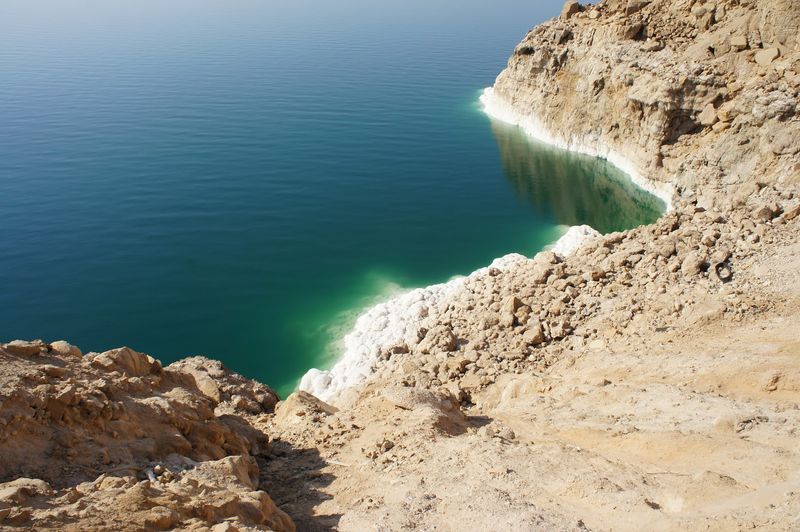
Calling it a “sea” might feel like a stretch since technically it is a landlocked salt lake, but the Dead Sea creates a landscape so surreal that it earns its place on any list of the world’s most extraordinary bodies of water. Located between Jordan and Israel, it sits at the lowest point on Earth’s surface.
The water here is nearly ten times saltier than regular ocean water, which means almost nothing can survive in it. However, that same extreme salinity allows people to float on the surface without any effort at all.
Reading a newspaper while bobbing on the water has become one of the most famous tourist photo traditions in the world.
Along the shoreline, white salt crystals form intricate formations that resemble alien terrain. The mineral-rich mud found here has been used for centuries in skincare treatments, giving this unusual sea a practical appeal alongside its visual wonder.
8. The Baltic Sea
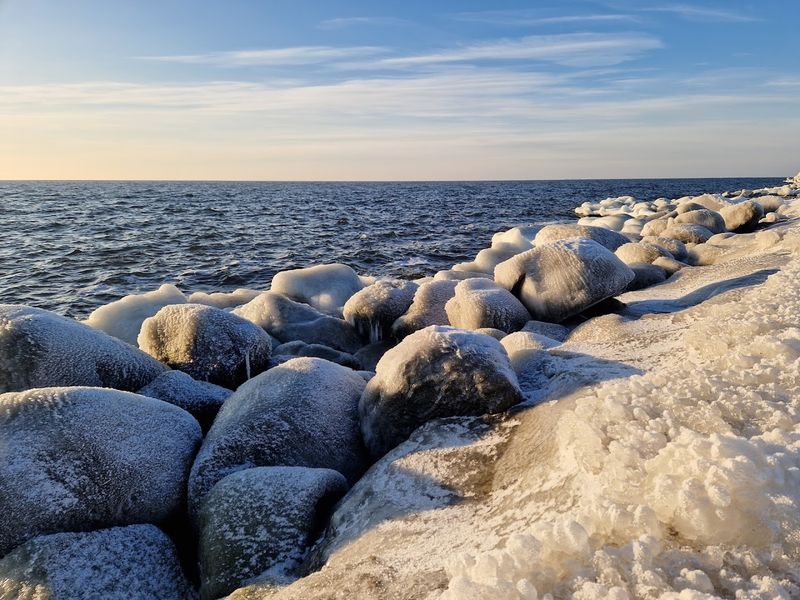
Winter transforms the Baltic Sea into something that looks pulled straight from a science fiction film. When temperatures drop far enough, large portions of the sea freeze over, creating vast cracked ice sheets and towering pressure ridges that stretch to the horizon in every direction.
The Baltic is one of the largest bodies of brackish water in the world, meaning it contains a mix of saltwater and freshwater. This unique composition gives it a slightly different color and texture compared to fully saltwater seas, appearing almost milky or pale blue during certain seasons.
During summer, the Baltic becomes equally captivating. Its calm, reflective surface mirrors the sky perfectly, turning the entire sea into a giant natural mirror.
Countries like Finland, Sweden, and Estonia all border this sea, and each offers a distinct perspective on its moody, ever-changing beauty. Few seas shift so dramatically with the seasons.
9. The Black Sea
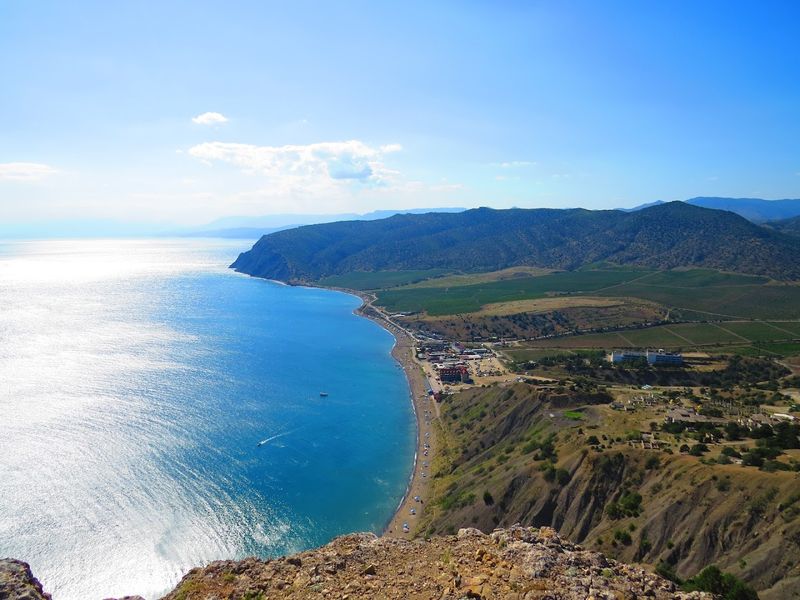
There is a brooding, mysterious quality to the Black Sea that no other body of water quite matches. When storms roll in, its dark surface churns dramatically, and the deep navy color of the water genuinely earns the name ancient sailors gave it thousands of years ago.
The Black Sea has a uniquely layered structure. Below a certain depth, the water becomes almost completely devoid of oxygen, which means organic materials including ancient shipwrecks are preserved in extraordinary condition.
Underwater explorers have discovered remarkably intact vessels dating back over a thousand years, still sitting on the seafloor as if frozen in time.
Legends and history surround this sea like few others. It was a major route for Greek traders, Viking explorers, and Ottoman fleets.
Countries including Turkey, Bulgaria, Romania, and Ukraine all share its coastline, each bringing their own cultural history to this endlessly fascinating body of water.
10. The Weddell Sea
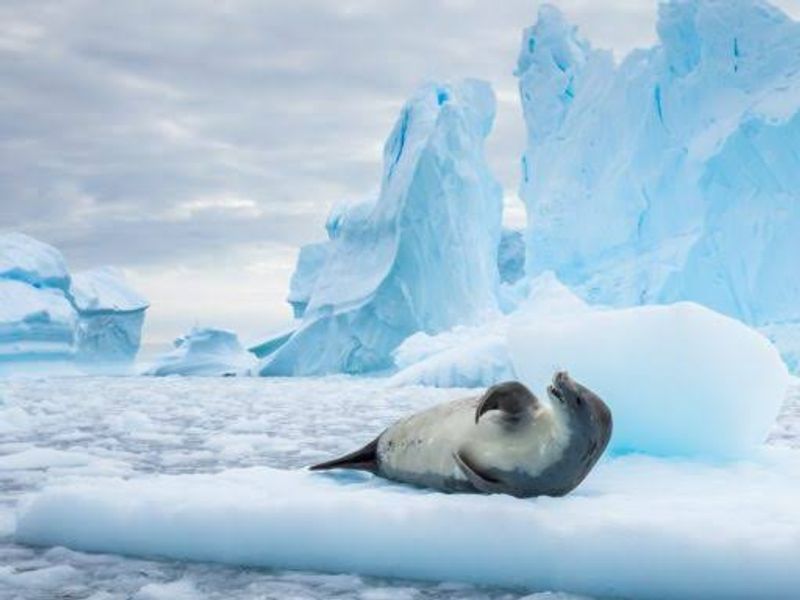
Located just off the coast of Antarctica, the Weddell Sea looks like something generated by a computer. Enormous icebergs in shades of brilliant white, pale blue, and deep turquoise float silently across its surface, some reaching heights of several stories above the waterline.
What makes the colors so vivid is the extreme purity of the water and ice. Antarctic ice forms over thousands of years, compressing air bubbles out and creating a density that absorbs red wavelengths of light, reflecting back that signature electric blue.
Seeing it in person reportedly leaves most visitors speechless.
The Weddell Sea is also one of the most ecologically important seas on Earth. It is a major feeding ground for penguins, seals, and whales, and plays a critical role in global ocean circulation.
Despite its remote location, it draws scientists, photographers, and adventurous travelers who want to witness its alien beauty firsthand.
11. The Ionian Sea
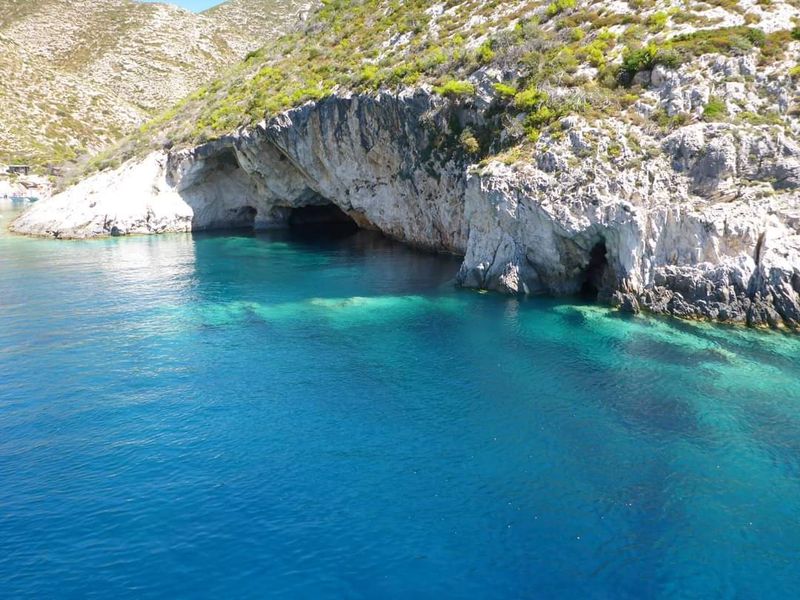
Crystal-clear water that glows like a blue neon light, towering white cliffs dropping straight into the sea, and hidden caves that shimmer when sunlight filters through underwater openings. That is the Ionian Sea experience, and it is every bit as spectacular as it sounds.
Sitting between Greece and Italy, the Ionian is one of the clearest seas in the entire Mediterranean. The famous Blue Caves of Zakynthos and the Melissani Cave on Kefalonia are among its most celebrated natural wonders, drawing visitors who simply cannot believe the colors are real until they see them with their own eyes.
The Ionian also has a rich cultural history, having been sailed by ancient Greeks, Romans, and Venetians. Its islands are dotted with medieval fortresses, ancient temples, and traditional fishing villages that give the sea’s extraordinary beauty a deep sense of historical context.
Few places balance natural spectacle and human history so elegantly.
12. The Celebes Sea
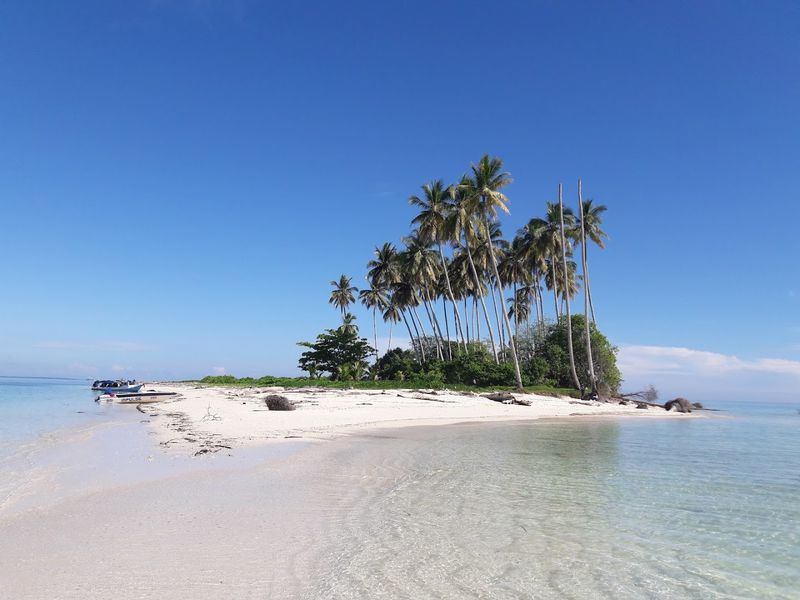
Tucked between the Philippines, Malaysia, and Indonesia, the Celebes Sea is one of the least visited yet most visually spectacular bodies of water in all of Southeast Asia. Its deep cobalt-blue color and exceptional water clarity make every underwater photograph look professionally lit.
Sipadan Island, located within the Celebes Sea off the coast of Malaysian Borneo, is consistently ranked among the top five dive sites in the entire world. Schools of barracuda spiral in tight tornadoes just below the surface, while sea turtles glide effortlessly past coral walls that plunge hundreds of meters straight down.
The Celebes Sea is also one of the most biodiverse marine regions on the planet, sitting within the Coral Triangle, an area scientists consider the global center of marine biodiversity. Above the waterline, the surrounding islands are covered in dense jungle that meets the sea in dramatic, untouched fashion.
13. The Arabian Sea
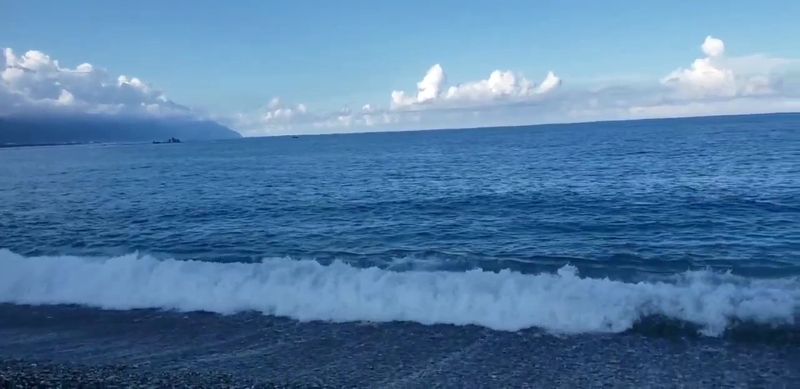
On certain nights along the coastline of Oman, India, or the Maldives, the Arabian Sea does something that looks completely impossible. Waves wash ashore glowing brilliant neon blue, painting the beach in pulsing, electric light.
This phenomenon is caused by massive blooms of bioluminescent organisms called dinoflagellates.
Scientists have noted that these blooms in the Arabian Sea have been growing larger and more frequent in recent years, partly linked to changes in ocean temperature and nutrient levels. While the cause raises environmental concerns, the visual result is undeniably one of the most spectacular natural light shows on Earth.
Beyond its glowing nights, the Arabian Sea is a historically vital waterway. Ancient trade routes connecting the Middle East, India, and East Africa ran through these waters for thousands of years.
Today, it remains one of the world’s busiest shipping lanes, blending natural wonder with global importance in a way few seas can match.
Share this story