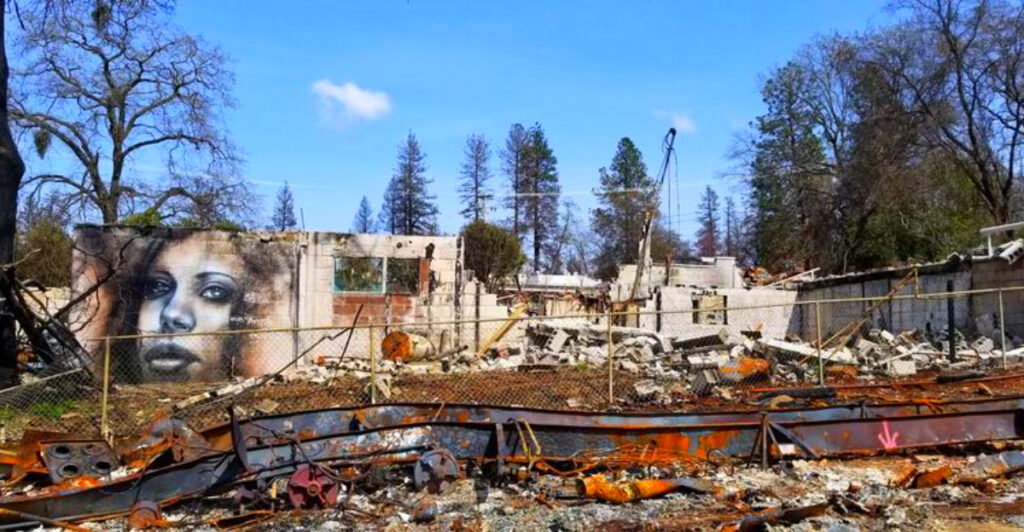
Some towns never recovered after devastating fires, but others rebuilt stronger than ever. Across the United States, massive blazes once destroyed homes, businesses, and entire downtowns, leaving many communities on the verge of disappearing for good.
Yet instead of giving up, residents rebuilt with tougher materials, smarter planning, and relentless determination. Today, these towns stand as powerful examples of resilience, with thriving streets that hide the incredible stories of survival beneath them.
1. Chicago, Illinois
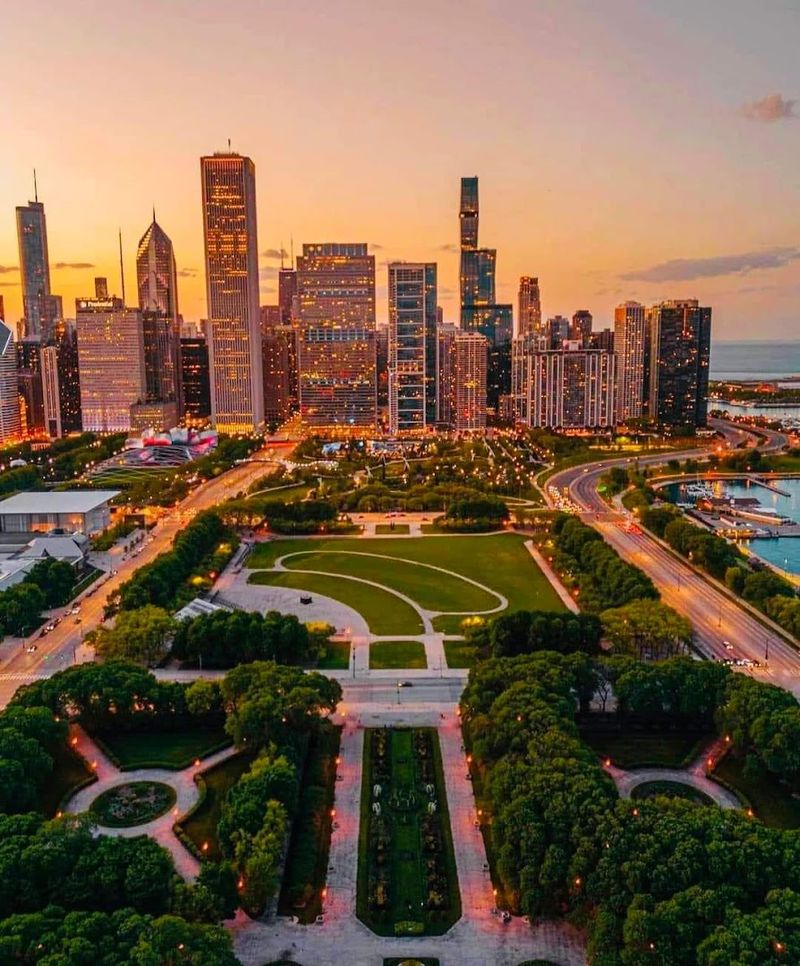
A lantern, a cow, and one very unfortunate legend still follow Chicago everywhere, though historians have spent years questioning whether Mrs. O’Leary’s cow had anything to do with the Great Chicago Fire of 1871. Blame aside, the fire tore through the city with astonishing speed, destroying thousands of buildings and leaving huge portions of Chicago in ruins.
Wooden construction, dry conditions, and strong winds created perfect conditions for disaster. Entire neighborhoods vanished while residents fled toward Lake Michigan hoping the flames would stop before the city completely disappeared.
At the time, Chicago was one of America’s fastest-growing cities, and the destruction seemed almost impossible to recover from.
Then Chicago rebuilt with remarkable confidence. The city responded by redesigning its infrastructure and embracing modern architecture in ways that permanently changed urban America.
New fireproof building methods emerged, steel-frame skyscrapers transformed the skyline, and architects suddenly had an enormous blank canvas to work with.
Within decades, Chicago evolved into one of the country’s most important financial and industrial centers. The city that nearly burned away became famous for innovation, architecture, and ambition instead.
2. San Francisco, California
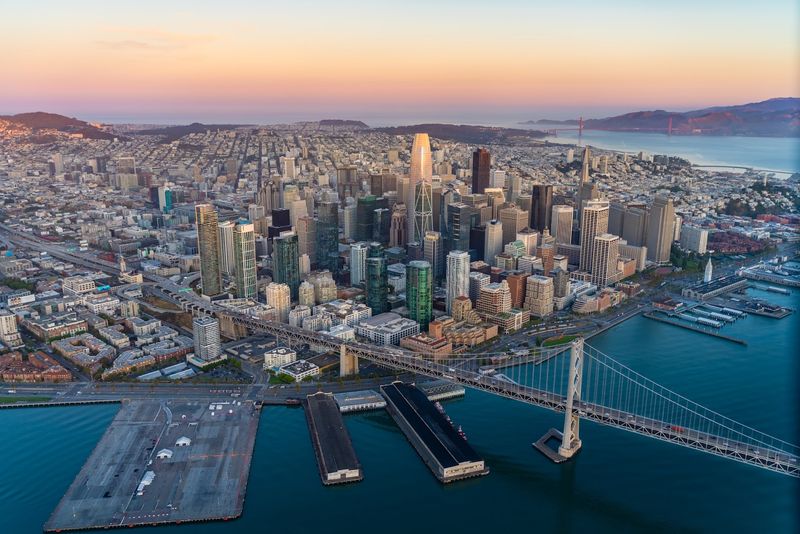
Earthquakes usually get top billing in San Francisco history, but the fires following the 1906 quake caused far more destruction than the shaking itself. Broken gas lines and collapsed water mains turned the city into a massive uncontrolled blaze that burned for days.
Entire neighborhoods disappeared. More than half the city’s population suddenly found themselves displaced while smoke covered the skyline.
Soldiers used dynamite in desperate attempts to create firebreaks, though some explosions accidentally sparked even more fires because apparently 1906 was not interested in subtlety.
The devastation reached enormous levels. Government buildings, hotels, businesses, and historic homes vanished block by block.
Many observers assumed San Francisco’s role as a major West Coast city was finished.
Instead, rebuilding began almost immediately. Temporary camps housed residents while businesses reopened in tents, makeshift structures, and partially damaged buildings.
The city moved quickly to restore its ports, transportation systems, and financial institutions because San Francisco had little interest in surrendering its economic importance.
Modern San Francisco still carries traces of the rebuilding era. Entire neighborhoods reflect early twentieth-century reconstruction efforts, and stricter building standards emerged partly because of lessons learned after the disaster.
3. Peshtigo, Wisconsin
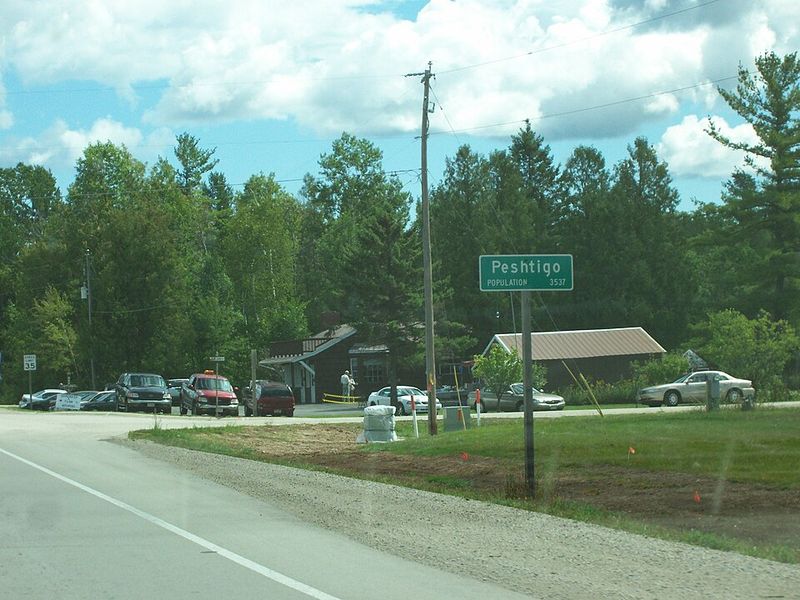
One of the deadliest fires in American history somehow remains far less famous than it should be. The Peshtigo Fire of 1871 erupted on the same night as the Great Chicago Fire, which unfortunately meant national headlines largely ignored Wisconsin’s horrifying catastrophe.
The firestorm moved with terrifying speed through forests and small settlements around Peshtigo. Dry conditions and strong winds turned logging debris into fuel, creating walls of flame that overwhelmed entire communities in minutes.
Some residents escaped by jumping into rivers, though survival remained uncertain even there.
Peshtigo itself was nearly wiped out. Homes, mills, businesses, and churches disappeared while huge sections of surrounding forest burned alongside the town.
The scale of destruction stunned survivors and rescuers alike.
And yet the town endured. Lumber operations eventually returned, residents rebuilt homes and businesses, and the community slowly regained stability despite unimaginable losses.
Today, Peshtigo remains a small Wisconsin town with museums and memorials dedicated to preserving the story of the fire.
4. Seattle, Washington
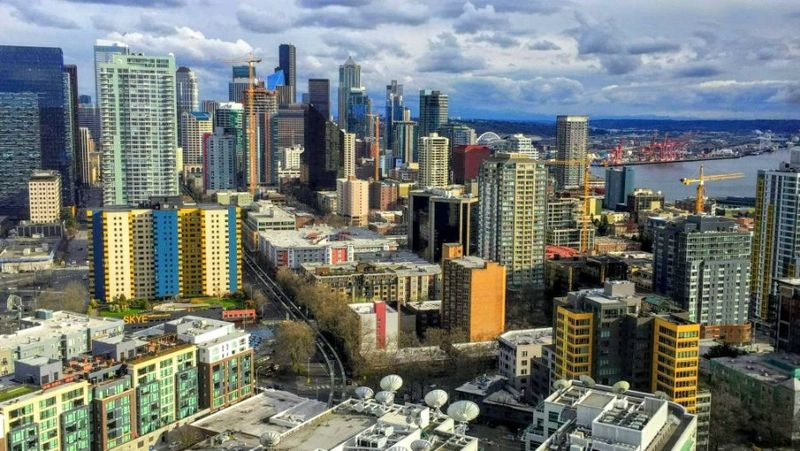
Seattle’s original downtown now sits buried underground thanks to the Great Seattle Fire of 1889. A small accident inside a woodworking shop sparked flames that spread rapidly through the city’s wooden business district.
Warehouses, hotels, docks, and stores vanished as firefighters struggled with low water pressure and fast-moving flames. Much of downtown was destroyed within hours.
Seattle responded by rebuilding almost immediately. Brick and stone replaced wood construction, streets were raised higher, and city planners redesigned sections of downtown to improve safety.
The rebuilding effort helped modernize Seattle and prepare it for future growth.
Ironically, the disaster helped transform Seattle into a stronger and more organized city.
5. Hinckley, Minnesota
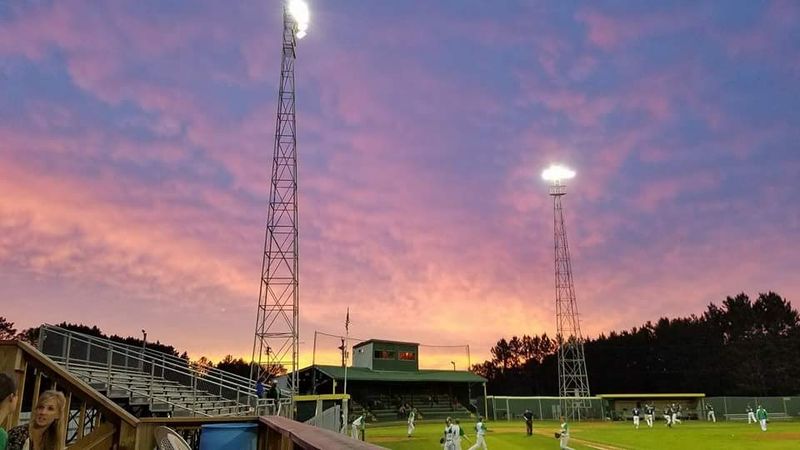
The fire approaching Hinckley in 1894 moved so fast that trains became escape vehicles. Residents crowded aboard railcars while flames tore through nearby forests, driven forward by dry timber, heat, and powerful winds.
Logging operations had left huge amounts of debris scattered across the landscape, creating perfect fuel for disaster. Once the firestorm intensified, entire sections of forest erupted almost simultaneously.
Witnesses described hurricane-like winds and temperatures high enough to ignite buildings instantly.
Hinckley suffered catastrophic destruction. Homes, hotels, businesses, and rail infrastructure vanished within hours.
Survivors gathered wherever they could find temporary shelter while smoke covered the region for days afterward.
Yet the town rebuilt largely because the railroads and timber industries still needed it. Transportation routes through the area remained economically important, and residents refused to abandon the community entirely.
Over time, Hinckley regained stability and eventually developed into a small but active Minnesota town.
6. Baltimore, Maryland
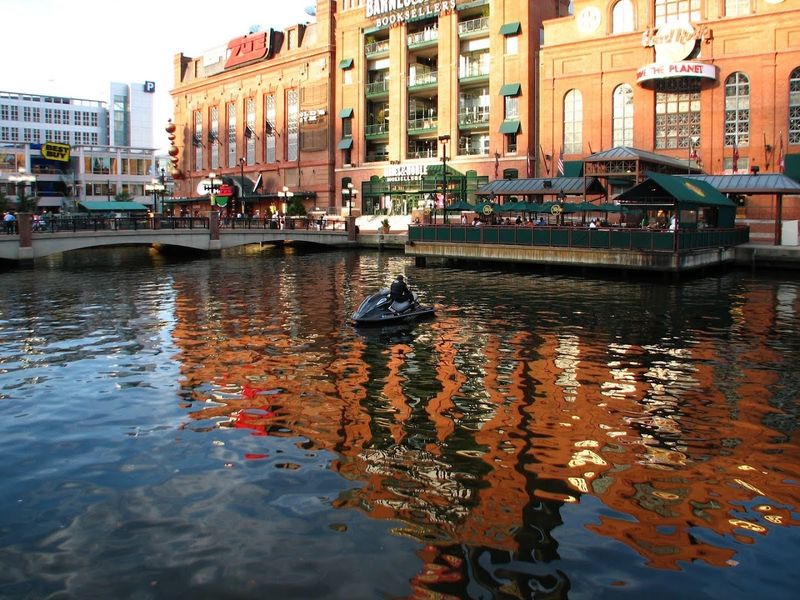
Baltimore’s Great Fire of 1904 burned for more than thirty hours and destroyed over a thousand buildings in the city’s downtown district. Businesses, warehouses, and financial centers disappeared block after block.
Firefighters from surrounding cities rushed in to help, but incompatible hose connections created major problems during the emergency. The disaster exposed weaknesses in urban firefighting systems across the country.
Baltimore rebuilt with stronger construction standards and modernized infrastructure. New buildings rose quickly, helping the city regain its role as a major East Coast commercial hub.
The fire caused enormous destruction, but Baltimore refused to let it define the city’s future.
7. Wallace, Idaho
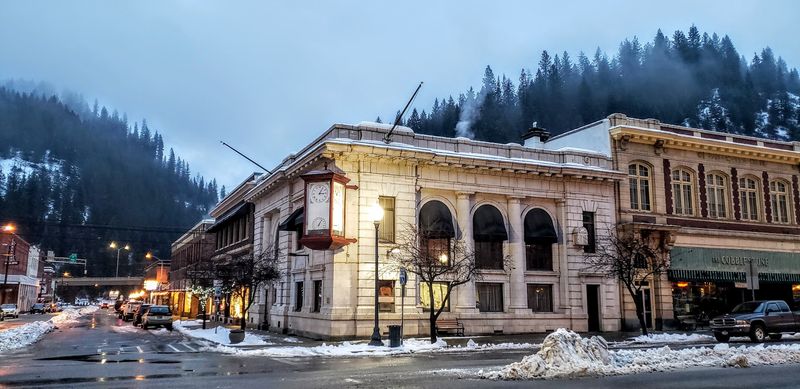
Wallace survived one of the deadliest wildfire events in American history partly because of a very unusual strategy: everybody hid underground. During the Great Fire of 1910, enormous wildfires swept across Idaho, Montana, and Washington, consuming entire forests and threatening mining communities throughout the region.
As flames approached Wallace, residents and firefighters took shelter inside mining tunnels beneath the town. The decision likely saved hundreds of lives because conditions above ground quickly became catastrophic.
Firestorms moved through surrounding mountains while thick smoke turned daylight into near darkness.
Much of the surrounding area burned extensively, and Wallace suffered serious damage, but the town itself avoided complete destruction thanks partly to those underground mines. Once the fires passed, rebuilding efforts began almost immediately because Wallace remained a major silver mining center.
The town’s mining history continued supporting the local economy for decades afterward. Unlike many historic mining communities that faded away, Wallace survived long enough to reinvent itself as a tourism destination known for its preserved downtown and fascinating fire history.
8. Redding, California
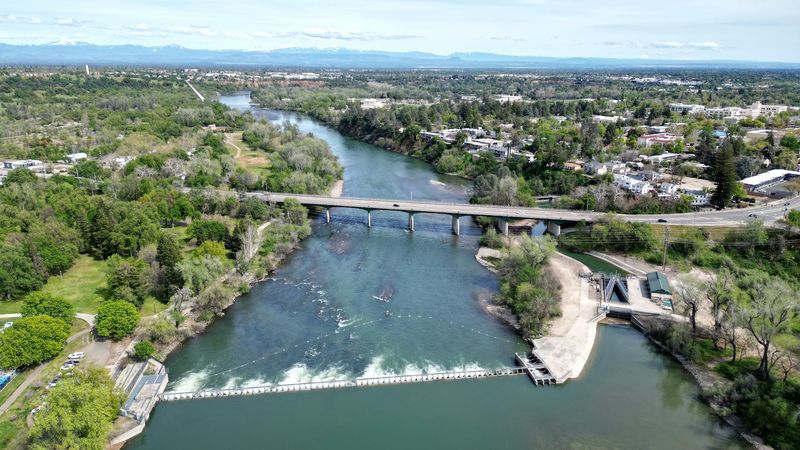
Modern wildfires continue testing communities across the American West, and Redding faced one of its toughest challenges during the Carr Fire in 2018. The fire destroyed homes, businesses, and entire neighborhoods around the city.
Extreme heat, dry conditions, and unpredictable winds made containment incredibly difficult. Residents evacuated quickly as flames spread across large sections of the region.
Even after devastating losses, rebuilding efforts moved forward. New neighborhoods emerged, businesses reopened, and local leaders focused heavily on fire prevention and emergency planning.
Redding’s recovery showed that wildfire resilience remains just as important in modern America as it was a century ago.
9. Gatlinburg, Tennessee
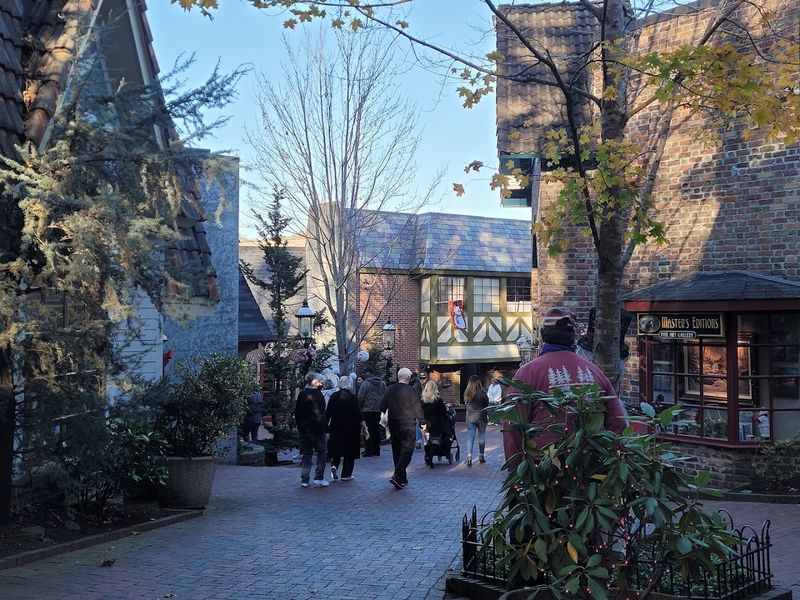
Tourists usually associate Gatlinburg with mountain vacations and scenic drives, not wildfire disasters. That changed dramatically in 2016 when fires swept through the nearby Smoky Mountains and into town.
Strong winds pushed flames rapidly across the area, damaging homes, hotels, and attractions throughout the region. Thousands evacuated while emergency crews worked to contain the fast-moving fire.
The tourism industry suffered major setbacks, but Gatlinburg rebuilt quickly. Businesses reopened, cabins were restored, and visitors gradually returned to the mountain town.
Today, Gatlinburg continues welcoming travelers while carrying lessons learned from one of Tennessee’s worst wildfire events.
10. Santa Rosa, California
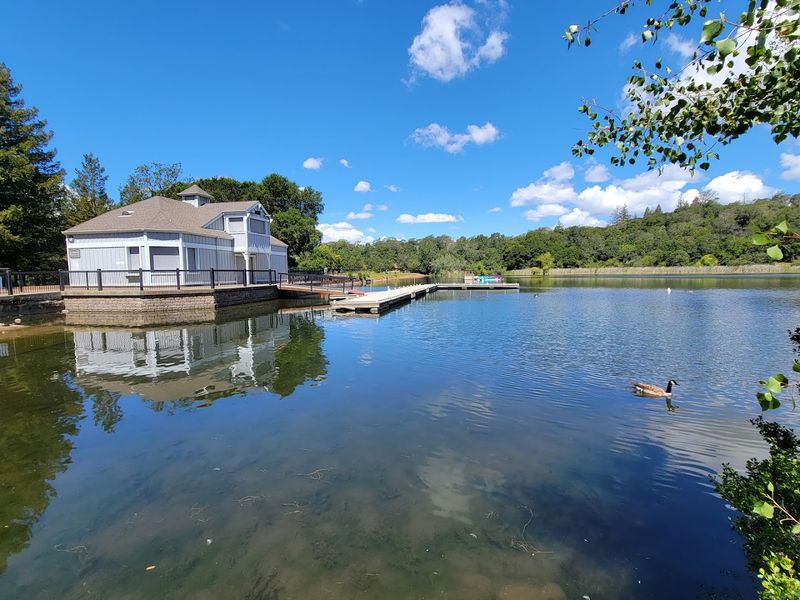
Wine country faced devastating destruction during California’s 2017 Tubbs Fire. Entire neighborhoods in Santa Rosa were destroyed as flames spread rapidly through residential areas.
Many residents barely had time to evacuate before homes disappeared. The fire became one of the most destructive urban wildfires in California history.
Recovery efforts focused on rebuilding housing, restoring businesses, and improving emergency preparedness throughout the region. Local communities organized quickly to support displaced residents and speed up reconstruction.
Santa Rosa endured enormous damage, but the city refused to let disaster permanently define it.
11. Deadwood, South Dakota
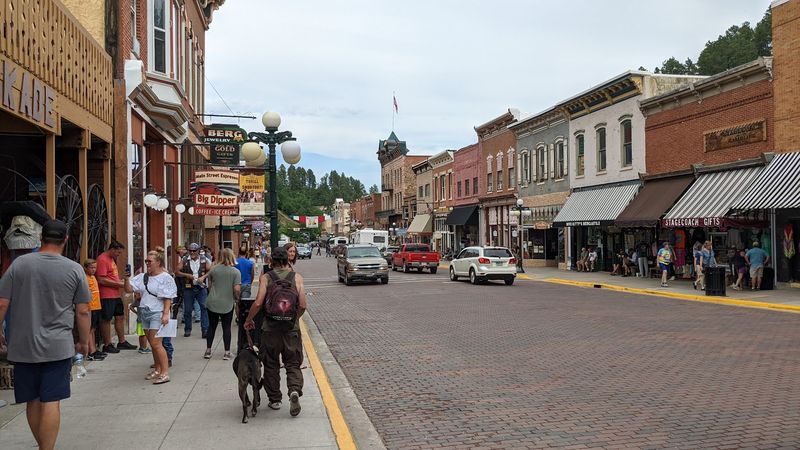
Wild West towns already carried reputations for chaos, but Deadwood added “survived multiple catastrophic fires” to its résumé just to stay competitive. The famous South Dakota gold rush town burned several times during the late nineteenth century, including a major fire in 1879 that devastated much of the settlement.
At the time, Deadwood was packed with saloons, hotels, gambling halls, and hastily built wooden structures crowded closely together. In other words, it was practically begging for trouble.
Once flames started spreading, large sections of town disappeared rapidly.
Businesses, homes, and entire blocks collapsed while residents scrambled to salvage valuables before the fire consumed everything else. Since Deadwood depended heavily on mining and tourism tied to frontier fame, repeated fires threatened the town’s economic survival as well as its physical existence.
Instead of folding, Deadwood rebuilt with more durable construction and continued attracting fortune seekers, merchants, and travelers. Brick buildings replaced many earlier wooden structures, helping reduce the risk of future large-scale fires.
12. Paradise, California
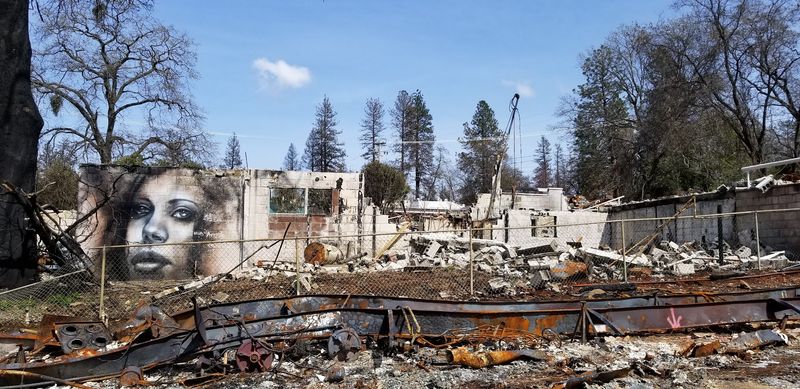
Few modern American towns faced destruction as overwhelming as Paradise during the Camp Fire of 2018. The wildfire moved with terrifying speed, destroying thousands of homes and devastating much of the community.
Evacuation routes became heavily congested as residents fled through smoke-filled roads. The scale of damage shocked the entire country.
Yet Paradise chose to rebuild. Schools reopened, infrastructure projects began, and many residents returned despite the enormous challenges facing the town.
Recovery remains ongoing, but Paradise continues proving that even catastrophic fires do not always erase a community permanently.
13. Olean, New York
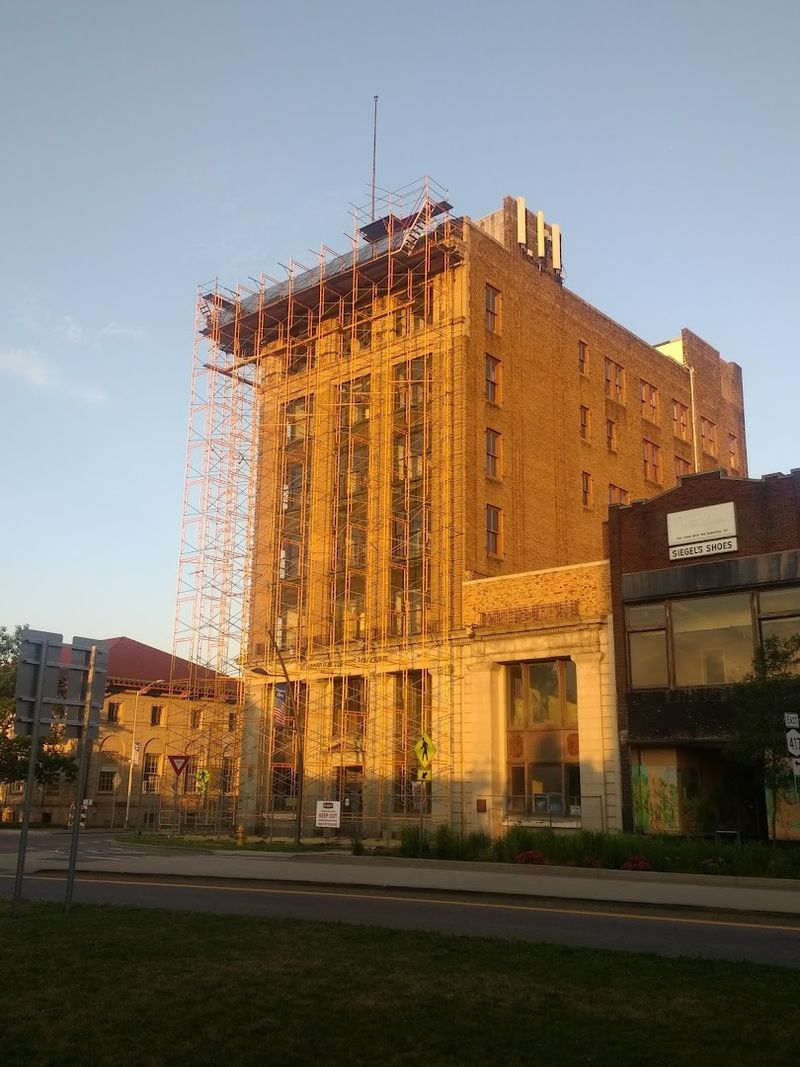
Oil boomtowns carried serious fire risks during the nineteenth century, and Olean experienced several devastating fires as rapid industrial growth overwhelmed local infrastructure.
Business districts and residential areas suffered repeated damage as fires spread quickly through wooden construction and crowded streets. The growing town faced major setbacks during its early development.
Still, Olean rebuilt each time. Improved construction methods, stronger fire departments, and expanding industries helped stabilize the community and support future growth.
The town survived repeated disasters and eventually developed into a lasting regional center instead of becoming another forgotten boomtown lost to history.
Share this story