Fame looks glamorous from the outside, but not every celebrity wants to stay in the spotlight forever. Some well-known actors, musicians, and TV stars have quietly walked away from Hollywood to build completely different lives.
From nursing and law to real estate and diplomacy, the paths they chose are as varied as the roles they once played. Their stories are a reminder that success can look very different from what we see on a screen.
1. Jennifer Stone
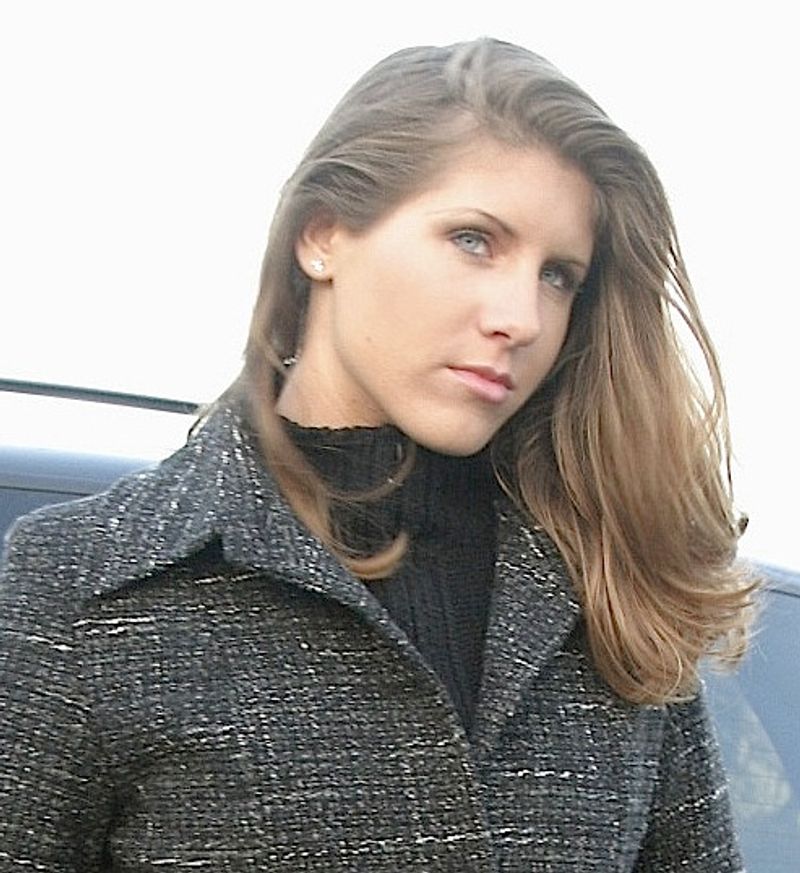
Most fans remember Jennifer Stone as Harper Finkle, the quirky best friend on Disney Channel’s Wizards of Waverly Place. But after the show wrapped, she made one of the most meaningful career changes in recent celebrity history.
She traded auditions for anatomy textbooks.
Stone enrolled in nursing school and became a registered nurse. She has spoken openly about her passion for healthcare and her desire to help people in a direct, hands-on way.
Her transition was not accidental; it was a deliberate choice rooted in purpose.
While many child stars struggle to find identity after fame, Stone built a new one grounded in service. She represents what it looks like to grow beyond a role that once defined you.
Her story resonates with fans who also felt pressure to figure out who they are after a big chapter closes.
2. Peter Ostrum
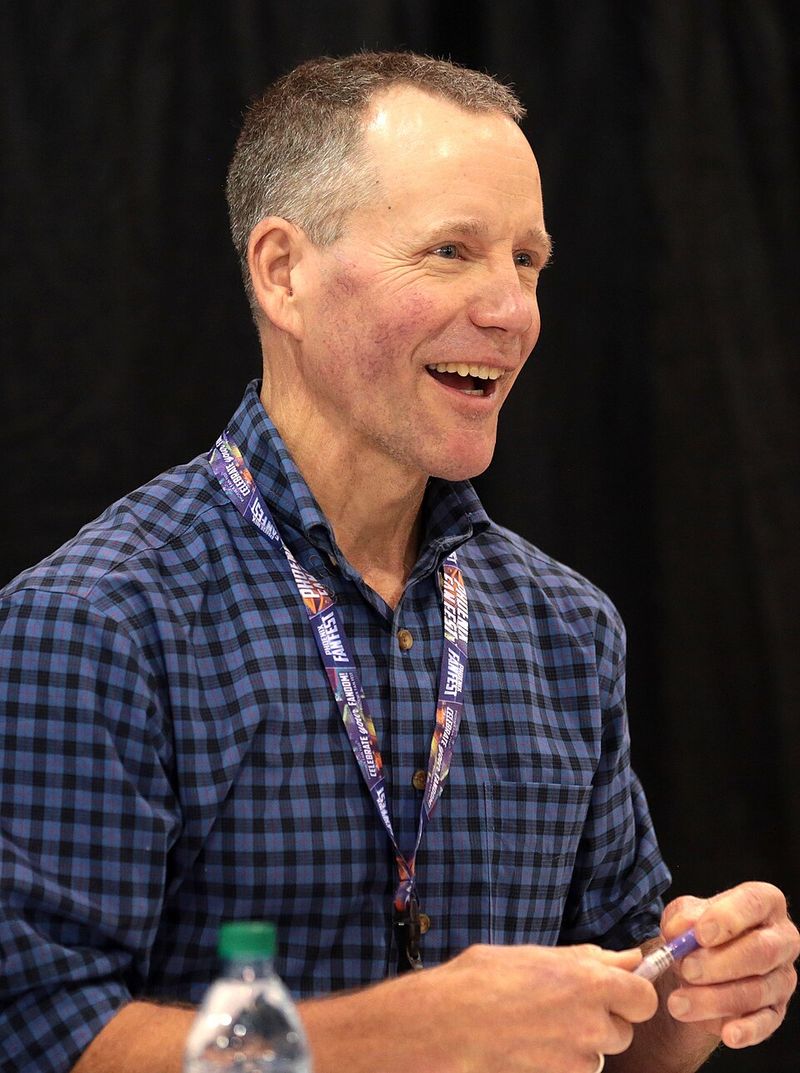
Peter Ostrum played Charlie Bucket in the beloved 1971 film Willy Wonka and the Chocolate Factory. It was a magical role that captured the hearts of generations.
Yet Ostrum never appeared in another film after that. He simply walked away from acting entirely.
He grew up, went to college, and eventually became a licensed veterinarian. Today he works with large animals in upstate New York, far from the chocolate waterfalls and Oompa Loompas of his famous film.
By all accounts, he has found deep satisfaction in his quiet, purposeful career.
Ostrum has given occasional interviews over the years, and he always speaks warmly about his choice. He never seemed to miss the spotlight.
His story is a refreshing contrast to the idea that child stardom must define a person forever. Sometimes the sweetest ending is the one nobody expected.
3. Danny Lloyd
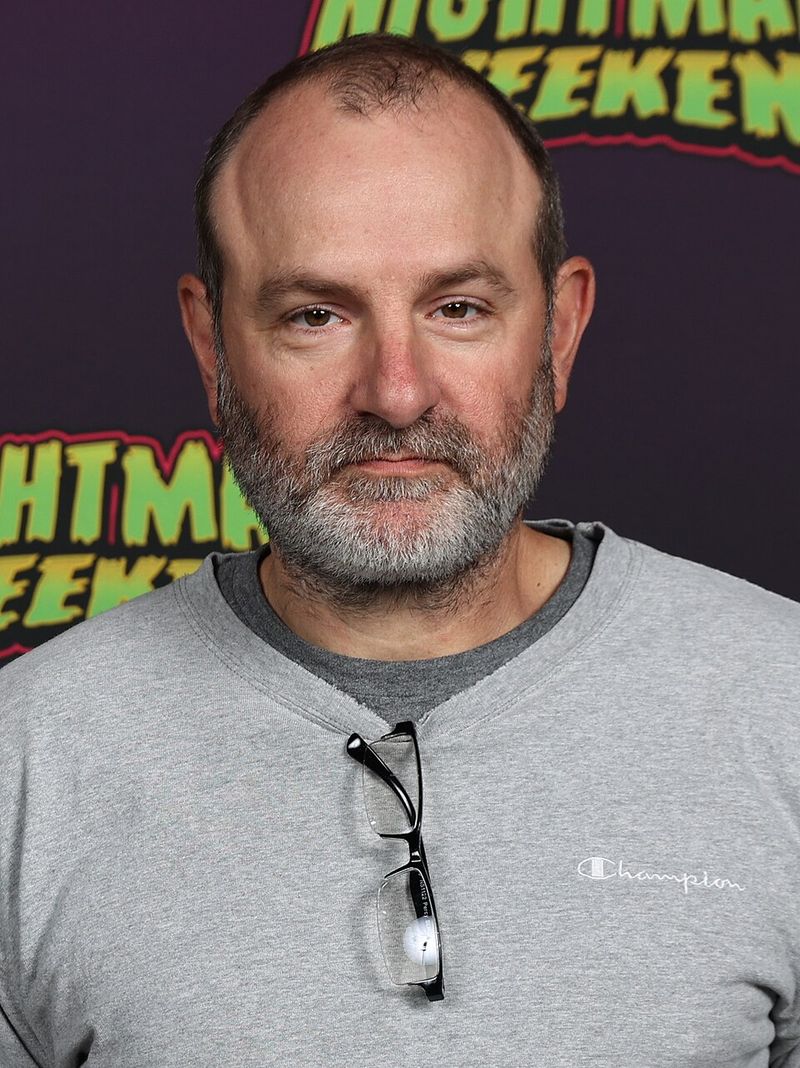
At just six years old, Danny Lloyd starred in one of the most iconic horror films ever made: Stanley Kubrick’s The Shining. His portrayal of Danny Torrance left audiences genuinely unsettled.
But after that film, Lloyd stepped away from acting almost completely, and his life took a remarkably grounded path.
He grew up in a small town in Illinois, largely shielded from Hollywood. He attended college, pursued an interest in science, and eventually became a biology professor at Elizabethtown Community and Technical College in Kentucky.
His students likely had no idea they were being taught by a horror movie legend.
Lloyd came back to the public eye briefly for the 2019 sequel Doctor Sleep, appearing in a small cameo. Still, teaching remains his primary focus.
He has described his life as happy and normal, which, given his eerie on-screen childhood, feels like a genuinely wonderful outcome.
4. Charlie Korsmo
Charlie Korsmo was a recognizable face in early 1990s Hollywood. He played opposite Robin Williams in Hook and appeared in Dick Tracy alongside Warren Beatty and Madonna.
For a child actor, those were extraordinary credits. Then, almost without warning, he disappeared from screens entirely.
Korsmo chose academics over auditions. He earned a degree in physics from MIT, which is already impressive on its own.
But he kept going, eventually earning a law degree and becoming a law professor. He has taught at Case Western Reserve University School of Law.
His pivot from child star to legal scholar is one of the most dramatic academic transformations in entertainment history. Korsmo has occasionally commented on his Hollywood years, but he has built a career defined by intellectual rigor rather than screen credits.
It is a reminder that talent can take many shapes and lead in unexpected directions.
5. Jeff Cohen
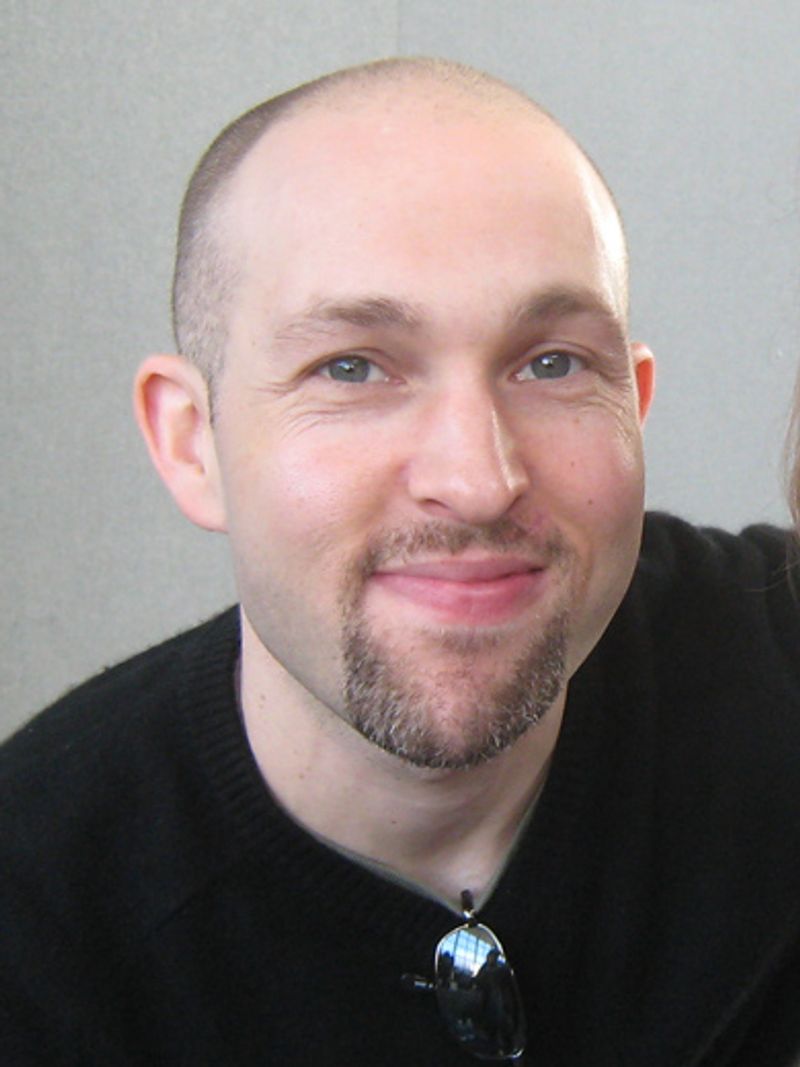
If you grew up watching The Goonies, you almost certainly remember Chunk, the lovable kid famous for the Truffle Shuffle. Jeff Cohen brought that character to life with genuine charm and comedic timing.
But once childhood passed, Cohen chose a very different kind of performance space: the courtroom.
He studied law at UCLA and became an entertainment attorney. Today he represents actors, writers, and producers, working behind the scenes in the very industry that once made him famous.
It is a full-circle story with a practical twist.
Cohen has spoken about how his experience as a child actor gave him a unique understanding of the entertainment business from the inside. That perspective shapes how he advocates for his clients.
He did not abandon Hollywood; he just found a new role within it, one that suits the adult version of himself far better than any casting call could.
6. Shirley Temple
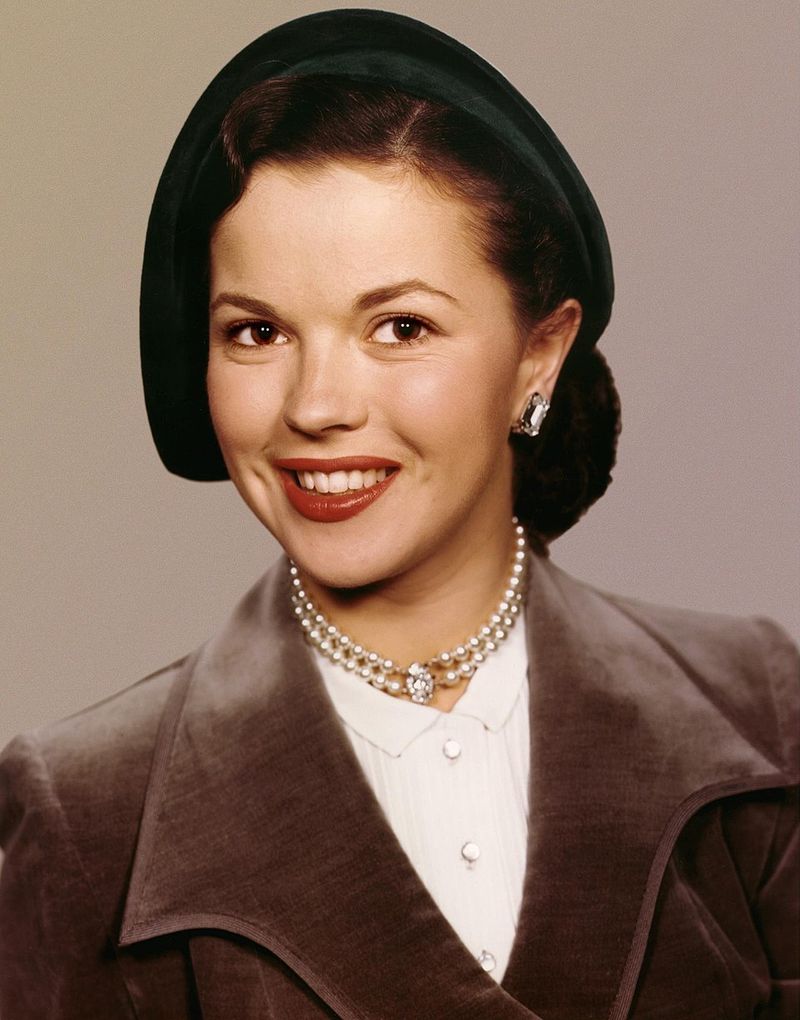
Shirley Temple was the biggest child star of the 1930s. With her ringlet curls and tap-dancing talent, she lifted American spirits during the Great Depression.
Studios, advertisers, and fans adored her. It seemed impossible that anyone so beloved by the public would ever step away from that world.
But Temple did exactly that. After a modest adult acting career, she transitioned into public service.
She served as a U.S. Ambassador to Ghana and later to Czechoslovakia.
She also served as the U.S. Chief of Protocol under President Gerald Ford.
Temple’s transformation from Hollywood icon to respected diplomat is one of the most remarkable second acts in American public life. She brought the same poise and professionalism to the diplomatic stage that she once brought to the silver screen.
Her legacy is proof that a famous face can also carry serious weight in serious rooms.
7. Al Green
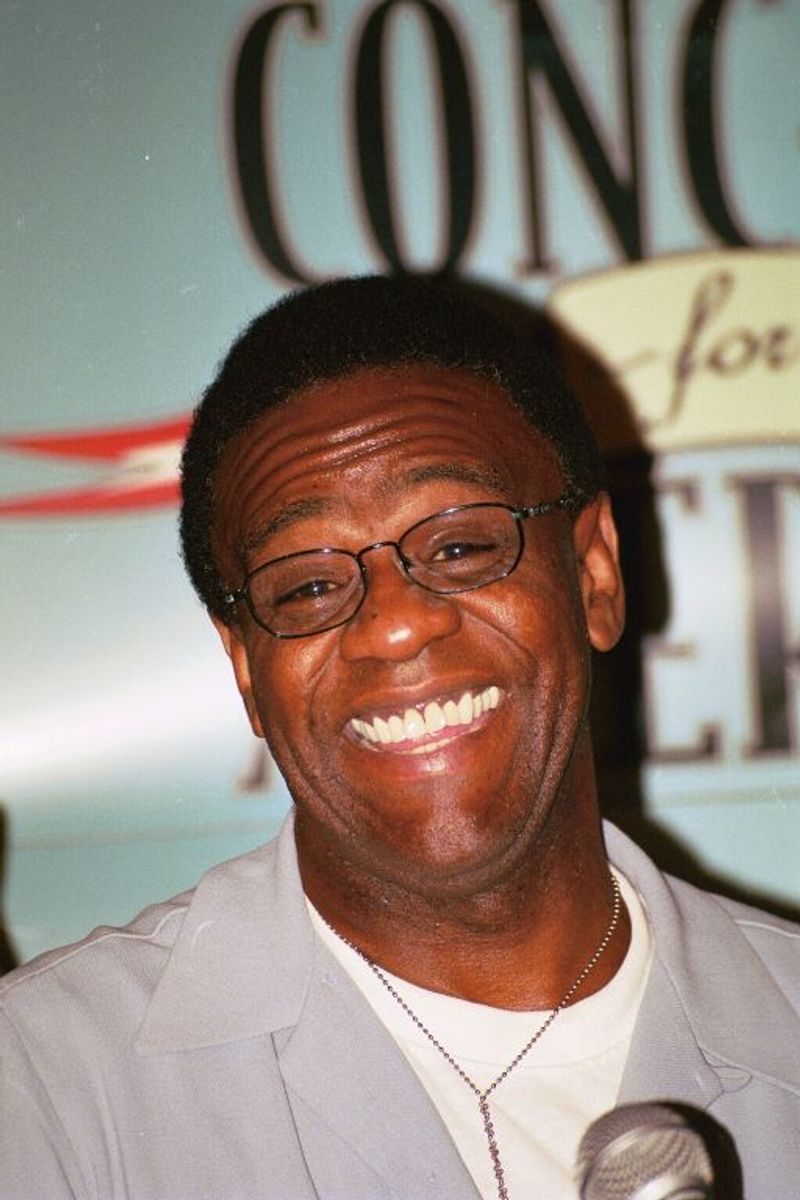
Al Green was one of the most soulful voices of the 1970s. Songs like Let’s Stay Together and Tired of Being Alone made him a defining figure in soul and R&B music.
His voice had a warmth that felt almost spiritual. As it turned out, that instinct was pointing somewhere real.
After a personal crisis in the mid-1970s, Green experienced a profound religious conversion. He stepped back from mainstream music and became a pastor at the Full Gospel Tabernacle Church in Memphis, Tennessee, a congregation he still leads today.
His calling shifted from the stage to the pulpit.
Green did return to secular music occasionally over the years, but his primary identity became rooted in faith and ministry. He has said that his church work gives him a sense of fulfillment that fame never fully provided.
For Green, leaving the spotlight was not a loss; it was an arrival.
8. MC Hammer
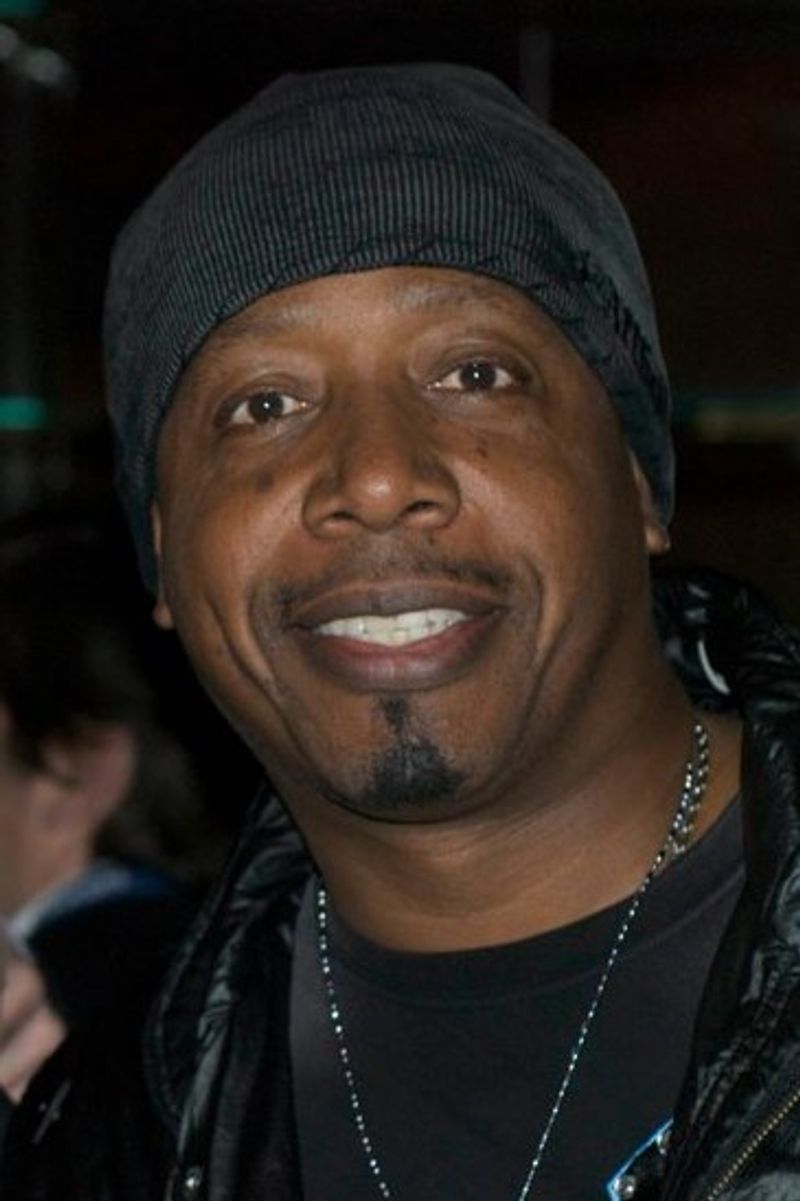
MC Hammer was everywhere in the early 1990s. U Can’t Touch This became one of the most recognizable songs on the planet, and his parachute pants became a cultural symbol.
He sold millions of albums and performed for massive crowds. Then the music industry shifted, and Hammer shifted with it.
Rather than chasing a comeback in rap, he moved toward the technology sector. He became involved in Silicon Valley startups, attended industry events, and built connections in the tech world.
He co-founded WireDoo, a search engine startup, and has consulted on various digital ventures over the years.
His transition is often misunderstood. He did not simply retire or take a quiet job.
He reinvented himself as a businessman and entrepreneur in a fast-moving industry. Hammer’s story shows that creativity does not disappear after fame; sometimes it just finds a brand-new outlet in a completely different arena.
9. Vanilla Ice
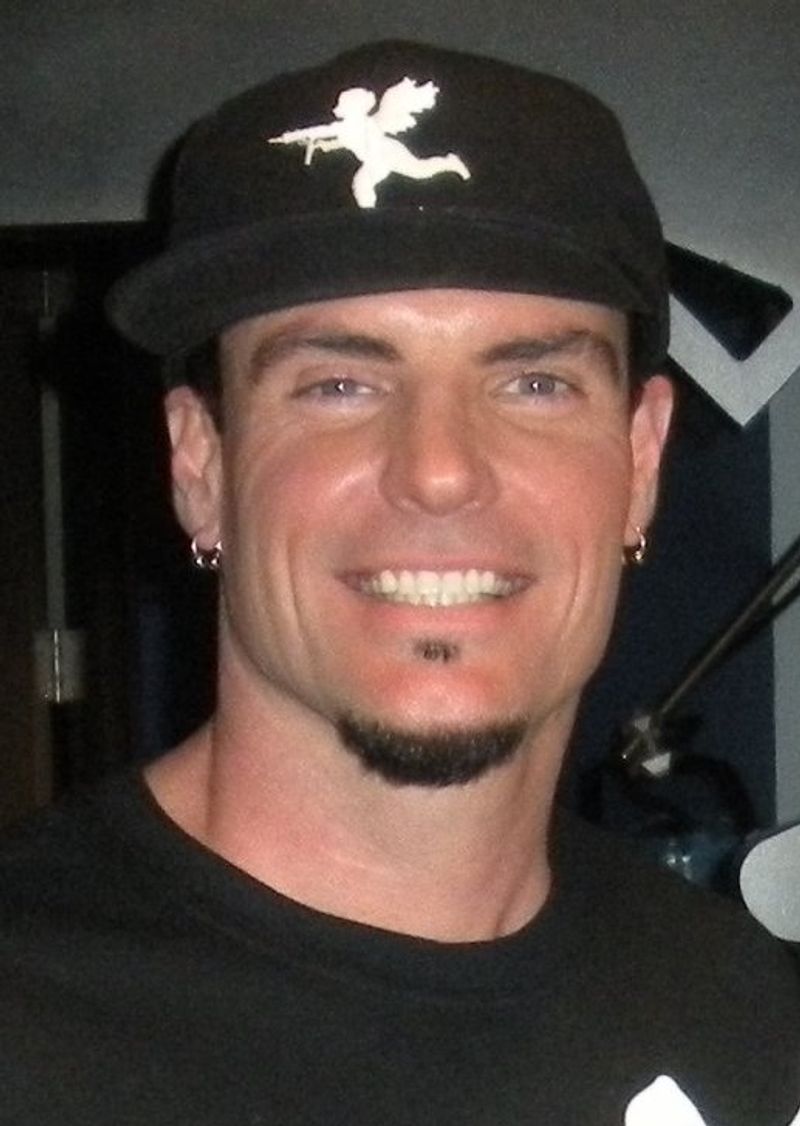
Ice Ice Baby was a cultural phenomenon in 1990. Vanilla Ice, born Robert Van Winkle, became one of the first rap artists to hit number one on the Billboard Hot 100.
But musical trends changed quickly, and by the mid-1990s, his pop-rap moment had faded. What came next surprised a lot of people.
Vanilla Ice reinvented himself as a home renovation and real estate entrepreneur. He developed a genuine passion for construction, flipping houses, and design.
His DIY Network show, The Vanilla Ice Project, ran for multiple seasons and showcased his skills in transforming properties in Florida.
He has talked openly about how real estate gave him stability and purpose after the music industry rollercoaster. Building something with his hands turned out to be deeply satisfying in a way that chart success never was.
His pivot from rapper to renovation expert is one of the more entertaining career reinventions in recent memory.
10. Kevin Jonas
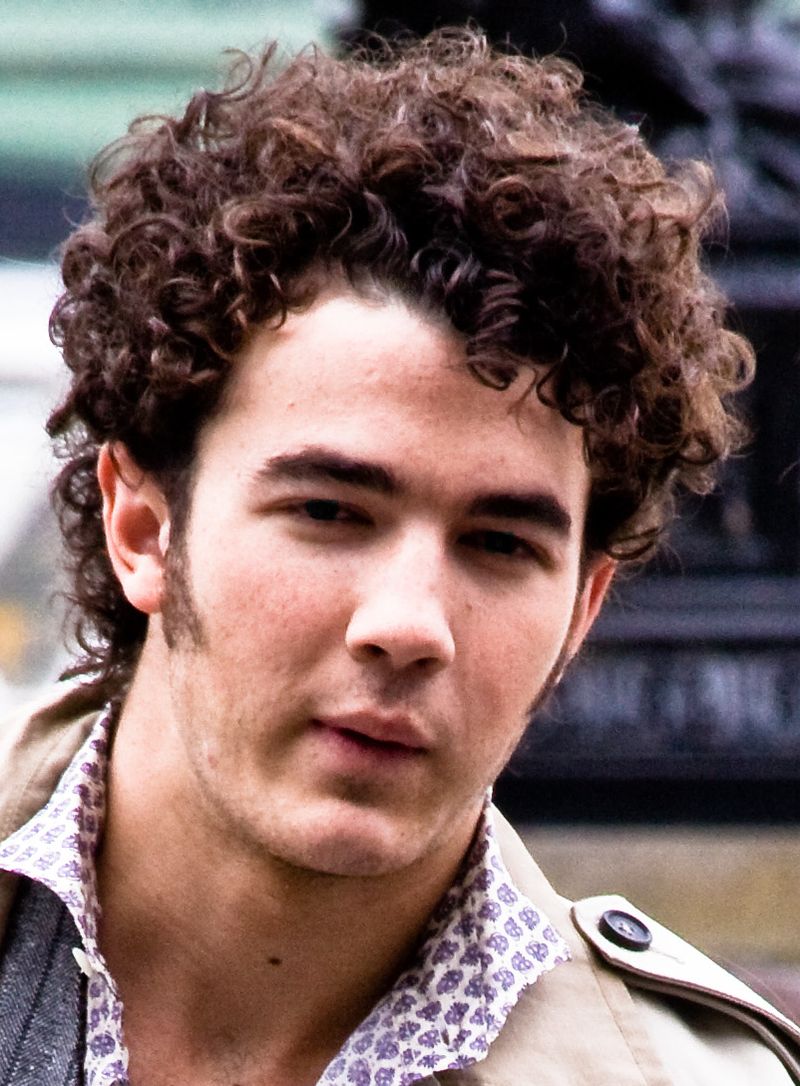
When the Jonas Brothers broke up in 2013, each member went a different direction. Nick pursued a solo music career.
Joe formed a band. Kevin Jonas took a path that had nothing to do with music at all.
He co-founded a construction and real estate development company called JonasWerner.
The company focused on residential development in New Jersey, and Kevin threw himself into the work with real commitment. He also appeared on a reality show with his wife Danielle called Married to Jonas, but his professional focus remained firmly on building homes, not hits.
Kevin has spoken candidly about feeling fulfilled outside the music industry. When the Jonas Brothers reunited in 2019, he returned to touring, but his business ventures never stopped.
His story reflects a broader truth: some people find that the career they were trained for is not the one that fits them best in the long run.
11. Erik Estrada
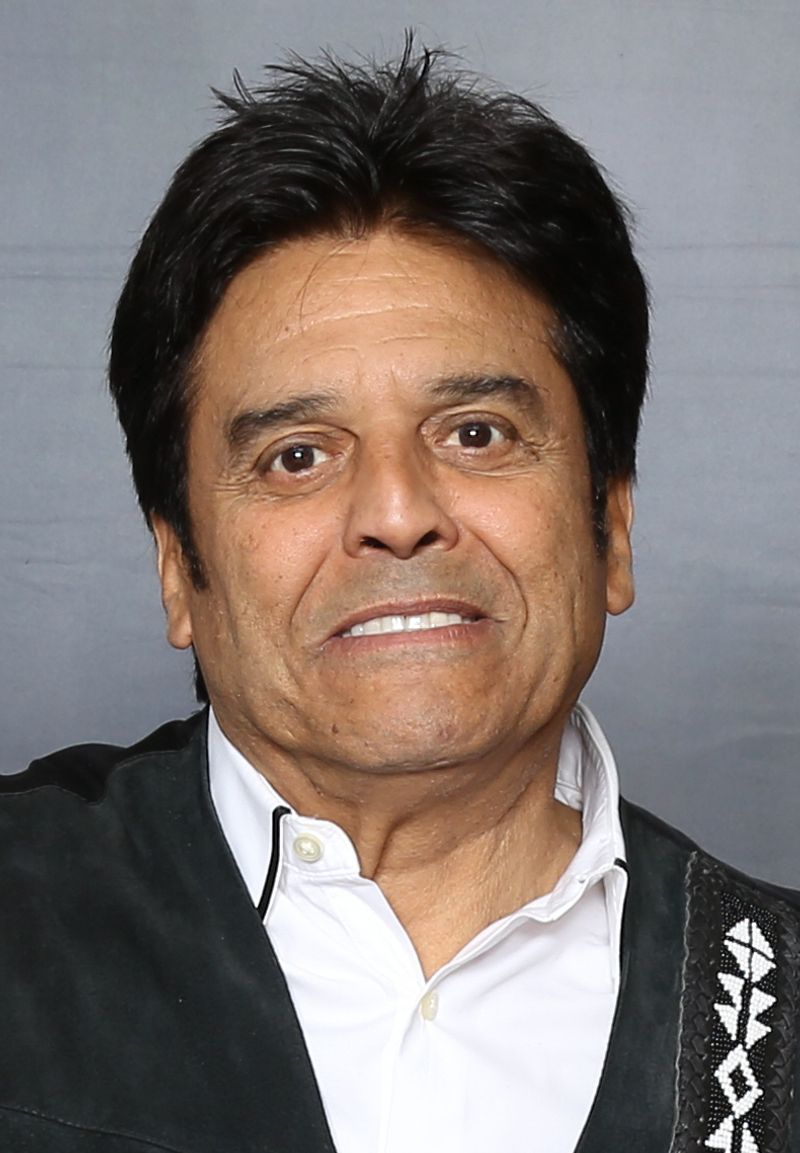
Erik Estrada became a household name playing Officer Frank Poncherello on the hit TV series CHiPs, which aired from 1977 to 1983. His charm and good looks made him one of the most recognizable faces on television.
But for Estrada, playing a cop on screen was not enough. He wanted to do the real thing.
He trained and was sworn in as a reserve police officer in several jurisdictions over the years, including work with the St. Anthony, Idaho Police Department. He has also worked with Homeland Security on child exploitation awareness campaigns.
These were not ceremonial roles; Estrada took the responsibilities seriously.
His transition from TV cop to actual law enforcement is one of the more unusual stories on this list. He has said the work keeps him grounded and connected to the communities he cares about.
Not many actors can say their most meaningful role was the one they played off camera.
12. Danica McKellar
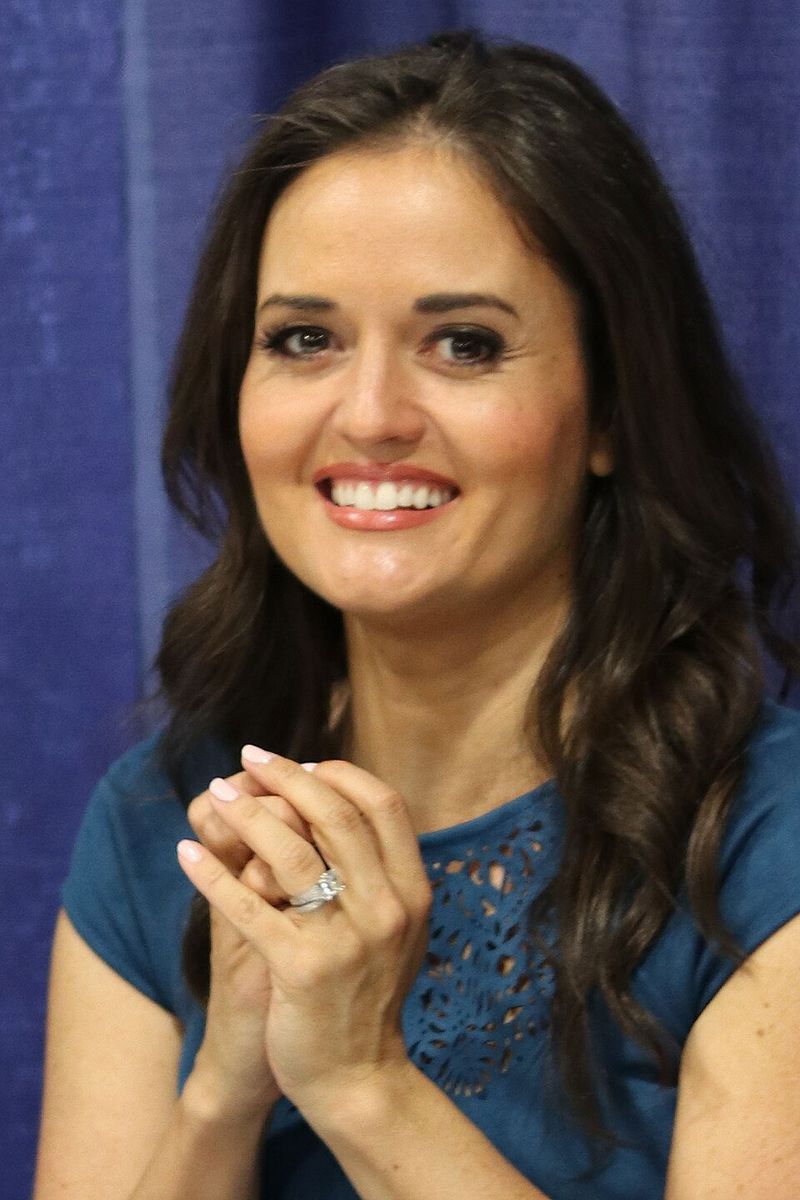
Danica McKellar played Winnie Cooper on The Wonder Years, one of the most beloved coming-of-age shows in television history. Her performance was natural and emotionally resonant.
But behind the scenes, McKellar was quietly developing a passion that had nothing to do with acting: advanced mathematics.
She graduated from UCLA with a degree in mathematics and co-authored a real academic theorem, known as the Chayes-McKellar-Winn theorem, published in a peer-reviewed journal. That alone would be remarkable for anyone.
But she also used her public platform to write math books aimed at middle school students, particularly girls.
Her books, including Math Doesn’t Suck and Kiss My Math, became bestsellers and helped reshape how young readers relate to a subject many find intimidating. McKellar proved that a famous face can also be a serious mind.
She remains one of the most intellectually accomplished former child stars in Hollywood history.
13. Phoebe Cates
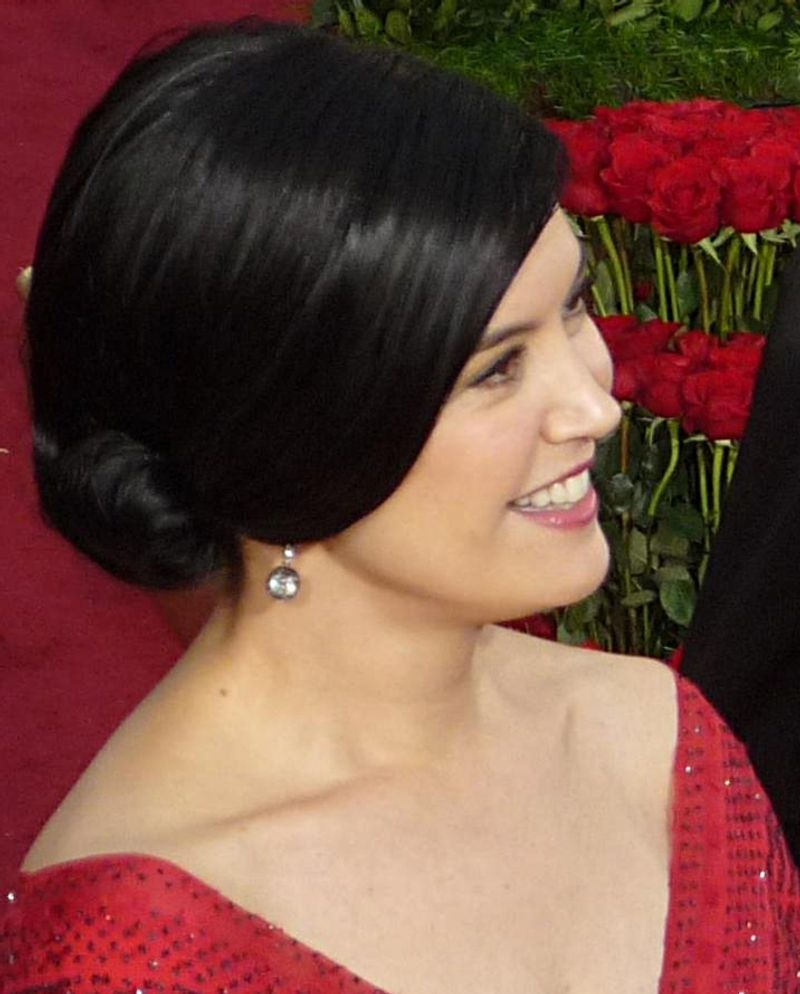
Phoebe Cates was a defining presence in 1980s cinema. Her roles in Fast Times at Ridgemont High and Gremlins made her one of the decade’s most recognizable faces.
Then, in the early 1990s, she stepped back from acting almost entirely to focus on family life and a quieter existence in New York City.
She eventually channeled her creative energy into retail, opening a boutique shop called Blue Tree on Manhattan’s Upper East Side. The store sells a carefully curated mix of clothing, jewelry, books, and gifts.
It reflects her personal taste and has developed a loyal following among New Yorkers.
Cates rarely gives interviews and has shown little interest in returning to Hollywood. By all appearances, she has found genuine contentment running her shop and raising her family.
Her story is not one of regret or retreat; it reads more like someone who simply knew what kind of life she actually wanted to live.
14. Jack Gleeson

Jack Gleeson made millions of viewers despise him as Joffrey Baratheon on Game of Thrones. Playing one of television’s most hated villains took real skill, and Gleeson delivered with unsettling precision.
But even while filming the show, he was quietly signaling that a life in mainstream Hollywood was not what he wanted.
He studied philosophy and theology at Trinity College Dublin and has spoken thoughtfully about his complicated relationship with celebrity culture. After his character’s death on the show, he largely stepped away from major productions and returned to small-scale theater work in Ireland and the UK.
Gleeson co-founded a small theater company called Collapsing Horse, which creates experimental and community-based performances. His choice to trade blockbuster fame for grassroots theater is unusual in an industry that rewards visibility above all else.
He has described his current work as more personally meaningful, which, for an actor who never chased fame, makes complete sense.
Share this story