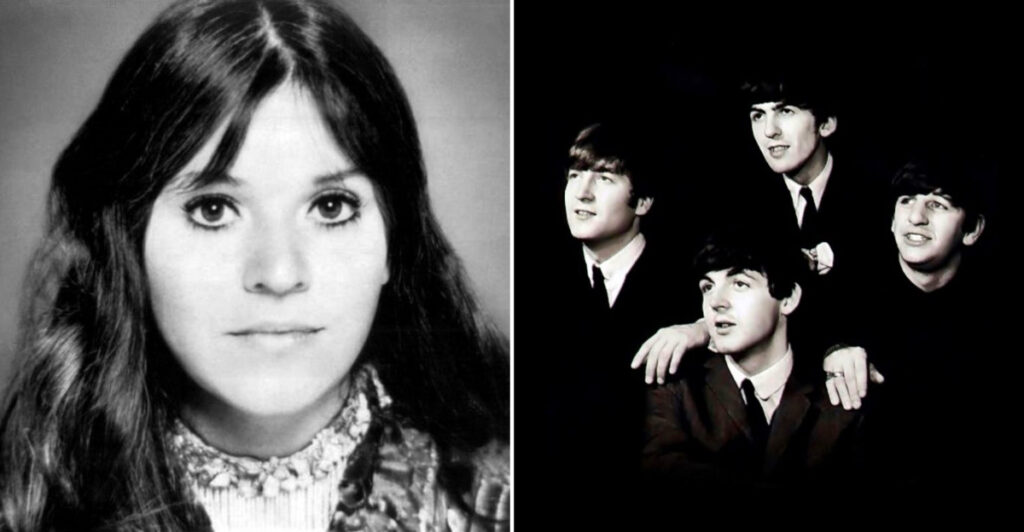
Radio in 1970 was not just a device sitting on a shelf. It was the primary connection millions of Americans had to the music shaping their world, and the late-night hours brought out a completely different side of the format.
FM stations were expanding rapidly, DJs were given more freedom to program longer sets, and listeners were tuning in past midnight in record numbers. The songs that dominated those quiet hours ranged from gospel-tinged ballads to hard-charging rock anthems, reflecting a country in the middle of enormous cultural change.
Antiwar sentiment, social upheaval, and a generation coming into its own identity all found a voice through the music playing on those overnight broadcasts. What follows is a look at fourteen tracks that consistently showed up in late-night rotations throughout 1970, each one telling a different part of the story about what that year actually sounded like on the airwaves.
1. Bridge Over Troubled Water by Simon & Garfunkel
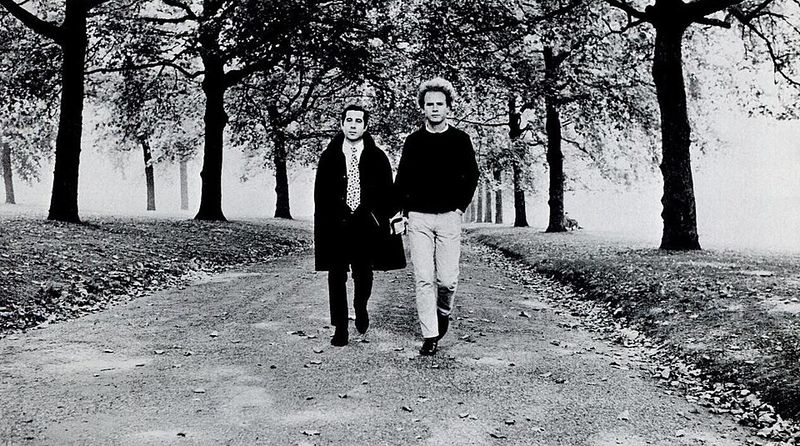
Paul Simon wrote “Bridge Over Troubled Water” in just a few hours, and it went on to win five Grammy Awards in 1971, including Record of the Year and Song of the Year. The song reached number one in ten countries and stayed at the top of the Billboard Hot 100 for six weeks in early 1970.
Art Garfunkel’s vocal performance on the track is widely considered one of the finest in pop music history. The arrangement, built around a classical-style piano progression, gave the song a weight that most radio hits of the era simply did not have.
Late-night DJs favored it because it filled space with purpose. Listeners did not just hear it; they stopped what they were doing.
It became the kind of song that radio programmers trusted to close out a long overnight set with something that genuinely landed.
2. Let It Be by The Beatles
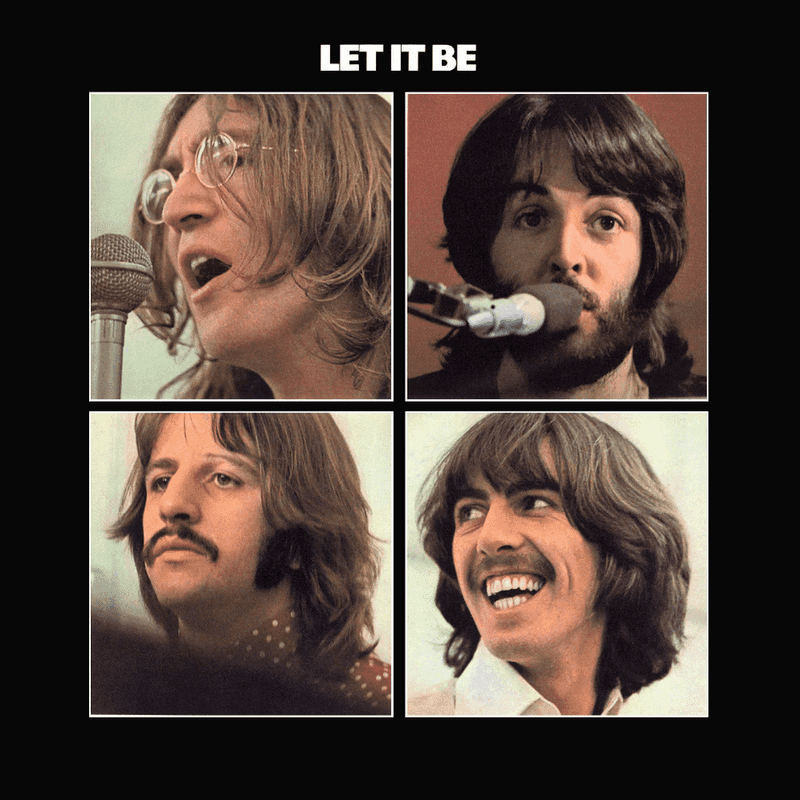
By January 1970, the Beatles had not performed together publicly in years, and internal tensions within the group were widely reported. “Let It Be” arrived in that context, carrying a sense of finality that listeners immediately picked up on, even if they could not fully explain it.
The song was recorded during the troubled Get Back sessions in early 1969 and released as a single in March 1970. Its gospel-inspired chord structure and McCartney’s restrained vocal delivery gave it a hymn-like quality that translated remarkably well to late-night radio.
Overnight DJs understood the song’s emotional weight and often placed it at pivotal moments in their sets. It was not uncommon for stations to receive call-in requests for it multiple times in a single broadcast.
The track functioned as both a pop song and a cultural statement at a moment when listeners needed both.
3. Fire and Rain by James Taylor
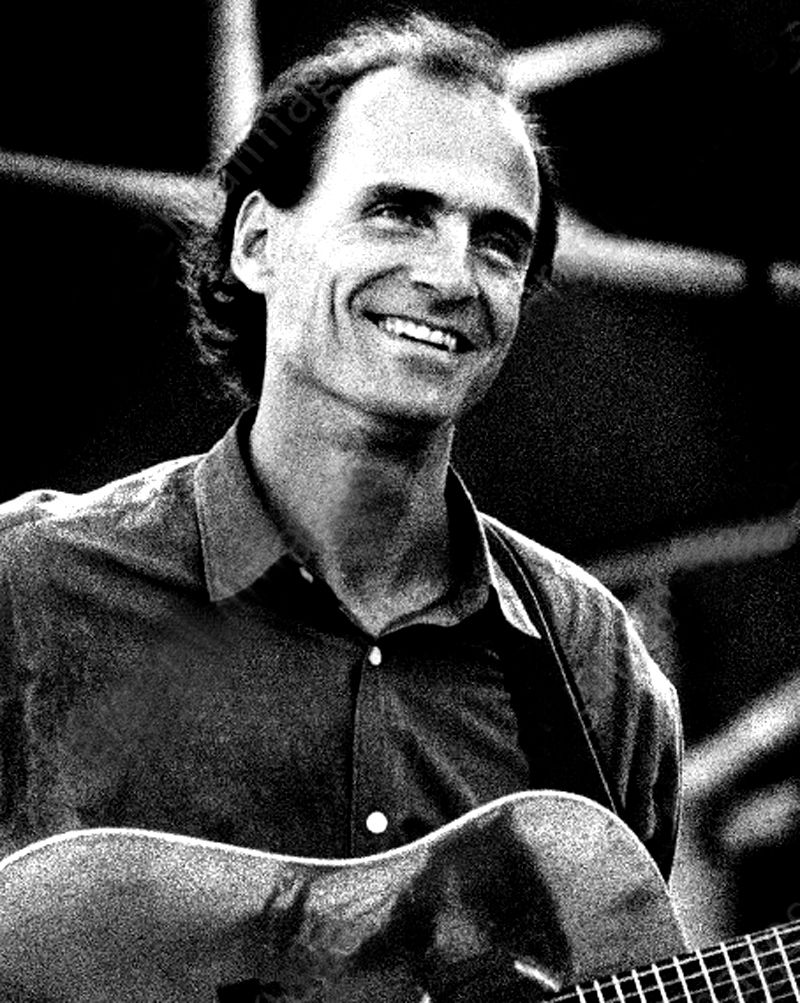
James Taylor had spent time in a psychiatric facility and was recovering from personal hardship when he wrote “Fire and Rain” in 1968. By the time it reached radio audiences in 1970, the song carried a confessional honesty that was unusual for the era’s mainstream pop landscape.
The track peaked at number three on the Billboard Hot 100 and introduced millions of listeners to a quieter, more introspective style of singer-songwriter music. It helped establish a template that dozens of artists would follow throughout the early 1970s.
Radio programmers valued the song’s pacing. At just over three minutes, it never overstayed its welcome, yet it left a strong impression each time it played.
Late-night audiences responded to its directness.
4. Lay Down (Candles in the Rain) by Melanie
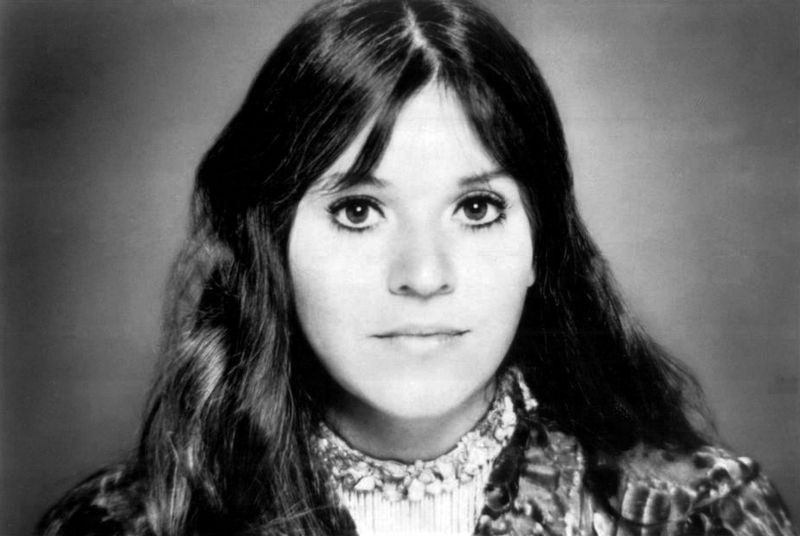
Melanie Safka performed at Woodstock in August 1969 and was genuinely moved by the crowd lighting candles during her set. That experience directly inspired “Lay Down (Candles in the Rain),” which she recorded with the Edwin Hawkins Singers and released in early 1970.
The song blended folk, gospel, and pop in a way that felt genuinely original rather than calculated. It reached number six on the Billboard Hot 100 and introduced Melanie to a much wider audience than her earlier work had reached.
The gospel choir backing gave the track an emotional scale that made it ideal for late-night FM programming. Radio stations with more adventurous formats played it alongside harder rock tracks without it feeling out of place.
5. The Long and Winding Road by The Beatles
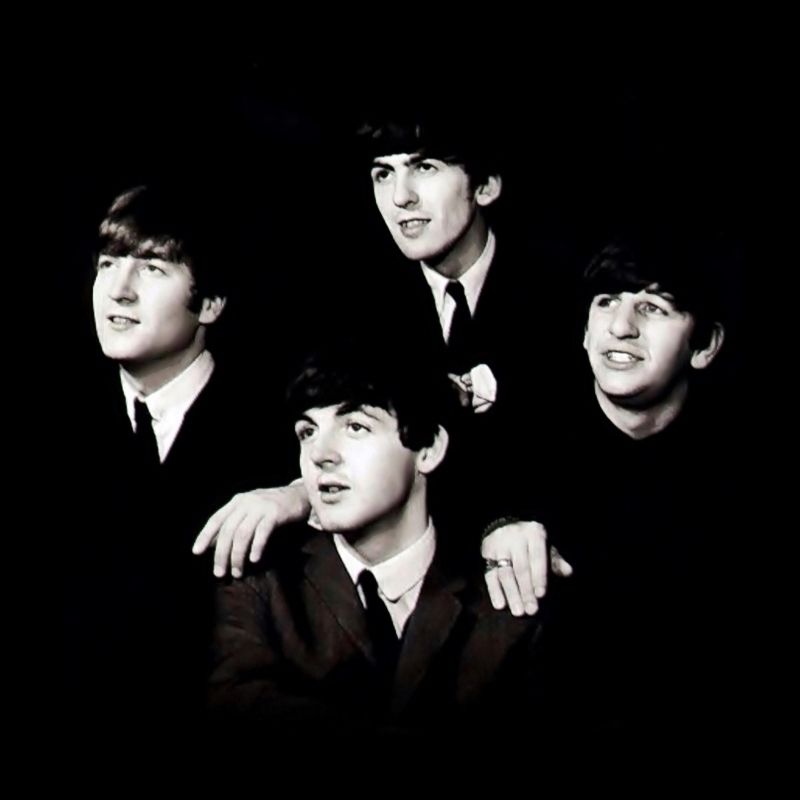
“The Long and Winding Road” became the Beatles’ final number one single in the United States, reaching the top of the Billboard Hot 100 in June 1970. Its release was entangled in the band’s breakup and sparked a public disagreement between Paul McCartney and producer Phil Spector over the orchestral overdubs added without McCartney’s approval.
That behind-the-scenes conflict gave the song an extra layer of meaning for fans who followed the story. On radio, however, it was simply a sweeping, emotionally resonant ballad that fit perfectly into overnight programming.
The orchestral arrangement Spector added, strings, choir, and brass, gave the track a cinematic scale unusual for a Beatles single. Late-night DJs appreciated how the song held listener attention through its full running time.
It did not demand anything from the audience. It simply unfolded, which made it exactly the kind of track that worked best when the rest of the world had gone quiet.
6. Cracklin’ Rosie by Neil Diamond
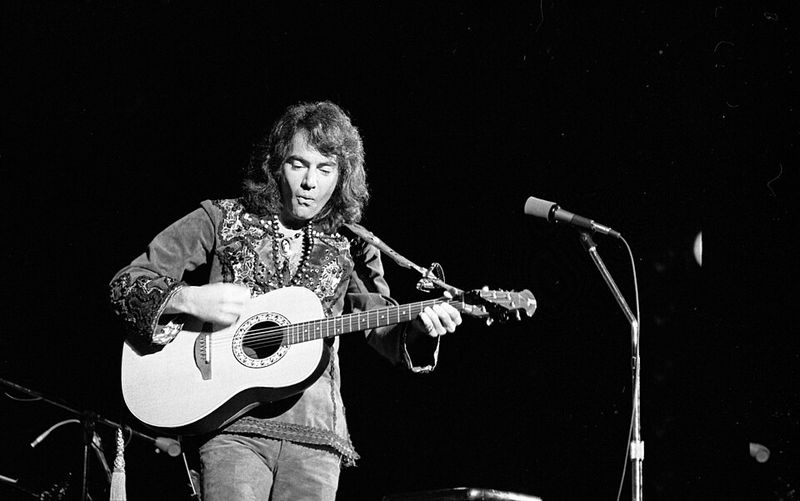
Neil Diamond reportedly wrote “Cracklin’ Rosie” after reading about a Native American tribe in Canada where men outnumbered available partners, leading some men to spend evenings with a bottle of wine as their only company. Whether or not that story is fully accurate, it gave the song an unusual origin for a number one pop hit.
The track debuted at the top of the Billboard Hot 100 in September 1970 and stayed there for one week. Its production was bigger and more polished than Diamond’s earlier work, signaling a shift toward the arena-ready sound that would define his career through the 1970s.
Radio programmers loved the song’s momentum. It had an upbeat energy that could lift the mood of a late-night set without feeling frivolous.
7. Ain’t No Mountain High Enough by Diana Ross
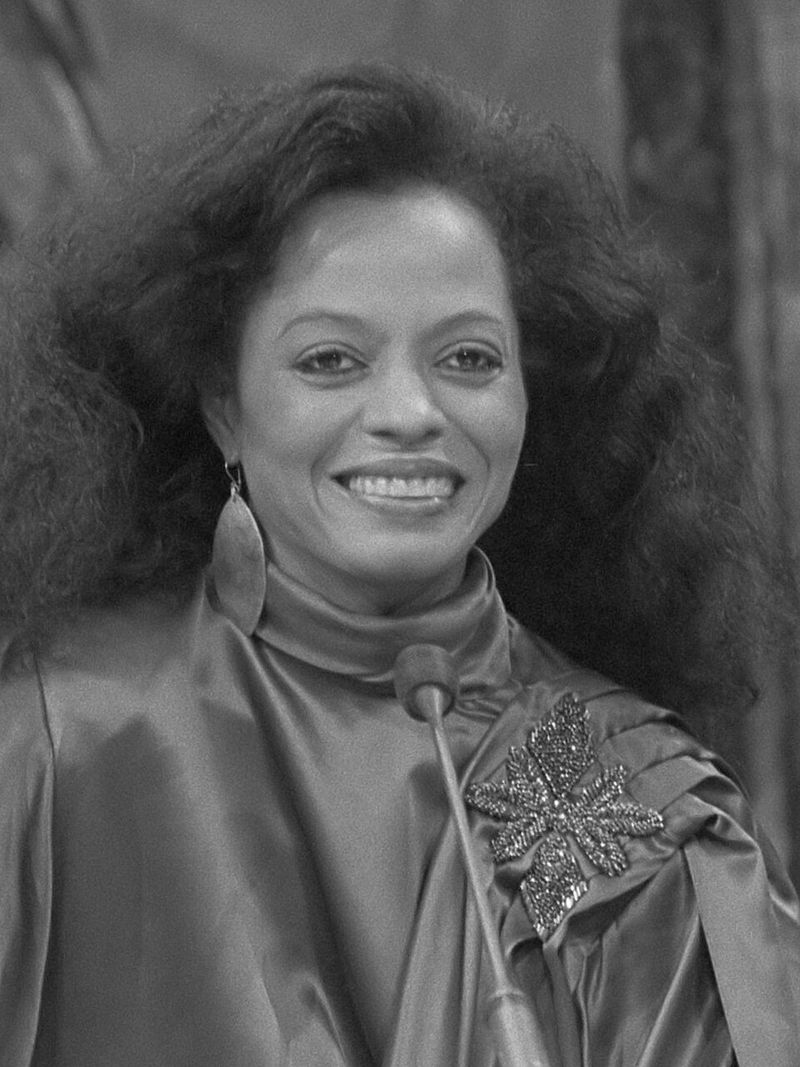
Marvin Gaye and Tammi Terrell originally recorded “Ain’t No Mountain High Enough” in 1967, but Diana Ross transformed it into something entirely different for her 1970 solo version. Her recording restructured the song with spoken-word passages, a full orchestral arrangement, and a production scale that turned a Motown duet into a standalone dramatic statement.
The song reached number one on the Billboard Hot 100 in September 1970 and became one of the defining hits of Ross’s solo career following her departure from The Supremes.
Late-night radio programmers valued the track for its dynamic range. It built gradually, rewarding listeners who stayed with it through its nearly four-minute runtime.
FM stations in particular embraced the extended format. The song’s combination of emotional intensity and polished production made it a reliable anchor for late-night playlists, and its popularity showed no signs of fading as the year came to a close.
8. American Woman by The Guess Who
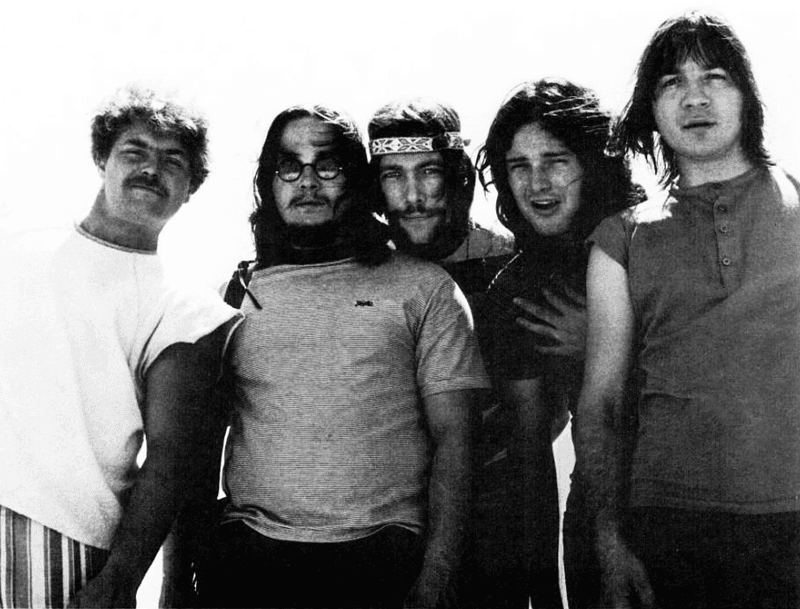
The Guess Who were Canadian, and “American Woman” was partly a commentary on U.S. culture observed from the outside. The song originated from an improvised guitar riff that guitarist Randy Bachman played during a concert in Kitchener, Ontario, in January 1969, when he broke a guitar string and kept playing to fill time.
It reached number one on the Billboard Hot 100 in May 1970, making the Guess Who the first Canadian rock band to top the American charts. The track spent three weeks at the top position.
FM rock stations gravitated toward it because it had an edge that AM pop radio sometimes avoided. The guitar riff was heavy by 1970 standards, and Burton Cummings’s vocal performance had a raw quality that suited the late-night format well.
It gave overnight playlists a jolt of energy that balanced out the softer ballads dominating the charts during the same period.
9. War by Edwin Starr
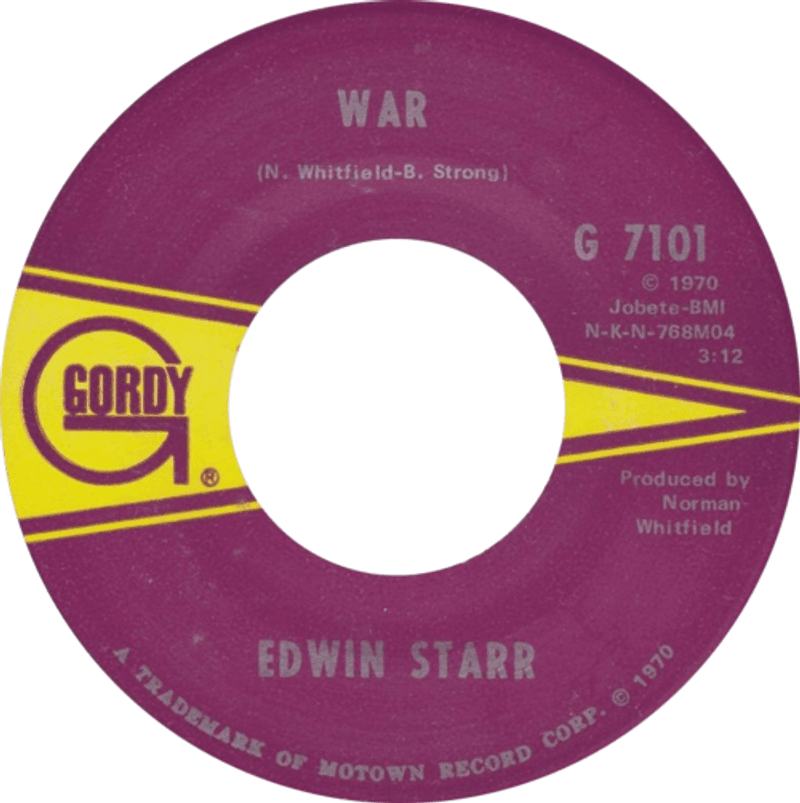
Motown originally recorded “War” with the Temptations for their album Psychedelic Shack, but label executives decided the politically charged track was too controversial for the group’s commercial image. Edwin Starr was brought in to re-record it as a standalone single, and his version became one of the most urgent protest songs ever released by a major label.
The song reached number one on the Billboard Hot 100 in August 1970 and stayed there for three weeks. With the Vietnam War still escalating and campus protests making national headlines, the track resonated far beyond typical pop radio demographics.
Late-night DJs who played it were making a statement as much as a programming decision. The song’s call-and-response structure and Starr’s forceful delivery made it impossible to treat as background music.
10. Vehicle by The Ides of March
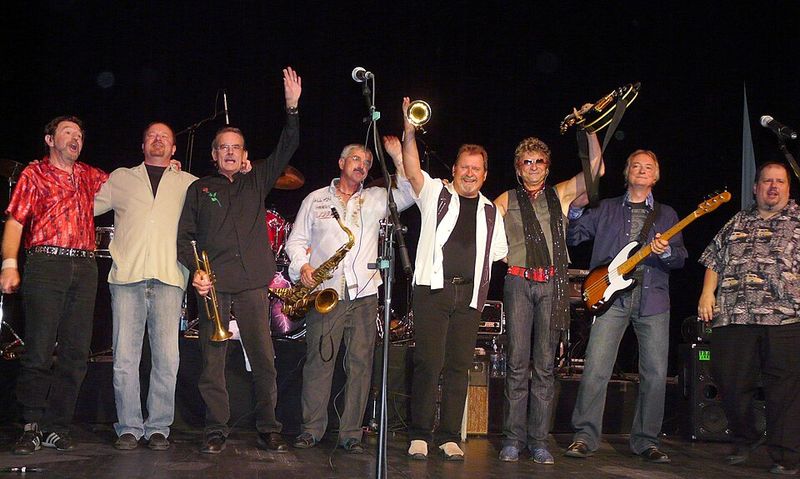
The Ides of March had been a working band since the early 1960s, cycling through several lineup changes and musical styles before hitting with “Vehicle” in early 1970. The song’s combination of hard rock guitar and a punchy brass section gave it a sound that stood apart from most of what was charting at the time.
“Vehicle” peaked at number two on the Billboard Hot 100 in May 1970, kept from the top spot by the Jackson 5’s “ABC.” Despite not reaching number one, it became one of the most recognizable rock tracks of the year.
Radio programmers loved its energy and unconventional instrumentation. Horn-driven rock was having a moment in 1970, with bands like Chicago and Blood, Sweat and Tears also charting strongly. “Vehicle” fit comfortably into that trend while retaining a harder edge.
11. Mama Told Me (Not to Come) by Three Dog Night
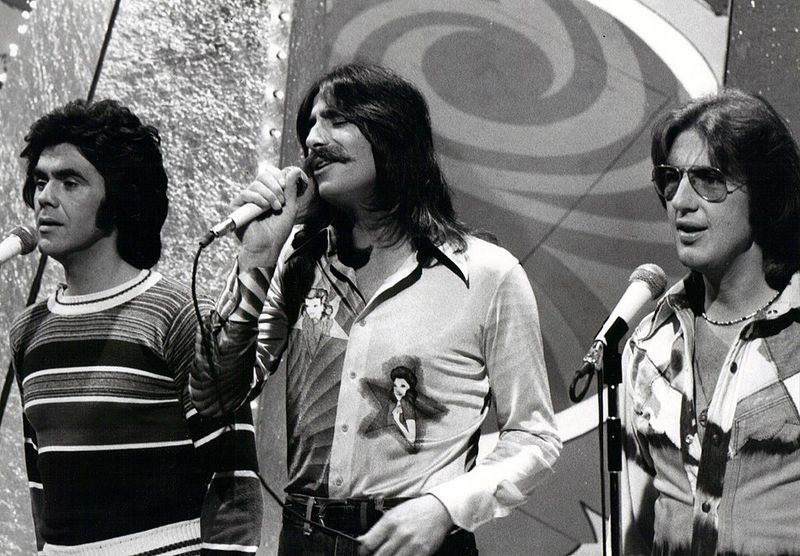
Randy Newman wrote “Mama Told Me (Not to Come)” in 1966, but it took Three Dog Night’s version in 1970 to turn it into a genuine chart phenomenon. Newman had written the song as a character study of someone overwhelmed by a wild party, and Three Dog Night played up the comedic tension perfectly.
The track reached number one on the Billboard Hot 100 in July 1970 and became one of the group’s signature songs. Three Dog Night was already known for picking underappreciated songs by lesser-known writers and turning them into hits, a strategy that worked remarkably well throughout their peak years.
Late-night DJs appreciated the song’s playful energy because it broke up the emotional weight of longer ballad-heavy sets. At just over three minutes, it was punchy, funny, and impossible to ignore.
12. Close to You by The Carpenters
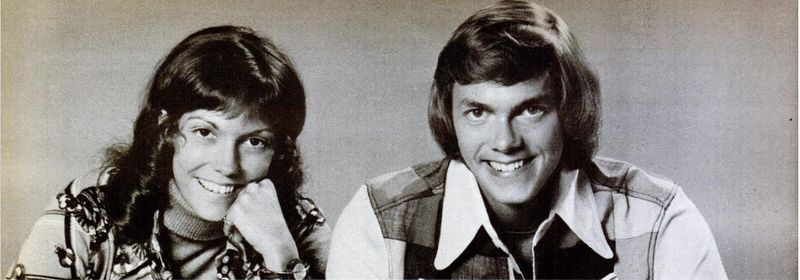
Burt Bacharach and Hal David wrote “(They Long to Be) Close to You” in the early 1960s, and it was recorded by several artists before the Carpenters made it a number one hit in 1970. Richard Carpenter’s arrangement and Karen’s lead vocal transformed the song into something that felt fresh despite its age.
The track spent four weeks at number one on the Billboard Hot 100 during the summer of 1970 and launched the Carpenters into mainstream stardom. Karen Carpenter was just twenty years old when the song became a hit, and her vocal control was already exceptional for someone her age.
AM radio stations played the song constantly, but it also performed well on the softer end of FM programming. Its clean production and uncluttered arrangement suited late-night listening perfectly.
13. Signed, Sealed, Delivered I’m Yours by Stevie Wonder
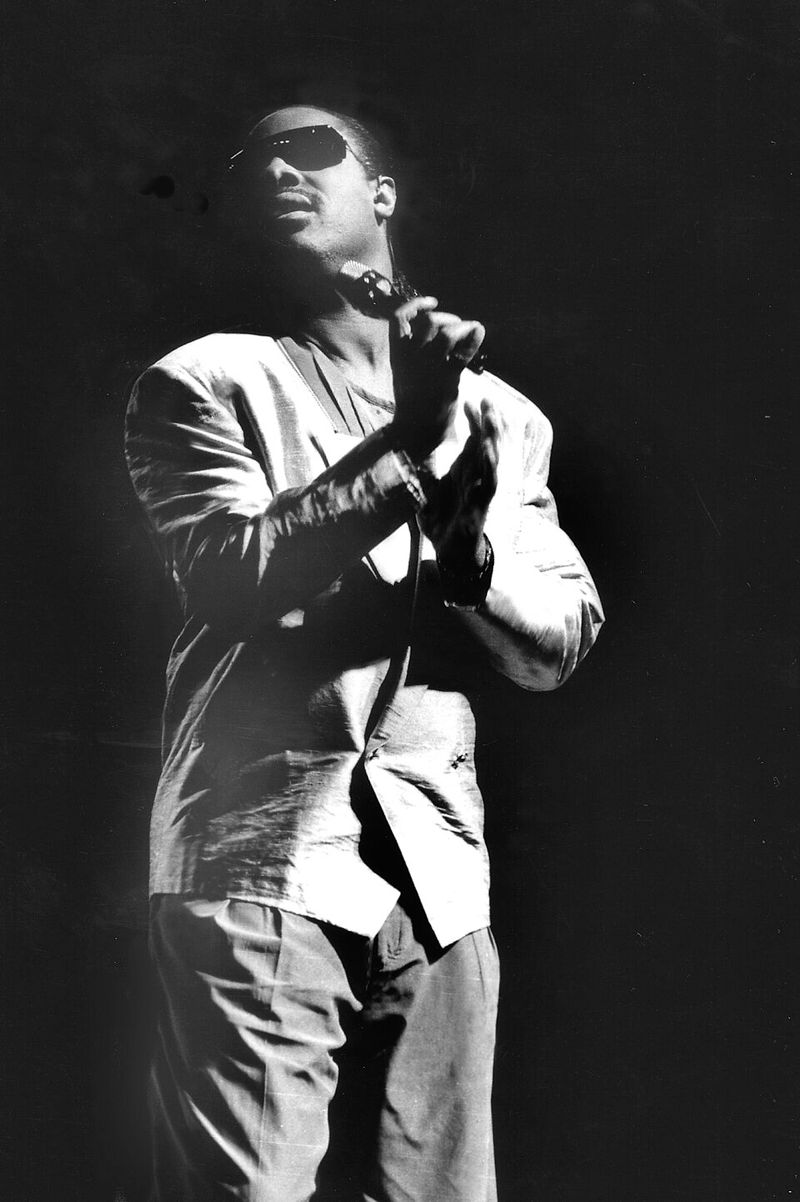
Stevie Wonder co-wrote “Signed, Sealed, Delivered I’m Yours” with Syreeta Wright, Lee Garrett, and his mother Lula Mae Hardaway, making it one of the more collaborative efforts of his early career. Released in June 1970, the song marked a turning point in Wonder’s relationship with Motown as he began taking more creative control over his recordings.
The track reached number three on the Billboard Hot 100 and topped the R&B chart, becoming one of his biggest hits to that point. Its production combined classic Motown rhythm with a slightly harder funk edge that pointed toward where Wonder’s music was heading.
Overnight radio programmers used the song strategically. It had enough energy to keep listeners engaged without pulling the set too far from the reflective mood that late-night audiences generally preferred.
14. Spirit in the Sky by Norman Greenbaum
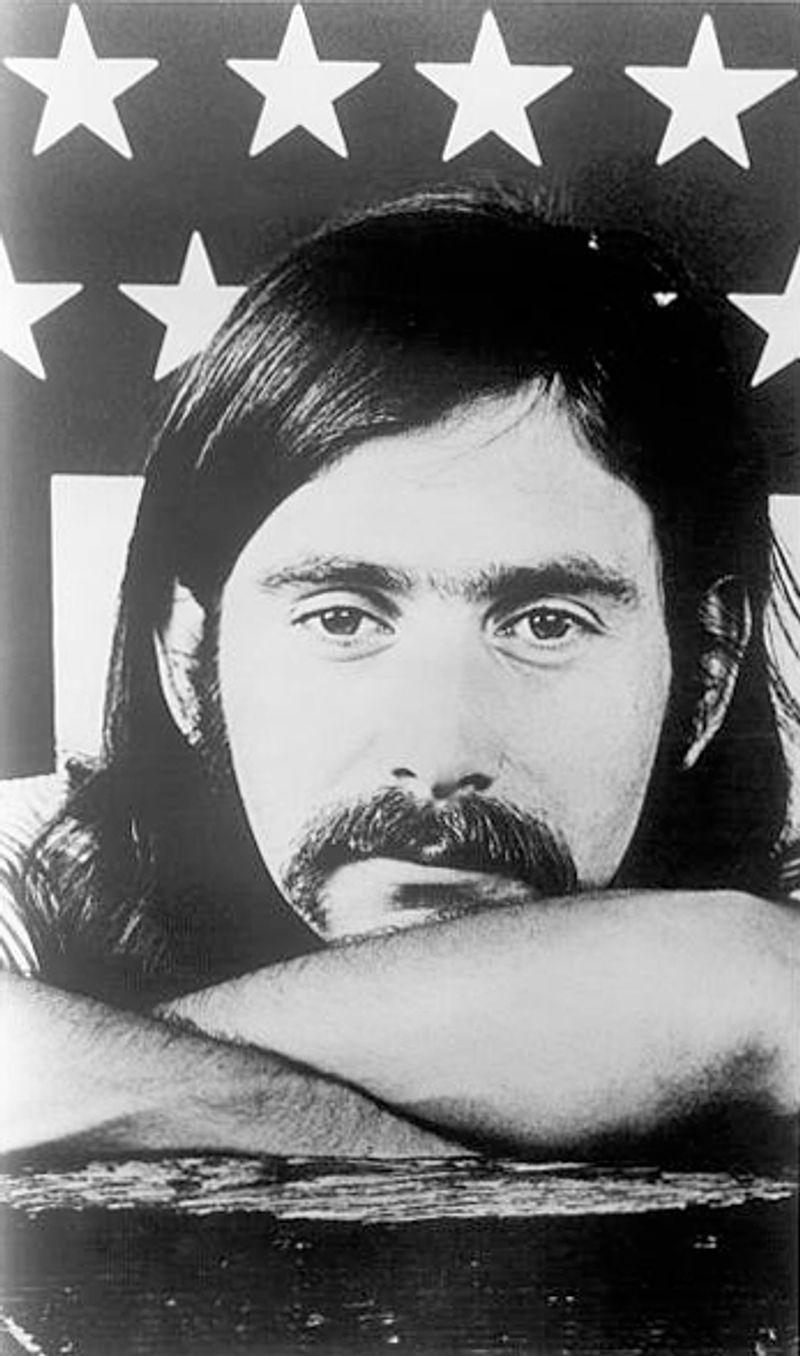
Norman Greenbaum wrote “Spirit in the Sky” in about fifteen minutes after watching a country gospel performance on television. He had no particular religious background, but the song’s spiritual themes and fuzz-heavy guitar tone connected with audiences in a way that defied easy categorization.
The track reached number three on the Billboard Hot 100 in early 1970 and became one of the most recognizable guitar riffs of the era. It sold over one million copies in the United States alone and charted strongly in the United Kingdom as well.
Radio programmers in 1970 were not always sure where to slot it. It was too rock for some stations and too gospel-influenced for others, but that in-between quality actually made it useful.
It worked as a transition track between harder rock and softer pop, which gave it flexibility that few other songs of the year could match. Its staying power across decades proved that the instinct to play it was right.
Share this story