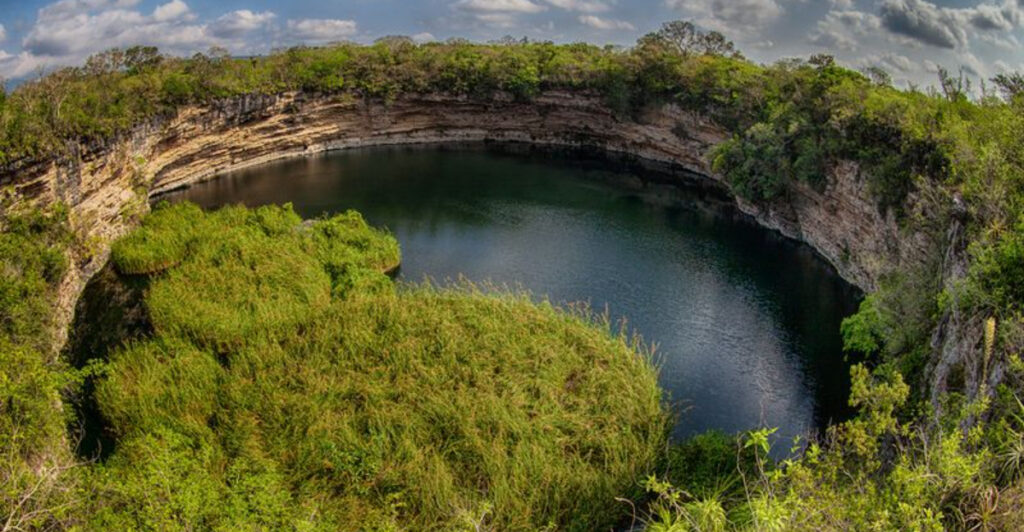
Deep holes in the earth have fascinated people for centuries, and some sinkholes are so enormous they seem to belong in a science fiction movie. These natural formations drop hundreds of feet into the ground, hiding underground rivers, caves, and even entire ecosystems.
Found on every continent, the world’s largest sinkholes tell stories of geology, time, and the raw power of nature. Get ready to explore 14 of the most jaw-dropping sinkholes on the planet.
1. Xiaozhai Tiankeng, China
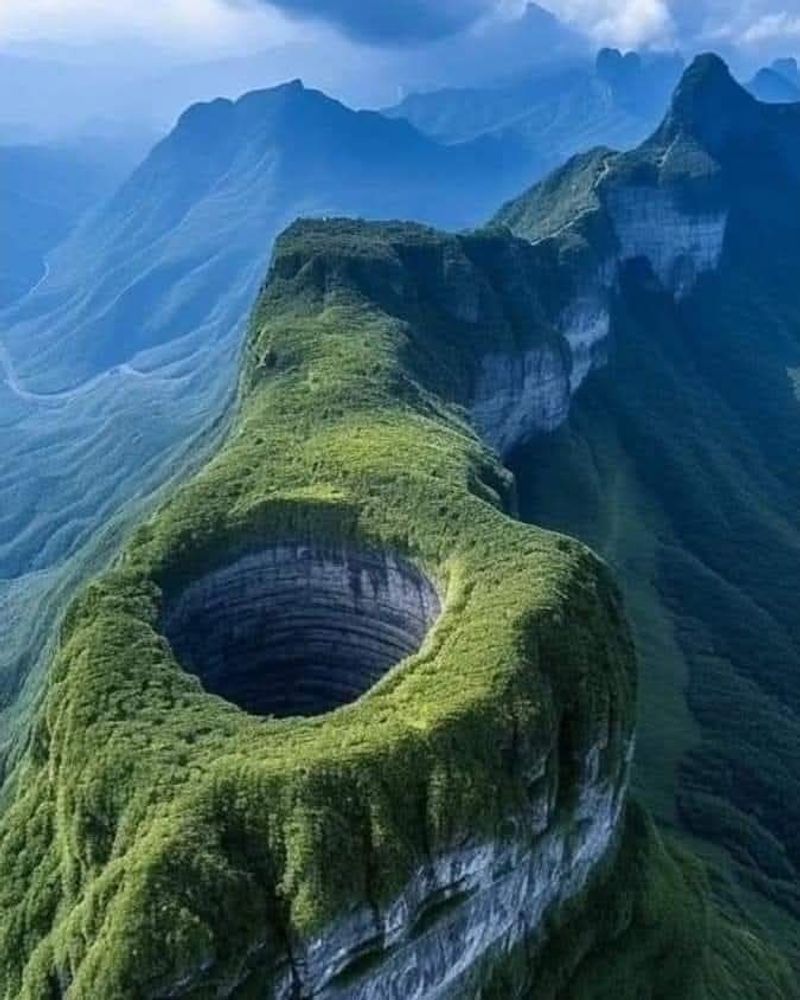
Hidden deep in the forests of Chongqing, China, Xiaozhai Tiankeng holds the title of the world’s largest sinkhole by volume. The name translates to “Heavenly Pit,” and standing at its rim makes it easy to understand why ancient locals believed it led to another realm.
The sinkhole stretches about 626 meters long, 537 meters wide, and plunges more than 662 meters deep. Its walls are so steep and tall that clouds sometimes form inside the pit itself, creating an eerie, otherworldly atmosphere that feels completely separate from the world above.
At the bottom, an underground river carves through the cave system, and a rare ecosystem thrives where sunlight barely reaches. Scientists have discovered plants and animals found nowhere else on Earth living inside this colossal pit, making it one of the most scientifically valuable sinkholes ever studied.
2. Great Blue Hole, Belize
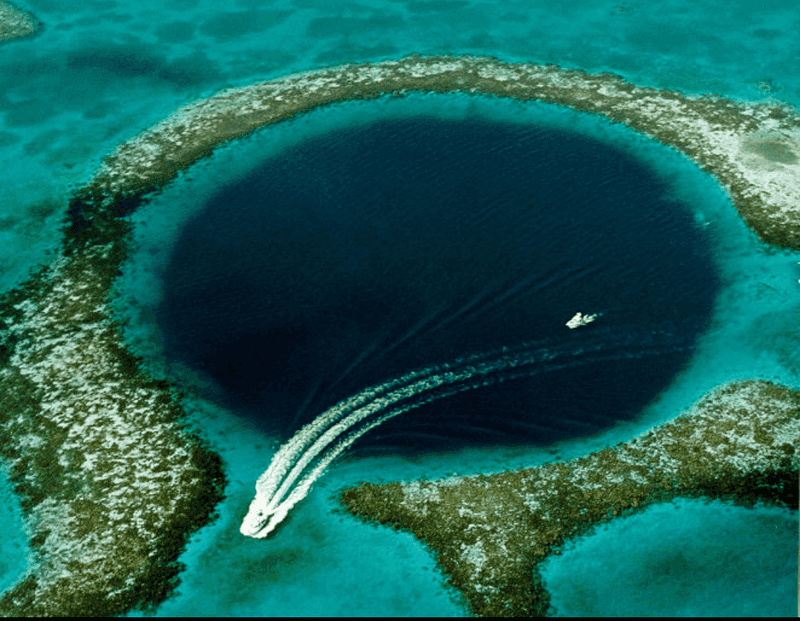
Few natural sights on Earth are as perfectly photogenic as the Great Blue Hole off the coast of Belize. From above, it looks like a giant dark eye staring up from the turquoise Caribbean Sea, a nearly perfect circle of deep indigo water about 300 meters across.
Formed during the last Ice Age when sea levels were much lower, this underwater sinkhole drops about 125 meters straight down. Jacques Cousteau famously declared it one of the top scuba diving sites in the world after exploring its depths in 1971, and divers still flock here to see massive stalactites hanging in the darkness below.
The Great Blue Hole became a UNESCO World Heritage Site as part of the Belize Barrier Reef Reserve System. Inside, sharks, sea turtles, and rare fish cruise through the shadows, making every dive feel like stepping through a portal into a hidden underwater world.
3. Dean’s Blue Hole, Bahamas
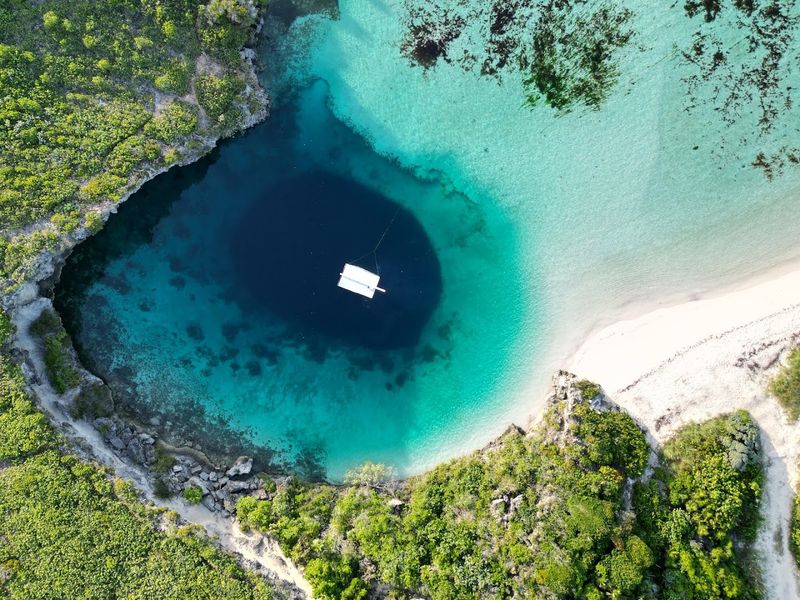
Tucked inside a scenic bay on Long Island in the Bahamas, Dean’s Blue Hole is the world’s deepest known saltwater blue hole on land, plunging about 202 meters straight down. The entrance is surprisingly narrow, only about 25 meters wide at the surface, before dramatically widening into a cavern roughly 100 meters across just below the waterline.
Free divers from around the world treat Dean’s Blue Hole as a sacred training ground. It hosted the World Free Diving Championship multiple times, and record-breaking athletes have descended here on a single breath, reaching depths that most people can barely imagine surviving.
The calm, sheltered bay surrounding the hole makes it unusually accessible for swimmers and snorkelers too. Visibility in the upper sections is crystal clear, letting you peer down into the darkening blue abyss below.
Looking down into Dean’s Blue Hole on a sunny day feels genuinely like gazing into another dimension entirely.
4. Sima Humboldt, Venezuela
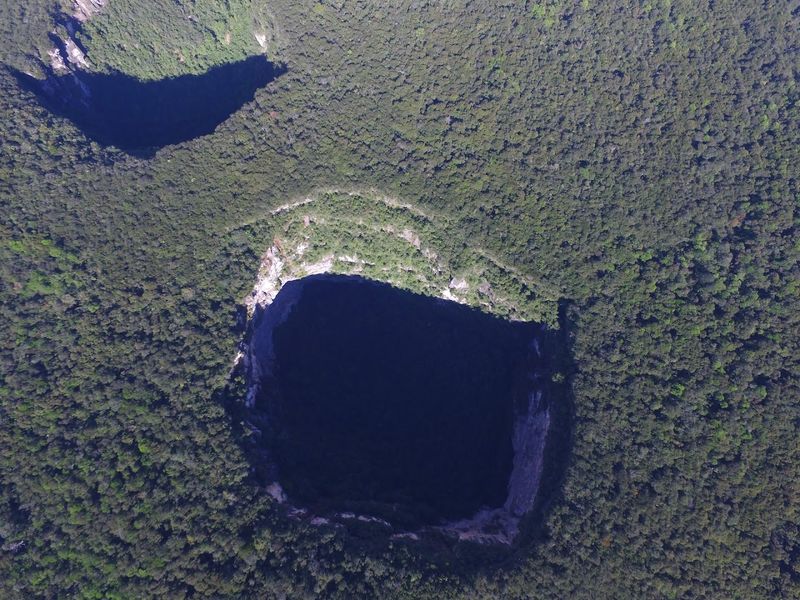
Perched on top of a remote tepui mountain in southern Venezuela, Sima Humboldt looks like something ripped from a fantasy novel. A rectangular pit carved into ancient sandstone, it drops about 314 meters straight down, with walls so sheer and smooth that climbing them without equipment would be impossible.
What makes Sima Humboldt especially remarkable is that an entirely separate jungle has grown inside the sinkhole, completely isolated from the forest above. Plants and insects inside have evolved independently for thousands of years, creating a miniature ecosystem unlike anything found elsewhere on the mountain.
Named after the famous German explorer Alexander von Humboldt, this sinkhole sits on Sarisarinama Tepui, a plateau so remote that it was not scientifically explored until the 1970s. Nearby, a second large sinkhole called Sima Martel drops even deeper, making the plateau one of the most geologically extraordinary places anywhere in South America.
5. El Zacaton, Mexico
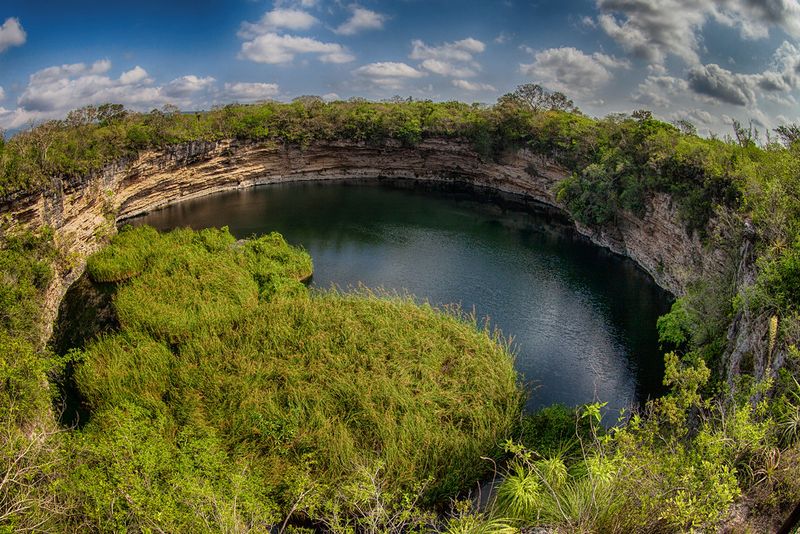
El Zacaton in the state of Tamaulipas, Mexico, holds the record as the world’s deepest known water-filled sinkhole on dry land, reaching a verified depth of at least 339 meters. For years, divers tried to reach the bottom and failed, making its true depth a subject of speculation and legend throughout the diving community.
In 1994, cave diver Jim Bowden set a world record attempting to reach the bottom, but tragically his diving partner Ann Arbor died during the attempt. The mystery of El Zacaton’s full depth was finally solved in 2007 when NASA sent a robotic underwater vehicle called DEPTHX to map the cave, finding the bottom at 319 meters below the surface.
Floating mats of grass called zacate bob gently on the surface, giving the sinkhole its name. Hydrothermal vents at the bottom release warm, mineral-rich water, supporting unique microbial life that scientists study for clues about extremophile biology and possibly life on other planets.
6. Cave of Swallows (Sotano de las Golondrinas), Mexico
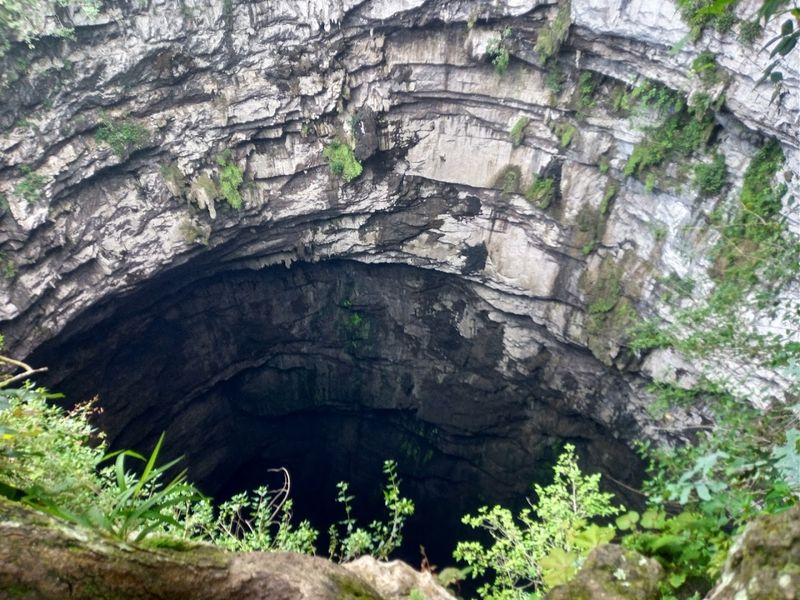
Every morning at dawn, thousands of white-collared swifts and green parakeets spiral upward out of a massive pit in San Luis Potosi, Mexico, creating one of nature’s most breathtaking spectacles. Sotano de las Golondrinas, meaning “basement of the swallows,” is one of the largest known cave shafts on Earth, and watching birds pour out of it like smoke from a chimney is genuinely unforgettable.
The shaft drops about 333 to 376 meters depending on where you measure, and the opening at the top is wide enough that the entire Empire State Building could fit inside the cave without touching the walls. Rappelling into it is considered a bucket-list experience among serious cavers worldwide.
The birds that nest on the cave walls fly out at sunrise to feed and return at sunset, diving back into the darkness at high speed. Locals and tourists gather at the rim each day to watch this daily migration, making the cave as much a cultural landmark as a geological wonder.
7. Red Lake (Crveno Jezero), Croatia
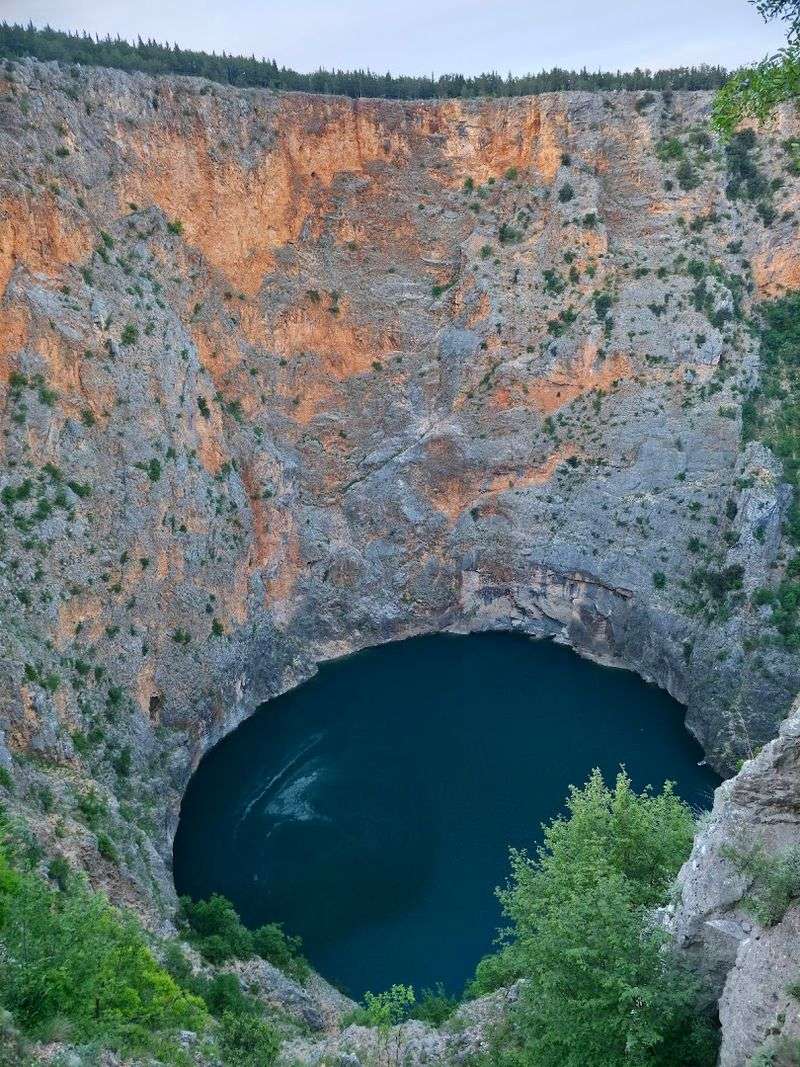
Just outside the town of Imotski in southern Croatia, a massive pit in the earth holds a deep lake that changes color with the seasons, sometimes appearing vivid turquoise, and at other times shifting to a dark, moody green. The local name Crveno Jezero, meaning Red Lake, comes from the rust-colored limestone cliffs that rise steeply around the water.
The cliffs surrounding the lake drop about 241 meters from their highest point to the water’s surface, and the lake itself plunges an additional 280 meters below that, making the total depth from rim to lake floor over 500 meters. For centuries, locals believed the lake was bottomless, and its sheer walls made exploration nearly impossible until modern cave-diving technology arrived.
Scientists have discovered a rich underwater cave system beneath the lake, and eels found there are thought to live for decades in the cold, dark water. The Red Lake sits alongside the smaller Blue Lake nearby, and together they form one of Croatia’s most dramatic natural landscapes.
8. Blue Hole of Dahab, Egypt
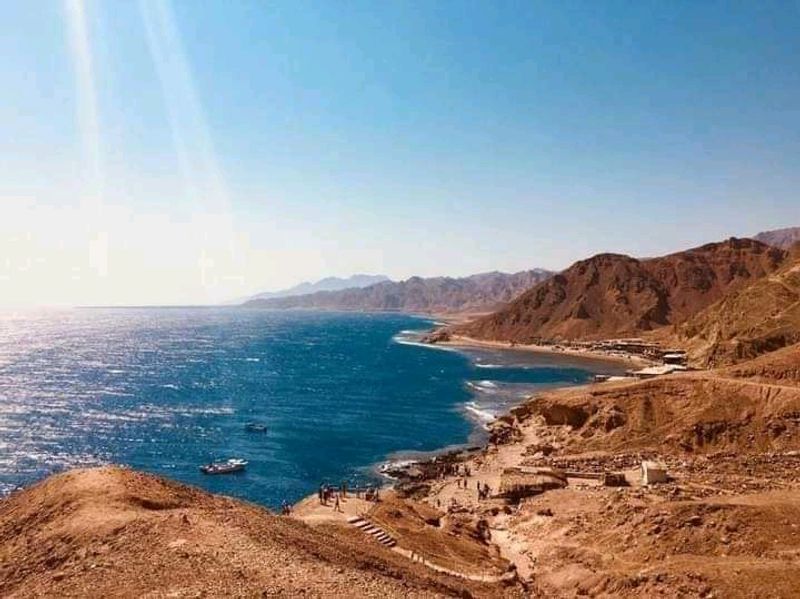
Along the coast of the Sinai Peninsula in Egypt, a circular reef opening drops straight down into the Red Sea, drawing thousands of divers every year and earning a reputation as one of the most dangerous dive sites on the planet. The Blue Hole of Dahab is about 60 meters wide at the surface and plunges roughly 130 meters deep, but it is a hidden arch at about 56 meters that makes it truly deadly.
The arch connects the Blue Hole to the open sea, and many experienced divers have lost their lives attempting to swim through it. The combination of nitrogen narcosis, depth, and the disorienting beauty of the underwater scenery has claimed over 130 lives, earning the site the sobering nickname “The Diver’s Cemetery.”
Despite the danger, the upper sections of the Blue Hole are genuinely stunning and accessible to snorkelers and beginner divers. Bright coral, tropical fish, and crystal-clear visibility make the surface experience feel magical, a stark and eerie contrast to the darkness lurking just below.
9. Macocha Gorge, Czech Republic
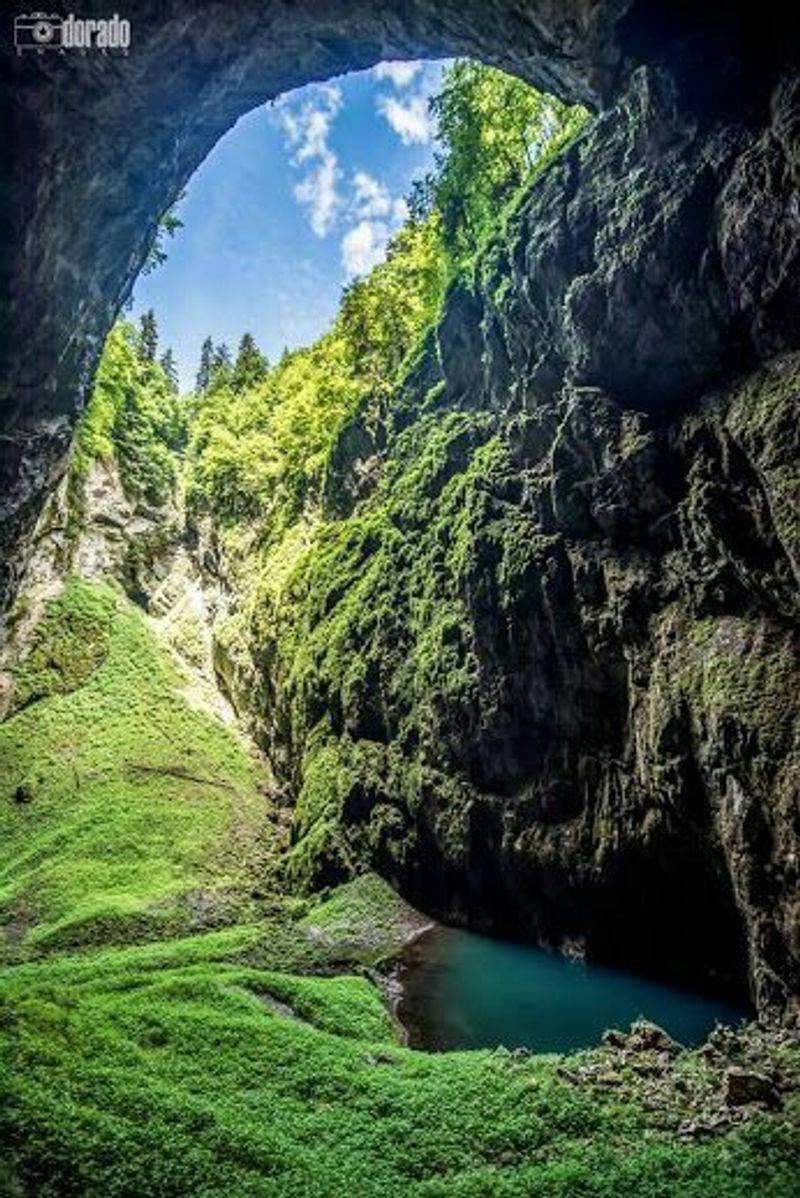
The name Macocha translates to “stepmother” in Czech, and a grim legend explains why. According to local folklore, a cruel stepmother threw her stepson into this enormous pit, only to fall in herself while fleeing her guilt.
Whether the story is true or not, the gorge itself is absolutely real and breathtaking.
Located in the Moravian Karst region, Macocha Gorge is the deepest abyss in Central Europe, dropping about 138 meters from its upper rim to the two small lakes sitting at the bottom. Two viewing platforms extend over the edge, offering vertiginous views straight down into the misty depths below.
The gorge is part of an extensive cave system called the Punkva Caves, and visitors can take boat rides through underground rivers that flow beneath the surrounding landscape. The combination of accessible tourism infrastructure and raw natural drama makes Macocha one of the most visited geological wonders in all of Europe.
10. Devil’s Sinkhole, United States
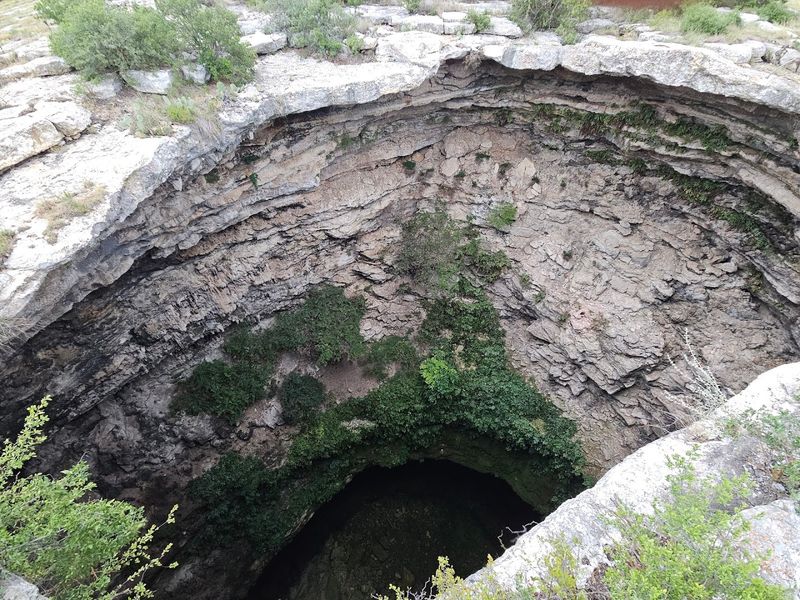
Every evening at dusk from spring through fall, roughly three to four million Mexican free-tailed bats spiral upward out of a single hole in the Texas Hill Country, creating a tornado of wings that locals and tourists drive hours to witness. Devil’s Sinkhole in Edwards County is one of the largest natural bat roosts in North America, and the nightly emergence is a spectacle that never loses its power.
The sinkhole itself is a vertical shaft about 15 meters wide at the surface, dropping roughly 46 meters straight down before opening into a cavern about 107 meters long. It was declared a State Natural Area in 1985 and is now carefully managed to protect the bat colony and the surrounding ecosystem.
Rangers lead guided evening tours where visitors watch the bats emerge in a swirling mass that darkens the sky for several minutes. The sound and sight of millions of wings beating overhead is one of those rare nature experiences that feels completely surreal, like watching the earth breathe.
11. Cennet ve Cehennem Sinkholes, Turkey
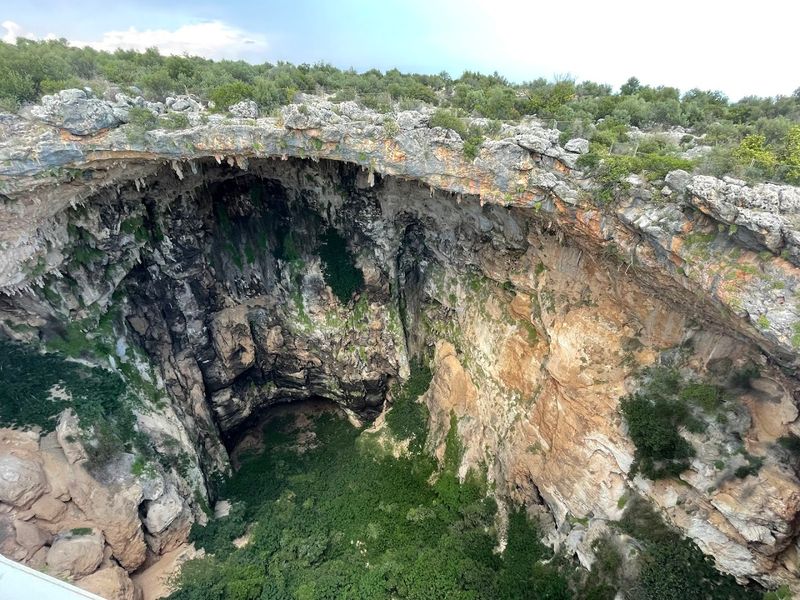
Two enormous sinkholes sit side by side in the Taurus Mountains near Mersin, Turkey, and their names could not be more fitting: Cennet means Heaven and Cehennem means Hell. The contrast between the two is striking.
Cennet is lush, green, and accessible via a staircase, while Cehennem is so steep and dangerous that no one has ever reached its bottom.
Cennet, the larger of the two, is about 250 meters long, 110 meters wide, and 70 meters deep. At the bottom, a cave leads to a small stream and an ancient chapel dedicated to the Virgin Mary, adding a spiritual dimension to the geological spectacle.
Pilgrims and tourists make the descent together, creating an unusual blend of adventure and reverence.
Cehennem, by contrast, drops about 128 meters straight down with no safe path to the bottom. Scientists have heard sounds echoing from deep inside and measured unusual air currents, but the true floor of Hell remains unexplored.
The pair of sinkholes draws visitors from across Turkey and beyond every year.
12. Qattara Depression, Egypt
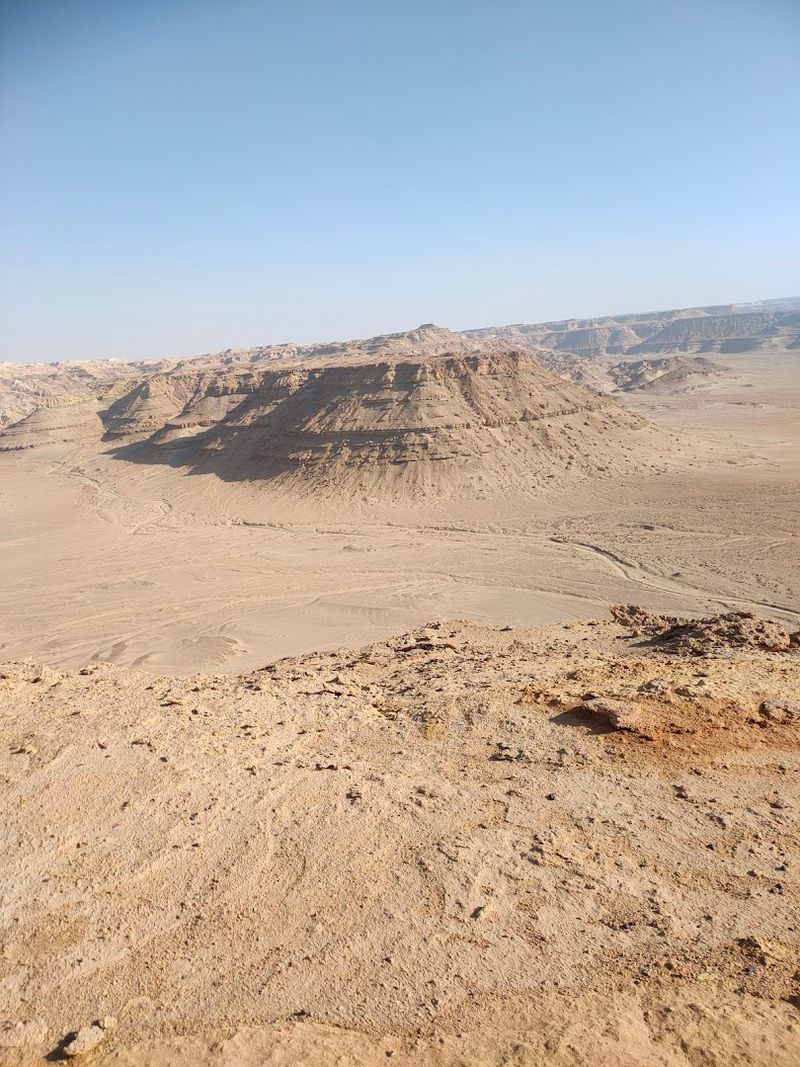
Most sinkholes are measured in meters, but the Qattara Depression in northwestern Egypt is measured in kilometers, making it one of the largest natural depressions on Earth and a category of its own. Stretching roughly 300 kilometers long and 145 kilometers wide, it covers an area larger than the entire country of Switzerland.
The depression sits about 133 meters below sea level at its lowest point, and its floor is covered with salt flats, quicksand, and shifting dunes that made it nearly impassable during World War II. Military commanders on both sides avoided sending troops through it, and it played a significant role in shaping the North African campaign as a natural barrier.
Proposals to flood the depression with Mediterranean seawater and generate hydroelectric power have been discussed since the 1920s but never carried out due to environmental concerns. The Qattara Depression remains one of the most remote and desolate landscapes in Egypt, vast, silent, and humbling in its sheer scale.
13. Pozzo del Merro, Italy
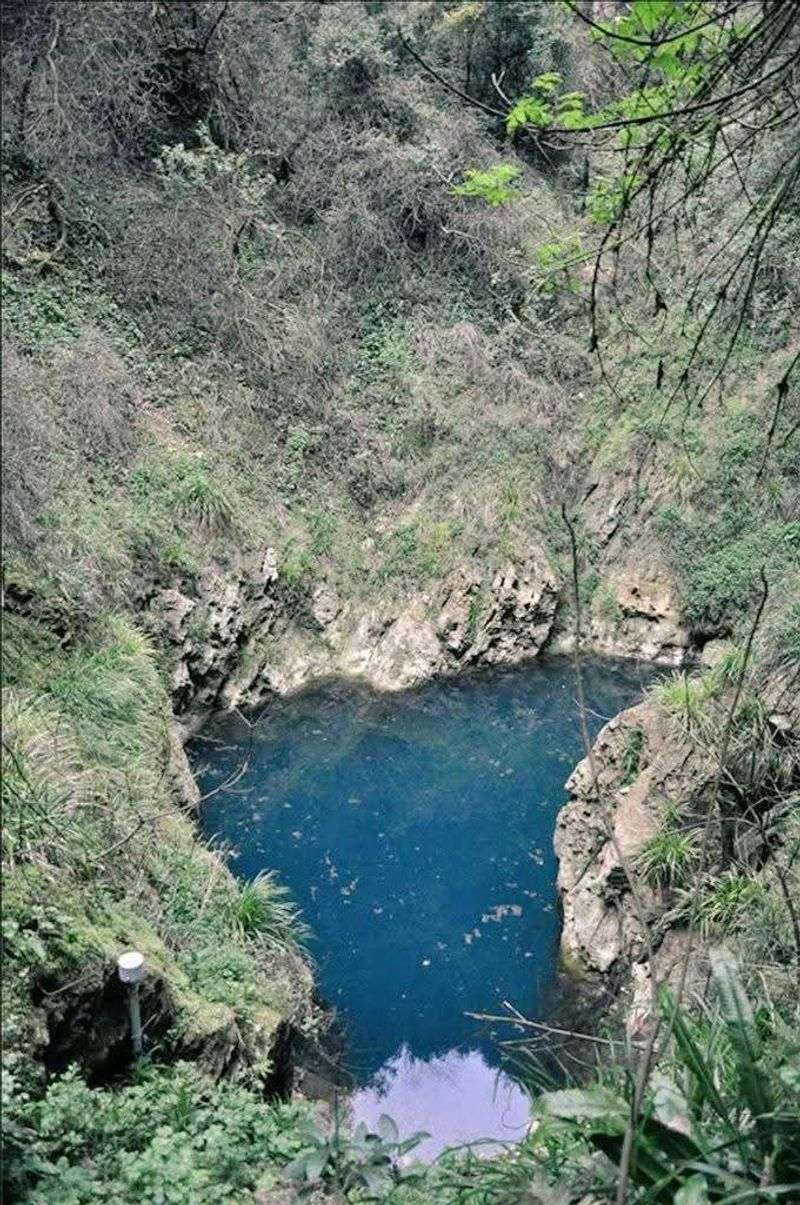
Just north of Rome, a small, unassuming hole in the ground hides one of the deepest flooded sinkholes in Europe. Pozzo del Merro, which translates roughly to “Merro’s Well,” looks almost ordinary from the surface, but the water inside plunges to a verified depth of at least 392 meters, making it a record-holder that most people have never heard of.
The sinkhole is roughly 30 meters wide and sits in an area of limestone karst terrain typical of the Italian countryside around Lazio. Its modest appearance at the surface makes the depth below feel even more shocking when you learn the numbers.
Divers have explored it using specialized equipment, but reaching the true bottom remains an ongoing challenge.
Hydrothermal activity near the bottom creates unusual water chemistry, and researchers have found microbial communities adapted to the warm, mineral-rich environment deep inside. Pozzo del Merro is a reminder that extraordinary geological secrets can hide in surprisingly ordinary-looking places, even just an hour from one of the world’s most visited cities.
14. Hranice Abyss, Czech Republic
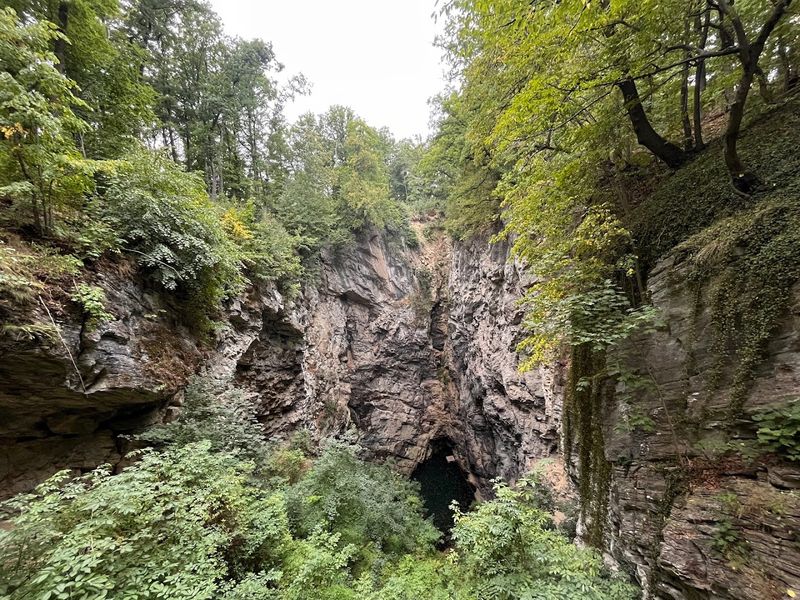
For years, scientists suspected the Hranice Abyss in Moravia, Czech Republic, was extraordinarily deep, but measuring it proved nearly impossible because of the water filling the shaft. In 2016, a robotic underwater exploration vehicle finally mapped the bottom and confirmed that the abyss reaches at least 404 meters below the water’s surface, making it the deepest known flooded cave on Earth.
The upper section of the abyss is about 50 meters wide and filled with warm, slightly radioactive mineral water that rises from deep within the earth. The water temperature stays around 14 degrees Celsius year-round, noticeably warmer than the surrounding environment, hinting at geothermal activity far below the surface.
Hranice sits within a protected nature reserve, and its unusual water chemistry supports a distinct community of organisms found nowhere nearby. Researchers from around Europe continue to study the abyss, and some scientists believe the true bottom may reach even deeper than current measurements suggest, keeping its ultimate depth an open and exciting scientific question.
Share this story