 Unearth The Voyage
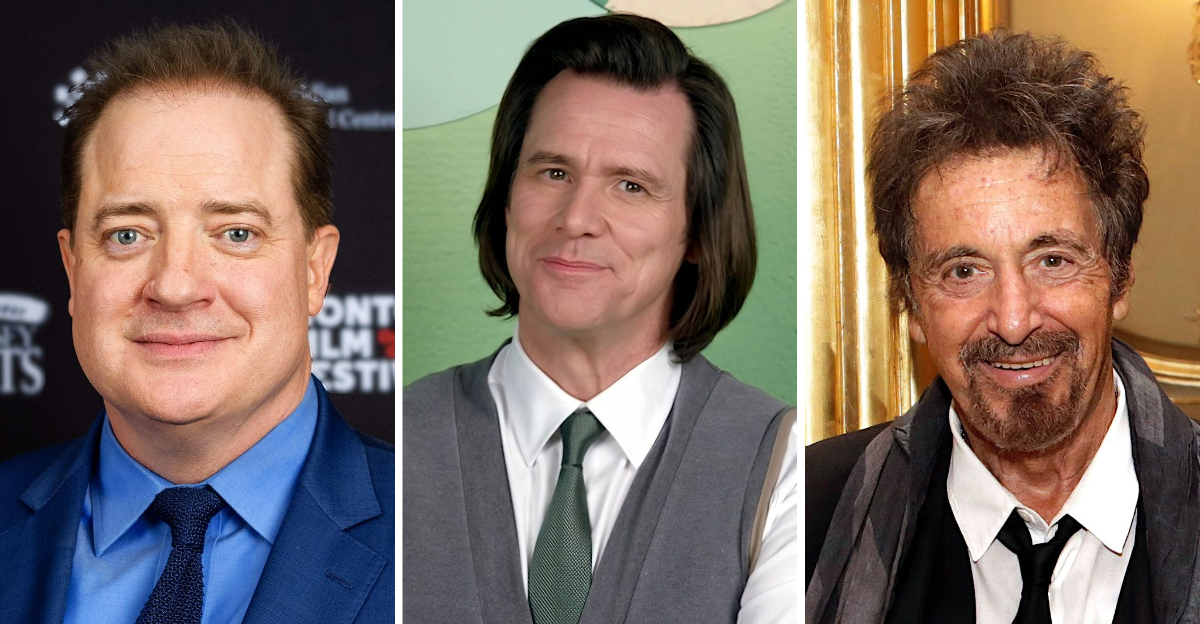
Some roles are so powerful that they completely change an actor’s life, both on screen and off. A single film can turn a struggling performer into a legend or reshape how the world sees them forever.
These 15 actors experienced that kind of defining moment, and nothing was ever quite the same afterward. From career revivals to personal tolls, each story is fascinating in its own way.
1. Robert Downey Jr. – Iron Man (2008)
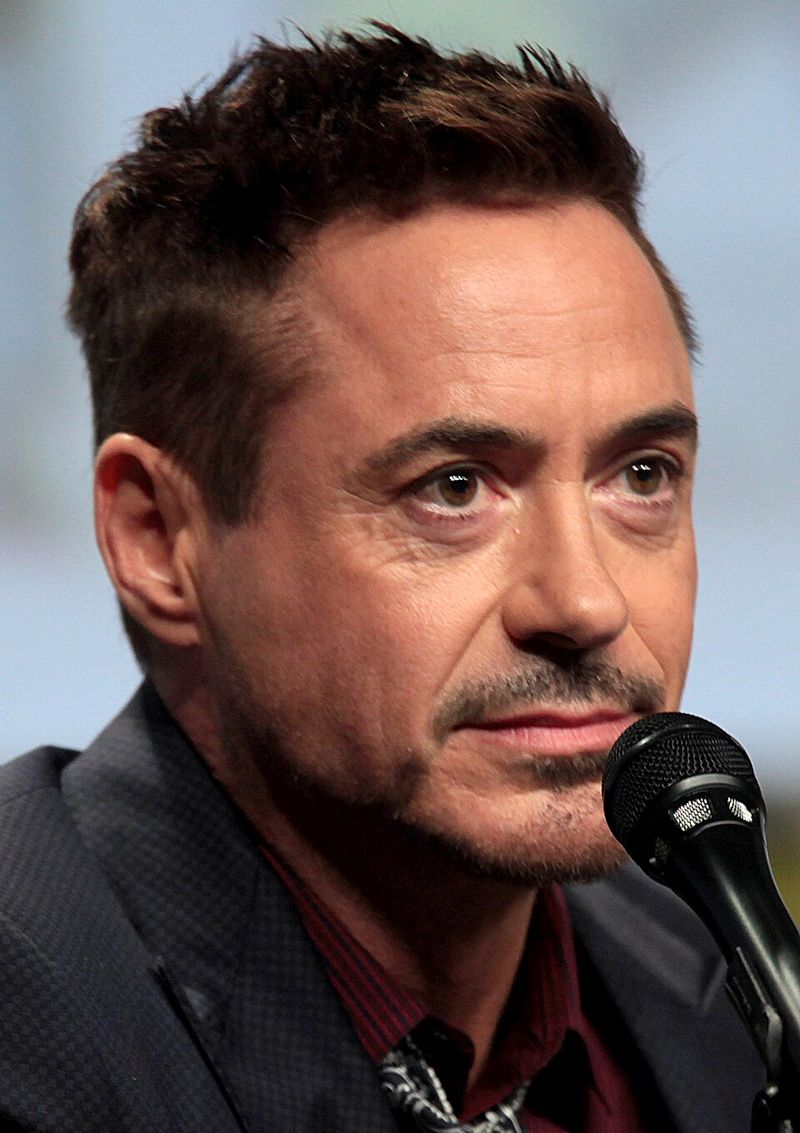
Few Hollywood comebacks are as remarkable as Robert Downey Jr.’s. Before slipping on the iron suit in 2008, he had spent years battling addiction and legal troubles that nearly ended his career entirely.
Iron Man was a calculated risk, and it paid off in a way nobody fully predicted.
The film became a massive hit, launching the Marvel Cinematic Universe and transforming Downey into one of the most bankable stars in the world. He went on to earn over $50 million for a single Marvel film.
His portrayal of Tony Stark was so perfectly matched to his real personality that audiences fell in love instantly.
After Iron Man, he was no longer just a talented actor with a troubled past. He became a global icon.
The role gave him a second life in Hollywood that most people in his position never get.
2. Charlize Theron – Monster (2003)

Charlize Theron had already appeared in big Hollywood films before Monster, but most people still saw her primarily as a beautiful model who had crossed over into acting. That perception changed completely when she portrayed real-life serial killer Aileen Wuornos.
Theron gained around 30 pounds for the role and wore prosthetic teeth and heavy makeup to physically disappear into the character. The transformation was stunning, but more impressive was the raw emotional depth she brought to a deeply complicated woman.
She won the Academy Award for Best Actress, and the win felt unanimous in Hollywood. Critics who had once dismissed her quickly revised their opinions.
Monster proved that Theron was not just a pretty face willing to look different for a role. She was a serious, committed dramatic actress capable of carrying difficult material with full conviction and remarkable skill.
3. Matthew McConaughey – Dallas Buyers Club (2013)
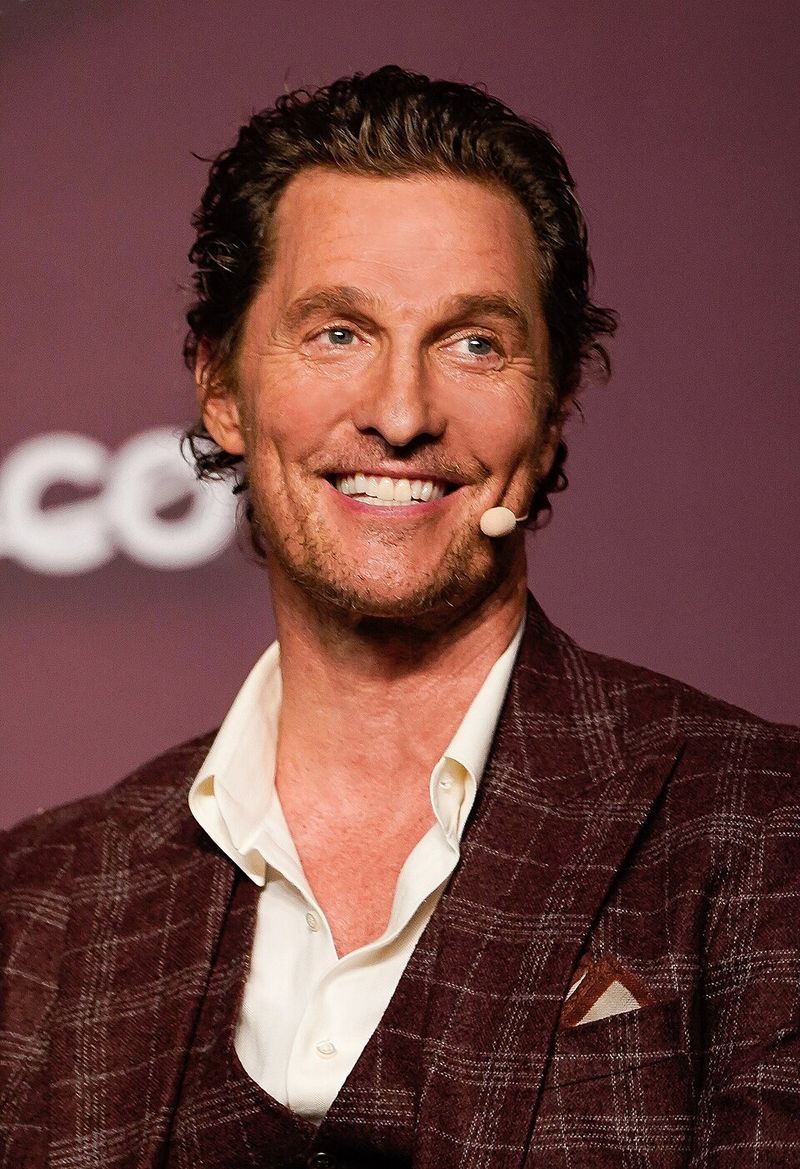
For years, Matthew McConaughey was best known for romantic comedies and laid-back charm. He was likable, but few people took him seriously as a dramatic heavyweight.
Then came what critics lovingly called the McConaissance, a string of bold choices that changed everything.
Dallas Buyers Club was the crown jewel of that transformation. McConaughey lost nearly 50 pounds to play Ron Woodroof, a real Texas man diagnosed with AIDS who fought the medical system to access life-saving drugs.
The physical commitment alone was extraordinary, but his emotional performance was even more striking.
He won the Academy Award for Best Actor, and the win felt earned by years of deliberate reinvention. After that night, directors and studios stopped offering him beach rom-coms.
He had successfully rebranded himself as one of the most versatile and dedicated actors of his generation, permanently and convincingly.
4. Heath Ledger — The Dark Knight (2008)
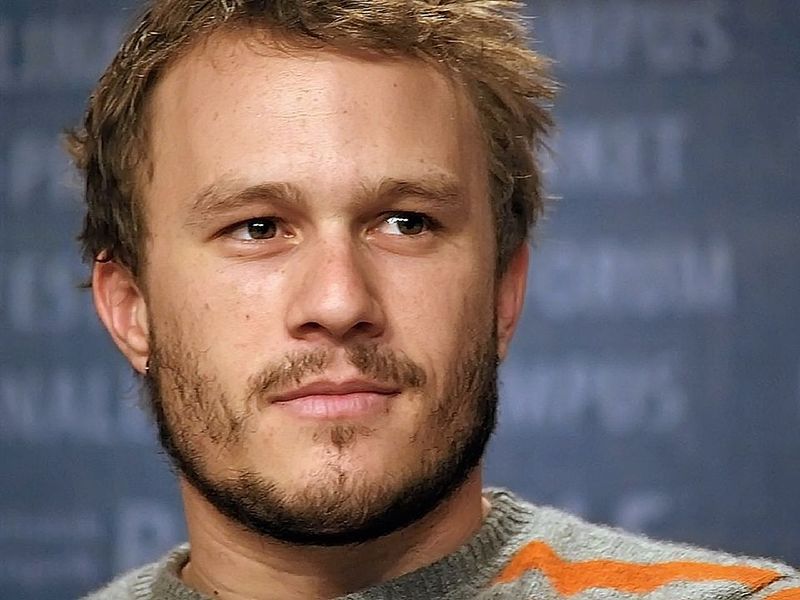
When Heath Ledger was cast as the Joker, many fans were skeptical. He was known mainly for romantic roles in films like 10 Things I Hate About You and Brokeback Mountain.
A comic-book villain seemed like an unlikely fit.
What he delivered silenced every critic. Ledger created a version of the Joker so terrifying, unpredictable, and deeply human that it redefined what a villain in a superhero film could be.
He reportedly kept a journal for months to prepare, filling it with the character’s dark thoughts and twisted humor.
Tragically, Ledger passed away before the film was released. He was awarded a posthumous Academy Award for Best Supporting Actor, the first such honor for a performance in a superhero movie.
His Joker is still widely considered one of the greatest villain portrayals in cinema history, and the standard it set has never truly been matched.
5. Natalie Portman – Black Swan (2010)

Ballet and psychological horror might seem like an unusual combination, but Black Swan brought them together in a way that demanded everything from its lead actress. Natalie Portman trained intensively for over a year to prepare for the role of Nina, a ballerina slowly losing her grip on reality.
She lost significant weight, trained for hours every day, and pushed herself to the physical and mental edge. Portman has spoken openly about how grueling the process was, including injuries and exhaustion that lasted well after filming ended.
The dedication showed clearly on screen.
She won the Academy Award for Best Actress, and the performance remains one of the most physically demanding in recent memory. Black Swan moved Portman beyond her earlier image as a child star or pretty ingenue.
It proved she could carry a psychologically complex film entirely on her own terms and with complete authority.
6. Joaquin Phoenix – Joker (2019)
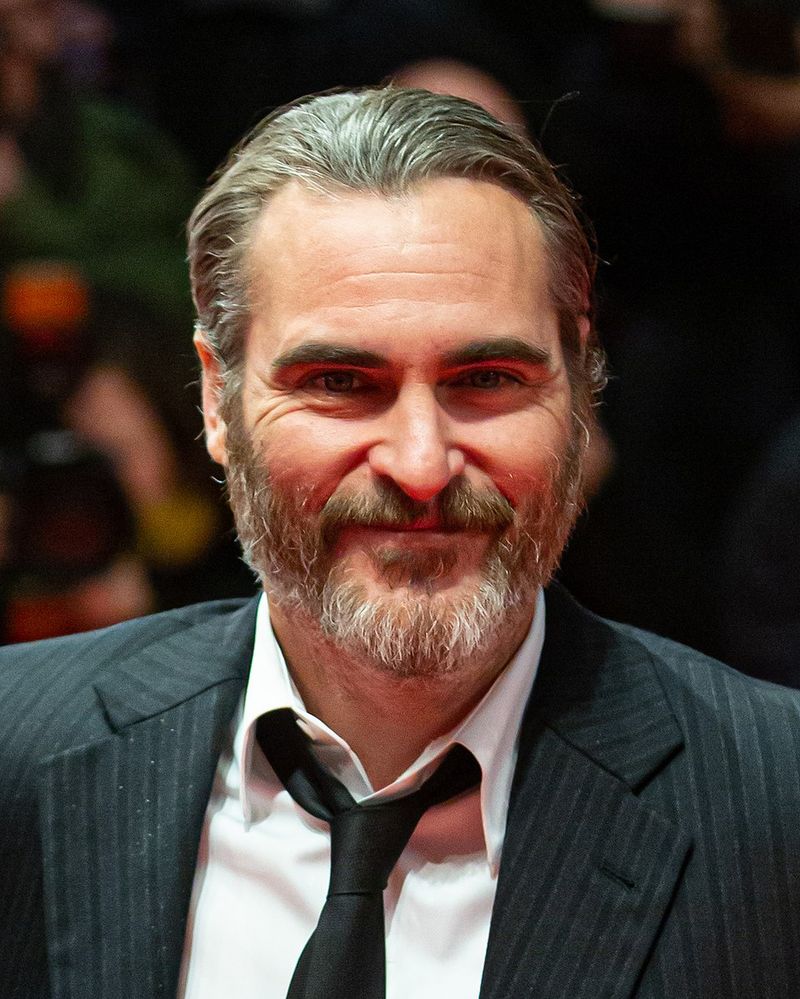
Joaquin Phoenix did not simply play the Joker. He became something else entirely.
For the role of Arthur Fleck, he lost 52 pounds, developed an eerie physical presence, and crafted a laugh that came from a place of genuine discomfort rather than performance.
Phoenix has described the preparation as both thrilling and deeply unsettling. He spent months developing the character’s physicality before a single scene was filmed.
The result was a performance that felt less like acting and more like witnessing a real person unraveling in front of the camera.
He won the Academy Award for Best Actor, and the film sparked wide conversation about mental health, societal neglect, and the nature of villainy. For Phoenix, who had always been selective and serious about his craft, Joker became a cultural moment.
It confirmed his standing as one of the most committed and fearless performers working in film today.
7. Leonardo DiCaprio – Titanic (1997)
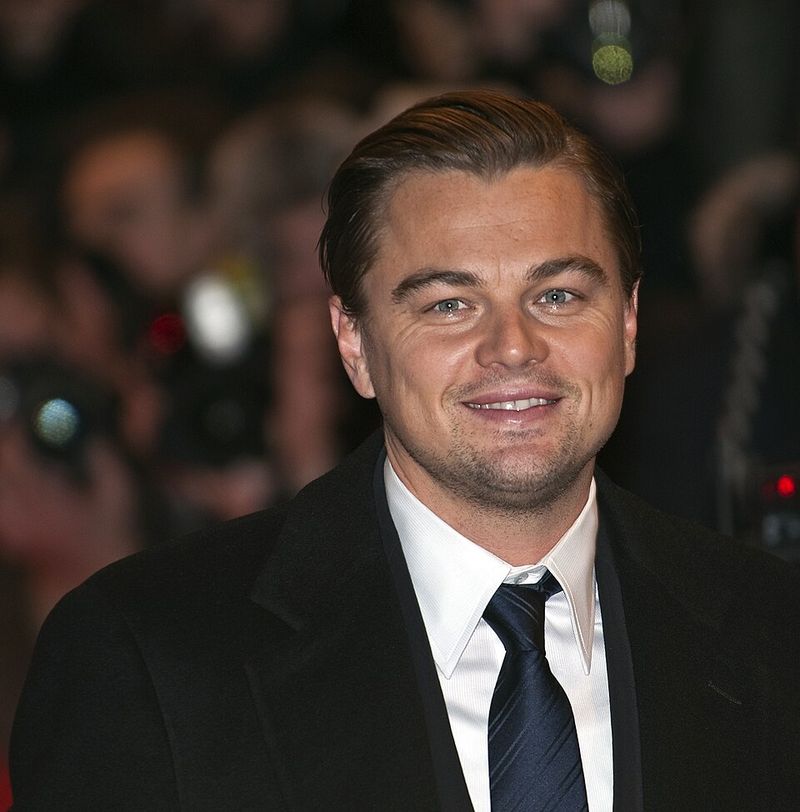
Before Titanic, Leonardo DiCaprio was already a respected young actor with serious credits like What’s Eating Gilbert Grape. But nothing could have prepared him for what happened when James Cameron’s epic romance hit theaters in December 1997.
The film became the highest-grossing movie in history at that point, and DiCaprio became a genuine global phenomenon overnight. Teenage fans screamed at his appearances.
Magazines plastered his face on every cover. The level of fame was sudden, intense, and, by his own admission, overwhelming.
Rather than lean into the celebrity machine, DiCaprio made a deliberate choice to pursue challenging, unconventional roles. He avoided the romantic lead parts studios kept offering him and instead worked with directors like Martin Scorsese and Steven Spielberg.
Titanic gave him the platform, and he used it wisely. That strategic pivot shaped one of the most respected careers in modern Hollywood history.
8. Brendan Fraser – The Whale (2022)
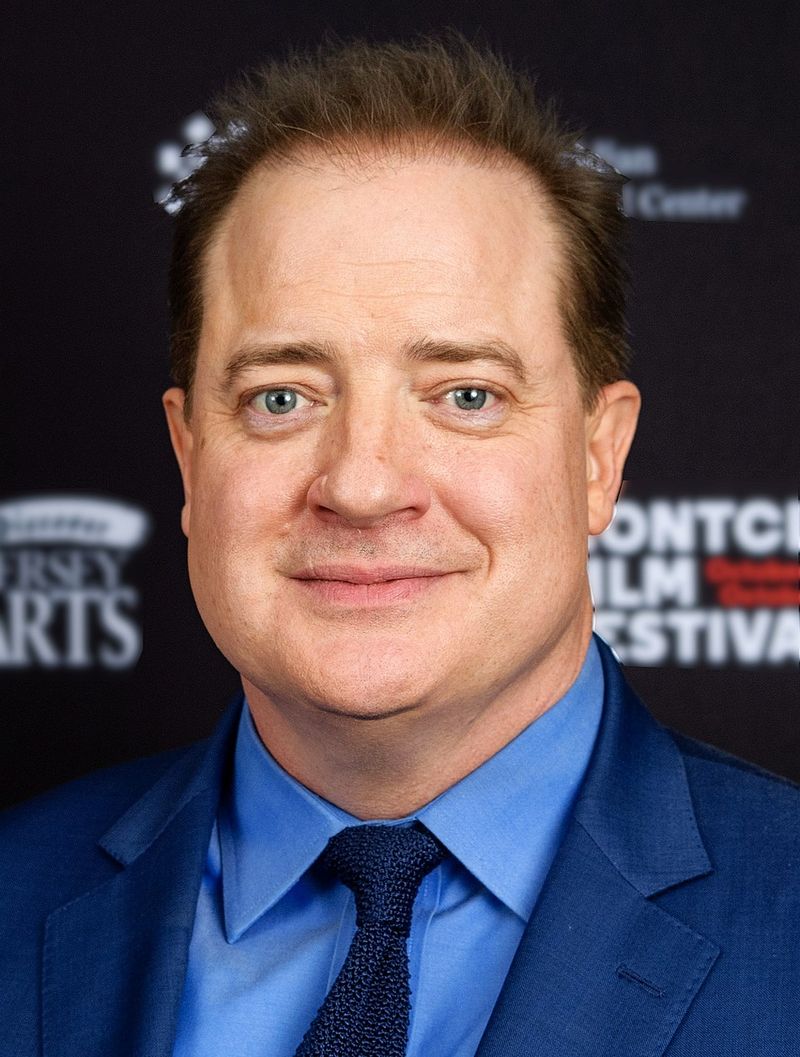
For years, Brendan Fraser seemed to have quietly disappeared from Hollywood. The actor who charmed audiences in The Mummy and George of the Jungle had stepped back from the spotlight, and many fans wondered what had happened to him.
The Whale brought him back in the most powerful way imaginable. Fraser wore extensive prosthetics to portray Charlie, a 600-pound man trying to reconnect with his estranged daughter before it was too late.
The performance was raw, tender, and completely stripped of vanity. There was nowhere to hide in this role, and Fraser did not try to.
He won the Academy Award for Best Actor, and the moment he received the award moved audiences deeply. His emotional speech reflected years of personal struggle and professional absence.
The Whale was not just a comeback. It was a full-circle moment that reminded Hollywood and fans alike just how gifted Fraser truly is.
9. Halle Berry – Monster’s Ball (2001)
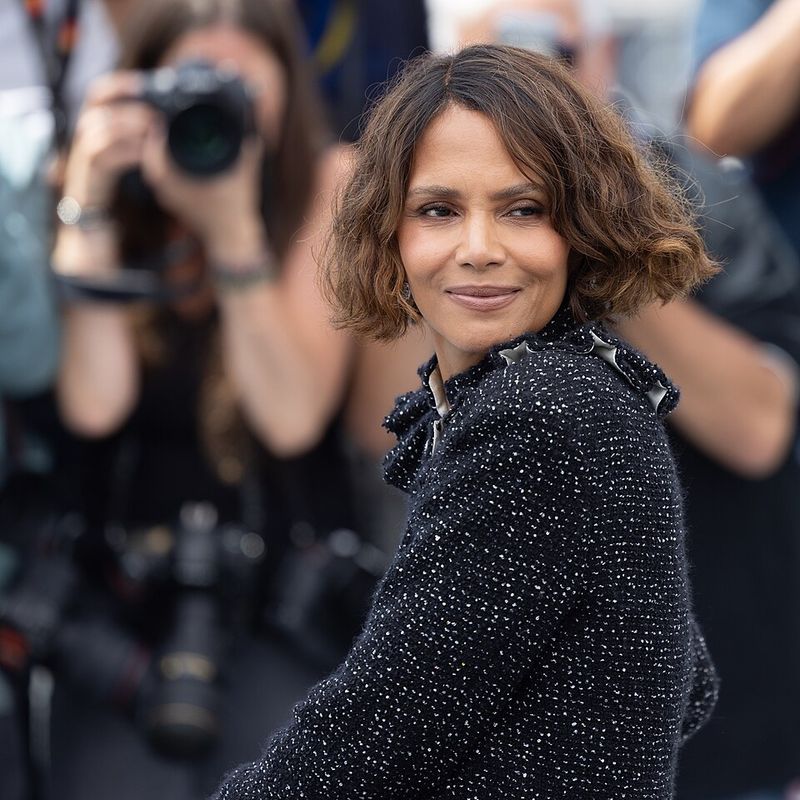
Halle Berry’s win for Monster’s Ball was a moment that stopped Hollywood in its tracks. When she accepted the Academy Award for Best Actress in 2002, she became the first Black woman to win in that category in the award’s entire history.
The weight of that moment was not lost on anyone in the room.
Her performance as Leticia Musgrove, a grieving mother navigating loss and an unlikely relationship, was emotionally raw and deeply human. Berry committed fully to a role that asked a great deal of her personally and professionally.
The win reshaped both her career and the conversation around representation in Hollywood. Expectations for her next choices increased dramatically, and the scrutiny that followed was intense.
Berry has spoken candidly about how the pressure after that night was enormous. The award opened doors but also placed her under a microscope that never fully went away.
10. Daniel Radcliffe – Harry Potter and the Sorcerer’s Stone (2001)
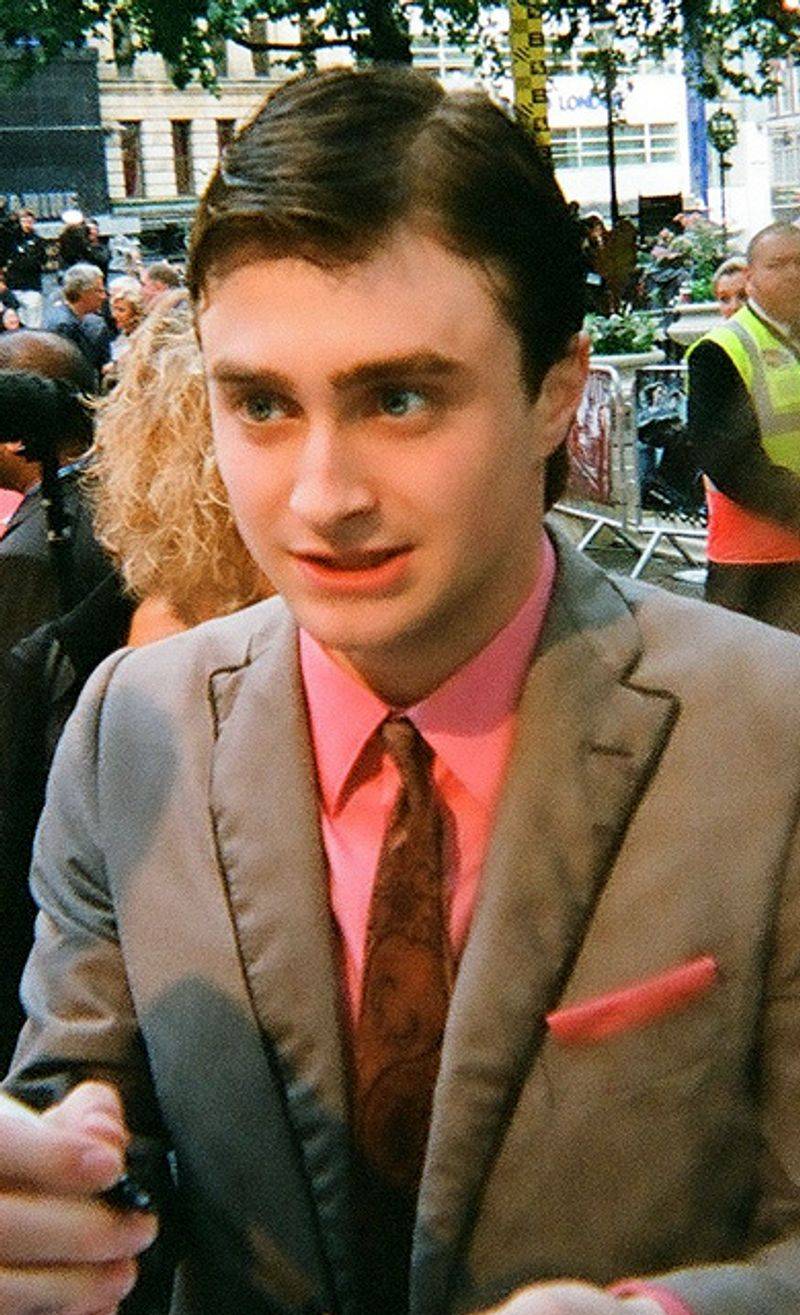
Daniel Radcliffe was just 11 years old when he first stepped into Harry Potter’s round glasses and Hogwarts robes. Almost immediately, his face became one of the most recognizable on the planet.
The role was a dream come true, but it also came with an enormous and unusual challenge: growing up entirely in public.
For a full decade, Radcliffe played the same character in eight films. The association was so complete that many people could not imagine him as anyone else.
He was Harry Potter, full stop.
Aware of that trap, Radcliffe made a series of deliberately unconventional choices after the franchise ended. He appeared in indie films, stage productions, and quirky projects that had nothing to do with magic or heroism.
The strategy worked slowly but surely. Today, he is respected as a genuinely adventurous performer who refused to let one iconic role define the rest of his career permanently.
11. Mark Hamill – Star Wars (1977)
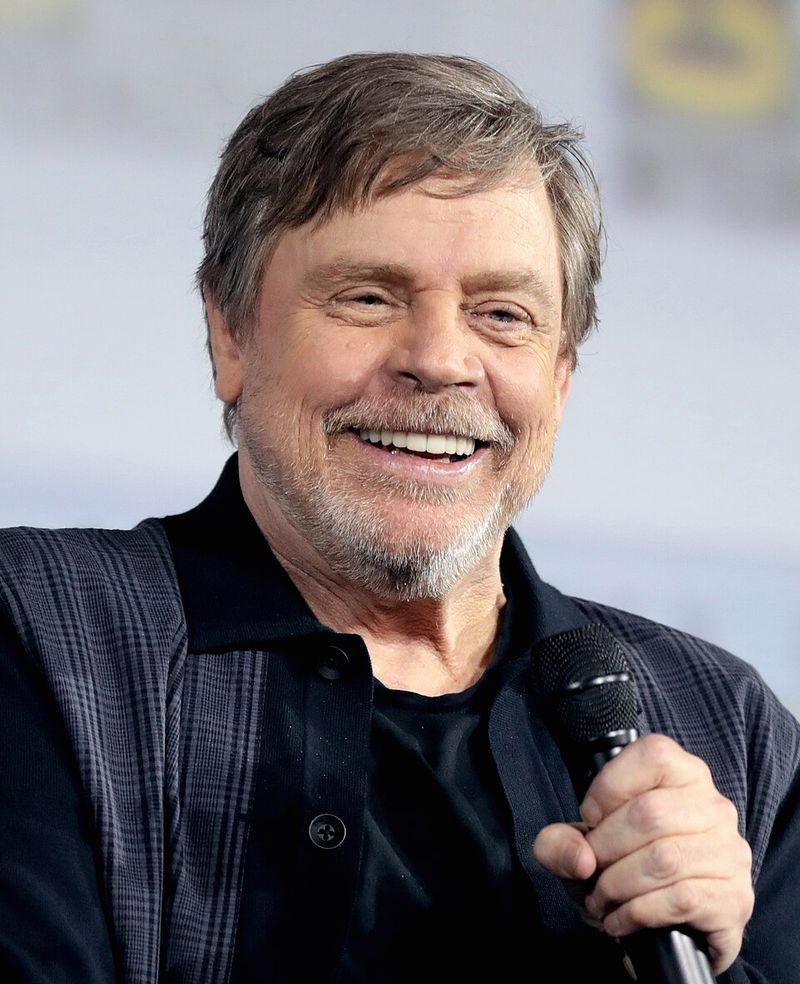
Mark Hamill was a relatively unknown actor when George Lucas cast him as Luke Skywalker in 1977. Within months of the film’s release, he was one of the most famous people on Earth.
Star Wars was not just a hit. It was a cultural earthquake that rewrote the rules of Hollywood filmmaking and merchandising forever.
The problem with that kind of fame is its specificity. Hamill became Luke Skywalker so completely in the public mind that casting directors struggled to see him as anyone else.
Live-action roles dried up in ways that frustrated him for years.
Rather than fight the tide, Hamill found a remarkable second career in voice acting. His portrayal of the Joker in Batman animated series and video games became iconic in its own right.
He turned a career limitation into a genuine legacy, proving that reinvention is always possible when talent and creativity are truly present.
12. Linda Blair – The Exorcist (1973)

Linda Blair was only 14 years old when she filmed The Exorcist, one of the most frightening and culturally significant horror films ever made. Her portrayal of Regan, a young girl possessed by a demon, was so convincing and so disturbing that it shocked audiences worldwide and earned her an Academy Award nomination for Best Supporting Actress.
The film’s success, however, came with a complicated price. Blair found herself permanently linked to the role in ways that made it difficult for Hollywood to see her in a different light.
Typecasting became a real and lasting problem.
She continued working in film and television for decades, but the shadow of Regan never fully lifted. Blair has discussed the experience openly, noting both pride in the film’s impact and the challenges of carrying that association through a long career.
Her story is a striking example of how one unforgettable performance can define a life in unexpected ways.
13. Macaulay Culkin – Home Alone (1990)
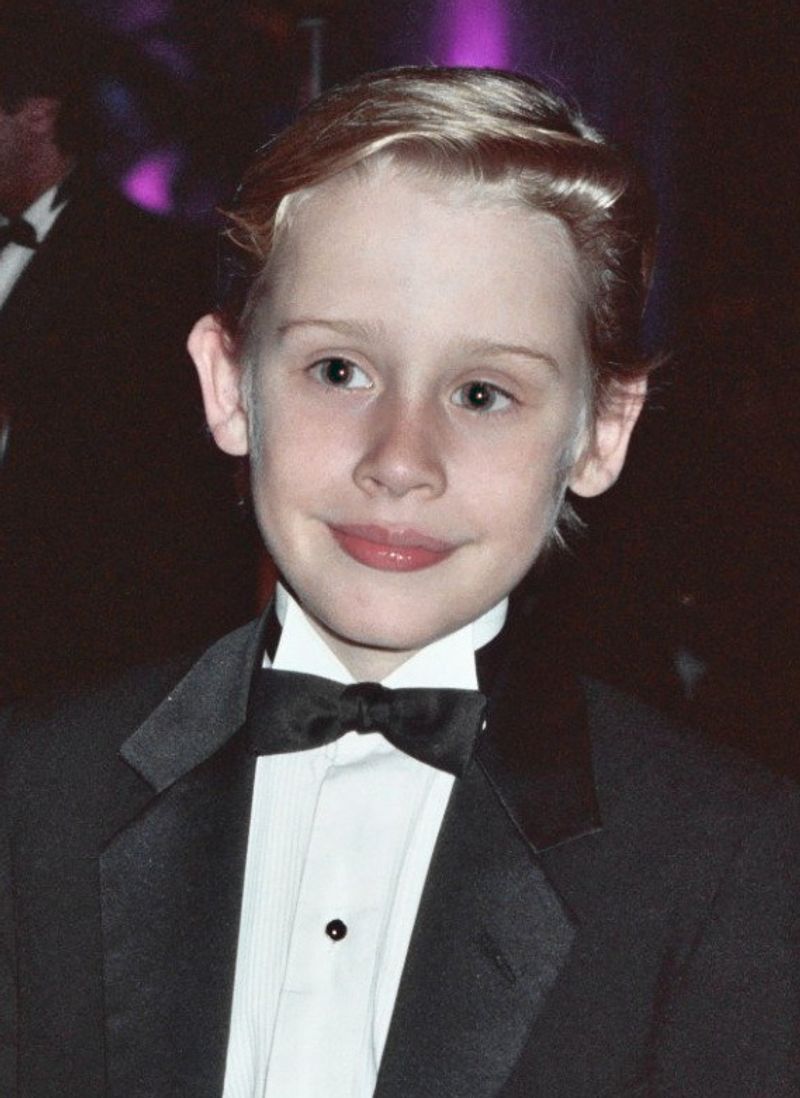
Home Alone turned Macaulay Culkin into the biggest child star of his generation almost overnight. The film earned over $476 million at the global box office, and Culkin’s face was everywhere.
At just 10 years old, he was a household name in nearly every country that screened the film.
That level of childhood fame is extraordinarily difficult to navigate, and Culkin’s personal life reflected the strain. His parents’ bitter public divorce, disputes over his earnings, and constant media attention created a turbulent environment that most adults could not handle, let alone a child.
By his early teens, Culkin stepped away from acting entirely. He later described his childhood as something he needed to process and recover from.
He eventually returned to acting in smaller projects and found a new, more private identity. His story remains one of Hollywood’s most discussed examples of the real human cost of extreme early fame.
14. Jim Carrey – The Truman Show (1998)
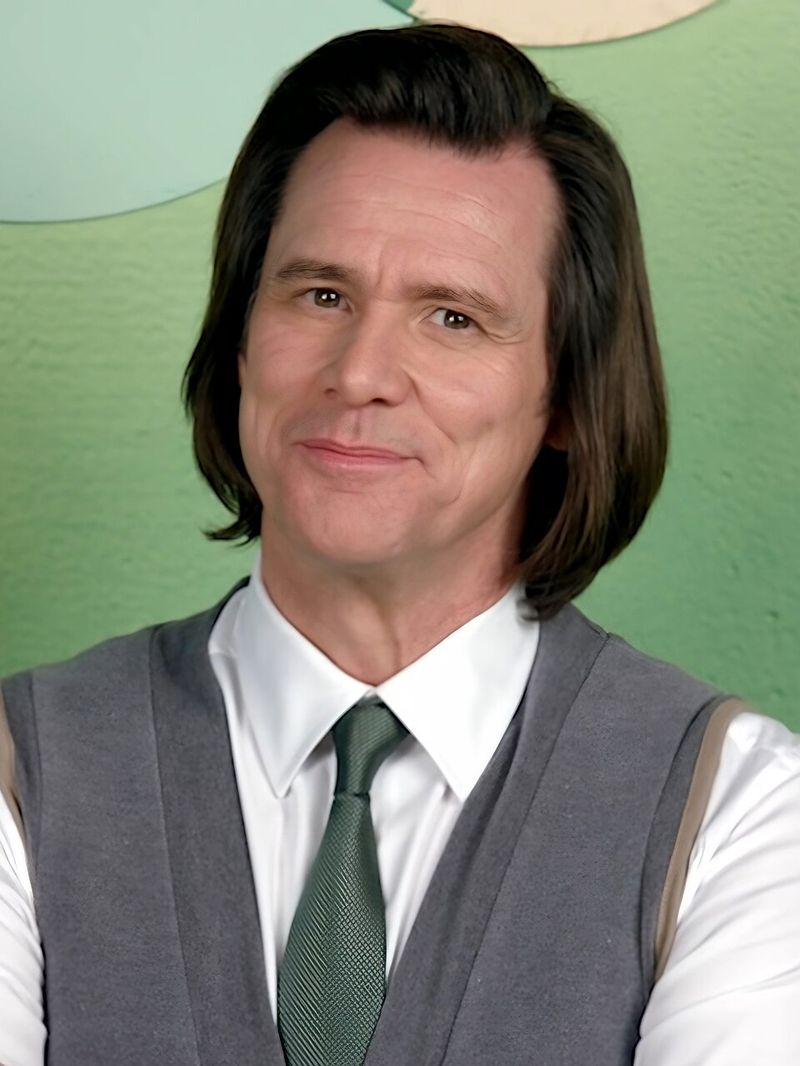
By 1998, Jim Carrey was the king of physical comedy. Ace Ventura, The Mask, and Liar Liar had made him one of the funniest and most successful actors in the world.
But audiences and critics had largely placed him in a box labeled comedy only.
The Truman Show broke that box open. Playing Truman Burbank, a man who unknowingly lives his entire life on a television set, Carrey delivered something nobody expected from him: genuine, quiet emotional depth.
The film required restraint, vulnerability, and sincerity rather than rubber-faced exaggeration.
Critics responded with near-universal praise, and the performance opened serious conversations about Carrey as a dramatic actor. He followed it with Man on the Moon, another bold dramatic choice.
The Truman Show did not fully transform his public image overnight, but it planted a seed of credibility that changed how the industry thought about what Jim Carrey could actually do.
15. Al Pacino – The Godfather (1972)
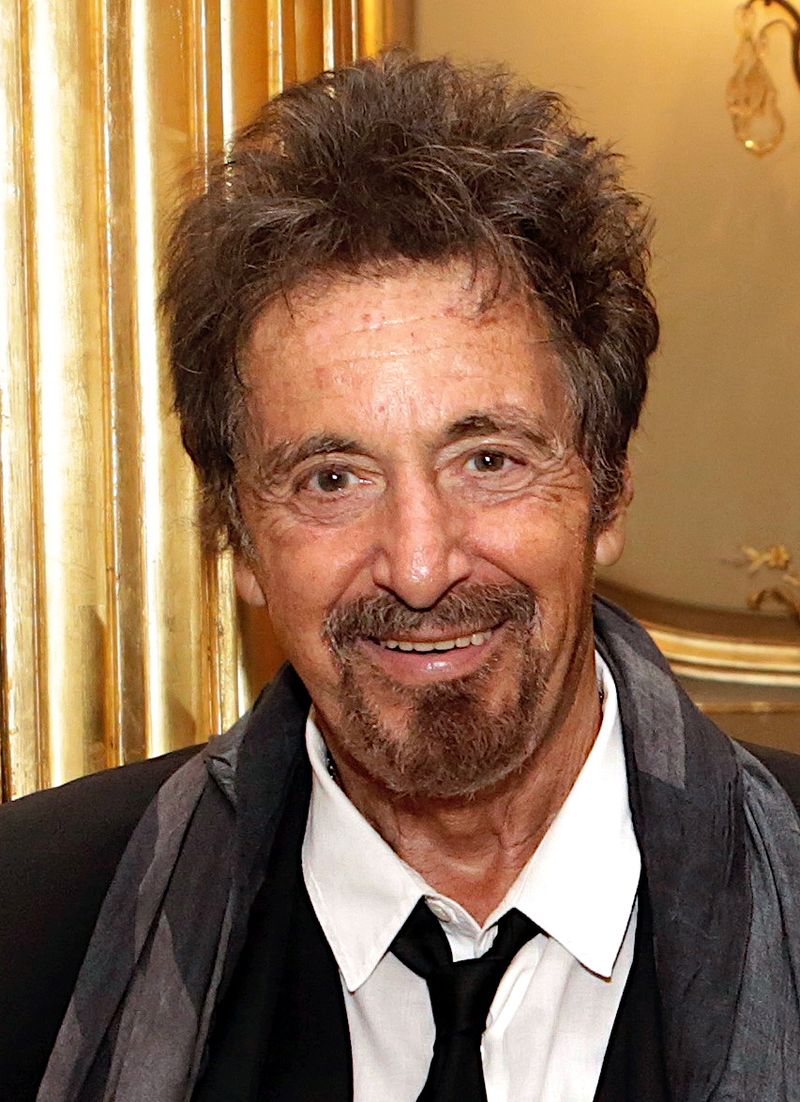
Al Pacino almost did not get the role of Michael Corleone. Studio executives were resistant, preferring a bigger name for the part.
Director Francis Ford Coppola fought hard to keep Pacino, convinced that he was the only actor who could bring the right combination of intelligence, restraint, and quiet menace to the role.
Coppola was right. Pacino’s Michael Corleone is one of the most carefully constructed characters in film history.
He begins the story as an idealistic outsider and ends it as a cold, calculating crime boss. Watching that transformation unfold is genuinely gripping even after multiple viewings.
The Godfather made Pacino a star and established him as one of the finest dramatic actors of his generation. Every major role he took afterward was measured against Michael Corleone.
That single performance set a standard so high that it shaped the entire arc of his legendary Hollywood career.



