 Unearth The Voyage
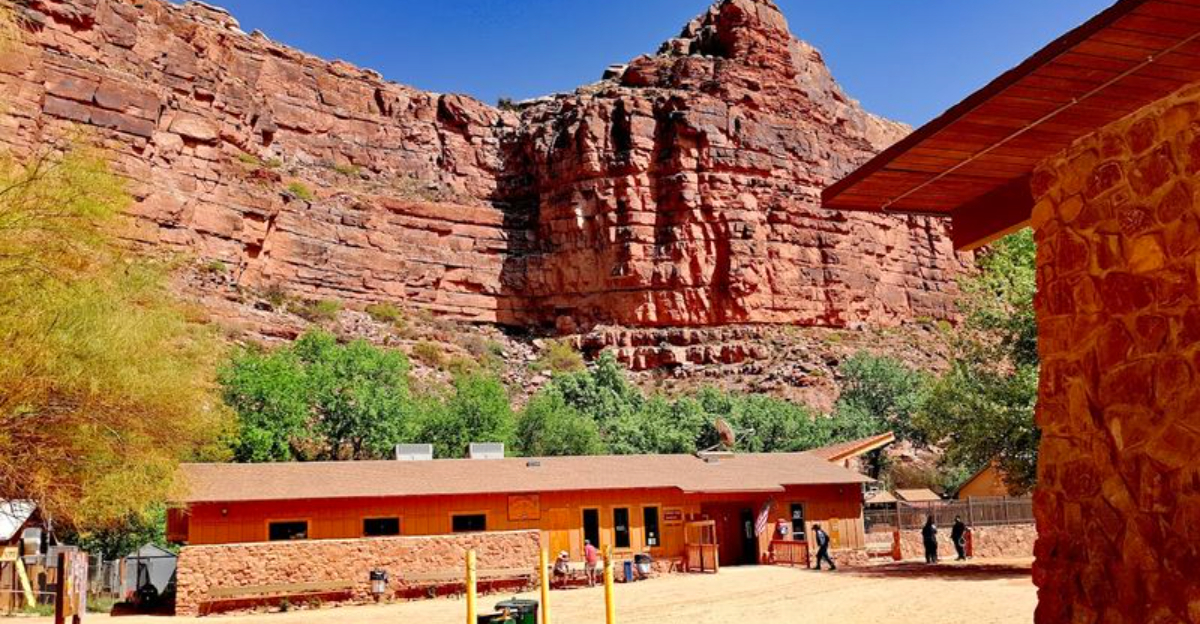
Some places in America feel like they belong to a different world — cut off from highways, grocery stores, and cell towers. Whether tucked inside a canyon, perched above the Arctic Circle, or surrounded by miles of desert, these villages push the definition of remote.
The people who call them home have built lives that most of us can barely imagine. Get ready to discover 15 of the most isolated communities in the United States.
Supai, Arizona
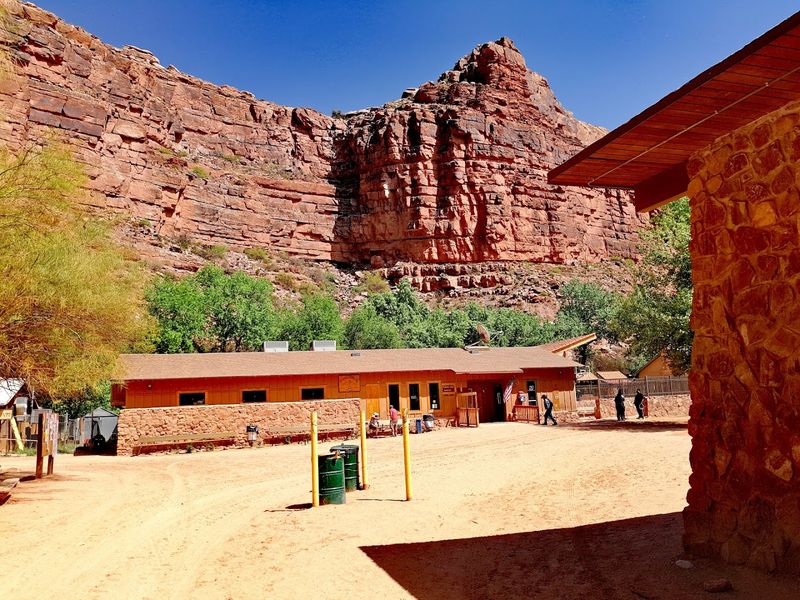
Mail delivered by mule. No cars.
No roads. Welcome to Supai, the most isolated village in the continental United States, tucked eight miles deep inside the Grand Canyon.
Home to the Havasupai Tribe, this extraordinary community can only be reached by helicopter, mule, or a long hike through stunning canyon terrain. The nearest grocery store is hours away — by air.
Residents have adapted beautifully, relying on traditional knowledge and tight community bonds to make daily life work.
The surrounding waterfalls, famous for their striking turquoise color, look almost too beautiful to be real. Tourists travel from around the world just to glimpse them.
But for Supai’s residents, those waterfalls are simply the backyard view.
Life here demands real grit. Power outages, supply shortages, and limited medical access are genuine challenges.
Yet the Havasupai have called this canyon home for centuries, and their connection to the land runs deeper than any inconvenience. Supai doesn’t just survive its isolation — it thrives because of it, preserving a culture and a way of life that the modern world hasn’t managed to erase.
Adak, Alaska
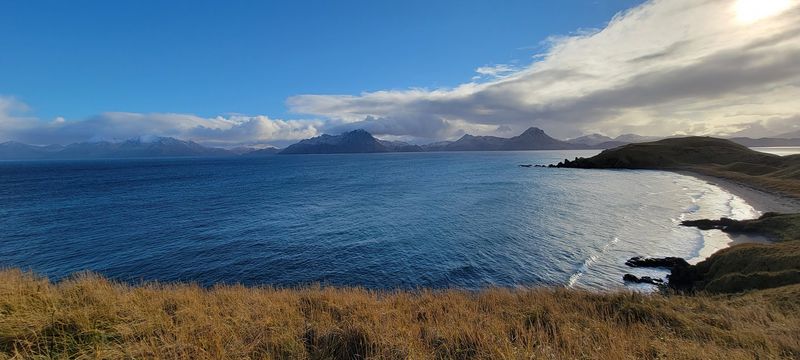
Picture a town where the wind never really stops, the fog rolls in daily, and your nearest neighbor might be a bald eagle. That’s Adak — sitting at the far tip of the Aleutian Islands, over 1,200 miles from Anchorage.
Originally built as a U.S. Navy base during World War II, Adak once housed thousands of military personnel.
When the base closed in the 1990s, most people left. Today, only a small group of hardy residents remain, surrounded by crumbling military infrastructure and jaw-dropping wilderness.
Getting here means hopping on a small plane — and hoping the weather cooperates. Flights are frequently delayed or cancelled due to brutal storms.
Supplies are expensive, delivery schedules are unpredictable, and fresh produce is a luxury rather than a given.
Despite all of that, Adak attracts a specific kind of person — someone who prefers silence over sirens and eagles over traffic lights. The fishing is spectacular, the scenery is wild, and the community is surprisingly warm given its frozen surroundings.
Adak is proof that even the most forgotten corners of the map can still feel like home to those bold enough to stay.
McCarthy, Alaska
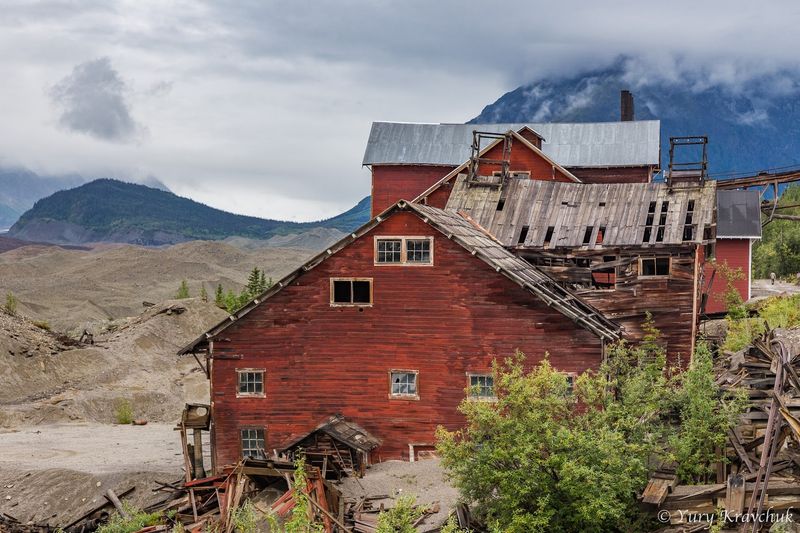
You have to leave your car behind just to enter McCarthy — and honestly, that sets the tone perfectly for this remarkable little Alaskan outpost.
Tucked inside Wrangell-St. Elias National Park, the largest national park in the United States, McCarthy sits at the end of a long gravel road that most vehicles barely survive. Visitors cross a footbridge over the Kennicott River to reach the village, and from there, the modern world feels very far away.
Many homes run entirely off-grid, powered by generators or solar panels.
Winter here is no joke. Temperatures plunge well below zero, snowfall is heavy, and supply runs become serious logistical events.
Residents stock up months in advance, knowing that a bad storm can cut access for days at a time.
Still, McCarthy has a magnetic pull. Artists, adventurers, and wilderness lovers are drawn to its raw authenticity and breathtaking surroundings.
The nearby Kennecott Mines, a National Historic Landmark, add a fascinating layer of history to the landscape. McCarthy doesn’t pretend to be convenient or comfortable — it’s wild, honest, and completely unapologetic about it.
For those who find that appealing, it’s absolutely perfect.
Cold Bay, Alaska
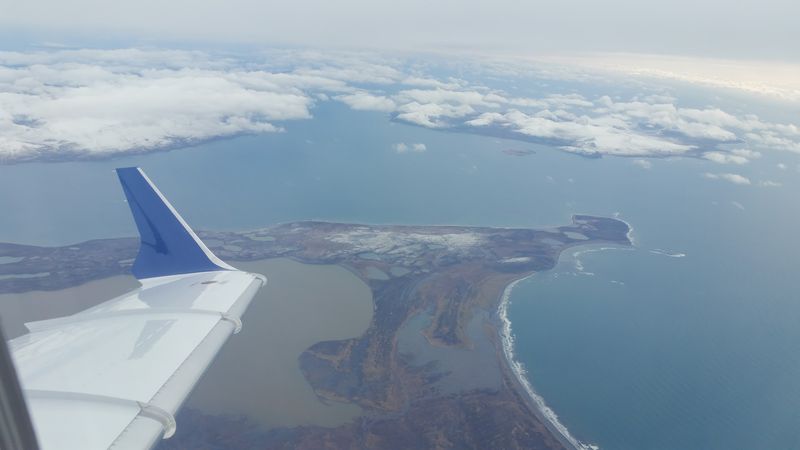
Fewer than 100 people live in Cold Bay, Alaska — and somehow, that still feels like a crowd given how remote this place really is.
Sitting on the tip of the Alaska Peninsula, Cold Bay is accessible only by small aircraft or the occasional boat. There are no roads connecting it to the rest of Alaska’s highway system.
The weather is notoriously rough, with powerful winds and fog that can ground flights for days, leaving residents stranded and waiting for resupply.
Basic groceries arrive by plane, and prices reflect every mile of that journey. A gallon of milk or a bag of apples can cost several times what you’d pay in a city.
Residents learn quickly to plan carefully, buy in bulk, and waste absolutely nothing.
Interestingly, Cold Bay has one of the longest runways in Alaska — a leftover from its WWII military history. That runway is now its lifeline.
Wildlife is spectacular here, with brown bears, caribou, and incredible seabird colonies thriving in the surrounding wilderness. Cold Bay isn’t for everyone, but for those who embrace its fierce, unfiltered nature, it offers something increasingly rare in America: true, uninterrupted quiet.
Monowi, Nebraska
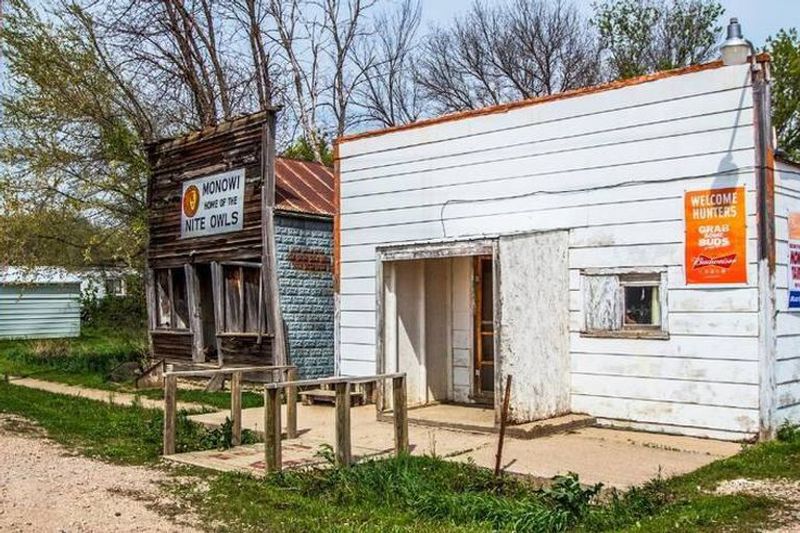
One resident. One mayor.
One librarian. One business owner.
They are all the same person — and her name is Elsie Eiler, the sole inhabitant of Monowi, Nebraska.
Monowi holds the extraordinary distinction of being the only incorporated municipality in the United States with a population of exactly one. Elsie pays her own taxes, grants her own liquor license, and keeps the village’s tiny library open in memory of her late husband, Rudy, who built the collection himself.
It’s a one-woman government unlike anything else in America.
Decades ago, Monowi was a modest but thriving farming community. Slowly, like hundreds of small Midwestern towns, it lost residents to cities and changing economies.
Buildings fell empty. Families moved away.
Eventually, only Elsie remained.
Her tavern still serves cold beer to curious travelers who make the trip out to see this peculiar American landmark. Elsie is remarkably cheerful about the whole situation, often joking that town meetings are quick and voting is unanimous.
Monowi is a bittersweet reminder of rural America’s quiet decline — but also a testament to one extraordinary woman’s stubborn, admirable refusal to leave the place she loves.
Whittier, Alaska
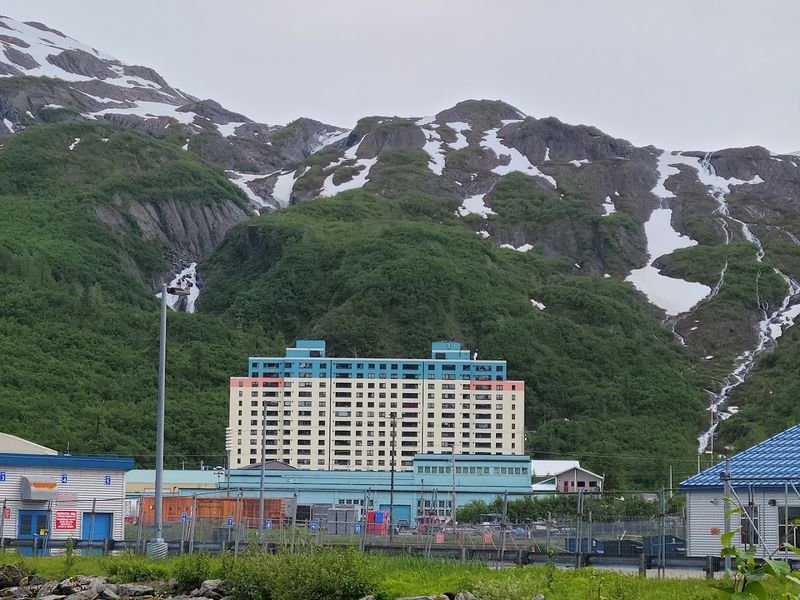
Almost everyone in Whittier, Alaska, lives in the same building. That’s not a metaphor — it’s literally true, and it might be the most fascinating housing arrangement in the entire country.
Begich Towers, a hulking concrete structure originally built for the military, houses the majority of Whittier’s roughly 200 residents. Inside, you’ll find apartments, a post office, a church, a medical clinic, and a convenience store.
Residents can go days without stepping outside into the brutal Alaskan weather — which, given the conditions, is genuinely practical.
Getting to Whittier requires driving through the Anton Anderson Memorial Tunnel, one of the longest combined road-and-rail tunnels in North America. The tunnel operates on a schedule and closes overnight, meaning late arrivals simply have to wait.
That’s not an inconvenience here — it’s just Tuesday.
Snow accumulation in Whittier regularly reaches staggering heights, sometimes burying ground-floor windows entirely. The mountains surrounding the town are dramatic and stunning, and the nearby fjord draws kayakers and wildlife watchers during summer months.
Despite its unusual setup, Whittier has a remarkably close-knit community — probably because when you share walls with your neighbors, you get to know them pretty well.
Port Alsworth, Alaska
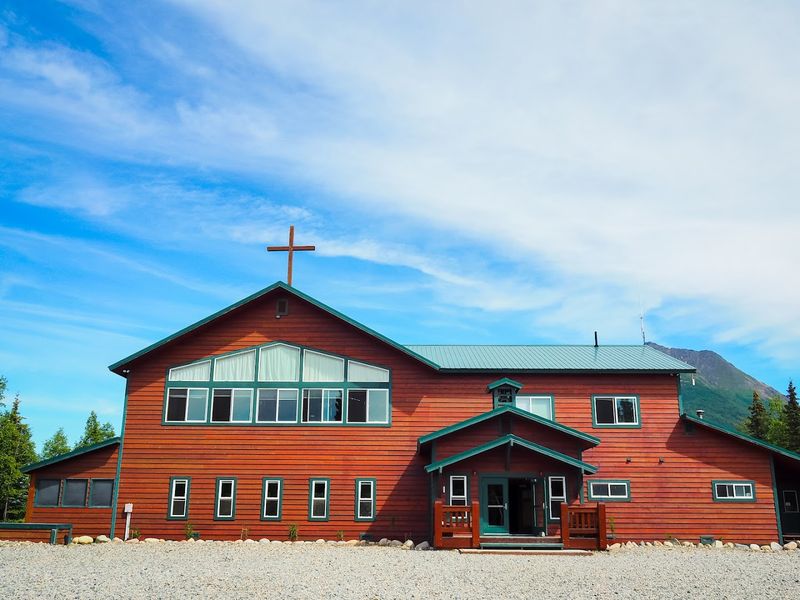
Supplies arrive by small plane. Roads to the outside world simply do not exist.
Port Alsworth operates on its own schedule, shaped entirely by weather, seasons, and the rhythms of Lake Clark National Park.
This tiny village sits on the southern shore of Lake Clark, deep inside one of Alaska’s least-visited national parks. It’s one of the most scenically gorgeous places in the United States — surrounded by volcanic peaks, glaciers, and crystal-clear rivers teeming with salmon.
Getting here requires a floatplane or a bush plane, and that journey alone is unforgettable.
Residents depend on subsistence hunting and fishing to supplement whatever they can fly in. Freezers are stocked carefully during summer and fall, because winter resupply can be delayed for weeks by storms.
Community cooperation isn’t a nice idea here — it’s a survival strategy.
Port Alsworth has a small school, a lodge, and a handful of year-round families who have chosen this extraordinary lifestyle deliberately. Children grow up learning to read weather patterns, handle boats, and respect the wilderness in ways that most kids never will.
It’s a hard life by any conventional measure — but residents will tell you, without hesitation, that it’s also a deeply rewarding one.
Kaktovik, Alaska
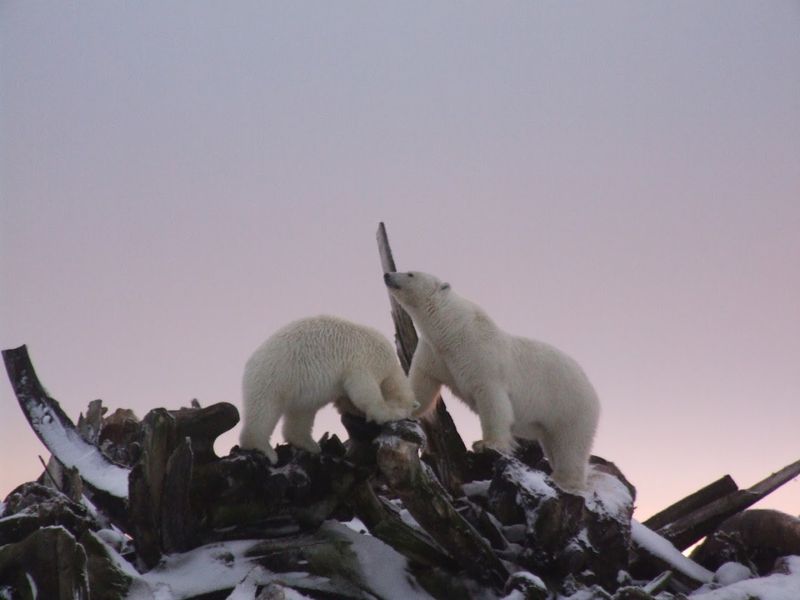
Polar bears wander near the shoreline. The sun disappears for weeks in winter.
Welcome to Kaktovik, an Inupiat village perched on Barter Island in the Arctic Ocean, well above the Arctic Circle.
Located more than 140 miles from the nearest town, Kaktovik is one of the most geographically extreme communities in the entire United States. Winter temperatures routinely drop to minus 40 degrees Fahrenheit, and the Beaufort Sea ice defines the horizon for most of the year.
Everything from fuel to food arrives by air — and costs accordingly.
The Inupiat people have lived here for thousands of years, adapting to one of Earth’s harshest environments with remarkable skill and cultural richness. Subsistence whaling remains central to the community’s identity and food supply, connecting modern residents to ancient traditions in a way that feels both powerful and humbling.
Strangely, Kaktovik has become a bucket-list destination for wildlife photographers. Each autumn, polar bears gather near the village to feed on bowhead whale remains from the subsistence harvest, creating one of the most extraordinary wildlife spectacles on the planet.
Kaktovik is simultaneously one of America’s most isolated communities and one of its most unexpectedly captivating destinations.
Hanksville, Utah
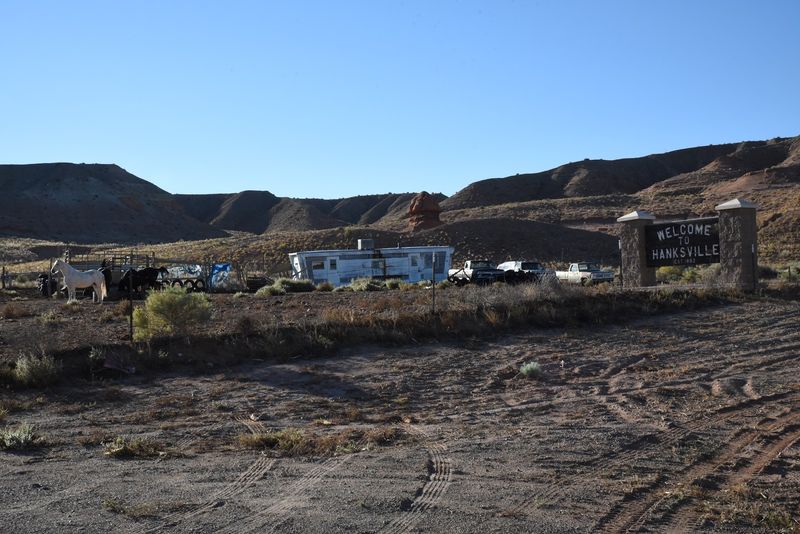
Drive in any direction from Hanksville, Utah, and you’ll find the same thing for a very long time: absolutely nothing. That’s not a complaint — it’s practically the town’s entire identity.
Sitting at the junction of two state highways in the heart of Utah’s canyon country, Hanksville serves as a remote waypoint for travelers heading to Capitol Reef National Park, Canyonlands, or the legendary Maze district. The surrounding landscape looks almost Martian — red badlands, eroded buttes, and dry washes that stretch to the horizon in every direction.
NASA has actually used the area to test Mars rovers, which tells you everything you need to know.
For residents, daily life means long drives for anything beyond the basics. The nearest city with a full grocery store is well over an hour away.
Medical emergencies require serious planning and fast driving. Internet access is limited, and cell service is spotty at best.
Despite that, Hanksville has a quiet, stubborn charm. The locals are self-reliant and friendly, accustomed to helping travelers who roll in with overheated radiators or flat tires.
It’s a town that exists because the desert demanded a rest stop — and a small community decided to stay permanently.
Mentone, Texas
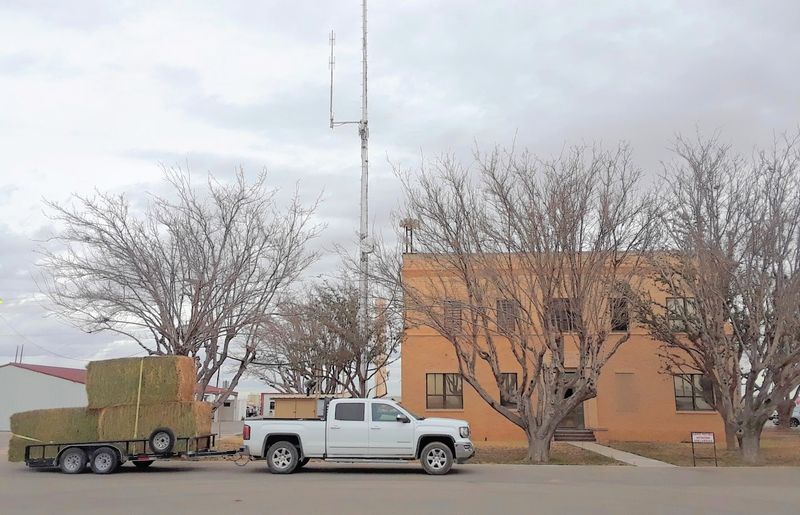
Mentone is technically a county seat — meaning it’s the official government center of Loving County, Texas. The catch?
Loving County has fewer than 70 residents, making it the least populated county in the entire United States.
The town itself is essentially a courthouse, a few scattered buildings, and a whole lot of West Texas sky. Oil pumpjacks dot the surrounding landscape, nodding steadily in the dry heat.
There’s no grocery store, no gas station open reliable hours, and no traffic — because there’s almost no one around to create any.
Life in Mentone runs on oil money and stubbornness. The county’s small population means everyone wears multiple hats — neighbor, volunteer, unofficial mechanic, and community backbone all at once.
People drive to nearby Pecos or Carlsbad, New Mexico, for supplies, making a simple shopping trip a half-day event.
Mentone doesn’t advertise itself, and it doesn’t need to. Curious travelers occasionally stop by just to say they’ve visited the seat of America’s emptiest county, snap a photo of the courthouse, and move on.
For the handful of people who actually live here, that suits them perfectly. Solitude, wide open space, and oil — that’s Mentone in a nutshell.
Jordan Valley, Oregon
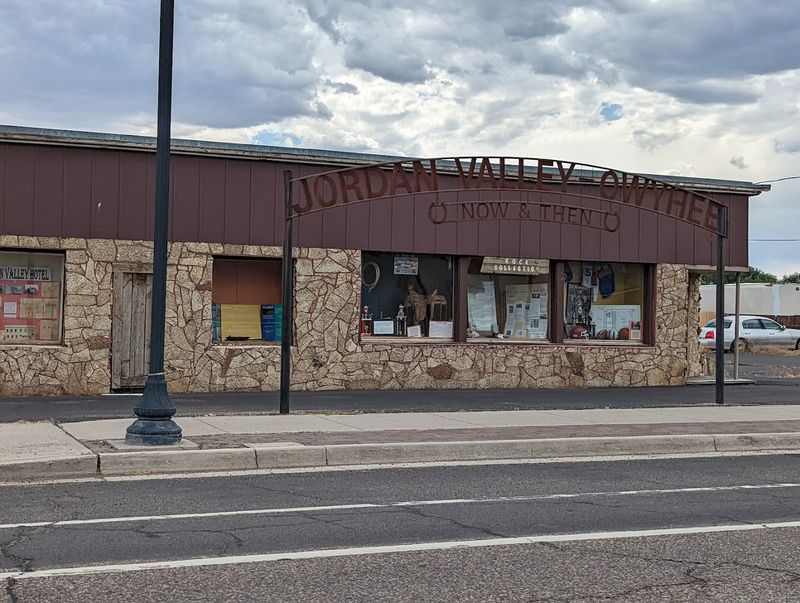
Jordan Valley sits in Oregon’s high desert, but it might as well be on the moon when it comes to distance from major services. The nearest city with a hospital is over an hour away — in Idaho, not Oregon.
That geographic quirk tells you a lot about this quiet ranching community. Residents regularly cross state lines just for basic errands, blurring the boundary between Oregon and Idaho in ways that maps can’t quite capture.
The town is small, slow-paced, and deeply rooted in cattle ranching and agricultural tradition.
Winters here are cold and dry, with snowstorms that can isolate the community for days. Summers bake under relentless high-desert sun.
Neither season makes life particularly easy, but residents seem to prefer it that way. There’s a refreshing absence of rush, noise, and crowds that urban dwellers might find either peaceful or alarming depending on their personality.
Jordan Valley has a surprising Basque heritage — early Basque sheepherders settled the area in the 1800s, and that cultural thread still runs through local festivals and family names today. It’s a small, overlooked town with more history and character than its modest size suggests.
Sometimes the quietest places have the most interesting stories.
Escalante, Utah
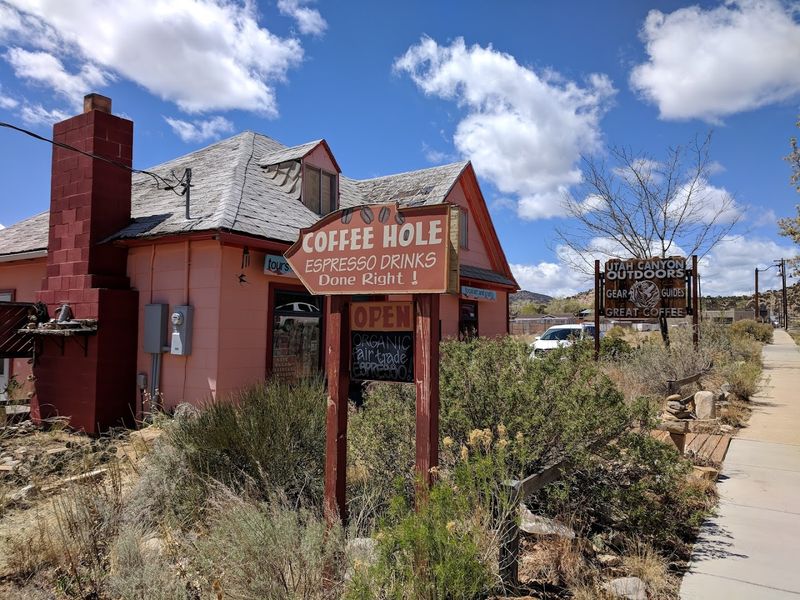
Grand Staircase-Escalante National Monument wraps around this tiny Utah town like a fortress of sandstone — beautiful, dramatic, and absolutely enormous. Escalante is surrounded by some of the most rugged wilderness in North America.
With a population hovering around 800, Escalante is technically accessible by road — but don’t let that fool you. The nearest large town is over an hour away, and the roads between here and anywhere else are long, winding, and occasionally washed out by flash floods.
Services are minimal, and the town’s small grocery store covers the basics without much variety.
Tourism has become a growing lifeline for Escalante. Hikers, photographers, and slot canyon enthusiasts pour through during spring and fall, drawn by trails like Coyote Gulch and the famous slot canyons of the Escalante River.
Locals have learned to balance welcoming visitors with protecting the quiet character that makes their town worth visiting in the first place.
Healthcare requires a serious drive, and severe weather can cut off access without warning. Residents are resourceful by necessity, maintaining vehicles carefully and keeping well-stocked pantries.
Escalante is the kind of place where neighbors genuinely look out for each other — not as a warm fuzzy sentiment, but as an everyday practical reality.
Terlingua, Texas
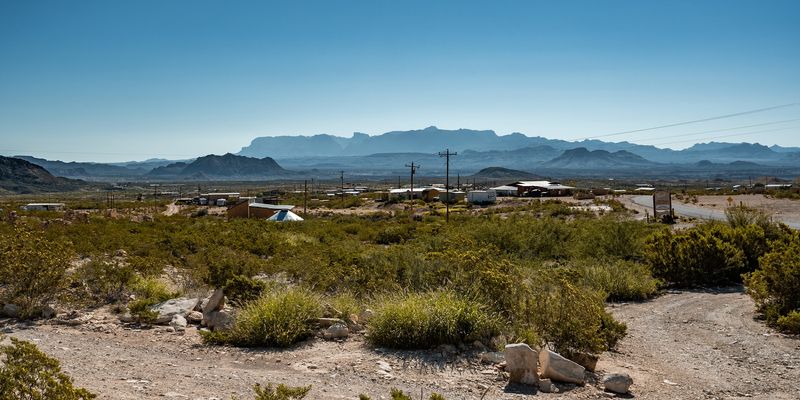
Terlingua died once — and then it came back weirder, more interesting, and completely unbothered by conventional living. This former ghost town near Big Bend National Park is now home to a scrappy, independent community that runs largely off the grid.
In the early 1900s, Terlingua boomed as a mercury mining hub. When the mines closed in the 1940s, the town emptied out and crumbled into adobe ruins.
Decades later, artists, adventurers, and people fed up with city life began trickling back in, drawn by cheap land and jaw-dropping desert scenery.
Water is scarce and must be hauled in by truck for many residents. Electricity comes from solar panels or generators.
The nearest full-service town is over an hour away. None of that seems to bother Terlingua’s residents much — if anything, the challenge is part of the appeal.
Every November, Terlingua hosts one of the most famous chili cook-offs in the country, drawing thousands of visitors to a place that otherwise sees very few. The contrast is wonderfully absurd — a ghost town that transforms briefly into a festival hub, then quietly returns to its sun-baked solitude.
Terlingua doesn’t just tolerate its isolation; it wears it like a badge of honor.
Boulder, Utah
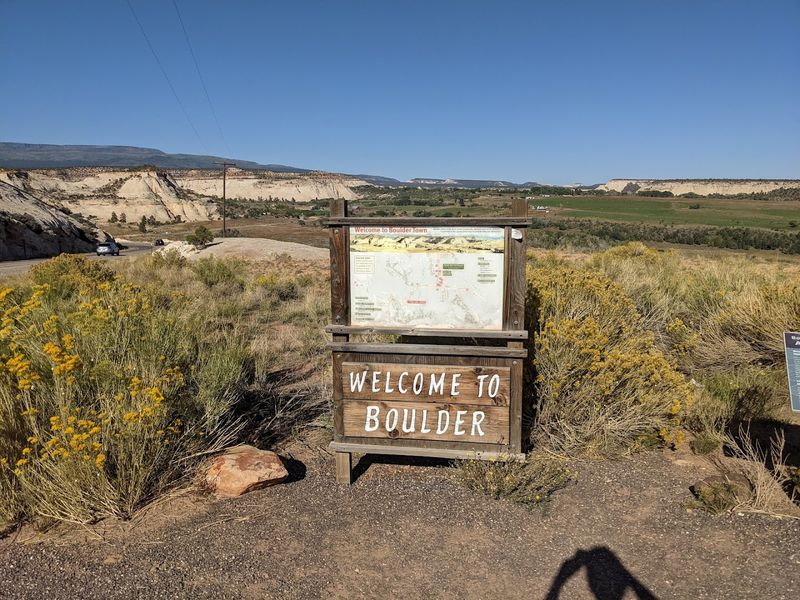
Until 1940, Boulder received its mail by mule train — making it one of the last communities in the continental United States to give up that particular form of delivery. That single fact captures everything you need to know about how long this town has been cut off from the outside world.
Nestled on a high plateau in southern Utah, Boulder is hemmed in by canyons on nearly every side. The road connecting it to the rest of Utah, Highway 12, is considered one of the most scenic drives in America — and also one of the most nerve-wracking, with narrow ridgelines and steep drop-offs that make first-time drivers grip their steering wheels a little tighter.
The population sits well under 200 people year-round. There’s a small inn, a well-regarded restaurant, and a fascinating Anasazi State Park Museum that draws history lovers from across the country.
Otherwise, Boulder is quiet, remote, and gloriously unhurried.
Residents here tend to be fiercely self-reliant. They know their neighbors, maintain their own properties, and take weather forecasts seriously.
Boulder gets snowbound in winter, cutting access for stretches at a time. Rather than fighting that reality, the community has simply built a life around it — patient, grounded, and deeply connected to the land beneath their feet.
Stehekin, Washington
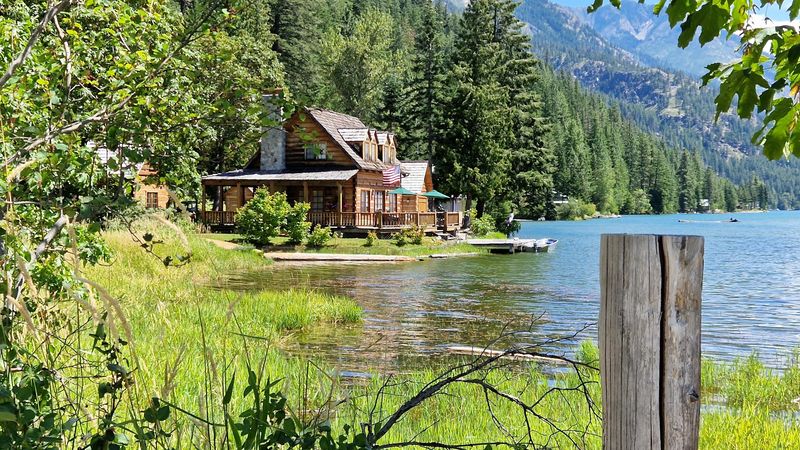
No roads lead to Stehekin. Getting here means boarding a ferry across Lake Chelan, hopping a floatplane, or hiking through backcountry wilderness.
For residents, that’s not a problem — it’s the whole point.
Tucked at the far northern end of Lake Chelan inside the North Cascades ecosystem, Stehekin is one of Washington State’s most extraordinary hidden communities. Around 75 people call it home year-round, living without road access to the outside world.
Supplies arrive by boat or plane, and residents plan their shopping trips to town like small expeditions.
The lifestyle here is deliberately simple. There’s a one-room schoolhouse, a small lodge, a bakery that locals swear produces the best cinnamon rolls in the Pacific Northwest, and not much else.
Cell service is nonexistent. The internet is limited.
And somehow, life feels richer for it.
Stehekin sits inside the Lake Chelan National Recreation Area, which means the surrounding wilderness is protected and pristine. Hiking, fishing, and watching the seasons change over the mountains are the primary entertainments — and they never get old.
People who visit Stehekin often describe a strange, quiet sadness when they have to leave. Those who live there?
They never seem to want to go anywhere else.



