 Unearth The Voyage
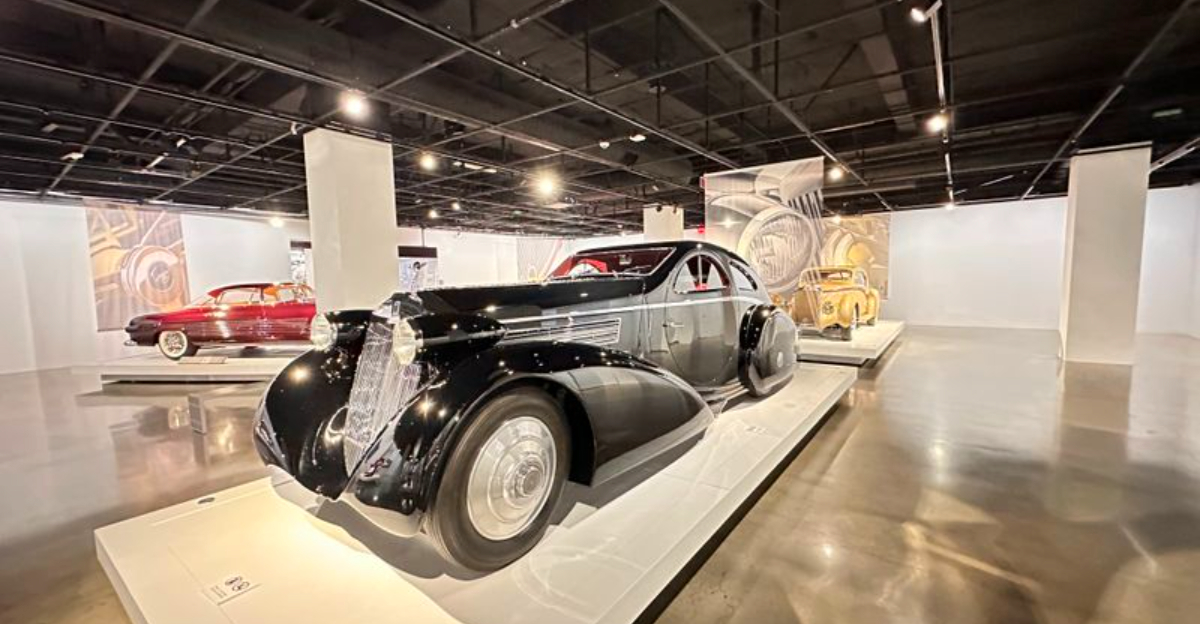
Step into galleries where engines whisper stories and chrome reflects entire eras of ambition. These museums preserve not just cars, but the culture, craftsmanship, and daring that moved generations.
Expect record breakers, coachbuilt rarities, and prototypes that redrew the rules. Ready to meet the legends that reshaped roads and imaginations worldwide?
Mercedes-Benz Museum — Stuttgart, Germany
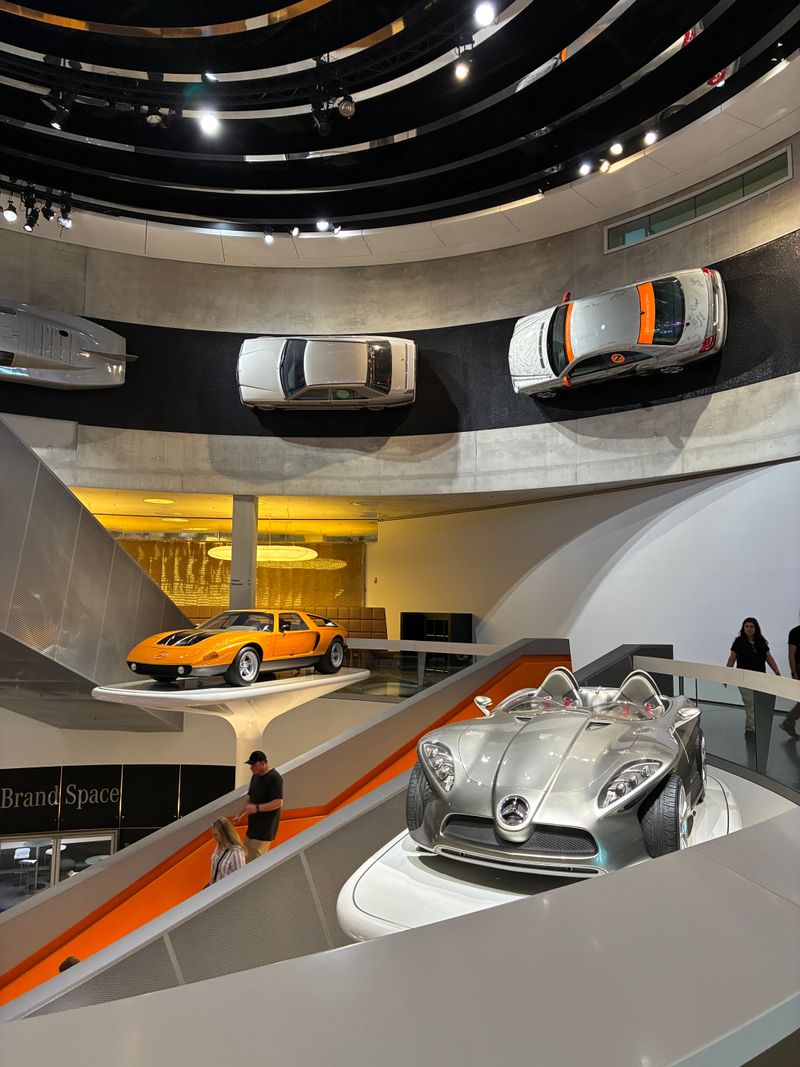
The Mercedes-Benz Museum spirals through history like a time machine, beginning with the Patent-Motorwagen and accelerating into present-day innovation. Seven timelines intertwine with five thematic galleries, so engineering breakthroughs meet cultural moments at every turn.
Racing legends share space with dignified limousines, each exhibit staged with cinematic lighting and pristine context.
Expect to linger beside Silver Arrows, gullwing doors, and concept studies that teased tomorrow. Chassis cutaways reveal precision beneath beauty, while interactive stations unpack safety, aerodynamics, and design philosophies.
The building itself becomes a narrative device, guiding movement and perspective as eras unfold.
Archival film loops and period artifacts ground the machines in human stories, from wartime austerity to postwar optimism. Children gravitate to hands-on displays, while scholars savor serial numbers and provenance.
By the final ramp, the brand’s 130-plus years feel cohesive, audacious, and surprisingly intimate.
Porsche Museum — Stuttgart, Germany
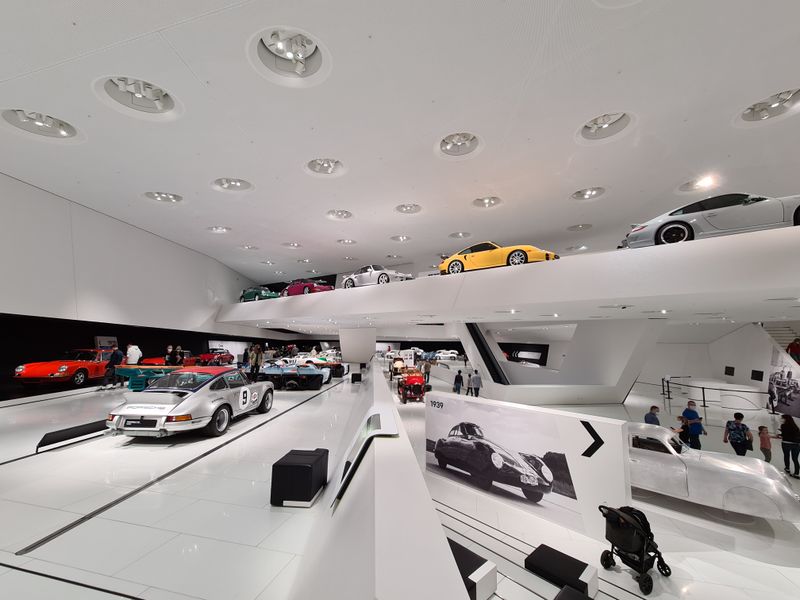
The Porsche Museum feels like a wind tunnel turned gallery, where every surface honors speed and restraint. A pristine field of white frames silhouettes of 356 coupes, 917 endurance heroes, and evolving 911 generations.
Rotating exhibits keep legends fresh, juxtaposing prototypes with race-worn veterans.
Close details reward patient eyes: drilled pedals, magnesium wheels, and safety solutions borrowed from circuits to streets. Sound installations echo flat-six voices without overwhelming the serenity.
Panels trace Ferdinand to Ferry, charting design purity that resists trends while refining essentials.
Interactive tables unpack victories at Le Mans and the science behind turbocharging. Restoration footage demystifies craftsmanship, from hand-stitched interiors to precision bodywork.
Leaving the gallery, the lineage reads like one long lap, smooth arcs connecting heritage and relentless evolution.
Petersen Automotive Museum — Los Angeles, USA
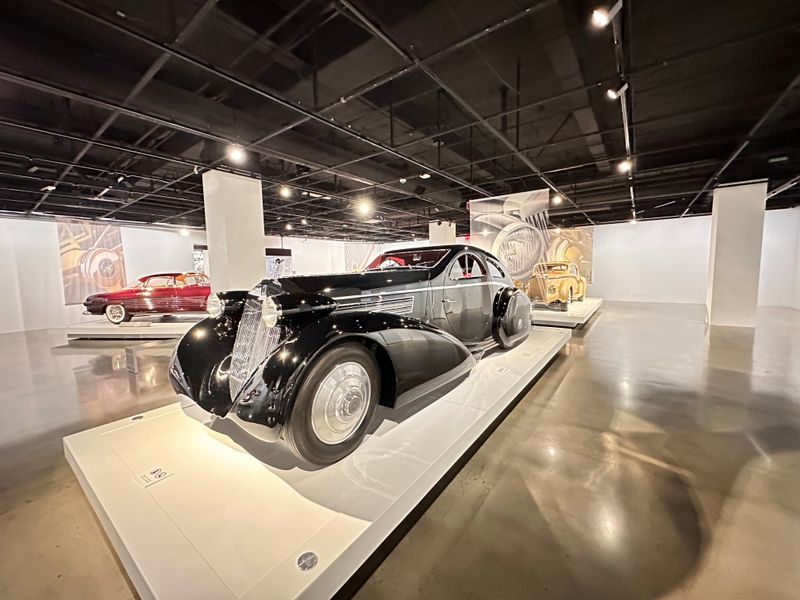
The Petersen is Los Angeles on wheels, mixing Hollywood flair with hot rod grit and global heritage. Galleries pivot from prewar elegance to tuner culture, threading icons like the Batmobile beside brass-era pioneers.
Temporary shows push boundaries, spotlighting design futurism, sustainability, and cultural storytelling.
Downstairs, the Vault reveals rarities stacked with provenance, from coachbuilt treasures to celebrity customs. Interpretive media pairs movie clips with the real hero cars, blurring screen and street.
Curators balance scholarship and spectacle, always with a sly wink toward pop mythology.
Hands-on tech explains paint chemistry, wind tunnel insights, and safety breakthroughs. Lowriders sit like kinetic sculptures, their chrome narrating neighborhoods and pride.
The result is part cinema, part archive, and all California confidence.
National Motor Museum — Beaulieu, United Kingdom
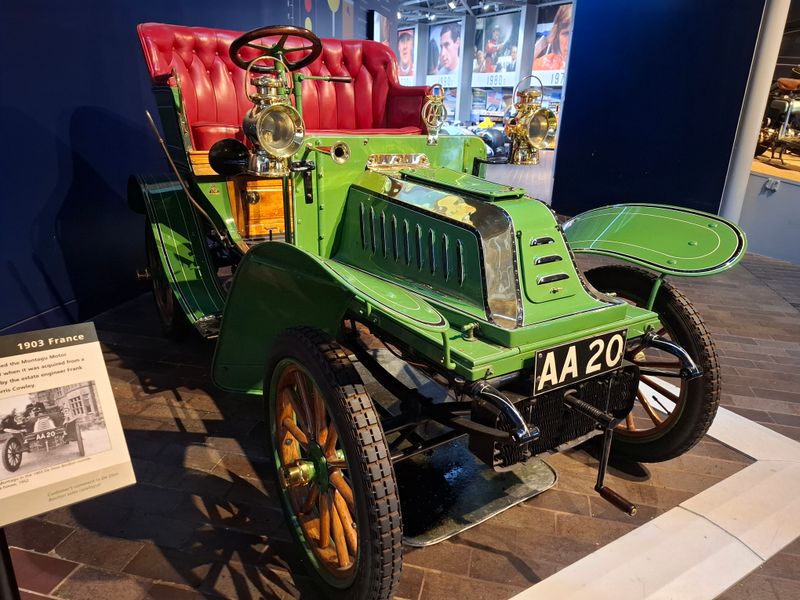
On the Beaulieu estate, the National Motor Museum reads British motoring like a living anthology. Veteran cars stand beside Land Speed titans, including replicas and originals that chased horizons at Daytona and the Salt.
Period forecourts and shopfronts recreate the romance of the road.
Marques like Jaguar, Land Rover, and Aston Martin receive balanced, well-cited treatment. Interpretive panels connect engineering to everyday life, from rural mobility to postwar family holidays.
Tools, posters, and uniforms restore the human touch behind metal and petrol.
Motorsport sections hum with archival footage, while interactive stations invite route planning and mechanical tinkering. The setting adds serenity, a reminder that motoring was always about journeys as much as machines.
Leaving Beaulieu feels like closing a favorite travel diary.
Louwman Museum — The Hague, Netherlands
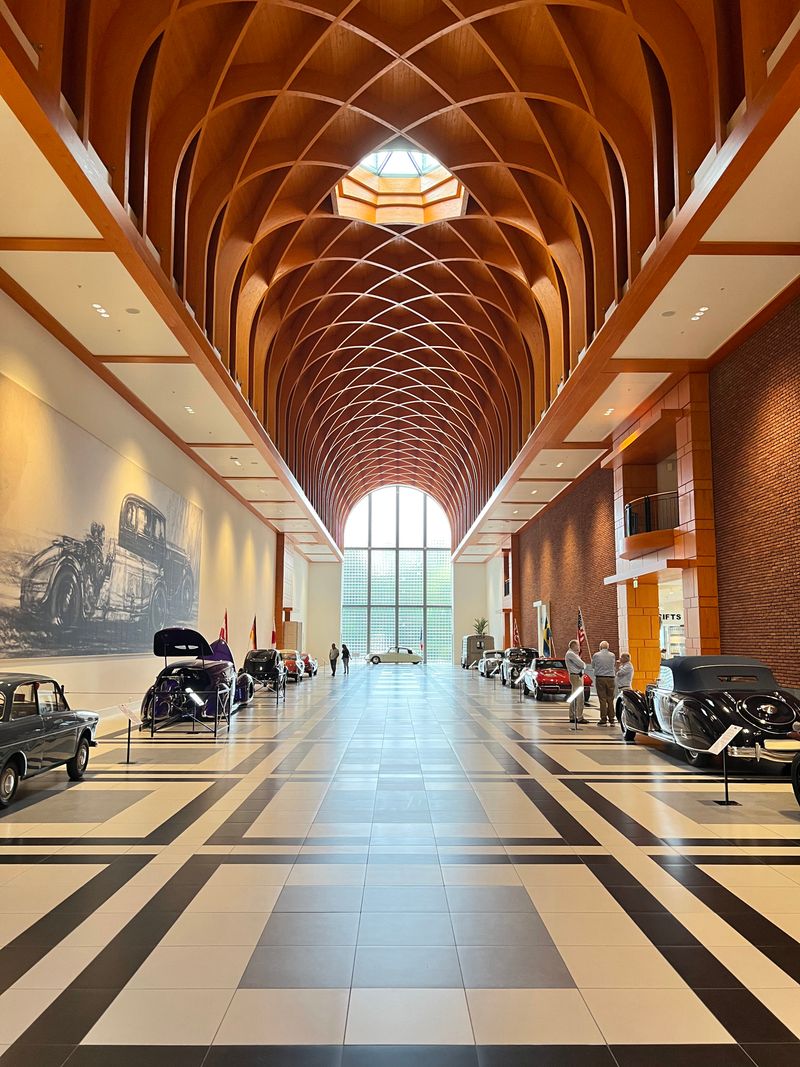
The Louwman Museum curates one of the oldest private collections, a quiet epic told through coachbuilt curves. Early European marques mingle with American pioneers, each car framed like a painting.
Galleries weave automotive art and posters between vehicles, underscoring design as cultural language.
Pre-war rarities dominate, from delicate cyclecars to stately grand tourers. Provenance notes read like travelogues, tracing owners, rallies, and restorations.
Docents highlight craftsmanship details, from marquetry dashboards to hand-formed fenders.
The narrative moves with purpose, connecting experiments to standards that later felt inevitable. By the final rooms, modernity arrives without drowning the past’s whisper.
It is a connoisseur’s sanctuary, respectful, rigorous, and deeply humane.
Rolls-Royce Museum — Dornbirn, Austria
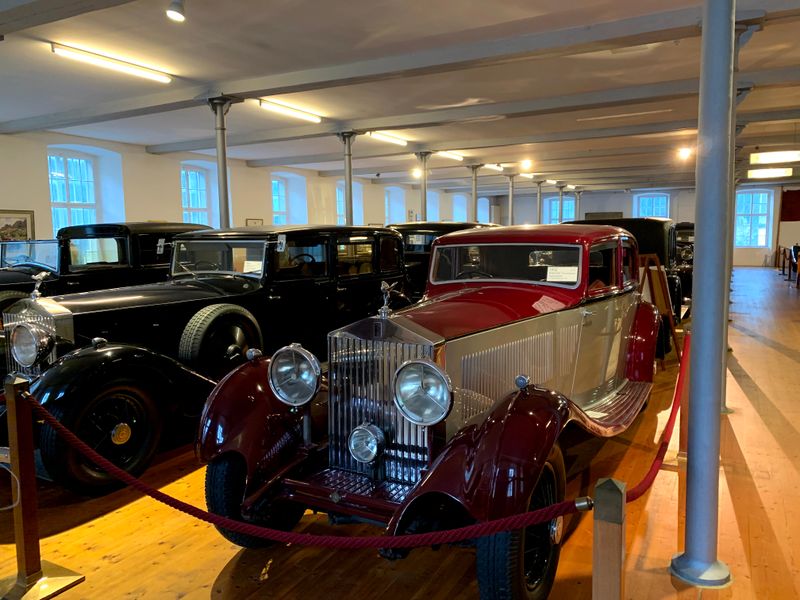
This museum treats Rolls-Royce as rolling biography, tracing opulence through engines built like heirlooms. Phantom silhouettes glow under warm lights, their coachwork whispering bespoke stories.
Artifacts document owners from royalty to entertainers, each car doubling as social history.
Craftsmanship steals the show: bookmatched veneers, deep lambswool carpets, and shut lines that click like fine cabinetry. Curators explain apprenticeships, hand skills, and relentless testing.
Interpretive films explore the Spirit of Ecstasy and aviation links that elevated engineering standards.
Historical context keeps luxury grounded, acknowledging economic cycles and evolving tastes. Restoration bays showcase patience, replacing nothing without cause.
The result is reverent but not aloof, a portrait of excellence built one exacting decision at a time.
Museo Ferrari — Maranello, Italy
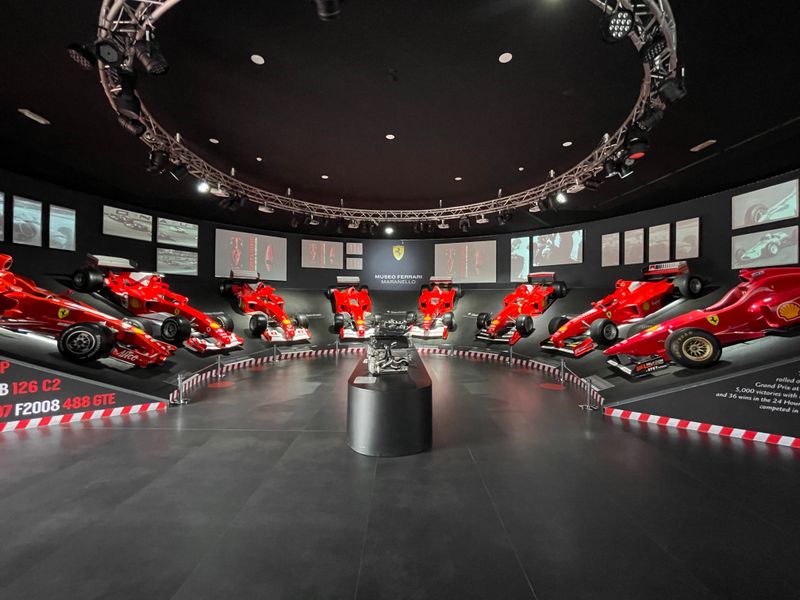
The Museo Ferrari pulses with competition heartbeat, where scarlet monocoques line up like a grid before lights out. Championship-winning F1 cars sit inches away, their scars and telemetry telling hard-earned truths.
Road legends from 250 series to LaFerrari bridge street and circuit.
Multimedia rooms let onboard audio roar while wind tunnel visuals explain downforce. Trophies, timing sheets, and driver suits anchor narrative to human grit.
Design sketches trace Pininfarina and contemporary collaborations that sharpened the brand’s silhouette.
Engines sit displayed like sculptures, revealing metallurgy and heat management wizardry. The gift shop tempts with archival prints and scale models that feel disarmingly authentic.
Walking out, adrenaline lingers, as if a checkered flag waved inside the mind.
Museo Lamborghini — Sant’Agata Bolognese, Italy
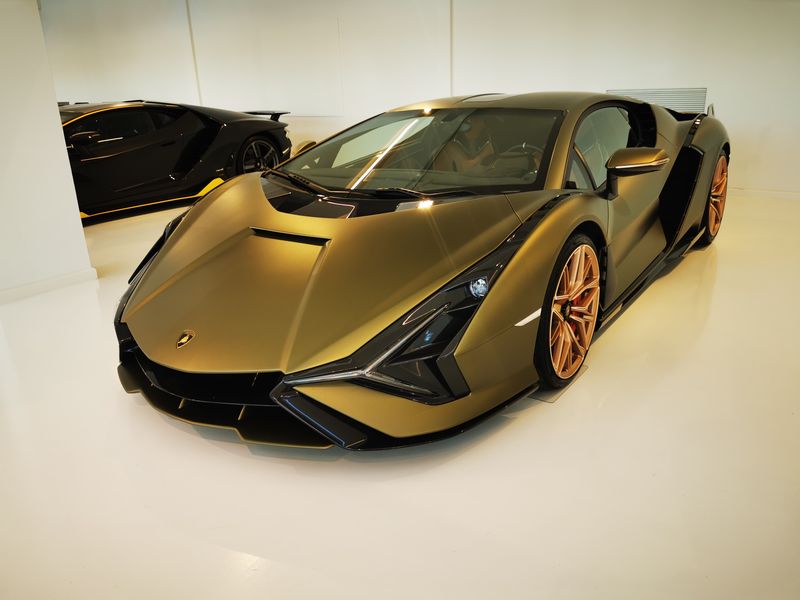
The Lamborghini Museum celebrates audacity, a shrine to proportion, intake scoops, and V12 thunder. The Miura greets like a mischievous legend, while Countach panels slice air with origami confidence.
Modern heroes anchor the line, Aventador and Huracan straining against static displays.
Concepts flirt with science fiction, emphasizing materials, aero, and theatrical doors. Placards chart the tractor roots and Ferruccio’s uncompromising spark.
Sound clips and engine teardowns decode that signature bark, equal parts menace and opera.
Design corridors spotlight color studies and seamwork, showing drama supported by discipline. Racing stories remain selective but impactful, mapping GT successes and record attempts.
It is a pilgrimage that leaves pulse and imagination racing in unison.
British Motor Museum — Gaydon, United Kingdom
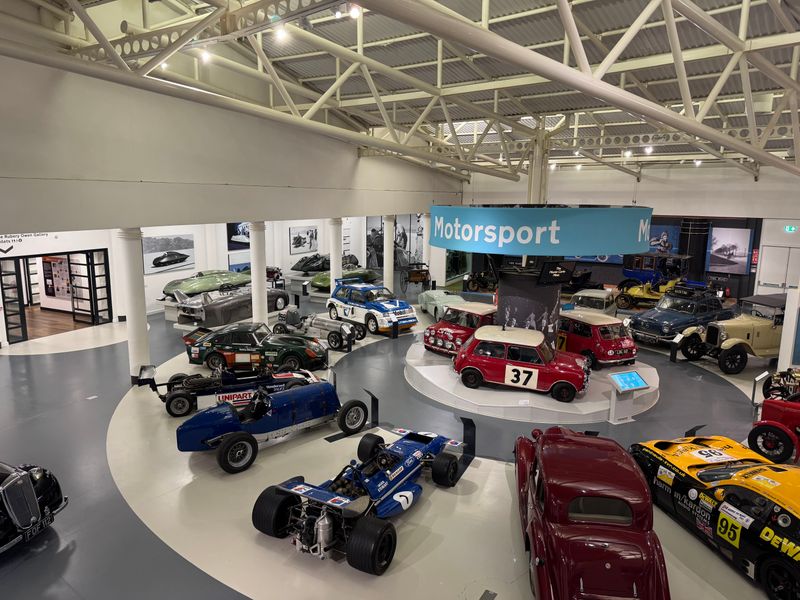
At Gaydon, the British Motor Museum stacks ingenuity from workshop to world stage. More than 300 vehicles outline evolving needs, from city Minis to rugged Land Rovers.
Concept cars reveal design gambles that shaped mass-market confidence.
The storytelling feels approachable, pairing patents with personal diaries and factory ephemera. Educational stations demystify safety tests, clay modeling, and production logistics.
Restoration views honor the crafts behind seemingly effortless lines.
Rallies, motorsport, and everyday commuting share equal weight, proving heritage lives beyond podiums. Special archives stand ready for deeper dives, rewarding curiosity with blueprints and period press.
The visit closes like a salute to resourcefulness and charm.
National Automobile Museum — Mulhouse, France
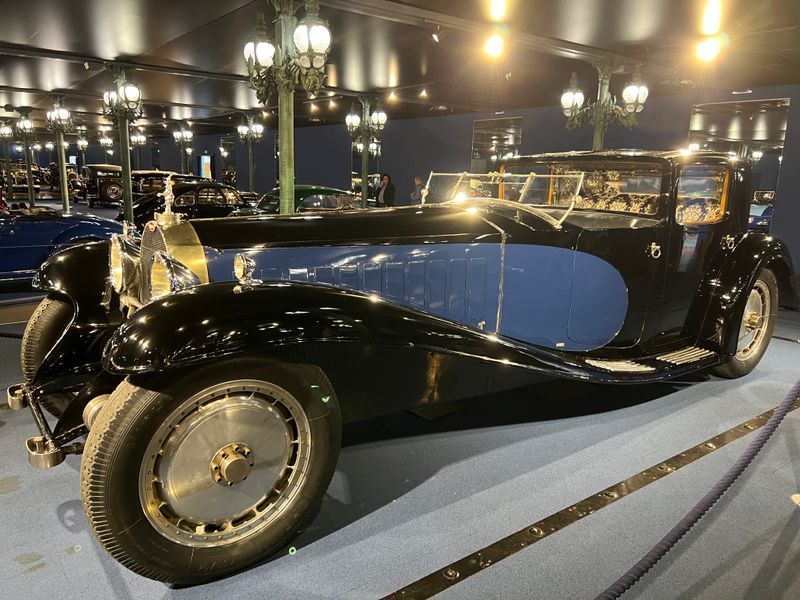
Mulhouse guards the Schlumpf Collection, a treasure dense enough to feel mythic. Bugatti brilliance dominates, from delicate Type 13s to the imposing Type 41 Royale.
Rows of ornate lampposts cast theatrical light on polished bodywork and wire wheels.
Yet breadth matters too, with marques spanning continents and decades. Interpretive texts balance romance and rigor, acknowledging the collection’s complicated origins.
Engines and gearboxes sit like anatomy lessons, their machining elegant and purposeful.
Temporary exhibitions rotate themes, linking design movements to social change. The result is a cathedral of mechanical art, reverent without stiffness.
Time moves differently here, measured in revs, castings, and artisanal patience.
Museo Nazionale dell’Automobile — Turin, Italy
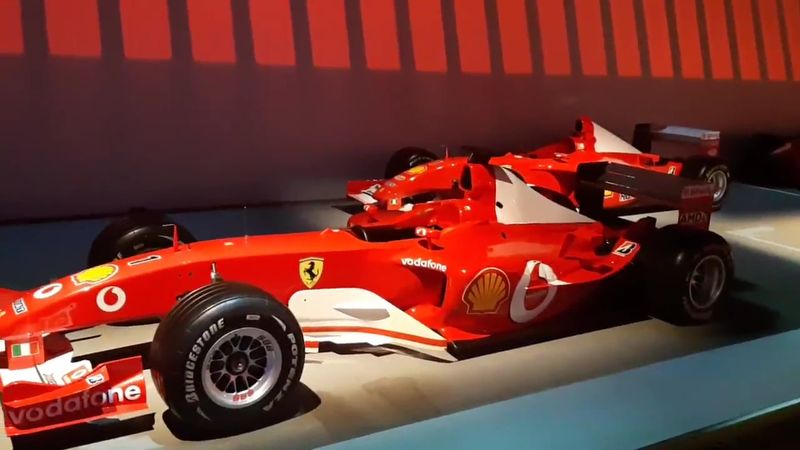
Turin’s automotive museum frames mobility as a civic revolution. Early motorcars share space with motorcycles that carried workers and dreams across a rebuilding nation.
Thematic galleries sequence from invention to mass adoption, showing design as problem-solving.
Educational exhibits avoid jargon, unpacking suspension, fueling, and safety through tactile models. Industrial history entries connect factories, neighborhoods, and policy shifts.
Period film and advertising provide context that leans human over heroic.
Later sections highlight icons and oddities, revealing how experimentation widens horizons. The tone is curious, neither nostalgic nor cynical.
Walking out, city streets resemble an open textbook waiting for annotations.
Toyota Automobile Museum — Nagakute, Japan
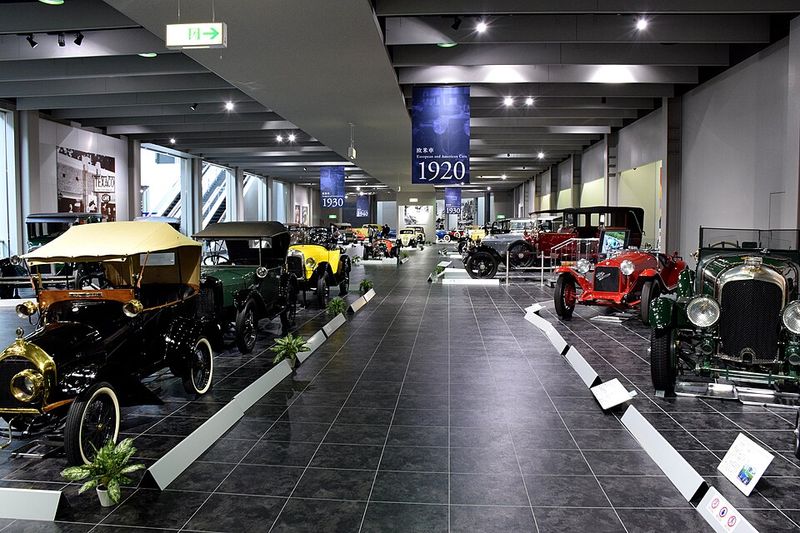
Nagakute’s Toyota Automobile Museum surveys the world first, brand second. A chronological arc blends European pioneers, American cruisers, and Japanese compacts into one dialogue.
Context panels map geopolitics, regulation, and lifestyle shifts that nudged engineering choices.
Toyota’s lineage threads through carefully, from Crown sedans to hybrid milestones. Cutaway displays translate manufacturing philosophies like kaizen into visible practice.
The curation favors clarity over spectacle, letting proportions and materials speak calmly.
Special exhibitions probe topics such as safety, design language, and environmental responsibility. Audio guides remain precise, respectful, and surprisingly candid.
It is a patient museum, rewarding attention with connecting dots across continents.
Emirates National Auto Museum — Abu Dhabi, UAE
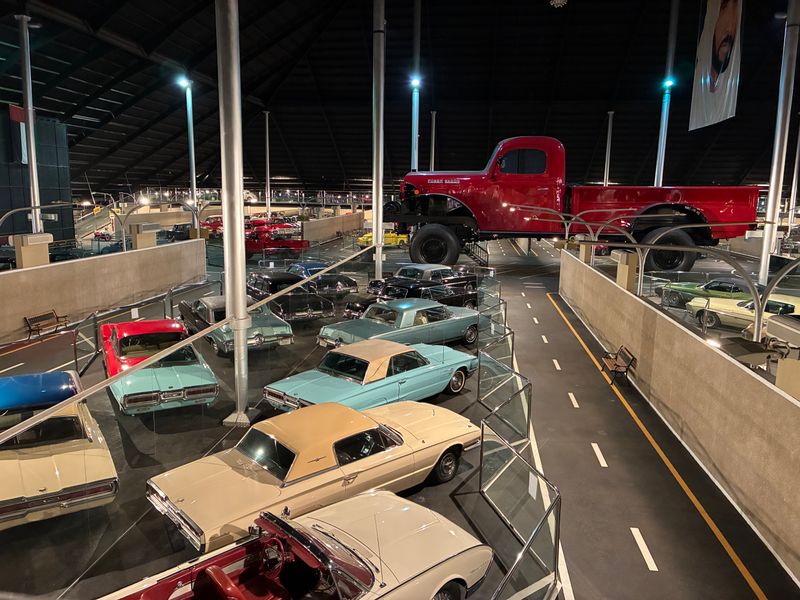
In Abu Dhabi’s desert, a pyramid shelters a collection that delights in scale and surprise. Giant custom builds share aisles with military trucks and chromed American classics.
The mood is maximalist, a display of ambition turned into rolling steel.
Rarity mixes with spectacle, drawing attention to engineering feats outside traditional concours norms. Placards document record holders and eccentric one-offs with equal seriousness.
The building’s geometry adds theatrical framing to already improbable machines.
Expect odd juxtapositions that spark conversation about purpose, luxury, and utility. Photography feels irresistible as light pools on contour and paint.
It is less a quiet archive than a grand gesture toward possibility.
Musée des 24 Heures du Mans — Le Mans, France
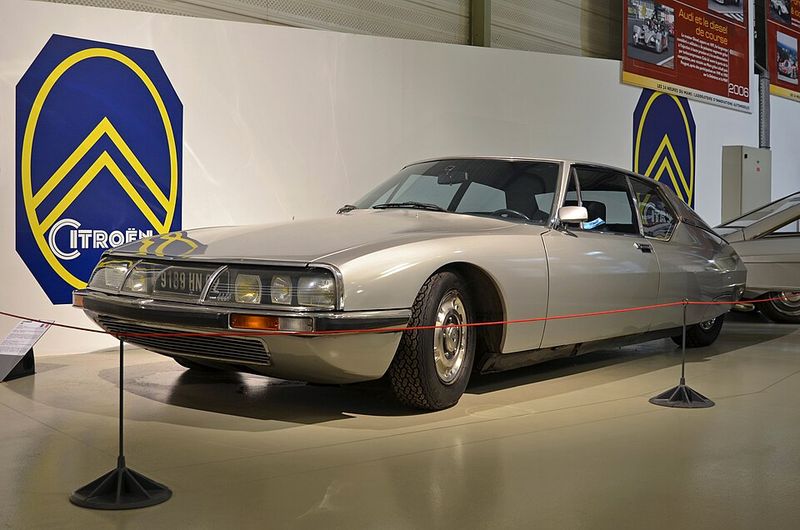
At Le Mans, the museum breathes endurance racing’s long arc, measured in dusk-to-dawn grit. Prototypes and GT legends rest under banners of class victories and heartbreaks.
Chassis wear scars that read like lap charts etched in aluminum.
Exhibits dissect pit strategy, lighting, and driver swaps that define the 24-hour rhythm. You can trace aero evolutions from curvy classics to razor-edged hybrids.
Archival photos and telemetry pair romance with ruthless data.
Soundscapes simulate night stints while trophies gleam with hard miles. The adjacent circuit’s aura seeps through, anchoring history to place.
Leaving, ears ring with phantom downshifts and morning chequered flags.
Riga Motor Museum — Riga, Latvia
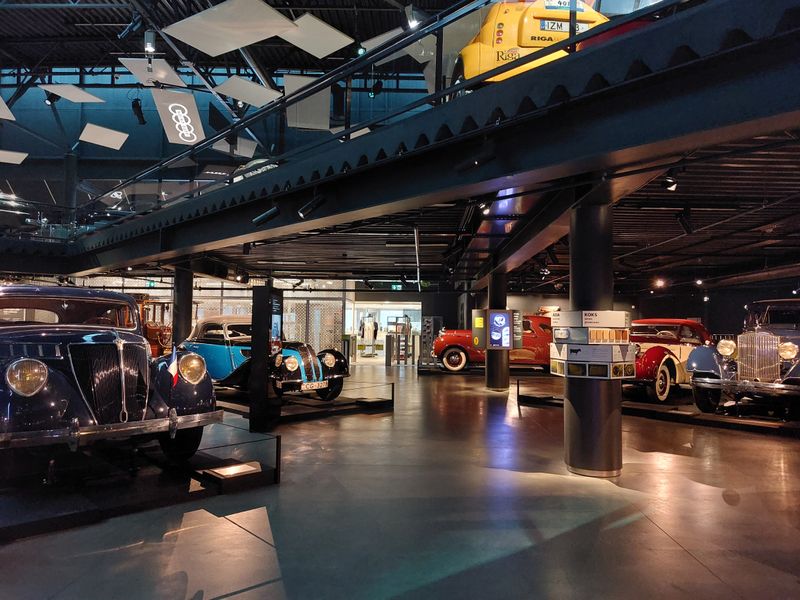
Riga’s Motor Museum offers a Baltic perspective often missing from mainstream narratives. Soviet-era limousines and utility vehicles sit beside Western icons for contrast.
Themed floors progress from early motoring to competition machines with clear pacing.
Design storytelling is strong, using dioramas and period media to restore context. Restoration projects display resourcefulness where parts scarcity demanded ingenuity.
Curators keep tone measured, neither romanticizing nor dismissing utilitarian designs.
Interactive elements focus on mechanics and ergonomics, turning complex systems tactile. Motorsport corners showcase rally bravado and circuit heritage from the region.
The collection feels honest and distinctive, carving its own lane in Europe.



