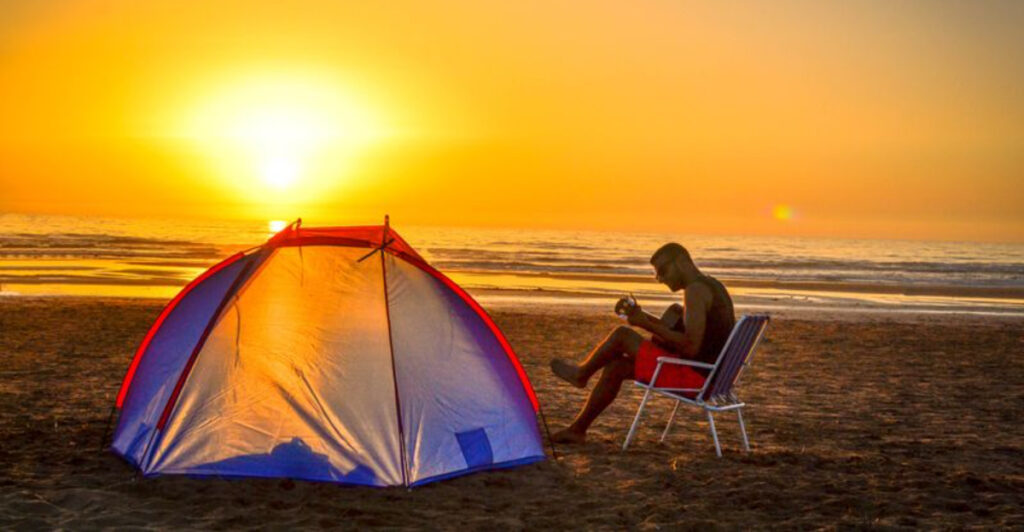
North Carolina’s coastline stretches for more than 300 miles, offering everything from wild barrier islands and quiet maritime forests to peaceful beaches where the loudest sound is the surf. While many beach towns fill up during summer, these coastal campgrounds provide a slower, more relaxed way to experience the Atlantic.
Whether you’re pitching a tent beneath live oaks or parking an RV just steps from the sand, these campgrounds let you trade crowds for sunsets, sea breezes, and star-filled skies.
Carolina Beach State Park — Carolina Beach
Venus flytraps grow wild here, and that alone makes Carolina Beach State Park worth the trip. Nestled beside the Cape Fear River and just minutes from the Atlantic, this state park is one of those rare places where nature does all the heavy lifting.
The shaded campsites beneath longleaf pines feel miles away from the busy beach strips nearby.
Hikers will find several well-maintained trails winding through rare coastal ecosystems, including the famous Flytrap Trail where carnivorous plants grow in the wild. Paddlers can launch kayaks directly from the park and explore the river at a leisurely pace.
Birders often spot herons, osprey, and woodpeckers without even trying hard.
The campground itself offers electric and non-electric sites, making it accessible for both tent campers and RV travelers. Hot showers and clean restrooms add a welcome layer of comfort after a long day outdoors.
Carolina Beach is only a short drive away, so you can enjoy the surf whenever the mood strikes. It’s a genuinely well-rounded spot that rewards every type of outdoor visitor.
Hammocks Beach State Park — Swansboro
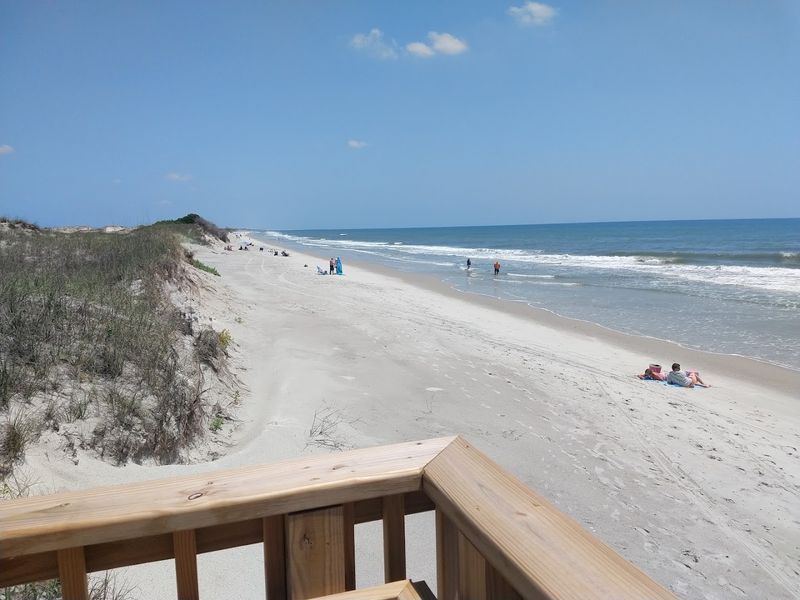
Getting to Bear Island requires a ferry ride, and honestly, that short trip across the water is the first sign you’re leaving ordinary life behind. Hammocks Beach State Park protects one of the most unspoiled barrier islands on the entire East Coast.
No roads, no shops, no crowds waiting at the snack bar.
Primitive campsites sit just behind the dunes, close enough that you can hear waves from your sleeping bag. The beach stretches for miles in both directions without a single resort or condo tower interrupting the view.
Loggerhead sea turtles nest here during summer, which makes early morning walks feel genuinely exciting.
Ferries run regularly from the Swansboro mainland, and private boats can also reach the island. Campers must pack everything in and pack everything out, so preparation matters.
Bring extra water, solid sun protection, and enough food for your stay. Restroom facilities are available, but amenities are purposely minimal to preserve the island’s character.
For anyone craving a true coastal escape with zero distractions, Bear Island delivers something that most North Carolina campgrounds simply cannot match.
Cape Lookout National Seashore — Core Banks
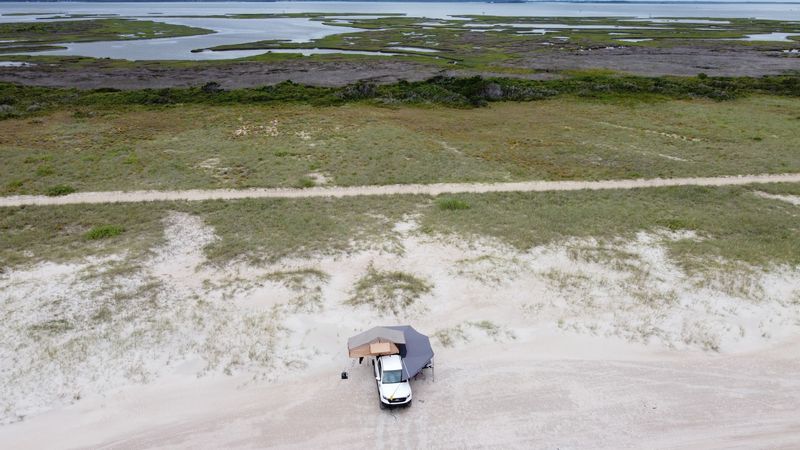
Somewhere between the striped lighthouse and the horizon, Cape Lookout National Seashore quietly earns its reputation as one of North Carolina’s most extraordinary camping destinations. Accessible only by ferry or private boat, Core Banks sits far enough from the mainland to feel genuinely wild.
The moment you step off the boat, the pace of life shifts completely.
Wild horses roam freely across the island, and spotting them near camp is a regular occurrence rather than a lucky surprise. Miles of undeveloped shoreline offer shelling, fishing, and swimming without the usual beach-day chaos.
At night, the absence of light pollution turns the sky into something worth staying up late to appreciate.
Camping here is primitive, meaning you bring everything you need and leave nothing behind. There are no electrical hookups, no camp stores, and no Wi-Fi to pull you back into the everyday world.
Portable toilets are available at select locations, but comfort is not really the point. The point is standing barefoot on a beach that looks almost exactly the way it did centuries ago.
Cape Lookout rewards campers who come prepared and leave expecting nothing but nature at its best.
Oregon Inlet Campground — Nags Head
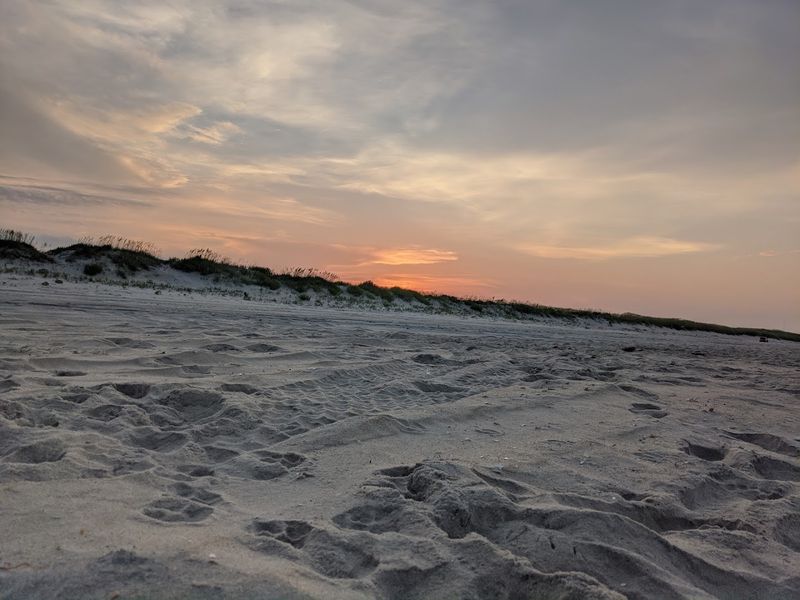
Fishing rods lined up at sunrise, pelicans gliding low over the inlet, and the smell of saltwater before the coffee is even done — Oregon Inlet Campground starts every morning with something worth waking up for. Positioned within Cape Hatteras National Seashore between the Atlantic Ocean and Pamlico Sound, this campground puts you squarely in the middle of one of the Outer Banks’ most scenic stretches.
World-class surf fishing draws serious anglers from across the region, and the Oregon Inlet Fishing Center nearby keeps the activity buzzing without overwhelming the campground itself. Wide, open beaches invite long walks, kite flying, and afternoon naps with a soundtrack of breaking waves.
Sunrises here are genuinely hard to oversleep through.
Sites accommodate tents and RVs, though hookups are limited, so checking availability early is smart planning. The National Park Service manages the campground, which means clean facilities and well-maintained grounds without the resort price tag.
Nags Head’s shops and restaurants are close enough for a quick supply run. Oregon Inlet strikes a balance between accessibility and authenticity that keeps campers coming back season after season.
It’s an Outer Banks experience without the Outer Banks crowds.
Frisco Campground — Frisco
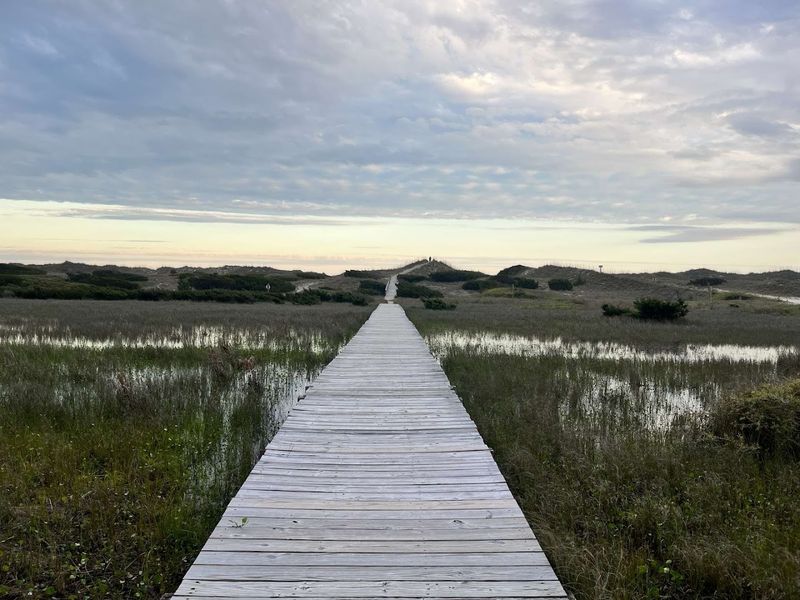
Tucked between rolling dunes and a quiet stretch of maritime forest, Frisco Campground sits at the southern end of the Outer Banks where the crowds thin out and the beaches widen. This National Park Service campground is one of those places that feels like a genuine find rather than a tourist destination.
The pace here is slow in the best possible way.
Wooden boardwalks cut through the dunes and lead directly to the beach, making ocean access effortless. Shelling is excellent along this stretch of shoreline, and surfers enjoy the reliable swells that roll in from the Atlantic.
Fishing from the beach is popular too, especially in the cooler months when red drum run close to shore.
Sites accommodate both tents and RVs, though electrical hookups are not available, which helps keep the atmosphere calm and uncrowded. The town of Frisco itself is small and laid-back, with a handful of local shops and restaurants worth exploring.
Hatteras Village is just a short drive south for additional supplies and ferry access. Campers who choose Frisco often describe it as the most peaceful week they’ve spent on the Outer Banks, and it’s easy to understand why.
Ocracoke Campground — Ocracoke Island
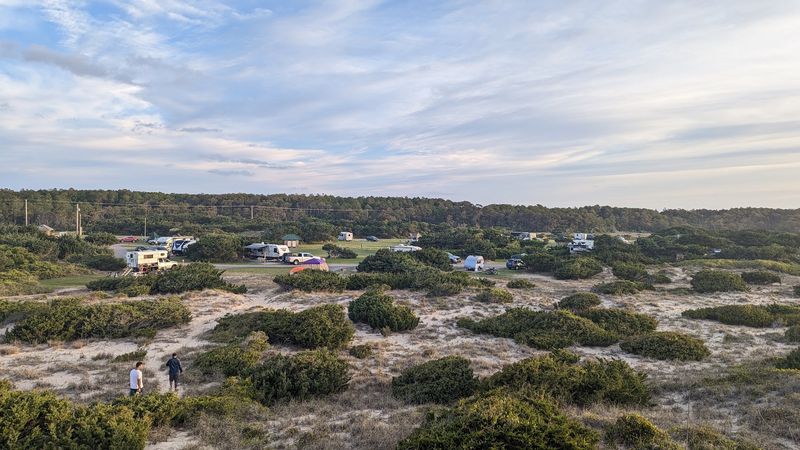
You can only reach Ocracoke Island by ferry, and that built-in barrier is exactly what keeps it so wonderfully calm. The National Park Service campground here sits right behind the dunes, within easy walking distance of one of the most beautiful and least crowded beaches on the entire East Coast.
The island operates on its own unhurried schedule, and visitors quickly adapt.
Ocracoke Village, a short bike ride from the campground, offers charming restaurants, local shops, and a genuine small-town atmosphere that feels nothing like the commercial strips found farther north on the Outer Banks. The Ocracoke Lighthouse, the oldest operating lighthouse in North Carolina, adds a touch of history to every visit.
Wild ponies descended from colonial-era horses still roam a protected area of the island.
Campsites are available for tents and RVs without hookups, keeping the setup simple and the atmosphere quiet. Reservations fill quickly during summer, so booking well in advance is genuinely necessary.
Bring bikes if possible, because the island is small enough to explore on two wheels. Ocracoke rewards slow travelers who want to feel like they’ve actually left the modern world behind without crossing an ocean to do it.
Cedar Point Campground — Croatan National Forest
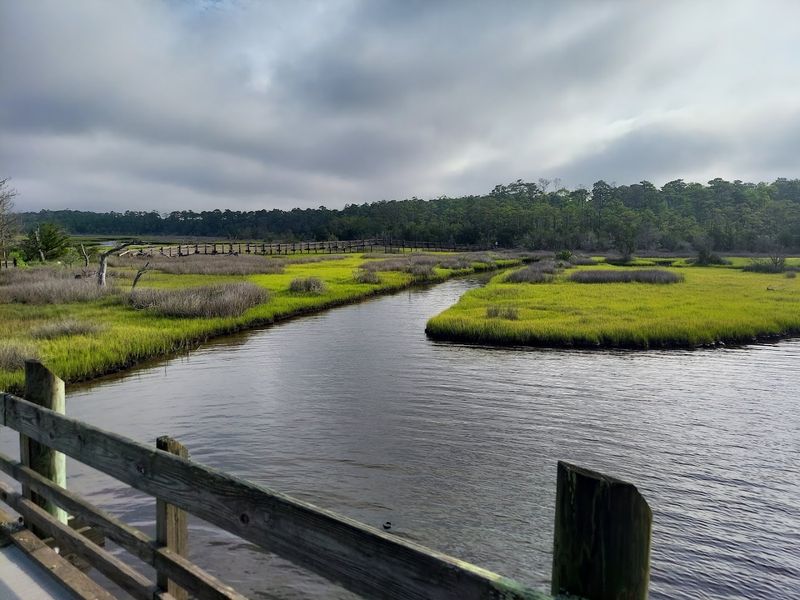
Most people drive past Croatan National Forest on their way to the beach without realizing they just passed one of coastal North Carolina’s most underrated camping spots. Cedar Point Campground sits near the Intracoastal Waterway in a setting that blends coastal forest with genuine water access.
Tall pines shade the sites, and tidal creeks wind through the surrounding landscape with quiet persistence.
Kayakers and canoeists can launch directly from the campground and paddle through salt marshes that teem with wildlife. Birdwatchers regularly spot ospreys, great blue herons, and wood storks without leaving the campground area.
Nearby Emerald Isle offers beach access when the ocean calls, making Cedar Point an ideal base for both forest and shore.
The campground offers basic amenities including restrooms and a boat ramp, keeping things functional without feeling overbuilt. Sites work well for tents and smaller RVs.
The Neusiok Trail passes through the national forest and provides excellent hiking for those willing to explore beyond the waterway. Fishing from the banks or by boat is consistently productive throughout the season.
Cedar Point draws a quieter crowd of outdoor enthusiasts who appreciate having both the forest and the coast within easy reach of the same campfire.
Camp Hatteras RV Resort and Campground — Waves
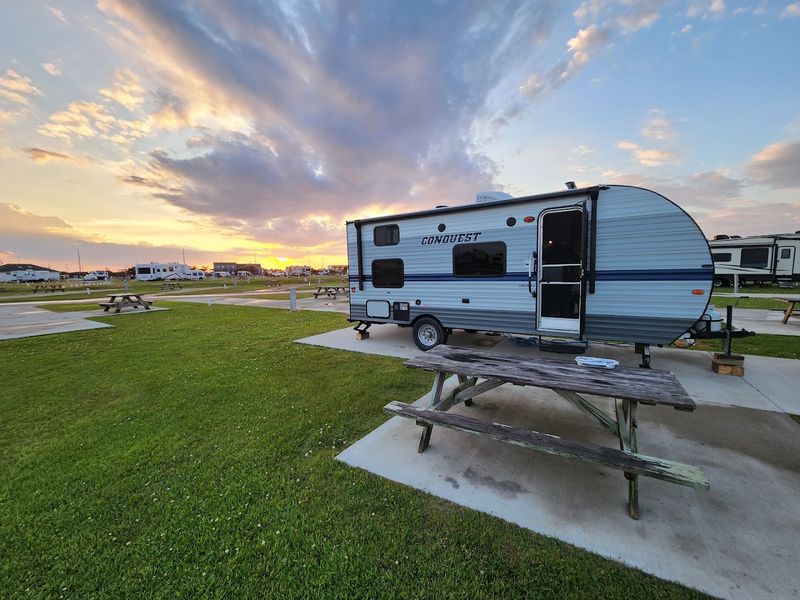
Sitting on a narrow strip of land with the Atlantic on one side and Pamlico Sound on the other, Camp Hatteras might have the most dramatic geography of any campground on this list. Guests can literally watch the sunrise over the ocean and the sunset over the sound without moving the camp chair very far.
That kind of scenery tends to make a strong first impression.
The resort offers spacious RV sites with full hookups, along with cabins for those who prefer a roof overhead. Amenities include swimming pools, a private beach, tennis courts, and a marina, making it a comfortable destination for families who want outdoor adventure with a few creature comforts included.
The surrounding Outer Banks landscape softens the resort feel considerably.
Windsurfers and kiteboaders flock to the Pamlico Sound side, where steady winds create some of the best conditions on the East Coast. Fishing from the beach or nearby piers keeps anglers occupied throughout the day.
The villages of Waves and Salvo are small and quiet, a refreshing contrast to the busier northern sections of Hatteras Island. Camp Hatteras strikes a balance between well-equipped resort and genuine coastal escape that is genuinely hard to find elsewhere.
Holden Beach RV Campground — Supply
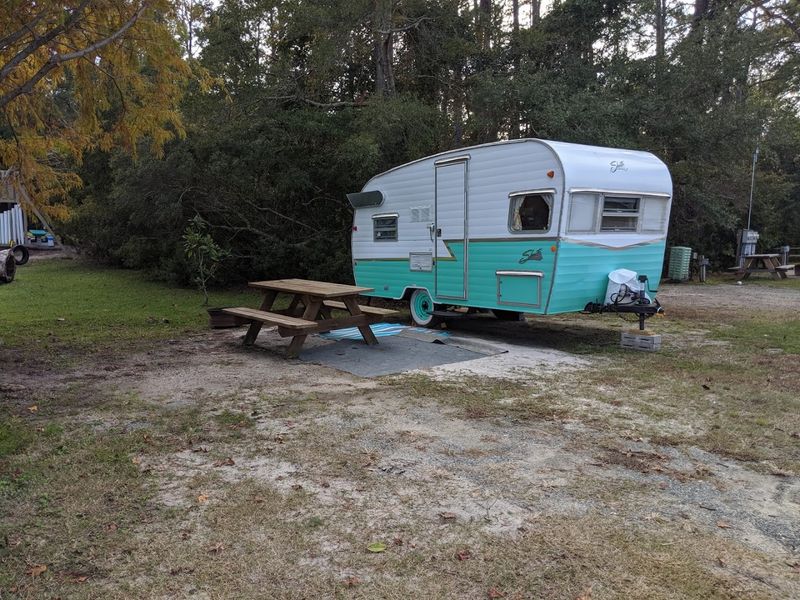
Holden Beach consistently ranks among North Carolina’s quietest and most family-friendly barrier islands, and the campground just minutes away matches that easygoing reputation perfectly. Holden Beach RV Campground in Supply provides a peaceful base for exploring a stretch of coastline that has somehow stayed off the radar of the big resort crowds.
That’s a genuine compliment in a state full of popular beach destinations.
Kayaking and paddleboarding on the Intracoastal Waterway are favorite activities for campers who want to get on the water without fighting ocean surf. The beach itself offers wide, clean sand and water warm enough for swimming through most of the summer season.
Beachcombing here turns up shells, sand dollars, and the occasional surprise washed in by the tides.
The campground caters primarily to RV travelers with full hookup sites, though the surrounding area has options for those seeking different accommodations. Nearby Holden Beach town has grocery stores, seafood restaurants, and local shops that cover the basics without any fuss.
Fishing off the beach or the island bridge is a popular evening ritual. Campers who discover Holden Beach tend to return year after year, quietly grateful that the secret hasn’t spread too widely just yet.
Brunswick Beaches Campground — Sunset Beach
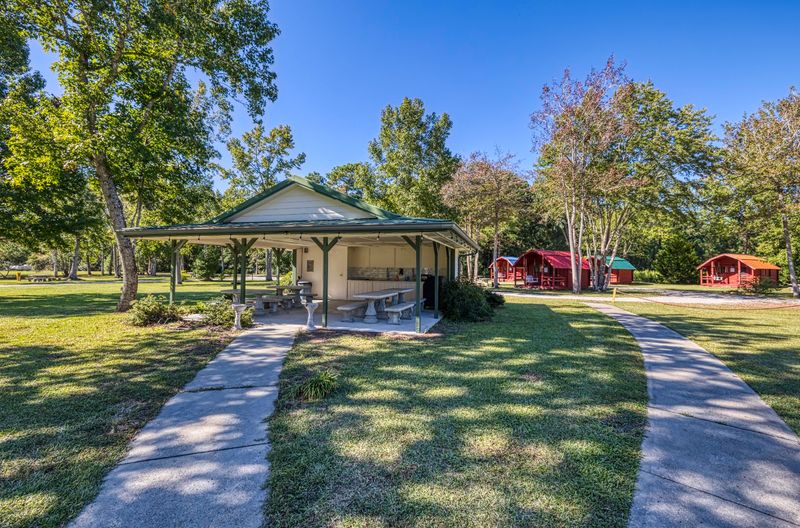
Brunswick County beaches have a reputation for being gentler and less commercial than their northern counterparts, and Brunswick Beaches Campground fits right into that laid-back coastal culture. Positioned near both Sunset Beach and Ocean Isle Beach, this campground gives visitors two excellent stretches of shoreline within easy driving distance.
Neither beach is the type to show up on a crowded summer weekend postcard.
Sunset Beach in particular is beloved for its calm waters and wide sandy shore, making it a favorite among families with young children and anyone who simply wants to read a book without being interrupted by jet skis. The campground itself offers modern amenities including full hookups, clean restrooms, and a friendly atmosphere that regulars clearly appreciate.
Golf enthusiasts will find dozens of courses within a short drive, and seafood restaurants in the area serve fresh catches that make dinner feel like a genuine event. Ocean Isle Beach adds variety with its own shops and activities just a few miles away.
The campground’s location near the South Carolina border also makes it convenient for travelers exploring the greater Brunswick coast. It’s a practical, comfortable, and genuinely enjoyable base camp for a slower style of coastal vacation.
Coastal Carolina Campground — Beaufort
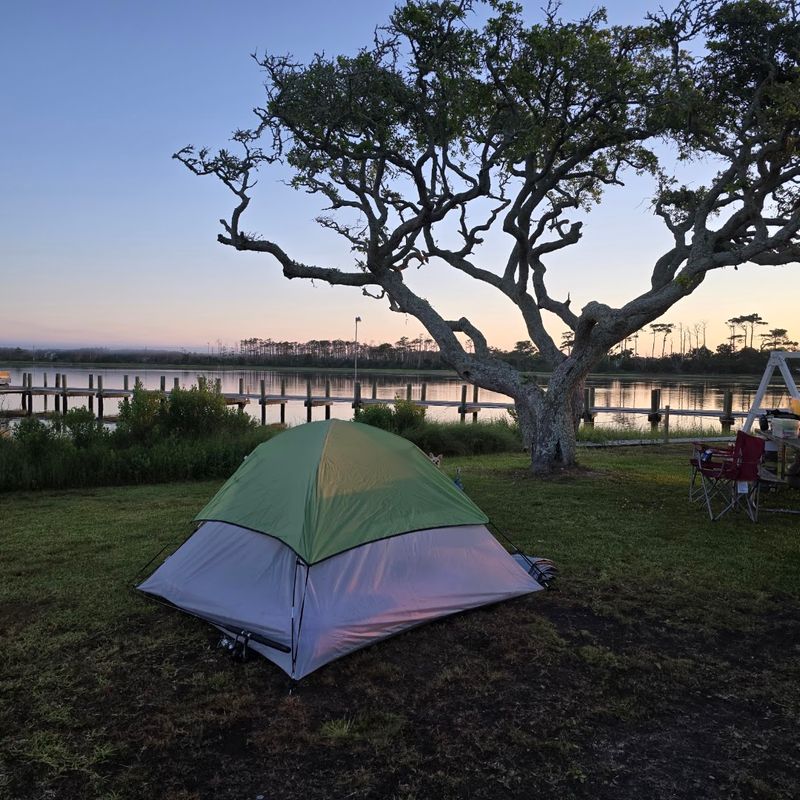
Historic Beaufort has a way of making visitors feel like they’ve stumbled into a coastal town that time politely decided to leave mostly alone. Coastal Carolina Campground sits just outside this charming waterfront community, offering easy access to the Crystal Coast, Cape Lookout ferry services, and the remarkable Rachel Carson Reserve across Taylor’s Creek.
The combination of history, wildlife, and water is hard to beat.
The Rachel Carson Reserve protects a network of marshes and tidal flats where wild horses roam freely and shorebirds gather in impressive numbers. Ferry rides to Cape Lookout depart regularly from Beaufort’s waterfront, making day trips to the national seashore genuinely convenient.
Downtown Beaufort itself is walkable and packed with good restaurants, maritime museums, and waterfront views worth lingering over.
The campground accommodates RVs and offers amenities that make extended stays comfortable without feeling overdeveloped. The surrounding Crystal Coast area includes Atlantic Beach, Emerald Isle, and Shackleford Banks, giving campers a wide range of coastal experiences to choose from over the course of a visit.
Dolphin sightings in Taylor’s Creek are common enough that locals barely mention them. For a campground that doubles as a gateway to so much coastal richness, Beaufort’s location is genuinely exceptional.
Sands of Time Campground — Avon
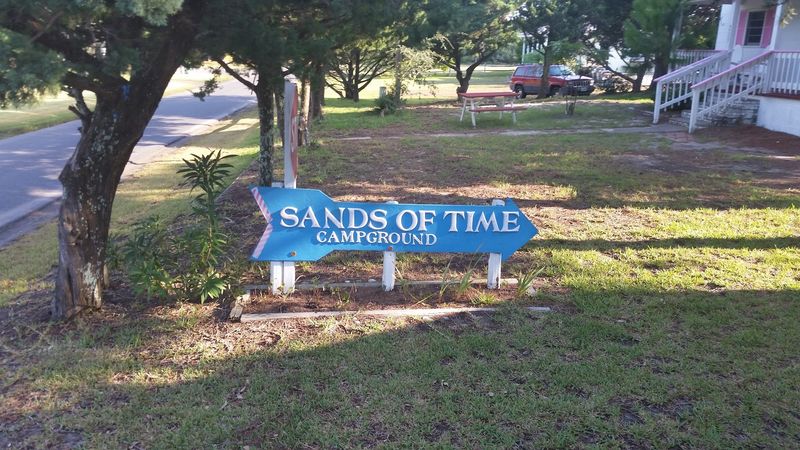
Word travels slowly about Sands of Time Campground, and the regulars who return each season seem perfectly happy keeping it that way. Located in Avon near the middle of Hatteras Island, this small campground has earned a loyal following among campers who want beach access without booking into a massive resort operation.
The ocean is within easy walking distance, and that proximity shapes everything about the experience.
Avon itself is one of the more complete villages on Hatteras Island, with grocery stores, restaurants, surf shops, and a hardware store for any forgotten supplies. The beach here offers excellent conditions for surfing, and the nearby Canadian Hole on Pamlico Sound is world-famous among windsurfers and kiteboaders.
Fishing from the beach is productive year-round.
The campground keeps things simple with basic amenities and a calm, no-frills atmosphere that encourages guests to spend time outside rather than inside. Sites work for both tents and smaller RVs.
Hatteras Village and its ferry to Ocracoke Island are a short drive south, adding a natural excursion to any stay. Campers who appreciate a quiet home base with genuine character and easy ocean access tend to find Sands of Time exactly what they were looking for.
Oyster Point Campground — Croatan National Forest
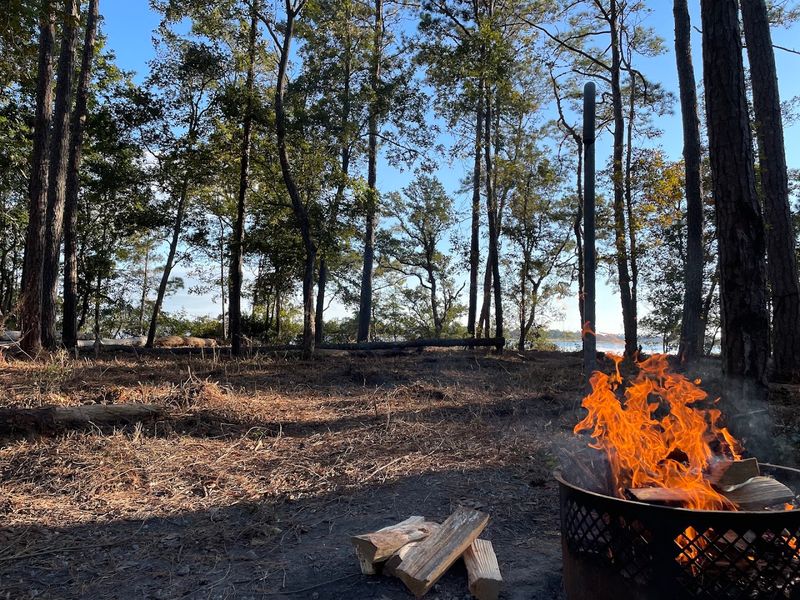
Hidden beneath a canopy of tall loblolly pines, Oyster Point Campground is the kind of place that feels like a genuine secret even when you’re standing right in the middle of it. Located in Croatan National Forest near the Intracoastal Waterway, this primitive campground attracts boaters, hikers, paddlers, and anglers who prefer their coastal experience without a pool or a camp store nearby.
The quiet here is a feature, not a flaw.
The Neusiok Trail, one of North Carolina’s most scenic backcountry routes, passes through the national forest and provides hikers with miles of varied terrain through pine savannas, pocosins, and coastal wetlands. Waterway access from the campground makes it easy to launch a kayak and spend a morning exploring the surrounding tidal creeks and marshes.
Fishing from the bank is simple and consistently rewarding.
Amenities are minimal by design, with vault toilets and fire rings covering the basics. The primitive setup keeps crowds thin and the atmosphere genuinely peaceful.
Nearby New Bern and Morehead City provide supply options for campers who need to restock before settling in. Oyster Point suits travelers who measure a successful camping trip by how long they can go without checking their phone rather than by how many amenities they can access.
Long Point Cabin Camp — Cape Lookout National Seashore
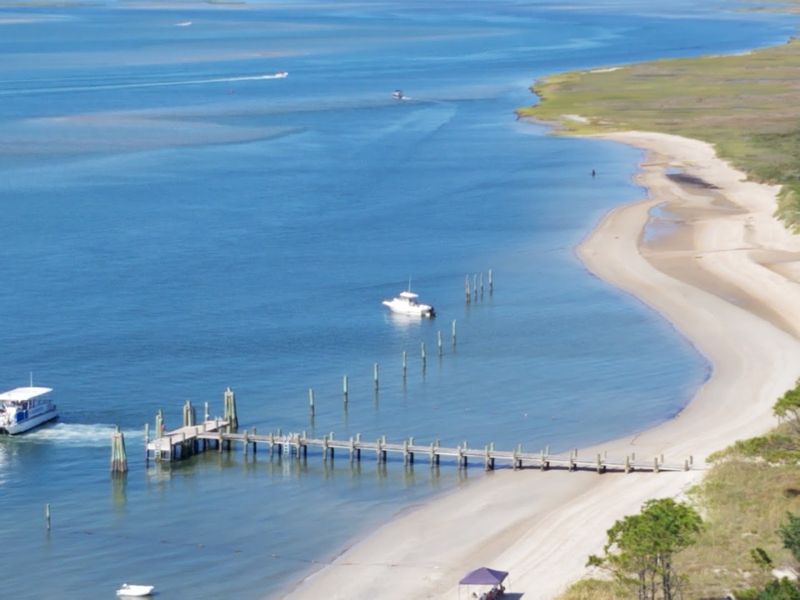
Arriving at Long Point by boat, with salt marsh stretching in every direction and dolphins surfacing nearby, sets a tone that no hotel check-in could ever replicate. Long Point Cabin Camp within Cape Lookout National Seashore offers rustic cabin accommodations on the Rachel Carson Reserve, accessible only by boat from Beaufort’s waterfront.
The remoteness is deliberate and deeply satisfying.
Cabins are basic but functional, providing shelter without disconnecting guests from the surrounding natural environment. Shorebirds gather in extraordinary numbers along the tidal flats, and the marsh itself shifts color throughout the day as light changes.
Bottlenose dolphins appear regularly in the surrounding waters, often close enough to watch from the cabin porch without binoculars.
Sunsets over the sound from Long Point have the kind of slow, saturated beauty that makes people put down their cameras and simply watch. Wild horses from Shackleford Banks sometimes swim across to the reserve, which is the sort of wildlife encounter that people retell for years.
Kayaking through the surrounding marshes reveals an ecosystem that feels completely untouched by modern development. Reservations for Long Point cabins are limited and fill quickly, so planning ahead is essential.
For a coastal camping experience defined by wildlife and genuine solitude, Long Point is extraordinary.
Portsmouth Island Camping Area — Portsmouth Island
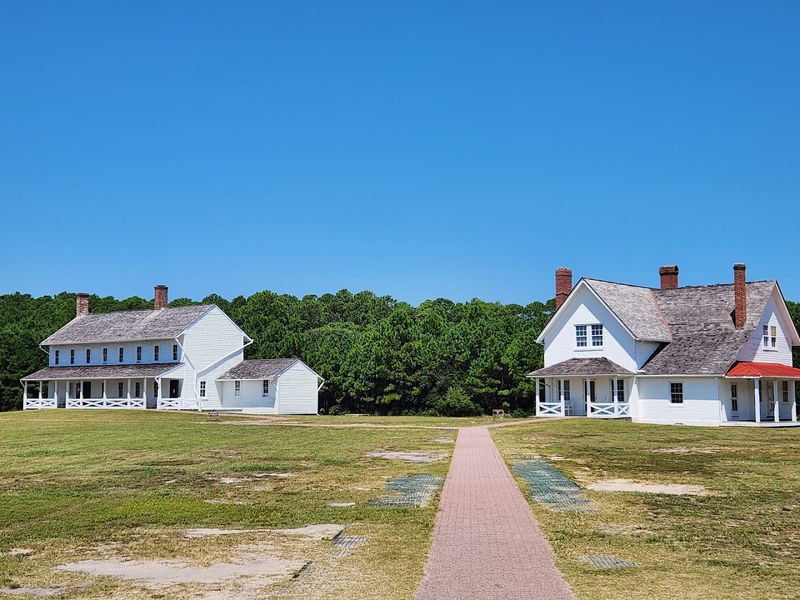
Portsmouth Island might be the most gloriously empty place you can legally camp on the entire Atlantic Coast. Reachable only by private boat or a small ferry from Ocracoke, this undeveloped barrier island has no paved roads, no electricity, no stores, and no crowds to navigate.
What it does have is miles of pristine beach, wild horses, and an abandoned 18th-century village that gives the whole place a quiet, haunting beauty.
Portsmouth Village was once a thriving port community and the largest town on the Outer Banks. By 1971, its last two residents had left, and the National Park Service now maintains the historic buildings as a preserved ghost town.
Walking through the empty structures on a clear morning, with nothing but wind and birdsong for company, is a genuinely unforgettable experience.
Primitive camping means bringing everything you need, including fresh water, since none is available on the island. Campers who come prepared are rewarded with fishing, shelling, swimming, and wildlife encounters that feel completely unscripted.
Wild horses wander through camp with casual confidence, entirely unbothered by human presence. Portsmouth Island demands effort and planning, but it returns that investment with a level of solitude and natural beauty that most coastal campgrounds can only approximate.
Share this story