Some mountains are tall. Others are wild, remote, and almost impossible to reach.
Around the world, certain countries are home to mountain landscapes so dramatic they seem almost unreal, with jagged peaks scraping the sky, glaciers carving through valleys, and terrain that challenges even the most experienced explorers. From the soaring Himalayas to the windswept Andes and the fjord-carved ranges of Norway, these 15 countries offer some of the most breathtaking and extreme mountain scenery on Earth.
1. Nepal
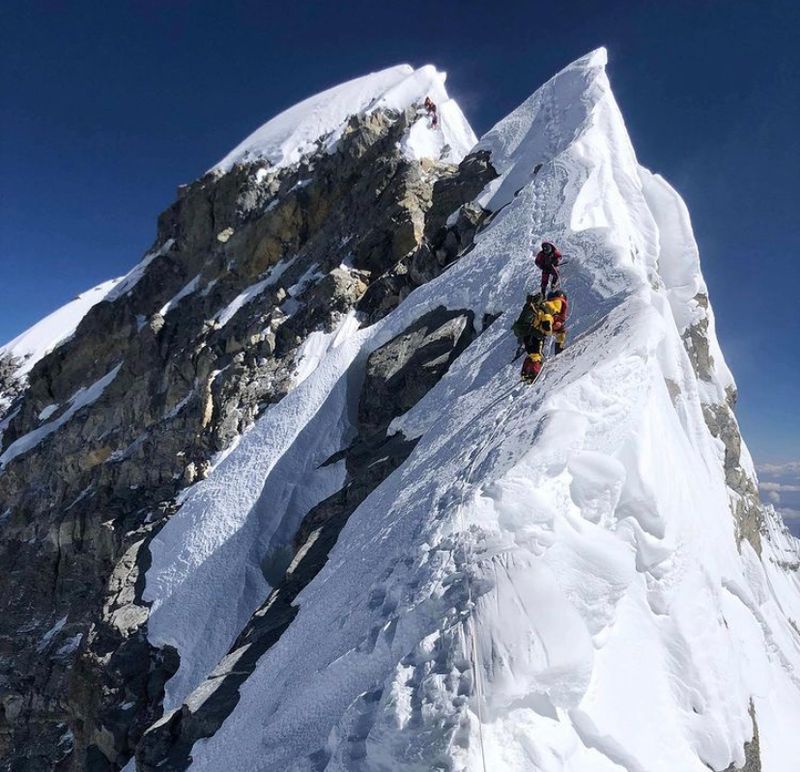
Standing at the roof of the world, Nepal is in a league of its own when it comes to mountain extremes. Mount Everest, the tallest peak on Earth at 29,032 feet, calls this country home.
So do seven other of the world’s 14 highest summits, including Kanchenjunga, Lhotse, and Makalu.
The Himalayas here are not just tall, they are genuinely awe-inspiring. Deadly icefalls, crumbling seracs, and avalanche-prone ridges make climbing these peaks a serious challenge.
Yet every year, thousands of trekkers and climbers from around the globe travel to Nepal for the experience.
Beyond the summits, the valleys are equally striking. Deep gorges, glacial rivers, and ancient monasteries perched on cliffsides paint a picture unlike anywhere else.
Nepal’s mountain landscape is both humbling and unforgettable, a place where nature truly sets the rules.
2. Pakistan
If Nepal owns the world’s highest peak, Pakistan is home to perhaps the most feared one. K2, rising 28,251 feet in the Karakoram Range, has earned a brutal reputation as the hardest major mountain to climb.
Its steep, unpredictable ridges and fierce weather have turned back even the most seasoned mountaineers.
The Karakoram is one of the most concentrated collections of high peaks on the planet. Pakistan also contains five of the world’s 14 eight-thousanders, more than almost any other country.
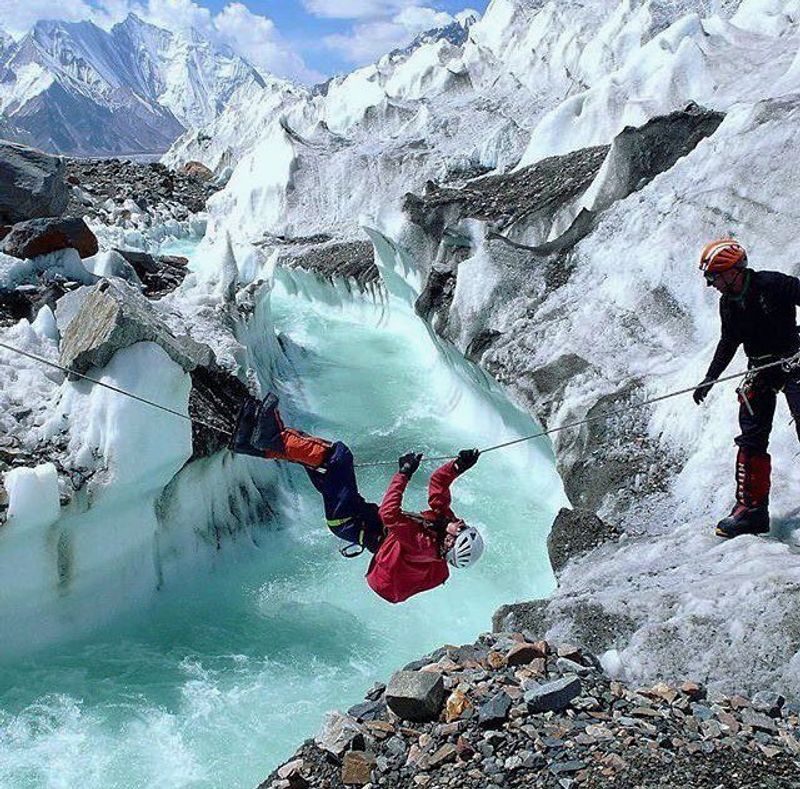
The Baltoro Glacier, stretching over 39 miles, is one of the longest glaciers outside the polar regions.
Getting to these mountains is itself an adventure. Remote valleys, narrow mountain roads, and extreme altitudes make travel here genuinely difficult.
But for those who make the journey, Pakistan’s mountain landscapes deliver raw, unfiltered wilderness at its absolute finest.
3. India
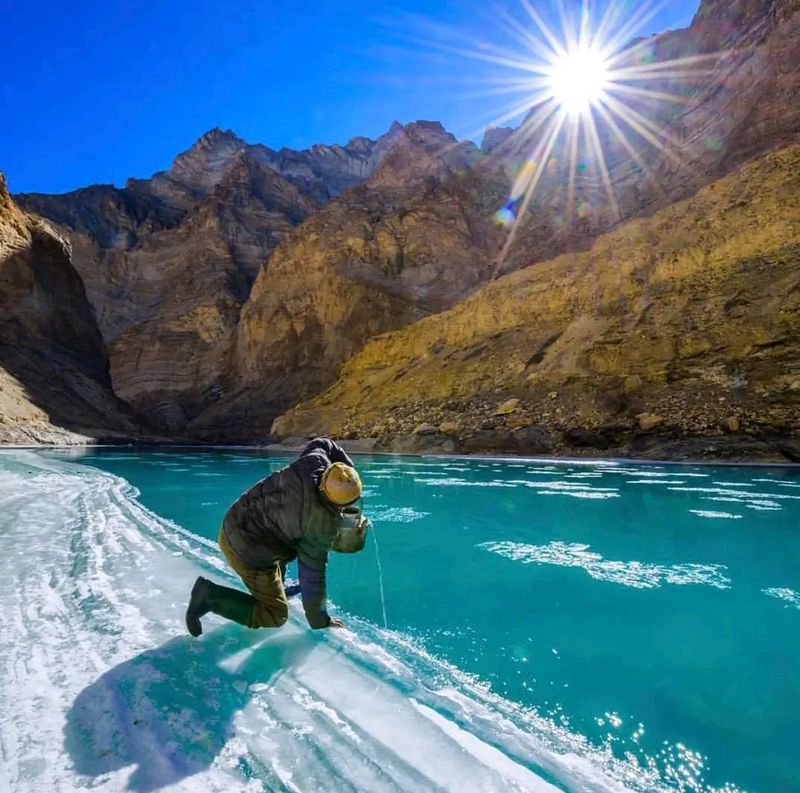
Northern India holds some of the most varied mountain terrain on Earth. The Himalayas dominate the north, but it is the regions of Ladakh and Himachal Pradesh that truly showcase nature’s extremes.
Ladakh, often called the Land of High Passes, sits at an average elevation above 11,000 feet.
The landscape there is almost otherworldly. Bare, rust-colored mountains rise sharply above wide valleys carved by glacier-fed rivers.
Snowfall can arrive in any month, and temperatures in winter regularly plunge well below freezing. Despite the harsh conditions, communities have thrived here for centuries.
Himachal Pradesh offers a different kind of drama, with dense forests giving way to sharp alpine ridges and roaring rivers. The Spiti Valley, often described as a cold desert, is one of India’s most remote and visually striking corners.
India’s mountain regions reward those willing to seek them out.
4. China
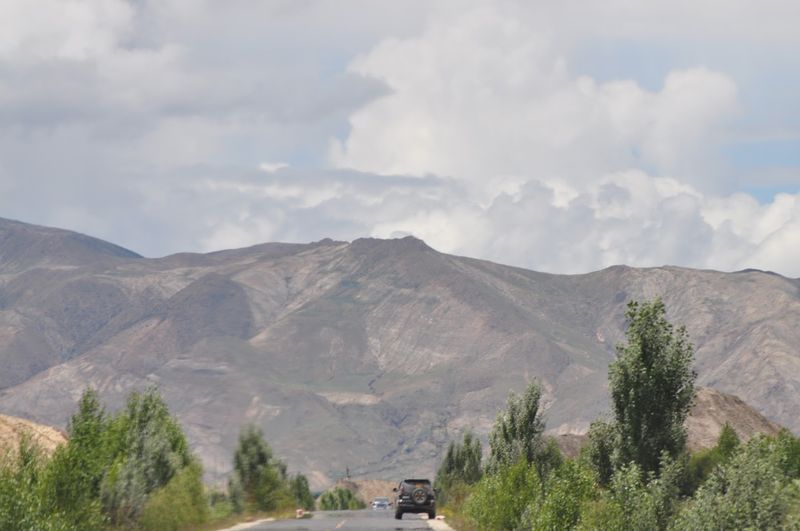
China’s mountain geography is staggering in scale. The Tibetan Plateau, sometimes called the Roof of the World, covers more than 965,000 square miles at an average elevation of over 14,000 feet.
No other plateau on Earth comes close to matching its size or altitude.
The Himalayas form China’s southwestern border, while the Karakoram and Kunlun ranges stretch across the west. Together, these ranges create a vast, remote highland that shapes weather patterns across all of Asia.
Several of the world’s great rivers, including the Yangtze and Yellow River, begin here.
Visiting China’s mountain regions means experiencing landscapes that feel ancient and untouched. Tibetan monasteries cling to cliffsides, yaks roam wide open plateaus, and glaciers reflect the sunlight in brilliant blue.
China’s mountain terrain is not just extreme in elevation, it is extreme in every sense of the word.
5. Bhutan
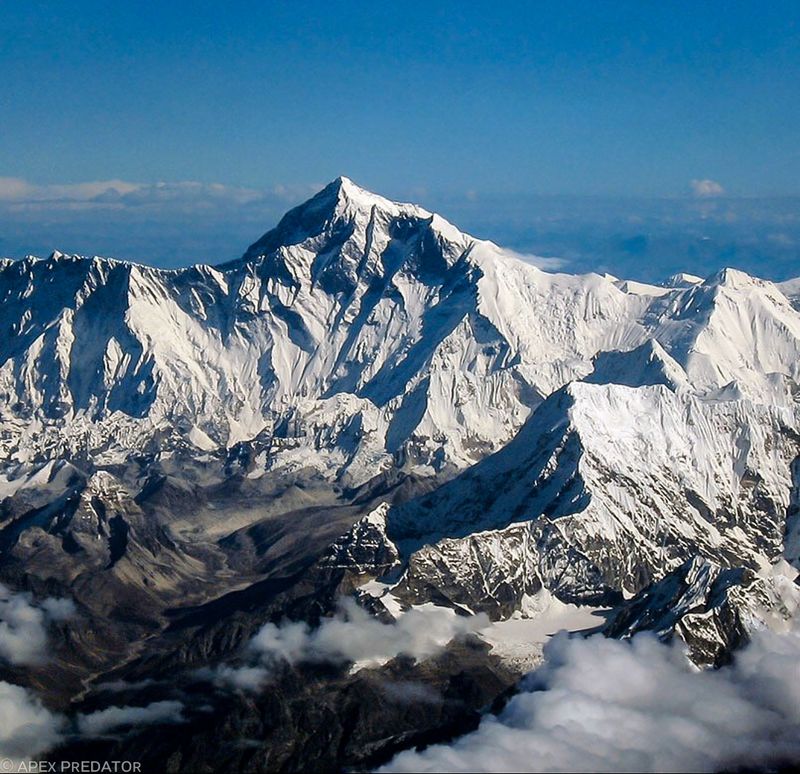
Tucked between India and China, Bhutan is one of the most unusual mountain kingdoms on Earth. The country’s highest peak, Gangkhar Puensum, stands at 24,836 feet and holds a remarkable distinction: it is the highest unclimbed mountain in the world.
Bhutan has banned climbing on its sacred peaks out of deep cultural and spiritual respect.
That decision says a lot about how Bhutan approaches its mountains. They are not just scenery here; they are considered sacred spaces, home to protective spirits and ancient deities.
The government has intentionally limited tourism to preserve both the environment and the culture.
Valleys in Bhutan are breathtakingly green, carved deep between towering ridges. Rivers rush through dense forests, and remote villages maintain traditions that have changed little over centuries.
For anyone seeking mountain landscapes that feel genuinely untouched by modern life, Bhutan is in a category all its own.
6. Peru
Peru’s Andes are not just tall; they are extraordinarily dramatic. The Cordillera Blanca, the world’s highest tropical mountain range, runs through central Peru and contains over 30 peaks above 19,000 feet.
Huascaran, the country’s highest summit, soars to 22,205 feet and is surrounded by glaciers that glow brilliant white against deep blue skies.
The landscape changes rapidly as you move through the Andes. Sharp, icy ridges give way to cloud forests, then dry valleys, then deep canyons.
The Colca Canyon, one of the world’s deepest, cuts through the southern Andes with walls that plunge over 10,000 feet.
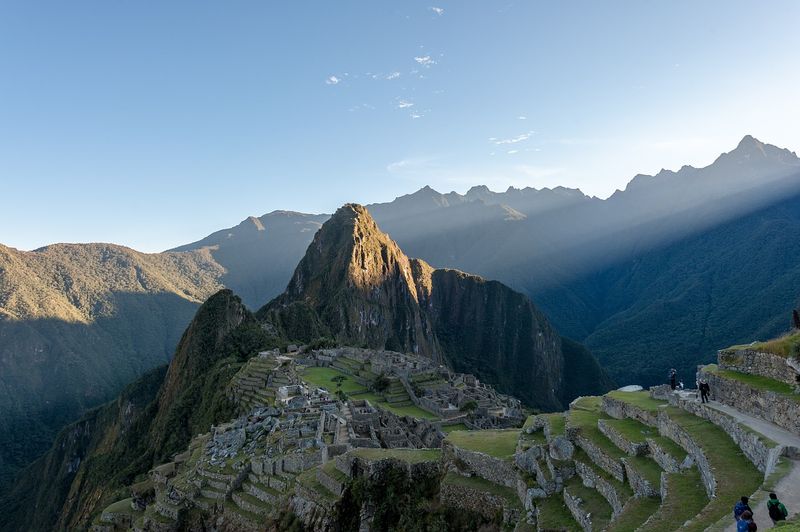
Machu Picchu sits at the center of Peru’s mountain identity, an ancient Inca city balanced on a narrow ridge above a river gorge. The combination of extreme terrain and extraordinary history makes Peru’s mountain landscapes some of the most compelling anywhere on the planet.
7. Chile
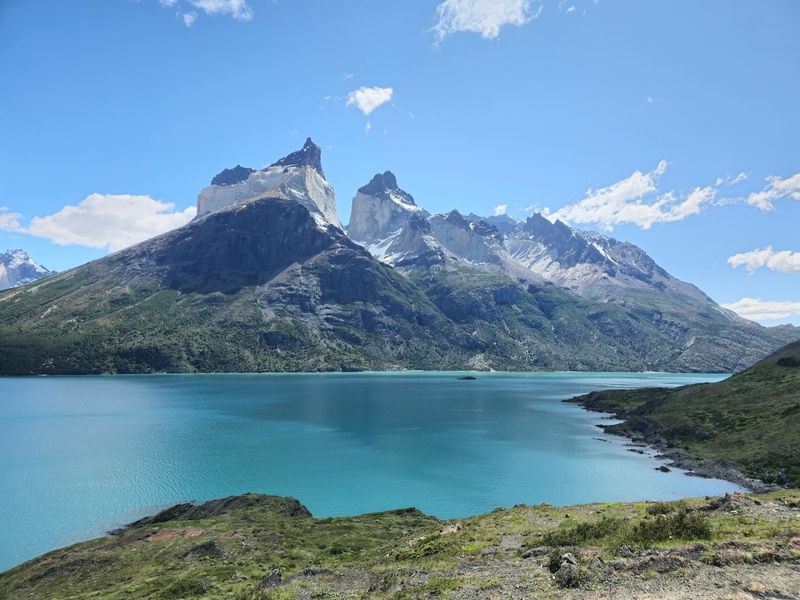
Chile stretches nearly 2,700 miles from north to south, and the Andes run the entire length of the country like a rugged spine. That geography means Chile contains an incredible variety of mountain landscapes, from high-altitude volcanoes in the Atacama Desert to the wild spires of Patagonia in the far south.
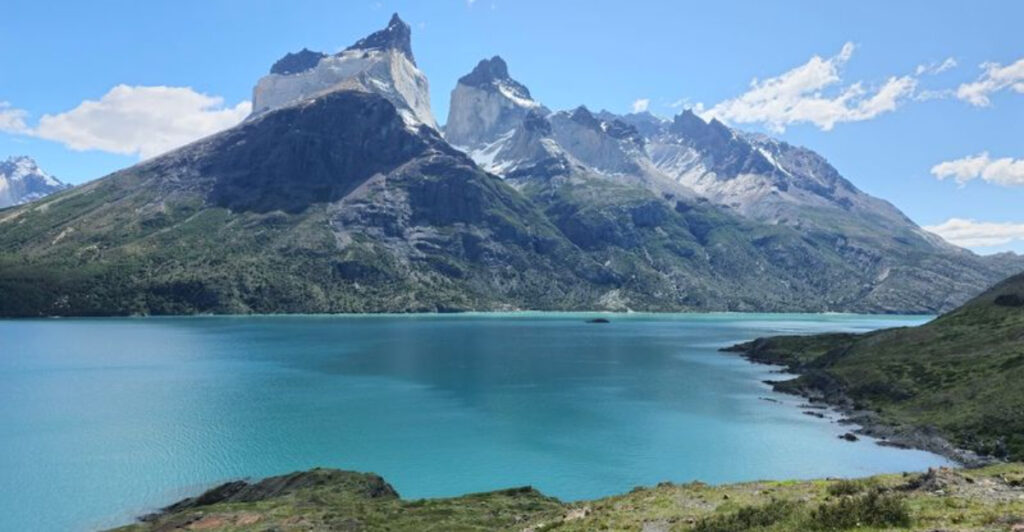
Torres del Paine National Park has become one of the world’s most photographed mountain destinations. The granite towers there rise sharply from the plains, surrounded by glacial lakes in impossible shades of blue and green.
Fierce Patagonian winds make the area feel genuinely untamed.
Further north, active volcanoes dot the Andes, some still releasing smoke and ash. Chile has over 90 active volcanoes, the second-highest number of any country.
Whether you are looking at a towering ice field or a volcanic crater, Chile’s mountain scenery consistently delivers something unforgettable and extreme.
8. Argentina
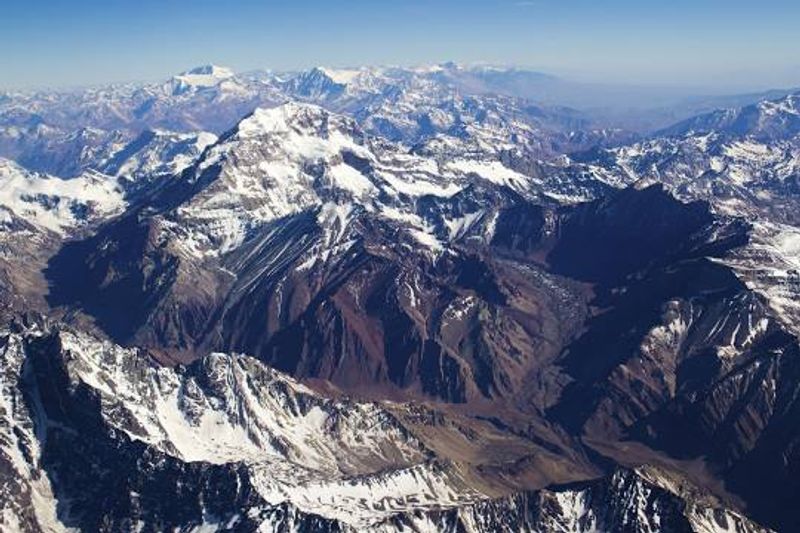
Argentina punches well above its weight in mountain extremes. Aconcagua, rising 22,838 feet above sea level, is the tallest peak in the Western Hemisphere and the highest mountain outside Asia.
Sitting in the Mendoza Province near the Chilean border, it dominates the surrounding landscape in a way that is hard to describe until you see it in person.
Climbing Aconcagua is a serious undertaking. The mountain’s notorious south face is one of the most technically demanding walls in the Andes, while even the standard route requires acclimatization over several weeks.
High winds, altitude sickness, and sub-zero temperatures turn back many who attempt the summit.
Beyond Aconcagua, Argentina’s Patagonian region offers massive glaciers, windswept steppe, and dramatic peaks in Los Glaciares National Park. Perito Moreno Glacier alone is a jaw-dropping spectacle.
Argentina’s mountain terrain is massive, wild, and endlessly rewarding for those willing to explore it.
9. Switzerland
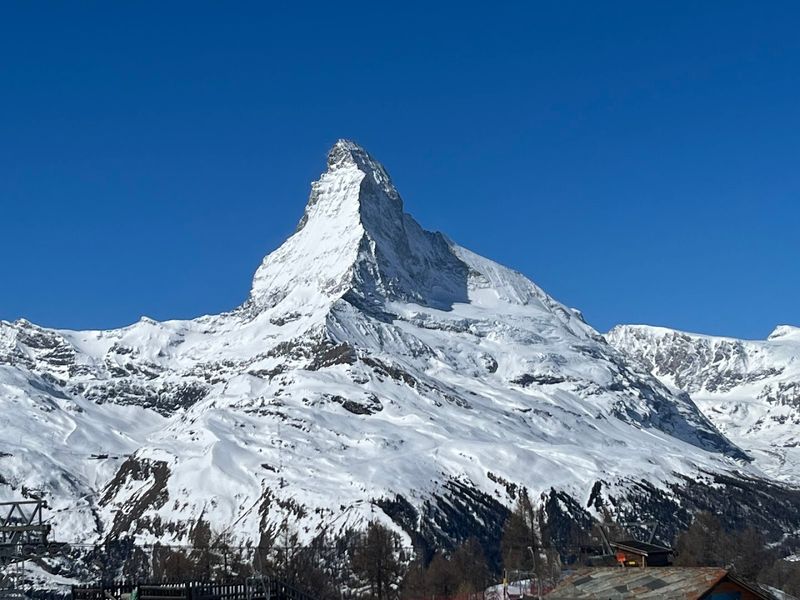
Switzerland may be small, but its mountains have shaped global culture in ways few places can match. The Swiss Alps helped define what modern mountaineering looks like.
The first recorded ascent of the Matterhorn in 1865 became one of history’s most famous climbs, ending in both triumph and tragedy, and it sparked worldwide fascination with high-altitude adventure.
The Eiger’s notorious North Face, known in German as the Nordwand and grimly nicknamed the Mordwand (murder wall), is one of climbing’s most iconic and dangerous routes. The Bernese Oberland, the Valais, and the Engadine each offer their own brand of dramatic alpine scenery.
Switzerland also made mountains accessible to the general public. Its network of cog railways, cable cars, and mountain trails means you can reach extraordinary heights without technical gear.
That combination of extreme terrain and practical access makes Switzerland a unique and beloved mountain destination worldwide.
10. New Zealand
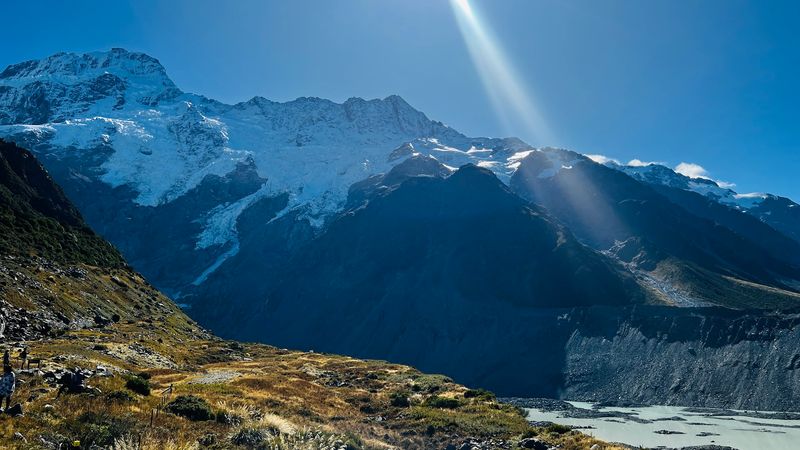
New Zealand’s Southern Alps run the length of the South Island like a jagged spine, creating some of the Southern Hemisphere’s most spectacular and extreme mountain scenery. Aoraki/Mount Cook, the country’s highest peak at 12,218 feet, towers above glaciers that flow almost to sea level, an unusual and striking feature.
The Fox and Franz Josef Glaciers are among the most accessible in the world, descending from high alpine zones into rainforest-covered valleys. The contrast between icy peaks and lush green lowlands is genuinely dramatic and unusual.
New Zealand’s mountains also experience some of the most rapidly changing weather on Earth.
Storms roll in off the Tasman Sea with little warning, turning clear skies into whiteouts within hours. That unpredictability adds to the wild character of the landscape.
New Zealand’s mountains feel alive and constantly in motion, making every visit feel different from the last.
11. Canada
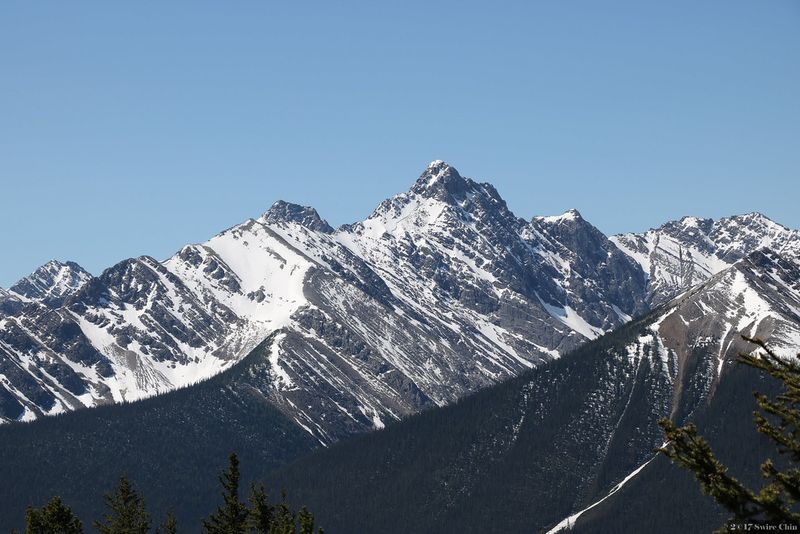
Canada’s Rocky Mountains are the kind of landscape that stops you in your tracks. Stretching across Alberta and British Columbia, the Canadian Rockies contain some of North America’s most dramatic scenery, with icy summits, turquoise glacial lakes, and vast wilderness that feels genuinely untouched.
Lake Louise and Moraine Lake have become iconic images of the Canadian Rockies, but the region offers far more than postcard views. The Columbia Icefield, one of the largest ice masses in North America south of the Arctic, sits at the heart of the range and feeds multiple major river systems.
Further north, the St. Elias Mountains in Yukon and Alaska contain some of the continent’s most extreme terrain, including Mount Logan, Canada’s highest peak at 19,551 feet and the second-highest in North America. Canada’s mountain landscapes combine raw beauty with genuine wilderness on a scale that few countries can match.
12. United States
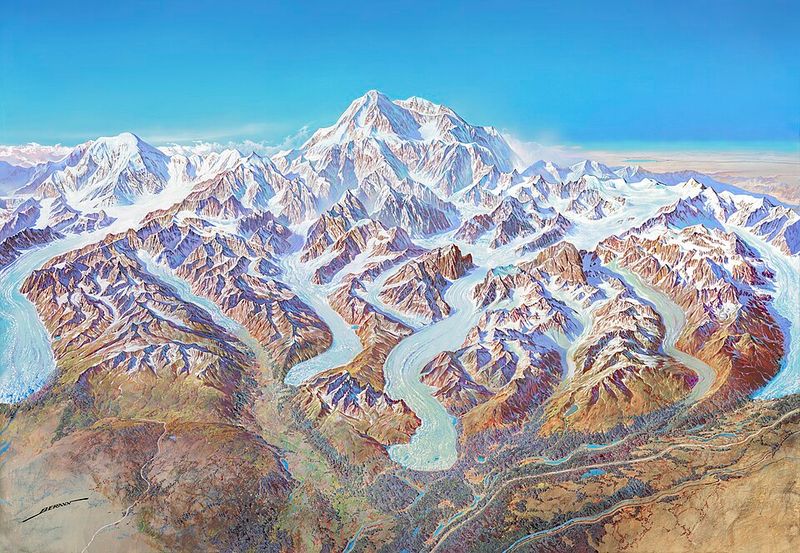
Few countries can match the sheer variety of mountain landscapes found in the United States. Denali in Alaska stands at 20,310 feet, making it the tallest peak in North America.
Its extreme subarctic conditions, massive glaciers, and remote location make it one of the world’s most challenging climbs despite its relatively modest height compared to Himalayan giants.
The Rocky Mountains stretch from New Mexico all the way through Colorado, Wyoming, and Montana, offering everything from fourteeners beloved by weekend hikers to remote wilderness ranges rarely visited. Colorado alone has 58 peaks above 14,000 feet.
California’s Sierra Nevada adds yet another chapter, with dramatic granite walls in Yosemite and the jagged peaks of the High Sierra. Each region has its own distinct character and appeal.
The United States is remarkable in that its mountain landscapes span arctic tundra, desert ranges, and temperate forests all within one country.
13. Georgia
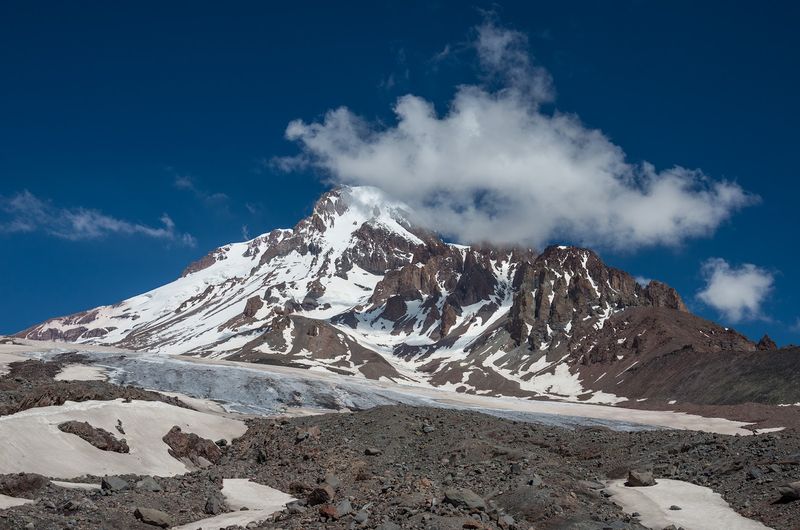
Georgia sits at the crossroads of Europe and Asia, and its Caucasus Mountains reflect that unique position. The Greater Caucasus range forms Georgia’s northern border and contains some of Europe’s highest and most dramatic peaks, including Mount Shkhara at 17,040 feet, which rivals the Alps in both height and ruggedness.
What makes Georgia’s mountain regions especially captivating is the human history woven into the landscape. Medieval defensive towers built by mountain communities centuries ago still stand in remote valleys like Svaneti and Kazbegi.
These stone structures, some over a thousand years old, rise beside glaciers and alpine meadows.
Georgia’s mountains are still relatively undiscovered by mainstream tourism, which adds to their appeal. Trails here pass through ancient villages where traditional ways of life remain largely intact.
The combination of extreme alpine terrain and deep cultural heritage makes Georgia one of Europe’s most surprising and rewarding mountain destinations.
14. Kyrgyzstan
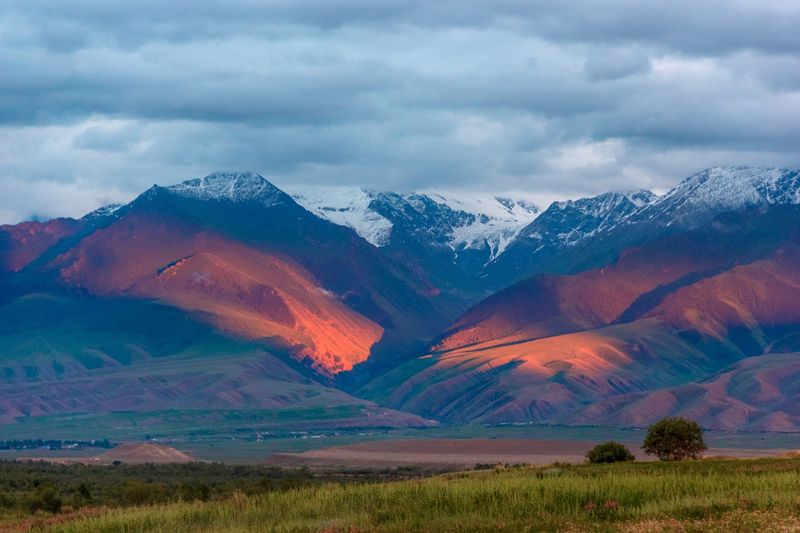
Kyrgyzstan is one of the world’s most mountain-dominated countries. About 90 percent of its territory is covered by mountains, primarily the Tian Shan range, which translates to Mountains of Heaven in Chinese.
Peaks here regularly exceed 22,000 feet, and the landscape is defined by high-altitude valleys, glacial lakes, and sweeping wilderness with almost no development.
Issyk-Kul, one of the world’s largest alpine lakes, sits at over 5,000 feet elevation and never freezes despite its high altitude. Surrounding peaks create a dramatic backdrop that draws trekkers from across the globe.
The region is also home to the famous Peak Lenin at 23,406 feet, one of the most accessible seven-thousanders in the world.
Nomadic culture is still alive in Kyrgyzstan’s mountain regions. Shepherds move their herds to high pastures each summer, setting up traditional yurts in valleys that see very few outsiders.
Few countries offer this combination of extreme mountain terrain and living traditional culture.
15. Norway
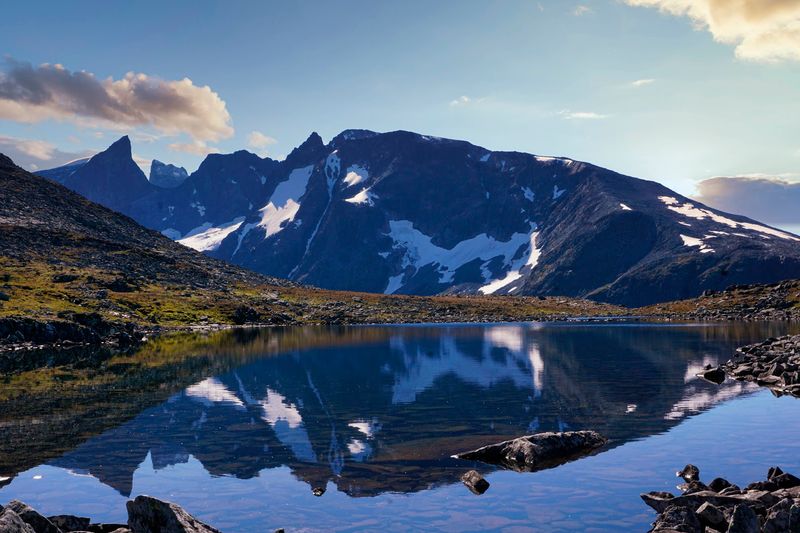
Norway’s mountains do something no other range on Earth quite replicates: they rise almost straight up from the sea. The fjords carved by ancient glaciers created walls of rock that plunge from towering summits directly into deep, dark saltwater.
Standing at the edge of Geirangerfjord or Nærøyfjord, you get the sense that the land itself is vertical.
The Jotunheimen range in central Norway contains the country’s highest peaks, including Galdhopiggen at 8,100 feet, which is the tallest mountain in Northern Europe. While modest by Himalayan standards, these peaks feel enormous because they rise so abruptly from sea level with almost no gradual approach.
In winter, Norway’s mountains transform into a snow-covered world of extraordinary beauty, lit by the northern lights on clear nights. In summer, the midnight sun casts a golden glow over glaciers and waterfalls.
Norway’s mountain landscape is extreme not just in terrain but in atmosphere and feeling.
Share this story