Ever wonder where your paycheck would vanish faster than ice cream on a summer day? Some countries make your wallet weep just thinking about groceries, rent, or a simple cup of coffee.
From alpine peaks to tropical islands, these nations share one thing in common: living there costs a small fortune. Whether it’s sky-high taxes, import fees, or just plain old expensive everything, these destinations top the charts for draining bank accounts worldwide.
1. Switzerland
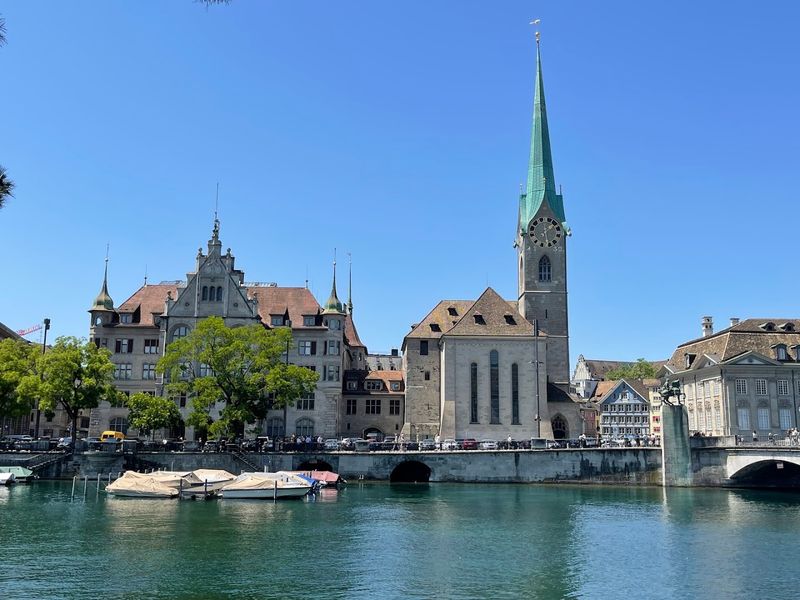
I once paid twelve dollars for a sandwich in Zurich, and it wasn’t even that good. Switzerland consistently ranks as the world’s most expensive country, where even locals joke about needing a second mortgage for cheese.
The combination of high wages, strong currency, and premium quality standards creates a perfect storm of pricey living.
Rent alone can consume half your monthly income in cities like Geneva or Bern. A one-bedroom apartment easily costs over two thousand dollars monthly.
Groceries follow suit, with basic items costing double or triple what you’d pay elsewhere.
Healthcare and insurance are mandatory and expensive, though admittedly top-notch. Dining out feels like a luxury reserved for special occasions.
Even public transportation, despite being excellent, comes with premium pricing that reflects the Swiss commitment to quality over affordability.
2. Iceland
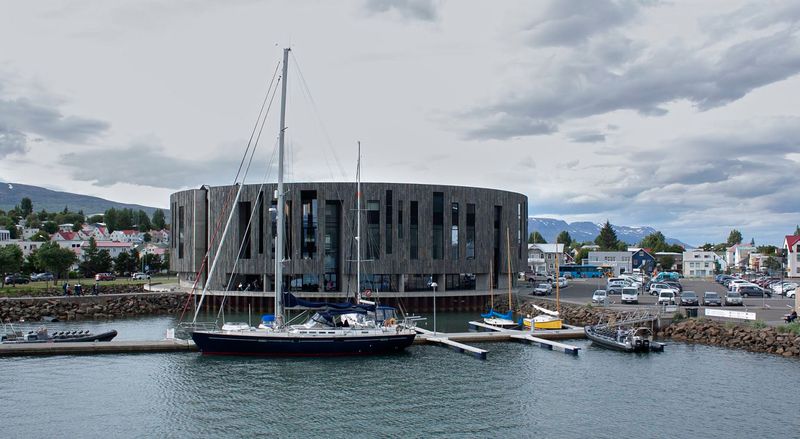
Volcanic landscapes come with volcanic prices in this Nordic island nation. Iceland’s remote location means almost everything gets imported, and those shipping costs get passed directly to consumers.
Fresh produce costs a fortune because growing anything in this climate requires expensive greenhouse operations.
Housing prices in Reykjavik have skyrocketed alongside tourism growth. Young Icelanders struggle to afford homes in their own capital city.
A beer at a bar can set you back fifteen dollars, making happy hour decidedly unhappy for your budget.
Energy costs stay surprisingly reasonable thanks to geothermal power, providing one silver lining. Restaurant meals frequently exceed thirty dollars per person for basic fare.
Even locals shop strategically, stocking up when sales appear, because regular prices make everyday shopping feel like highway robbery without the highway.
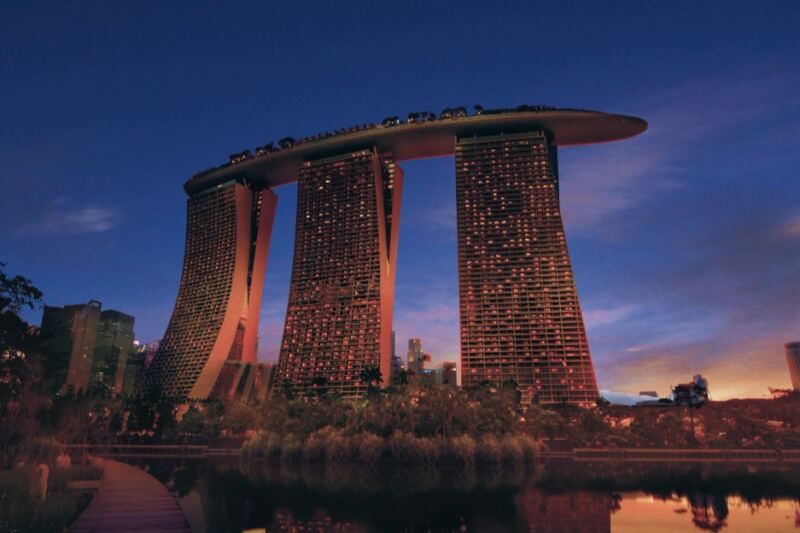
3. Singapore
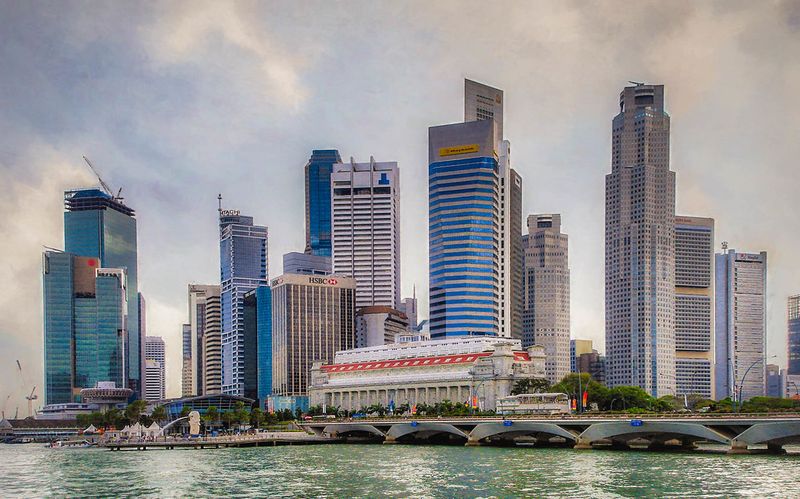
This tiny city-state packs enormous expenses into its compact borders. Singapore’s government intentionally keeps car ownership prohibitively expensive through massive taxes and certificate fees.
Owning a vehicle can cost over one hundred thousand dollars before you even buy the actual car, making most residents rely on excellent public transit instead.
Housing presents another wallet-crushing challenge in this densely populated nation. Private apartments command astronomical rents, though government housing programs offer some relief for citizens.
Dining out varies wildly from affordable hawker centers to eye-wateringly expensive restaurants.
Alcohol and cigarettes carry heavy sin taxes, pushing prices through the roof. Education costs climb rapidly for international schools and universities.
Despite the expenses, Singapore offers world-class infrastructure, safety, and cleanliness that many residents consider worth the premium price tag for urban living.
4. Bahamas
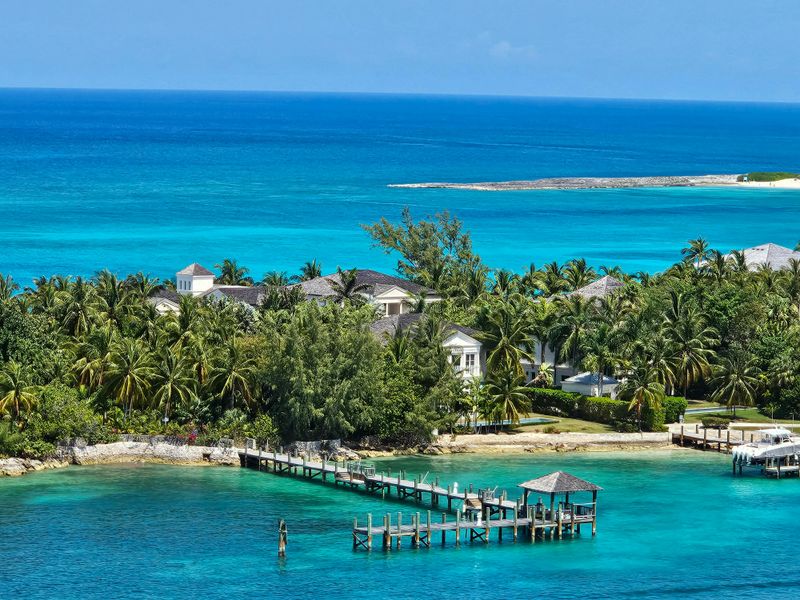
Paradise comes with a hefty price tag in this Caribbean archipelago. Import duties on nearly everything create a markup that shocks first-time visitors and residents alike.
Groceries cost roughly double mainland prices because almost all food arrives by ship or plane from elsewhere.
Tourism drives the economy but also inflates local costs beyond what many Bahamians can comfortably afford. Rent in Nassau rivals major metropolitan areas despite the smaller population.
Utilities run high due to expensive fuel costs for electricity generation.
Dining out quickly drains vacation budgets, with casual meals often exceeding twenty-five dollars per person. Fresh water scarcity on some islands adds another expense layer.
Healthcare requires insurance or deep pockets, as quality medical care doesn’t come cheap. The stunning beaches and crystal waters provide free entertainment, thankfully, because almost everything else demands premium payment.
5. Barbados
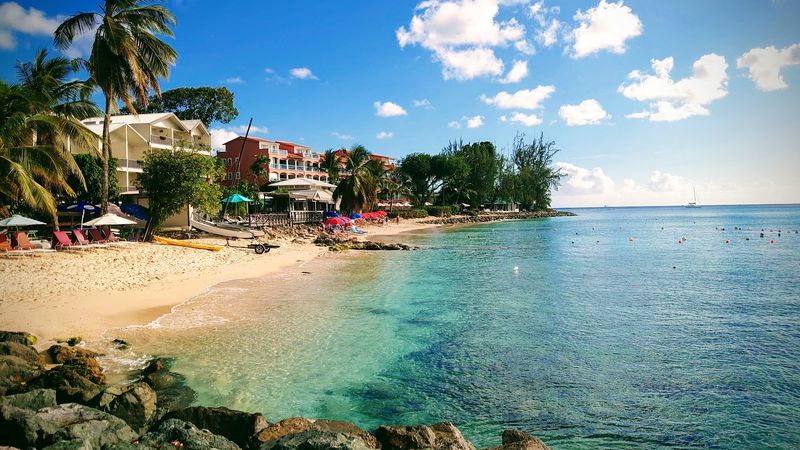
Rum might be cheap, but practically nothing else is on this eastern Caribbean island. Barbados maintains a high standard of living that comes with correspondingly high costs.
Import duties and limited local production mean most consumer goods arrive with significant markups already attached.
Real estate prices have climbed steadily, especially in desirable coastal areas where wealthy foreigners buy vacation properties. Local residents increasingly struggle with housing affordability.
Electricity costs remain among the highest in the region, relying heavily on imported fossil fuels.
Restaurant prices cater largely to tourists with vacation budgets rather than locals. Transportation costs add up quickly without reliable public options in many areas.
Education expenses climb for private schools. Still, the island offers excellent weather, friendly culture, and relatively low crime, creating a quality of life many find justifies the financial strain.
6. Norway
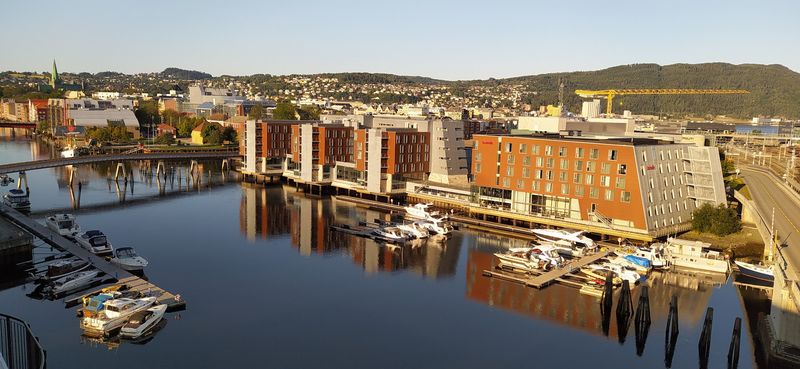
Oil wealth hasn’t made everyday life cheaper in this Scandinavian nation. Norway’s strong economy and high wages create a corresponding spike in consumer prices.
A pizza delivery can easily cost forty dollars, and beer prices make Switzerland look reasonable by comparison.
Housing markets in Oslo and Bergen have reached stratospheric levels that challenge even dual-income households. Groceries carry heavy price tags, though quality remains consistently high.
Alcohol faces particularly steep taxes, encouraging cross-border shopping trips to Sweden for budget-conscious Norwegians.
Childcare and education receive government support, providing some relief for families. Healthcare costs stay manageable through the public system.
Owning a car involves substantial expenses between purchase prices, fuel costs, and tolls. The trade-off includes spectacular natural beauty, excellent social services, and high quality of life that most Norwegians consider worth every expensive krone.
7. Denmark
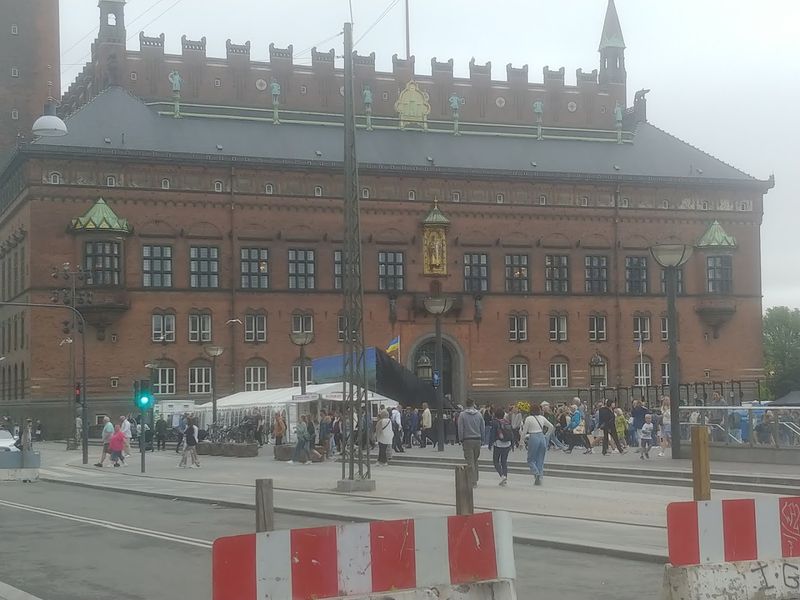
Hygge doesn’t come cheap in this cozy Scandinavian kingdom. Denmark combines high taxes with elevated consumer prices, creating a costly but comfortable lifestyle.
Copenhagen ranks among Europe’s priciest capitals, where renting a decent apartment consumes a substantial chunk of monthly income.
Dining out requires serious budget consideration, with casual meals rarely dipping below twenty-five dollars per person. Groceries cost notably more than most European neighbors.
Cars face heavy registration taxes that can double the purchase price, encouraging cycling culture instead.
Alcohol carries steep taxes that make home entertaining expensive and bar visits even pricier. Childcare receives government subsidies, helping families manage costs.
Public transportation works efficiently but isn’t particularly cheap. Despite the expenses, Denmark consistently ranks among the world’s happiest countries, suggesting money can’t buy happiness but excellent social systems and work-life balance come pretty close.
8. Luxembourg

Europe’s wealthiest nation per capita naturally comes with premium pricing. This tiny country punches above its weight in banking and finance, creating high wages that drive up everything else.
Housing costs have exploded, with property prices climbing faster than most residents’ salaries can match.
Rent in Luxembourg City rivals Paris or London despite the smaller size. Many workers commute from neighboring Belgium, France, or Germany to avoid housing costs.
Restaurants cater to expense-account diners, making casual dining surprisingly expensive.
Groceries cost more than surrounding countries, though not dramatically so. Fuel prices stay relatively reasonable by European standards.
Entertainment and leisure activities carry premium price tags. The country offers excellent infrastructure, multilingual environment, and central European location.
For those earning Luxembourg salaries, the costs feel manageable, but everyone else finds this Grand Duchy demands grand budgets.
9. Israel

Mediterranean sunshine comes with surprising price tags in this Middle Eastern nation. Israel’s cost of living has sparked actual street protests from residents struggling with expenses.
Housing prices in Tel Aviv rival New York or London, creating serious affordability challenges for young Israelis trying to establish independence.
Groceries face limited competition and high import duties, keeping prices elevated. Fresh produce costs less at outdoor markets, but packaged goods carry hefty markups.
Dining out has become increasingly expensive, especially in trendy neighborhoods.
Cars cost significantly more than Europe due to heavy taxes on vehicles. Public transportation offers some relief but doesn’t reach everywhere.
Childcare expenses strain family budgets despite government assistance programs. Healthcare remains accessible through public systems.
Despite complaints about costs, Israel’s vibrant culture, innovation economy, and historical significance keep people committed to making it work financially.
10. Ireland
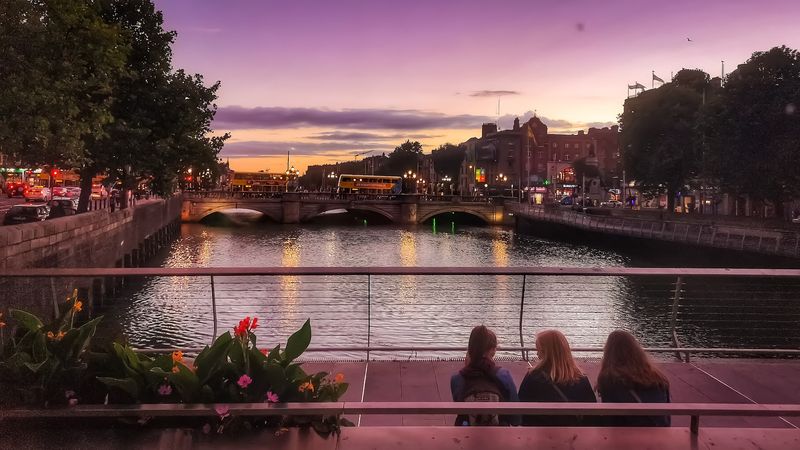
The Emerald Isle has developed some decidedly expensive emerald price tags. Ireland’s booming tech economy brought prosperity but also drove costs skyward, particularly in Dublin.
Rent has reached crisis levels, with young professionals struggling to find affordable housing anywhere near the capital.
Groceries cost more than most European neighbors, though farmers markets offer better value. Dining out and especially drinking carry steep prices that shock tourists expecting quaint pub affordability.
A pint in Temple Bar can cost over seven euros, and that’s considered normal.
Childcare ranks among Europe’s most expensive, creating serious challenges for working parents. Healthcare involves a mixed public-private system with varying costs.
Transportation expenses add up quickly, especially for car owners facing high fuel prices and insurance. The friendly culture, beautiful landscapes, and growing economy make Ireland attractive despite the financial pressures of modern Irish living.
11. Netherlands
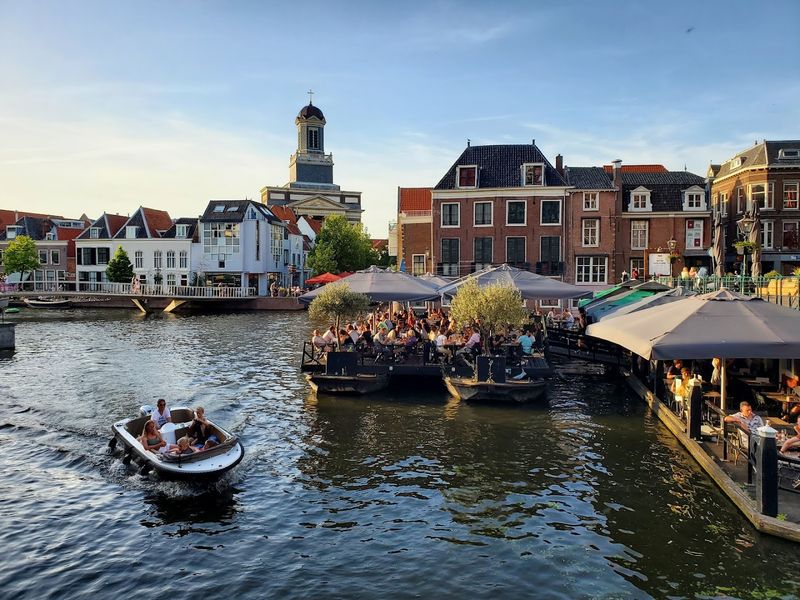
Windmills and tulips share space with wallet-draining prices in this low-lying nation. The Netherlands, particularly Amsterdam and surrounding Randstad region, has experienced dramatic cost increases.
Housing shortages have pushed rent and purchase prices to levels that challenge even well-paid professionals.
Groceries remain relatively reasonable compared to some neighbors, though organic and specialty items carry premium prices. Dining out costs add up quickly in popular areas.
Bicycles provide affordable transportation, but cars face heavy taxes and expensive parking everywhere.
Energy costs have climbed significantly, making heating and electricity major budget items. Childcare receives government support but still strains family finances.
Healthcare operates through mandatory insurance that isn’t cheap. Despite expenses, the Dutch maintain high quality of life through excellent infrastructure, strong social systems, and enviable work-life balance that makes the financial squeeze somewhat more bearable.
12. Australia
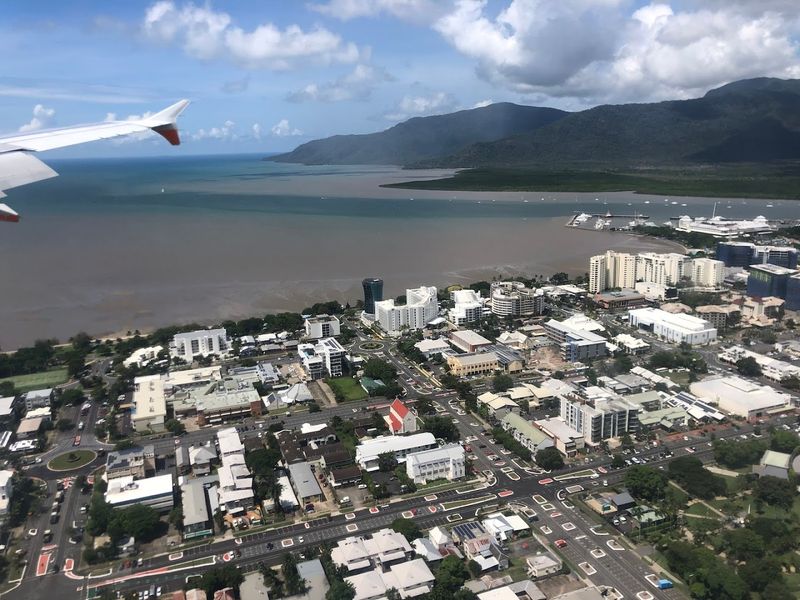
Down Under comes with upside-down prices that shock newcomers. Australia’s geographic isolation means importing goods costs plenty, and those expenses get passed to consumers.
Sydney and Melbourne rank among the world’s priciest cities, with housing costs that make international headlines regularly.
Rent consumes enormous portions of income, especially near city centers or beaches. Groceries cost noticeably more than North America or Europe.
Dining out has become increasingly expensive, with casual meals easily exceeding twenty dollars per person.
Alcohol faces heavy taxation, making Australian bars particularly expensive. Cars cost more than comparable markets due to import duties and distance.
Healthcare through Medicare provides some relief, though private insurance adds costs. Despite the expenses, Australia offers excellent weather, outdoor lifestyle, and high wages that help offset the financial pain of living in this beautiful but pricey island continent.
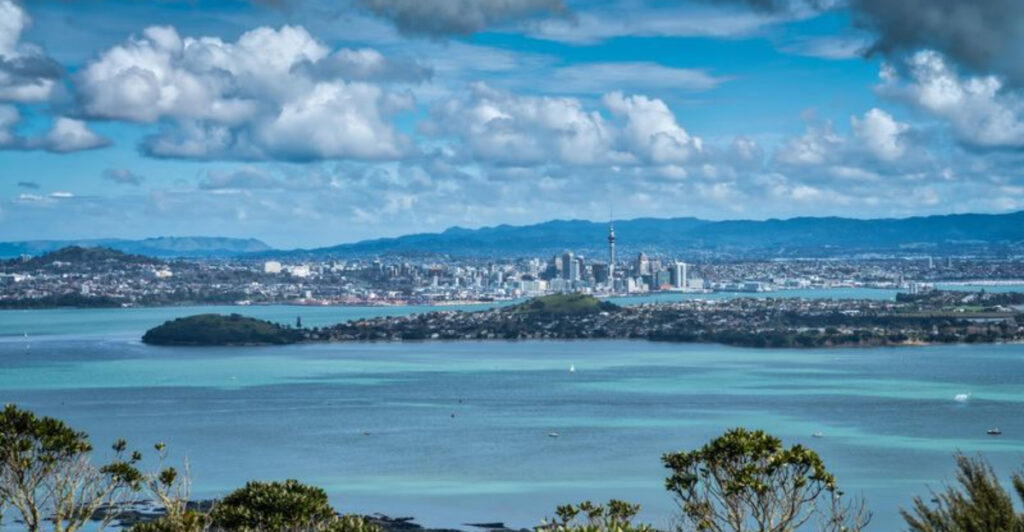
13. New Zealand
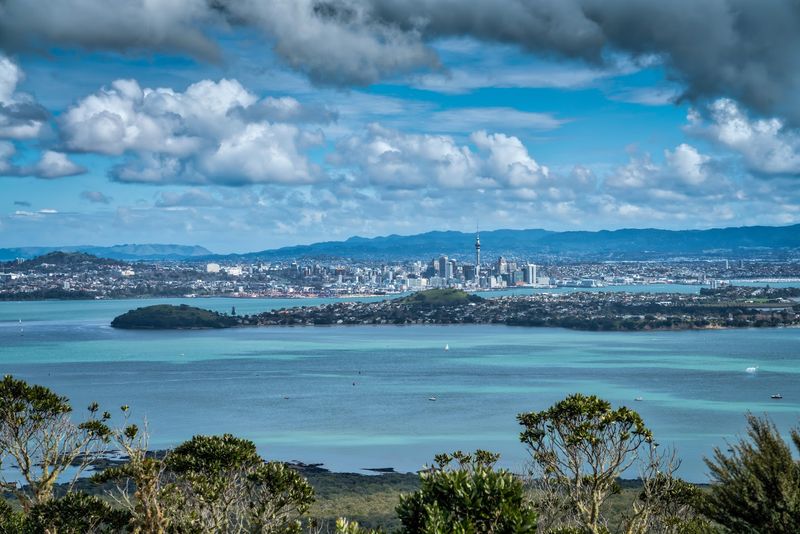
Middle Earth magic comes with first-world prices in this Pacific island nation. New Zealand’s remote location creates import costs that affect nearly everything consumers buy.
Housing markets in Auckland and Wellington have reached levels that price out many locals, creating generational wealth gaps.
Groceries cost significantly more than Australia despite lower wages overall. Fresh produce stays reasonably priced when in season, but imported goods carry heavy markups.
Dining out has become a special occasion expense rather than routine convenience.
Cars and fuel cost plenty, though public transportation remains limited outside major cities. Electricity prices have climbed steadily, making heating expensive during cold winters.
Healthcare through the public system provides basic coverage, but waits can be long. Despite financial pressures, New Zealand’s stunning natural beauty, outdoor lifestyle, and relatively relaxed pace keep people committed to island living.
14. United States

Land of opportunity also means land of variable but often shocking expenses. The United States presents wildly different costs depending on location, with cities like San Francisco, New York, and Boston rivaling anywhere globally.
Housing in these metros consumes outrageous percentages of income, forcing many into long commutes or shared living situations.
Healthcare costs stand out as particularly brutal compared to other developed nations. Insurance premiums, deductibles, and out-of-pocket expenses create financial stress even for insured Americans.
Education, especially college, carries debt-inducing price tags that affect graduates for decades.
Groceries and dining vary tremendously by region and establishment. Cars feel necessary in most areas, adding insurance, fuel, and maintenance costs.
Childcare rivals college tuition in some markets. Despite these challenges, higher salaries in many fields, diverse opportunities, and vast geography offer options for managing costs through strategic location choices and lifestyle adjustments.
15. United Kingdom

Britannia rules the waves and apparently the high-cost charts too. The United Kingdom, especially London and Southeast England, features eye-watering expenses that challenge residents daily.
Housing costs have spiraled beyond reasonable, with tiny flats commanding massive rents that consume half or more of monthly income.
Groceries face less competition than many European neighbors, keeping prices elevated. Dining out in London rivals New York pricing, making restaurant meals genuine splurges.
Public transportation, while extensive, isn’t cheap, with annual passes costing thousands of pounds.
Energy bills have skyrocketed recently, creating genuine hardship for many households. Childcare ranks among Europe’s most expensive.
Healthcare through NHS provides free service, offering crucial relief from American-style medical costs. Council tax, TV licenses, and various fees add up.
Despite financial pressures, the UK’s history, culture, and opportunities keep people navigating the expensive reality of British life.
Share this story