The world is getting older, and some countries are aging faster than you might think. A mix of low birth rates, longer lifespans, and people moving abroad has pushed the median age in certain nations to jaw-dropping levels.
From tiny microstates to major economic powers, these places are navigating what it really means to grow old together. Here are the 15 countries with the oldest populations on Earth.
Vatican City

No country on Earth tops Vatican City when it comes to median age, and honestly, the reason is pretty obvious once you think about it. This is not your typical nation with schoolyards full of kids and young families rushing to work.
Most residents are clergy, senior officials, and staff tied directly to the Catholic Church.
The population hovers around just 800 people, which means even a handful of retirees can dramatically shift the numbers. There are no maternity wards here, no elementary schools, and certainly no baby boom on the horizon.
The Holy See runs on tradition, and that tradition skews older.
What makes Vatican City fascinating is that its age structure is entirely by design. Priests, bishops, and cardinals do not exactly represent a cross-section of youth culture.
It is a city-state built around faith and governance, not families, making it the undisputed champion of aging populations worldwide.
Monaco
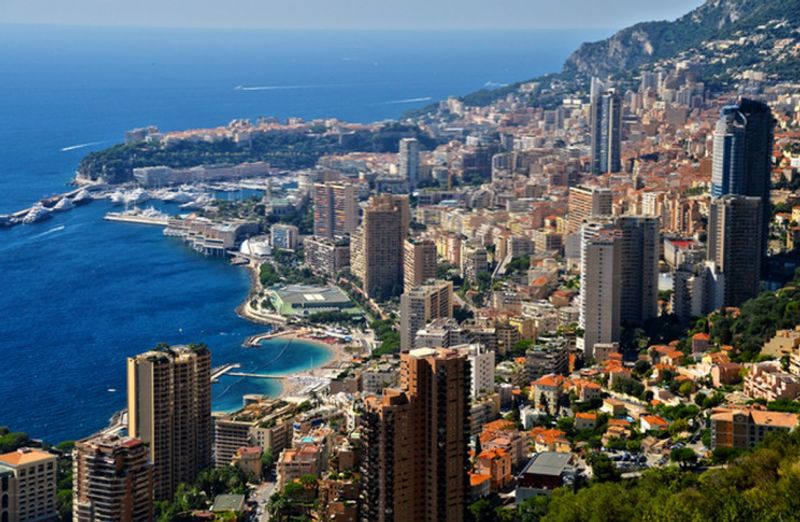
Monaco is basically the world’s fanciest retirement destination, and the numbers back that up. Coming in second for median age, this tiny principality on the French Riviera is a magnet for wealthy older residents who want sunshine, safety, and zero income tax.
Who can blame them, really?
The population is small, meaning demographic trends show up fast. A wave of retirees moving in or young families moving out can shift the median age noticeably within just a few years.
Monaco’s real estate prices also push younger, lower-income residents out before they even settle in.
I once read that Monaco has more millionaires per square mile than anywhere else on Earth. That wealth concentration naturally draws an older crowd with serious financial portfolios and very little reason to leave.
The result is a glamorous, sun-drenched principality that also happens to be one of the oldest populations on the planet.
Japan
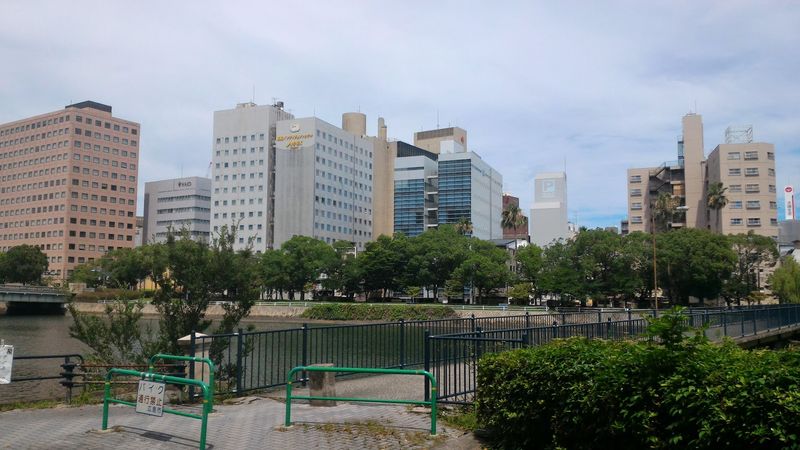
Japan is aging at a scale no other large country can match. With a population of over 125 million, it holds the title of the oldest major nation on Earth, and the statistics are genuinely staggering.
More adult diapers are sold annually in Japan than baby diapers, which tells you everything you need to know.
Decades of low birth rates combined with world-class healthcare have created a society where living past 90 is increasingly common. The government has launched countless campaigns encouraging young couples to have children, but cultural and economic pressures keep birth rates stubbornly low.
Rural towns are emptying out as young people flock to cities, leaving behind aging communities with shrinking services. Japan is essentially the world’s test case for what happens when a society grows old faster than it can adapt.
The rest of the world is watching closely, taking notes, and probably a little nervous.
San Marino
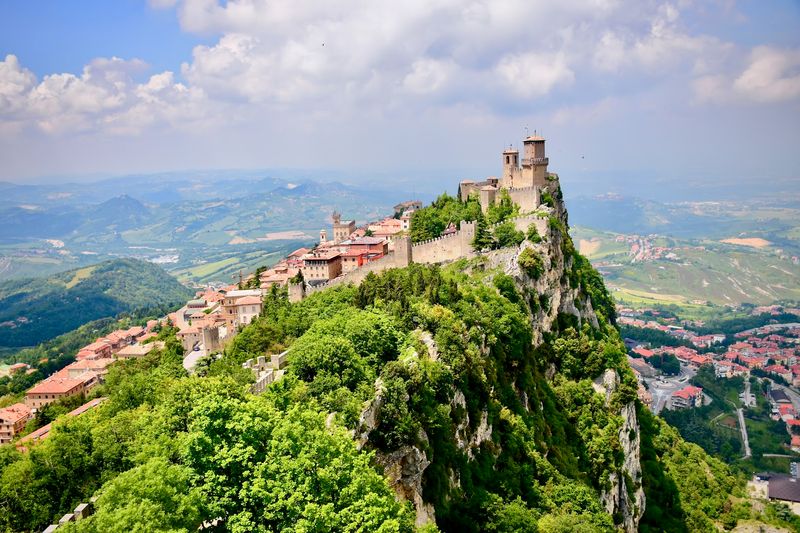
Perched high on Mount Titano and completely surrounded by Italy, San Marino claims the title of the world’s oldest republic. It also claims a spot among the world’s oldest populations, which feels fitting for a nation that has been around since 301 AD.
With fewer than 35,000 residents, every demographic shift hits hard. Low fertility rates and limited immigration mean the population is not refreshing itself quickly enough to stay young.
Many younger San Marinese also cross into Italy for work and education, further tipping the age balance.
The country is charming, historic, and proudly independent, but its small size creates real challenges for long-term sustainability. Supporting a growing elderly population with a shrinking working-age base is a puzzle San Marino shares with many of its European neighbors.
Still, a nation that has survived over 1,700 years has probably seen tougher challenges than a demographic chart.
Italy
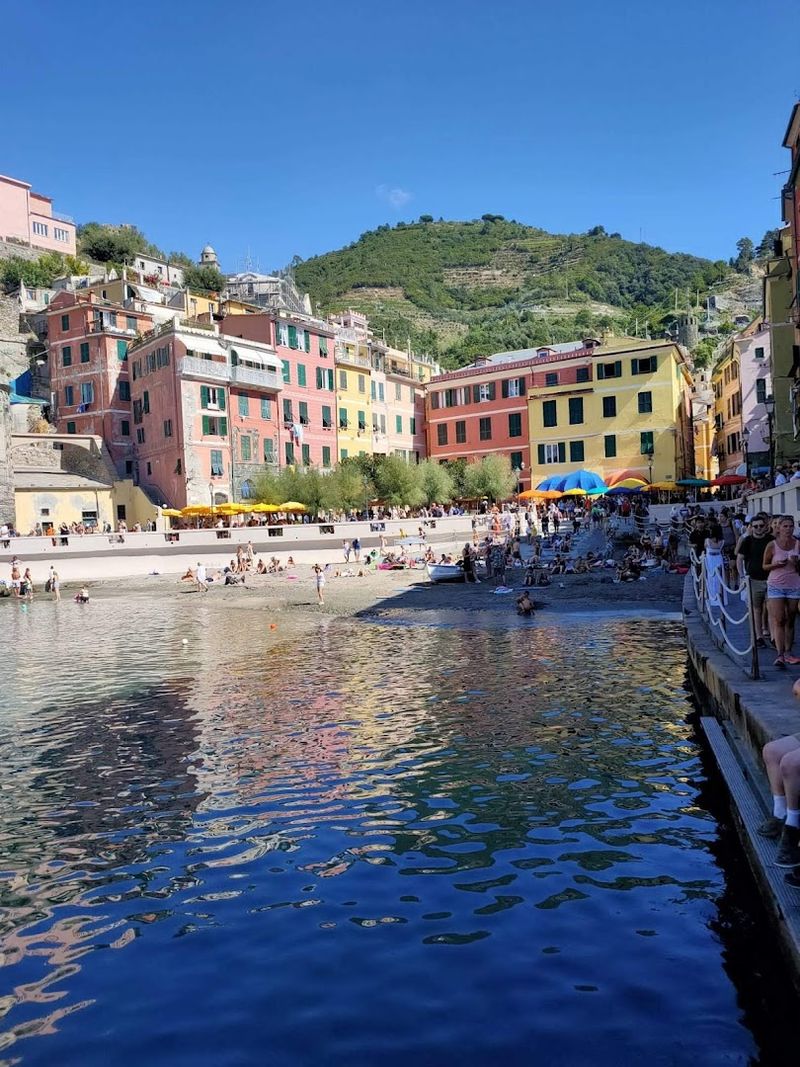
Italy gave the world pasta, Renaissance art, and apparently a masterclass in population aging. With a median age creeping toward 49, Italy is one of the oldest countries on the planet, and the trend shows no sign of reversing anytime soon.
Low birth rates have been a defining feature of Italian society for decades. Young Italians are waiting longer to have children, and many are choosing smaller families or no children at all.
Meanwhile, life expectancy remains high, creating a growing gap between the elderly and the young.
Southern Italy in particular is dotted with villages where the average resident is well past retirement age. Some towns have even offered cash incentives to attract young families willing to move in and breathe new life into shrinking communities.
It is a creative solution to a very real problem, though so far the results have been modest at best.
Portugal

Portugal’s aging story has a particularly sharp edge to it, because emigration played a huge role in speeding things up. For decades, younger Portuguese workers left for France, Germany, Switzerland, and beyond, chasing better wages and opportunities.
What they left behind was an older, quieter Portugal.
Low fertility rates compounded the problem. Fewer babies being born, combined with a steady outflow of working-age adults, pushed Portugal’s median age well above the European average.
Rural areas feel this most acutely, with some villages functioning almost entirely as communities of retirees.
The good news is that Portugal has become one of Europe’s hottest destinations for foreign retirees and remote workers, which is slowly injecting some demographic variety back into the mix. Lisbon and Porto are buzzing with newcomers.
Still, reversing decades of aging trends takes time, and Portugal knows it has a long road ahead before the numbers truly balance out.
Greece
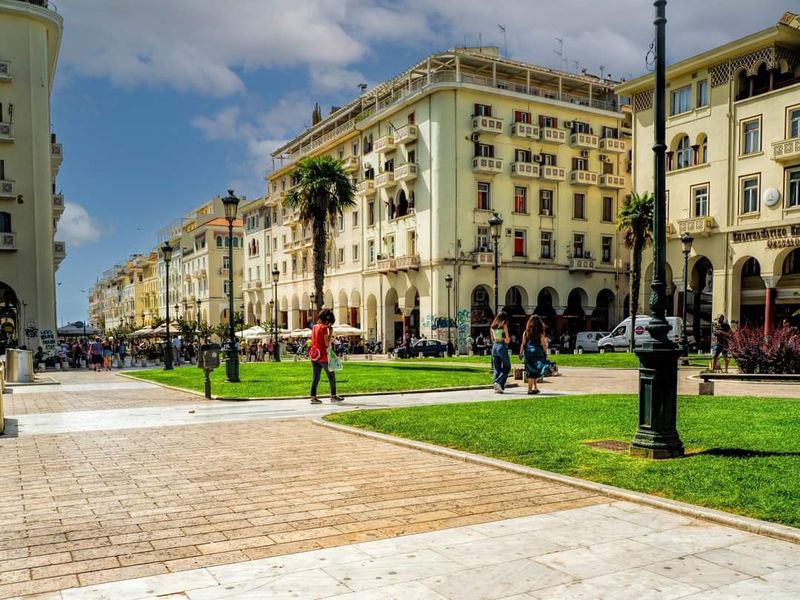
Greece has had a rough few decades, and its demographic situation reflects that honestly. Economic crises sent waves of young, educated Greeks abroad, particularly after 2008, draining the country of the very people who might have helped reverse its aging trend.
Low birth rates were already a concern before the financial collapse, but the years of austerity made things worse. Young couples facing unemployment and housing insecurity were in no rush to start families.
The result was a double hit: fewer births and more departures.
Greece still has extraordinary things going for it. Its islands attract millions of tourists, its food is legendary, and its people are famously warm.
But underneath the postcard-perfect scenery is a society wrestling with the long-term consequences of demographic decline. Policymakers are searching for ways to bring young Greeks home and encourage family growth, but reversing this tide is easier said than done.
Spain
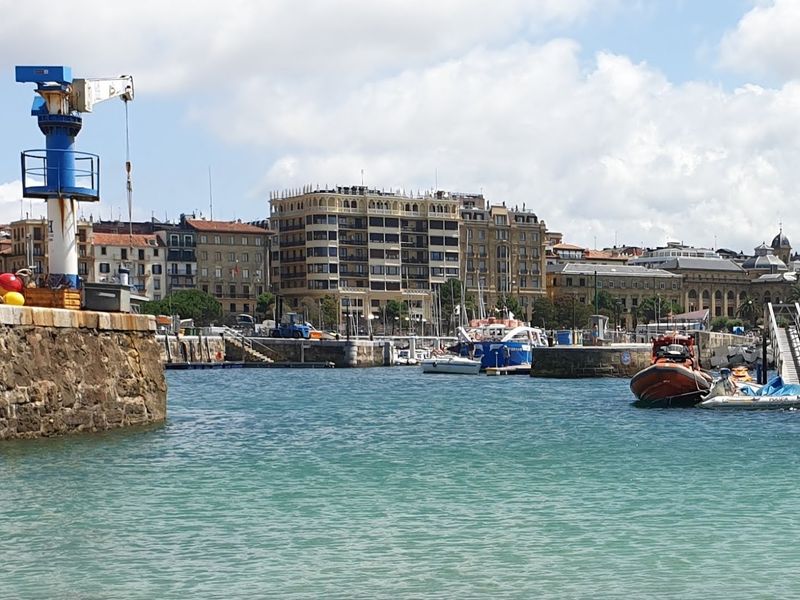
Spain is one of Europe’s most vibrant countries, famous for late-night dinners, flamenco, and an infectious love of life. And yet, statistically speaking, it is aging at a rapid clip.
The median age keeps climbing, and Spain’s birth rate is among the lowest on the continent.
Part of the story is economic. The financial crisis of the late 2000s hit Spain especially hard, and many young Spaniards spent years in precarious employment with little job security.
Starting a family under those conditions felt like a luxury many could not afford.
Life expectancy in Spain is exceptionally high, consistently ranking among the best in the world. Spanish people live long, healthy lives, which is wonderful news on an individual level.
But when you pair long lives with very few births, the math gets complicated fast. Spain is now grappling seriously with pension system sustainability and the future of its healthcare infrastructure.
Bosnia and Herzegovina
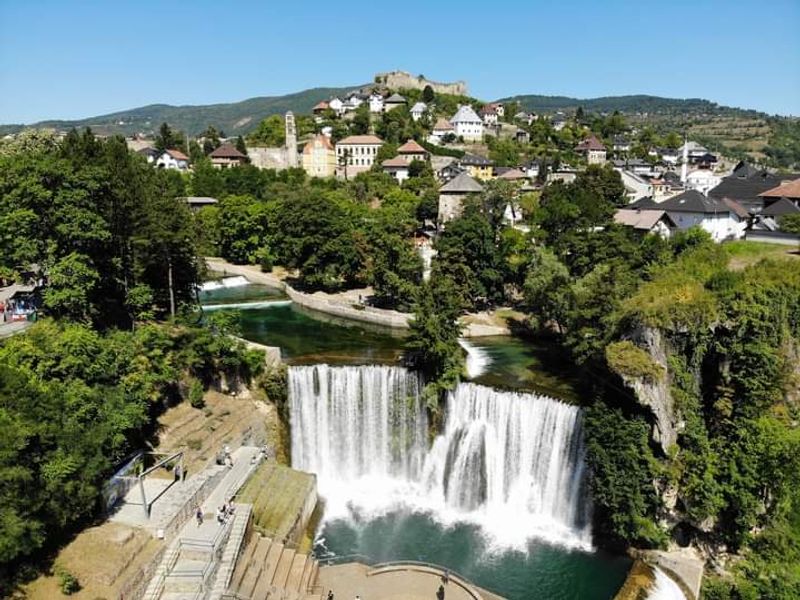
Bosnia and Herzegovina does not often make international headlines, but its demographic situation deserves serious attention. It ranks among Europe’s oldest populations, shaped by a combination of low birth rates and persistent emigration that has been draining the country for decades.
The wars of the 1990s left deep scars, both human and structural. Recovery was slow, economic opportunities remained limited, and younger generations increasingly looked westward for better prospects.
EU membership of neighboring countries made emigration even easier, and many Bosnians took that path without looking back.
What remains is a country where the young are underrepresented and the old are left managing communities with shrinking resources. It is a quiet crisis that rarely generates the same headlines as political tensions in the region, but its long-term consequences could be just as significant.
Bosnia will need bold policy changes and serious investment to turn this demographic tide around.
Germany
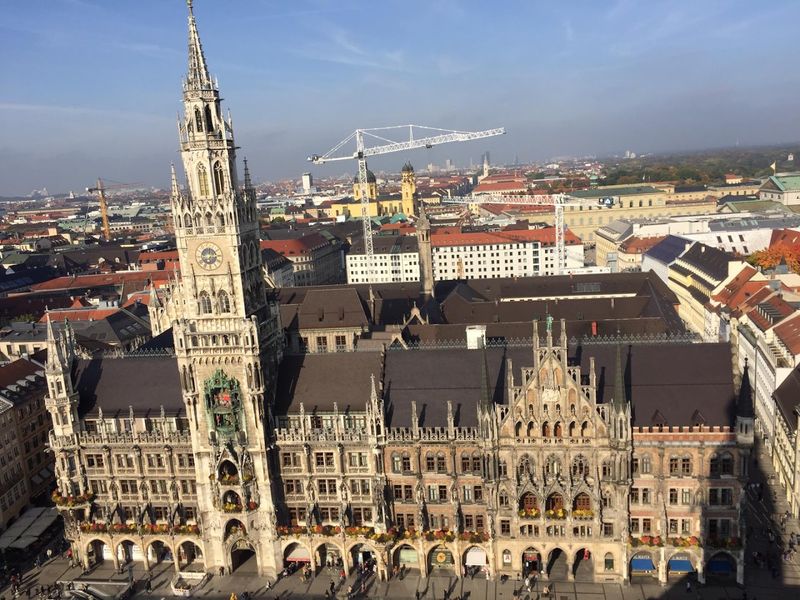
Germany is Europe’s largest economy, a global industrial powerhouse, and also one of the continent’s oldest countries by median age. It turns out that economic success and demographic youth do not always go hand in hand.
For much of the postwar period, Germany had persistently low birth rates. Women entered the workforce in large numbers, family sizes shrank, and the post-reunification years brought additional economic uncertainty that kept fertility rates low.
Immigration has helped offset some of this aging, but it has not fully reversed the trend.
Germany has been more proactive than most in addressing demographic aging. Parental leave policies are generous, childcare has expanded significantly, and immigration rules have been adjusted to attract skilled workers.
Still, the proportion of elderly residents keeps growing. Germany is essentially running a live experiment in how a wealthy, organized society manages the transition to an older population, and the world is watching every policy decision closely.
South Korea

South Korea’s aging speed is in a league of its own. No country is graying faster, and the numbers are genuinely alarming to demographers worldwide.
The birth rate has dropped so low that South Korea regularly sets new global records for the lowest fertility rate ever recorded.
The pressures driving this are intense. South Korean society places enormous emphasis on education and career success.
Young people spend years in competitive schooling, take on heavy student debt, struggle with sky-high housing costs, and find little time or financial space for raising children.
The government has spent billions trying to reverse the birth rate decline, with limited success so far. Tax incentives, housing subsidies, and parental benefits have not moved the needle significantly.
South Korea is a fascinating case study in how cultural and economic pressures can override even the most generous government incentives. The country has serious work ahead to prepare for a much older society in the coming decades.
Croatia
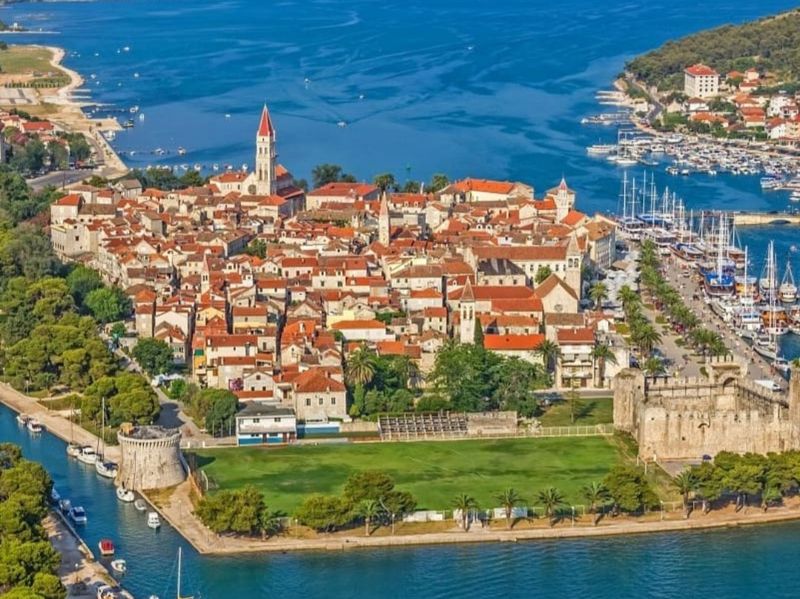
Croatia joined the European Union in 2013, and while that brought many benefits, it also opened the floodgates for emigration. Younger Croatians, particularly those with university degrees and professional skills, headed west in large numbers seeking higher wages and better opportunities.
The demographic impact was swift and noticeable. Birth rates were already low before EU accession, and the departure of working-age adults made the aging trend significantly worse.
Some Croatian regions have experienced population drops that rival the effects of a small-scale crisis.
Croatia is a strikingly beautiful country with a rich history and a coastline that draws tourists from across the globe. But tourism revenue alone cannot solve a structural demographic problem.
The government has introduced return migration incentives and family support programs, though convincing people to come back is a tough sell when Western European salaries remain so much higher. Croatia’s demographic challenge is real, urgent, and not easily solved.
Bulgaria
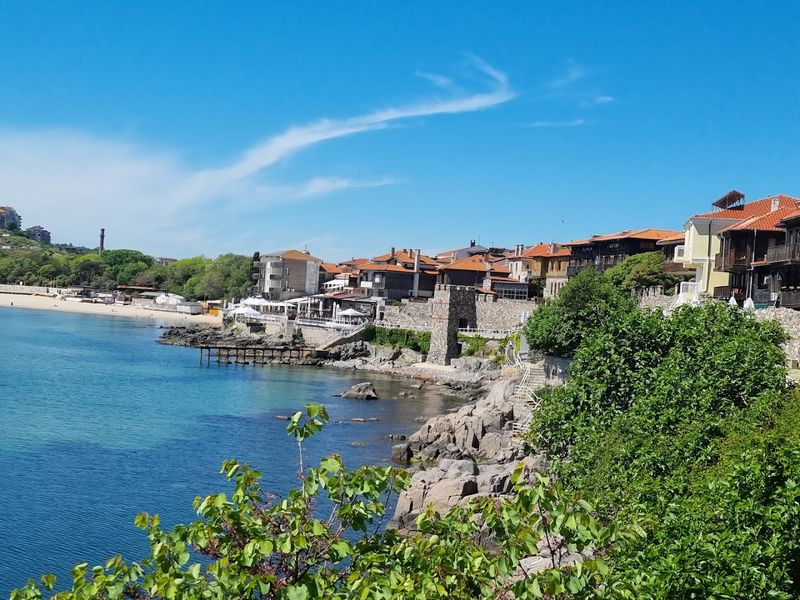
Bulgaria holds the uncomfortable distinction of being one of the fastest-shrinking countries on Earth. Its population has dropped by over two million people since 1989, driven by low birth rates, high mortality, and relentless emigration.
That is a staggering loss for a country of its size.
The collapse of communism opened borders, and millions of Bulgarians, especially young and educated ones, left for Western Europe and beyond. Those who stayed behind aged without being replaced.
Rural communities have hollowed out dramatically, with entire villages now functioning as ghost towns.
Bulgaria’s situation is one of the starkest examples of what demographers call a negative population spiral. Fewer young people means fewer births, which means even fewer young people in the next generation.
Breaking that cycle requires economic investment, improved public services, and policies that make staying in Bulgaria feel worthwhile. Progress is being made, but slowly, and the population clock keeps ticking.
Liechtenstein
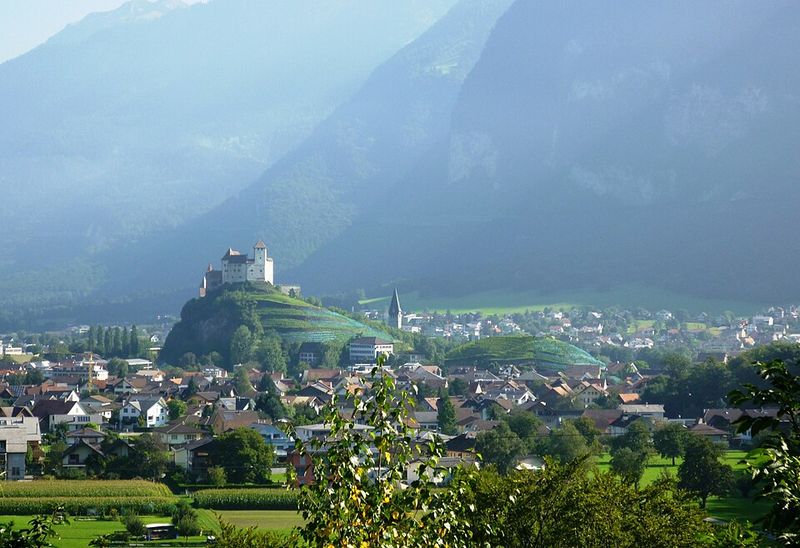
Liechtenstein is sandwiched between Switzerland and Austria, covers just 160 square kilometers, and somehow manages to have one of the highest standards of living on the planet. It is also home to one of the world’s older populations, which makes sense when you realize how prosperous and stable it has been for generations.
High living standards tend to produce long life expectancy, and Liechtenstein delivers on that front. People live well, receive excellent healthcare, and stick around for a long time.
Meanwhile, birth rates have stayed low, as they have across most of wealthy Western Europe.
The country is so small that its demographic statistics can swing noticeably with just a few dozen births or deaths in a given year. Liechtenstein manages its small size with remarkable efficiency, but even efficient governance cannot fully override the mathematics of an aging population.
It is a tiny nation facing a very large, very global challenge.
Slovenia
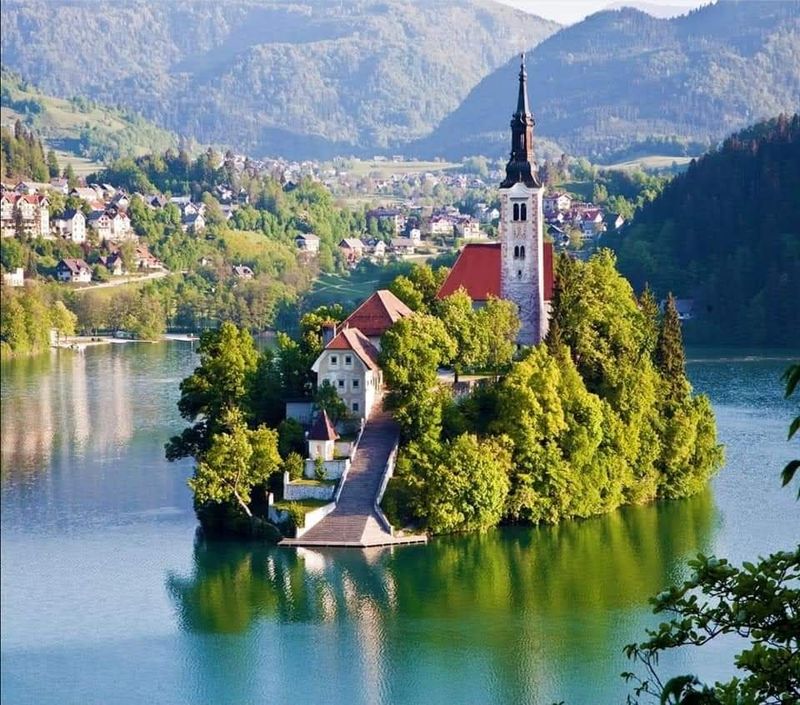
Slovenia closes out this list with a median age of 45.3, and it earns its spot through a combination of factors that will sound familiar by now: low birth rates, increasing life expectancy, and a younger generation that has been moving abroad in search of opportunity.
As a small Central European country, Slovenia punches well above its weight in terms of quality of life. It consistently ranks highly for education, healthcare, and environmental quality.
But those same conditions that make it a great place to live have not translated into a baby boom.
Slovenia is actively working on this challenge, investing in family-friendly policies and trying to keep its workforce competitive enough to attract skilled workers back. The country is aware that its aging trend, if left unchecked, will put serious pressure on pensions and public services within a generation.
It is a challenge shared by much of Europe, but Slovenia is at least facing it with open eyes.
Share this story