Some songs are so deeply tied to the artist who created them that covering them feels nearly impossible. The emotion, timing, and raw personality behind a great original are not things you can simply copy and paste.
Over the years, many talented musicians have attempted to put their own spin on beloved classics, only to fall short of what made those songs special. Here are 15 cover songs that, despite good intentions, just could not capture the magic of the originals.
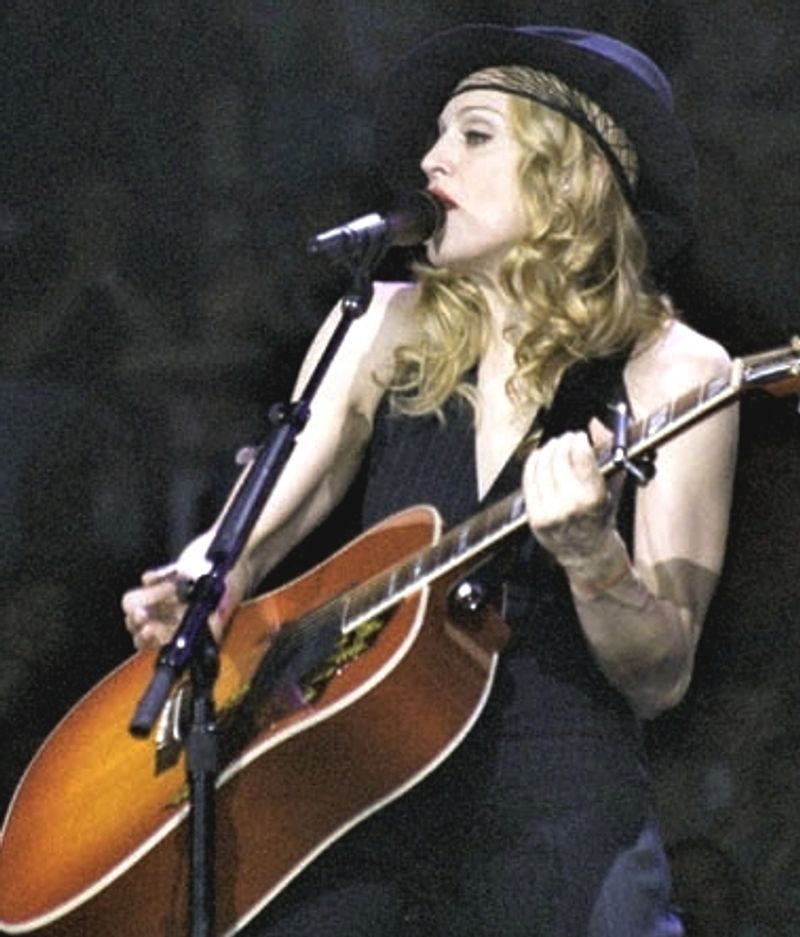
1. Madonna’s ‘American Pie’ (Originally by Don McLean)
Don McLean wrote “American Pie” as a deeply personal and poetic tribute to American culture, music history, and loss. The 1971 original runs over eight minutes and takes listeners on an emotional journey filled with layered symbolism.
It became one of the most analyzed songs ever written.
Madonna released her version in 2000 as part of the film “The Next Best Thing.” She trimmed the song to about four minutes, cutting large portions of the lyrics and replacing McLean’s folksy sincerity with polished dance-pop production. The result felt more like a club track than a cultural statement.
Many longtime fans were frustrated that the depth of the original was traded for mainstream appeal. McLean himself gave a famously lukewarm response to her take.
The cover sold well commercially, but it struggled to earn the same emotional respect as the original.
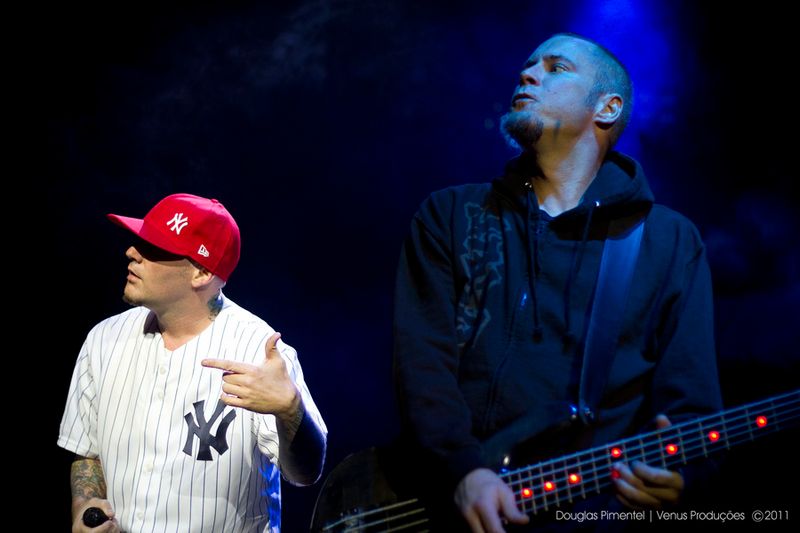
2. Limp Bizkit’s ‘Behind Blue Eyes’ (Originally by The Who)
The Who released “Behind Blue Eyes” in 1971, and it remains one of rock’s most emotionally raw ballads. Pete Townshend wrote it from the perspective of a villain who still feels pain, giving the song a complex, haunting quality.
Roger Daltrey’s vocals carried genuine vulnerability that felt impossible to fake.
Limp Bizkit covered it in 2003, adding electronic elements and a nu-metal feel that many listeners found jarring. The quiet, reflective mood of the original was replaced with a harder, more detached sound.
Fred Durst’s vocal delivery, while technically fine, lacked the emotional fragility the song required.
Critics pointed out that the cover felt more like a stylistic exercise than a heartfelt tribute. The music video, which featured actress Halle Berry, drew more attention than the song itself.
For fans of The Who, the cover often felt like a missed opportunity.
3. Britney Spears’ ‘I Love Rock ‘n’ Roll’ (Originally by Joan Jett)

Joan Jett and the Blackhearts turned “I Love Rock ‘n’ Roll” into a defiant, guitar-driven anthem in 1982. Jett’s raspy voice and attitude gave the song a rebellious edge that felt completely authentic.
It became one of the defining tracks of female rock music.
Britney Spears recorded her version for the 2002 film “Crossroads,” and the differences were immediately noticeable. The rough guitar tone was softened, and Britney’s polished pop vocals replaced the gritty confidence that made Jett’s version so memorable.
The production leaned more toward teen pop than rock and roll.
Fans of the original largely dismissed the cover as unnecessary. It felt like a branding move rather than a genuine musical tribute.
Britney is undeniably talented in her genre, but rock credibility was never part of her musical identity, and the cover made that gap very clear.
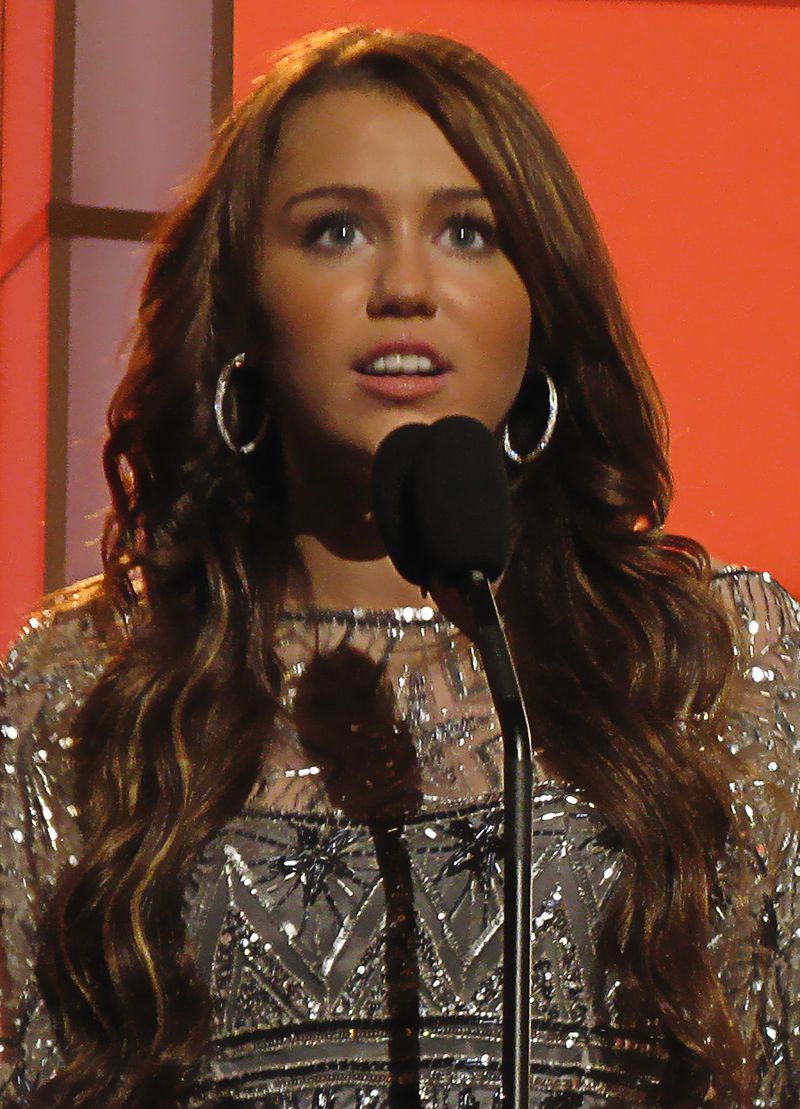
4. Miley Cyrus’s ‘Smells Like Teen Spirit’ (Originally by Nirvana)
Nirvana’s “Smells Like Teen Spirit” arrived in 1991 like a thunderclap. Kurt Cobain’s distorted guitar, raw screaming, and the band’s barely contained chaos made it a generational anthem.
It captured teenage frustration in a way that felt both accidental and brilliant.
Miley Cyrus has performed the song several times live, most notably at a charity concert and on television. Her renditions leaned theatrical and dramatic, with slower tempos and stylized vocals.
While her vocal ability is not in question, the performances divided audiences sharply.
Many grunge fans felt the song lost its scrappy, unpolished identity in her hands. The original’s power came from imperfection and urgency, qualities that are hard to replicate in a polished stage production.
Miley’s version often felt more like a reimagining than a cover, and not everyone appreciated the transformation.
5. Celine Dion’s ‘You Shook Me All Night Long’ (Originally by AC/DC)

AC/DC recorded “You Shook Me All Night Long” in 1980, and it became one of hard rock’s most enduring party anthems. Brian Johnson’s gravelly voice and the band’s thunderous guitar riffs gave the track a swagger that felt impossible to separate from the original lineup.
Celine Dion covered the song during a live performance, surprising audiences with her pop-rock approach. Her vocals were technically impressive, as they always are, but the song’s gritty soul did not translate well into her polished, theatrical delivery style.
The hard rock attitude felt filtered out entirely.
Fans of AC/DC largely found the performance amusing but hollow. The song thrives on attitude and raw energy, two things that Celine’s classical pop training was never designed to deliver.
It was a bold choice, but for most rock fans, it confirmed that some songs simply belong to the artists who created them.
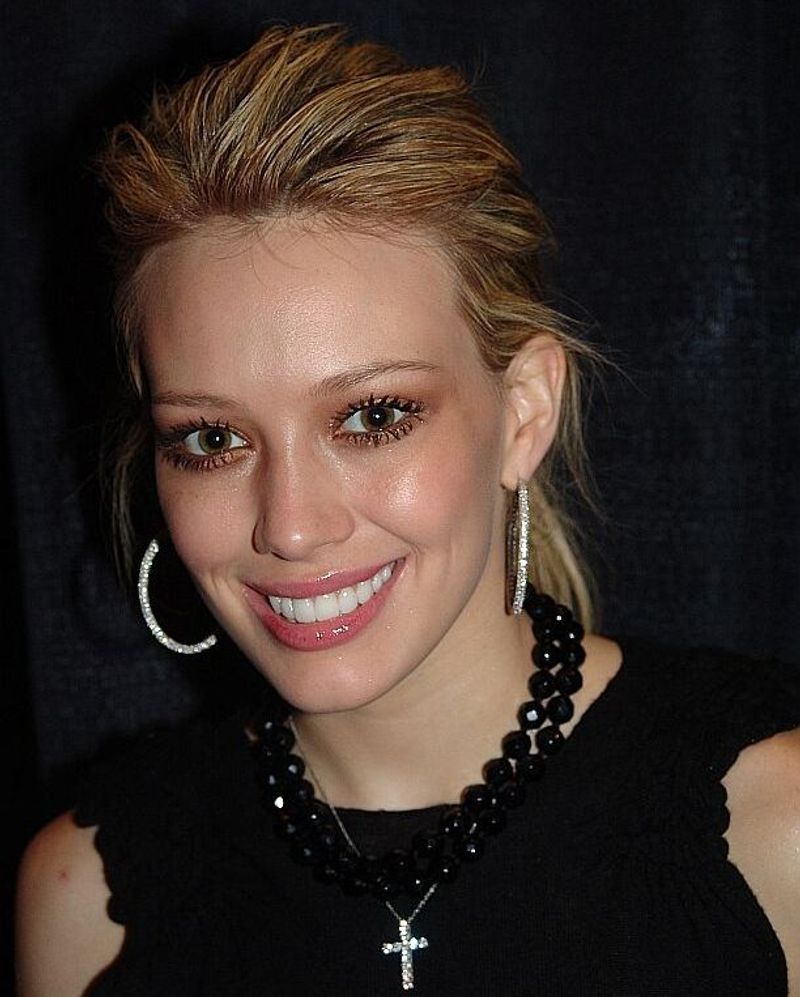
6. Hilary Duff’s ‘My Generation’ (Originally by The Who)
The Who’s “My Generation” from 1965 was a battle cry for disaffected youth. Roger Daltrey’s famous stutter and Pete Townshend’s aggressive guitar playing gave the song an urgency that felt genuinely rebellious.
It became a defining statement of the mod generation.
Hilary Duff recorded her version in 2003 as part of her teen pop image. The punk energy was replaced with bubbly production, and the song’s angry spirit was polished into something far more radio-friendly.
Even the iconic stutter was cleaned up and smoothed over.
What made the original special was its rough, unfiltered defiance. Duff’s version turned that defiance into something cheerful and safe, which completely contradicted the point of the song.
Many music critics noted that the cover felt like it was made for a completely different audience, one that had never heard the original and likely never would.
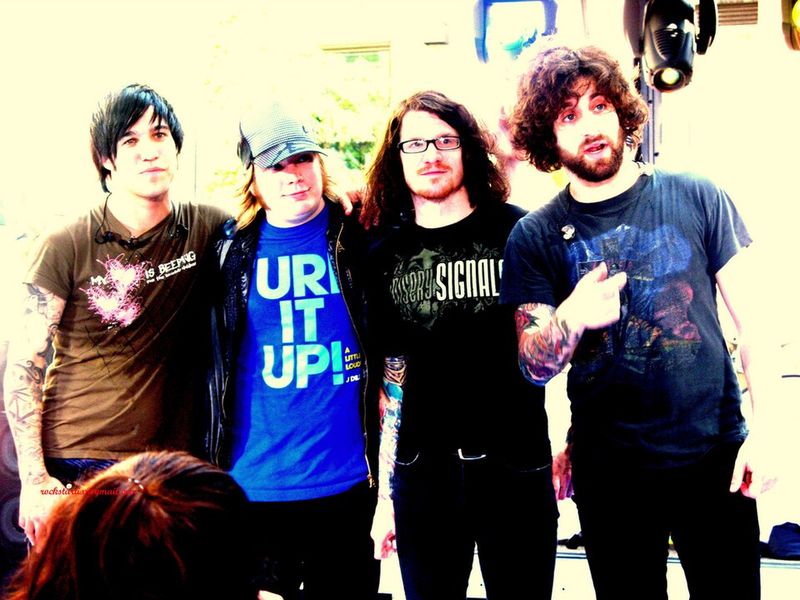
7. Fall Out Boy’s ‘Beat It’ (Originally by Michael Jackson)
Michael Jackson’s “Beat It” was a rare musical achievement. Released in 1982, it fused pop and rock in a way that felt completely natural, featuring a legendary guitar solo by Eddie Van Halen.
The song carried urgency, rhythm, and a message about avoiding street violence.
Fall Out Boy covered “Beat It” in 2008 with John Mayer contributing guitar work. The production was clean and technically capable, but something essential was missing.
Jackson’s magnetic charisma and the original’s cinematic energy could not be reconstructed through a straightforward rock band arrangement.
The cover performed decently on charts but received mixed reviews from fans and critics alike. Many felt it was competent but uninspired, like a well-done school assignment rather than a passionate tribute.
The original had a specific electricity that came from the moment in music history it represented, and that simply could not be recreated.
8. Jessica Simpson’s ‘These Boots Are Made for Walkin” (Originally by Nancy Sinatra)
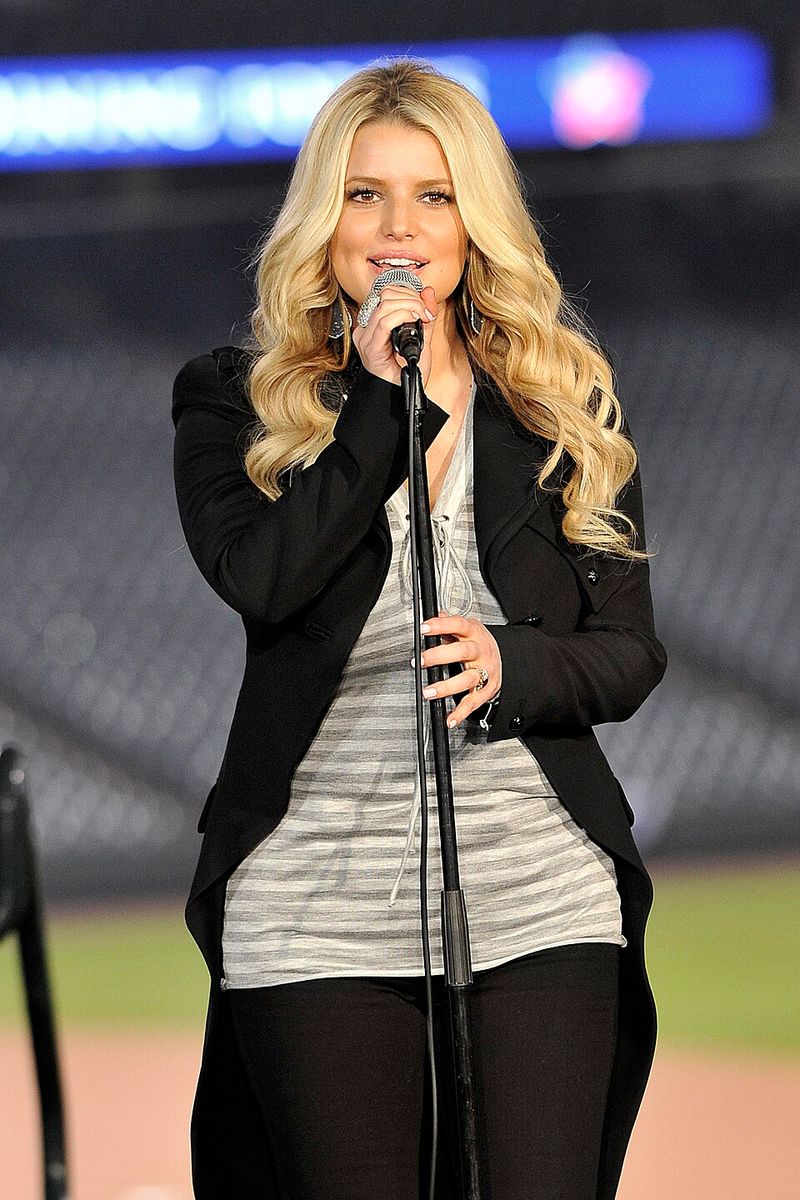
Nancy Sinatra’s 1966 original oozed cool. Her delivery was effortlessly confident, with a playful menace that made “These Boots Are Made for Walkin'” one of the most memorable pop songs of its decade.
The bass line alone became iconic.
Jessica Simpson recorded her version in 2005 for the film “The Dukes of Hazzard.” The production leaned heavily into a flashy country-pop sound, and the music video focused more on Simpson’s image than on the spirit of the song. While the video generated plenty of attention, the musical substance felt thin by comparison.
Sinatra’s version worked because of its restraint and attitude. Simpson’s felt louder and more visually driven, but musically less interesting.
Critics noted that the cover prioritized spectacle over substance. It was commercially successful enough, but for fans of the original, it felt more like a marketing campaign than a meaningful musical moment.
9. Sheryl Crow’s ‘Sweet Child O’ Mine’ (Originally by Guns N’ Roses)

Guns N’ Roses released “Sweet Child O’ Mine” in 1988, and Slash’s opening guitar riff became one of the most recognized in rock history. Axl Rose’s emotional vocals and the band’s explosive energy turned a simple love song into an arena rock classic.
The original builds beautifully from tender to powerful.
Sheryl Crow covered it with a noticeably slower, more laid-back approach. Her version stripped away the electric intensity and replaced it with an acoustic-leaning, singer-songwriter feel.
While her vocal performance was solid, the dramatic arc of the original was largely lost in translation.
The cover felt like it removed the very thing that made the song memorable. Rock fans frequently cite it as an example of a cover that was too safe.
Crow is a skilled musician, but the decision to calm down such an explosive song left many listeners feeling like something important had been quietly taken away.
10. Machine Gun Kelly’s ‘Aerials’ (Originally by System of a Down)

System of a Down’s “Aerials” from 2001 is one of the most emotionally layered songs in alternative metal. Serj Tankian’s vocal range is extraordinary, moving between whispers and soaring cries in ways that feel completely unrehearsed.
The song builds from quiet reflection into something almost spiritual.
Machine Gun Kelly performed a stripped-back version that received significant backlash online. Critics and fans felt his vocal delivery lacked the range and emotional depth that the original demanded.
The stripped arrangement also removed the dramatic tension that made the song so compelling in its original form.
Some defended the cover as a personal interpretation, but the majority of System of a Down fans were unimpressed. “Aerials” is a song that requires extraordinary vocal commitment to pull off. MGK’s version highlighted just how unique Tankian’s voice truly is, and sometimes the best tribute to a great song is simply not covering it.
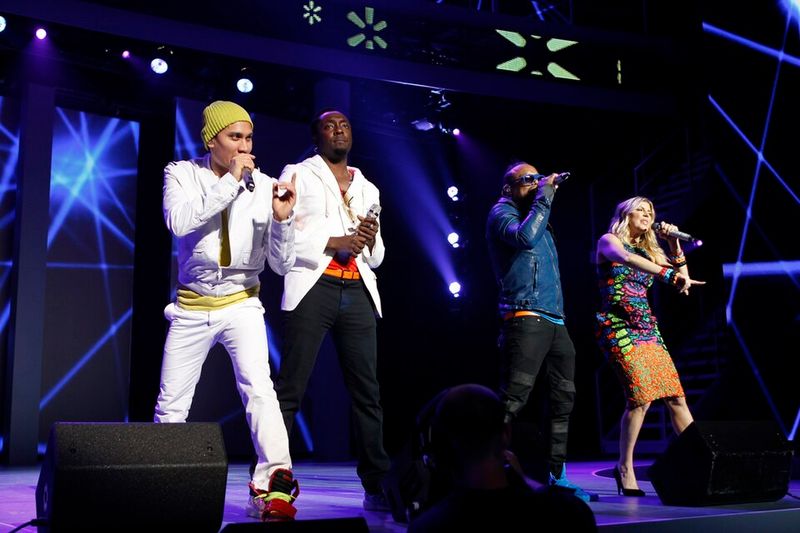
11. Black Eyed Peas’ ‘Time of My Life’ (Originally by Bill Medley and Jennifer Warnes)
“(I’ve Had) The Time of My Life” from the 1987 film “Dirty Dancing” is one of the most beloved duets in pop music history. Bill Medley and Jennifer Warnes delivered a performance full of warmth, romance, and soul.
The song won an Academy Award and became permanently tied to one of cinema’s most iconic moments.
The Black Eyed Peas sampled and reworked the track into an electronic club anthem. The romantic warmth was replaced with a thumping beat and modern pop production.
While the group was at the peak of their commercial success, the reworking felt disconnected from everything that made the original meaningful.
Fans of “Dirty Dancing” largely rejected the remake as tone-deaf to the original’s emotional context. Turning a heartfelt love duet into a dance floor track removed the very soul of the song.
It was a commercially calculated move that many music lovers found difficult to appreciate.
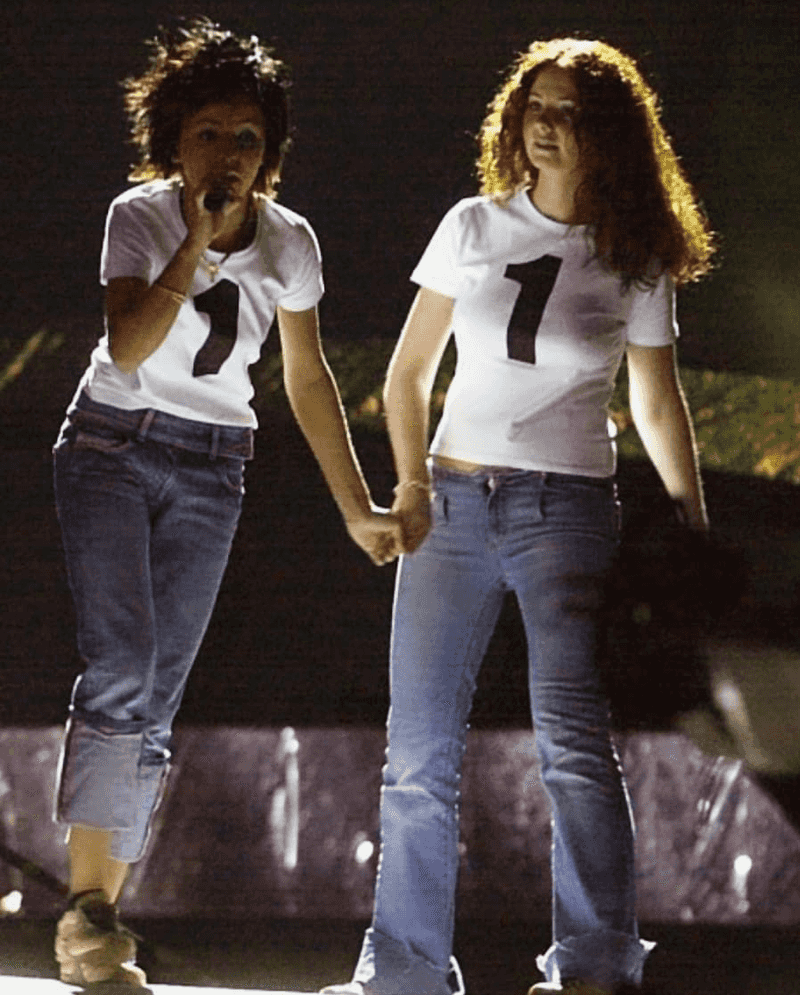
12. t.A.T.u.’s ‘How Soon Is Now?’ (Originally by The Smiths)
The Smiths recorded “How Soon Is Now?” in 1984, and it became one of the most hauntingly beautiful songs in alternative music. Johnny Marr’s tremolo guitar effect created an eerie, hypnotic atmosphere, while Morrissey’s lonely vocal delivery gave the song an almost unbearable emotional weight.
It is widely considered a masterpiece of mood.
Russian pop duo t.A.T.u. covered it in 2003, replacing the atmospheric guitar work with electronic production and a more energetic pop structure. Their version had a slicker, more danceable feel that smoothed over the original’s brooding darkness.
Fans of The Smiths were largely critical, feeling that the cover prioritized commercial appeal over artistic integrity. The emotional subtlety that made the original so powerful was traded for a glossy finish. t.A.T.u. was a successful pop act, but this particular cover showed how difficult it is to translate indie rock atmosphere into mainstream pop production.
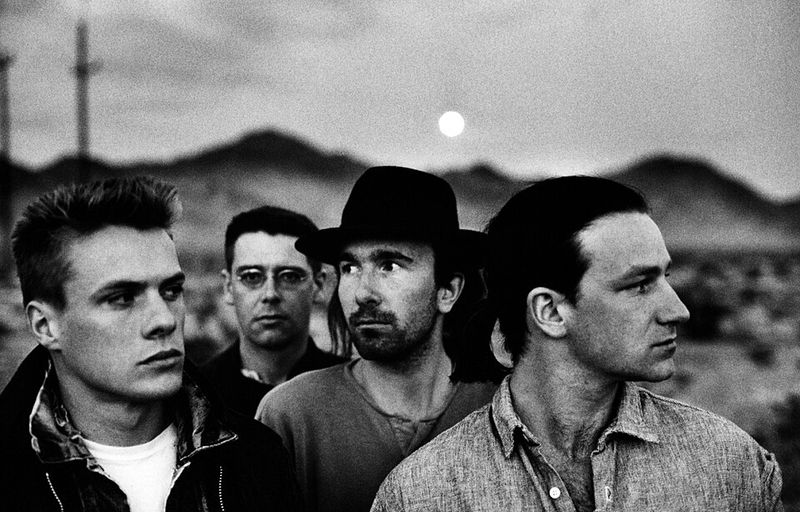
13. U2’s ‘Fortunate Son’ (Originally by Creedence Clearwater Revival)
Creedence Clearwater Revival released “Fortunate Son” in 1969 as a sharp, angry protest against class inequality and the Vietnam War draft. John Fogerty’s voice carried genuine fury, and the song’s raw production made it feel urgent and immediate.
It became one of the most powerful political rock songs ever recorded.
U2 performed the song on various occasions, bringing their signature stadium-rock production to the track. While Bono’s vocal commitment is never in question, the polished, large-scale presentation softened the song’s scrappy, working-class anger.
CCR’s version worked precisely because it sounded rough and unpolished.
Several music writers noted that U2’s approach unintentionally undermined the song’s message about privilege and excess by wrapping it in expensive production. The original’s power came from its simplicity and raw emotion.
When those qualities were replaced with spectacle, the song’s political punch was significantly reduced.
14. Kid Rock’s ‘Feel Like Makin’ Love’ (Originally by Bad Company)

Bad Company’s 1975 recording of “Feel Like Makin’ Love” was a slow-burning classic rock gem. Paul Rodgers’ voice was smoky and effortlessly cool, and the song balanced bluesy soul with classic rock structure in a way that felt timeless.
It remains one of the band’s most loved tracks.
Kid Rock recorded his version with a more contemporary rock and country-rock blend. Critics found it uninspired, noting that it added little to the original while losing much of Rodgers’ distinctive vocal warmth.
The remake felt like a song that existed mostly because it could, not because it needed to.
Rock fans generally consider the original untouchable, largely because of Rodgers’ singular voice. Covering a song built around such a specific vocal identity is always a risky move.
Kid Rock’s version was not offensive, just unnecessary, which in music can sometimes be worse than outright failing.
15. Disturbed’s ‘The Sound of Silence’ (Originally by Simon and Garfunkel)

Simon and Garfunkel’s “The Sound of Silence” from 1964 is one of folk music’s most treasured recordings. Paul Simon’s delicate acoustic guitar and the duo’s soft vocal harmonies created a song that felt intimate and deeply contemplative.
Its quiet power made it one of the most emotionally resonant songs of the 20th century.
Disturbed released their metal-influenced cover in 2015, featuring David Draiman’s operatic vocals over sweeping orchestration. The cover went viral and received enormous praise from many listeners who had never connected with the original.
However, longtime fans of Simon and Garfunkel often felt the dramatic presentation missed the point entirely.
The original’s beauty lived in restraint and stillness. Disturbed’s version replaced that stillness with intensity, turning a whisper into a shout.
For those who loved the folk classic, the cover felt like an oversimplification of a song whose entire meaning depended on what it chose not to say.
Share this story